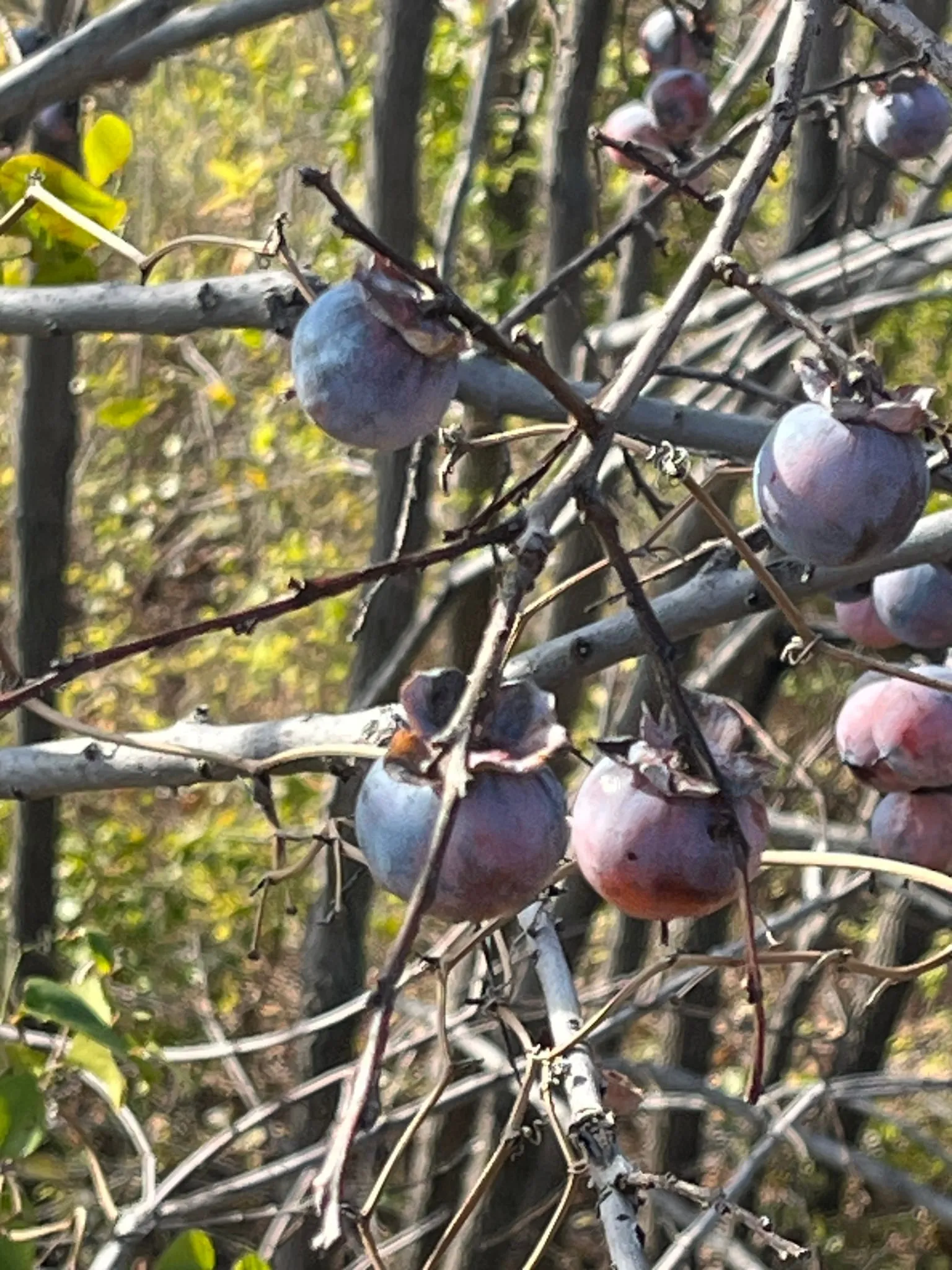
fruit tree in zone 6b
Growing american persimmon in zone 6b
Diospyros virginiana
- Zone
- 6b -5°F to 0°F
- Growing season
- 190 days
- Chill needed
- 100 to 400 below 45°F
- Suitable varieties
- 3
- Days to harvest
- 180 to 240
The verdict
Zone 6b is a reliable growing zone for American Persimmon, not a marginal one. The species is native to much of eastern North America and tolerates winter lows of -5 to 0°F without significant dieback. Its chill-hour requirement of 100 to 400 hours is met comfortably across zone 6b, where winters typically deliver 800 to 1,200 chill hours depending on location. Growers won't need to worry about insufficient chilling or late-spring forcing of dormancy.
Varieties suited to zone 6b include Meader, which was selected for northern hardiness and performs consistently in shorter-season conditions; Yates, a heavy producer with good cold tolerance; and Prok, valued for consistent fruit set and upright form. All three are well within their hardiness range in zone 6b. If anything, the limiting factor in this zone is the length of the growing season rather than cold hardiness. At 190 days, the growing season is adequate for fruit to mature fully on established trees.
Recommended varieties for zone 6b
3 cultivars suited to this zone, with disease-resistance and zone-fit annotations.
| Variety | Notes | Zone fit | Disease resistance |
|---|---|---|---|
| Meader fits zone 6b | Sweet, soft, rich complex flavor reminiscent of dates and apricot when fully ripe; eat soft only, astringent until then. Fresh, baking, drying. Self-fertile cold-hardy native selection. | | none noted |
| Yates fits zone 6b | Very sweet, soft when ripe with intense honey flavor; fresh eating and baking (puddings, breads). Productive but needs a pollinator. | | none noted |
| Prok fits zone 6b | Sweet, large fruit with rich flavor; fresh and baking. Reliable producer, partially self-fertile. | | none noted |
Critical timing for zone 6b
American Persimmon blooms late relative to most fruit trees, typically in late May to early June in zone 6b. This late bloom window is an advantage: by the time flowers open, the risk of a killing frost has passed in most zone 6b locations. Late frosts that damage apple and peach crops rarely affect persimmon.
Harvest falls in October through early November, after the first light frost. Frost softens the fruit and reduces astringency in non-astringent types; fully astringent selections like Prok require a hard freeze or extended cold storage before they're palatable. In zone 6b, growers can expect first fall frosts between mid-October and early November, which aligns well with the crop's ripening requirements. Fruit left on the tree too long risks loss to wildlife, particularly deer and raccoons.
Common challenges in zone 6b
- ▸ Cedar-apple rust
- ▸ Fire blight
- ▸ Stink bugs
Modified care for zone 6b
American Persimmon requires relatively little modification in zone 6b compared to warmer parts of its range. The main adjustment is pest vigilance. Stink bugs, listed as a zone challenge, cause direct fruit damage and can render a significant portion of the crop unmarketable. Row cover is impractical on mature trees, so the practical response is timely harvest once fruit begins to soften and reliance on beneficial insect habitat to support predator populations.
Cedar-apple rust and fire blight pressure listed for zone 6b do not directly affect American Persimmon, which is not a host for either pathogen. Growers who also maintain apple or pear trees nearby should manage those separately, but persimmon itself won't require fungicide programs for these diseases. No special winter protection is needed for established trees of Meader, Yates, or Prok in zone 6b. Young trees in their first winter benefit from trunk wraps to prevent frost cracking, a common issue when bark is thin and temperatures fluctuate widely.
Frequently asked questions
- Does American Persimmon need a pollinator in zone 6b?
Most American Persimmon varieties produce fruit parthenocarpically, meaning without pollination. Prok and Meader are reliable self-fruiting selections. Planting a male tree nearby can improve fruit set and size, but it is not required for a reasonable harvest.
- How long before an American Persimmon tree fruits in zone 6b?
Grafted trees typically begin bearing in 3 to 5 years. Seedling trees take longer, often 6 to 8 years, and fruit quality is unpredictable. For reliable fruiting in a defined timeline, grafted named varieties are the practical choice.
- Will the fruit ripen fully in zone 6b's 190-day growing season?
Yes, for named varieties selected for northern performance. Meader and Yates ripen in October and mature well within zone 6b's season. Later-ripening selections bred for warmer zones may not fully develop before hard frost arrives.
- Are stink bugs a serious problem for persimmons in zone 6b?
Brown marmorated stink bugs are an increasing pest across zone 6b and cause puncture damage that leads to corky spots inside the fruit. Damage is cosmetic in mild infestations but can be significant in high-pressure years. Monitoring populations and harvesting promptly when fruit softens reduces losses.
+−
+−
+−
+−
American Persimmon in adjacent zones
Image: "Diospyros virginiana 450936388", by pynklynx, via Wikimedia Commons, licensed under CC0 Source.

Related