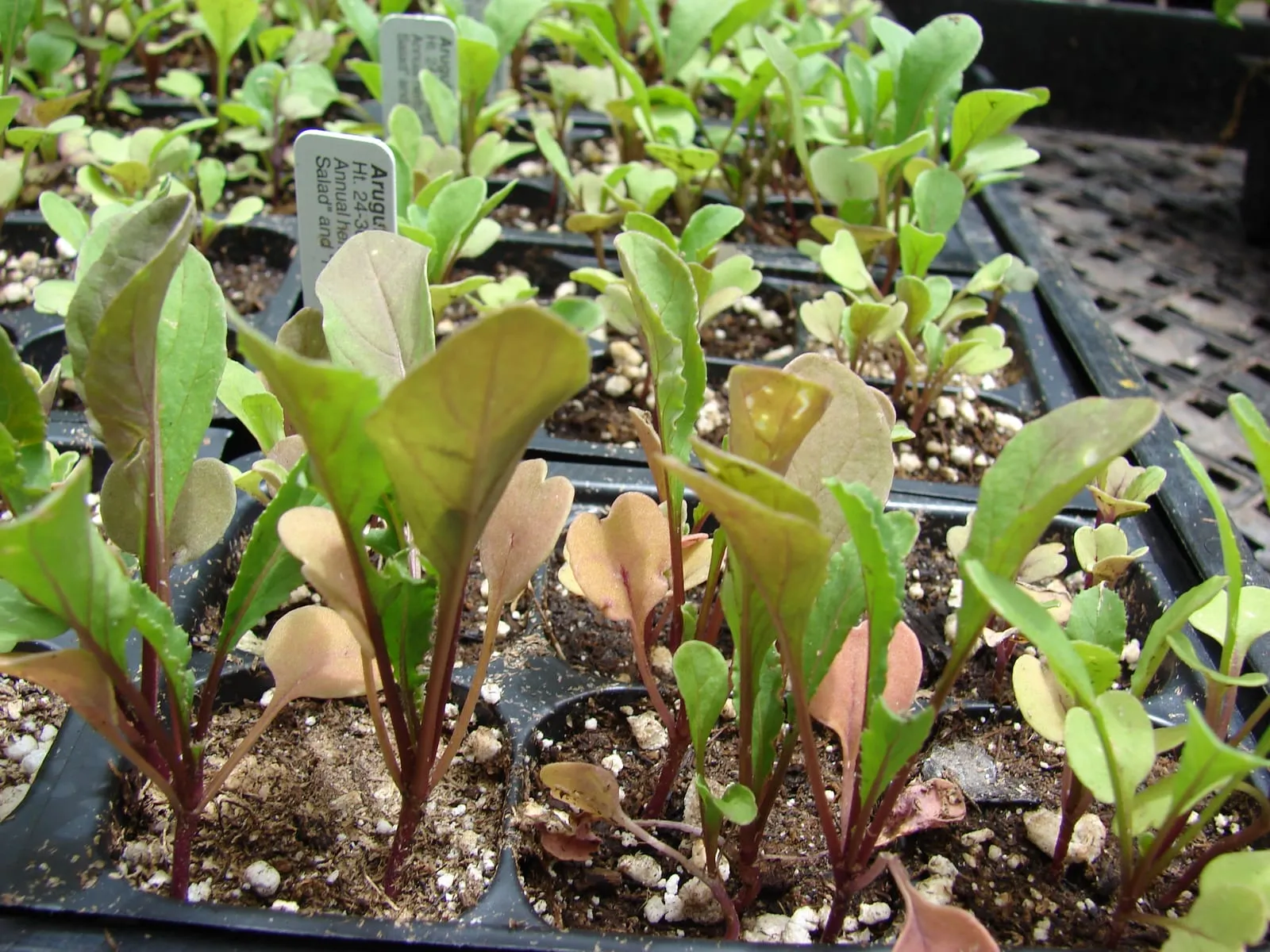
vegetable in zone 4b
Growing arugula in zone 4b
Eruca vesicaria
- Zone
- 4b -25°F to -20°F
- Growing season
- 130 days
- Suitable varieties
- 2
- Days to harvest
- 25 to 40
The verdict
Arugula is a cool-season annual with no chill-hour requirement, so the zone-matching question is not about winter cold accumulation but about whether the growing season offers enough cool weather for quality leaf production. Zone 4b is a strong fit. The crop performs best when daytime temperatures stay between 45 and 70°F; sustained heat above 75°F triggers bolting and turns leaves unpalatably bitter. Zone 4b's 130-day growing season is bracketed by reliably cool springs and falls, which is exactly what arugula wants. The -25 to -20°F winter minimum is irrelevant for this annual, since no overwintering plant tissue needs to survive. If anything, gardeners in warmer zones face more difficulty with arugula than those in 4b, where the window for quality leaves extends well into June and again from late August through the first hard frost. This is not a marginal zone for arugula. It is a productive one.
Recommended varieties for zone 4b
2 cultivars suited to this zone, with disease-resistance and zone-fit annotations.
| Variety | Notes | Zone fit | Disease resistance |
|---|---|---|---|
| Astro fits zone 4b | Mild peppery, tender, fast-growing; the salad-mix arugula. Salads, pizza topping, pesto. Less spicy than wild types, slow to bolt for an arugula. | | none noted |
| Wild Rocket / Sylvetta fits zone 4b | Sharp, intense pepper bite, deeply lobed leaves; the connoisseur's arugula. Salads, pasta toss, pizza. Slow-growing perennial-style, holds longer in heat. | | none noted |
Critical timing for zone 4b
Last spring frost in zone 4b typically falls between mid-May and late May, depending on elevation and local cold air drainage. Arugula tolerates light frost and can be direct-sown outdoors four to six weeks before that date, usually early to mid-April, with row cover providing insurance against hard freezes. Germination begins reliably at soil temperatures above 40°F. Days to first harvest run 35 to 45 days depending on variety and temperature. A second succession can go in two to three weeks after the first. As summer heat builds in July, bolt risk rises sharply. Fall plantings timed for mid- to late August will mature before the first hard frost in early September, giving a second quality harvest window when temperatures drop back into the optimal range.
Common challenges in zone 4b
- ▸ Spring frost timing
- ▸ Apple scab pressure
- ▸ Cane berry winter dieback
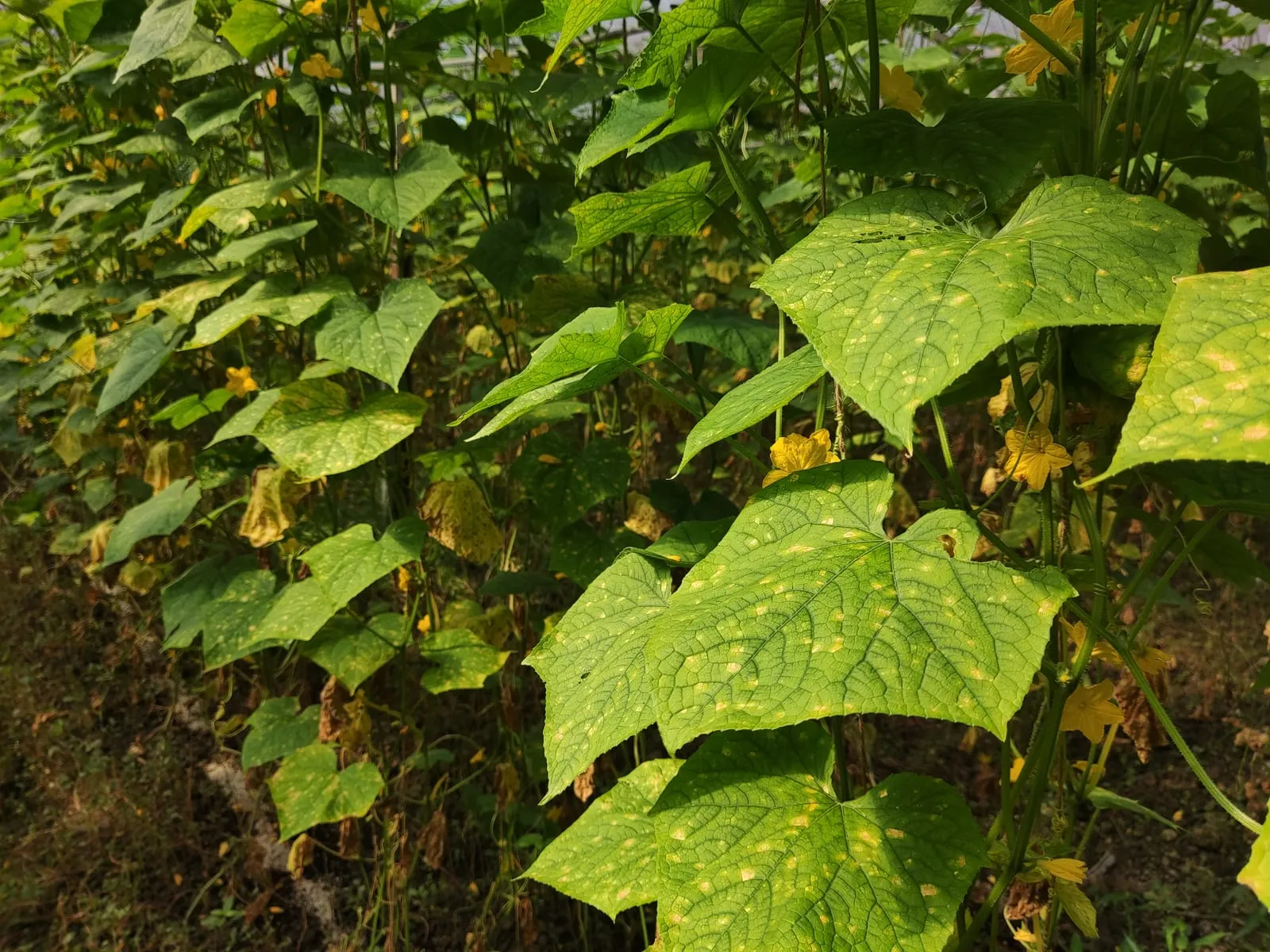
Disease pressure to watch for
Modified care for zone 4b
The main adaptation in zone 4b is protecting early spring plantings from late frost events, which can occur into late May. Floating row cover rated for 4 to 6 degrees of frost protection is sufficient and also speeds soil warming by a week or more. Remove or vent cover during warm midday spells once temperatures climb, since excess heat under cover accelerates bolting faster than ambient conditions would. Downy mildew pressure increases in cool, wet springs with limited air circulation; spacing plants at least six inches apart and avoiding overhead irrigation in the evening reduces leaf wetness and limits infection. Wild Rocket (Sylvetta) is slower to bolt than Astro and holds better leaf quality into warmer stretches, making it the more reliable choice for growers who want to extend the spring window. Astro matures faster and suits succession plantings better when the goal is high leaf volume early in the season.
Frequently asked questions
- Can arugula survive frost in zone 4b?
Arugula tolerates light frost down to about 26°F without significant damage. In zone 4b, early spring plantings under row cover can handle brief dips into the upper 20s. Hard freezes below that threshold will kill unprotected plants, so row cover is recommended until frost risk passes in late May.
- Why does arugula bolt so fast in summer?
Arugula is triggered to flower by a combination of day length and heat. Once daytime temperatures consistently exceed 75 to 80°F, the plant shifts energy from leaf production to seed set. In zone 4b, this typically happens in late June or July. Planting in early spring or late summer avoids the peak bolt window.
- What is the difference between Astro and Wild Rocket (Sylvetta) arugula?
Astro is the standard cultivated variety: larger leaves, milder flavor, fast to mature at around 35 to 40 days. Wild Rocket (Sylvetta) has smaller, more deeply lobed leaves with a more intense, peppery flavor and is notably slower to bolt, making it better suited for growers who want a longer harvest window in warming conditions.
- How do I manage downy mildew on arugula in zone 4b?
Downy mildew thrives in the cool, humid conditions common in zone 4b springs. Good air circulation, wider plant spacing, and watering at the base of plants rather than overhead are the primary controls. Affected leaves show yellow patches on top and grayish-purple fuzz underneath; remove and discard them rather than composting. Resistant varieties are not widely available for arugula, so cultural practices are the main defense.
+−
+−
+−
+−
Arugula in adjacent zones
Image: "Starr 070906-8899 Eruca vesicaria subsp. sativa", by Forest & Kim Starr, via Wikimedia Commons, licensed under CC-BY Source.

Related