vegetable in zone 5a
Growing arugula in zone 5a
Eruca vesicaria
- Zone
- 5a -20°F to -15°F
- Growing season
- 150 days
- Suitable varieties
- 2
- Days to harvest
- 25 to 40
The verdict
Zone 5a is a strong fit for arugula, not a marginal one. Arugula is a cool-season annual that peaks in quality between 45 and 65°F, and zone 5a's spring and fall temperatures land squarely in that range. Winters down to -20°F are irrelevant to the crop because arugula is not grown through the frozen ground; it's seeded into the soil once temperatures allow and harvested before the heat arrives.
Chill hours do not apply to arugula. That concept governs dormancy in perennial fruit crops; arugula germinates and matures within a single season with no vernalization requirement.
The 150-day growing season supports multiple succession plantings, which is how zone 5a growers get the most from this crop. The real limiting factor is summer heat rather than cold: once daytime temperatures consistently exceed 75°F, arugula bolts and turns unpleasantly bitter. Both Astro and Wild Rocket / Sylvetta tolerate some heat, but neither holds well into a zone 5a July.
Recommended varieties for zone 5a
2 cultivars suited to this zone, with disease-resistance and zone-fit annotations.
| Variety | Notes | Zone fit | Disease resistance |
|---|---|---|---|
| Astro fits zone 5a | Mild peppery, tender, fast-growing; the salad-mix arugula. Salads, pizza topping, pesto. Less spicy than wild types, slow to bolt for an arugula. | | none noted |
| Wild Rocket / Sylvetta fits zone 5a | Sharp, intense pepper bite, deeply lobed leaves; the connoisseur's arugula. Salads, pasta toss, pizza. Slow-growing perennial-style, holds longer in heat. | | none noted |
Critical timing for zone 5a
Last frost in zone 5a typically falls between late April and mid-May depending on local elevation and terrain. Direct seeding can begin 4 to 6 weeks before that date, often in late March or early April, once soil is workable. Arugula germinates at soil temperatures as low as 40°F and reaches harvest size in 35 to 45 days, so a late-March planting can yield cuttings in early to mid-May.
The fall window is equally productive and often produces better-tasting leaves. Count back 6 to 8 weeks from the first fall frost (typically early to mid-October in zone 5a) and sow in late August. Cooler nights concentrate the peppery compounds that make arugula distinctive. Light frosts, down to around 26°F, do not kill established plants; they slow growth but rarely damage usable foliage.
Common challenges in zone 5a
- ▸ Fire blight in pears
- ▸ Cedar-apple rust
- ▸ Late spring frosts
Disease pressure to watch for
Modified care for zone 5a
The primary adjustment in zone 5a is timing successions tightly to stay ahead of summer heat. Planting in early spring and again in late summer avoids the peak bolt window entirely; attempting to grow arugula in June and July generally produces little worth harvesting.
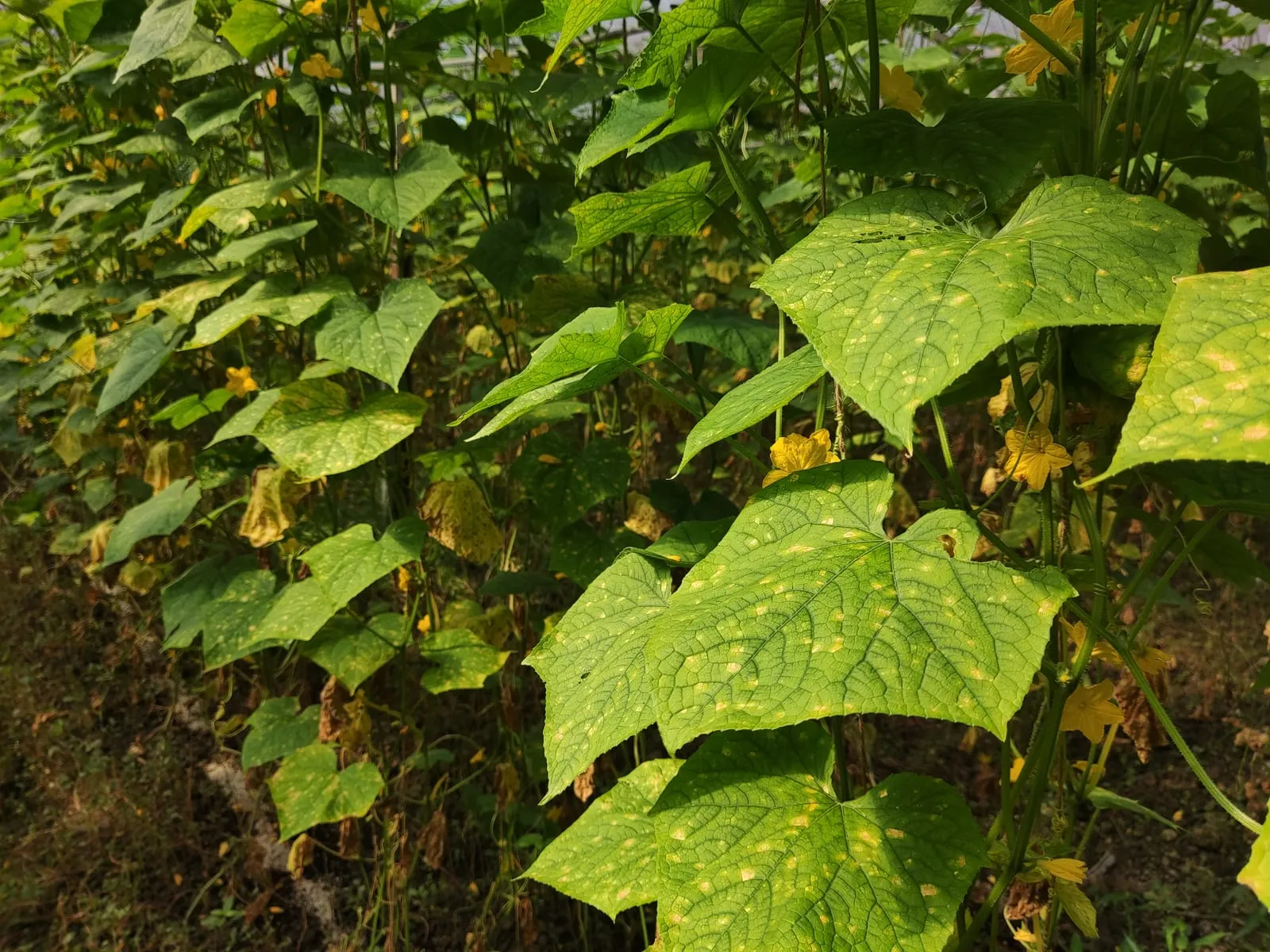
Downy mildew is the main disease concern, particularly in cool, wet springs when air circulation is low. Thinning rows to 4 to 6 inches improves airflow and reduces the dense humidity that favors infection. Avoid overhead watering in the evening. Wild Rocket / Sylvetta shows somewhat better field tolerance to mildew than standard Astro, making it worth considering for growers who have had recurrent problems.
Row covers extend both the spring and fall windows by 2 to 3 weeks in zone 5a, protecting against late spring frosts in April and the first hard frosts of October. A lightweight floating row cover rated to 28°F is sufficient; heavier frost blankets are unnecessary for arugula.
Frequently asked questions
- Can arugula survive winter in zone 5a?
Not without protection. Established plants tolerate light frosts down to around 26°F, but zone 5a winters regularly reach -20°F. Arugula is treated as a spring and fall crop in this zone, not a winter perennial. A cold frame or unheated greenhouse can extend the fall harvest into early winter.
- Why does arugula bolt so quickly in zone 5a summers?
Arugula is genetically programmed to flower when days lengthen and temperatures rise. In zone 5a, that shift happens quickly after May. Once daytime highs consistently exceed 75 to 80°F, the plant prioritizes seed production over leaf growth. Succession planting in spring and fall sidesteps this entirely.
- Which variety performs better in zone 5a, Astro or Wild Rocket?
Both work well in zone 5a's cool seasons. Wild Rocket / Sylvetta is slower to bolt and shows marginally better downy mildew tolerance, making it a practical choice for growers who prefer lower-maintenance plantings. Astro germinates faster and produces milder-flavored leaves, which some growers prefer for fresh salads.
- How do I manage downy mildew on arugula?
Thin plants to 4 to 6 inches apart to improve airflow, water at the base rather than overhead, and avoid watering in the evening. Downy mildew spreads rapidly in cool, damp conditions typical of zone 5a springs. Affected leaves are safe to eat but unpleasant in texture; remove and discard heavily infected tissue rather than composting it.
+−
+−
+−
+−
Arugula in adjacent zones
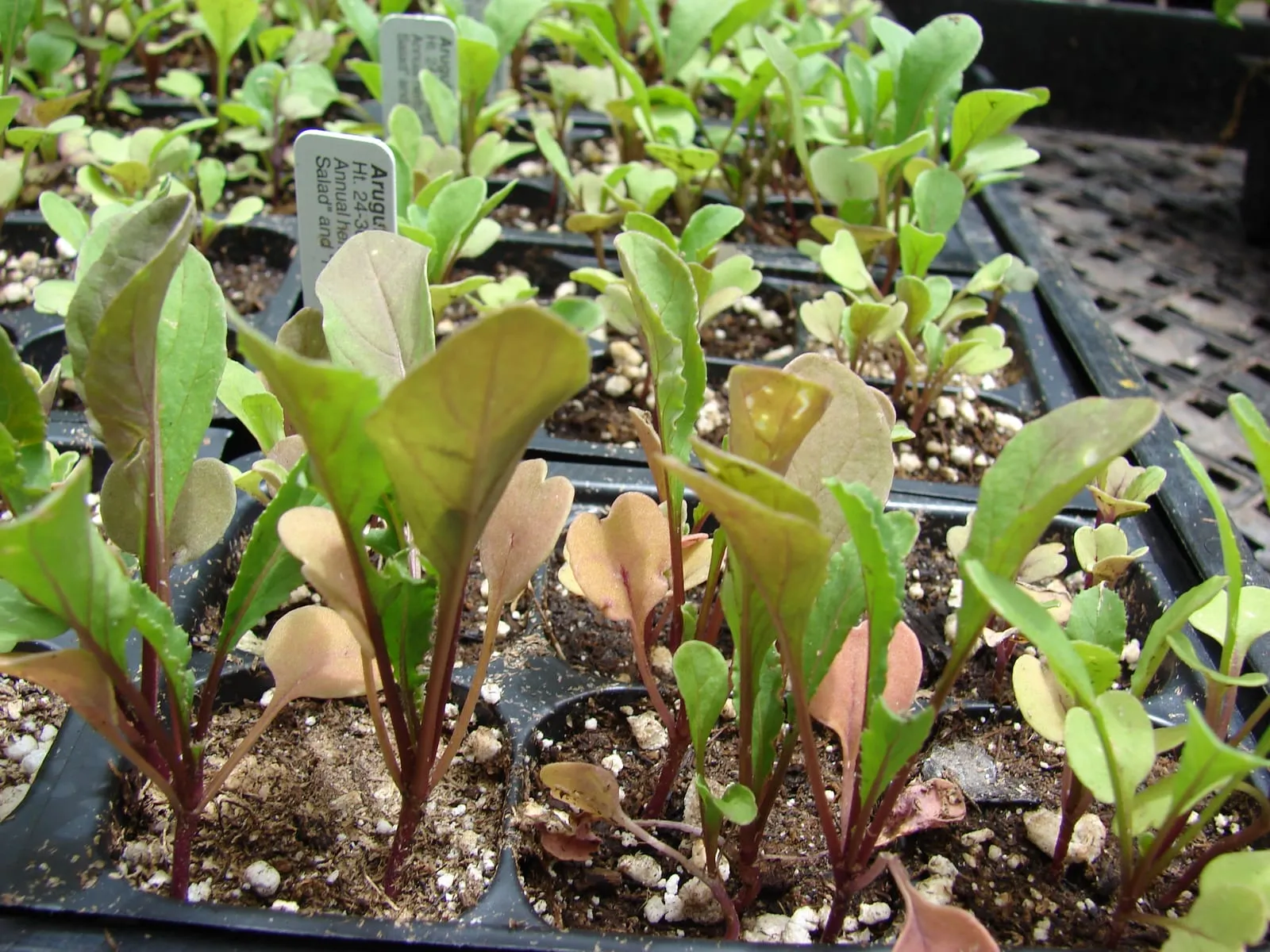
Image: "Starr 070906-8899 Eruca vesicaria subsp. sativa", by Forest & Kim Starr, via Wikimedia Commons, licensed under CC-BY Source.

Related