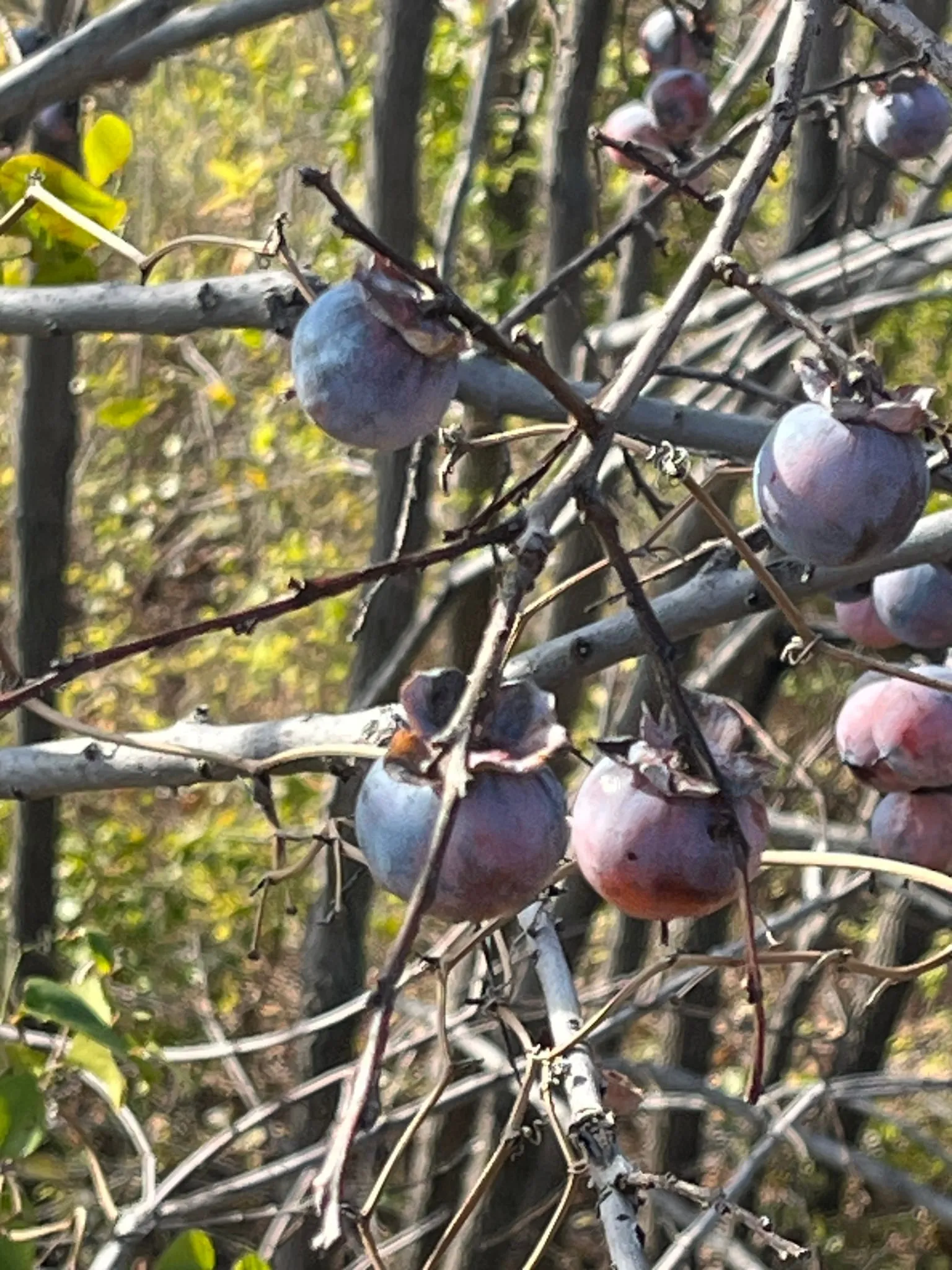
fruit tree in zone 4b
Growing american persimmon in zone 4b
Diospyros virginiana
- Zone
- 4b -25°F to -20°F
- Growing season
- 130 days
- Chill needed
- 100 to 400 below 45°F
- Suitable varieties
- 1
- Days to harvest
- 180 to 240
The verdict
American persimmon (Diospyros virginiana) is one of the more cold-tolerant fruit species available to zone 4b growers. The species is native to the eastern United States and has demonstrated survival at temperatures well below -20°F in documented trials, placing zone 4b (-25 to -20°F) within its established hardiness range rather than at a marginal edge.
The chill-hour requirement of 100 to 400 hours is comfortably exceeded in zone 4b, where most winters accumulate 1,000 or more hours below 45°F. Excess chilling is not a concern for this species. The binding constraint is the 130-day growing season: American persimmon typically needs 100 to 120 days from bloom to ripe fruit, which is workable but leaves little buffer if spring arrives late or fall frosts come early.
The variety Meader was specifically selected for northern performance and is the appropriate choice at this latitude. Standard or unnamed seedling trees are not recommended in zone 4b; Meader's documented hardiness and earlier ripening are meaningful advantages, not minor distinctions.
Recommended varieties for zone 4b
1 cultivar suited to this zone, with disease-resistance and zone-fit annotations.
| Variety | Notes | Zone fit | Disease resistance |
|---|---|---|---|
| Meader fits zone 4b | Sweet, soft, rich complex flavor reminiscent of dates and apricot when fully ripe; eat soft only, astringent until then. Fresh, baking, drying. Self-fertile cold-hardy native selection. | | none noted |
Critical timing for zone 4b
American persimmon blooms late relative to other fruit trees, generally in late May to early June in zone 4b. This phenology works in the crop's favor: by the time flowers open, most of the hard spring frost risk has passed, and the zone's frost timing pressure is a lesser concern here than it is for earlier-blooming species like apricot or sweet cherry.
Harvest falls in late September through October, depending on the season. Zone 4b's first fall frost typically arrives in late September to early October, and persimmon fruit benefits from a light frost to soften astringency, so timing alignment is often workable. In years with early hard freezes, fruit left on the tree may be damaged before fully ripening. Meader ripens earlier than many American persimmon selections, which narrows this risk.
Common challenges in zone 4b
- ▸ Spring frost timing
- ▸ Apple scab pressure
- ▸ Cane berry winter dieback
Modified care for zone 4b
Site selection matters more in zone 4b than in warmer parts of the range. South or southeast-facing slopes with good air drainage reduce frost pocket risk and extend the effective growing season by several days at both ends. Low-lying spots that collect cold air are a real liability for ripening fruit, even if the tree itself survives winter without damage.
Young trees in their first two winters benefit from mulching the root zone and, in exposed locations, wrapping the trunk with a tree guard to prevent frost cracking. Established trees generally do not need supplemental winter protection. Irrigation during dry summers supports consistent fruit sizing; zone 4b summers are often shorter and cooler, but drought stress in July and August affects fruit development and should not be ignored.
No significant disease pressure is flagged for American persimmon in this zone. Pest and disease management is comparatively simple relative to other fruit trees, which is part of the crop's appeal for northern growers.
Frequently asked questions
- Is zone 4b too cold for American persimmon?
No. American persimmon is cold-hardy well below -20°F, and zone 4b falls within its documented range. The Meader variety is the recommended selection for zone 4b, as it was specifically bred for northern climates and ripens earlier than most American persimmon selections.
- Do American persimmons need cross-pollination in zone 4b?
Many American persimmon selections, including Meader, are parthenocarpic and will set seedless fruit without a pollinator. Planting two trees can increase yield and fruit size, but a single Meader tree will produce fruit on its own.
- Will fruit ripen before fall frost in zone 4b?
In most years, yes. Meader ripens in late September to early October, and a light frost actually improves fruit flavor by reducing astringency. The risk is a hard freeze before the fruit reaches full size, which is more likely in early-frost years. Site selection on a well-drained, south-facing slope helps extend the ripening window.
+−
+−
+−
American Persimmon in adjacent zones
Image: "Diospyros virginiana 450936388", by pynklynx, via Wikimedia Commons, licensed under CC0 Source.

Related