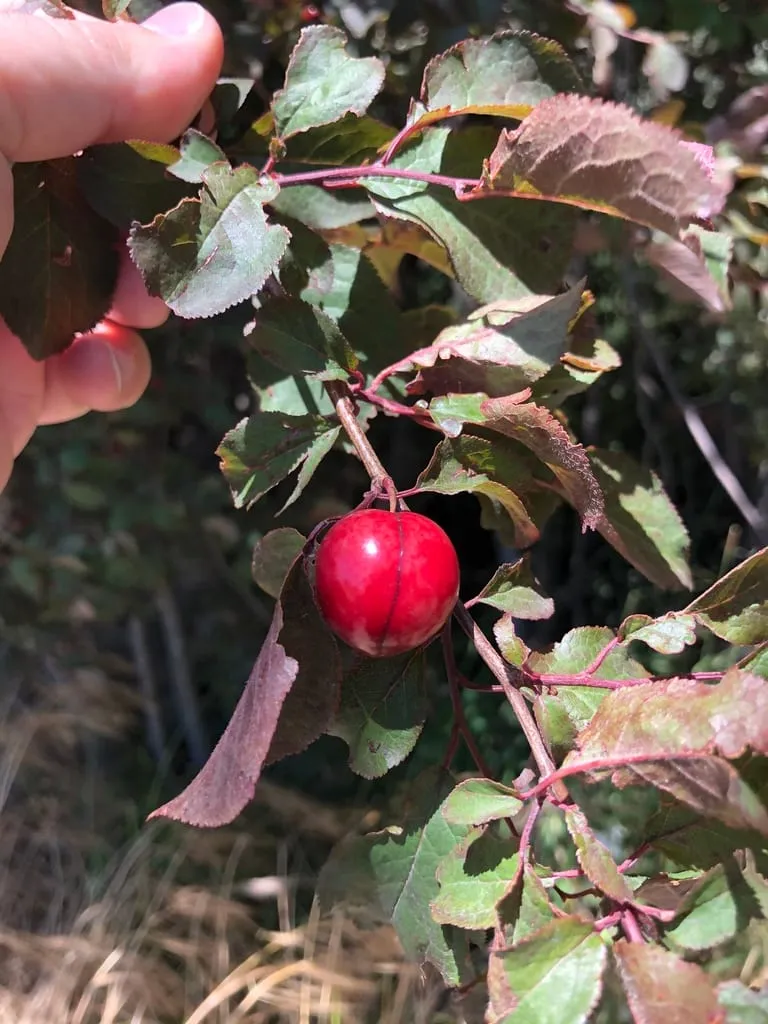
fruit tree in zone 8a
Growing european plum in zone 8a
Prunus domestica
- Zone
- 8a 10°F to 15°F
- Growing season
- 240 days
- Chill needed
- 700 to 1000 below 45°F
- Suitable varieties
- 0
- Days to harvest
- 140 to 170
The verdict
Zone 8a sits at the warm edge of European plum's viable range. Most European plum varieties require 700 to 1,000 chill hours (hours below 45°F between November and February), and zone 8a accumulates roughly 700 to 900 hours in a typical winter, with significant variation year to year. Warmer winters, which are becoming more frequent, can drop well below that 700-hour floor and result in poor bloom set, erratic leafout, and reduced fruit load.
This makes zone 8a a marginal zone rather than a sweet spot for European plum. Success is possible, but it depends on site selection (lower elevations accumulate fewer chill hours), variety choice, and accepting that some years will underperform. Growers in warmer parts of zone 8a, particularly along the Gulf Coast, will have a harder time than those at higher elevations or in the northern tier of the zone.
Critical timing for zone 8a
European plums in zone 8a typically break dormancy in late February to early March, with bloom following shortly after. The last frost in zone 8a falls between late January and mid-March depending on location, meaning bloom and late frost risk overlap in many years. A hard freeze at or below 28°F during open bloom can wipe out the crop.
Harvest runs from mid-July through late August for most varieties, depending on when bloom occurred and the heat accumulation afterward. The 240-day growing season in zone 8a provides ample time for fruit to develop and mature, so summer heat is not the limiting factor; the spring frost-bloom intersection is the primary timing risk to manage.
Common challenges in zone 8a
- ▸ Insufficient chill hours for some apple varieties
- ▸ Pierce's disease in grapes
- ▸ Heat stress on cool-season crops
Disease pressure to watch for
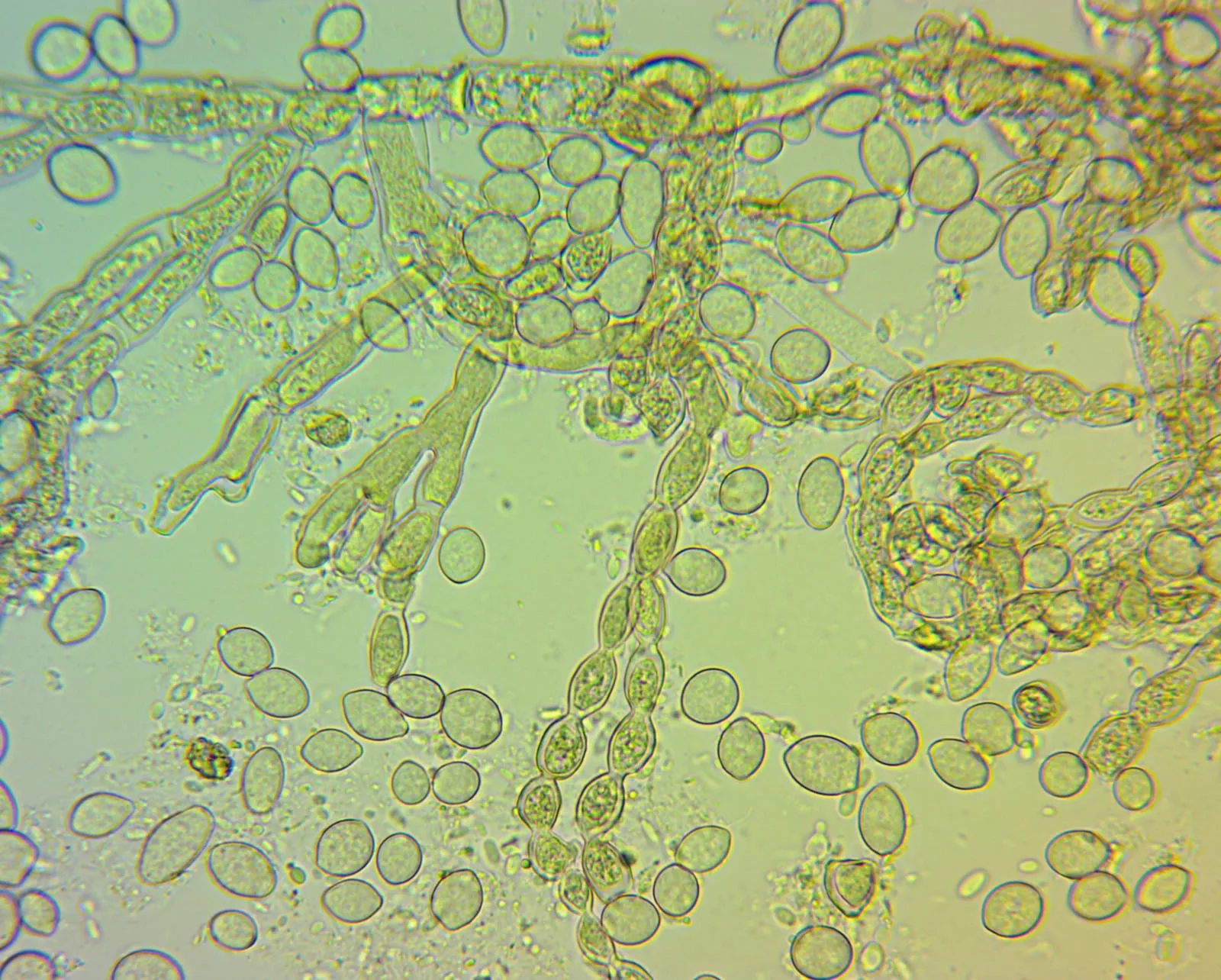
Monilinia fructicola
The most damaging stone-fruit and almond disease, causing blossom blight and fruit rot.
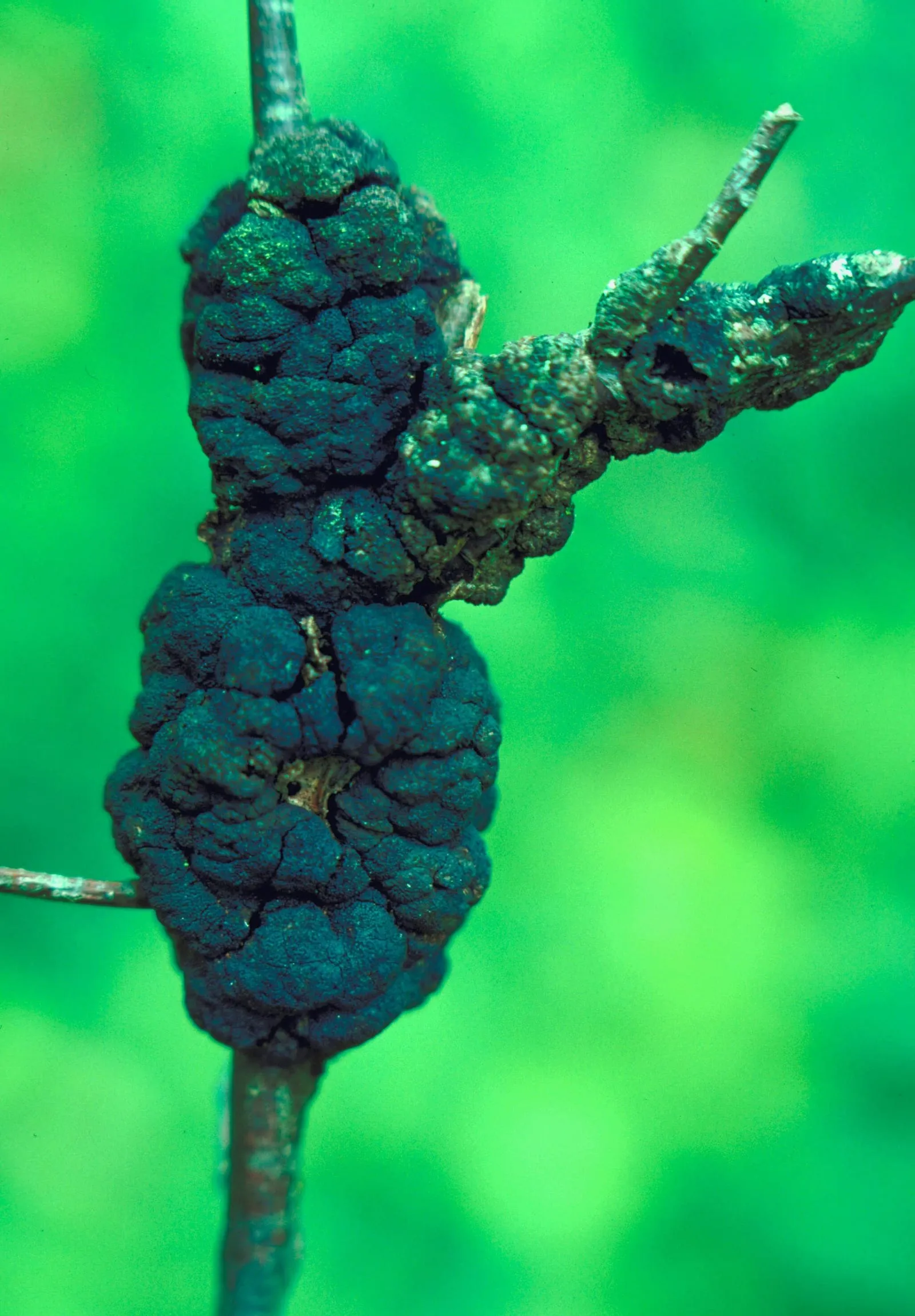
Apiosporina morbosa
Fungal disease producing characteristic black warty galls on plum and cherry branches.

Agrobacterium tumefaciens
Soil-borne bacterium that enters plants through wounds and induces tumor-like galls on roots, crown, and lower stems. Galls reduce vigor and shorten plant lifespan; on Rubus the disease is often fatal.
Modified care for zone 8a
The primary adjustment in zone 8a is variety selection focused on lower chill-hour requirements, targeting the 700 to 800 hour end of the range. Standard European varieties bred for cooler climates will underperform in warm winters.
Brown rot pressure is higher in zone 8a than in cooler zones, particularly during wet springs when temperatures are already climbing. Fungicide coverage at bloom and preharvest is worth prioritizing rather than treating as optional. Black knot, a fungal disease that produces dark swollen galls on branches, spreads more readily in humid conditions; annual dormant-season pruning to remove infected wood is the most effective control and should be treated as a routine task rather than a corrective one.
Site selection matters more in zone 8a than in cooler zones. A north-facing slope or elevated site that stays cooler in winter can add meaningful chill hours compared to a sheltered south-facing spot.
Frequently asked questions
- Can European plums grow in zone 8a?
Yes, but zone 8a is at the warm limit of European plum's range. Chill-hour requirements of 700 to 1,000 hours are borderline for the zone, and warm winters can result in poor bloom set. Variety selection focused on lower-chill cultivars improves the odds considerably.
- What is the biggest disease risk for European plum in zone 8a?
Brown rot is the most damaging disease threat in zone 8a, where warm and humid spring conditions favor infection at bloom and near harvest. Black knot is a persistent secondary concern; removing infected branches during dormancy each year limits its spread.
- When do European plums bloom in zone 8a?
Bloom typically occurs in late February to early March in zone 8a. This timing overlaps with the frost window in many parts of the zone, making late freezes one of the primary crop risks to monitor each spring.
+−
+−
+−
European Plum in adjacent zones
Image: "Plum", by Nathan Odgers, via iNaturalist, licensed under CC-BY Source.
Related