Grafting pair
excellent compatibilityMount Royal
on St. Julien A rootstock
- Compatibility
- Excellent
- Tree size
- Semi Dwarf
- Mature height
- 12–15 ft
- Crop
- European Plum
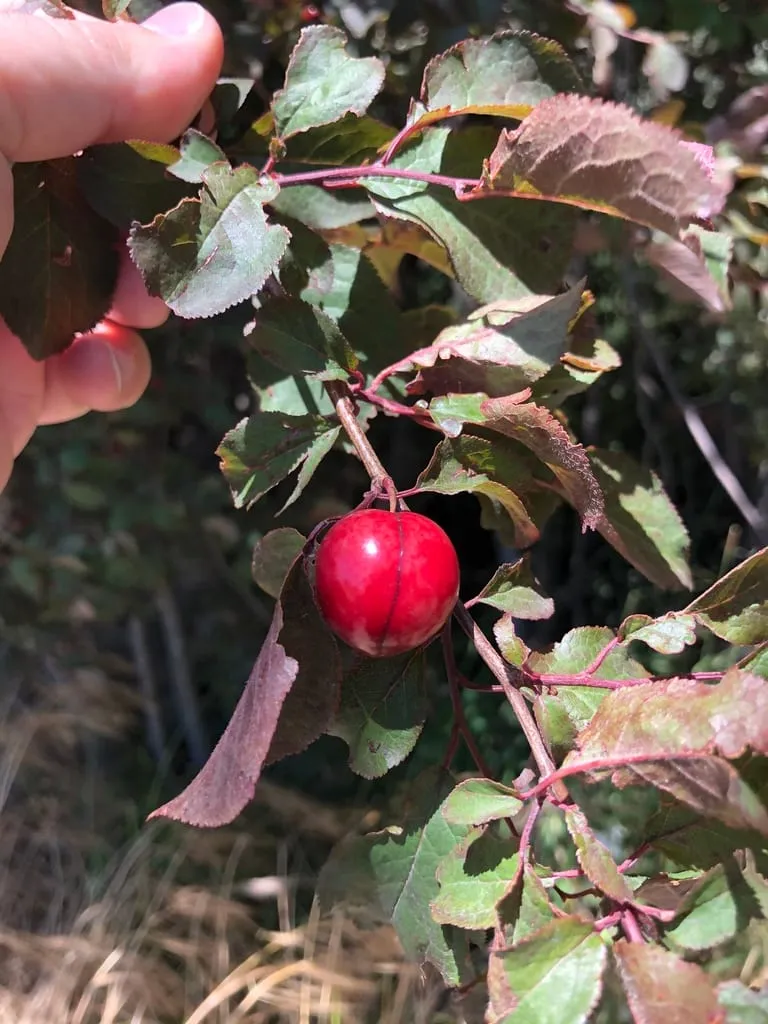
Compatibility and disease notes
St. Julien A is cold-hardy, suitable for cold-climate plum production. Mount Royal's zone-4 hardiness pairs well for northern orchards.
Overview
Mount Royal on St. Julien A is a well-established pairing for cold-climate European plum production, rated excellent for compatibility across multiple trial sites. St. Julien A is a semi-vigorous clonal rootstock that produces trees in the 12 to 15 foot range at maturity, manageable for single-person pruning without a ladder. Mount Royal is a freestone European plum with confirmed zone 4 hardiness, one of the more cold-tolerant cultivars available for this combination.
The pairing is best suited to the Upper Midwest, Northeast, and Mountain West, where both components handle extended cold without significant dieback risk. St. Julien A tolerates heavier soils and periodic waterlogging better than most Malling-series rootstocks, which matters in clay-heavy northern regions where drainage is inconsistent. According to Cornell Plum Rootstocks evaluations, St. Julien A ranks among the more adaptable semi-dwarf options for northern plum production.
Crop production typically begins 3 to 5 years after grafting. The combination is not maintenance-free, as St. Julien A is a consistent suckerer and requires ongoing attention at the root zone. For growers willing to manage that, the size, cold hardiness, and compatibility record make this one of the more reliable choices for northern orchard plantings.
Best regions
Step-by-step grafting guide
Whip-and-tongue grafting is the preferred technique for European plum on St. Julien A. Timing is late winter to early spring, typically February through early April in the Upper Midwest and Northeast, and late March through April in the Mountain West. The goal is to complete grafts after the hardest freezes have passed but before rootstock breaks dormancy.
Tools needed: grafting knife (kept sharp and sanitized between cuts with 70% isopropyl alcohol), grafting tape or rubber budding strips, parafilm or grafting wax for sealing the union.
Collect scion wood from healthy Mount Royal growth in late January or early February while fully dormant. Refrigerate in damp paper towels until use. Scion wood should have 2 to 3 healthy buds. Ideal rootstock caliper for this technique is 3/8 to 5/8 inch. Match scion and rootstock caliper as closely as possible for reliable cambium contact.
Make a single smooth diagonal cut across both rootstock and scion at a 30 to 45 degree angle. Add the interlocking tongue cut to both pieces, approximately one-third of the way down the cut face. Join the pieces so at least one side achieves full cambium alignment. Two-sided alignment improves take rates but is not always possible with slight caliper mismatches. Wrap firmly with grafting tape, covering the entire union without gaps.
Success is indicated by the scion pushing new growth within 3 to 5 weeks. Remove wrapping after 6 to 8 weeks or once the union has visibly callused. Do not unwrap earlier based on bud break alone; the union may not be fully secure.
Common failure modes
The most common failure with St. Julien A is rootstock suckering that outcompetes the scion. Suckers can emerge aggressively during the first few years, and cutting them at soil level only delays regrowth. Remove them at the point of origin, traced back to the root. Monthly inspection during the growing season is necessary in the first 3 years.
Drought stress in the first post-graft season is the second leading cause of loss. St. Julien A builds a moderate root system, but trees on semi-dwarf rootstocks are vulnerable to moisture deficits during establishment. Young trees that experience sustained wilt in summer often fail to survive the following winter even if they appear to recover short-term.
Delayed incompatibility is less common with this combination given its excellent compatibility rating, but it does occur. Signs include constriction at the graft union, bark cracking near the union, or sudden collapse of a seemingly established tree 2 to 4 years after grafting. Annual inspection of the union for unusual swelling or cracking is worthwhile for the first 5 years.
Sources
Frequently asked questions
- How large does a Mount Royal plum tree on St. Julien A get?
Expect a mature height of 12 to 15 feet. St. Julien A is classified as semi-dwarf, producing a tree that is smaller than standard but not as compact as trees on more dwarfing rootstocks. Spread typically matches or slightly exceeds height in open-grown conditions.
- What zones are suitable for this combination?
Mount Royal is rated to zone 4, and St. Julien A is cold-hardy through similar temperature ranges, making this combination suitable for zones 4 through 7. It is particularly reliable in the Upper Midwest, Northeast, and Mountain West where other plum rootstocks may suffer winter injury.
- When should grafting be done for best results?
Late winter to early spring, before the rootstock breaks dormancy. In most of the Upper Midwest and Northeast, that window falls between late February and early April. Grafting too late, after the rootstock is actively growing, reduces take rates significantly.
- How do you prevent rootstock suckers from overtaking the scion?
Inspect the root zone monthly during the growing season and remove suckers at their point of origin on the root, not at ground level. Cutting at the soil surface stimulates regrowth. Consistent removal for the first 3 to 5 years is the most effective strategy.
+−
+−
+−
+−
Related
Related grafts
Image: "Plum", by Nathan Odgers, via iNaturalist, licensed under CC-BY. Source.