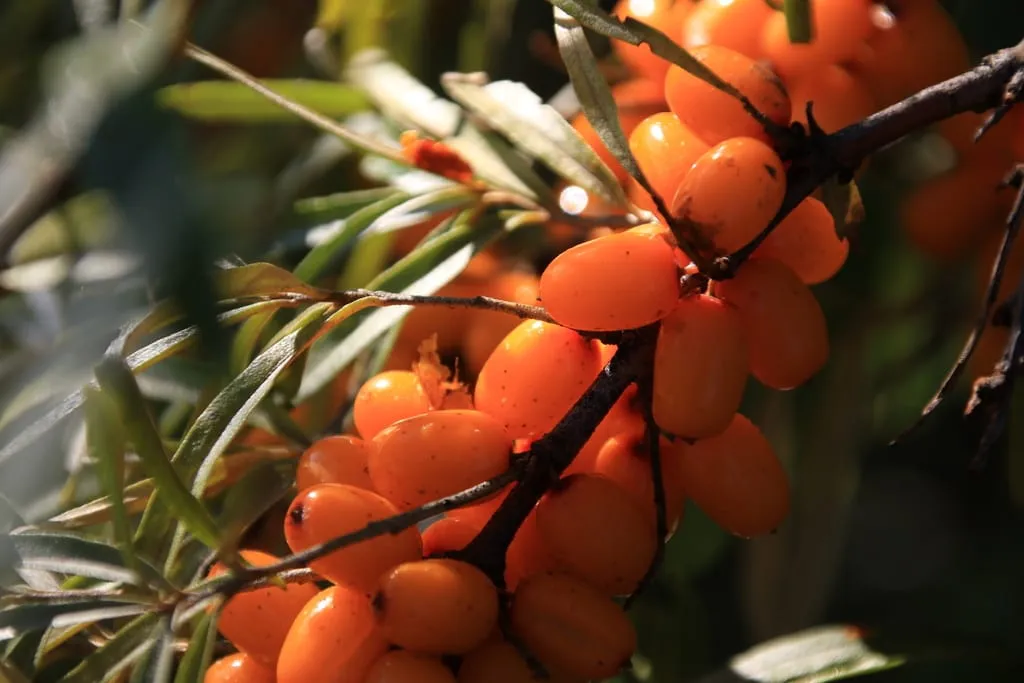
berry in zone 5a
Growing sea buckthorn in zone 5a
Hippophae rhamnoides
- Zone
- 5a -20°F to -15°F
- Growing season
- 150 days
- Suitable varieties
- 4
- Days to harvest
- 100 to 130
The verdict
Zone 5a is a sweet spot for sea buckthorn, not a marginal zone. The crop (Hippophae rhamnoides) originates from cold continental climates in Central Asia and Siberia, where winter lows routinely exceed what zone 5a delivers. The -20 to -15°F range is well within the species' tolerance, and most named cultivars including Botanica, Frugana, and Garden's Gift were selected specifically for northern temperate production systems.
Sea buckthorn does not have a high chill-hour requirement in the way stone fruits or apples do, but it does require genuine winter cold to set dormancy properly. Zone 5a provides that reliably. The 150-day growing season is sufficient for fruit to ripen on most established varieties, with harvest typically completing before the first hard frosts of October. Growers in this zone can expect consistent annual fruiting once plants are established, without the fruit-set uncertainty that warmer zones sometimes experience from insufficient dormancy.
Recommended varieties for zone 5a
4 cultivars suited to this zone, with disease-resistance and zone-fit annotations.
| Variety | Notes | Zone fit | Disease resistance |
|---|---|---|---|
| Botanica fits zone 5a | Tart, bracingly acidic, complex citrus-passionfruit-pineapple flavor; juice, jam, syrup, oil. Russian-bred female with high yields. Requires a male pollinator (one male per 6-8 females). | | none noted |
| Frugana fits zone 5a | Tart, juicy, large bright-orange berries; processing, oil extraction. German-bred female productive with reduced thorns compared to wild stock. | | none noted |
| Garden's Gift fits zone 5a | Tart, large vibrant orange berries; juice and jam. Russian female with concentrated cluster, easier handharvest. Pair with male pollinator. | | none noted |
| Romeo (male) fits zone 5a | Pollinator only, no fruit; provides pollen for female cultivars. Plant one male per 6-8 females. Vigorous nitrogen-fixing shrub useful as windbreak. | | none noted |
Critical timing for zone 5a
Sea buckthorn blooms early, before leaf emergence, typically in late March through mid-April in zone 5a. Bloom is wind-pollinated and brief, so having a male plant (Romeo or another compatible male) within 20 to 30 feet of female shrubs is critical. Late spring frosts are among zone 5a's documented challenges, and they can damage open flowers if temperatures drop below 28°F during the bloom window. Sites with good air drainage reduce this risk.
Fruit matures in late summer, generally August through September depending on variety and site. Botanica and Frugana tend toward late August ripeness in zone 5a; Garden's Gift runs slightly later. Berries soften and become harder to harvest by hand after peak ripeness, so timing the harvest window carefully matters more than with most other shrub fruits.
Common challenges in zone 5a
- ▸ Fire blight in pears
- ▸ Cedar-apple rust
- ▸ Late spring frosts
Modified care for zone 5a
Little additional winter protection is needed in zone 5a. Established sea buckthorn tolerates the zone's coldest temperatures without mulching or wrapping. Young plants in their first winter benefit from a 3-inch mulch ring to moderate soil freeze-thaw cycles at the root zone, but this is standard practice rather than zone-specific hardening.
The primary zone 5a adjustment is site selection to manage late spring frost exposure during the early bloom window. A south-facing slope or a location with good cold-air drainage reduces frost interception compared to low-lying or north-facing positions. Sea buckthorn also fixes nitrogen through root symbiosis with Frankia bacteria, which can drive excessive vegetative growth in fertile soils. In zone 5a, where the growing season is already compressed to 150 days, avoiding heavy nitrogen amendments keeps growth balanced and supports timely hardening before fall frosts. Root suckering is vigorous in this species; plan for regular removal to prevent unwanted spread.
Sea Buckthorn in adjacent zones
Image: "Облепиха", by Нурхайдарова Татьяна, via iNaturalist, licensed under CC-BY Source.
Related