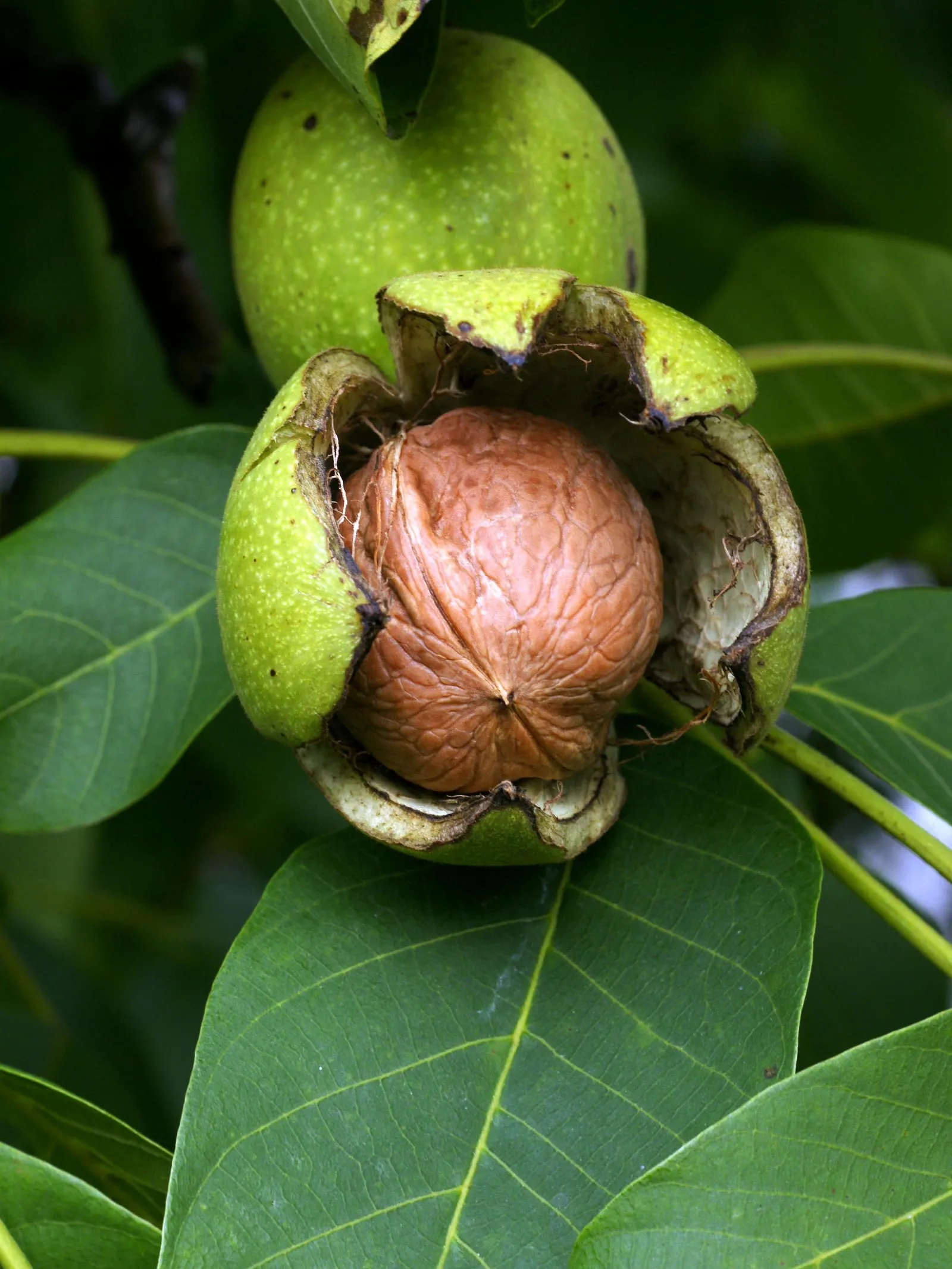
nut in zone 5a
Growing english walnut in zone 5a
Juglans regia
- Zone
- 5a -20°F to -15°F
- Growing season
- 150 days
- Chill needed
- 500 to 800 below 45°F
- Suitable varieties
- 3
- Days to harvest
- 150 to 200
The verdict
Zone 5a sits at the cold margin of English walnut's viable range. Winter lows of -20 to -15°F will kill or severely damage standard selections, but the Carpathian-derived varieties (Carpathian, Lake, Hansen) were bred specifically for this kind of cold and have demonstrated survival at these temperatures in field trials across the Great Lakes and northern Plains regions.
Chill-hour accumulation is not the constraint here. Zone 5a typically exceeds 1,000 hours below 45°F each winter, comfortably covering the 500 to 800-hour requirement. The binding constraints are late spring frost exposure during bloom and a growing season of roughly 150 days that leaves little margin for late-maturing cultivars.
This is a marginal zone: workable with the right variety selection and site management, but not a sweet spot. Growers in zone 5b and warmer have considerably more reliable outcomes.
Recommended varieties for zone 5a
3 cultivars suited to this zone, with disease-resistance and zone-fit annotations.
| Variety | Notes | Zone fit | Disease resistance |
|---|---|---|---|
| Carpathian fits zone 5a | Sweet, mild, easy-shelling thin shells; fresh, baking, oil. Cold-hardy strain (zones 5-7) with reliable cropping where most English walnuts fail. Originated in the Carpathian Mountains. | | none noted |
| Lake fits zone 5a | Sweet, mild, large kernels with thin shells; fresh, baking. Wisconsin-bred Carpathian selection, productive and reliable in the upper Midwest. | | none noted |
| Hansen fits zone 5a | Sweet, mild, large kernels; fresh and baking. Cold-hardy selection productive in zone 4 sites, the hardiest commercial English walnut available. | | none noted |
Critical timing for zone 5a
Carpathian-type English walnuts in zone 5a typically break dormancy in late April and reach full bloom in early to mid-May. This is a narrow and risky window, because killing frosts remain possible through late April and occasionally into the first week of May across much of zone 5a.
English walnut is wind-pollinated, with male catkins often emerging a few days before or after the female flowers depending on cultivar. Harvest falls in late September to early October, which gives just enough season for nuts to mature before the first fall frosts, typically arriving in October in zone 5a. The combination of a late frost risk at bloom and an early fall frost deadline leaves approximately 140 to 150 frost-free days for the full crop cycle, adequate for Carpathian types but not for standard commercial selections bred for warmer regions.
Common challenges in zone 5a
- ▸ Fire blight in pears
- ▸ Cedar-apple rust
- ▸ Late spring frosts
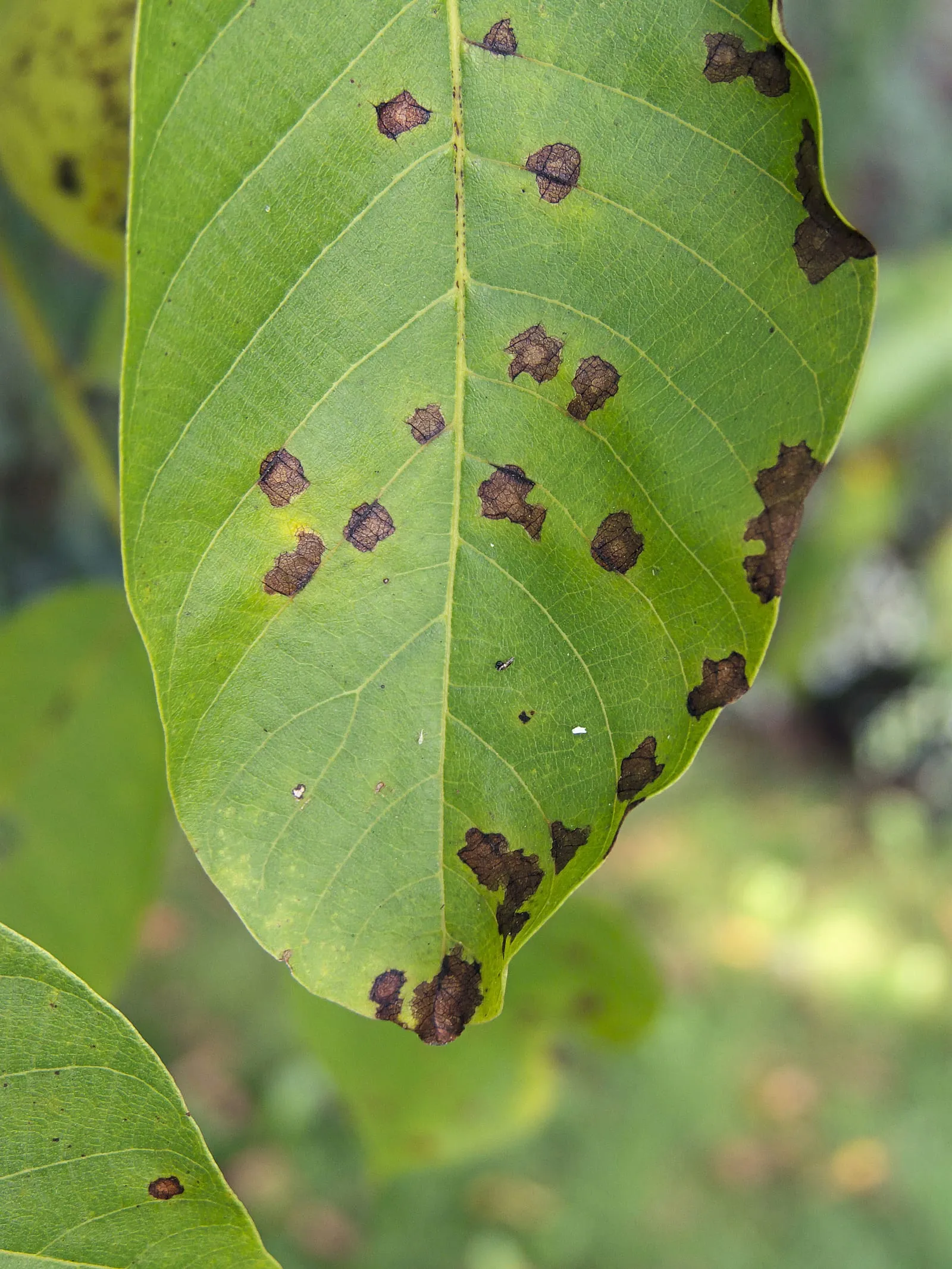
Disease pressure to watch for
Modified care for zone 5a
Site selection is the most effective management tool in zone 5a. Planting on a slight north-facing slope or in a location shielded from early spring warm spells delays bud break by several days, reducing the overlap between bloom and late frosts.
Young trees, particularly in the first two or three winters, benefit from trunk wrapping with tree guards or white latex paint to prevent frost cracking and sunscald during the temperature swings common in continental climates.
Walnut anthracnose tends to worsen in wet springs. Raking and disposing of fallen leaves in autumn reduces the overwintering inoculum load on the site. Avoid high-nitrogen fertilization after mid-summer; late-season growth flushes in zone 5a rarely harden adequately before the first hard freeze, leaving new wood vulnerable to winter dieback.
Frequently asked questions
- Can English walnut survive -20°F winters in zone 5a?
Standard English walnut selections are unlikely to survive -20°F reliably. Carpathian-derived varieties such as Carpathian, Lake, and Hansen were selected for cold hardiness and are the only realistic choices for zone 5a. Even these should be planted in a sheltered site away from frost pockets.
- Does zone 5a have enough chill hours for English walnut?
Yes. Zone 5a typically accumulates well above 1,000 chill hours per winter, which comfortably exceeds the 500 to 800-hour requirement for most English walnut cultivars. Cold hardiness and late spring frost risk are the real limiting factors in this zone, not chill-hour deficit.
- When does English walnut bloom in zone 5a, and why does it matter?
Bloom typically occurs in early to mid-May in zone 5a. Late spring frosts are common into late April and occasionally early May, which means open catkins and female flowers are regularly exposed to frost events that can eliminate the entire year's crop. Site selection and variety timing both reduce but cannot eliminate this risk.
+−
+−
+−
English Walnut in adjacent zones
Image: "Juglans regia Echte Walnussfrucht 1", by Böhringer Friedrich, via Wikimedia Commons, licensed under CC-BY Source.

Related