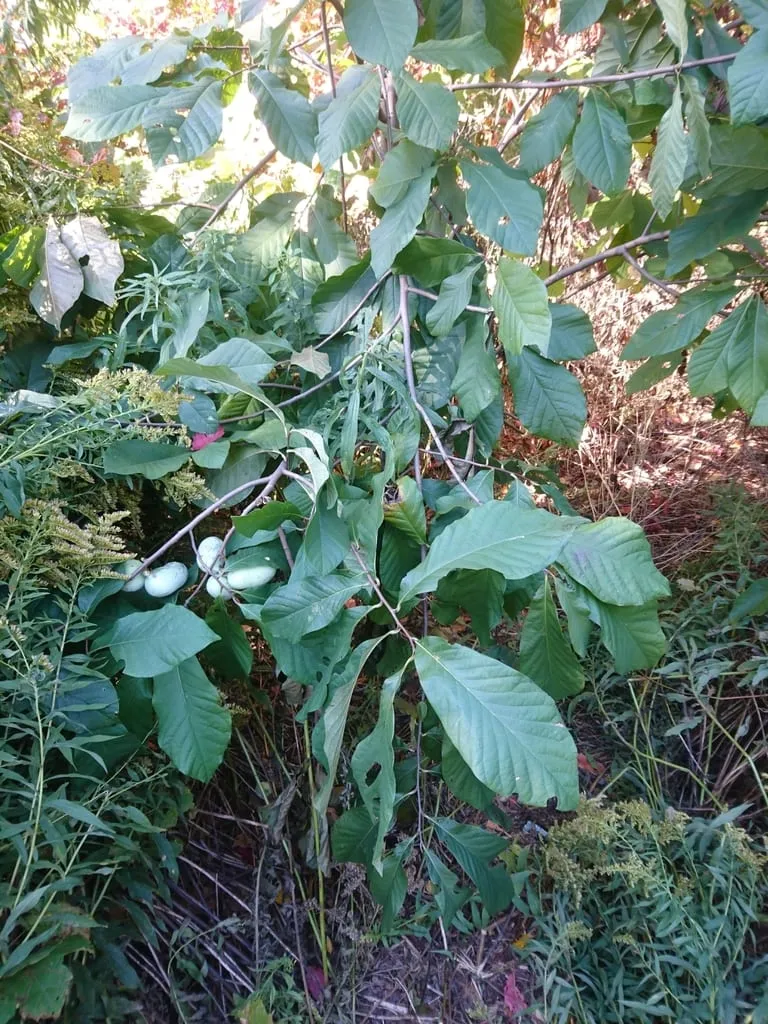
fruit tree in zone 5a
Growing pawpaw in zone 5a
Asimina triloba
- Zone
- 5a -20°F to -15°F
- Growing season
- 150 days
- Chill needed
- 400 to 500 below 45°F
- Suitable varieties
- 1
- Days to harvest
- 150 to 180
The verdict
Zone 5a is within pawpaw's viable range, but fruit ripening is the constraint that matters most here, not winter cold. The trees themselves are cold-hardy well below the zone's minimum temperatures of -20 to -15°F, so overwintering is not a concern. Chill-hour accumulation is also not a problem: zone 5a reliably delivers far more than the 400 to 500 hours pawpaw requires, often accumulating 1,000 hours or more depending on location.
The real limiting factor is the 150-day growing season. Pawpaw fruit requires roughly 150 to 180 days from bloom to harvest. In zone 5a, a late-breaking spring and an early fall can squeeze that window uncomfortably. Selecting an early-ripening variety is not optional here, it is the difference between a reliable crop and annual disappointment. NC-1, which typically matures in late August to September, is one of the better-documented choices for northern sites. This is a workable zone for pawpaw, but growers should expect occasional years when fruit fails to ripen fully.
Recommended varieties for zone 5a
1 cultivar suited to this zone, with disease-resistance and zone-fit annotations.
| Variety | Notes | Zone fit | Disease resistance |
|---|---|---|---|
| NC-1 fits zone 5a | Sweet, mild banana-mango flavor; cold-hardy selection from northern stock. Reliable in zone 5. | | none noted |
Critical timing for zone 5a
Pawpaw blooms in April in most zone 5a locations, typically before most other fruiting trees leaf out. This early bloom creates a direct collision with the zone's well-documented late spring frost risk. Frost events in May are not unusual in zone 5a, and while the flowers are somewhat frost-tolerant down to around 28°F, a hard freeze at full bloom will eliminate the crop for that year.
Harvest for NC-1 falls in late August through mid-September in favorable years. A growing season that starts late due to spring cold snaps compresses the ripening window at both ends. Growers should track first and last frost dates for their specific location rather than relying on zone averages, since microclimates within zone 5a vary considerably.
Common challenges in zone 5a
- ▸ Fire blight in pears
- ▸ Cedar-apple rust
- ▸ Late spring frosts
Modified care for zone 5a
The most critical adaptation in zone 5a is managing the bloom period. Because pawpaw flowers appear before most pollinators are reliably active in cool spring conditions, hand pollination improves fruit set significantly. Transfer pollen between flowers on different trees using a small brush, and repeat on consecutive days as flowers open.
Frost protection at bloom time is worth the effort. Floating row cover or frost cloth draped over small trees on nights when temperatures are expected to drop below 28°F can preserve a crop that would otherwise be lost. This is a realistic management task for a backyard planting of two to four trees, though impractical at any scale.
Young pawpaw plants benefit from partial shade during the first two to three years. In zone 5a, this shading also provides some buffer against temperature swings during establishment. Once established, full sun maximizes the heat accumulation that drives fruit ripening before fall arrives.
Frequently asked questions
- Can pawpaw trees survive zone 5a winters?
Yes. Pawpaw trees are cold-hardy to at least -20°F, which falls within zone 5a's minimum temperature range. Winter survival is not typically a concern. The challenge in zone 5a is the short growing season and whether fruit has enough time to ripen before fall temperatures drop.
- Does pawpaw get enough chill hours in zone 5a?
Pawpaw requires 400 to 500 chill hours, and zone 5a accumulates well over that threshold in most winters. Chill-hour deficiency is not a risk at this latitude.
- What happens if a late frost hits pawpaw flowers in zone 5a?
Pawpaw blooms can tolerate light frosts down to around 28°F, but a harder freeze during peak bloom will kill the flowers and eliminate fruit set for that year. Late spring frosts are a recurring risk in zone 5a, so frost protection measures during bloom are worth considering for small plantings.
- Which pawpaw variety performs best in zone 5a?
NC-1 is among the better-documented early-ripening varieties for northern sites. It typically reaches harvest in late August to September, which fits within zone 5a's growing season more reliably than later-maturing selections. Two trees of different varieties are needed for cross-pollination.
+−
+−
+−
+−
Pawpaw in adjacent zones
Image: "common pawpaw", by no rights reserved, via iNaturalist, licensed under CC0 Source.
Related