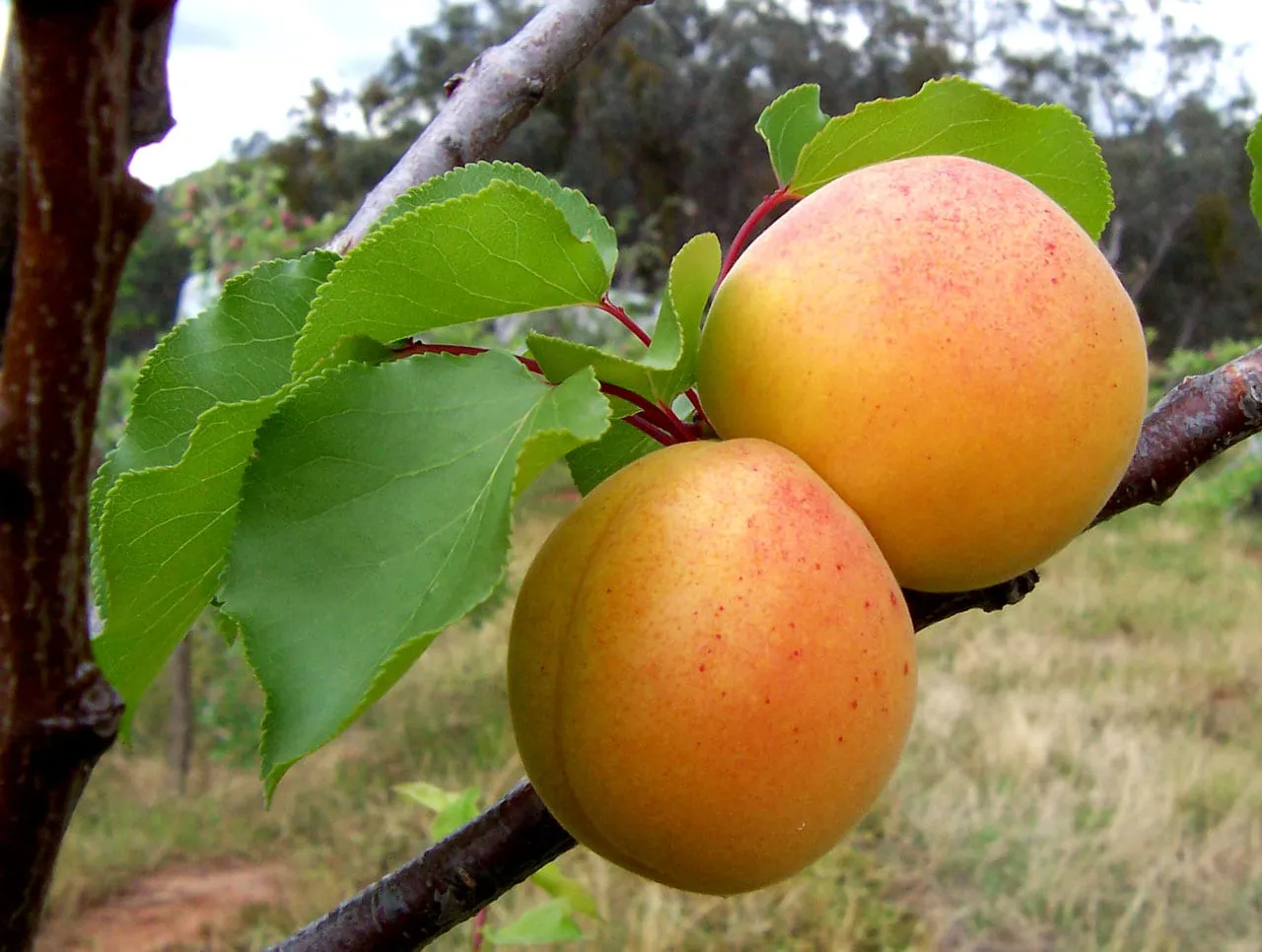
fruit tree in zone 6b
Growing apricot in zone 6b
Prunus armeniaca
- Zone
- 6b -5°F to 0°F
- Growing season
- 190 days
- Chill needed
- 600 to 900 below 45°F
- Suitable varieties
- 3
- Days to harvest
- 110 to 130
The verdict
Zone 6b sits within apricot's workable chill-hour range. Apricot requires 600 to 900 chill hours, and most zone 6b winters deliver that reliably. The limiting factor is not cold accumulation but bloom timing. Apricots break dormancy and flower earlier than almost any other stone fruit, and zone 6b carries a meaningful risk of late frosts after bloom has begun. A single hard freeze in late March or early April can destroy an entire crop before a single fruit sets.
Varieties matter considerably here. Harcot and Goldcot were both bred with late-frost risk in mind and tend to hold up better than older European types. Moorpark can succeed in favorable microclimates but is less reliable. Zone 6b is not a sweet spot for apricot production. It is a workable zone for growers willing to manage bloom-time risk carefully, but expect some crop loss in years with erratic springs.
Recommended varieties for zone 6b
3 cultivars suited to this zone, with disease-resistance and zone-fit annotations.
| Variety | Notes | Zone fit | Disease resistance |
|---|---|---|---|
| Harcot fits zone 6b | Sweet, juicy, classic apricot flavor with bright tang; freestone. Fresh eating, jam, drying. Late blooming protects from spring frost. Brown-rot resistant. | |
|
| Goldcot fits zone 6b | Sweet-tart, freestone with firm orange flesh; excellent for fresh eating, canning, drying. Cold-hardy and reliable in zone 5. | | none noted |
| Moorpark fits zone 6b | Rich, complex apricot flavor with sweet aromatic flesh; the classic English heirloom variety, considered one of the best-flavored apricots. Fresh eating and drying. | | none noted |
Critical timing for zone 6b
Apricots in zone 6b typically begin blooming in late March to early April, well ahead of the average last frost date, which often falls in mid to late April depending on the specific location. This mismatch is the central challenge. Even a light freeze at 28°F sustained for a few hours after full bloom can set fruit production back significantly.
Harvest generally runs mid to late July in zone 6b, assuming bloom escapes frost damage. The 190-day growing season is more than sufficient to bring fruit to maturity. The window of vulnerability is narrow and early, not late. Growers should track bloom progression closely in March and be prepared to act if a late frost is forecast.
Common challenges in zone 6b
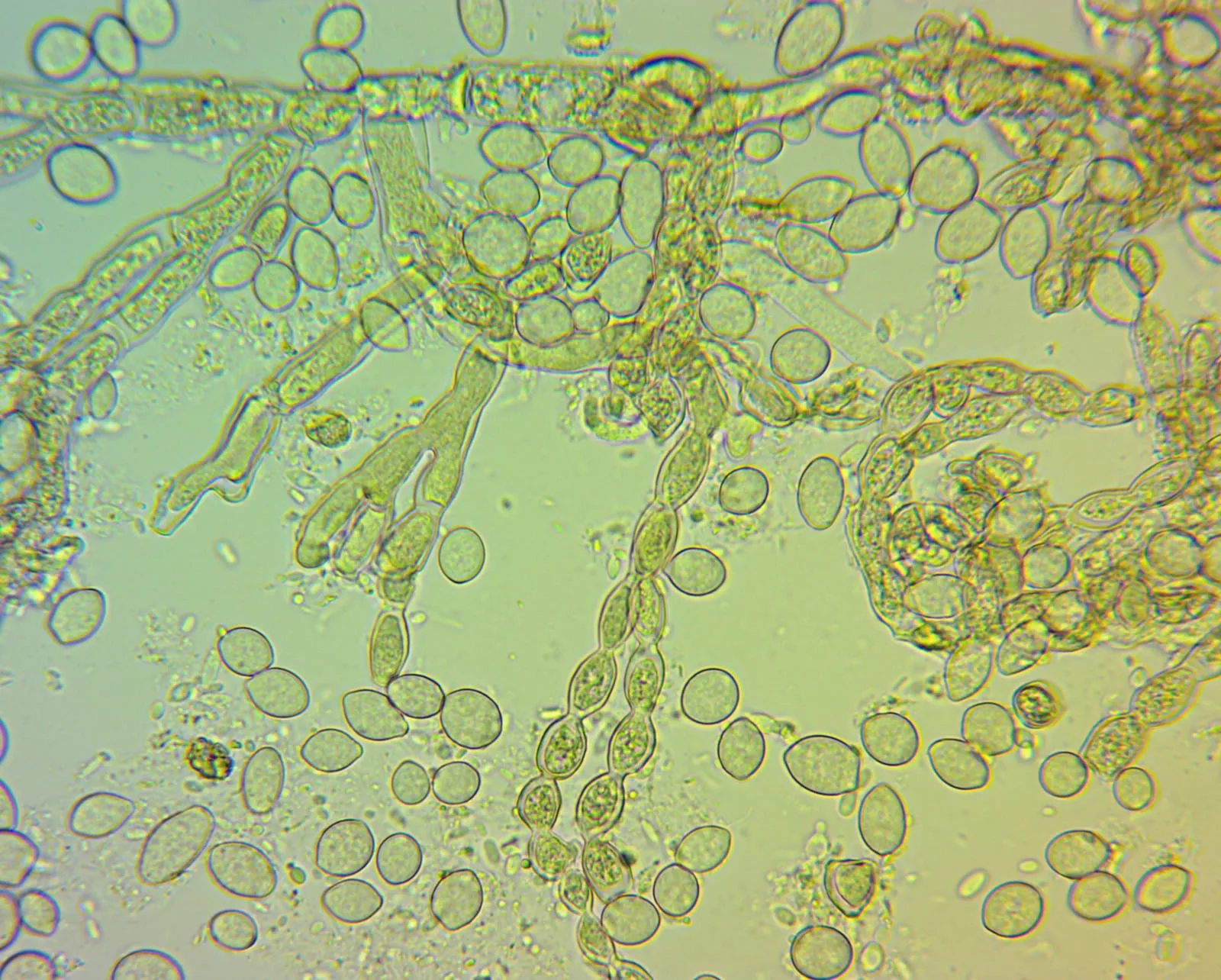
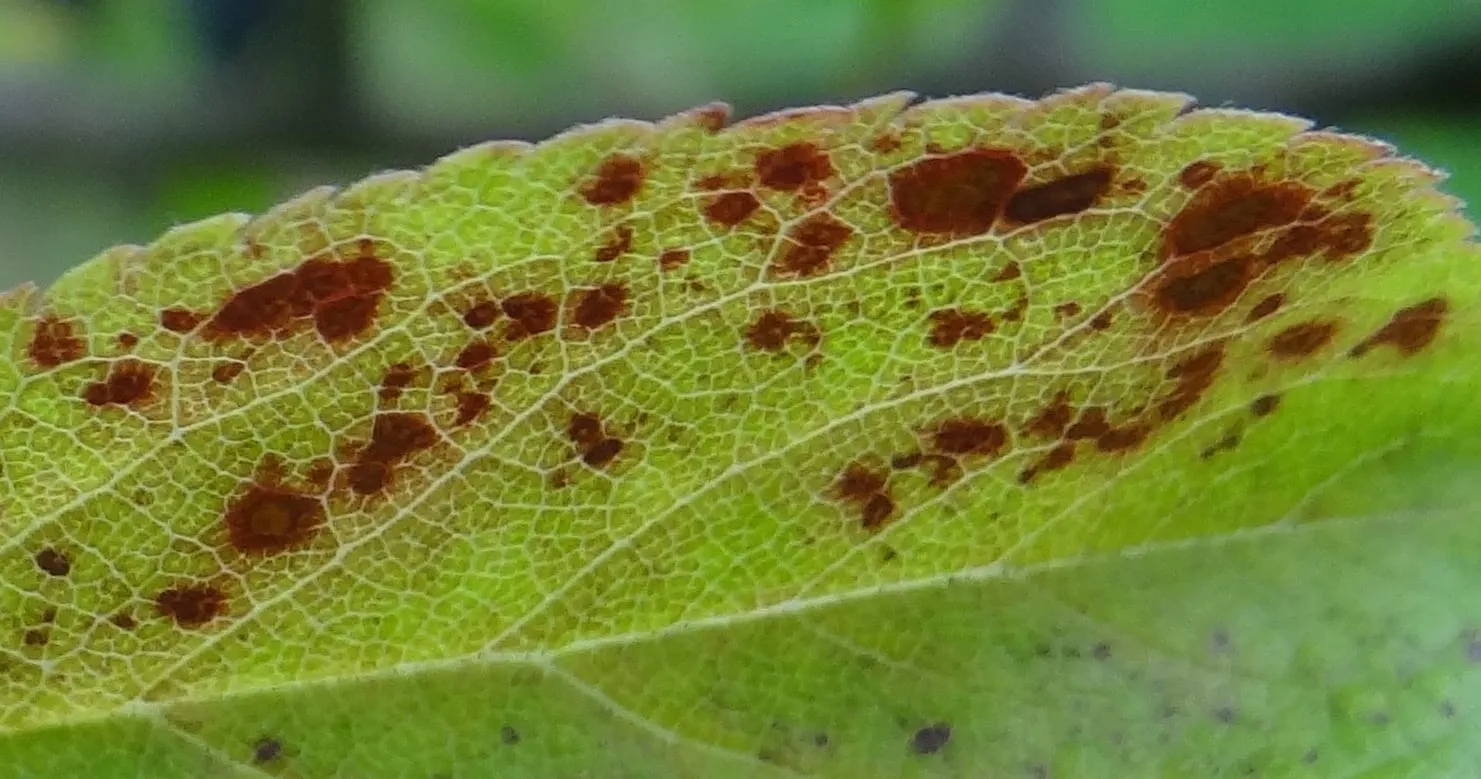
- ▸ Cedar-apple rust
- ▸ Fire blight
- ▸ Stink bugs
Disease pressure to watch for
Modified care for zone 6b
Site selection carries more weight with apricot in zone 6b than with most other fruit crops. Low spots and north-facing hollows collect cold air and should be avoided. Somewhat counterintuitively, south-facing slopes are also problematic because they warm quickly in late winter and encourage premature bloom. A slightly elevated site with good air drainage and moderate sun exposure offers the best combination of frost avoidance and reasonable bloom timing.
Disease pressure from Brown Rot and Bacterial Spot both intensify in wet springs, which are common in zone 6b. A preventive fungicide program applied at bloom and again at petal fall reduces Brown Rot risk substantially. Stink bugs are an emerging pressure across much of zone 6b and can cause cosmetic and internal fruit damage; monitoring populations from early summer onward is worth the effort. No additional winter protection is typically needed, as zone 6b temperatures rarely drop low enough to cause cambium damage on established trees.
Frequently asked questions
- Can apricot survive zone 6b winters?
Yes. Zone 6b temperatures of -5 to 0°F are within the cold tolerance of established apricot trees. Winter kill of the trunk or main scaffold branches is uncommon. The risk in zone 6b is bloom loss to late spring frosts, not outright tree death from winter cold.
- Which apricot varieties are most reliable in zone 6b?
Harcot and Goldcot are the most consistent performers in zone 6b, both selected partly for tolerance of late-frost conditions. Moorpark can work in sheltered, well-chosen sites but is more variable. Avoid varieties with very early bloom dates, as they offer less margin against spring freezes.
- How do I protect apricot blossoms from a late frost in zone 6b?
Options include overhead sprinkler irrigation (which releases heat as water freezes and can protect blooms down to about 28°F), floating row covers draped over smaller trees overnight, or smudge heating in larger plantings. None are foolproof. Site selection before planting remains the most effective long-term strategy.
- Is Brown Rot a serious concern for apricot in zone 6b?
Yes. Brown Rot caused by Monilinia spp. can devastate a crop in wet conditions, especially at bloom and again near harvest. A preventive spray program using copper-based or FRAC-coded fungicides at bloom, shuck fall, and pre-harvest intervals is standard practice in zone 6b.
+−
+−
+−
+−
Apricot in adjacent zones
Image: "Apricots", by Fir0002, via Wikimedia Commons, licensed under CC-BY Source.

Related