fruit tree in zone 7a
Growing apricot in zone 7a
Prunus armeniaca
- Zone
- 7a 0°F to 5°F
- Growing season
- 210 days
- Chill needed
- 600 to 900 below 45°F
- Suitable varieties
- 2
- Days to harvest
- 110 to 130
The verdict
Apricot occupies a complicated position in zone 7a. The chill-hour requirement of 600-900 hours is generally met across most of the zone, which accumulates adequate winter cold. The minimum winter temperatures of 0-5°F pose little threat to established trees, which tolerate cold well below that range.
The real difficulty is bloom timing. Apricots bloom earlier than nearly any other fruit tree, and zone 7a's last frost dates often fall weeks after flowers are already open. A single hard frost in March or April can eliminate the entire year's crop. This makes apricot a workable but risky choice in zone 7a, not a reliable producer the way it is in zones 8 and above where late frosts are rare.
Harcot and Moorpark are among the more appropriate varieties for this zone. Harcot has reasonable frost tolerance at bloom; Moorpark has a track record in mid-Atlantic conditions. Neither eliminates frost risk, but both are better suited than most general-catalog offerings.
Recommended varieties for zone 7a
2 cultivars suited to this zone, with disease-resistance and zone-fit annotations.
| Variety | Notes | Zone fit | Disease resistance |
|---|---|---|---|
| Harcot fits zone 7a | Sweet, juicy, classic apricot flavor with bright tang; freestone. Fresh eating, jam, drying. Late blooming protects from spring frost. Brown-rot resistant. | |
|
| Moorpark fits zone 7a | Rich, complex apricot flavor with sweet aromatic flesh; the classic English heirloom variety, considered one of the best-flavored apricots. Fresh eating and drying. | | none noted |
Critical timing for zone 7a
Apricot bloom in zone 7a typically opens in late February to mid-March, depending on winter warmth accumulation and site microclimate. This places flowering squarely in the window of highest late-frost risk. Last frost dates across zone 7a commonly run through late March or into April in lower elevations and frost pockets, meaning open blooms can be lost with little warning.
Fruit development following a successful set runs approximately 100-120 days to harvest, placing ripe apricots in late June to mid-July across most zone 7a locations. The 210-day growing season is more than sufficient for full fruit maturation. The constraint is surviving bloom, not summer length.
Common challenges in zone 7a
- ▸ Cedar-apple rust
- ▸ Brown rot
- ▸ Fire blight
- ▸ High humidity disease pressure
Disease pressure to watch for
Modified care for zone 7a
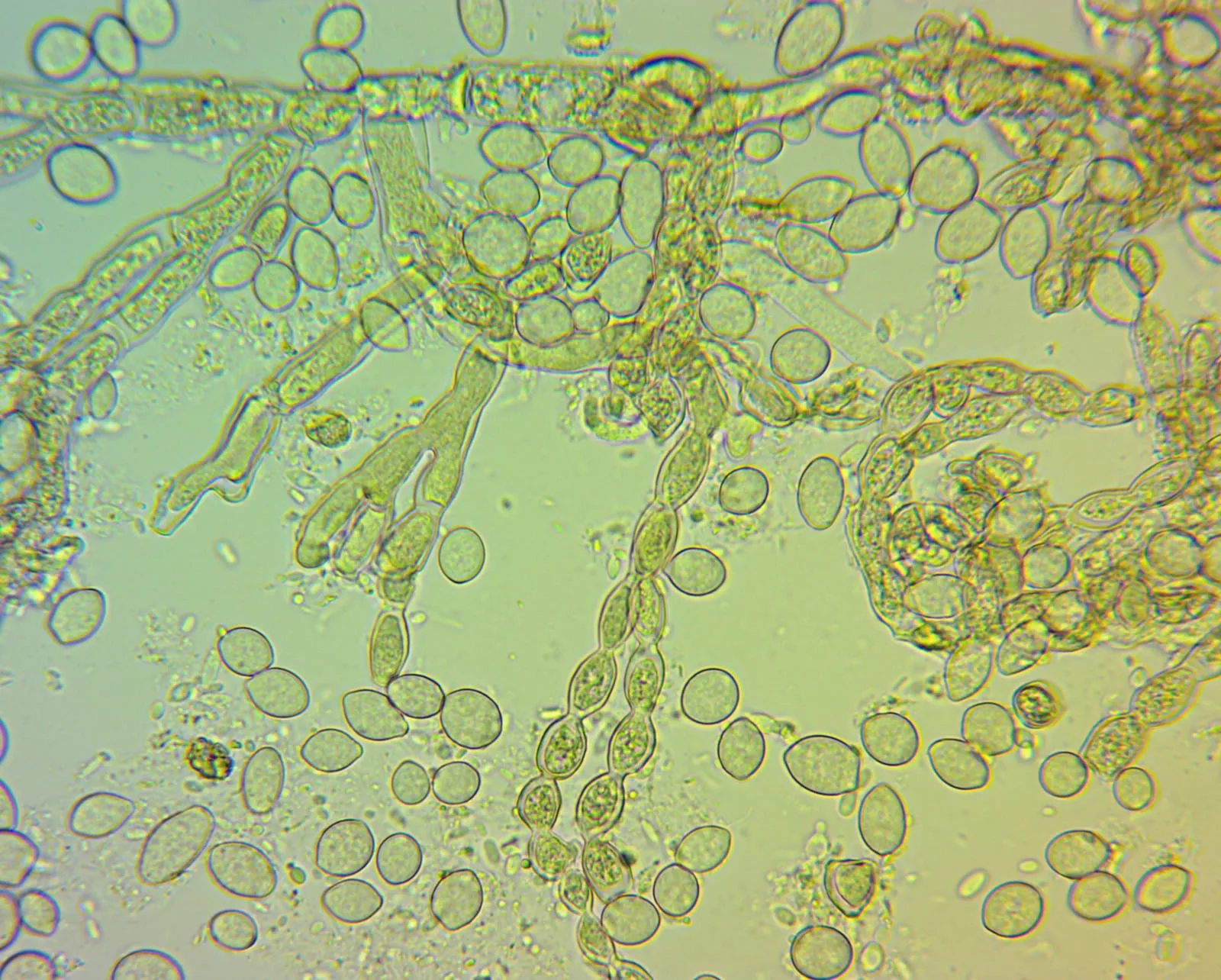
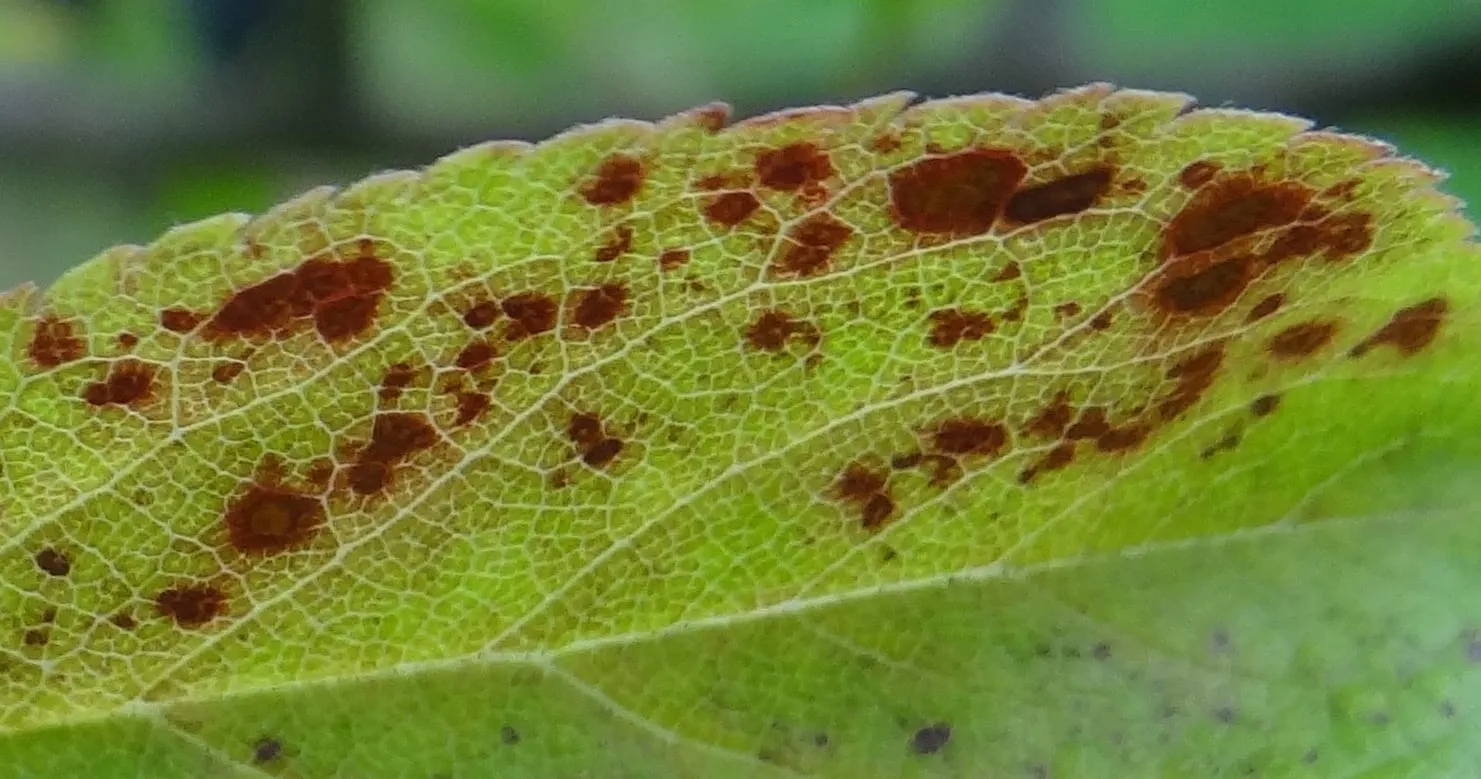
Brown rot is the dominant disease concern in zone 7a's humid summers. A preventive fungicide program starting at petal fall and continuing through harvest is standard practice rather than optional. Bacterial spot can defoliate stressed trees and damage fruit surfaces; copper-based dormant sprays applied before bud swell reduce inoculum.
Site selection matters more for apricot than for most tree fruits in this zone. A north-facing slope or a location with a naturally late microclimate can delay bloom by one to two weeks, which is a meaningful reduction in frost exposure. Avoid frost pockets, low spots, and areas where cold air pools against structures or tree lines.
During bloom, frost cloth or row cover over small trees provides meaningful protection when a hard frost is forecast. Overhead irrigation for frost protection is effective but requires a water source adequate for continuous operation through a frost event.
Apricot in adjacent zones
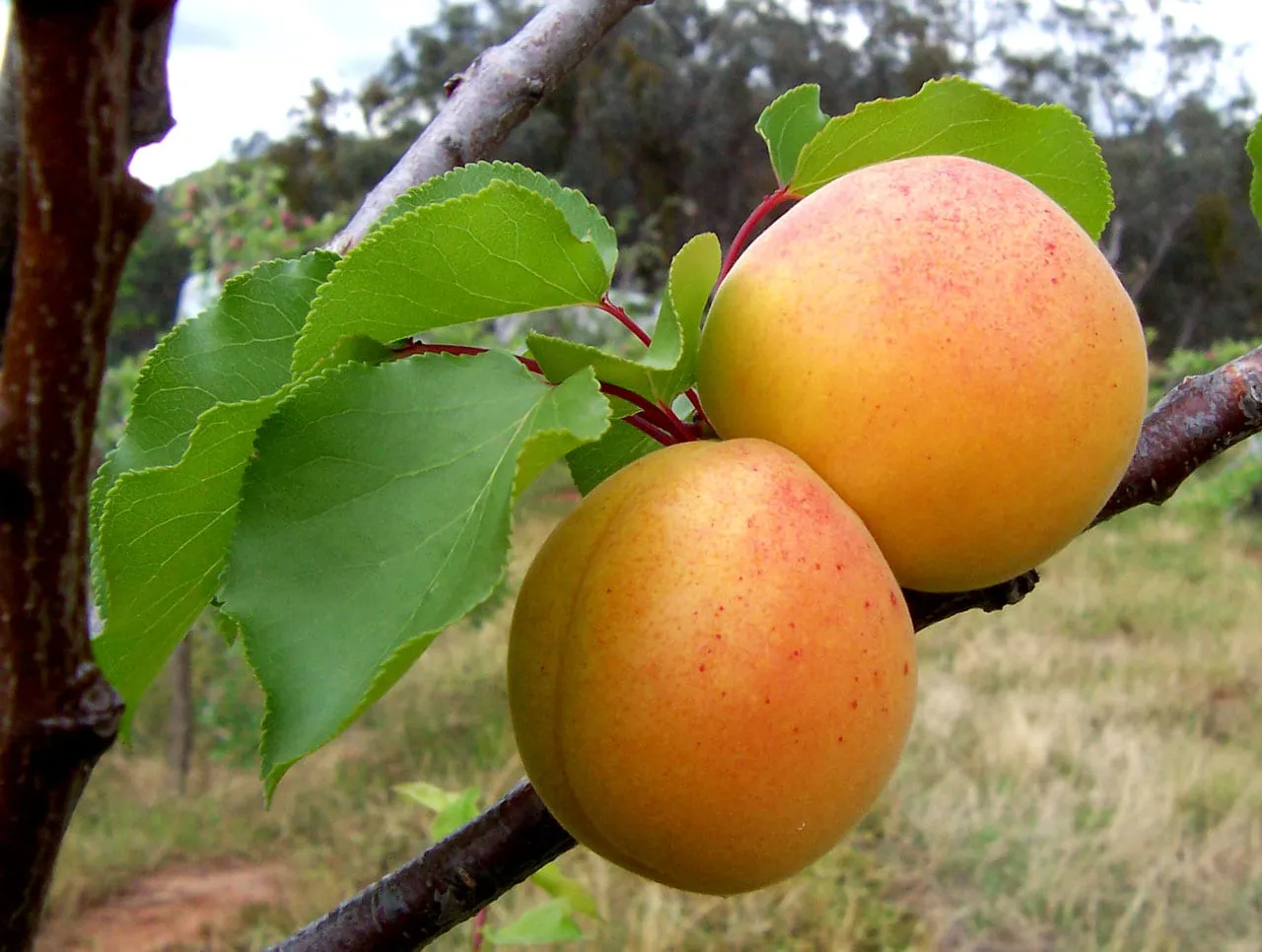
Image: "Apricots", by Fir0002, via Wikimedia Commons, licensed under CC-BY Source.

Related