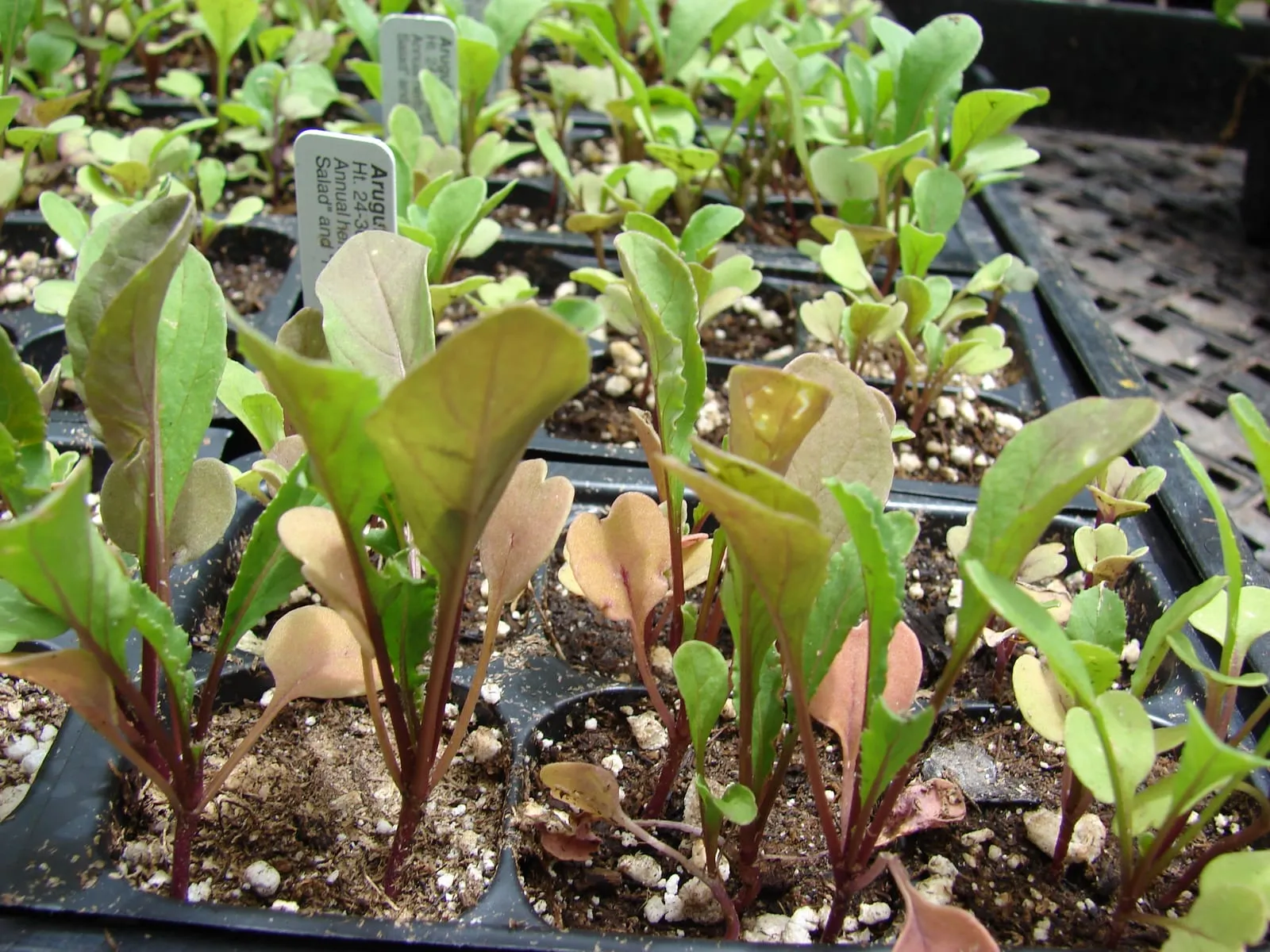
vegetable in zone 3b
Growing arugula in zone 3b
Eruca vesicaria
- Zone
- 3b -35°F to -30°F
- Growing season
- 100 days
- Suitable varieties
- 1
- Days to harvest
- 25 to 40
The verdict
Zone 3b is a reasonable fit for arugula, which is a cool-season annual that performs best between 45 and 65°F. Unlike fruit crops, arugula has no chill-hour requirement, so the question of zone compatibility centers on season length rather than winter cold. With roughly 100 frost-free days available, there is room for at least two successions, given that arugula reaches harvest size in 40 to 55 days from direct seeding.
The crop's primary adversary is heat, not cold, which means zone 3b's cool spring and fall shoulders are genuine assets. The main risk is the compressed window between last frost and the brief midsummer warm period: arugula bolts quickly when daytime temperatures exceed 75°F, and even short heat pulses in July will trigger flowering. The Astro variety shows better bolt tolerance than standard selections and is the practical first choice for this zone. This is not a marginal zone for arugula; the limiting factor is timing discipline rather than climate compatibility.
Recommended varieties for zone 3b
1 cultivar suited to this zone, with disease-resistance and zone-fit annotations.
| Variety | Notes | Zone fit | Disease resistance |
|---|---|---|---|
| Astro fits zone 3b | Mild peppery, tender, fast-growing; the salad-mix arugula. Salads, pizza topping, pesto. Less spicy than wild types, slow to bolt for an arugula. | | none noted |
Critical timing for zone 3b
Direct seeding in zone 3b can begin once soil temperature reaches 40°F, typically late April to mid-May depending on site and elevation. Germination is most reliable between 50 and 65°F. A sowing made in early to mid-May should produce harvestable leaves in 45 to 55 days, placing the first cut in late June or early July.
For a fall crop, succession sowings made in late July target harvest in September, ahead of the first hard frost, which arrives in zone 3b as early as late August at open, low-lying sites. Midsummer sowings in direct sun should be avoided: the combination of long days and elevated temperatures accelerates bolting, shortening the productive window significantly even in this northern zone.
Common challenges in zone 3b
- ▸ Short season
- ▸ Winter desiccation
- ▸ Site selection critical for fruit trees
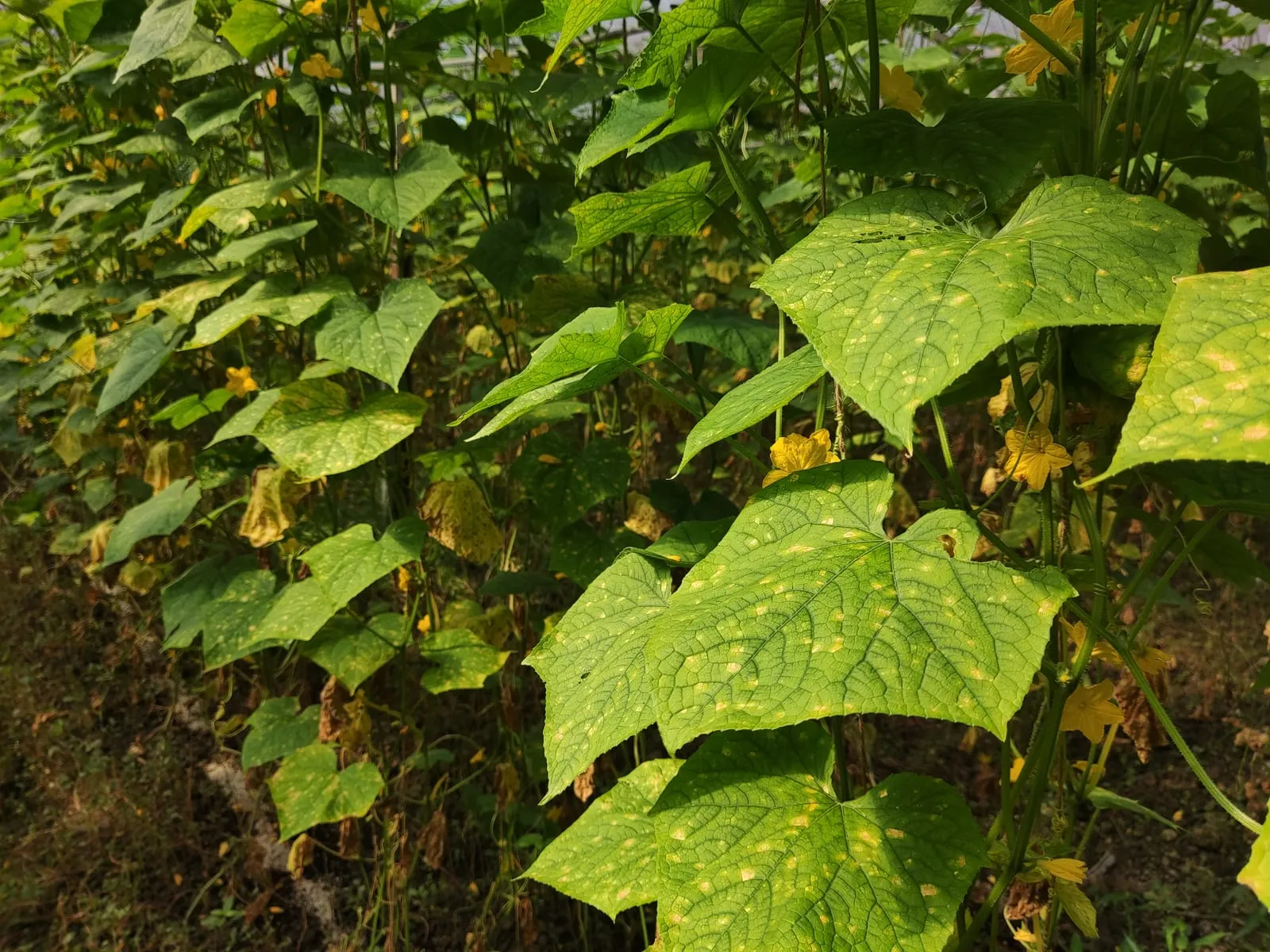
Disease pressure to watch for
Modified care for zone 3b
The primary adaptation in zone 3b is working within the compressed season rather than trying to extend it indefinitely. Succession planting every two to three weeks from the last-frost date through late July stretches the harvest window across the available season. Row cover applied at seeding can advance the first sowing by one to two weeks in spring and provides modest protection against late frosts after germination.
Downy mildew (Peronospora parasitica) is the main disease pressure to manage. It thrives in the cool, wet conditions common during zone 3b springs. Adequate plant spacing for air circulation, drip irrigation or morning watering rather than evening overhead irrigation, and prompt removal of infected older leaves all reduce incidence. The Astro variety carries useful resistance in wet seasons.
For summer successions, siting plantings on a north-facing slope or in partial shade from taller crops delays bolting by several days during heat pulses, meaningfully extending the productive window.
Arugula in adjacent zones
Image: "Starr 070906-8899 Eruca vesicaria subsp. sativa", by Forest & Kim Starr, via Wikimedia Commons, licensed under CC-BY Source.

Related