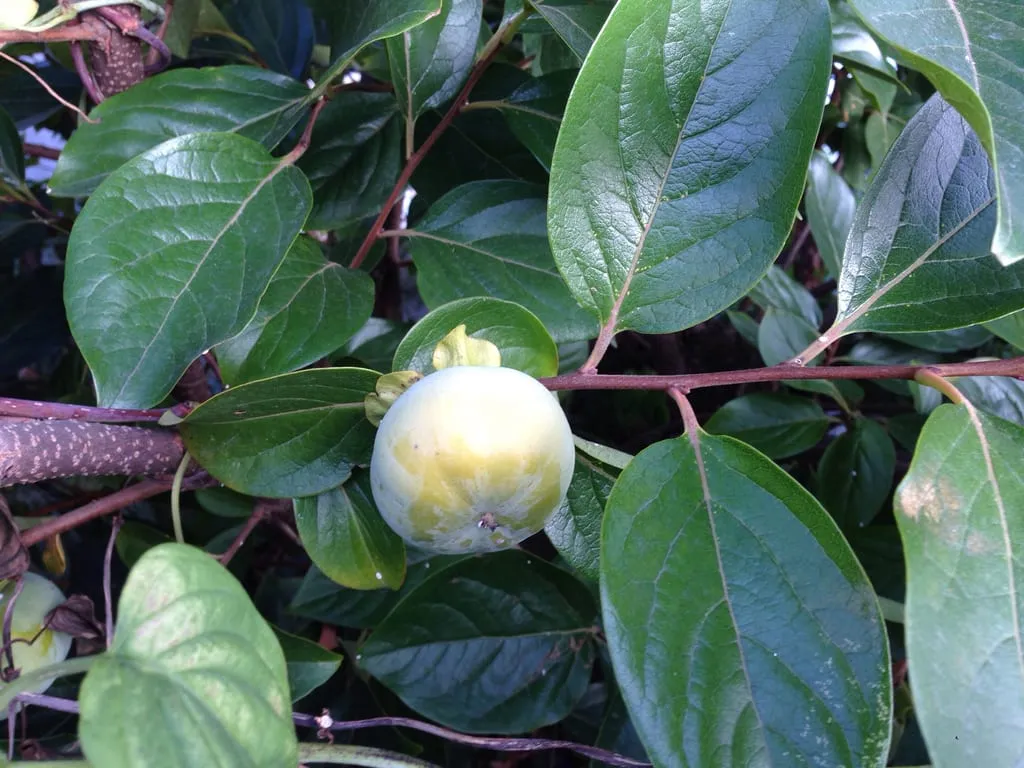
fruit tree in zone 7a
Growing asian persimmon in zone 7a
Diospyros kaki
- Zone
- 7a 0°F to 5°F
- Growing season
- 210 days
- Chill needed
- 100 to 400 below 45°F
- Suitable varieties
- 3
- Days to harvest
- 180 to 240
The verdict
Zone 7a sits comfortably within Asian persimmon's preferred range. The minimum winter temperature band (0 to 5°F) falls at the cool edge of where most Diospyros kaki selections are reliably hardy; established trees of Fuyu, Jiro, and Saijo typically handle these temperatures without significant dieback, though young trees in their first two winters carry more risk. The chill-hour requirement of 100 to 400 hours is easily met by zone 7a winters, which routinely accumulate well beyond this threshold. Overchilling is not a concern with these low-chill selections.
The 210-day growing season comfortably accommodates the long fruit-development period persimmons require before harvest. For zone 7a growers, Asian persimmon is a reliable choice rather than a marginal experiment. The one caveat: growers in colder microclimates within zone 7a (low-lying frost pockets, north-facing slopes) should favor Saijo, which tends to be more cold-tolerant than Fuyu or Jiro.
Recommended varieties for zone 7a
3 cultivars suited to this zone, with disease-resistance and zone-fit annotations.
| Variety | Notes | Zone fit | Disease resistance |
|---|---|---|---|
| Fuyu fits zone 7a | Mild, honey-sweet, crisp like an apple when firm; the friendly entry-level persimmon, no astringency. Slice into salads, eat out of hand. Most popular Asian persimmon in the US. | | none noted |
| Saijo fits zone 7a | Extremely sweet (the name means 'best one' in Japanese), soft custard texture when ripe with deep honey flavor; fresh, drying. Cold-hardy astringent. | | none noted |
| Jiro fits zone 7a | Sweet, mild, crisp; non-astringent like Fuyu but with slightly larger fruit. Eats firm or soft. Productive and well-adapted. | | none noted |
Critical timing for zone 7a
Asian persimmons bloom late relative to most fruit trees, with flowers opening in late April through May in zone 7a. This is a genuine advantage. Most zone 7a locations record their last spring frost between late March and mid-April, so by the time bloom begins, frost risk has largely passed. Late frosts in cold years remain possible but rarely catch persimmon flowers.
Harvest runs from mid-October through November depending on variety. Fuyu ripens on the earlier end and can be picked while still firm. Saijo follows in mid to late October and sweetens considerably after the first light frost touches the fruit. Zone 7a's first fall frost typically arrives in late October or early November, which aligns well with the ripening window and can enhance flavor on late-hanging fruit without causing damage.
Common challenges in zone 7a
- ▸ Cedar-apple rust
- ▸ Brown rot
- ▸ Fire blight
- ▸ High humidity disease pressure
Modified care for zone 7a
The disease pressure challenges common in zone 7a (cedar-apple rust, brown rot, fire blight) target apples and pears far more than persimmons. Asian persimmons are notably resistant to most of the fungal diseases that demand regular spray programs on other fruit trees. That said, the high humidity characteristic of zone 7a can contribute to leaf spot and premature defoliation in persistently wet summers. Maintaining open canopy structure through annual pruning improves airflow and reduces this risk without requiring fungicide applications.
The more practical concern in zone 7a is protecting young trees through their first two winters. The 0 to 5°F minimum is survivable for established specimens, but thin-barked grafted trees are susceptible to bark splitting from rapid temperature swings. Wrapping the trunk from the graft union to the first scaffold branch during the first two winters is a low-effort precaution. Site selection matters too: avoid frost pockets and low spots where cold air pools.
Asian Persimmon in adjacent zones
Image: "Japanese Persimmon", by Kim, via iNaturalist, licensed under CC-BY Source.
Related