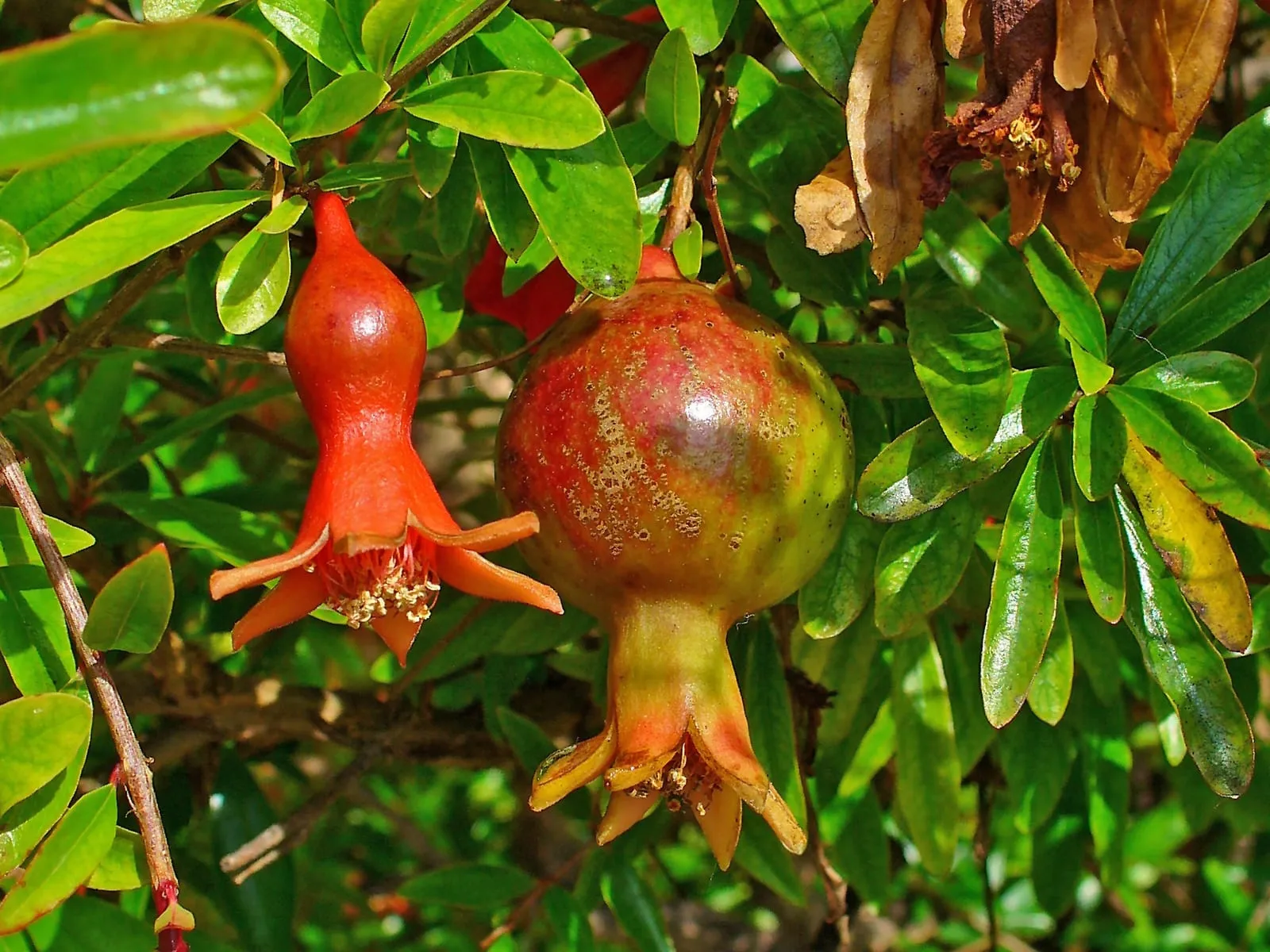
fruit tree in zone 10a
Growing pomegranate in zone 10a
Punica granatum
- Zone
- 10a 30°F to 35°F
- Growing season
- 340 days
- Chill needed
- 100 to 200 below 45°F
- Suitable varieties
- 0
- Days to harvest
- 150 to 215
The verdict
Pomegranate is a strong fit for zone 10a. With a chill-hour requirement of only 100 to 200 hours, the crop sits well within what most zone 10a winters reliably deliver during cooler nights from December through February. This is not a marginal zone; it is closer to a sweet spot. The 340-day growing season gives fruit ample time to size up and develop full sugar and color, which pomegranate needs more than many other fruiting crops.
The zone's minimum winter temperatures (30 to 35°F) are cold enough to satisfy the chill requirement without posing serious freeze risk to established trees. One important caveat: cultivar selection still matters significantly here. The input data for this zone lists no named compatible varieties, so growers should seek out cultivars with documented low chill requirements and confirmed heat tolerance rather than assuming any pomegranate will perform. Varieties developed for Florida, Southern California, or the Gulf Coast are a better starting point than those bred for cooler climates.
Critical timing for zone 10a
Pomegranate in zone 10a typically breaks dormancy and begins flowering in March or April, earlier than in zones 8 or 9 where cooler springs delay the process. Bloom extends over several weeks, as pomegranate produces successive flower flushes rather than a single synchronized peak. Because zone 10a's last frost risk is minimal to nonexistent, frost damage to blossoms is not a meaningful concern.
Harvest falls between August and November depending on cultivar. The 340-day growing season means fruit set in May has adequate time to ripen fully before any seasonal cooling. Growers should watch for premature fruit drop during heat spikes in July and August, which can follow heavy fruit loads and irregular irrigation.
Common challenges in zone 10a
- ▸ No chilling for traditional temperate fruit
- ▸ Hurricane exposure
- ▸ Heat-tolerant cultivars only
Disease pressure to watch for
Modified care for zone 10a
Zone 10a shifts care priorities in several ways compared to cooler parts of the crop's range. Hurricane exposure is a structural concern: young trees benefit from staking through the first two to three seasons, and mature trees do better with an open-center or low-canopy form that reduces wind resistance during storm events.
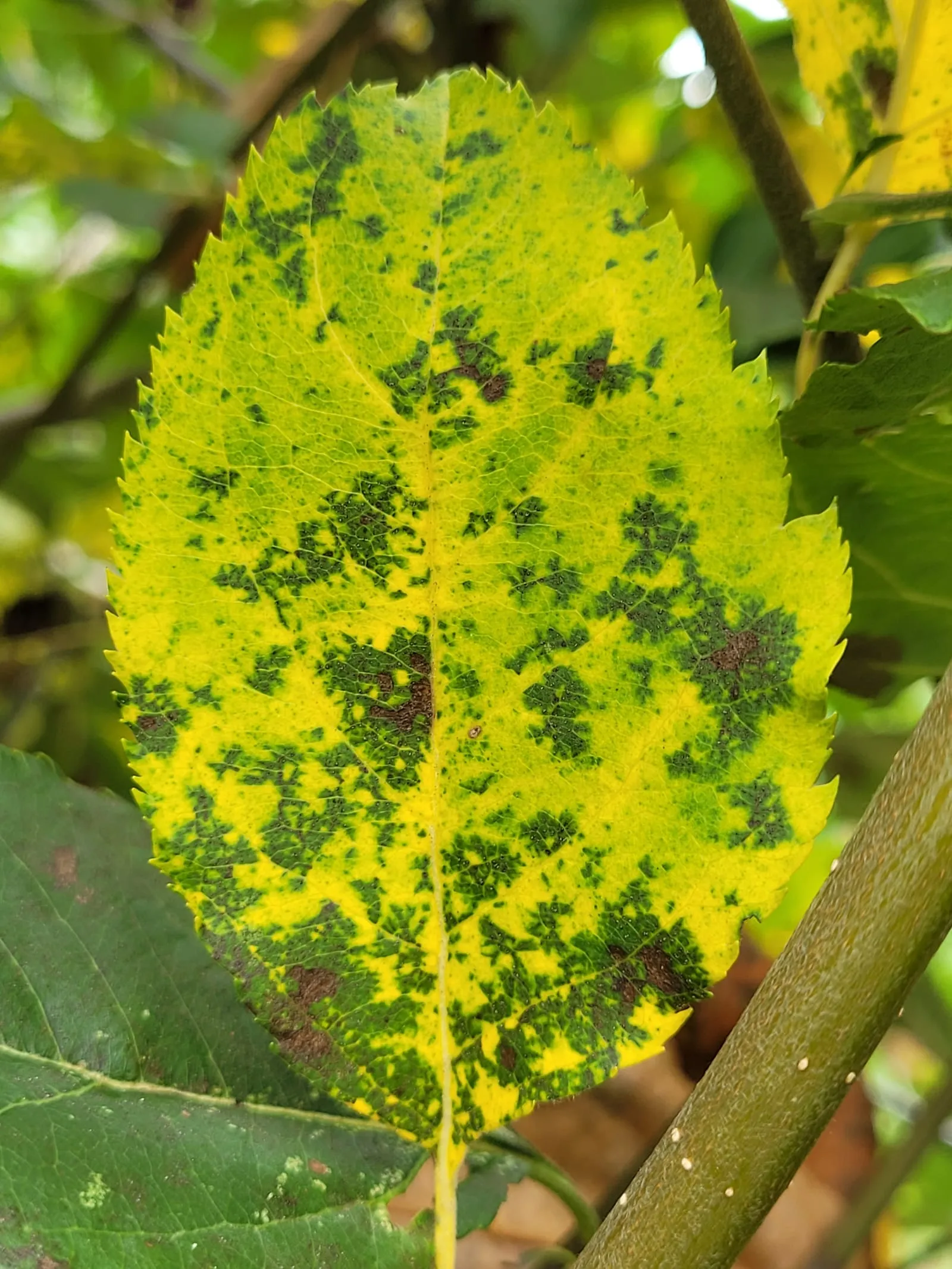
Pomegranate Leaf Blotch warrants attention in areas with wet summers or frequent afternoon thunderstorms, conditions common across much of zone 10a. Adequate spacing and pruning for interior airflow reduces incidence more reliably than reactive fungicide applications.
Irrigation consistency matters more here than in cooler zones. Established pomegranate tolerates drought, but irregular watering during fruit development significantly increases fruit splitting risk. Deep, infrequent irrigation from fruit set through harvest outperforms frequent shallow watering. No supplemental winter protection is needed for established trees in this zone.
Frequently asked questions
- Does pomegranate get enough chill hours in zone 10a?
Yes, for most of zone 10a. Pomegranate requires only 100 to 200 chill hours, a low threshold that winter nights in zone 10a typically satisfy. Growers in the warmest microclimates, such as urban cores or south-facing coastal sites, should confirm local chill accumulation before planting.
- When does pomegranate fruit ripen in zone 10a?
Harvest typically runs August through November in zone 10a, with the exact window depending on cultivar. The 340-day growing season provides ample time for full ripening, and late-season fruit benefits from the extended warm autumn.
- What disease is most likely to affect pomegranate in zone 10a?
Pomegranate Leaf Blotch is the primary disease concern in this zone, favored by the warm, humid conditions common across much of zone 10a. Good airflow through consistent pruning and appropriate plant spacing is the most practical preventive measure.
+−
+−
+−
Pomegranate in adjacent zones
Image: "Punica granatum 004", by H. Zell, via Wikimedia Commons, licensed under CC-BY Source.

Related