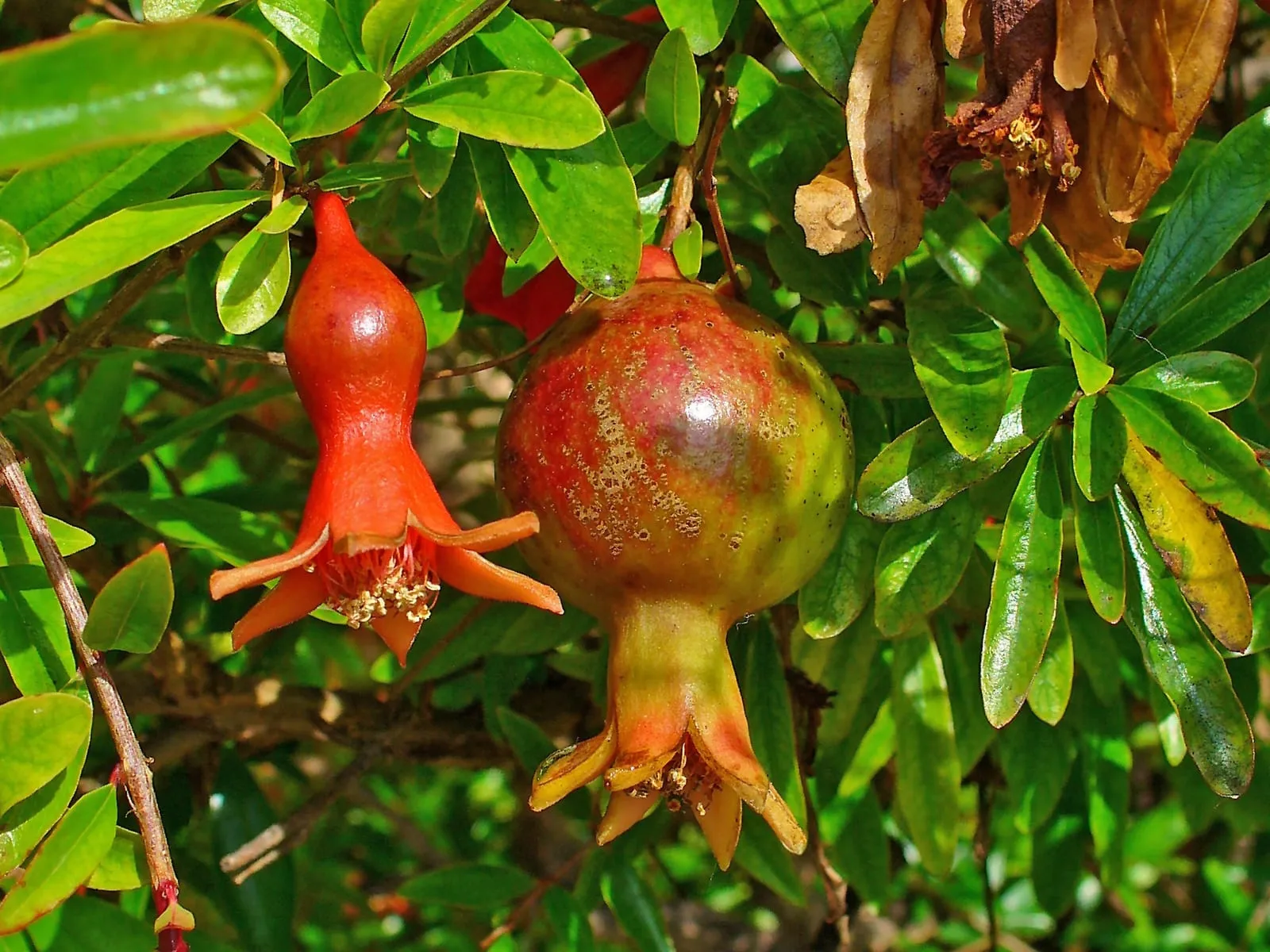
fruit tree in zone 9b
Growing pomegranate in zone 9b
Punica granatum
- Zone
- 9b 25°F to 30°F
- Growing season
- 310 days
- Chill needed
- 100 to 200 below 45°F
- Suitable varieties
- 2
- Days to harvest
- 150 to 215
The verdict
Zone 9b is a genuine sweet spot for pomegranate, not a marginal case. Most pomegranate varieties require 100 to 200 chill hours to break dormancy and fruit reliably, and zone 9b winters consistently deliver that range without the excess that would push the tree toward late-dormancy confusion. The 310-day growing season comfortably accommodates the 150 to 180 days pomegranate needs from bloom to harvest. Minimum winter temperatures of 25 to 30°F pose no meaningful hardiness concern; established pomegranate tolerates brief drops to around 15°F.
The two varieties listed here, Wonderful and Parfianka, were both developed or selected for performance in California's Central Valley and southern growing regions, climates that closely mirror zone 9b conditions. Heat stress, a documented challenge for other crops in this zone, is not a liability for pomegranate. The species is native to hot, semi-arid regions and handles extended summer heat better than most temperate fruit trees.
Recommended varieties for zone 9b
2 cultivars suited to this zone, with disease-resistance and zone-fit annotations.
| Variety | Notes | Zone fit | Disease resistance |
|---|---|---|---|
| Wonderful fits zone 9b | Sweet-tart, bright red juicy arils with classic pomegranate flavor; the standard commercial cultivar. Fresh eating, juice, garnish, salads. | | none noted |
| Parfianka fits zone 9b | Sweet, complex wine-like flavor, soft edible seeds; fresh eating, juice. Considered one of the best-tasting pomegranates by enthusiasts. | | none noted |
Critical timing for zone 9b
Pomegranate blooms in zone 9b from late April through June, with the main flush typically in May. The last frost in zone 9b generally occurs in late February to mid-March, well before bloom, so frost damage to flowers is uncommon. The exception is coastal sites where unusual late-season marine cold events can extend frost risk slightly into April.
Harvest timing depends on variety. Wonderful, the most widely planted commercial variety, typically ripens from late September through November in zone 9b. Parfianka runs slightly earlier, often ready by late August to October. The 310-day growing season means fruit has ample time to develop full sugar content before the first fall frost.
Common challenges in zone 9b
- ▸ Heat stress in summer
- ▸ Insufficient chill for most apples
- ▸ Salt spray near coasts
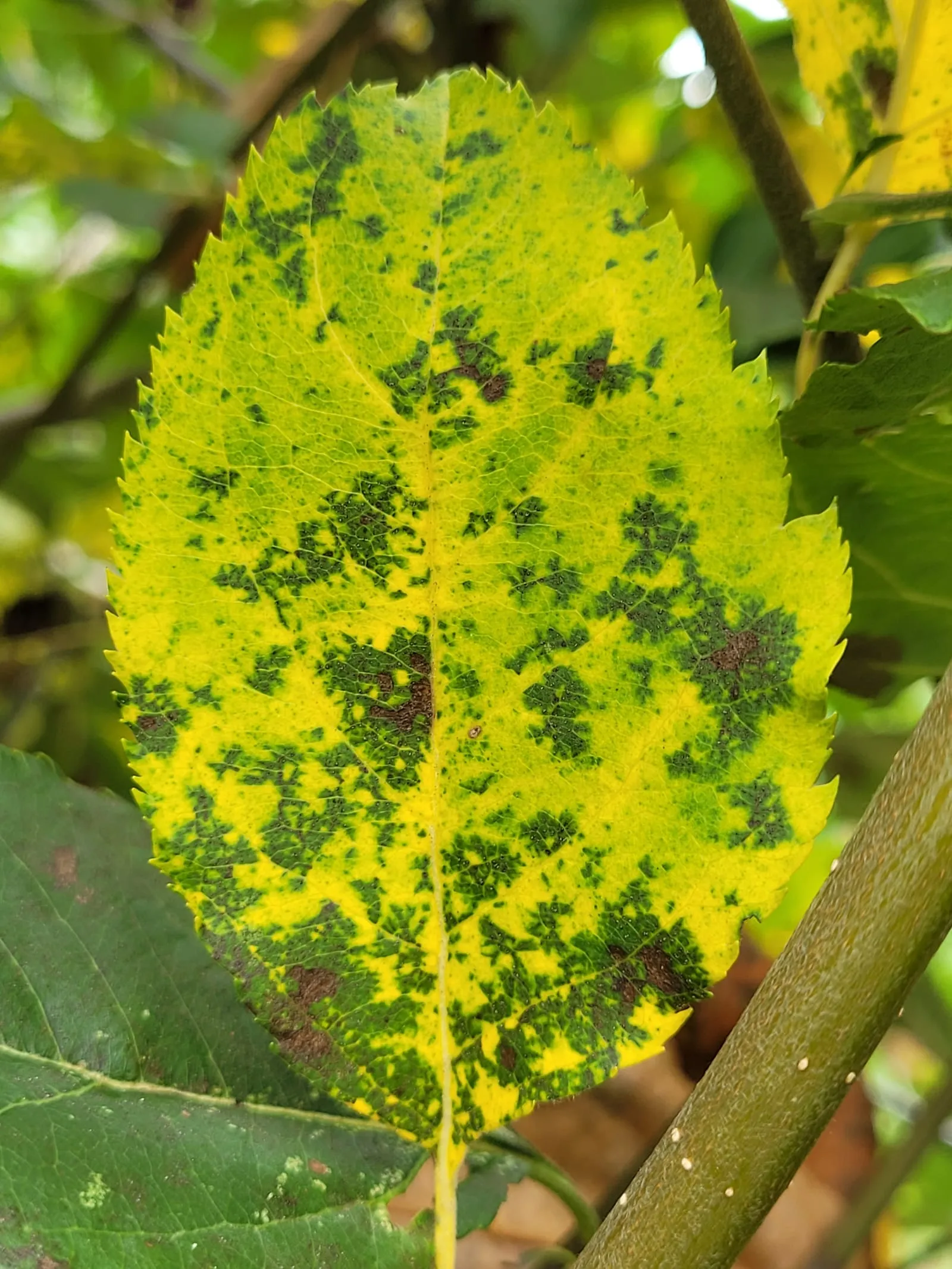
Disease pressure to watch for
Modified care for zone 9b
Growers in zone 9b need to prioritize deep, infrequent irrigation during summer. Pomegranate tolerates dry heat but fruit cracking increases when soil moisture fluctuates sharply after a dry period, particularly in August and September as fruit approaches maturity. Consistent soil moisture during the last 6 to 8 weeks before harvest reduces cracking significantly.
Coastal locations in zone 9b face salt spray exposure, which can cause leaf margin burn and reduce fruit set. A windbreak or site selection away from direct ocean exposure matters more for pomegranate than additional winter protection.
Pomegranate Leaf Blotch, caused by Cercospora species, tends to be more active in humid coastal microclimates than in drier inland sites. Improving air circulation through annual pruning and avoiding overhead irrigation reduces incidence. There are no fully resistant varieties among common cultivars; management is primarily cultural.
Frequently asked questions
- Is zone 9b warm enough for pomegranate to fruit reliably?
Yes. Pomegranate requires 100 to 200 chill hours, which zone 9b winters provide without difficulty. The long growing season also gives fruit sufficient time to ripen fully before the first fall frost. Zone 9b is among the better climates in the continental US for this crop.
- Which pomegranate varieties perform best in zone 9b?
Wonderful and Parfianka are both well-suited to zone 9b. Wonderful is the standard commercial variety in California's hot interior valleys, a climate analogous to zone 9b. Parfianka ripens earlier and produces sweeter, less astringent juice, which some growers prefer for fresh eating.
- Why do pomegranate fruits crack before harvest?
Fruit cracking is typically caused by irregular soil moisture during the final weeks of ripening. When trees experience a dry period followed by heavy watering or rain, the rind splits as the interior expands rapidly. Consistent irrigation from August through harvest reduces the problem.
- Does pomegranate need any winter protection in zone 9b?
Established trees do not require winter protection in zone 9b. Pomegranate handles brief temperature drops to around 15°F without significant damage, and zone 9b minimum temperatures of 25 to 30°F stay well above that threshold. Young trees in their first winter benefit from mulching around the root zone.
+−
+−
+−
+−
Pomegranate in adjacent zones
Image: "Punica granatum 004", by H. Zell, via Wikimedia Commons, licensed under CC-BY Source.

Related