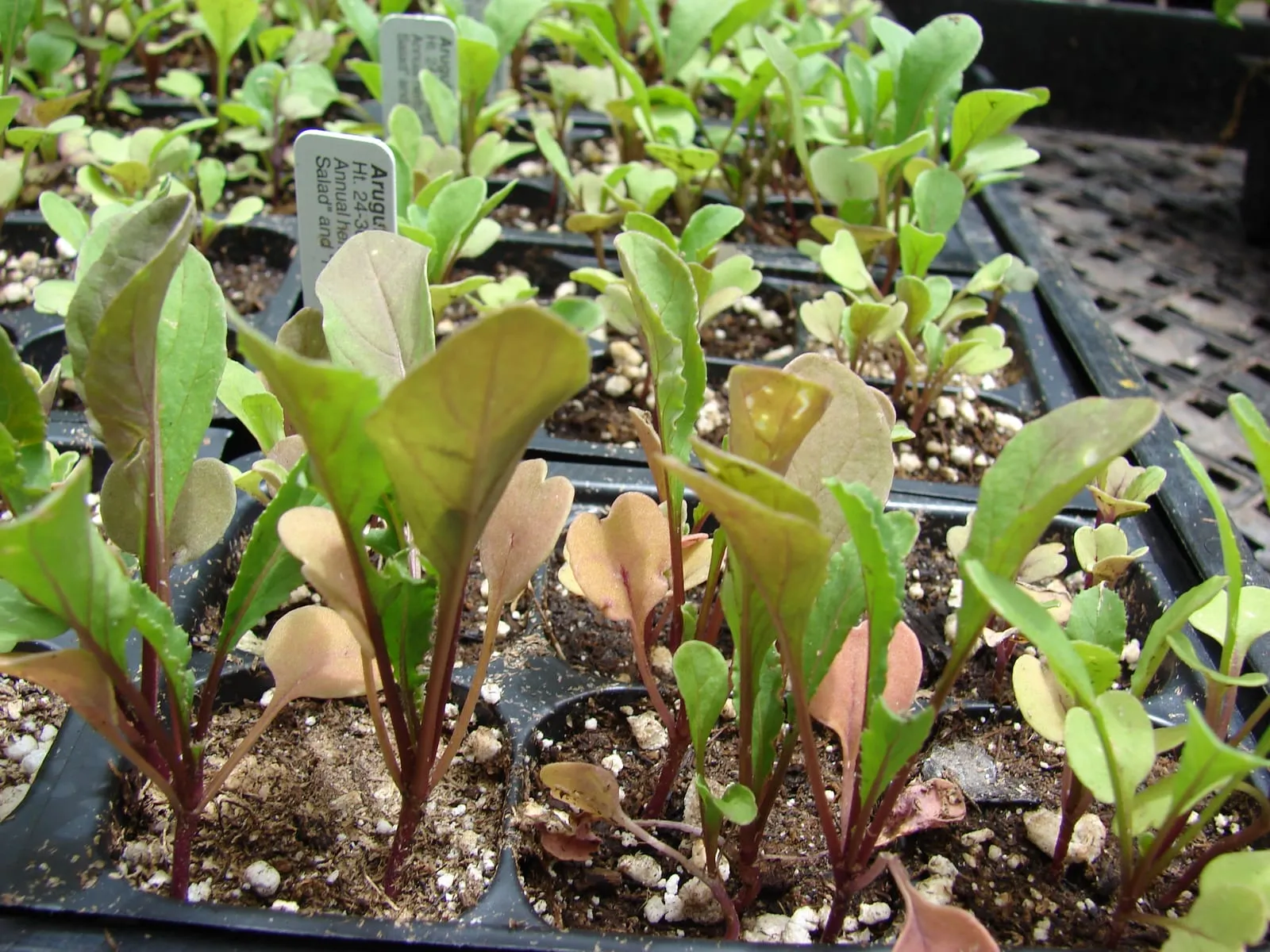
vegetable in zone 6b
Growing arugula in zone 6b
Eruca vesicaria
- Zone
- 6b -5°F to 0°F
- Growing season
- 190 days
- Suitable varieties
- 2
- Days to harvest
- 25 to 40
The verdict
Zone 6b is a reliable, productive zone for arugula, not a marginal one. Unlike fruit trees, arugula carries no chill-hour requirement. It is a cool-season annual that performs best when soil temperatures sit between 45 and 65°F, and zone 6b delivers that window twice per year: once in spring and again in fall. The 190-day growing season is more than sufficient to fit multiple successions.
The zone's winters (-5 to 0°F minimum) do rule out year-round outdoor production without protection, but they also reliably reset the pest and disease cycle between seasons. Downy mildew, the primary disease concern for arugula, depends on mild, wet conditions; hard winters limit its carryover. Both recommended varieties, Astro and Wild Rocket / Sylvetta, are well-matched to the zone's temperature swings. Astro offers fast germination and heat tolerance at the tail end of the cool window; Wild Rocket / Sylvetta is slower-growing and more intensely flavored, better suited to the longer, cooler fall season.
Recommended varieties for zone 6b
2 cultivars suited to this zone, with disease-resistance and zone-fit annotations.
| Variety | Notes | Zone fit | Disease resistance |
|---|---|---|---|
| Astro fits zone 6b | Mild peppery, tender, fast-growing; the salad-mix arugula. Salads, pizza topping, pesto. Less spicy than wild types, slow to bolt for an arugula. | | none noted |
| Wild Rocket / Sylvetta fits zone 6b | Sharp, intense pepper bite, deeply lobed leaves; the connoisseur's arugula. Salads, pasta toss, pizza. Slow-growing perennial-style, holds longer in heat. | | none noted |
Critical timing for zone 6b
In zone 6b, direct sow arugula outdoors as soon as soil can be worked in spring, typically 4 to 6 weeks before the average last frost date (mid-April in most of the zone). Germination occurs at soil temperatures as low as 40°F. First harvest typically comes 35 to 45 days after sowing, putting peak spring production in May.
As temperatures climb toward 70°F and above in June, arugula bolts and turns sharply bitter. Sow a final spring succession no later than late April. Resume in late August for fall production, targeting harvest through October and into November. Light frosts (28 to 32°F) slow growth but do not kill established plants; a row cover can extend fall harvest by two to three weeks past the zone's average first frost.
Common challenges in zone 6b
- ▸ Cedar-apple rust
- ▸ Fire blight
- ▸ Stink bugs
Disease pressure to watch for
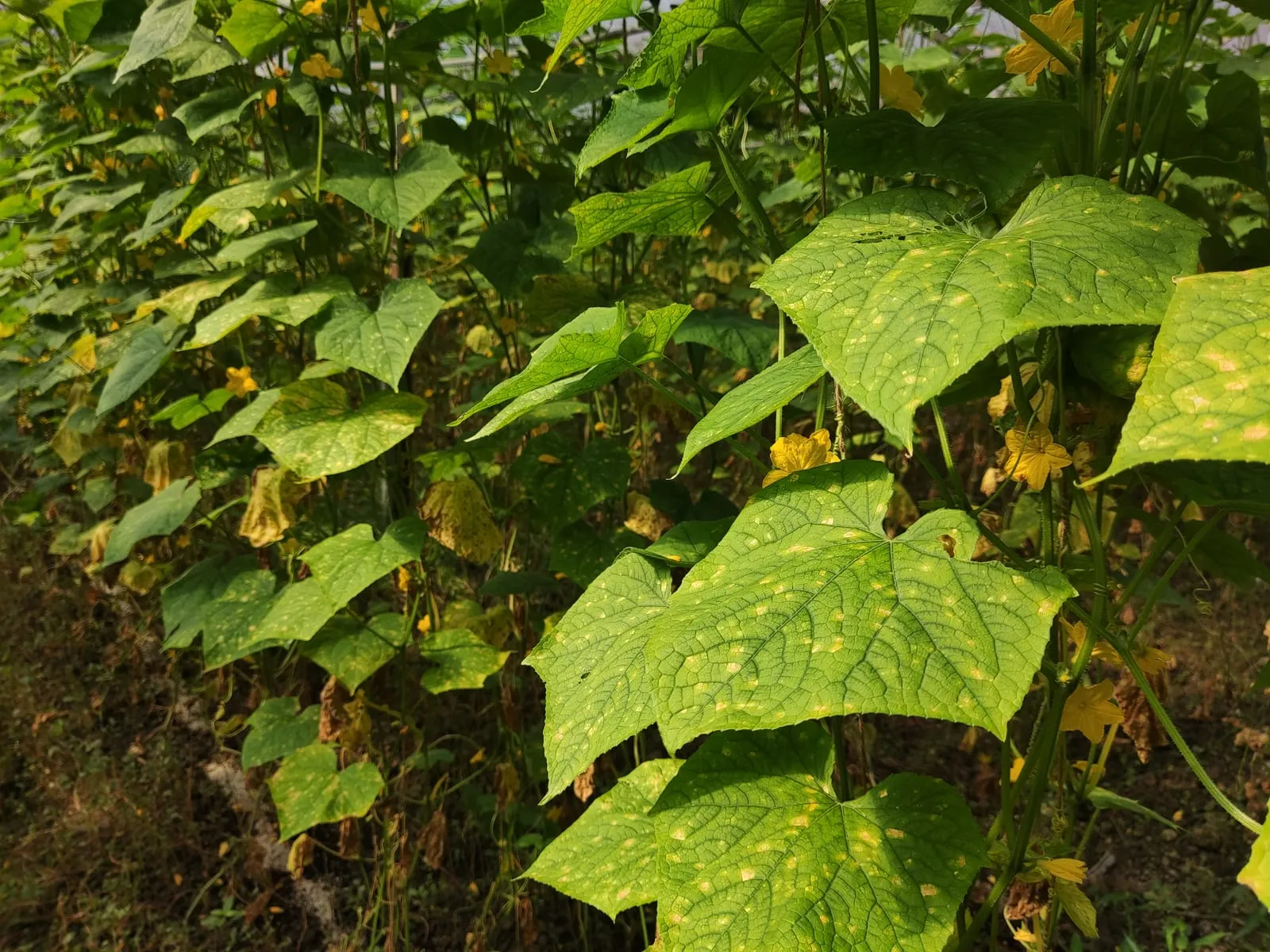
Modified care for zone 6b
Zone 6b growers lose the summer months to heat-induced bolting, so timing successions tightly around that window is the main adaptation. Shade cloth (30 to 50 percent) can extend the spring harvest by a week or two when a heat spike arrives unexpectedly, but it is a stopgap, not a solution.
Downy mildew pressure peaks during wet, cool stretches in spring and fall, exactly when arugula is most productive. Improve airflow by thinning to 4 to 6 inches between plants and avoiding overhead watering in the evening. Wild Rocket / Sylvetta shows somewhat better field tolerance to downy mildew than standard arugula, though no widely available variety is fully resistant. Stink bugs, noted as a zone challenge, can damage arugula leaves in late summer and early fall; row covers used to extend the fall season also provide a physical barrier against them.
Arugula in adjacent zones
Image: "Starr 070906-8899 Eruca vesicaria subsp. sativa", by Forest & Kim Starr, via Wikimedia Commons, licensed under CC-BY Source.

Related