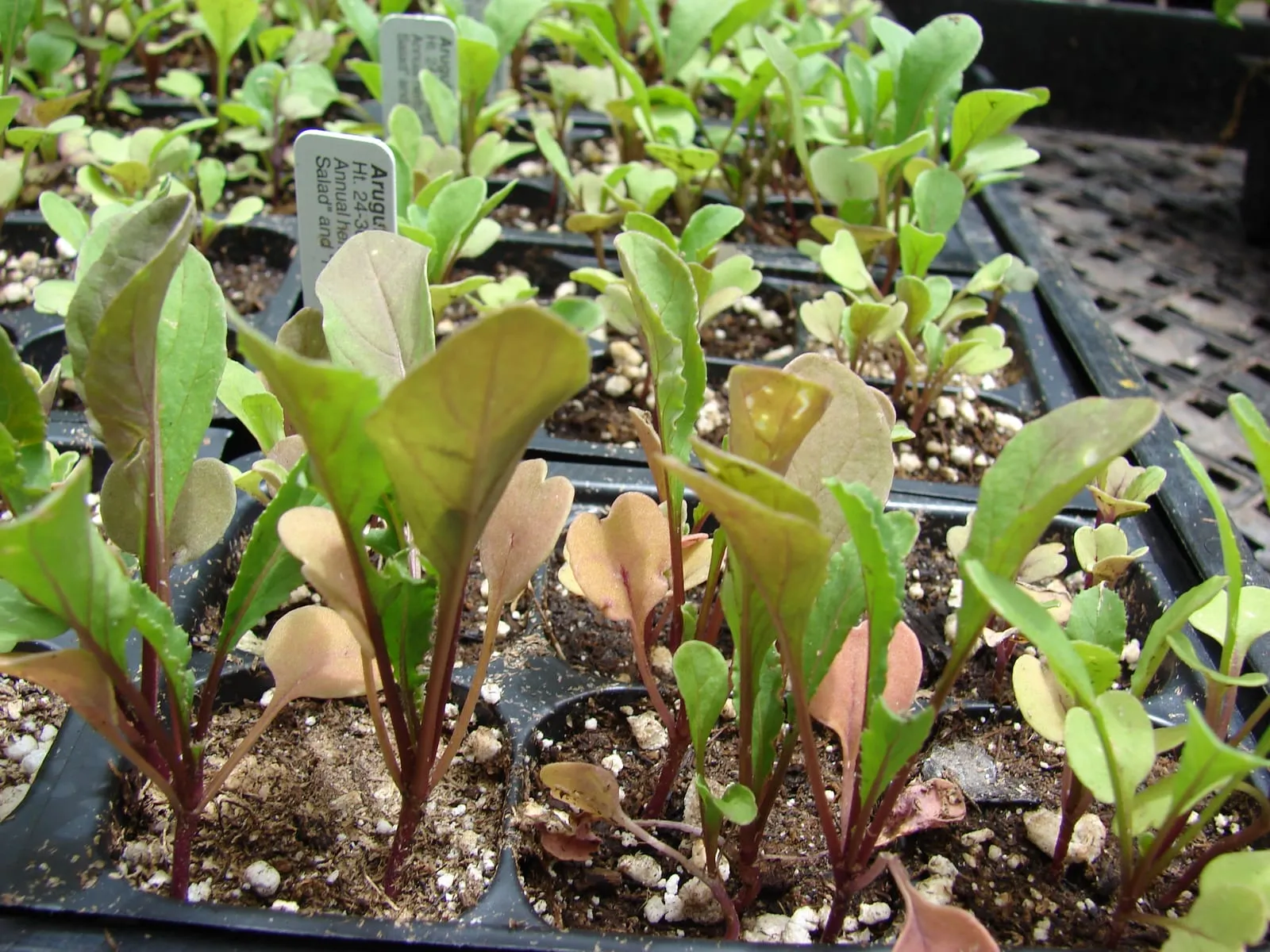
vegetable in zone 7a
Growing arugula in zone 7a
Eruca vesicaria
- Zone
- 7a 0°F to 5°F
- Growing season
- 210 days
- Suitable varieties
- 2
- Days to harvest
- 25 to 40
The verdict
Zone 7a is a reliable production zone for arugula. Unlike tree fruit, arugula carries no chill-hour requirement; the limiting factor for this cool-season annual is summer heat, not winter cold. Zone 7a's minimum temperatures of 0 to 5°F rarely cause problems for arugula, and the 210-day growing season creates two distinct production windows: a spring run before daytime heat triggers bolting, and a fall run after temperatures retreat in late summer.
Both Astro and Wild Rocket (Sylvetta) are well-suited to zone 7a conditions. Wild Rocket is notably slower to bolt than standard arugula, which extends its usable spring window by one to two weeks when temperatures climb unpredictably in April and May. Neither variety struggles with zone 7a winters, and both can overwinter under row cover for mild-weather harvests. This is a sweet spot zone for arugula rather than a marginal one.
Recommended varieties for zone 7a
2 cultivars suited to this zone, with disease-resistance and zone-fit annotations.
| Variety | Notes | Zone fit | Disease resistance |
|---|---|---|---|
| Astro fits zone 7a | Mild peppery, tender, fast-growing; the salad-mix arugula. Salads, pizza topping, pesto. Less spicy than wild types, slow to bolt for an arugula. | | none noted |
| Wild Rocket / Sylvetta fits zone 7a | Sharp, intense pepper bite, deeply lobed leaves; the connoisseur's arugula. Salads, pasta toss, pizza. Slow-growing perennial-style, holds longer in heat. | | none noted |
Critical timing for zone 7a
Direct sow arugula in zone 7a as soon as soil is workable, typically late February through early March. Leaf harvest begins 30 to 40 days after germination, placing the main spring window in late March through April. Bolting accelerates when daytime temperatures consistently exceed 75°F, which in zone 7a often arrives in May. Once plants bolt, leaf flavor sharpens to the point of being unpalatable for most uses.
Fall sowings go in from late August through mid-September. These crops mature into November and, under row cover, often persist through December. Zone 7a's last frost falls around late March and first frost around mid-to-late October, giving arugula a longer and more predictable fall window than spring, since autumn temperatures drop more gradually than they rise in spring.
Common challenges in zone 7a
- ▸ Cedar-apple rust
- ▸ Brown rot
- ▸ Fire blight
- ▸ High humidity disease pressure
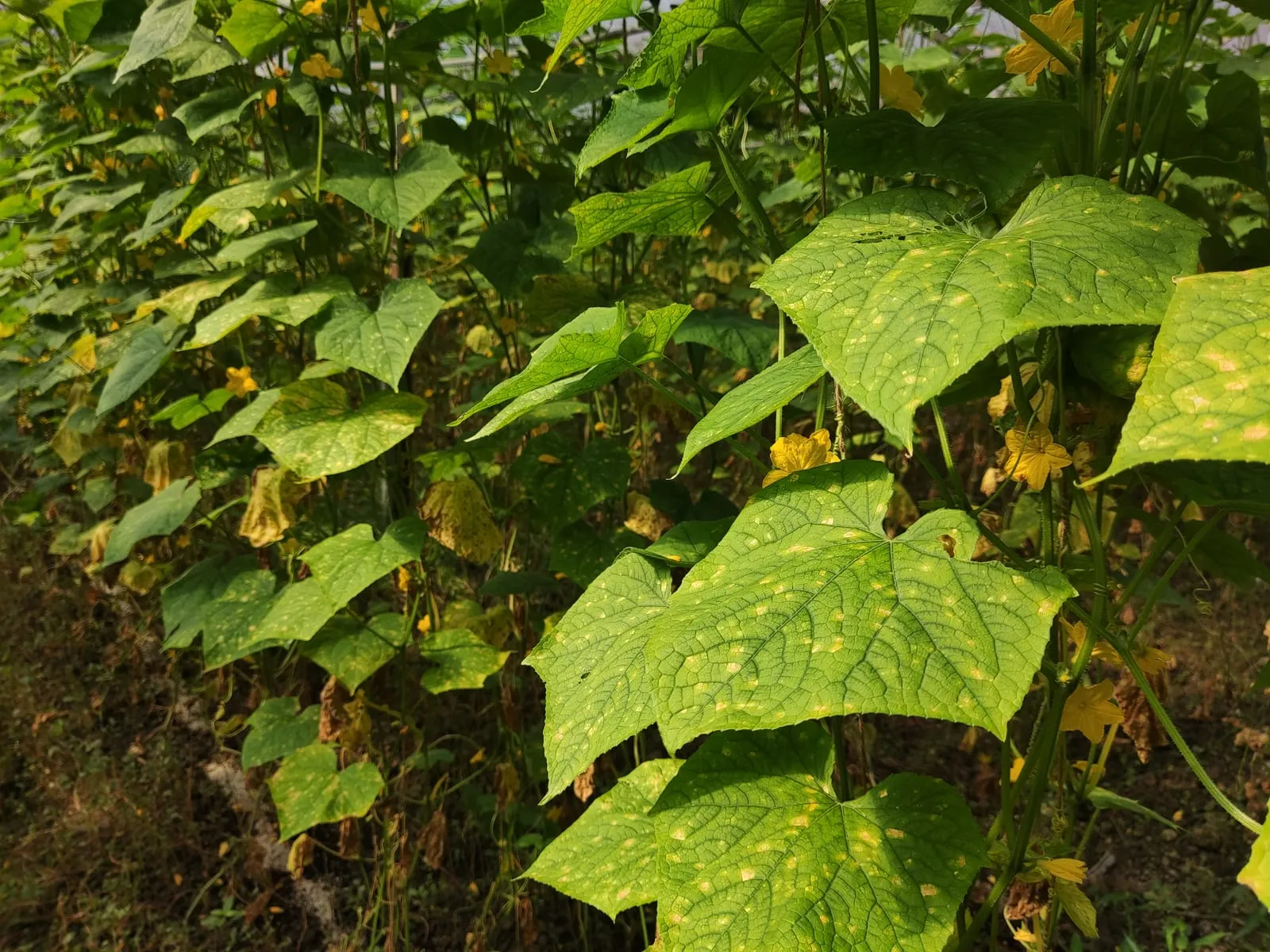
Disease pressure to watch for
Modified care for zone 7a
The primary adjustment for zone 7a growers is managing the spring window before bolting degrades leaf quality. Succession sowings every two weeks from late February through early April, rather than a single large planting, extend the overall harvest period and reduce waste when temperatures jump unexpectedly.
Downy mildew is the main disease concern for arugula in this zone. Zone 7a's humidity during spring wet periods and fall rains creates favorable conditions for spore germination. Space plants adequately to allow airflow, avoid overhead irrigation when alternatives exist, and harvest outer leaves regularly to keep canopy density down. Astro shows better field performance under high-humidity conditions than many heirloom selections.
Winter production under low tunnel or row cover is feasible in zone 7a. Growth slows substantially below 40°F, but cold-hardened arugula remains harvestable through mild stretches and adds a viable off-season production window that fewer warmer zones can support.
Arugula in adjacent zones
Image: "Starr 070906-8899 Eruca vesicaria subsp. sativa", by Forest & Kim Starr, via Wikimedia Commons, licensed under CC-BY Source.

Related