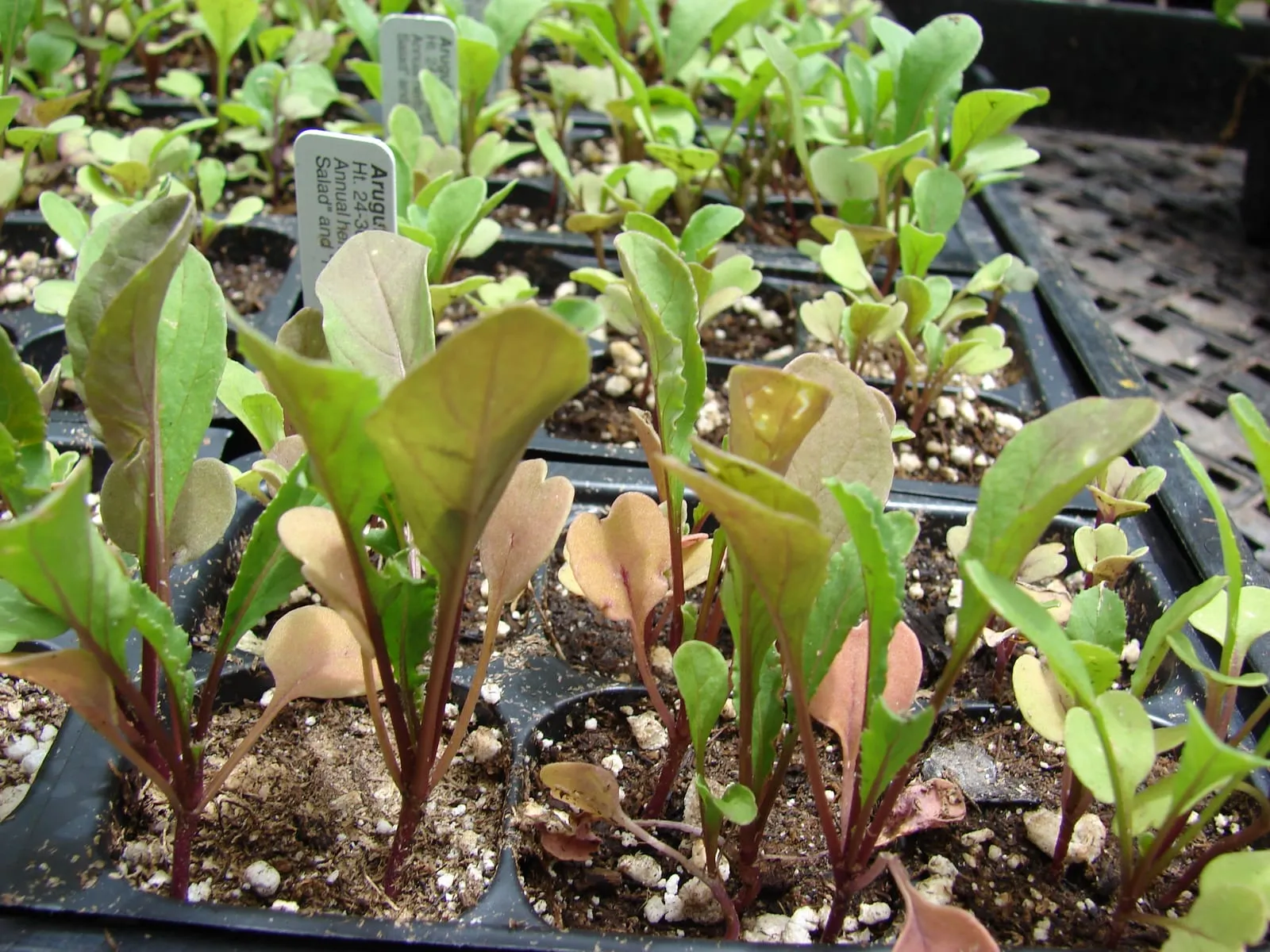
vegetable in zone 7b
Growing arugula in zone 7b
Eruca vesicaria
- Zone
- 7b 5°F to 10°F
- Growing season
- 220 days
- Suitable varieties
- 2
- Days to harvest
- 25 to 40
The verdict
Arugula is a cool-season annual, not a chill-hour crop, so the zone 7b minimum temperature range of 5 to 10°F is not a constraint in the way it is for fruit trees. The relevant question is whether the zone's shoulder seasons are long enough and cool enough for productive growth, and zone 7b answers that well. With 220 frost-free days centered on a hot, humid piedmont summer, arugula is grown in two windows rather than one continuous season. Spring plantings from late January through April and fall plantings from August through November give growers roughly 12 to 14 weeks of usable growing time per year. The heat that dominates June through August is the actual limiter: arugula bolts quickly once daytime temperatures consistently exceed 75 to 80°F, turning bitter and going to flower within days. Zone 7b is not marginal for arugula; it is a productive zone with a predictable seasonal pattern that rewards planning around that summer gap.
Recommended varieties for zone 7b
2 cultivars suited to this zone, with disease-resistance and zone-fit annotations.
| Variety | Notes | Zone fit | Disease resistance |
|---|---|---|---|
| Astro fits zone 7b | Mild peppery, tender, fast-growing; the salad-mix arugula. Salads, pizza topping, pesto. Less spicy than wild types, slow to bolt for an arugula. | | none noted |
| Wild Rocket / Sylvetta fits zone 7b | Sharp, intense pepper bite, deeply lobed leaves; the connoisseur's arugula. Salads, pasta toss, pizza. Slow-growing perennial-style, holds longer in heat. | | none noted |
Critical timing for zone 7b
In the piedmont, last spring frost typically falls between late March and early April. Arugula tolerates light freezes down to approximately 28°F, which allows direct sowing outdoors as early as late January or early February, well before last frost. The spring harvest window runs from mid-March through late May; plantings made after mid-April are likely to bolt before producing a full harvest cycle. Fall is the second window. Soil temperatures drop to arugula's preferred range (50 to 65°F) in late August, making that the practical start for fall sowing. Harvest continues through October and into November, and with lightweight row cover, plants often persist into December before hard freezes end the season. The 220-day growing season creates room for three to four succession sowings split across both windows.
Common challenges in zone 7b
- ▸ Cedar-apple rust pressure heavy in piedmont
- ▸ Japanese beetles
- ▸ Brown marmorated stink bug
- ▸ Late summer disease pressure
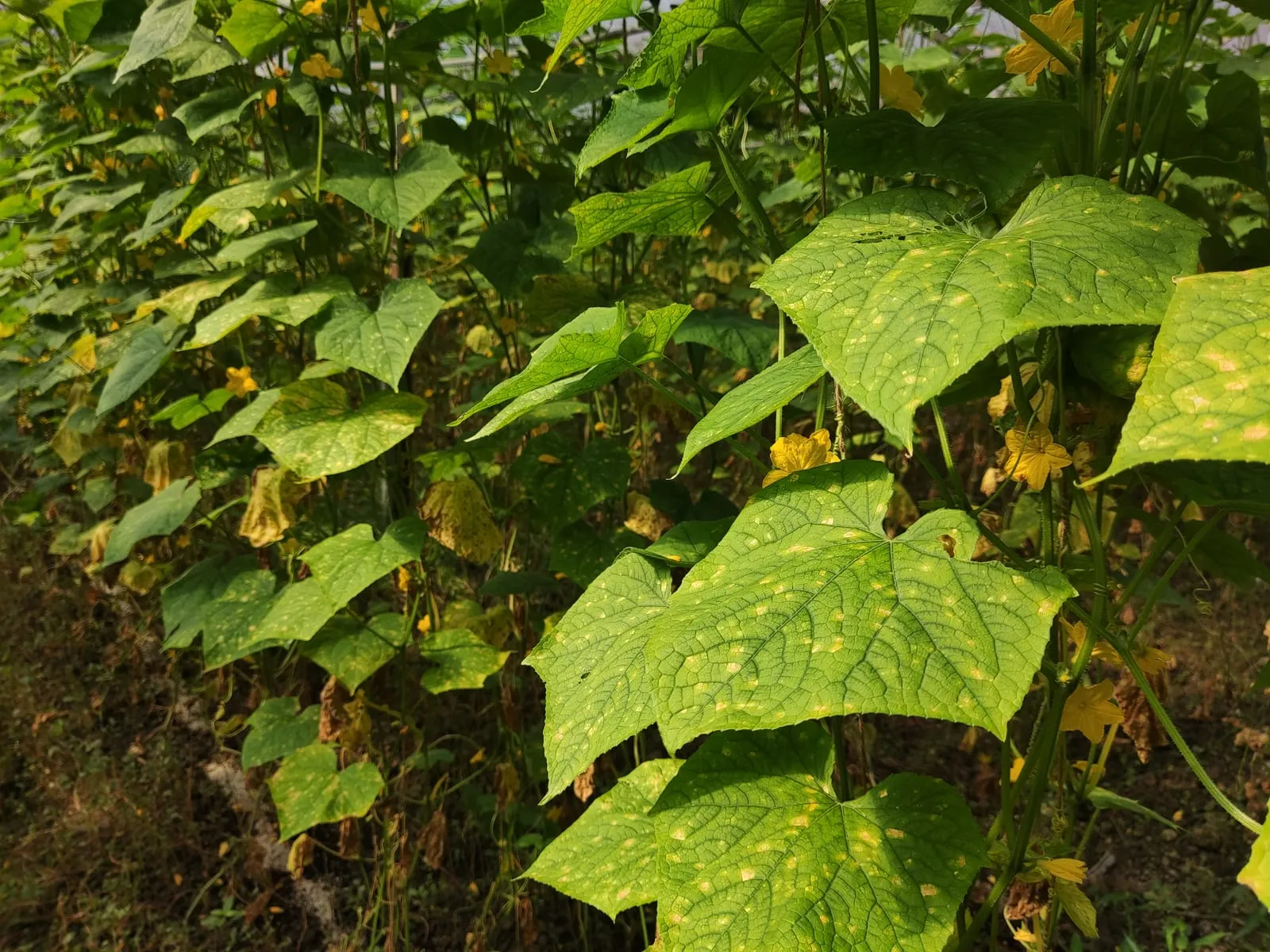
Disease pressure to watch for
Modified care for zone 7b
The primary zone 7b adjustment is heat management in spring. Arugula planted in late March or early April benefits from 30% shade cloth once daytime highs regularly reach 70°F, which can extend harvest by two to three weeks before bolting becomes inevitable. Succession sowing every two weeks from late January through mid-March spreads risk and smooths harvest. Downy mildew, the most common disease threat for arugula, intensifies during humid fall conditions. Wider row spacing (8 to 10 inches rather than 4 to 6) and morning irrigation rather than evening reduce humidity at the canopy level. Japanese beetles and brown marmorated stink bugs both feed on arugula foliage during late spring and early summer; floating row cover provides physical exclusion if pressure is heavy. Summer is not a growing window in zone 7b; attempting midsummer plantings in full sun reliably fails.
Frequently asked questions
- Can arugula survive a zone 7b winter outdoors?
Established plants tolerate light freezes to around 28°F without protection. Below that, foliage is damaged but roots may survive and resprout in warming soil. Lightweight row cover or low tunnels extend the fall season into December and can carry overwintered plants into late February.
- Why does arugula bolt so fast in spring in zone 7b?
Arugula bolts in response to heat and lengthening days, not just temperature alone. In the piedmont, spring temperatures can rise from comfortable to bolt-inducing within a two-week span in May. Plantings made after mid-April face compressed harvest windows regardless of care.
- Which arugula variety handles zone 7b conditions better?
Astro is faster to harvest (25 to 30 days) and performs well in the short spring window. Wild Rocket (Sylvetta) is slower (40 to 50 days) but more heat-tolerant and slower to bolt, making it a reasonable choice for fall plantings when conditions stay warm longer into September.
- Is downy mildew a serious problem for arugula in zone 7b?
It appears during wet, humid stretches, particularly in fall. It rarely kills plants outright but causes leaf spotting and reduces quality. Good air circulation, morning watering, and avoiding overhead irrigation when nights are cool and damp are the practical controls. No fungicide treatment is warranted for home-scale plantings.
+−
+−
+−
+−
Arugula in adjacent zones
Image: "Starr 070906-8899 Eruca vesicaria subsp. sativa", by Forest & Kim Starr, via Wikimedia Commons, licensed under CC-BY Source.

Related