vegetable in zone 3a
Growing garlic in zone 3a
Allium sativum
- Zone
- 3a -40°F to -35°F
- Growing season
- 90 days
- Suitable varieties
- 2
- Days to harvest
- 240 to 270
The verdict
Garlic is genuinely well-suited to zone 3a, not a marginal case. Unlike most food crops that struggle with the region's extreme cold, hardneck garlic requires a prolonged cold period to trigger proper bulbing, and zone 3a delivers that in abundance. Winter lows between -40 and -35°F exceed the cold tolerance of most plants, but properly mulched garlic cloves overwinter reliably at those temperatures with the right variety selection.
The more significant constraint is the 90-day frost-free growing season. Garlic is planted in fall and harvested the following summer, so the relevant window is the spring-to-harvest stretch. Hardneck varieties such as Music and German Extra Hardy are well-calibrated for short-season climates, producing full-sized bulbs before the compressed summer ends. Zone 3a is not a compromise for these varieties; it is close to their preferred range.
Recommended varieties for zone 3a
2 cultivars suited to this zone, with disease-resistance and zone-fit annotations.
| Variety | Notes | Zone fit | Disease resistance |
|---|---|---|---|
| Music fits zone 3a | Pungent-sweet, balanced, bright flavor; large white-skinned hardneck cloves (4-6 per bulb). Roasting, fresh, all-purpose cooking. Cold-hardy hardneck, stores 6-8 months. The home-grower's hardneck standard. | | none noted |
| German Extra Hardy fits zone 3a | Strong, robust, traditional garlic punch; tan-skinned porcelain hardneck. Roasting, fresh, raw applications. Very cold-hardy, stores 8-10 months, large cloves easy to peel. | | none noted |
Critical timing for zone 3a
Garlic is planted in fall, not spring. In zone 3a, cloves go in the ground in late September to early October, before the soil freezes solid. They root through fall, go dormant over winter, and send up green shoots shortly after the ground thaws in spring.
Late spring frosts in zone 3a are common, but established garlic greens tolerate light frost without significant damage. Scapes, the curling flower stalks on hardneck types, appear in late June to early July and should be removed to redirect energy into bulb development. Harvest follows roughly three to four weeks after scape removal, typically mid to late July, when the lower third of the leaves have dried down. In a 90-day season, timing the fall planting correctly matters: planting too late gives cloves insufficient time to root before freeze-up.
Common challenges in zone 3a
- ▸ Very short growing season
- ▸ Late spring frosts
- ▸ Limited fruit-tree options
- ▸ Heavy mulching required
Disease pressure to watch for
Modified care for zone 3a
Mulching is not optional in zone 3a. Apply 4 to 6 inches of straw immediately after planting, before the ground freezes, to moderate soil temperature and prevent frost heaving that can displace cloves. Without adequate mulch, even cold-hardy varieties like German Extra Hardy face winter kill risk at sustained temperatures below -35°F.
In spring, pull the mulch back gradually as soil thaws rather than removing it all at once; late frost events can still damage emerging shoots if they are exposed too early.
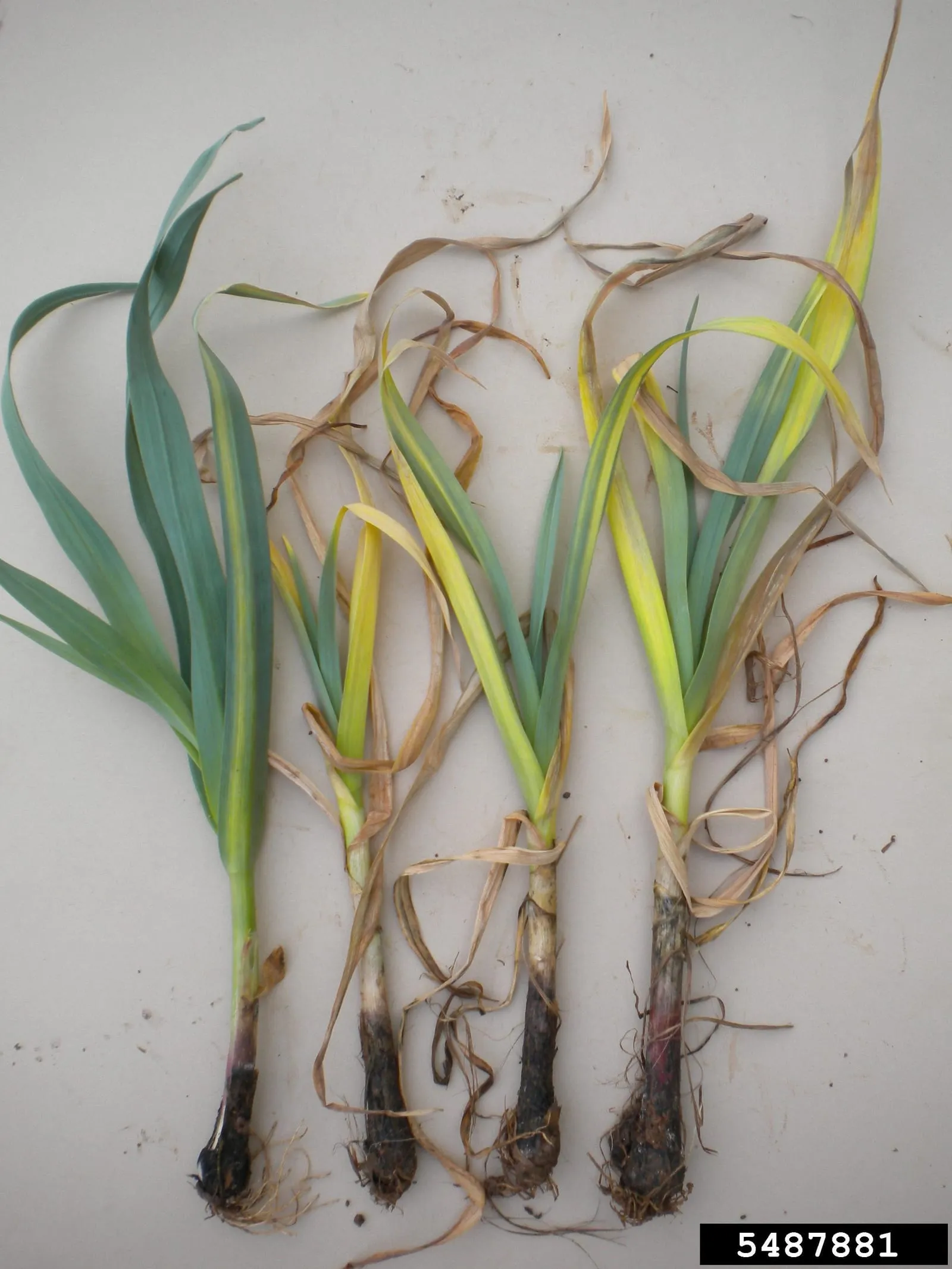
Onion White Rot (Sclerotium cepivorum) is the primary disease pressure to monitor. The pathogen forms persistent sclerotia that survive in soil for 20 or more years, so once introduced, it is difficult to eliminate. Rotate garlic to a fresh bed each season, avoid moving soil between plots, and inspect new seed stock carefully before planting. Wet springs favor disease spread, which is a relevant concern given zone 3a's slow-draining spring thaw conditions.
Frequently asked questions
- Can garlic survive zone 3a winters without any protection?
Unprotected cloves are at real risk at -40°F. Even cold-hardy varieties like Music and German Extra Hardy benefit significantly from 4 to 6 inches of straw mulch applied before the ground freezes. Mulch reduces temperature fluctuation and prevents heaving, both of which damage cloves over a long winter.
- Which garlic type performs better in zone 3a, hardneck or softneck?
Hardneck types are the clear choice for zone 3a. Softneck varieties are bred for milder climates with less pronounced cold periods and tend to produce smaller, poorly formed bulbs in very cold zones. Hardneck varieties like Music require the extended cold that zone 3a reliably provides.
- How does the short growing season affect garlic quality in zone 3a?
Garlic quality in zone 3a is generally good, not compromised. Bulb size depends more on fall root establishment, soil fertility, and scape removal timing than on growing-season length. A well-planted, well-mulched crop in zone 3a can yield full-sized bulbs comparable to warmer regions.
+−
+−
+−
Garlic in adjacent zones
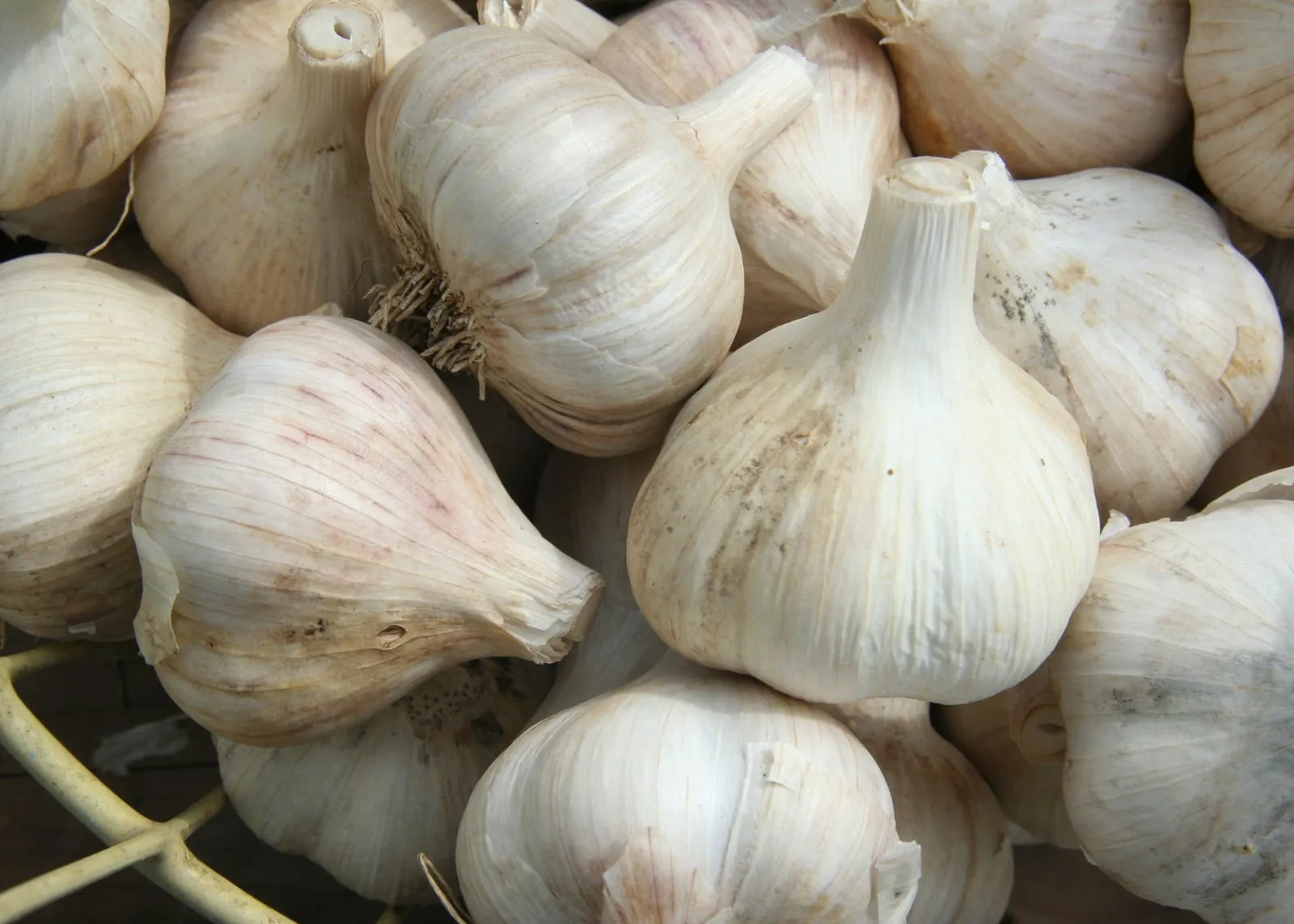
Image: "GarlicBasket", by Jonathunder, via Wikimedia Commons, licensed under CC-BY Source.

Related