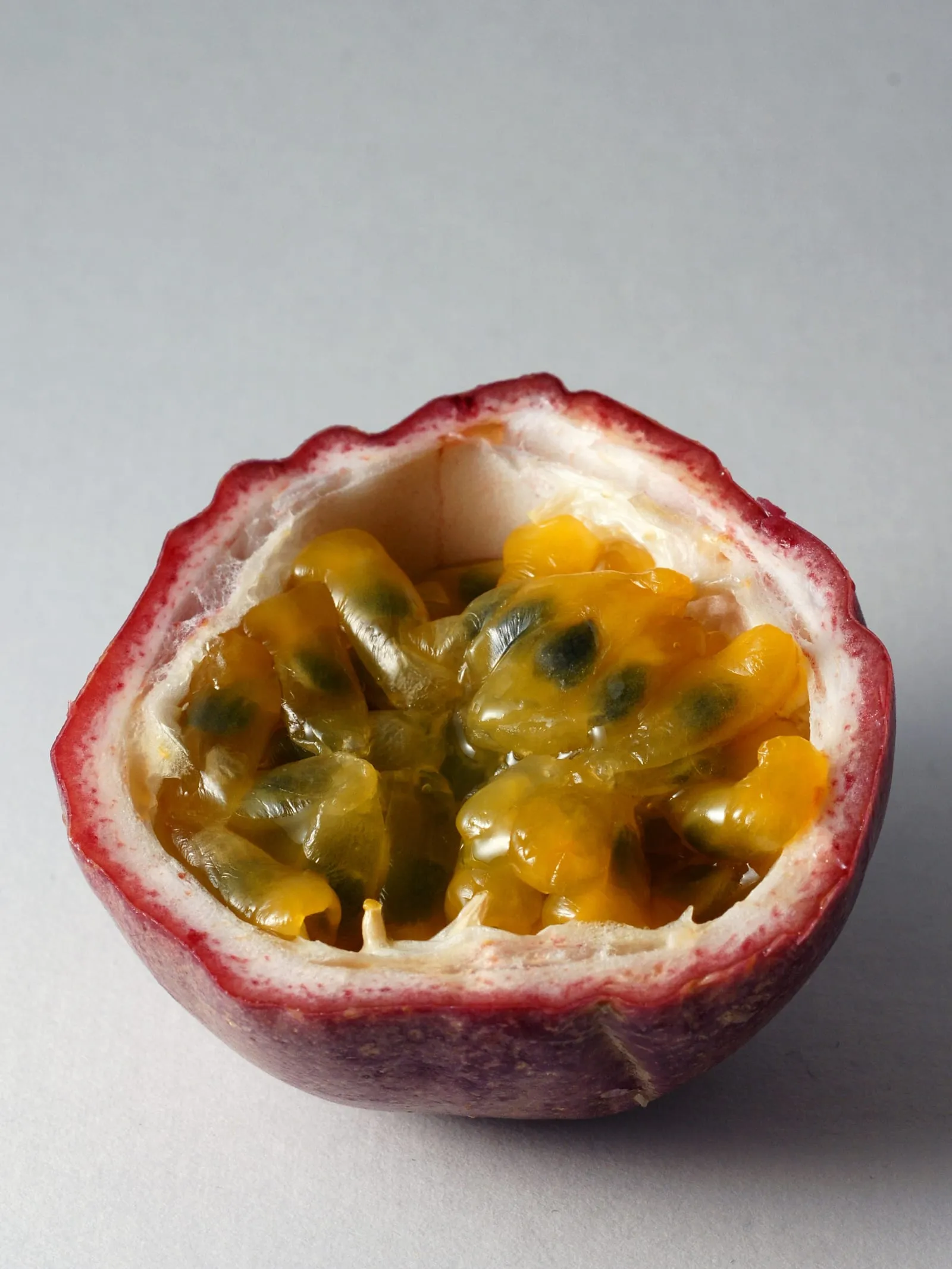
berry in zone 9b
Growing passionfruit in zone 9b
Passiflora edulis
- Zone
- 9b 25°F to 30°F
- Growing season
- 310 days
- Chill needed
- 0 below 45°F
- Suitable varieties
- 2
- Days to harvest
- 240 to 365
The verdict
Passionfruit requires zero chill hours, so zone 9b's mild winters are not a constraint at all. With a 310-day growing season and minimum winter temperatures holding between 25 and 30°F, this zone sits squarely in passionfruit's preferred range for the continental United States. Neither Purple Possum nor Frederick needs dormancy-inducing cold, and both are well adapted to the long frost-free stretches that define 9b.
The one caveat is the low end of that temperature window. A hard freeze that dips toward 25°F can defoliate or kill back a young vine. Established plants with woody crowns typically resprout from the roots, but growers in frost-prone microclimates within the zone should plan for occasional setbacks. In most 9b locations, passionfruit will behave as a vigorous perennial rather than a tender annual, which is the outcome worth aiming for.
Recommended varieties for zone 9b
2 cultivars suited to this zone, with disease-resistance and zone-fit annotations.
| Variety | Notes | Zone fit | Disease resistance |
|---|---|---|---|
| Purple Possum fits zone 9b | Tart-sweet aromatic pulp with intense floral notes; the standard purple variety for fresh eating and juice. Self-fertile and reliable in marginal zones. | | none noted |
| Frederick fits zone 9b | Larger sweeter purple passionfruit with less acid bite; better for fresh eating without sugar. Self-fertile; vigorous vine. | | none noted |
Critical timing for zone 9b
In zone 9b, passionfruit vines typically begin their first flush of bloom in late spring, with flowering continuing in waves through summer and into fall. Fruit set follows bloom by roughly 60 to 80 days depending on pollination conditions, which means the main harvest window runs from midsummer through early winter. The 310-day growing season allows for two distinct harvest flushes in a good year.
The frost window (temperatures near 25 to 30°F) falls in December through February in most 9b locations. This timing rarely overlaps with active bloom, so frost damage to flowers or developing fruit is uncommon. The greater risk is to young vines planted in the fall that haven't yet hardened off before the first cold event.
Common challenges in zone 9b
- ▸ Heat stress in summer
- ▸ Insufficient chill for most apples
- ▸ Salt spray near coasts
Disease pressure to watch for
Modified care for zone 9b
Summer heat stress is the primary management challenge in zone 9b. Passionfruit vines set fruit poorly when temperatures push above 95°F consistently, so siting them where they receive afternoon shade, or where a structure or taller plants can buffer the hottest hours, improves fruit set during peak summer. Deep, consistent irrigation is especially important in July and August.
Mango anthracnose can affect passionfruit foliage and fruit in warm, humid conditions common to zone 9b summers. Managing canopy density by training vines on an open trellis reduces the humid microclimate that favors infection. Coastal growers should factor in salt spray tolerance when selecting a planting site, keeping vines at least 100 feet from direct ocean exposure or choosing a protected lee-side location. Young vines planted in late fall should receive light frost cloth protection during the first winter.
Frequently asked questions
- Is zone 9b warm enough to grow passionfruit year-round?
Passionfruit grows as a perennial in zone 9b's 310-day growing season, with active growth pausing only during the coolest weeks of winter. Established vines rarely die back completely unless temperatures drop to the low end of the zone's 25 to 30°F range.
- Which passionfruit varieties work best in zone 9b?
Purple Possum and Frederick are both suited to zone 9b. Frederick is known for large fruit and reliable production in warm climates; Purple Possum performs well in subtropical conditions with good heat tolerance. Neither requires any chill-hour accumulation.
- What causes poor fruit set on passionfruit in hot climates?
Sustained heat above 95°F reduces pollen viability and flower retention. In zone 9b, midsummer heat stress is the most common reason for a gap in fruit set between the spring flush and the fall flush. Afternoon shade and deep irrigation during peak heat mitigate the problem.
- Does passionfruit need a pollinator in zone 9b?
Most passionfruit varieties are self-fertile but produce heavier crops with cross-pollination. Planting two vines of different varieties, or one vine near flowering companions that attract native bees, generally improves yields without requiring hand pollination.
+−
+−
+−
+−
Passionfruit in adjacent zones
Image: "Passiflora Edulis Open Fruit2", by Alexander Klink, via Wikimedia Commons, licensed under CC-BY Source.

Related