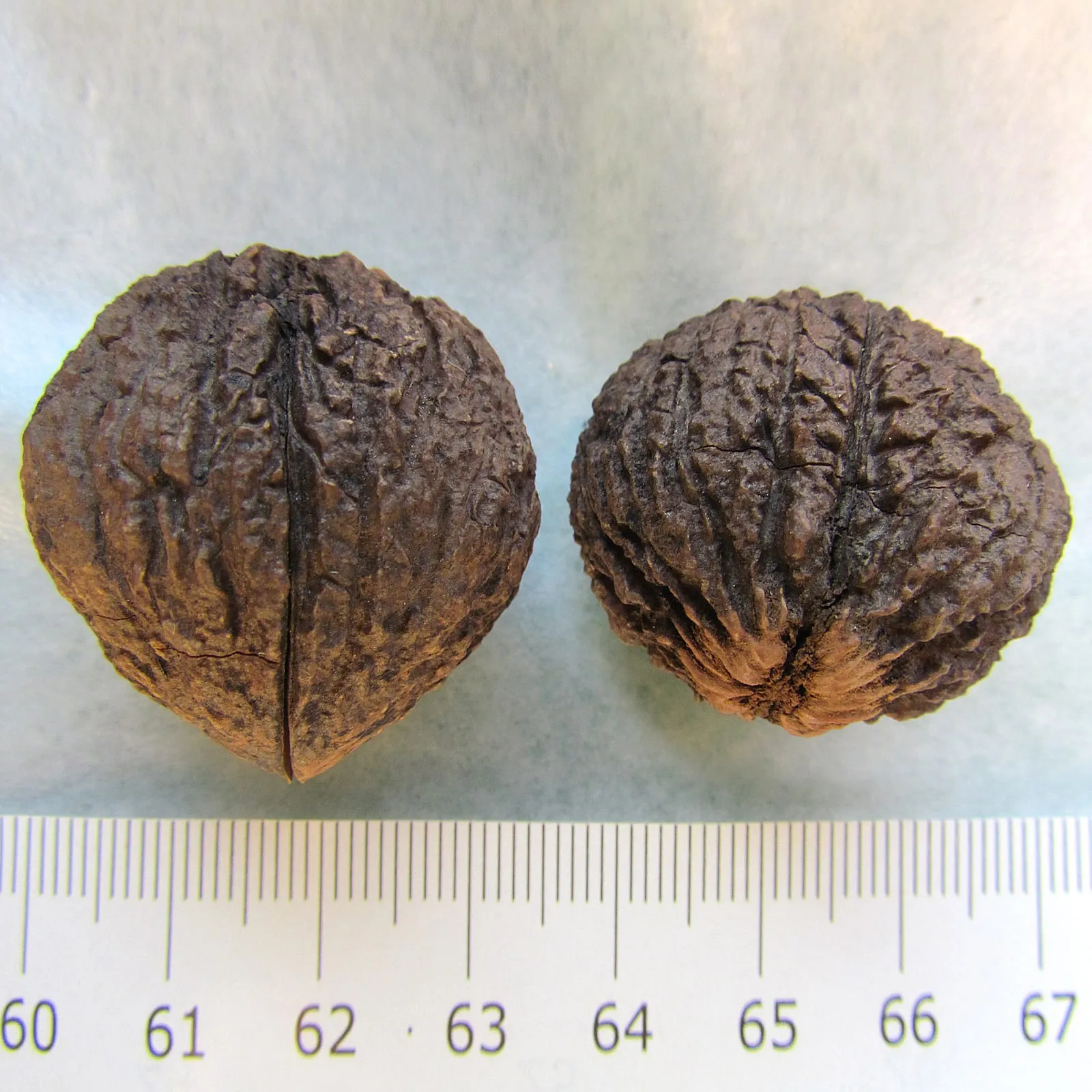
nut in zone 8a
Growing black walnut in zone 8a
Juglans nigra
- Zone
- 8a 10°F to 15°F
- Growing season
- 240 days
- Chill needed
- 700 to 1500 below 45°F
- Suitable varieties
- 1
- Days to harvest
- 150 to 200
The verdict
Zone 8a sits at the warm edge of black walnut's viable range. The crop requires 700 to 1,500 chill hours annually, and zone 8a typically accumulates 400 to 800 hours below 45°F depending on site and winter severity. In mild winters, many zone 8a locations will fall short of the 700-hour floor, resulting in delayed or uneven leafout, reduced nut set, and long-term decline in tree vigor.
This is a marginal zone rather than a sweet spot. Growers at higher elevations, on north-facing slopes, or in inland valley sites that trap cold air overnight will have better outcomes than those in low-elevation, coastal, or urban locations where heat accumulates year-round. The 'Thomas' variety is among the selections that tolerate the lower end of the chill range, making it the practical starting point for zone 8a trials. The 240-day growing season is more than adequate for nut development once chill requirements are satisfied.
Recommended varieties for zone 8a
1 cultivar suited to this zone, with disease-resistance and zone-fit annotations.
| Variety | Notes | Zone fit | Disease resistance |
|---|---|---|---|
| Thomas fits zone 8a | Bold, intense, distinctively earthy black-walnut flavor; baking (cookies, cakes, ice cream), fudge. The heritage productive variety, large nuts with thicker shells than English walnut. Self-fertile but better with a partner. | | none noted |
Critical timing for zone 8a
In zone 8a, black walnut typically breaks dormancy and begins catkin elongation in late March to early April. Pistillate flowers, which are receptive only for a brief window, emerge slightly later, often in early to mid-April. Late frost events in zone 8a, while infrequent, can damage emerging foliage and abort the pistillate flowers before pollination occurs.
Nut fill runs through summer, with harvest falling in September and October before the first fall frosts arrive, typically in late November in most zone 8a locations. The long growing season creates no meaningful constraint on maturation. The primary timing risk is at the front end: a late cold snap during the narrow pollination window can eliminate the crop for that year.
Common challenges in zone 8a
- ▸ Insufficient chill hours for some apple varieties
- ▸ Pierce's disease in grapes
- ▸ Heat stress on cool-season crops
Disease pressure to watch for
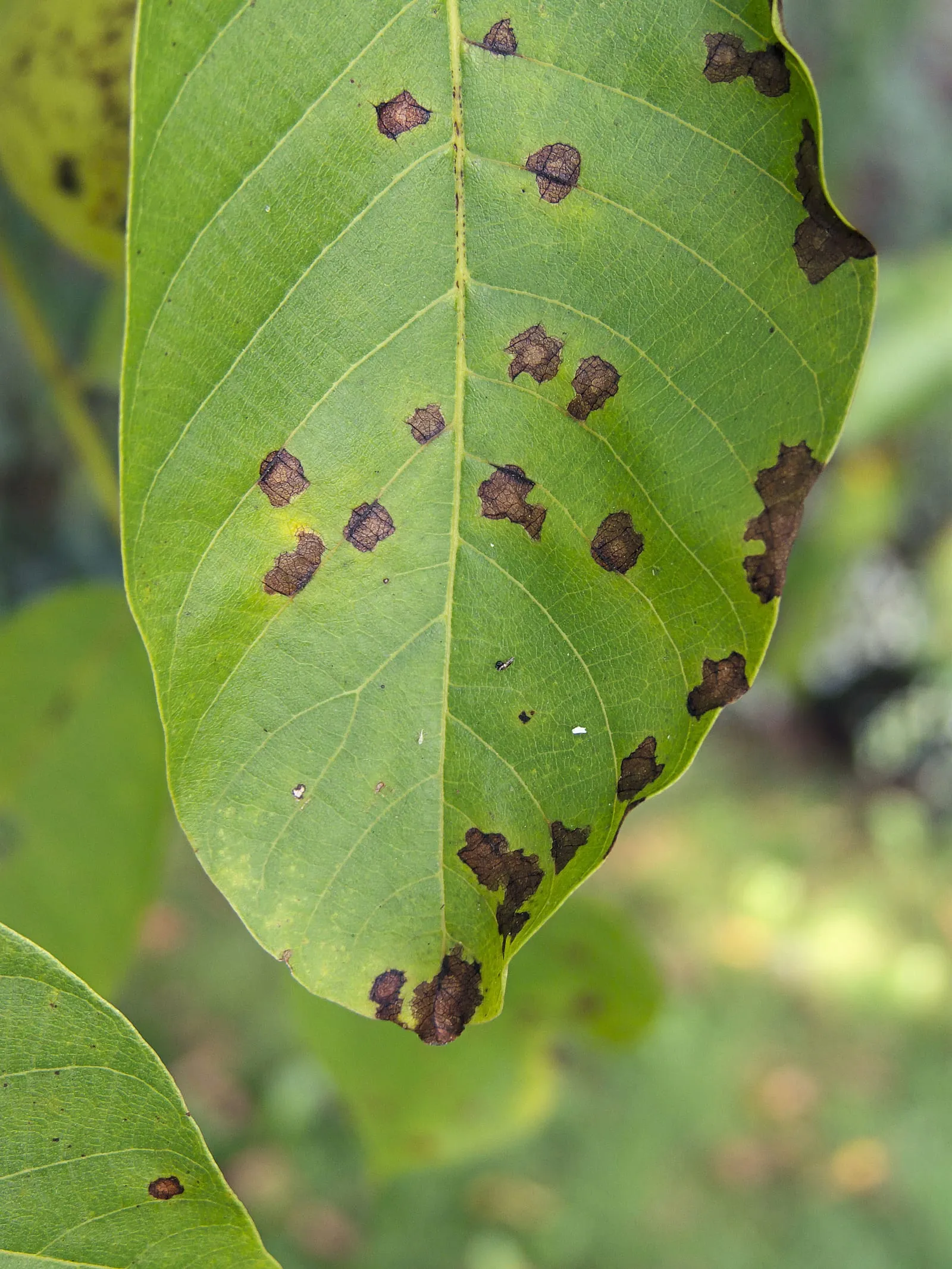
Ophiognomonia leptostyla
Fungal leaf disease causing premature defoliation in wet seasons, weakening trees over consecutive years and reducing kernel fill.
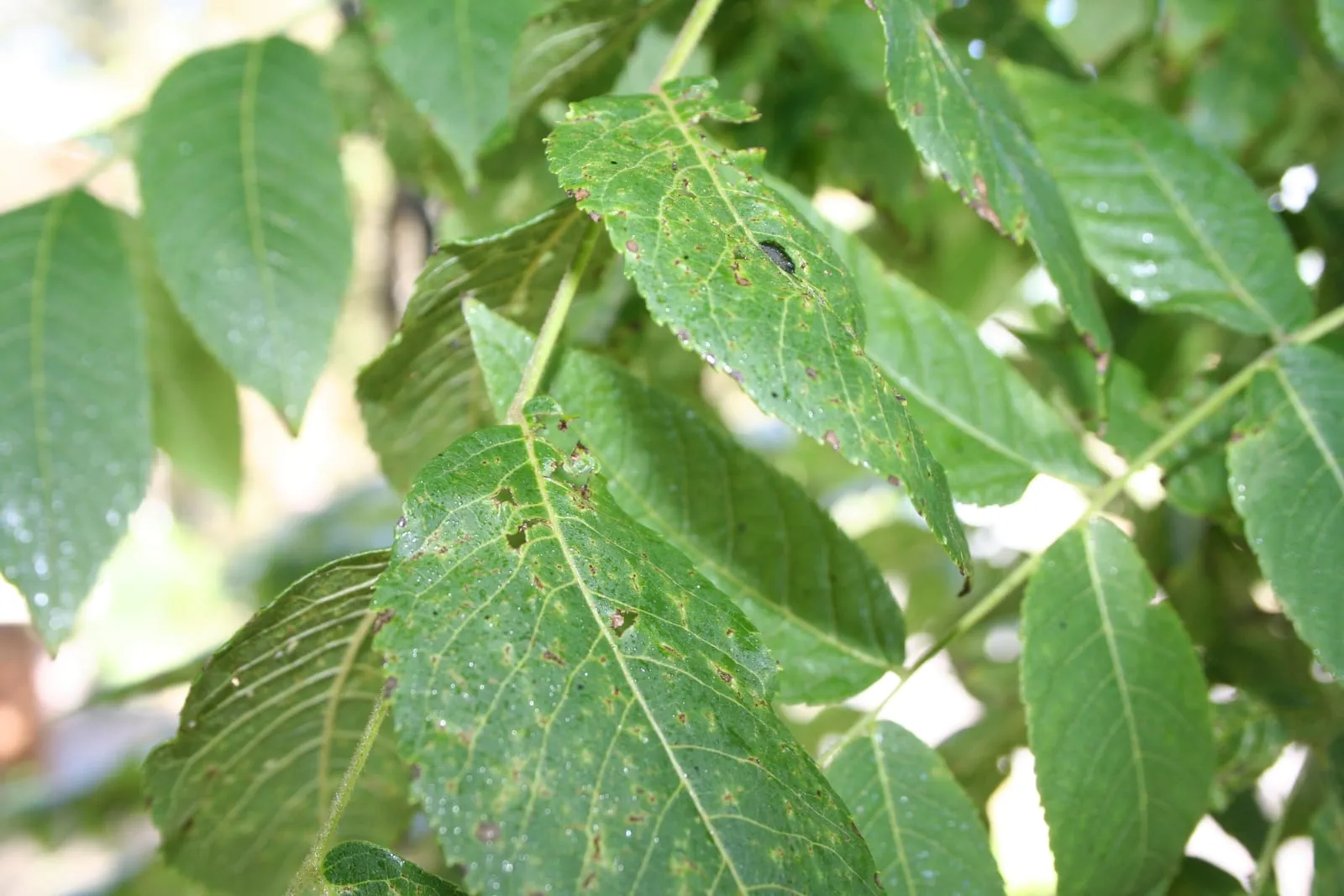
Geosmithia morbida (vectored by Pityophthorus juglandis)
Fatal disease of black walnut caused by a fungus vectored by the walnut twig beetle. Spreading eastward from the western US, devastating native black walnut stands.
Modified care for zone 8a
The main adjustment in zone 8a is site selection to maximize chill accumulation. Avoid heat-sink locations such as south-facing slopes, urban lots surrounded by pavement, or low areas with poor air drainage. Cold air pooling in a frost pocket, often viewed as a liability for sensitive crops, can actually benefit black walnut by extending the number of hours spent below 45°F.
Walnut Anthracnose pressure increases in the humid summers common across much of zone 8a. Maintaining canopy airflow through annual pruning and avoiding overhead irrigation reduces infection rates. Thousand Cankers Disease, spread by the walnut twig beetle, has been documented across the Southeast and warrants monitoring; inspect bark for small sunken lesions and discolored cambium, particularly on scaffold branches. There is no curative treatment, so early detection and removal of heavily affected wood is the only management option.
Frequently asked questions
- Can black walnut produce a reliable nut crop in zone 8a?
Reliability is low without a favorable microclimate. Zone 8a often falls below black walnut's 700-hour chill minimum in mild winters, which reduces nut set and stresses trees over time. Growers in higher-elevation or inland sites within zone 8a will see more consistent results than those in warm, low-lying locations.
- Which black walnut variety is best suited for zone 8a?
'Thomas' is the variety with the most documented tolerance for the lower chill-hour accumulations typical of zone 8a. It remains the default recommendation for trials in this zone. Species-level seedling trees grown from local seed sources sometimes show better adaptation than named grafted varieties from northern nurseries.
- How serious is Thousand Cankers Disease for zone 8a walnut growers?
The disease is a significant long-term concern in the Southeast. It is vectored by the walnut twig beetle and has no curative treatment once established in a tree. Quarantine regulations restrict movement of walnut material in some states. Growers should source trees from reputable nurseries and inspect new plantings regularly.
+−
+−
+−
Black Walnut in adjacent zones
Image: "Juglans nigra nuts", by Gmihail at Serbian Wikipedia, via Wikimedia Commons, licensed under CC-BY Source.

Related