Region · 1 state
California
From cool foggy coast to hot Central Valley to mountain to desert. Mediterranean climate dominates: wet winters, dry summers. The most productive agricultural state in the country, with reach into citrus and olives that exceed the rest of the country.
- States
- 1
- Zip codes
- 2,554
- Dominant zones
- 9b, 10a, 10b, 9a
- Signature crops
- 5
Gardening in the California
California is not one garden climate but several stacked together. The Pacific coast runs cool and fog-dampened, moderating summer heat but suppressing chill-hour accumulation in the south, where marine stations often log fewer than 200 hours below 45°F annually. The Central Valley bakes through summer, routinely topping 100°F for weeks at a stretch, but its winters deliver the 800 to 1,200 chill hours that deciduous tree fruits require. The Sierra Nevada introduces genuine alpine cold, short growing seasons, and late killing frosts. The southern deserts push into USDA zones 10 and 11, where frost is rare and the binding constraint is heat and water.
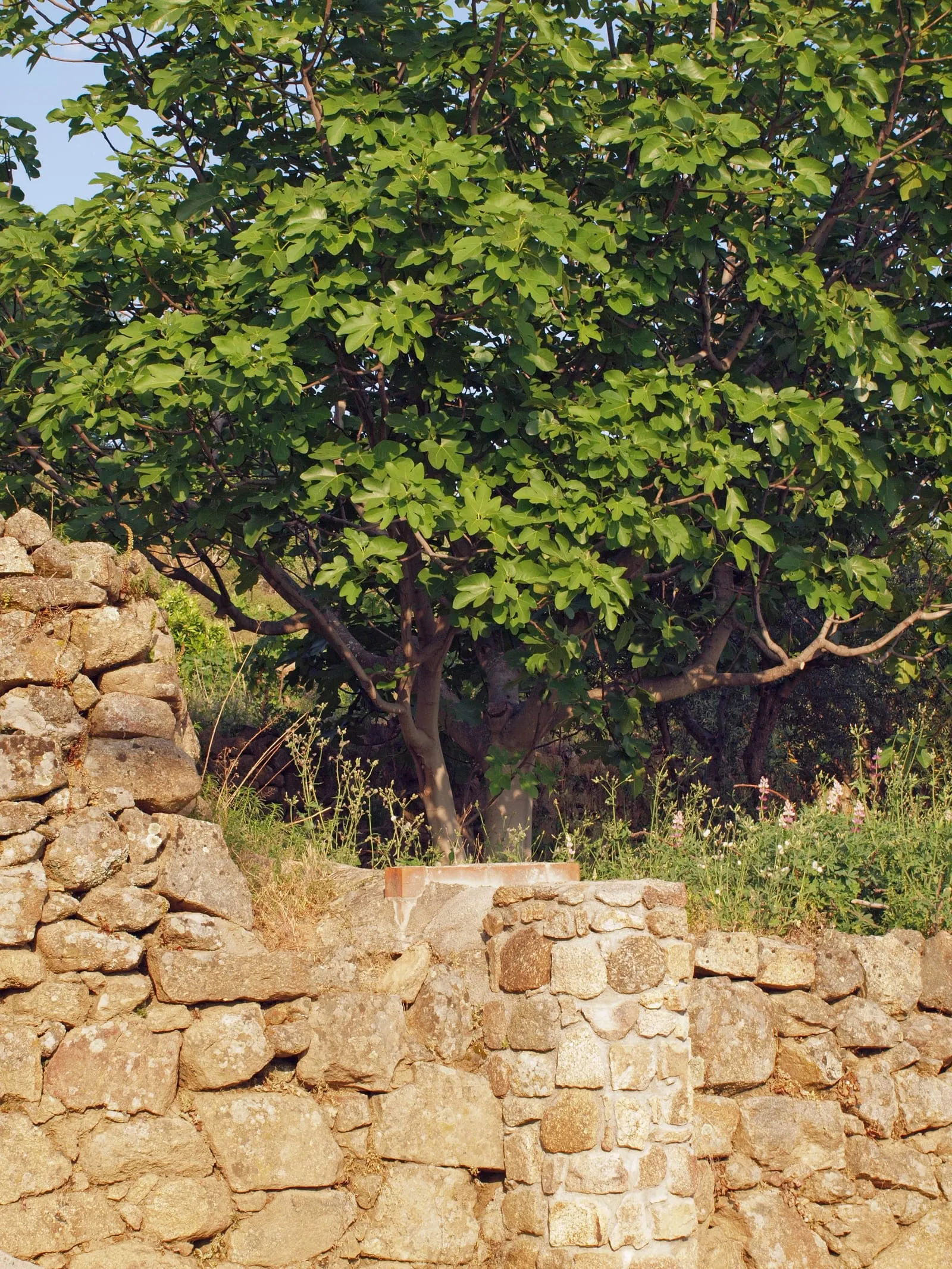
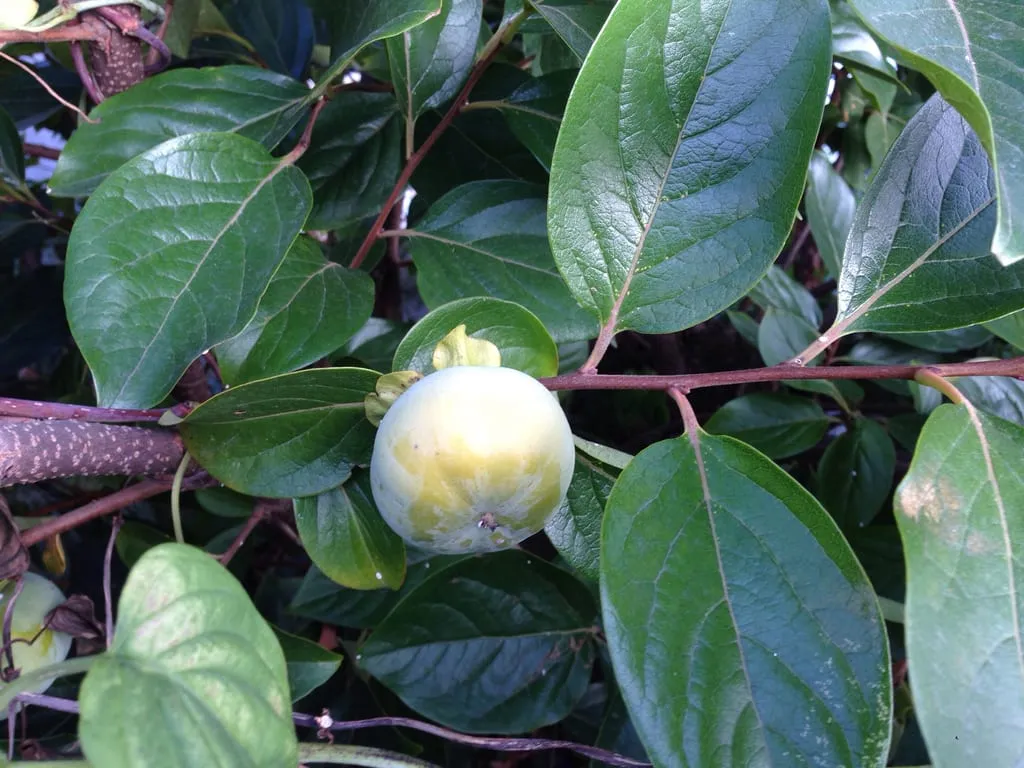
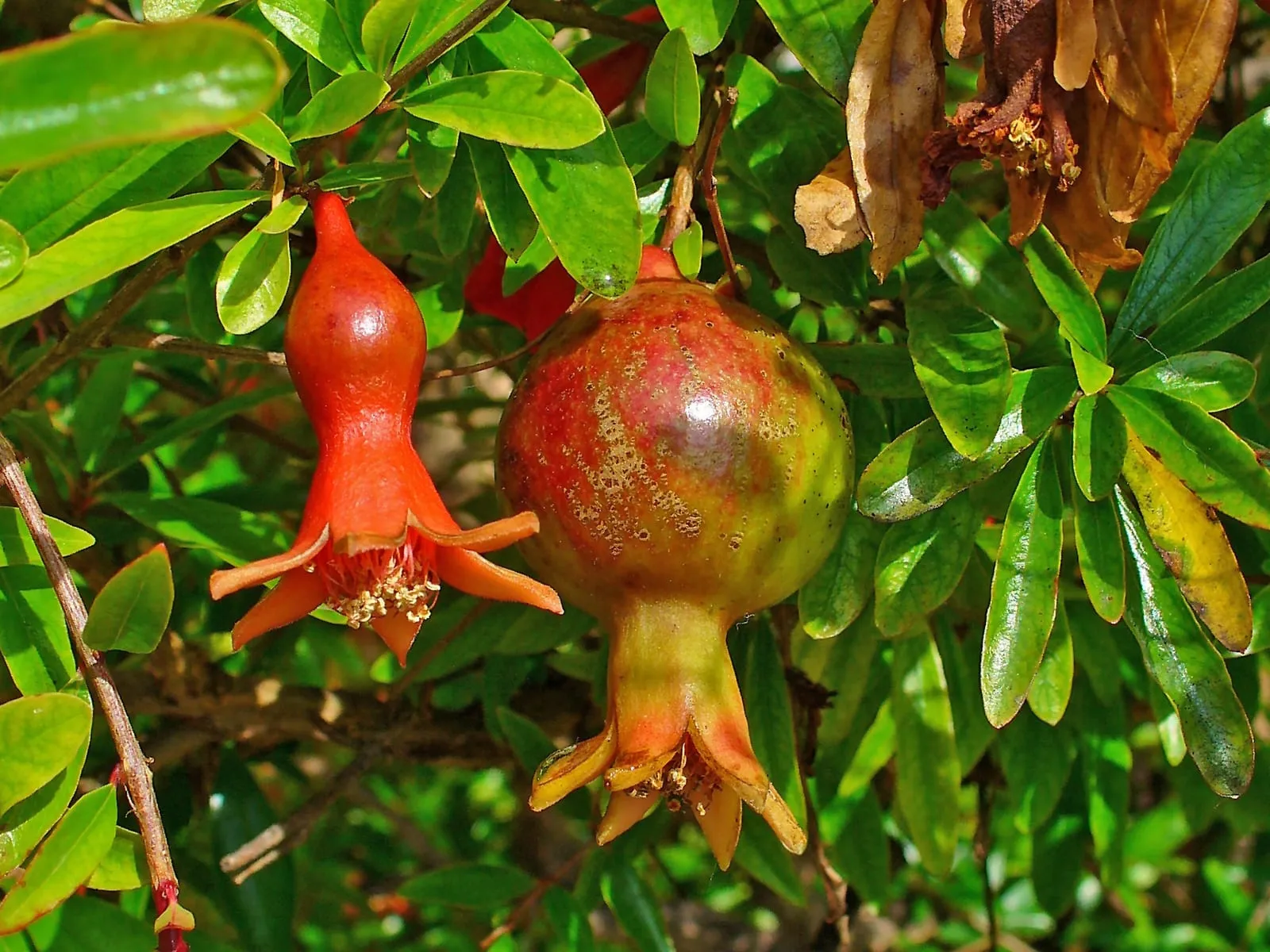
What connects most of California is the Mediterranean pattern: rain falls in winter, not summer. This single fact shapes every irrigation decision. Crops that evolved in similar climates (fig, pomegranate, almond, Asian persimmon) tolerate dry summers once established. Crops that expect summer rainfall require consistent supplemental irrigation through the dry season or production falters.
Drought is the chronic constraint. Water restrictions have affected most California districts in recent years, limiting outdoor use for residential gardeners. Wildfire smoke in late summer and fall has become a recurring factor at harvest, particularly across the Sierra foothills and northern valleys, affecting fruit color development and sometimes forcing earlier picks than sugar levels would otherwise indicate. Together, water scarcity and smoke represent regional risks that gardeners in most other states simply do not encounter.
Dominant USDA hardiness zones
Share of the 2,554 zip codes in the California that fall into each zone. Pick your local zone for tighter timing; the regional view sets baseline expectations.
Climate
Mediterranean coastal, hot dry interior, cold mountain, hot desert. Frost rare on the south coast, severe in the Sierra.
Best practices for the California
Match irrigation interval to root depth, not calendar. Deep, infrequent watering trains root systems downward where soil moisture persists longer between cycles. In the Central Valley and inland areas, established fig and pomegranate tolerate 18 to 21-day irrigation intervals once root systems mature, but young trees need weekly cycles through their first two dry seasons. Drip or micro-sprinkler systems typically satisfy water-district compliance requirements and reduce foliar fungal pressure compared to overhead irrigation.
Verify chill-hour ratings before purchasing deciduous trees. Coastal southern California typically accumulates 100 to 200 chill hours annually, which eliminates most standard apple, pear, and peach varieties as viable fruiting options. Varieties rated specifically for low-chill conditions (Tropic Sweet peach at around 150 hours, Anna apple at around 200 hours) perform where standard cultivars fail to break dormancy properly and set no fruit. Checking published chill-hour ratings against local CIMIS or weather station data before purchasing prevents repeated establishment failures.
Time spring fungicide applications around the early wet window. Mediterranean summers suppress most fungal diseases, but stone fruits face concentrated brown rot and leaf curl pressure during the short humid spring window before summer drying begins. A single well-timed copper application at late dormancy followed by airflow thinning of fruit clusters reduces losses significantly more than reactive spraying after infection is visible.
Signature crops
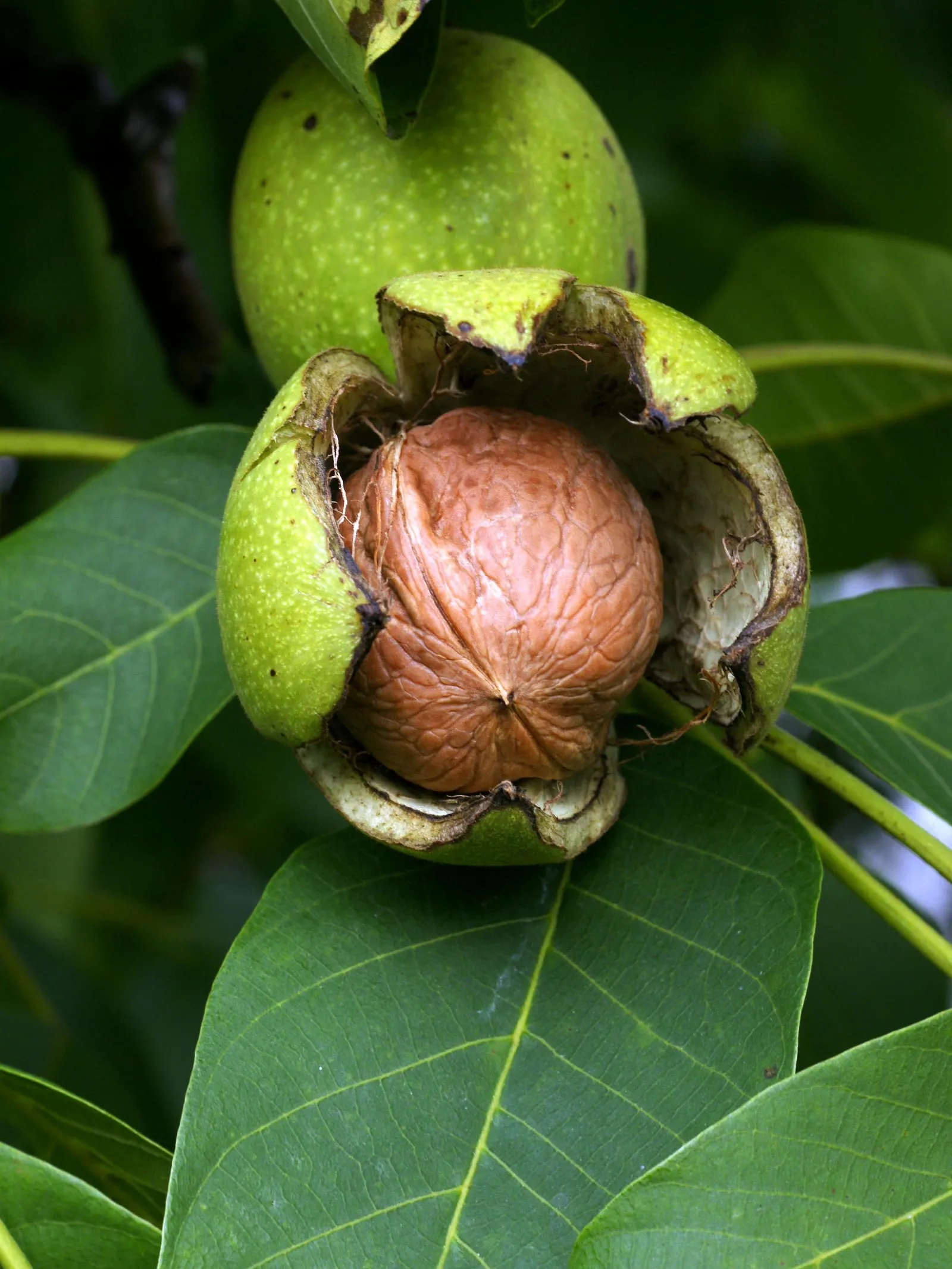
Crops that match the California's climate and have a strong cultivation history in the region.
Common challenges
- chronic drought and water restrictions
- wildfire smoke at harvest
- low chill hours below 200 in coastal south
States in the California
Largest cities in the California
- Los AngelesCA · Zone 10b · 3,820,914
- San DiegoCA · Zone 11a · 1,404,452
- San JoseCA · Zone 9b · 997,368
- San FranciscoCA · Zone 10b · 827,526
- FresnoCA · Zone 9b · 542,107
- SacramentoCA · Zone 9b · 524,943
- Long BeachCA · Zone 10b · 474,140
- OaklandCA · Zone 10a · 419,267
- BakersfieldCA · Zone 9b · 373,640
- AnaheimCA · Zone 10b · 350,742
- RiversideCA · Zone 10a · 317,261
- Santa AnaCA · Zone 10b · 310,227
Frequently asked questions
- What are the best apple varieties for Southern California's low-chill coast?
Anna (roughly 200 chill hours) and Dorsett Golden (100 to 150 hours) are the most reliably productive low-chill apples in coastal southern California. Ein Shemer performs similarly. Standard varieties like Fuji or Honeycrisp require 800 to 1,200 hours and will not set fruit consistently below 400 hours, regardless of other conditions.
- Can fig and pomegranate survive without irrigation in California's dry summers?
Established figs and pomegranates are among the most drought-tolerant fruit crops in California, capable of surviving on winter rainfall alone in many inland and foothill sites after three to four years of establishment. Fruit size and yield are reduced under complete summer drought, so a minimal deep-watering schedule (once every two to three weeks) generally improves production without heavy water use.
- Does wildfire smoke affect fruit quality or safety?
Heavy smoke during ripening can slow sugar accumulation and delay color development in many fruits, leading growers to underestimate maturity. There is limited evidence of smoke-taint compounds (guaiacol, syringol) penetrating fruit skin at harmful concentrations under typical residential exposure, though the research is more developed for wine grapes than for tree fruits. Harvesting based on internal sugar measurements rather than skin color helps during high-smoke years.
- When should tomatoes go in the ground in the Central Valley?
Soil temperature at four inches should reach 60°F before transplanting, which typically falls between late March and mid-April in the San Joaquin and Sacramento valleys. Starting too early into cold soil stunts root development and gains little over a two-week-later transplant. In the hottest interior zones, earlier planting is actually preferable to let fruit set occur before sustained temperatures above 95°F reduce fruit set.
- Can almonds or walnuts be grown in a home garden setting?
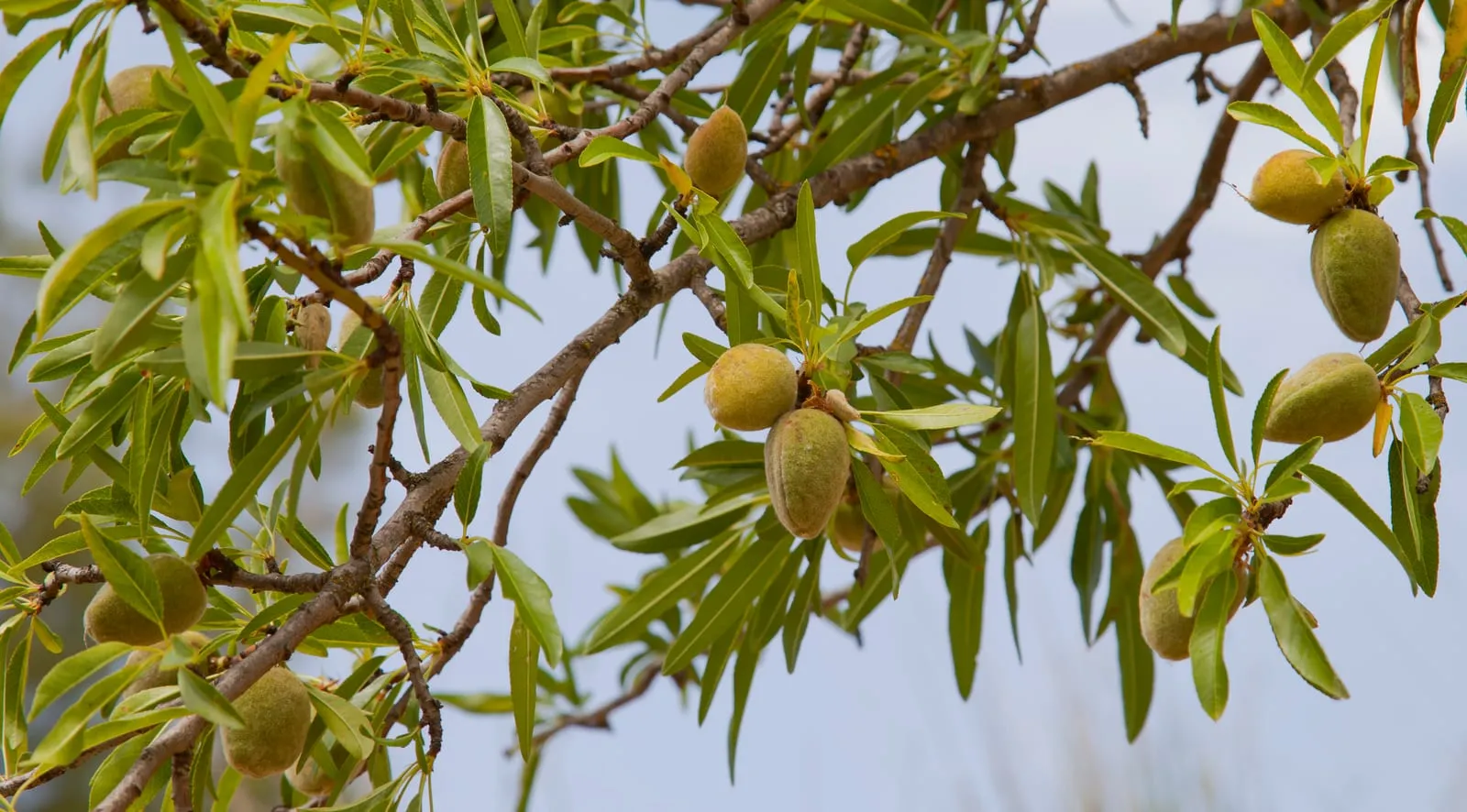
Both are large trees that need significant space, but home-scale production is feasible across much of the Central Valley and inland foothills. Almonds require cross-pollination between two varieties for reliable nut set and are susceptible to hull rot and brown rot in humid microclimates near coast fog. English walnuts (Juglans regia) are susceptible to walnut blight, a bacterial disease that peaks in wet spring conditions; copper sprays at early leaf and bloom reduce losses.
- How do water restrictions affect fruit tree irrigation in California?
Restrictions vary by district and year but commonly limit residential outdoor watering to two or three days per week. Drip and subsurface irrigation systems are usually exempt from day-count restrictions in most districts, making them the practical choice for tree fruit. Mulching to a four to six inch depth over the root zone reduces evaporation substantially, often cutting irrigation frequency in half compared to bare soil.
+−
+−
+−
+−
+−
+−
Related