Region · 2 states
Southwest
Hot, arid, irrigated. Two growing seasons in the low desert: cool October to April, hot May to September. Date palms and citrus thrive at low elevation; apples and stone fruit at higher elevations. The chile-pepper belt of the country.
- States
- 2
- Zip codes
- 941
- Dominant zones
- 9b, 7a, 7b, 6b
- Signature crops
- 5
Gardening in the Southwest
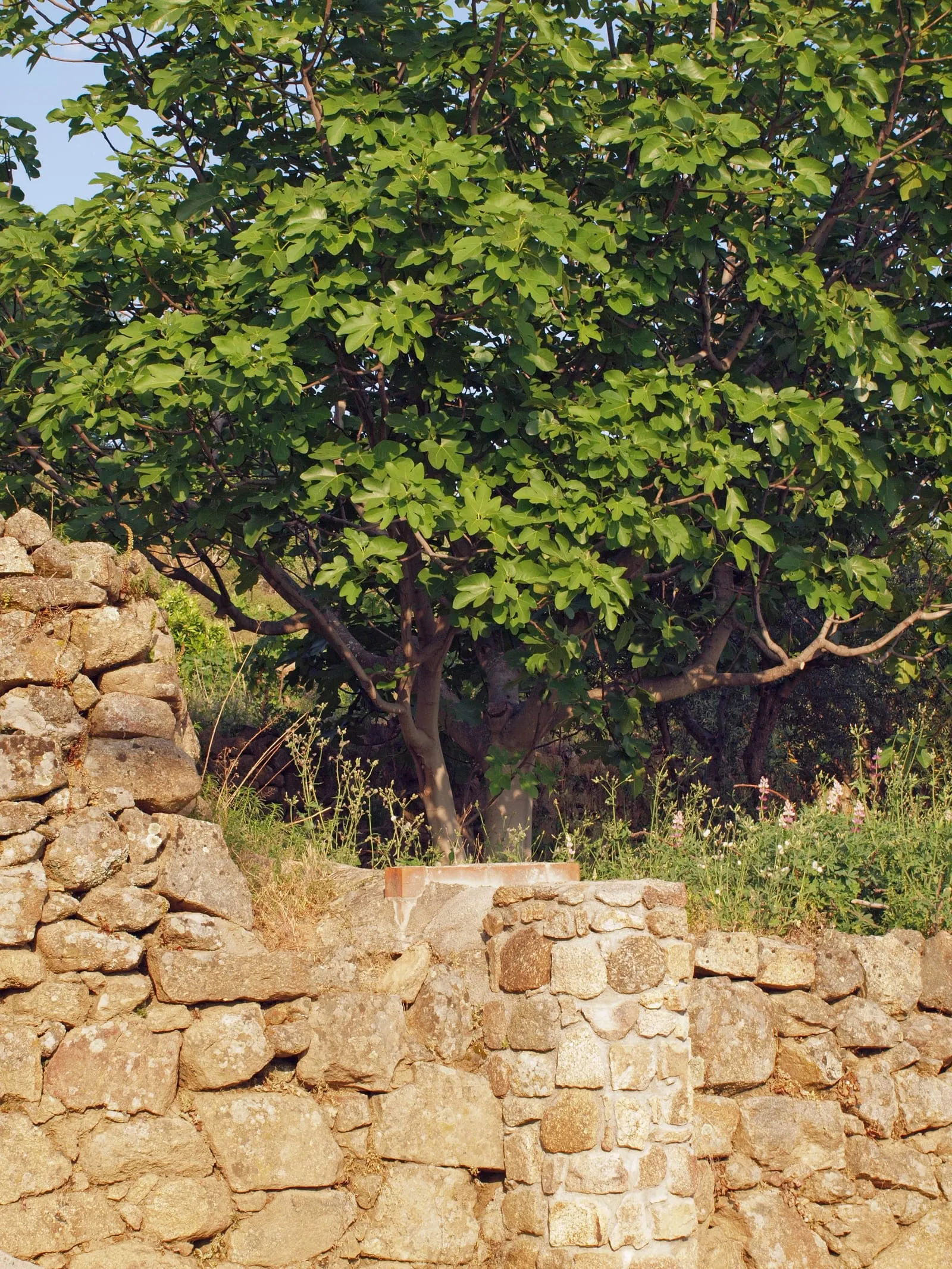
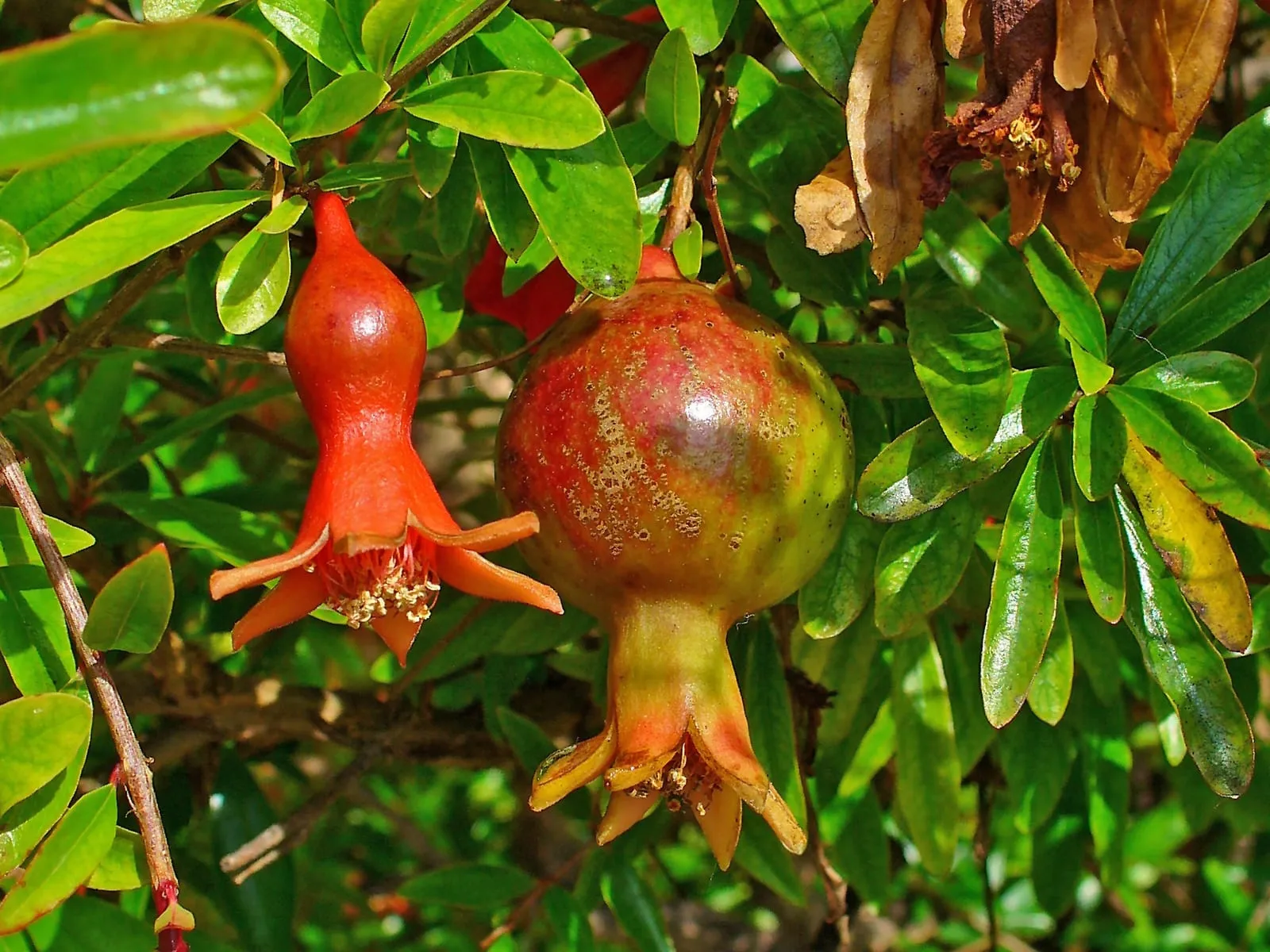
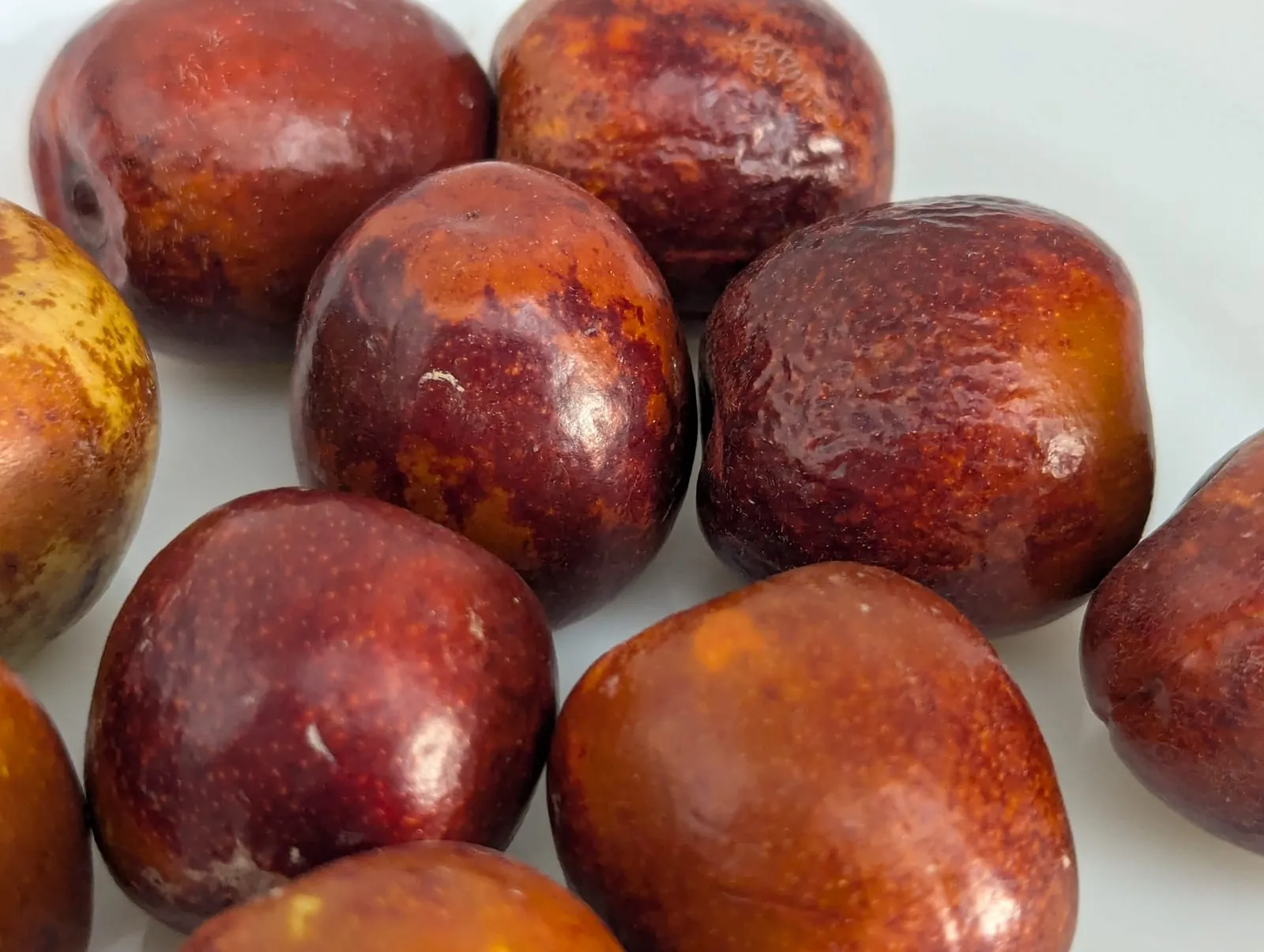
The Southwest divides sharply by elevation. Below 2,000 feet in the Sonoran and Chihuahuan desert basins of Arizona and New Mexico, summer air temperatures routinely exceed 110°F and soil surfaces can reach 160°F. Conventional planting calendars do not apply. The workable growing window in the low desert runs roughly October through April, pressed against frost risk at one end and abandoned when sustained triple-digit heat arrives in May. Pomegranates, figs, and jujubes are well-suited to this thermal regime and require no special heat protection. Date palms and citrus anchor the warmest zones, performing best below 2,500 feet where hard frost is rare.
Above 5,000 feet, the calculus reverses. Flagstaff and Santa Fe trade desert heat for short summers and cold winters, with chill hours sufficient for most stone fruit and apples. The monsoon season, July through September, delivers 30 to 60 percent of annual precipitation in intense afternoon storms. That burst of humidity briefly raises disease pressure, but the region remains far drier than eastern benchmarks, averaging just 4 to 20 inches of annual rainfall. Nearly all productive gardens depend on irrigation.
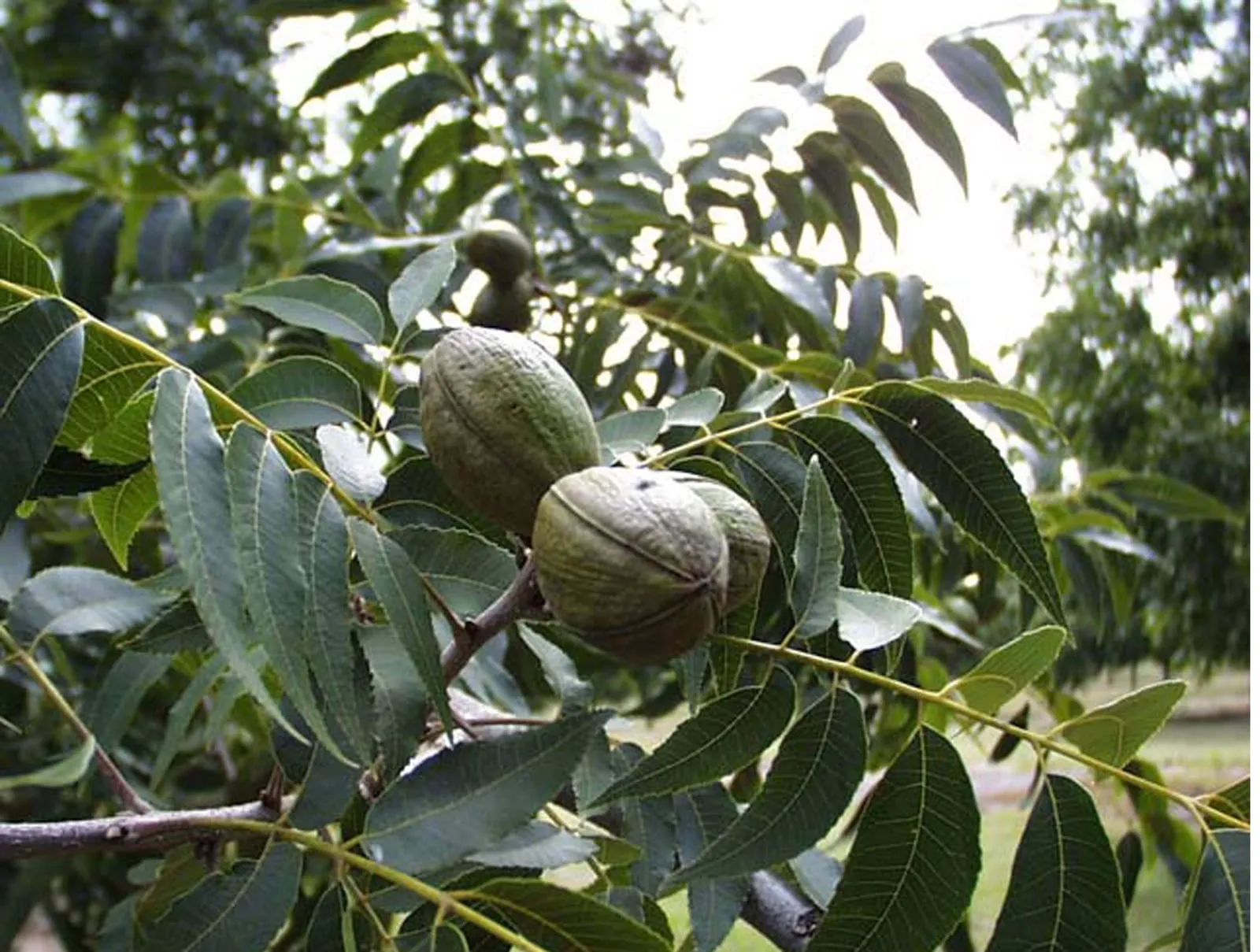
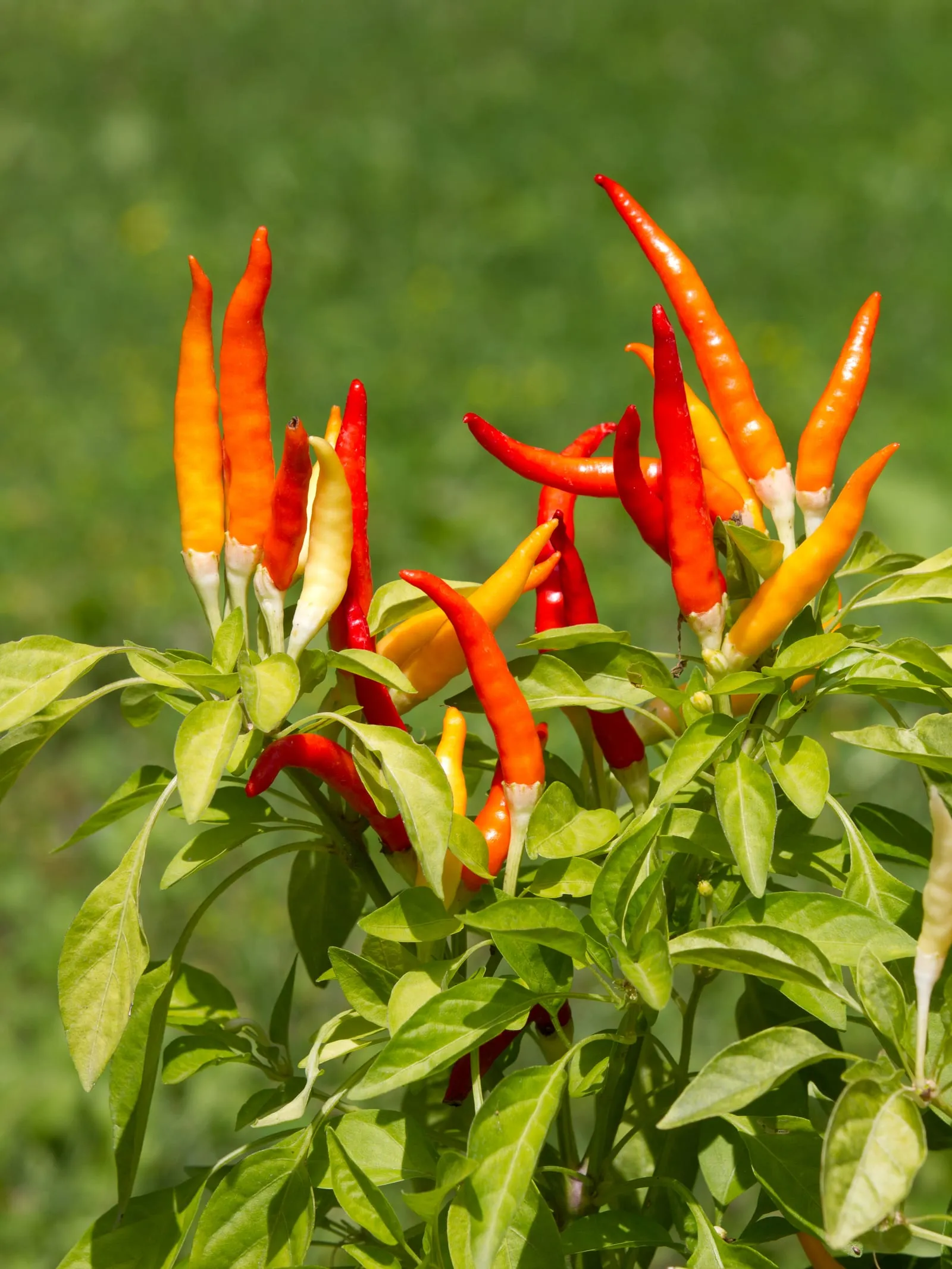
The chile-pepper belt, centered along the Rio Grande corridor and extending into southern Arizona, represents the region's densest horticultural identity: varieties bred specifically for this combination of intense heat, UV exposure, and late-season harvest. Pecans are the dominant commercial tree crop in southern New Mexico for the same reason: heat tolerance, drought tolerance, and deep-root access to irrigation water.
Dominant USDA hardiness zones
Share of the 941 zip codes in the Southwest that fall into each zone. Pick your local zone for tighter timing; the regional view sets baseline expectations.
Climate
Hot desert in the lowlands; semi-arid plateau in the highlands. Monsoon rains July to September. Annual precipitation 4 to 20 inches.
Best practices for the Southwest
Three practices shape outcomes more than anything else in the Southwest:
Amend for alkalinity before planting, not after. Caliche layers and high-pH soils are the default, not an exception. Most vegetable crops, pecans, and stone fruit show iron-deficiency chlorosis within a season or two on unamended ground. Work elemental sulfur into beds before planting and reapply annually; iron chelate (not iron sulfate) corrects active yellowing faster. Test soil pH every two years. Drip-irrigated beds accumulate salts over time; flush with deep watering quarterly to push salts below the root zone.
Invert the vegetable calendar for the low desert. The warm-season window below 3,500 feet opens in late January through March, not May. Tomatoes, peppers, and cucurbits planted after April 1 often fail to set fruit when daytime temperatures consistently exceed 95°F, causing blossom drop. A second cool-season window opens September through October for brassicas, lettuce, and root crops that would not survive summer.
Select varieties by elevation, not by region name. A chile variety bred for the Hatch Valley at 3,900 feet performs differently at 1,000 feet or at 6,500 feet. In the low desert, low-chill apple and stone fruit varieties requiring 400 to 600 chill hours are the only practical choice; at Flagstaff elevations, standard-chill varieties work but the short season becomes the binding constraint. Match the variety to the specific site elevation before committing to a planting.
Signature crops
Crops that match the Southwest's climate and have a strong cultivation history in the region.
Common challenges
- extreme summer heat above 110°F
- alkaline calcareous soils
- intense UV and irrigation requirement
States in the Southwest
Largest cities in the Southwest
- PhoenixAZ · Zone 10a · 1,650,070
- AlbuquerqueNM · Zone 7b · 564,559
- TucsonAZ · Zone 9b · 542,629
- MesaAZ · Zone 9b · 471,825
- ChandlerAZ · Zone 9b · 260,828
- GilbertAZ · Zone 9b · 247,542
- GlendaleAZ · Zone 9b · 240,126
- ScottsdaleAZ · Zone 10a · 236,839
- PeoriaAZ · Zone 9b · 190,985
- TempeAZ · Zone 10a · 175,826
- Tempe JunctionAZ · Zone 9b · 158,368
- SurpriseAZ · Zone 9b · 143,148
Frequently asked questions
- When should tomatoes be planted in the Arizona low desert?
Late January through early March below 3,500 feet. Transplants set out after April 1 face sustained daytime heat above 95°F during flowering, which causes blossom drop and poor fruit set. A fall planting in mid-August can produce a second harvest before first frost, but heat at planting time stresses transplants; shade cloth helps until temperatures moderate.
- Why are my citrus and pecans turning yellow even though I water regularly?
Iron-deficiency chlorosis is the most common cause in alkaline Southwest soils. High pH locks out iron even when it is present in the soil. Iron sulfate corrects it slowly; iron chelate works faster and is worth the added cost on established trees. Apply in early spring when new growth begins. If yellowing persists after two applications, test soil pH; above 7.8, acidifying amendment may be needed before treatments become effective.
- Can apples produce fruit in the Phoenix area?
Yes, with low-chill variety selection. Anna (200 chill hours) and Dorsett Golden (100 to 200 chill hours) are the standard choices for the Phoenix basin and reliably set fruit in most winters. Tropic Sweet and Ein Shemer also perform at low elevations. Standard varieties like Gala or Fuji require 500 to 800 chill hours and are better suited to elevations above 4,500 feet in northern Arizona or high-elevation New Mexico.
- Does the monsoon season affect garden disease pressure?
Yes, notably. Monsoon rains typically arrive in early July and run through September, pushing relative humidity sharply higher during afternoon and evening storms. Fungal issues on peppers (Phytophthora root rot), squash (powdery mildew), and stone fruit increase during this window. Switching from overhead irrigation to drip before the monsoon begins reduces disease incidence significantly. Avoid working in the garden when foliage is wet to limit mechanical spread.
- Are pomegranates a reliable fruit crop for the low desert?
Pomegranates are among the most reliable fruit crops in the Southwest lowlands. They tolerate heat above 110°F, handle alkaline soils better than most tree fruit, and require only 100 to 200 chill hours. The main failure mode is fruit cracking at harvest, which occurs when irrigation becomes irregular in late summer as fruit approaches maturity. Maintain consistent soil moisture from August through harvest and cracking is largely preventable.
- How do I break through caliche hardpan for fruit trees?
Caliche requires physical disruption before planting; amendments alone do not dissolve it. For individual trees, use a jackhammer or soil auger to break through the layer, then backfill with a mix of native soil, compost, and sulfur. The hole must drain freely; plant in a mound above grade if drainage is still poor after breaking through. For vegetable beds, raised-bed construction with imported amended soil sidesteps the problem entirely.
+−
+−
+−
+−
+−
+−
Related