Region · 6 states
Mid-Atlantic
Transition zone between North and South. Apples, peaches, grapes, and blueberries do well; long enough warm season for tomatoes and peppers, cool enough winter for stone-fruit chill.
- States
- 6
- Zip codes
- 5,555
- Dominant zones
- 7a, 7b, 6b, 6a
- Signature crops
- 5
Gardening in the Mid-Atlantic
The Mid-Atlantic spans enough climate variation that the label covers almost nothing useful without more specificity. Delaware coastal plain and New Jersey shore communities sit in zone 7b with frost-free seasons stretching to 220 days. The Allegheny ridges of West Virginia and southwestern Pennsylvania push into zone 5b with barely 150 frost-free days and snow cover that persists into April at the higher elevations.
Humidity is the regional constant. Annual precipitation of 35 to 50 inches arrives without a pronounced dry season, which means disease pressure is high across the board. Fire blight in apples and pears, brown rot in stone fruits, and downy mildew in grapes are not occasional problems here; they are baseline conditions to manage every season.
The chill-hour picture is favorable for tree fruit. Most Mid-Atlantic sites accumulate 1,000 to 1,400 chill hours annually, enough for demanding apple varieties like Honeycrisp and Stayman Winesap and sufficient for most peach varieties, which typically need 750 to 900 chill hours. Highbush blueberries perform well across the Piedmont and coastal plain, where native soils tend toward the acidity they require. Tomatoes and sweet peppers reliably reach maturity across the lower-elevation portions of the region; gardeners in the highland counties of Virginia, West Virginia, and central Pennsylvania work with a shorter effective season and favor earlier-maturing varieties to avoid losing crops to September frosts.
Dominant USDA hardiness zones
Share of the 5,555 zip codes in the Mid-Atlantic that fall into each zone. Pick your local zone for tighter timing; the regional view sets baseline expectations.
Climate
Humid continental in the north, humid subtropical in the south. Annual precipitation 35 to 50 inches. Frost-free season 150 to 220 days.
Best practices for the Mid-Atlantic
Time disease sprays to infection events, not to a calendar. Fire blight spreads when temperatures stay above 60°F during extended wetting events from rain or dew. The Maryblyt and Cougarblight forecasting tools, both freely available online, predict infection risk from local weather data. Applying streptomycin or copper protectants only during forecast high-risk periods reduces total applications and avoids the antibiotic resistance that develops under routine calendar spraying. Brown rot in stone fruits follows similar logic; petal fall and the two weeks before harvest are the highest-risk windows.
Choose varieties by bloom date in ridge-and-valley sites. Spring frost events in the Shenandoah Valley, the Pennsylvania ridges, and the West Virginia highlands catch stone fruit in bloom regularly, even past the average last frost date. Peach varieties with later bloom dates, including Contender and Redhaven, offer seven to ten extra days of cold exposure before bloom compared to early varieties like Garnet Beauty. That window can mean the difference between a full crop and none at a frost-prone site, regardless of the variety's chill-hour rating.
Acidify blueberry beds six to twelve months before planting. Most Mid-Atlantic soils test at pH 5.5 to 6.5 without amendment. Highbush blueberries require pH 4.5 to 5.0. Elemental sulfur acidifies through slow microbial activity; applying it well before planting gives it time to work through the root zone uniformly. Post-planting sulfur acidifies unevenly and takes two to three seasons to show consistent effect.
Signature crops
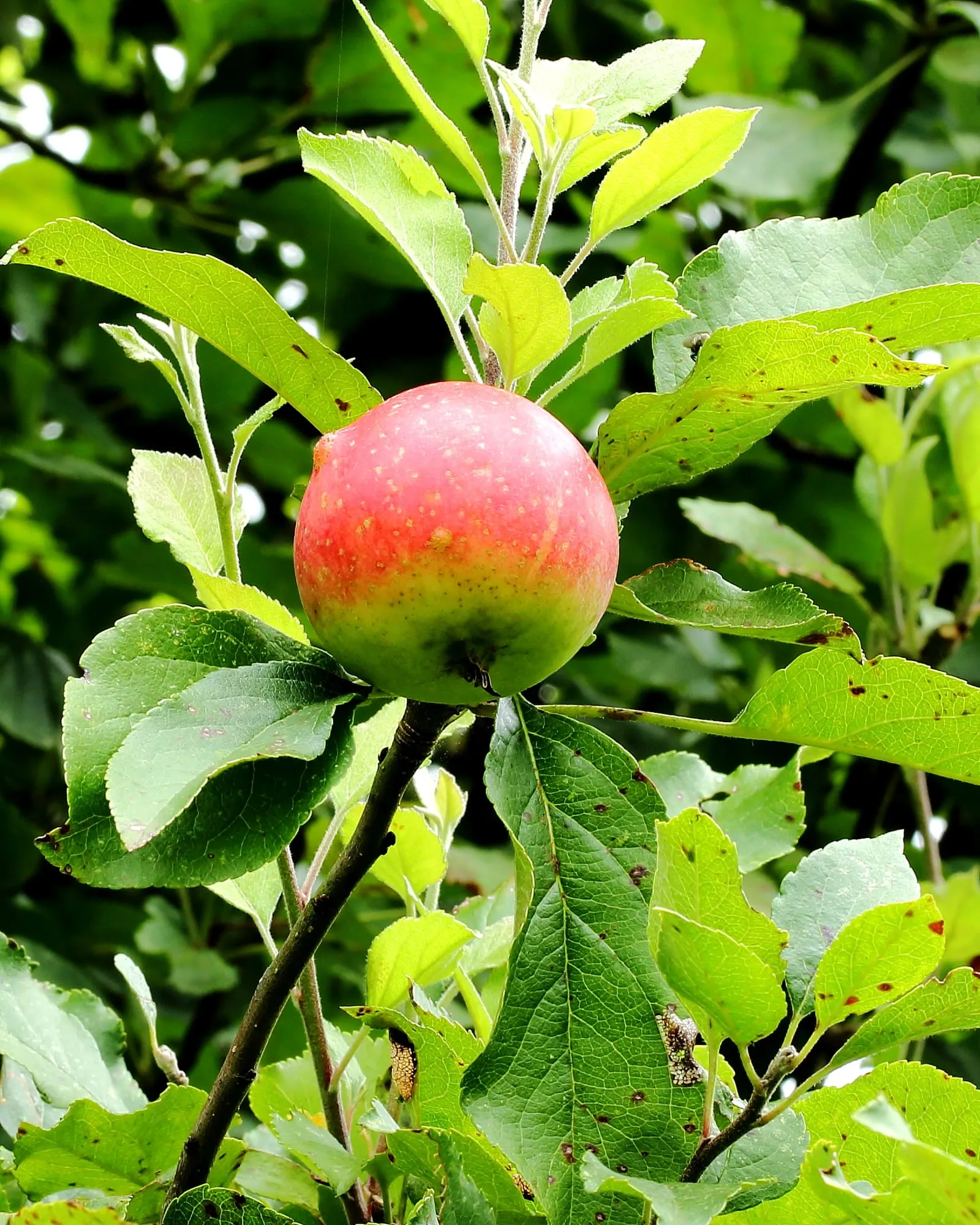
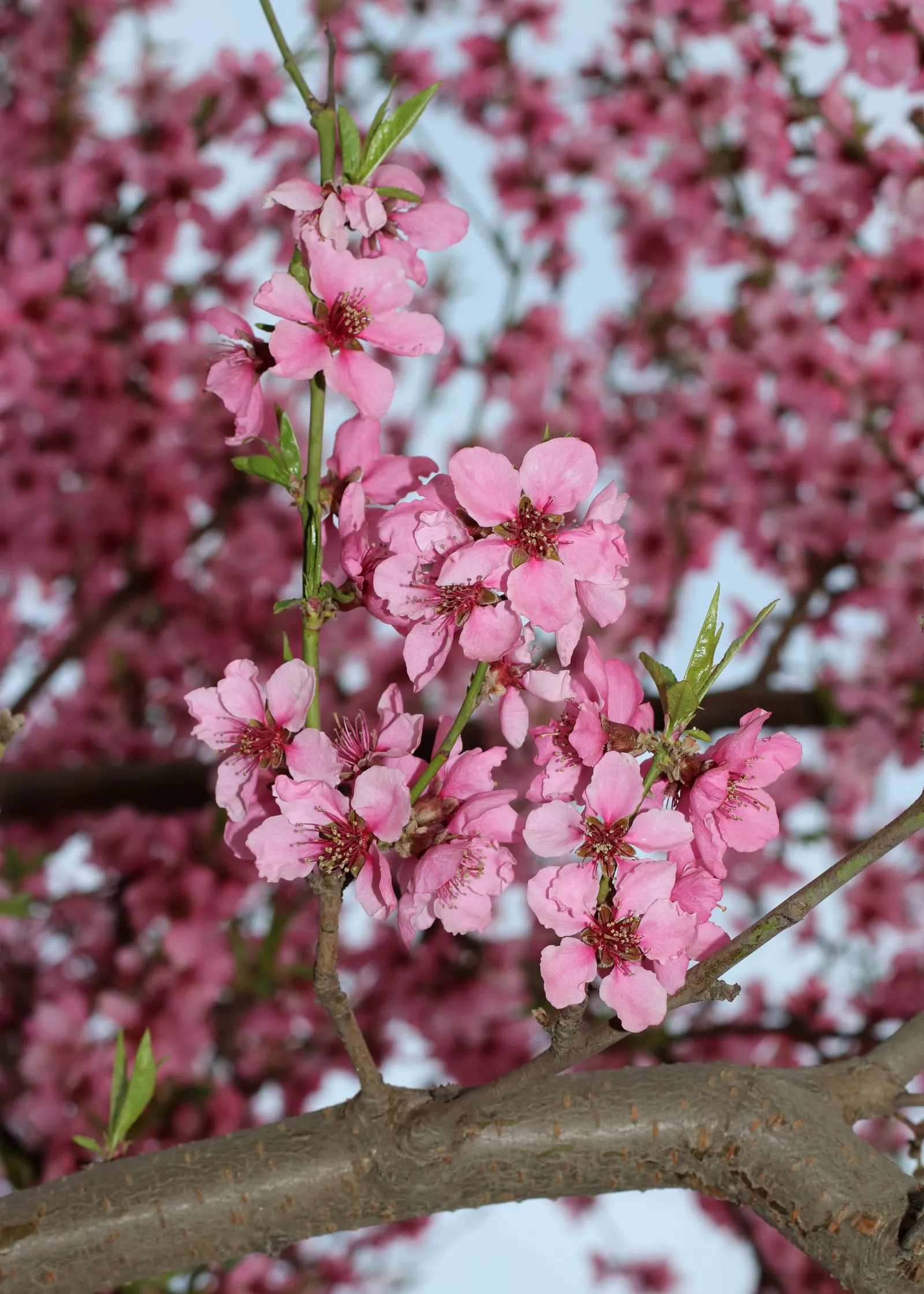
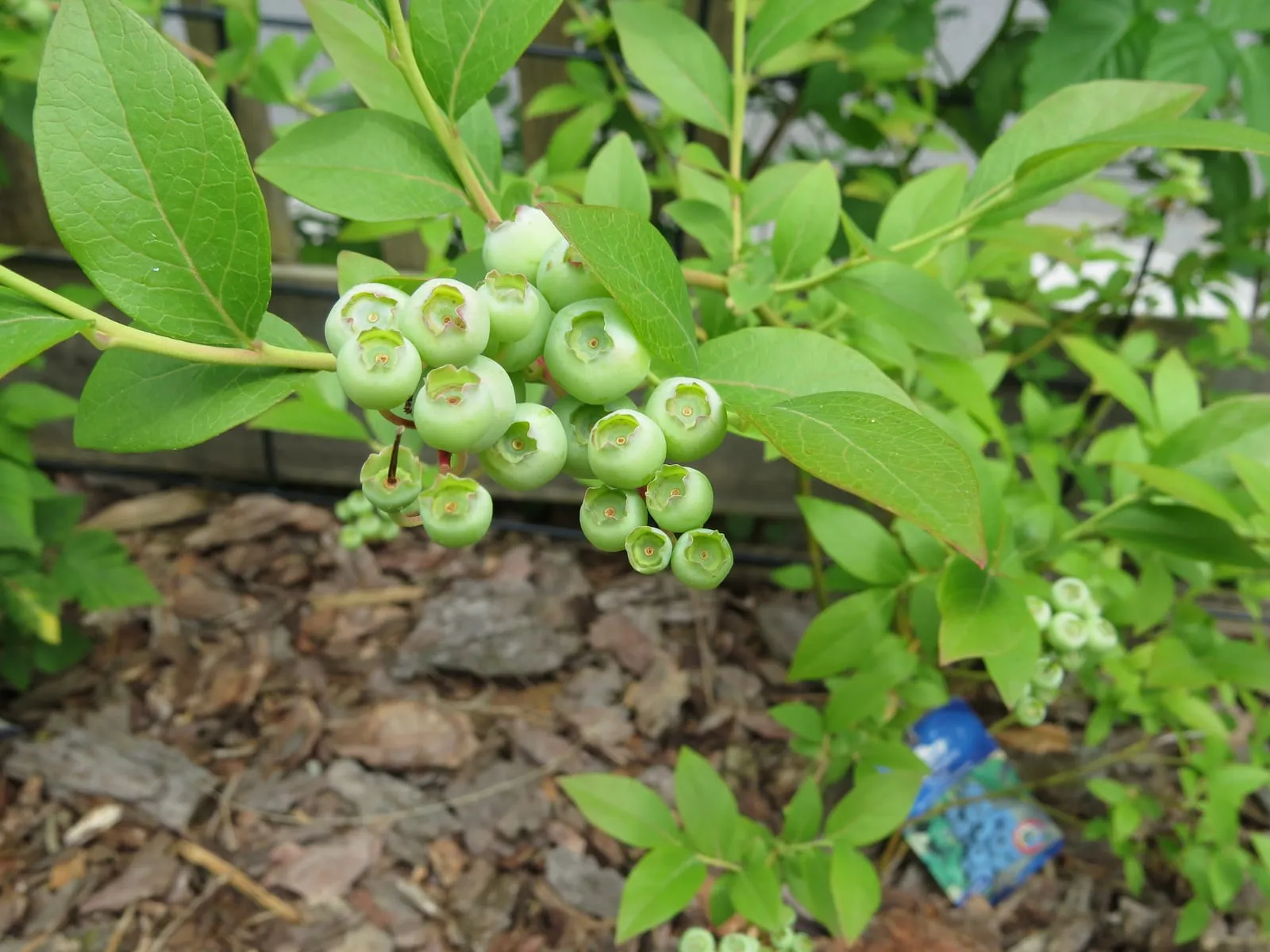
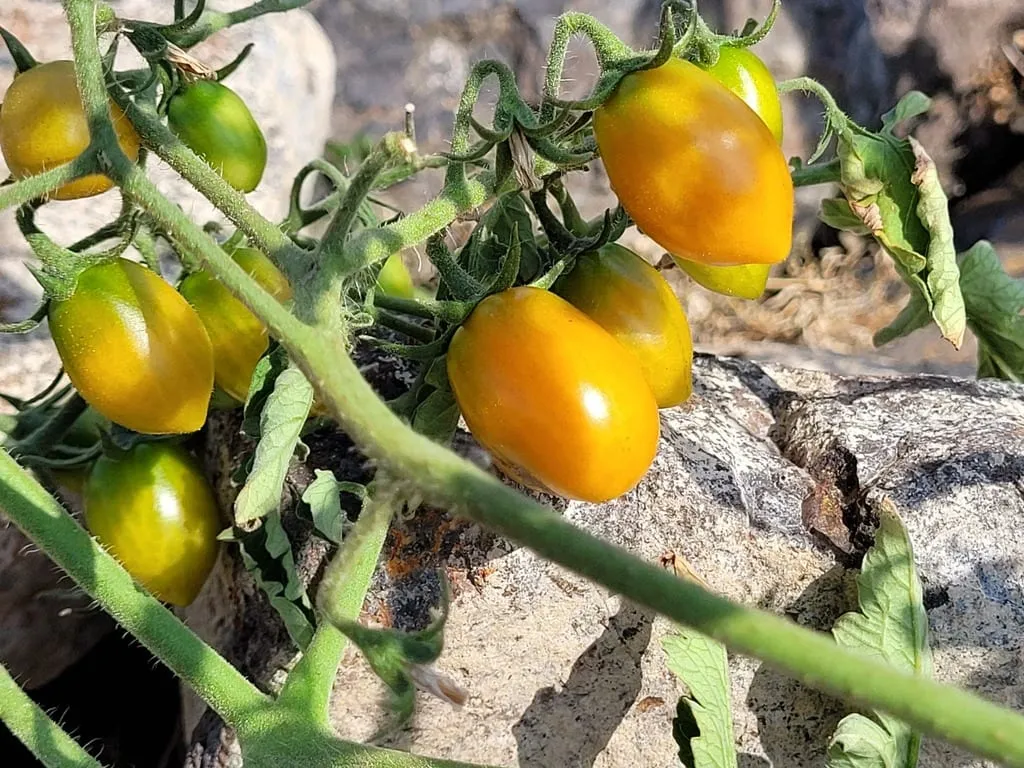
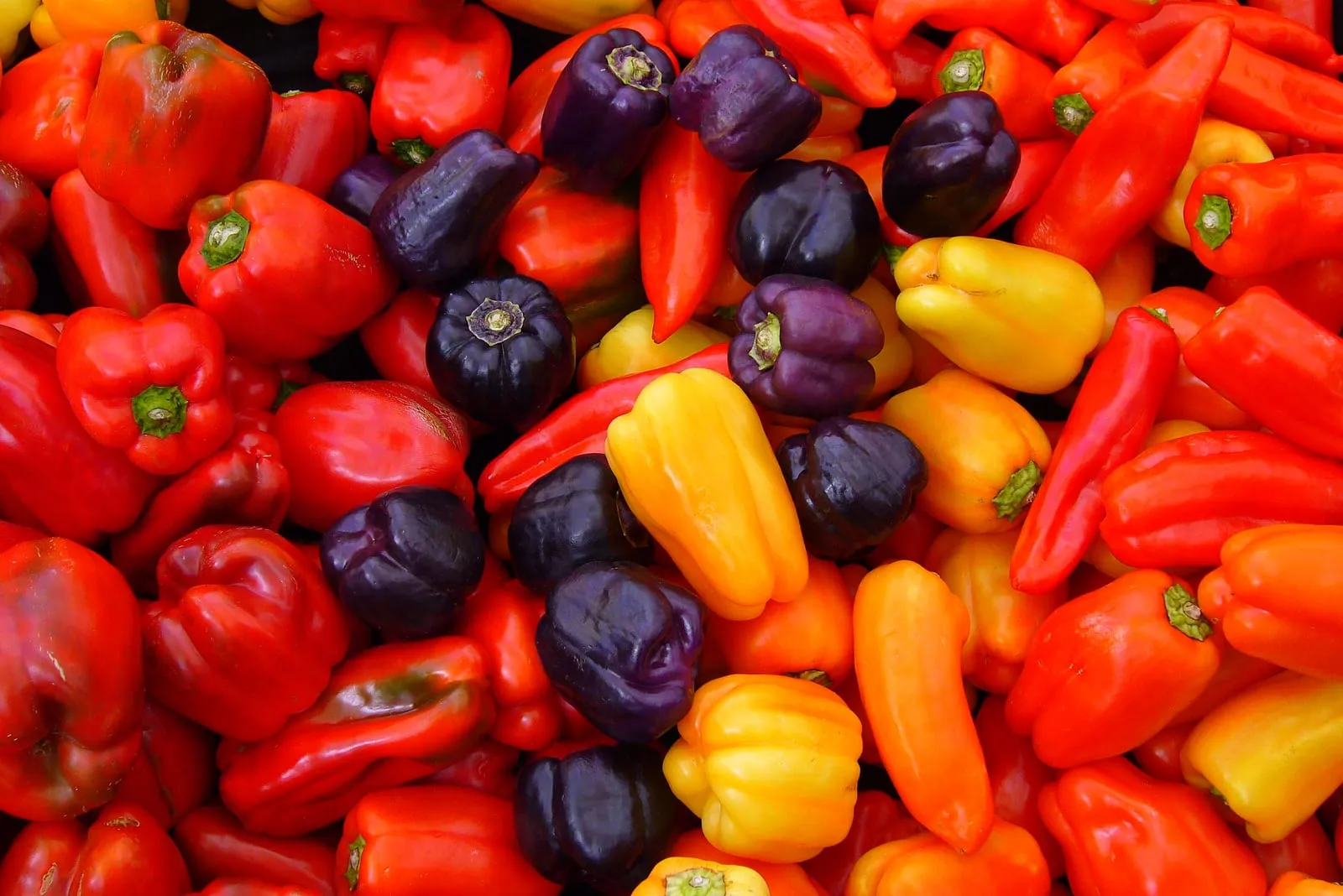
Crops that match the Mid-Atlantic's climate and have a strong cultivation history in the region.
Common challenges
- fire blight and brown rot
- deer and bear browse
- late spring frosts in higher elevations
States in the Mid-Atlantic
Largest cities in the Mid-Atlantic
- PhiladelphiaPA · Zone 7b · 1,573,916
- BaltimoreMD · Zone 8a · 585,708
- Virginia BeachVA · Zone 8b · 454,808
- PittsburghPA · Zone 6b · 304,391
- NewarkNJ · Zone 7b · 281,944
- Jersey CityNJ · Zone 7b · 264,290
- NorfolkVA · Zone 8b · 238,005
- ChesapeakeVA · Zone 8b · 235,429
- RichmondVA · Zone 7b · 226,610
- ArlingtonVA · Zone 7b · 207,627
- Newport NewsVA · Zone 8b · 186,247
- AlexandriaVA · Zone 8a · 159,467
Frequently asked questions
- Why is fire blight so bad in the Mid-Atlantic compared to other regions?
Fire blight (Erwinia amylovora) thrives when temperatures hold above 60°F during rain or extended dew periods, conditions the Mid-Atlantic delivers reliably each spring. The region lacks the dry springs that reduce infection risk in parts of the Pacific Northwest or the Great Plains. Predictive tools like Maryblyt, which use local temperature and wetness data, help identify the specific high-risk windows worth treating.
- Which peach varieties hold up best to late spring frosts in the Virginia and Pennsylvania hill country?
Contender and Redhaven are widely planted in frost-prone Mid-Atlantic sites because their bloom dates run seven to ten days later than early-season varieties, reducing exposure to April cold events. Reliance is rated hardy to zone 4 and suits colder pockets. Bloom date is a more useful selection criterion than chill-hour rating for growers in the ridge-and-valley transition zone, where late frosts are the primary risk.
- How acidic does soil need to be for highbush blueberries, and what is the most reliable way to get there?
Highbush blueberries perform best at soil pH 4.5 to 5.0. Most unammended Mid-Atlantic soils test at 5.5 to 6.5. Elemental sulfur is the most reliable amendment; typical application rates run 0.5 to 1.5 pounds per 10 square feet depending on current pH, target pH, and soil texture. Apply six to twelve months before planting so sulfur has time to break down through microbial activity and acidify the full root zone before the plant goes in.
- How do I manage brown rot on peaches given the region's persistent summer humidity?
Brown rot (Monilinia fructicola) has two reliable high-risk windows: petal fall and the two to three weeks before harvest. Fungicide applications timed to those periods are more effective than midseason sprays. Removing and destroying mummified fruit left from the previous season meaningfully reduces the inoculum load. Firm-fleshed yellow-fleshed varieties are generally less susceptible than white peaches or thin-skinned cultivars.
- Can full-season tomatoes reliably mature in the higher-elevation counties of West Virginia and southwestern Pennsylvania?
The effective frost-free season at many highland sites falls below 150 days, making full-season varieties (80-plus days to maturity) a poor fit. Early-maturing varieties in the 60 to 70 day range, including Stupice (60 days) and Siletz (70 days), are consistent performers. Starting transplants four to six weeks before last frost and using black plastic mulch to warm the soil can recover two to three weeks of effective growing season at elevation.
- What is the realistic frost risk for apple trees that bloom in mid-April in western Maryland?
The average last frost date in the Cumberland, Maryland area (roughly zone 6a) falls around May 1 to May 10, meaning apple trees in bloom during mid-April face real frost exposure most years. Site selection matters more than variety choice here: low-lying positions and valley floors collect cold air drainage. Planting on open slopes with good air movement reduces frost exposure more reliably than frost cloth or overhead irrigation for most home orchardists.
+−
+−
+−
+−
+−
+−
Related