Region · 2 states
Pacific Northwest
Cool, wet winters and dry summers. Long, mild growing seasons west of the Cascades; short, intense ones east. Famous for berries, hazelnuts, apples, and pears.
- States
- 2
- Zip codes
- 1,181
- Dominant zones
- 8b, 9a, 7a, 6b
- Signature crops
- 5
Gardening in the Pacific Northwest
The Pacific Northwest defies simple description as a single gardening climate. West of the Cascades, marine air keeps winters mild and summers cool, delivering 30 to 80 inches of annual precipitation that fills soil with moisture through spring but creates relentless disease pressure. Fungal pathogens thrive in these conditions, and crops like raspberry, apple, and pear require attentive spray programs or disease-resistant variety selection to survive intact through a typical season. East of the Cascades, the climate flips almost entirely: precipitation drops to 8 to 20 inches annually, summers turn hot and dry, and winters can dip cold enough to kill marginally hardy stock.
The region's greatest asset west of the Cascades is a long, mild growing season that produces world-class berries, hazelnuts, and pome fruits. Highbush blueberries, raspberries, and hazelnuts are nearly synonymous with western Oregon and Washington, thriving in acidic soils and cool summers that preserve fruit quality and flavor. Apple and pear production across the region takes two distinct forms shaped by climate: irrigation-dependent but high-quality east-side crops, and more naturally watered but disease-challenged west-side crops.
Warm-season vegetables remain marginal west of the Cascades. Heat-loving crops such as tomatoes, peppers, and melons succeed only in the warmest microclimates or with dedicated season-extension tools. The cool, moist stretches that make berry crops and pome fruits thrive become a liability for growers who need full-summer heat to ripen their crops.
Dominant USDA hardiness zones
Share of the 1,181 zip codes in the Pacific Northwest that fall into each zone. Pick your local zone for tighter timing; the regional view sets baseline expectations.
Climate
Marine west of the Cascades; semi-arid east of them. Average annual precipitation 30 to 80 inches west, 8 to 20 inches east.
Best practices for the Pacific Northwest
Disease management before symptoms appear is the highest-leverage practice for west-side gardeners. Wet springs create near-perfect conditions for fire blight in apple and pear, gray mold in berry crops, and powdery mildew across most stone fruits. A spray calendar keyed to petal fall, green tip, and pink bud timing, rather than calendar dates, aligns treatments with actual infection windows rather than arbitrary schedule. Copper-based fungicides applied before bud break reduce overwinter pathogen loads substantially.
Heat accumulation is the limiting factor for warm-season crops west of the Cascades, and the practical solution involves raising soil temperature rather than waiting for warmer air. Black plastic mulch laid two weeks before transplanting raises soil temperature by four to six degrees; low tunnels extend the effective season by three to four weeks at either end. Wall-o-water season extenders allow transplanting four to six weeks earlier than open-bed timing and are standard equipment in most serious west-side vegetable gardens.
Rootstock choice matters more in this climate than in drier regions. In the high-rainfall west, apple and pear trees on semi-dwarfing or semi-vigorous rootstocks such as MM.111 or OHxF 333 handle wet soils and root disease pressure better than dwarfing rootstocks that demand near-perfect drainage. East-side growers on irrigated ground have more flexibility but should prioritize rootstocks with documented performance in semi-arid conditions.
Signature crops
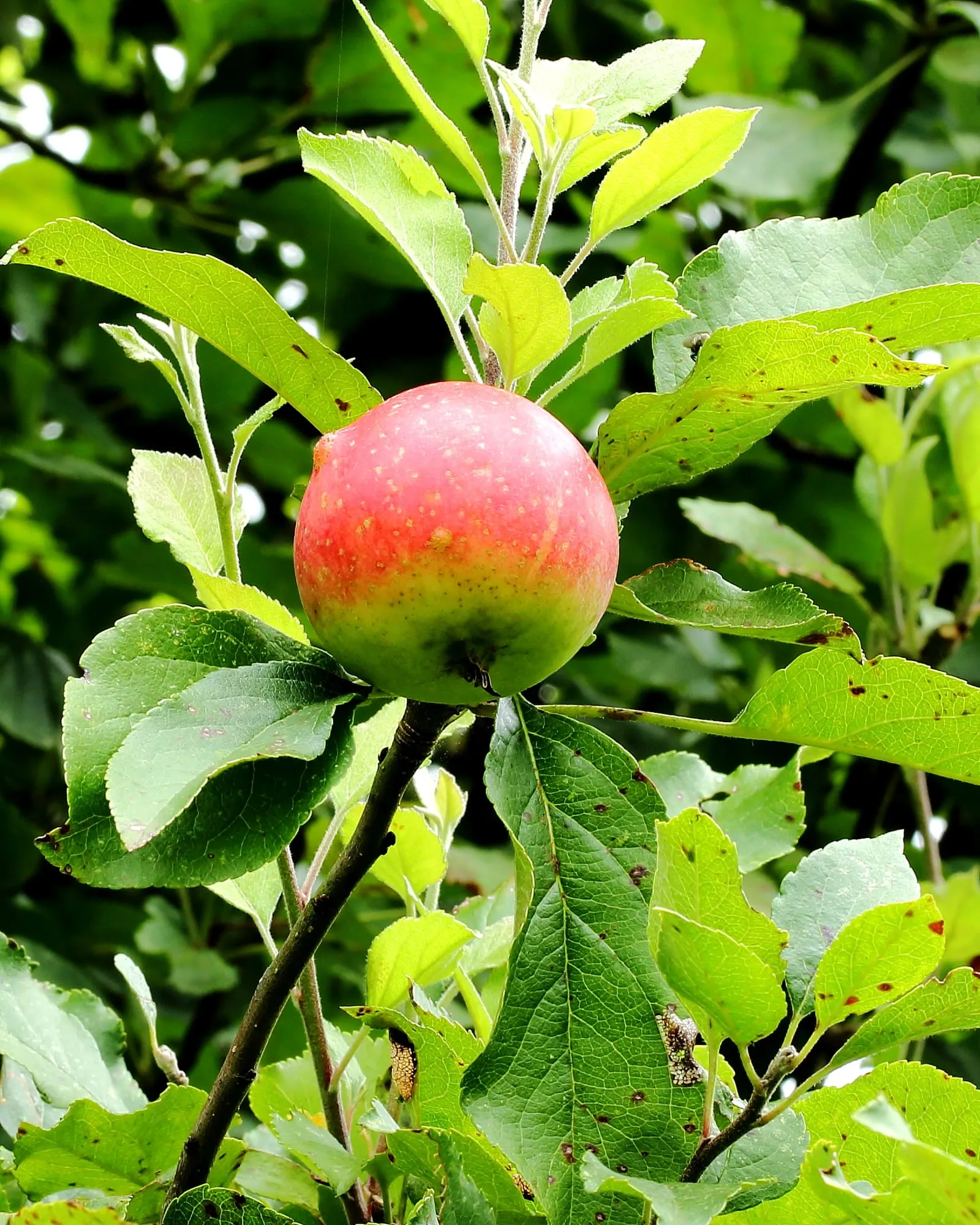
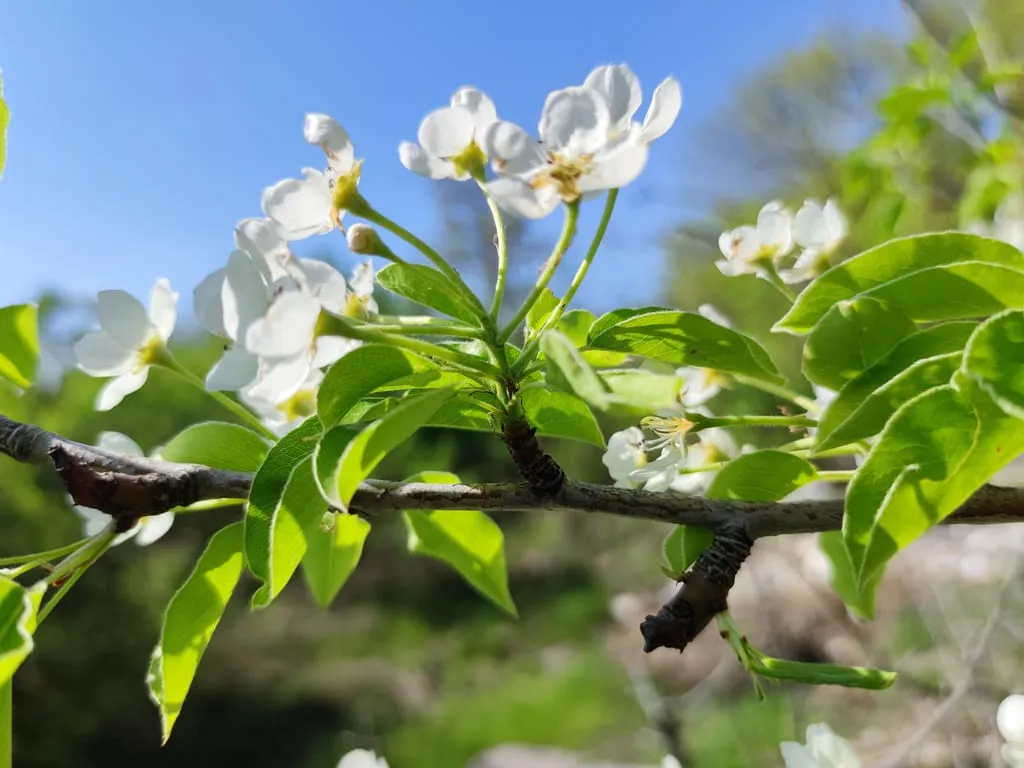
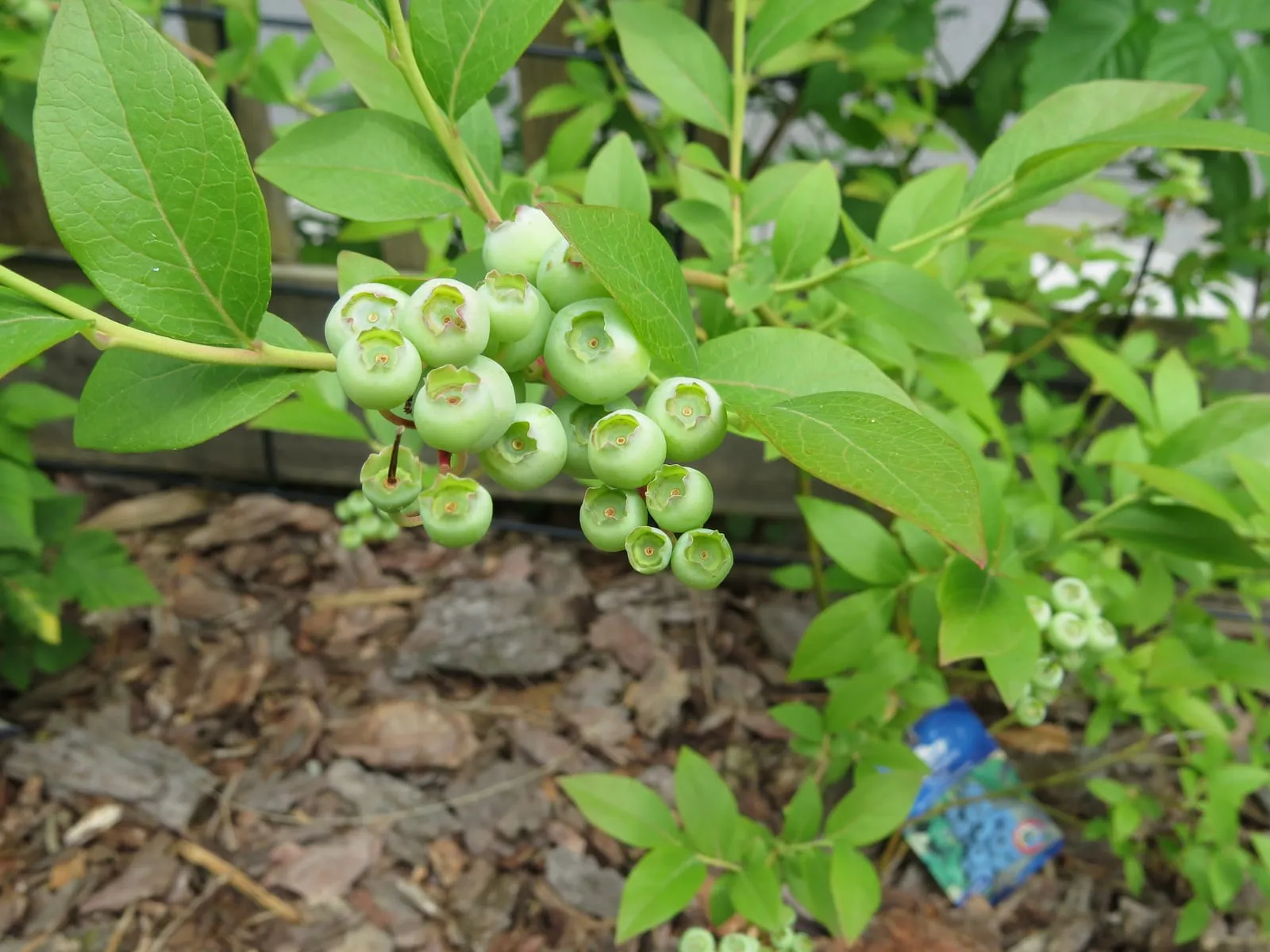
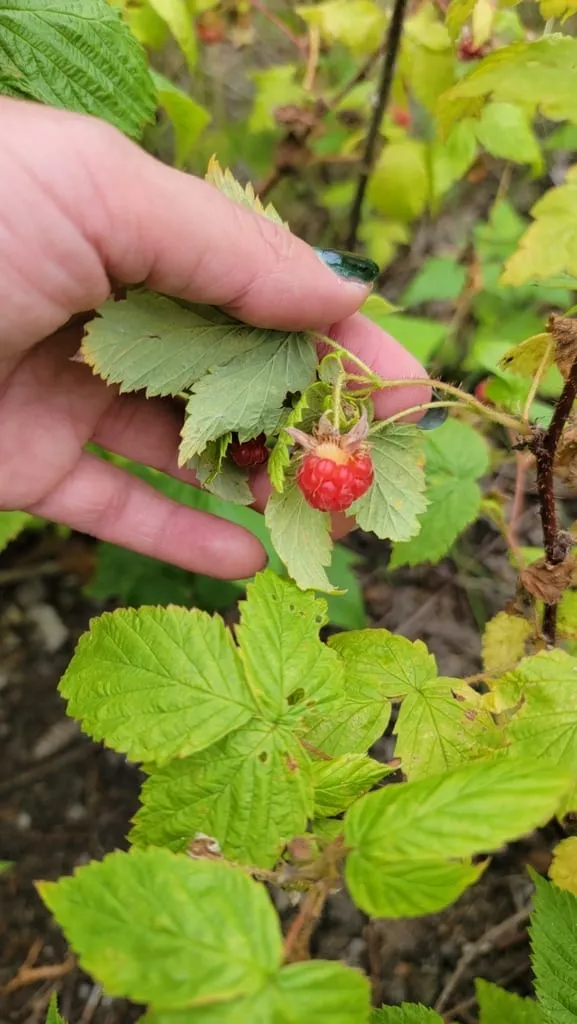
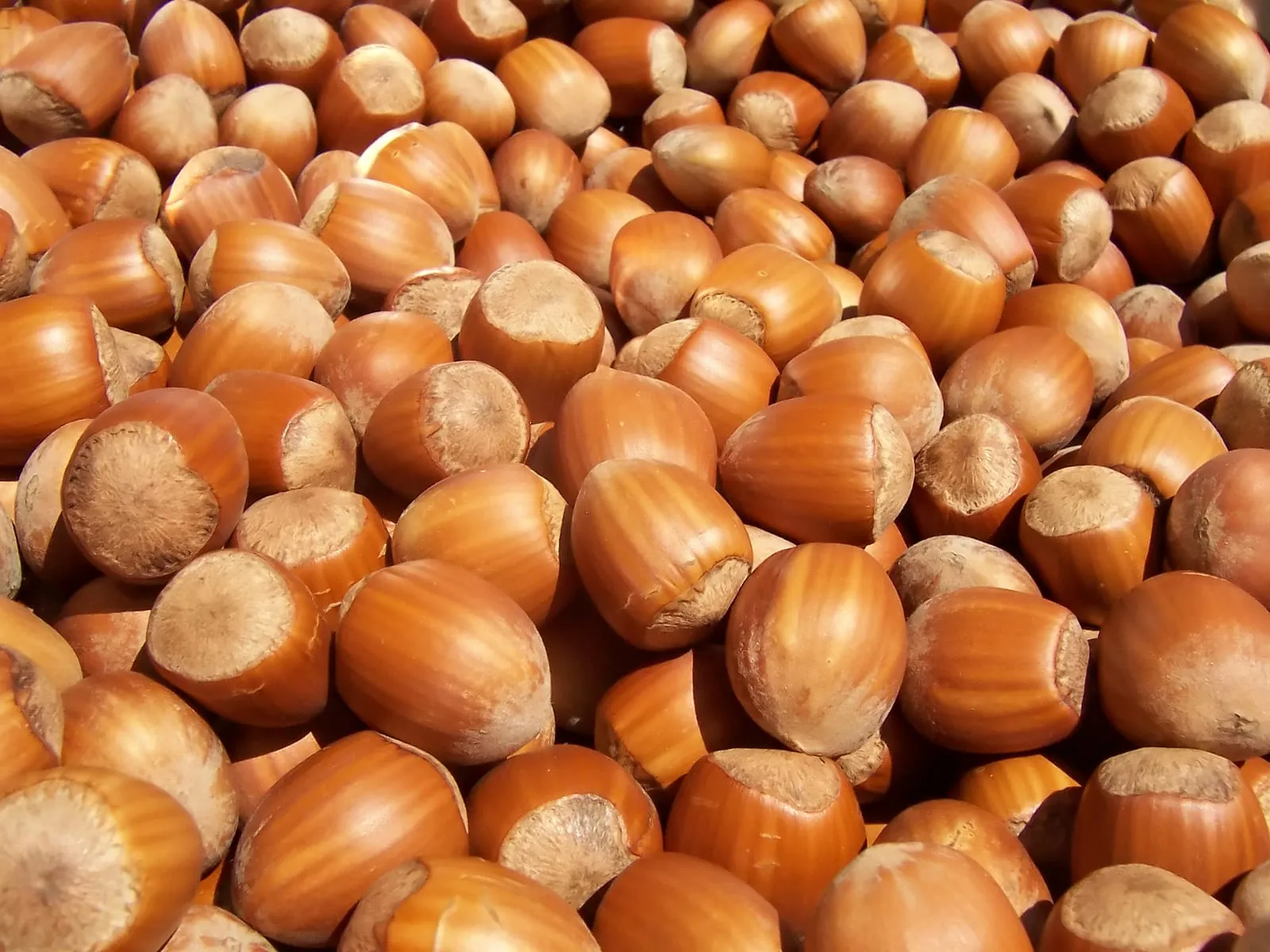
Crops that match the Pacific Northwest's climate and have a strong cultivation history in the region.
Common challenges
- high disease pressure from wet springs
- marginal heat for warm-season crops
- dry summer irrigation demand
States in the Pacific Northwest
Largest cities in the Pacific Northwest
- SeattleWA · Zone 9a · 780,995
- PortlandOR · Zone 9a · 652,503
- Tri-CitiesWA · Zone 7b · 244,036
- SpokaneWA · Zone 7a · 229,447
- TacomaWA · Zone 8b · 222,906
- VancouverWA · Zone 8b · 196,442
- EugeneOR · Zone 8b · 176,654
- SalemOR · Zone 8b · 175,535
- BellevueWA · Zone 9a · 139,820
- KentWA · Zone 8b · 126,952
- GreshamOR · Zone 9a · 110,553
- EverettWA · Zone 8b · 108,010
Frequently asked questions
- Why is disease pressure so much worse in western Oregon and Washington than in drier apple-growing regions?
Marine west-coast climates deliver consistent spring rainfall during the critical bloom-to-petal-fall window when fire blight bacteria spread and scab spores release. West-side growers typically need 8 to 12 fungicide applications per season where east-side growers in Yakima or Wenatchee may manage with 3 to 5, simply because eastern Washington's semi-arid spring provides far fewer infection hours.
- Which blueberry varieties perform best in the Pacific Northwest?
Highbush varieties bred for northern maritime climates perform well, particularly 'Duke', 'Bluecrop', and 'Patriot'. Southern highbush varieties lack the chilling hours the region provides. Planting at least two varieties ensures cross-pollination. Much of the Pacific Northwest's naturally acidic soil (pH 4.5 to 5.5 in many areas) suits blueberries without heavy amendment, which contributes to why the region dominates North American production.
- Can tomatoes be grown successfully west of the Cascades?
In the warmest microclimates and with season-extension tools, yes. Open-field tomatoes without protection frequently fail to ripen because cool summers don't accumulate enough heat units. Blight-resistant varieties such as 'Legend', bred at Oregon State University specifically for this climate, along with black plastic mulch and south-facing raised beds, substantially improve outcomes. Fruit on late-season plants may need to finish ripening indoors.
- How different is the growing season east of the Cascades compared to the west?
West of the Cascades, the season is long and mild with few temperature extremes but persistent cool and wet conditions. East of the Cascades, summers are hotter and drier, which speeds fruit maturation and vegetable growth, but hard frosts arrive earlier in fall. The heat accumulation east of the mountains is the main reason eastern Washington dominates commercial apple production despite requiring full irrigation.
- Does the Pacific Northwest need supplemental irrigation, or does rainfall handle it?
West of the Cascades, most of the 30 to 80 inches of annual precipitation falls between October and April, leaving July and August nearly dry. Established trees typically manage without irrigation, but vegetable gardens and berry crops benefit from supplemental watering during that dry stretch. East of the Cascades, with only 8 to 20 inches of annual precipitation, virtually all fruit and vegetable production depends on irrigation.
- What hazelnut varieties are grown commercially in the Pacific Northwest, and do they work in home gardens?
Oregon's Willamette Valley produces roughly 99 percent of the U.S. hazelnut crop, historically dominated by the 'Barcelona' variety. Eastern filbert blight, a fungal disease, devastated older plantings and prompted widespread adoption of blight-resistant varieties including 'Jefferson', 'Theta', and 'Yamhill', developed by Oregon State University. These newer varieties perform well in home gardens throughout western Oregon and Washington and are now the recommended choice over 'Barcelona'.
+−
+−
+−
+−
+−
+−
Related