Region · 10 states
Southeast
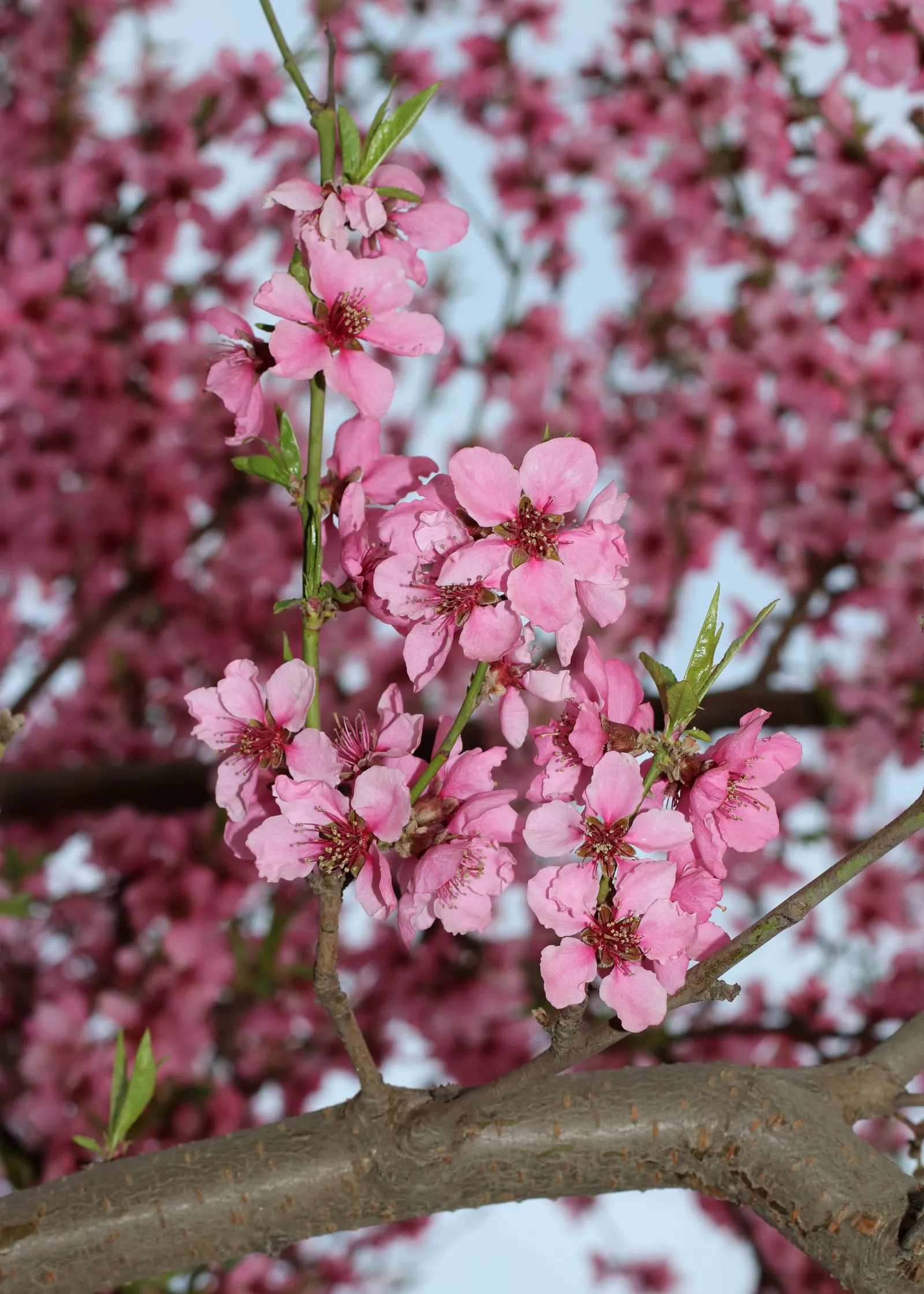
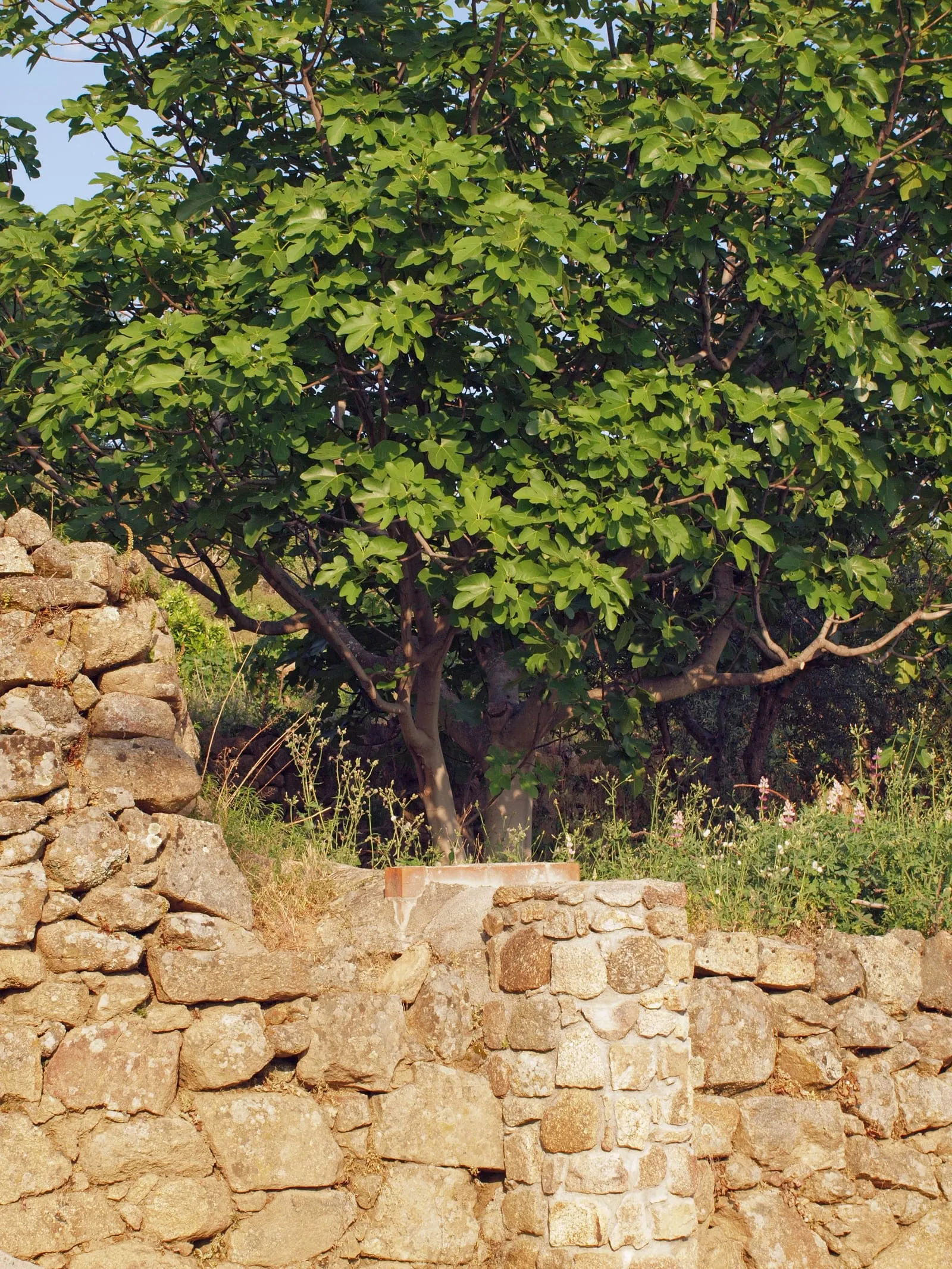
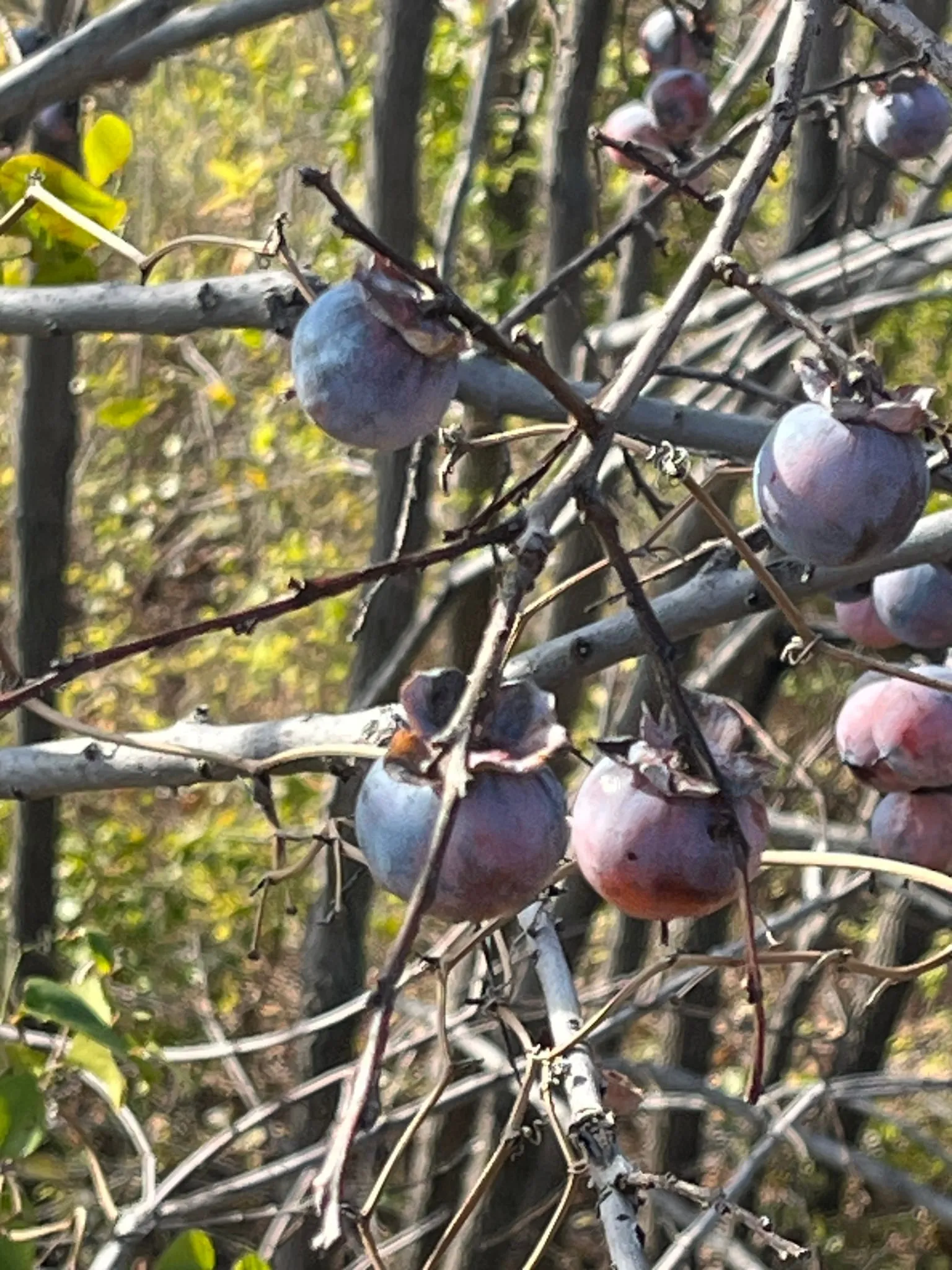
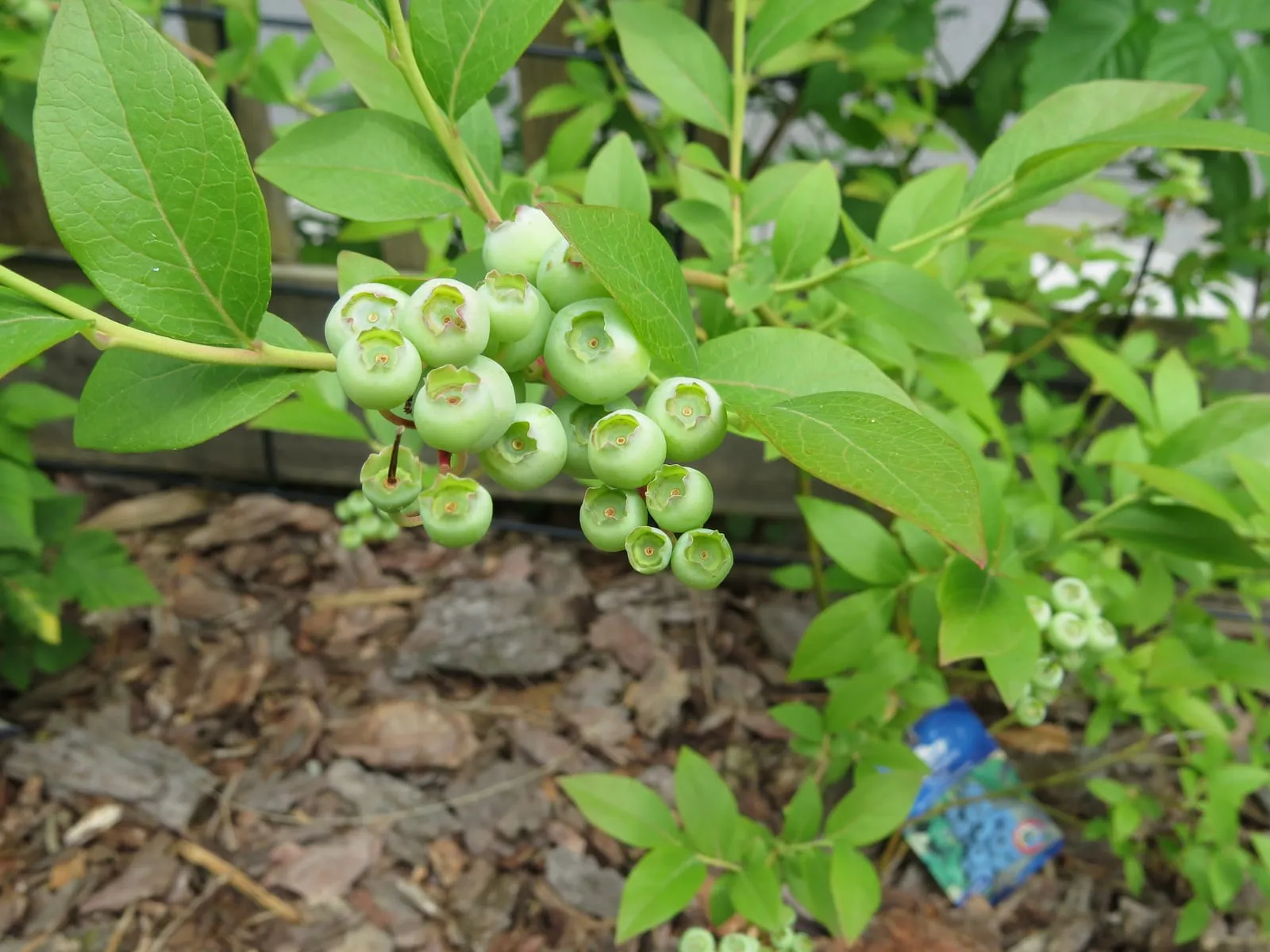
Hot, humid, long growing season. Disease-resistant variety selection is the difference between a productive and a failed planting. Strong region for muscadines, blueberries, peaches, persimmons, figs, and warm-season vegetables.
- States
- 10
- Zip codes
- 8,427
- Dominant zones
- 8a, 8b, 9a, 7b
- Signature crops
- 5
Gardening in the Southeast
The Southeast is defined by heat accumulation, high humidity, and a frost-free season that ranges from roughly 200 days in the Kentucky highlands to year-round in southern Florida. That range creates a deceptive regional diversity: North Carolina's piedmont and Louisiana's coastal parishes share a region label but not a climate.
What unites the Southeast is summer. Temperatures regularly exceed 90°F from June through September, and relative humidity stays above 70% through most of the growing season. That combination accelerates fungal disease cycles to a degree that gardeners from drier climates routinely underestimate. Fire blight, brown rot, downy mildew, and anthracnose move fast here; a variety that performs adequately in the mid-Atlantic can fail within two or three seasons without intervention.
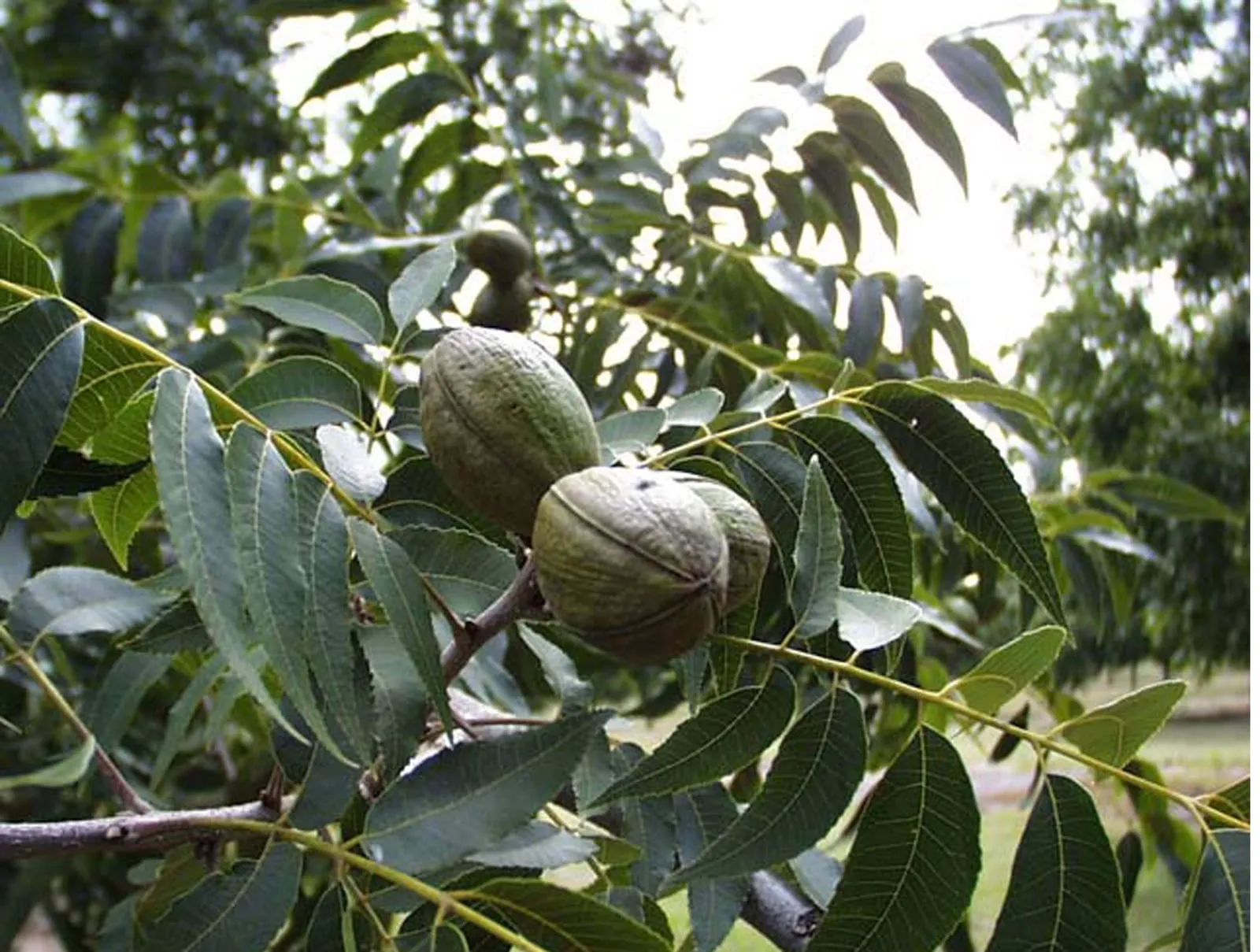
The long season is the region's primary asset. Warm-season crops have room for successive plantings. Figs produce multiple flushes on new wood each year. Muscadines, native to the region, thrive where European grapes cannot. Peaches have commercial-scale production from Georgia to the Carolinas, though chilling requirements narrow the viable variety list considerably south of about 33 degrees latitude. American persimmons and selected hybrids perform with minimal inputs across the full region. Pecans are a long-term commitment, but where site conditions suit them they are among the most productive nut crops in North America.
The practical implication: variety selection matters more here than in most other regions, and disease pressure is the constraint that selection must address first.
Dominant USDA hardiness zones
Share of the 8,427 zip codes in the Southeast that fall into each zone. Pick your local zone for tighter timing; the regional view sets baseline expectations.
Climate
Humid subtropical. Annual precipitation 45 to 65 inches. Frost-free season 200 to 365 days; mild winters, hot wet summers.
Best practices for the Southeast
Start with disease-resistant varieties. The humidity that defines Southeast summers makes fungal and bacterial pressure nearly constant from April through October. Selecting varieties with documented resistance (fire blight resistance in apples, brown rot tolerance in peaches, disease-resistant muscadine releases from university breeding programs) removes the need to manage what would otherwise require a regular spray program. No spray schedule fully compensates for a susceptible variety under sustained Southeast disease pressure; the better leverage is at planting time.
Improve drainage before planting. Southeast soils trend toward heavy clay in the piedmont and coastal plain, or compacted sandy loam in coastal areas. Both drain inconsistently and retain heat. Raised beds and deep organic matter incorporation (4 to 6 inches of compost worked into the planting zone) improve drainage, reduce root stress during summer heat events, and moderate soil temperature swings. Many Southeast crop failures trace back to waterlogged roots following summer storm events rather than any primary disease or nutrient problem.
Shift irrigation to the root zone. Overhead irrigation adds humidity to an already saturated canopy environment and deposits moisture directly onto foliage where fungal spores germinate. Drip or soaker irrigation at the root zone keeps foliage drier, reduces brown rot and downy mildew incidence, and conserves water during drought periods between storm events. Scheduling irrigation for early morning allows any incidental foliage wetting to dry before nightfall, when infection rates are highest.
Signature crops
Crops that match the Southeast's climate and have a strong cultivation history in the region.
Common challenges
- extreme disease pressure
- summer heat and humidity that defeat northern varieties
- hurricane and tropical-storm crop loss
States in the Southeast
Largest cities in the Southeast
- JacksonvilleFL · Zone 9b · 1,009,833
- CharlotteNC · Zone 8a · 911,311
- NashvilleTN · Zone 7b · 689,447
- MemphisTN · Zone 8a · 633,104
- LouisvilleKY · Zone 7a · 624,444
- AtlantaGA · Zone 8a · 510,823
- MiamiFL · Zone 11a · 487,014
- RaleighNC · Zone 8a · 482,295
- TampaFL · Zone 10a · 414,547
- New OrleansLA · Zone 9b · 362,701
- OrlandoFL · Zone 10a · 334,854
- LexingtonKY · Zone 7a · 320,347
Frequently asked questions
- Which peach varieties are recommended for the Southeast?
Low-chill peach selections bred for the Southeast are the starting point south of Zone 7. Varieties such as Flordaprince (150 chill hours), TropicBeauty (150 chill hours), and Contender (1,050 chill hours, suited for Zone 7 and colder) are commonly recommended by state extension programs. Brown rot resistance and bacterial spot tolerance narrow the list further; check your state extension service for trial results specific to your subregion.
- Can I grow blueberries in the Southeast, and which species works best?
Southern highbush blueberries (Vaccinium corymbosum hybrids) and rabbiteye blueberries (Vaccinium virgatum) are both well-suited to the Southeast. Rabbiteyes tolerate heat and drought better and are widely grown from Georgia through the Gulf Coast. Southern highbush varieties are better choices where higher fruit quality is the priority. Soil pH between 4.5 and 5.5 is non-negotiable for both; most Southeast soils need sulfur amendment before planting.
- Why do apple trees often fail in the Southeast?
Two overlapping problems account for most failures: insufficient winter chill hours and extreme fire blight pressure. Most classic Northern apple varieties require 800 to 1,200 chill hours; most of the Southeast accumulates 400 to 700. Beyond that, fire blight moves rapidly in the warm, wet springs typical of the region. Varieties bred specifically for low-chill production and carrying documented fire blight resistance (such as Goldrush or Enterprise) survive where others fail.
- How do I manage brown rot on peaches in the Southeast?
Brown rot pressure in the Southeast is high enough that it requires both cultural and, often, chemical management. Cultural measures: prune for open canopy structure to improve airflow, remove mummified fruit immediately, and avoid overhead irrigation. Fungicide applications timed to petal fall and again at fruit development (using labeled materials such as captan or myclobutanil) are standard practice in commercial Southeast production. Variety selection with documented tolerance reduces but does not eliminate the need for these steps.
- Which fig varieties hold up best in the Southeast?
Common figs (Ficus carica) that do not require pollination are the reliable choice for the Southeast. Brown Turkey, Celeste, and LSU Purple are widely grown across USDA Zones 7 through 9 with minimal disease problems. Figs die back in Zone 7 cold winters but typically resprout from the roots and still produce a crop on new wood. In Zone 8 and warmer, established plants grow as permanent shrubs or small trees requiring little maintenance.
- How should I protect fruit trees from hurricanes and tropical storms?
Root-zone preparation before a storm has more impact than anything done after: well-drained, deep-rooted trees in undisturbed soil resist blow-down better than those in saturated ground. For smaller trees, removal of any fruit load before a forecast storm reduces sail area and limb breakage. After a storm, prompt removal of broken wood and application of a copper-based spray can reduce opportunistic fungal and bacterial entry through wound sites, which are especially risky in the warm, wet conditions following tropical weather events.
+−
+−
+−
+−
+−
+−
Related