Soil reference · pH
Alkaline (high pH) soil
Soil pH above 7.5. Iron, manganese, and phosphorus become unavailable. Common in arid regions and over limestone bedrock. Hardest crops are blueberries, azaleas, and pin oaks.
- Axis
- pH
- Typical pH
- 7.5 to 8.5
- Crops that thrive
- 3
- Crops that struggle
- 4
Working with alkaline (high ph) soil
Alkaline soil at pH 7.5 and above tends to be calcareous, meaning calcium carbonate is either present in the parent material or has accumulated over time through evaporation in dry climates. In the bed, it often feels powdery when dry and can develop a pale, chalky surface crust after rain. In clay-alkaline profiles common over limestone bedrock, the soil may shrink and crack in summer, then become slick and poorly draining when wet, leaving roots alternately parched and waterlogged.
The number on the pH meter matters more than it might seem. At pH 7.5, micronutrient unavailability is a manageable problem. At pH 8.5, it becomes structural: iron, manganese, and phosphorus are chemically locked into forms plant roots cannot absorb, and iron-deficiency chlorosis, yellow leaves with green veins, can appear on sensitive species within weeks of planting.
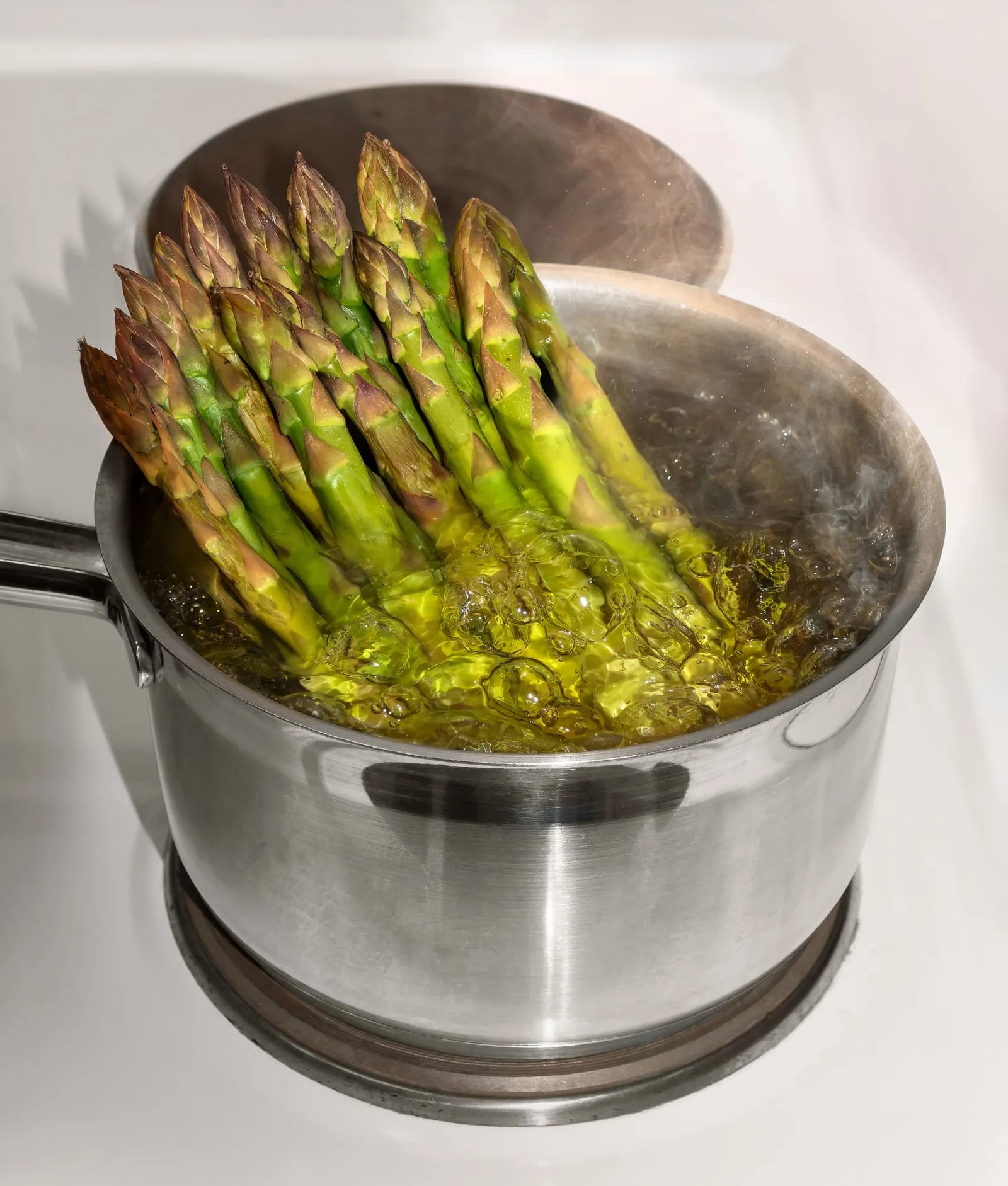
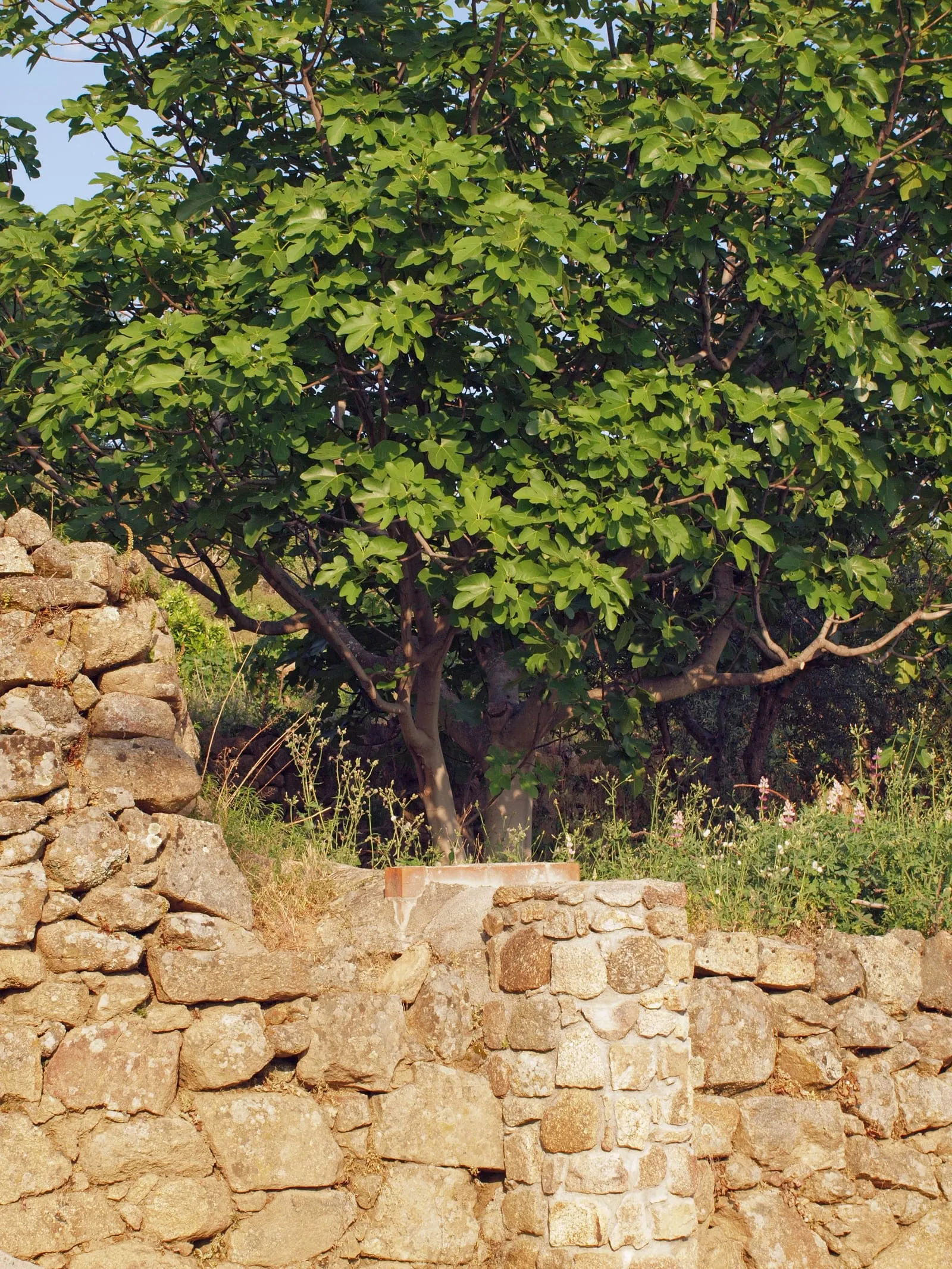
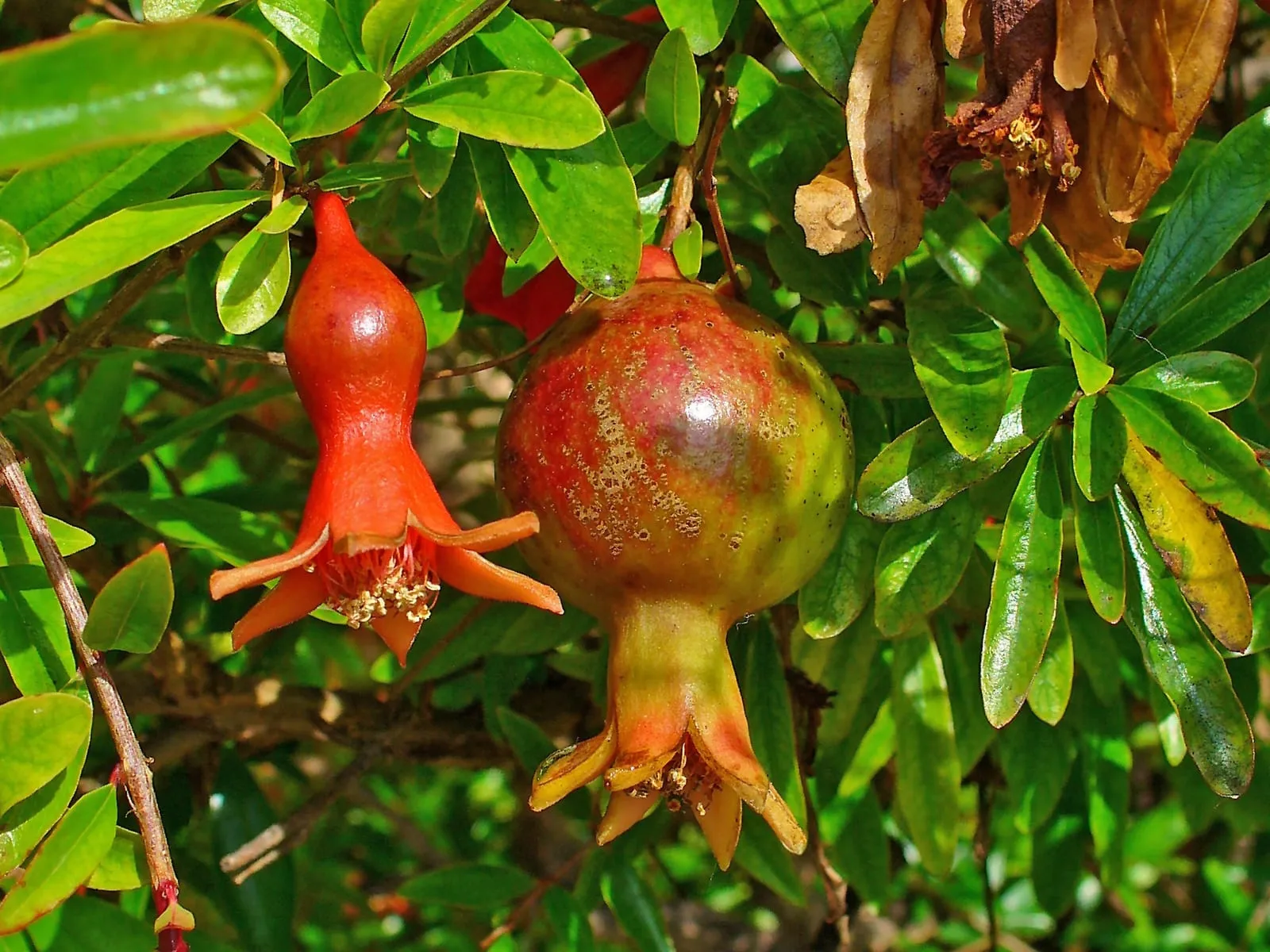
Asparagus, fig, and pomegranate tolerate these conditions partly because their deep root systems can prospect for moisture and trace minerals across a larger soil volume, and partly because all three evolved in Mediterranean and near-arid climates where calcareous soils are the baseline, not the exception. Neither asparagus nor pomegranate depends on the iron uptake pathways that alkalinity disrupts most severely.
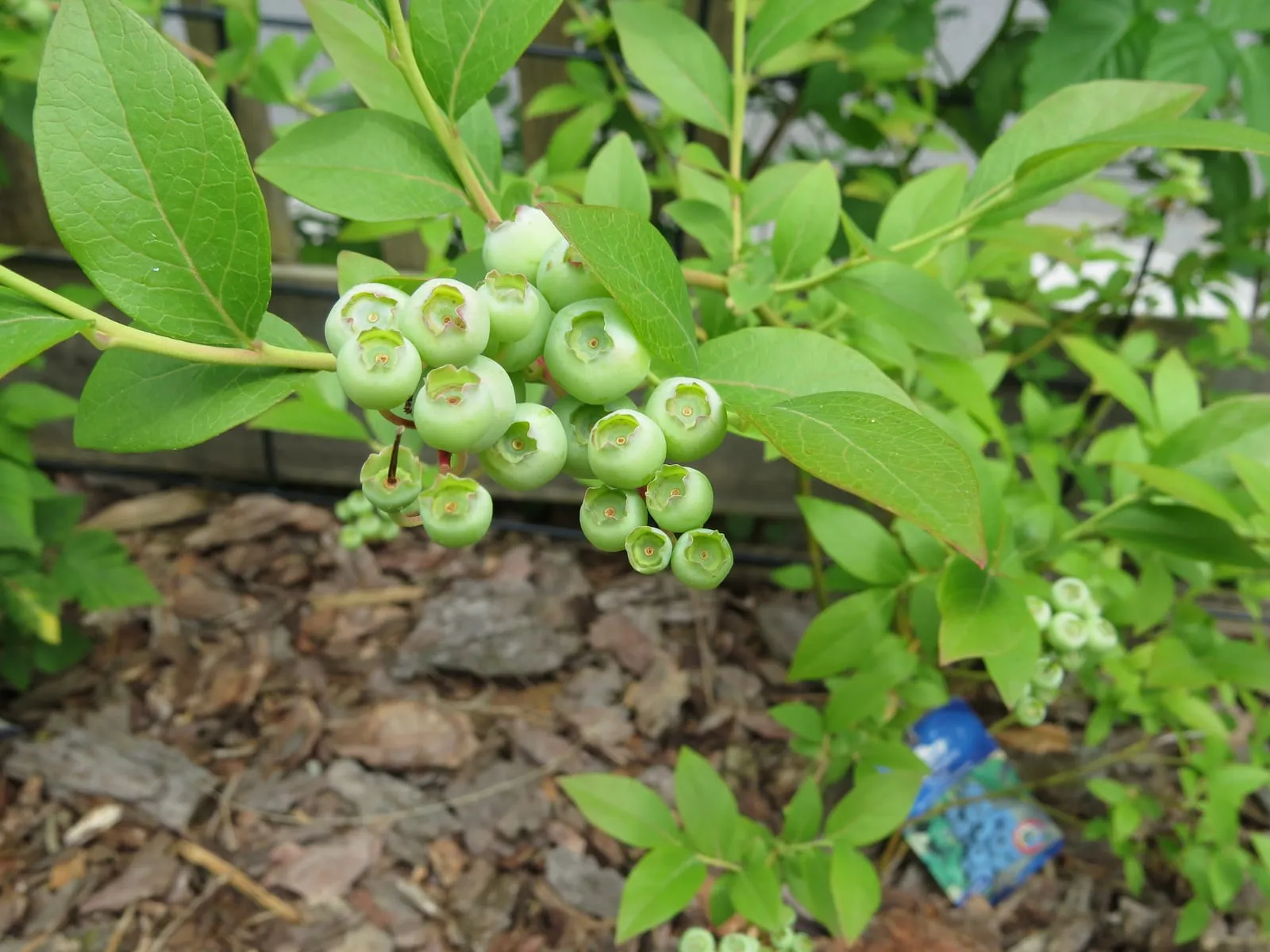
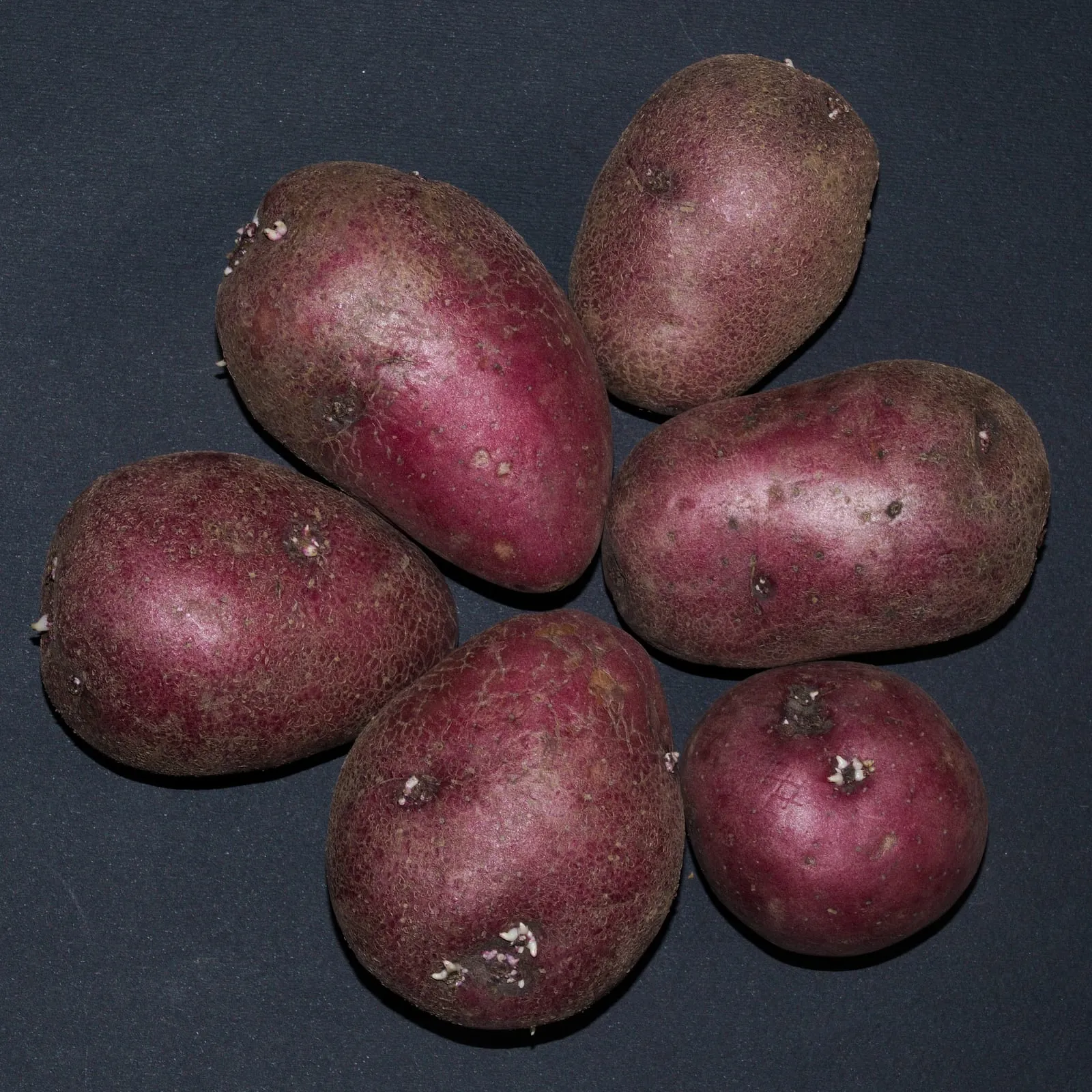
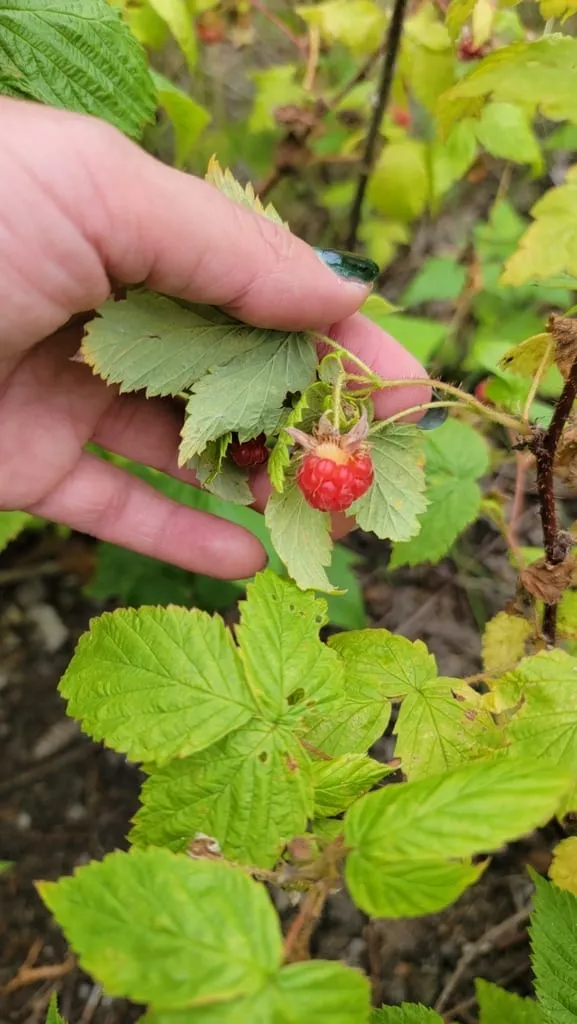
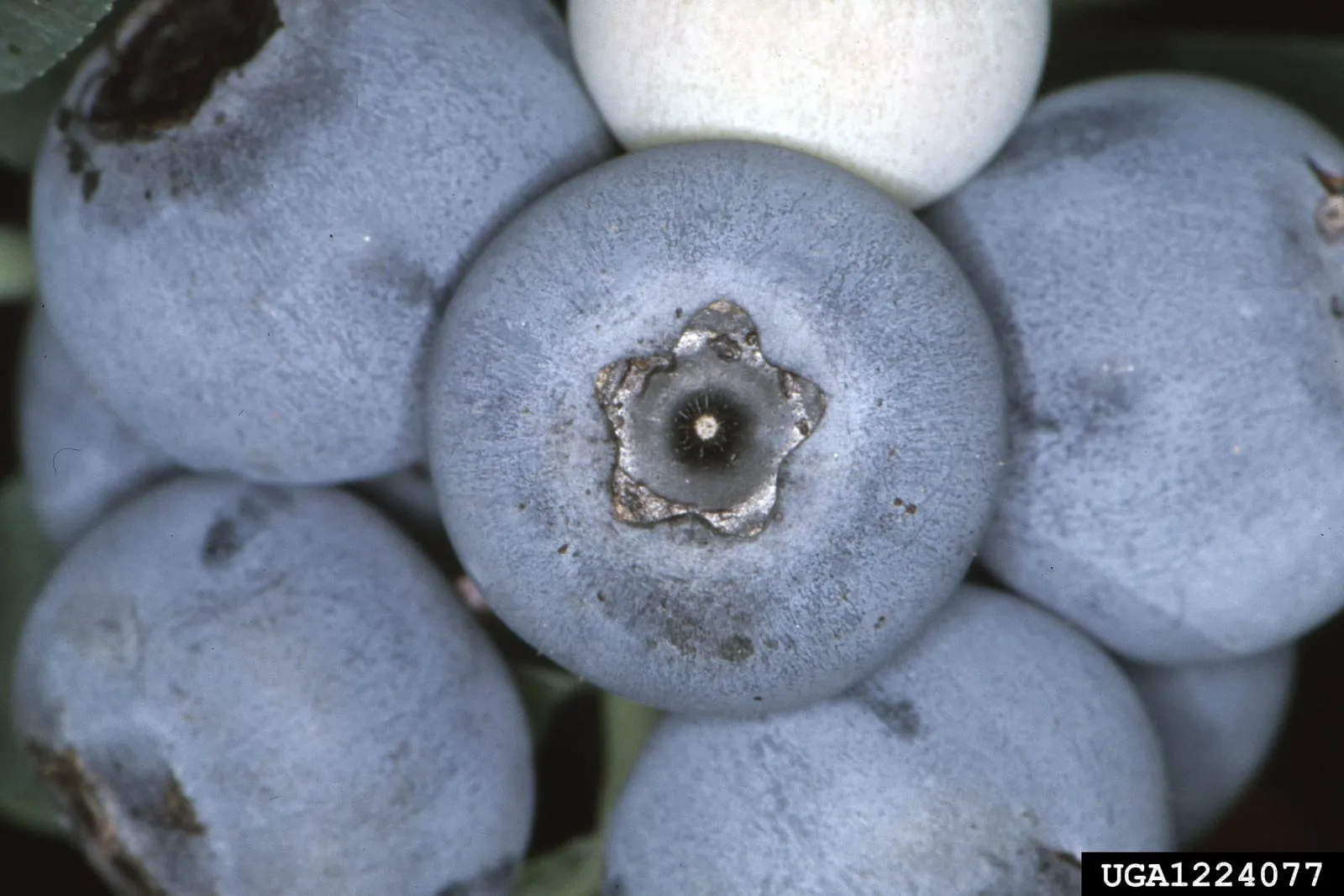
Blueberries, both highbush and rabbiteye, are the canonical casualties. Their fine, fibrous, ericoid roots depend on mycorrhizal associations optimized for pH 4.5 to 5.5. Above pH 6.5, those fungal partnerships deteriorate and iron uptake collapses regardless of how much iron is present in the soil. Raspberry and potato struggle for related reasons: both rely on shallow, fine root systems that cannot buffer against locked-up phosphorus and manganese the way deeper-rooted crops can.
Characteristics
- pH 7.5 or higher
- limited iron and manganese availability
- calcareous
- common in arid regions
Crops that thrive
Crops whose root structure, water needs, and pH preference fit alkaline (high ph) soil without amendment.
Crops that struggle
Crops with drainage, pH, or root requirements that don't match alkaline (high ph) soil. Either avoid them or commit to active amendment.
Amendments
These are the highest-leverage moves for shifting alkaline (high ph) soil toward a more productive state. Always re-test pH after amending.
- Add elemental sulfur to lower pH gradually (re-test after 3 months)
- Use iron sulfate to correct chlorosis on individual plants
- Mulch with pine needles or coffee grounds to acidify slowly
- For blueberries and other acid lovers, build a separate acidic raised bed
Best practices for alkaline (high ph) soil
The first move is a proper soil test before touching anything. Home pH meters vary enough in accuracy to mislead. A cooperative extension lab test returns a precise pH reading and a sulfur recommendation calibrated to the specific soil texture, which matters because clay soils require significantly more sulfur than sandy ones to shift the same number of pH units.
The second move is elemental sulfur for broad pH reduction, with realistic expectations. Sulfur works through microbial oxidation and requires warm, moist soil conditions and time, typically three to six months for a measurable shift. Re-test at the three-month mark before applying more; stacking applications without testing is how gardeners accidentally overshoot or create secondary salinity problems. For individual plants already showing chlorosis, iron sulfate corrects the symptom faster, but it addresses the plant, not the soil, and the underlying pH remains unchanged.
The third move is to stop fighting native soil for acid-demanding crops. For blueberries, raspberries, and other crops that require pH below 5.5, building a dedicated raised bed with imported acidic media is more reliable than trying to acidify native alkaline ground at scale. Lowering a large planting area to pH 4.5 in a region with calcareous parent material is a multi-year, ongoing commitment. Pine needle mulch and coffee grounds contribute modestly to acidification over several seasons and work as supplements, but not substitutes, for elemental sulfur.
Frequently asked questions
- How do I know if my soil is alkaline?
A soil test is the only reliable method. Cooperative extension labs provide precise pH readings with amendment recommendations for around $15 to $20. Home pH meters give ballpark readings but can be off by half a unit or more. Visual clues, including pale chalky surface deposits, yellowing leaves with green veins on sensitive crops, and unexplained poor performance from plants that succeed in other gardens, are worth investigating but not diagnostic on their own.
- How long does elemental sulfur take to lower soil pH?
Three to six months under warm, moist conditions. Sulfur acidifies soil through bacterial oxidation, so applications in cold or dry weather produce little effect. In heavy clay soils over limestone bedrock, the buffering capacity of the parent material slows the process further and may require several rounds of treatment over multiple growing seasons. Re-test at three months before adding more to avoid overapplication.
- What is the single biggest mistake gardeners make with alkaline soil?
Planting acid-loving crops directly into native alkaline soil and then attributing the resulting decline to watering habits or pests. Blueberries begin showing iron-deficiency chlorosis within weeks of planting at pH above 6.5, and no amount of supplemental iron spray compensates for a structural pH mismatch. The diagnosis is simple, but the mistake is common because the plant looks plausibly rescuable for one or two seasons before it declines irreversibly.
- What if a listed thriver like fig or pomegranate still performs poorly in alkaline soil?
Alkalinity is rarely the limiting factor for these crops, so look elsewhere. Waterlogged roots are the most common culprit: fig and pomegranate both dislike standing water, which alkaline clay soils tend to hold. Zinc or nitrogen deficiency, wind exposure, and late frosts can also produce symptoms that look like soil problems. A macronutrient panel alongside the pH reading narrows the diagnosis.
- Can alkaline soil over limestone bedrock be permanently corrected?
Practically, no. Limestone bedrock continuously releases calcium carbonate into the soil profile, buffering pH back toward 7.5 to 8.0 even after sulfur treatment. Ongoing amendment is required to maintain any lower pH, which is why raised beds filled with imported acidic media are the realistic solution for crops that require pH below 6.0 in these regions.
- Does mulching with pine needles or coffee grounds lower soil pH meaningfully?
Modestly and slowly. Both contribute acidity as they decompose, but the effect is measured in tenths of a pH unit over several seasons. They are reasonable ongoing supplements to elemental sulfur applications and improve soil organic matter as a secondary benefit. Neither should be relied on as the primary amendment when starting with pH above 7.5.
+−
+−
+−
+−
+−
+−
Related