Soil reference · Texture
Sandy soil
Coarse particles, fast drainage, low nutrient retention. Warms fast in spring, dries out fast in summer. Easy to work but needs constant feeding.
- Axis
- Texture
- Typical pH
- 5.0 to 6.5
- Crops that thrive
- 4
- Crops that struggle
- 4
Working with sandy soil
Sandy soil telegraphs itself in the hand immediately: grab a moist handful and squeeze. It crumbles apart the moment pressure releases rather than holding a shape, and it leaves almost no residue on the palm. That behavior follows directly from particle size. Sand grains are large relative to clay or silt, which means more pore space between particles, faster water movement through the profile, and far fewer surfaces where nutrient ions can bind.
The seasonal pattern in the garden is consistent. Sandy beds warm 2 to 4 weeks earlier than clay in spring, a genuine advantage for early planting. By midsummer, that same drainage turns into a liability: moisture evaporates quickly, and nutrients leach below the root zone faster than most crops can absorb them. Sandy soils resist compaction well, which matters more than it sounds for root development.
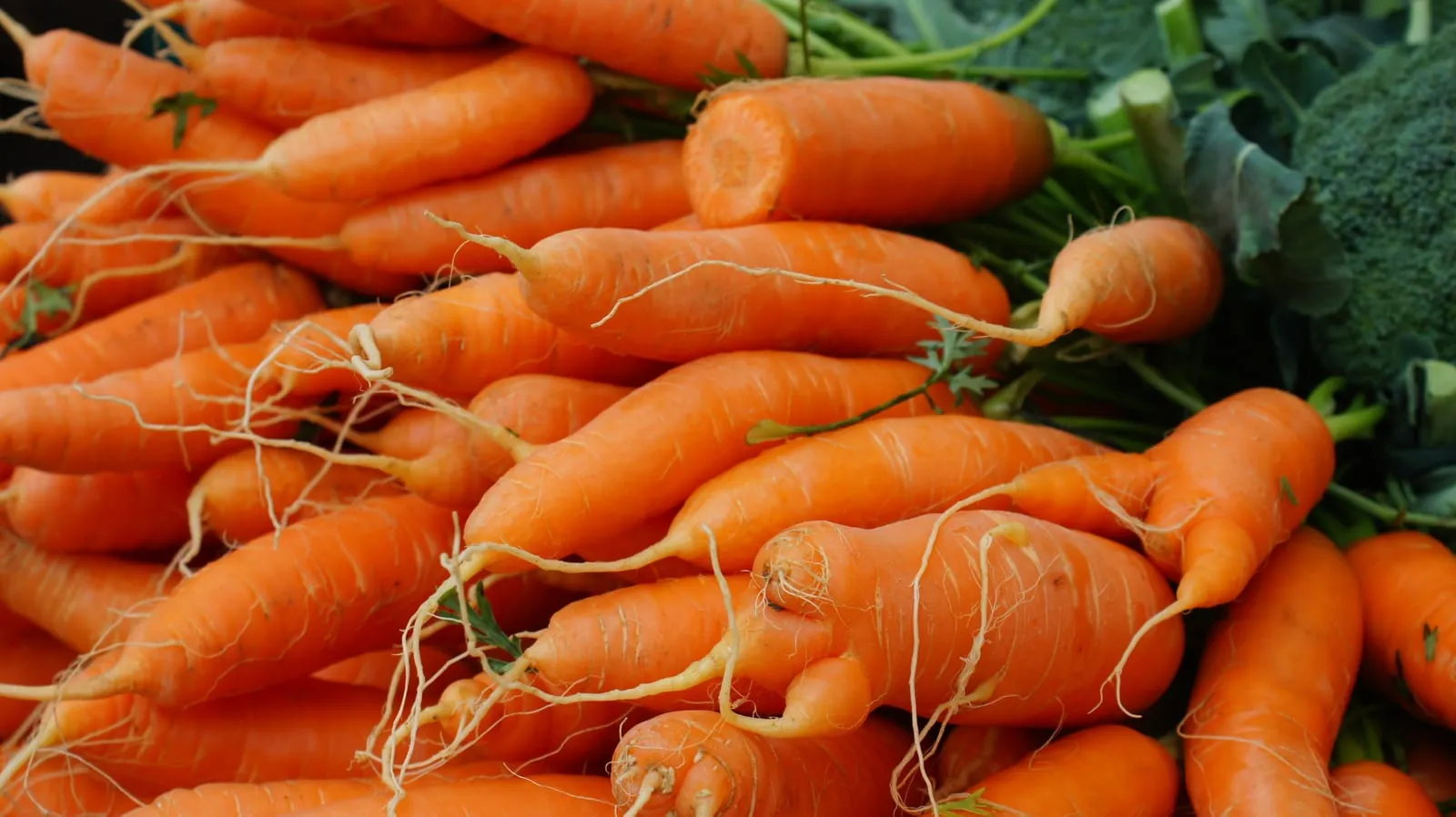
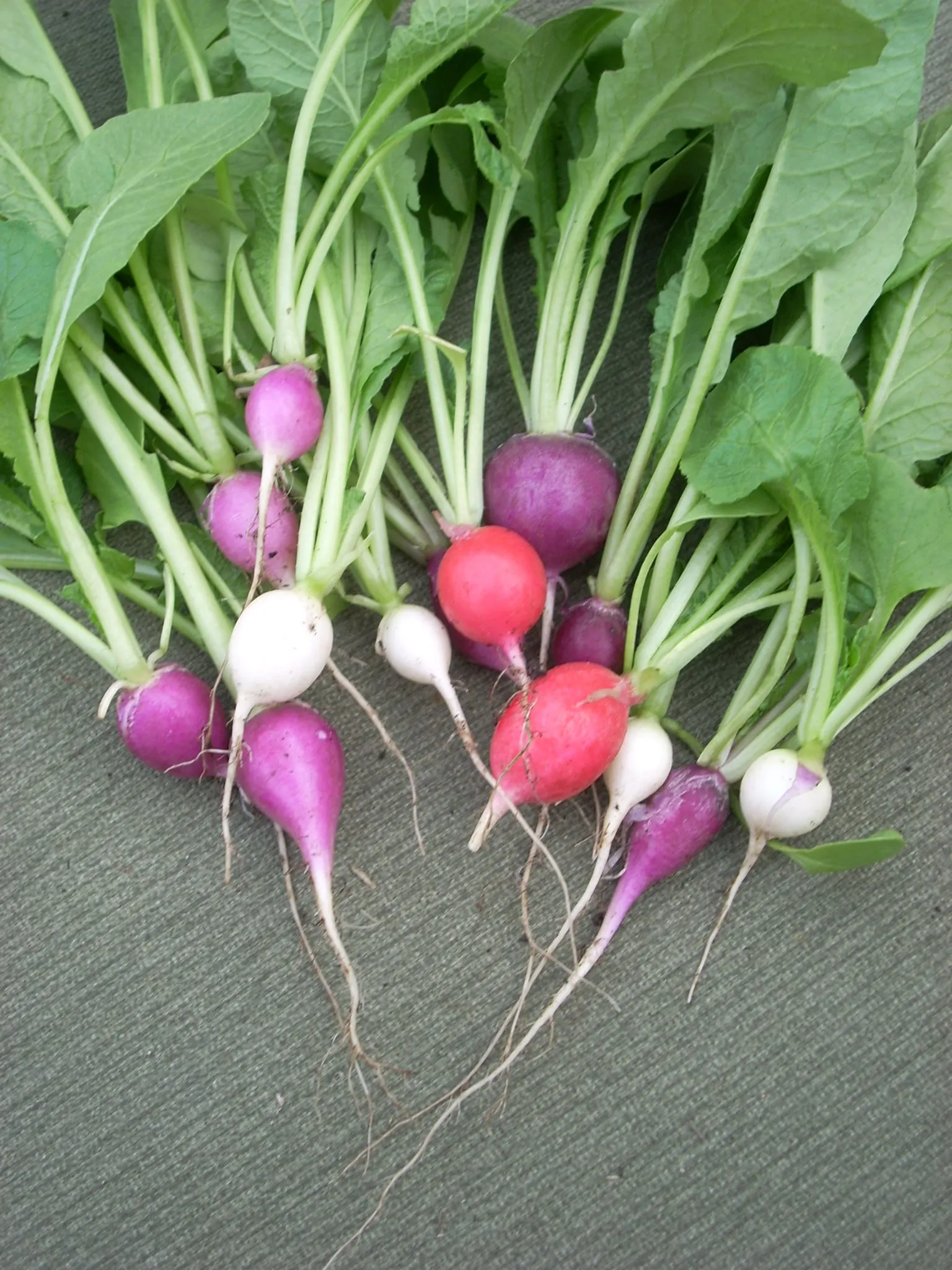
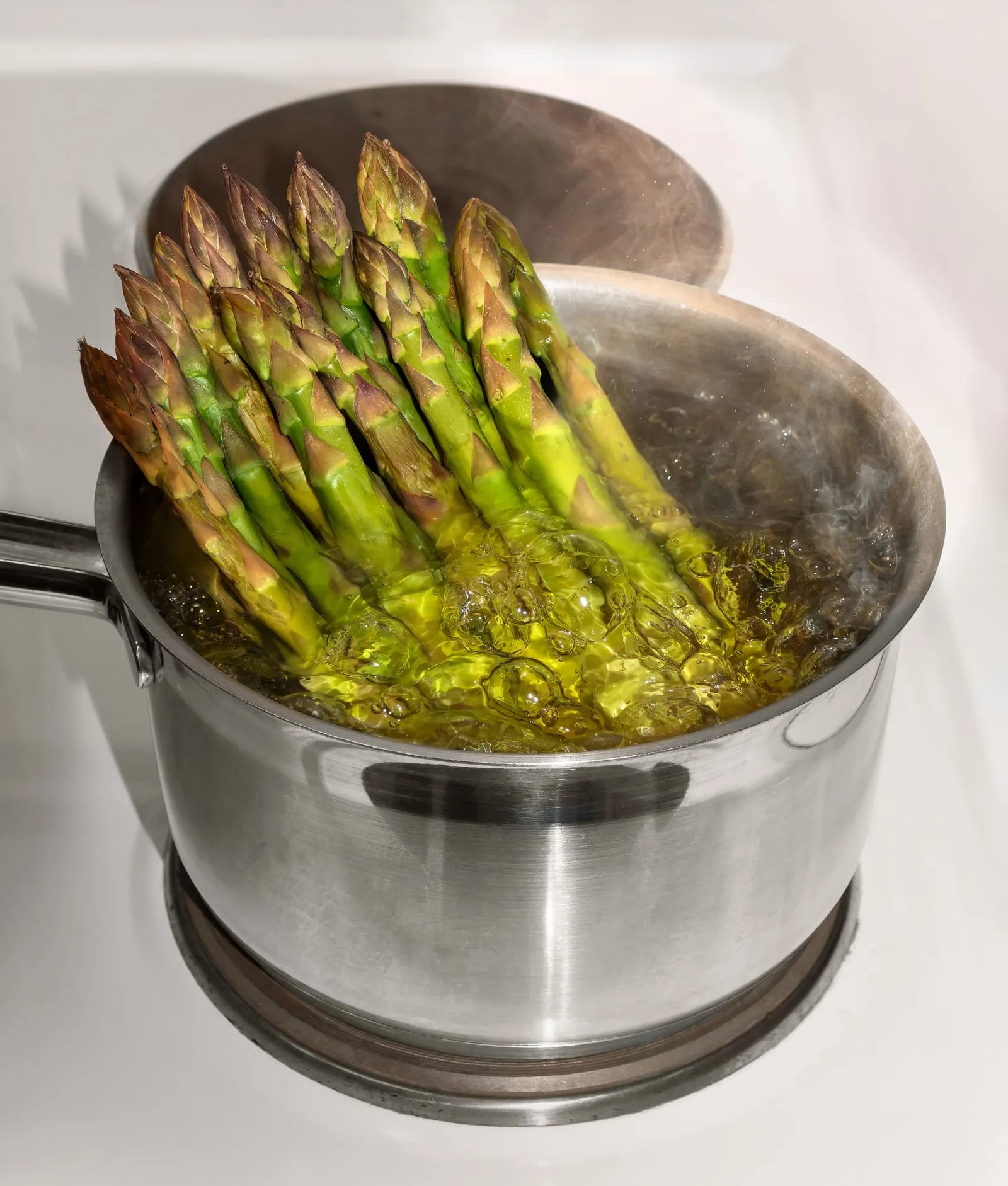
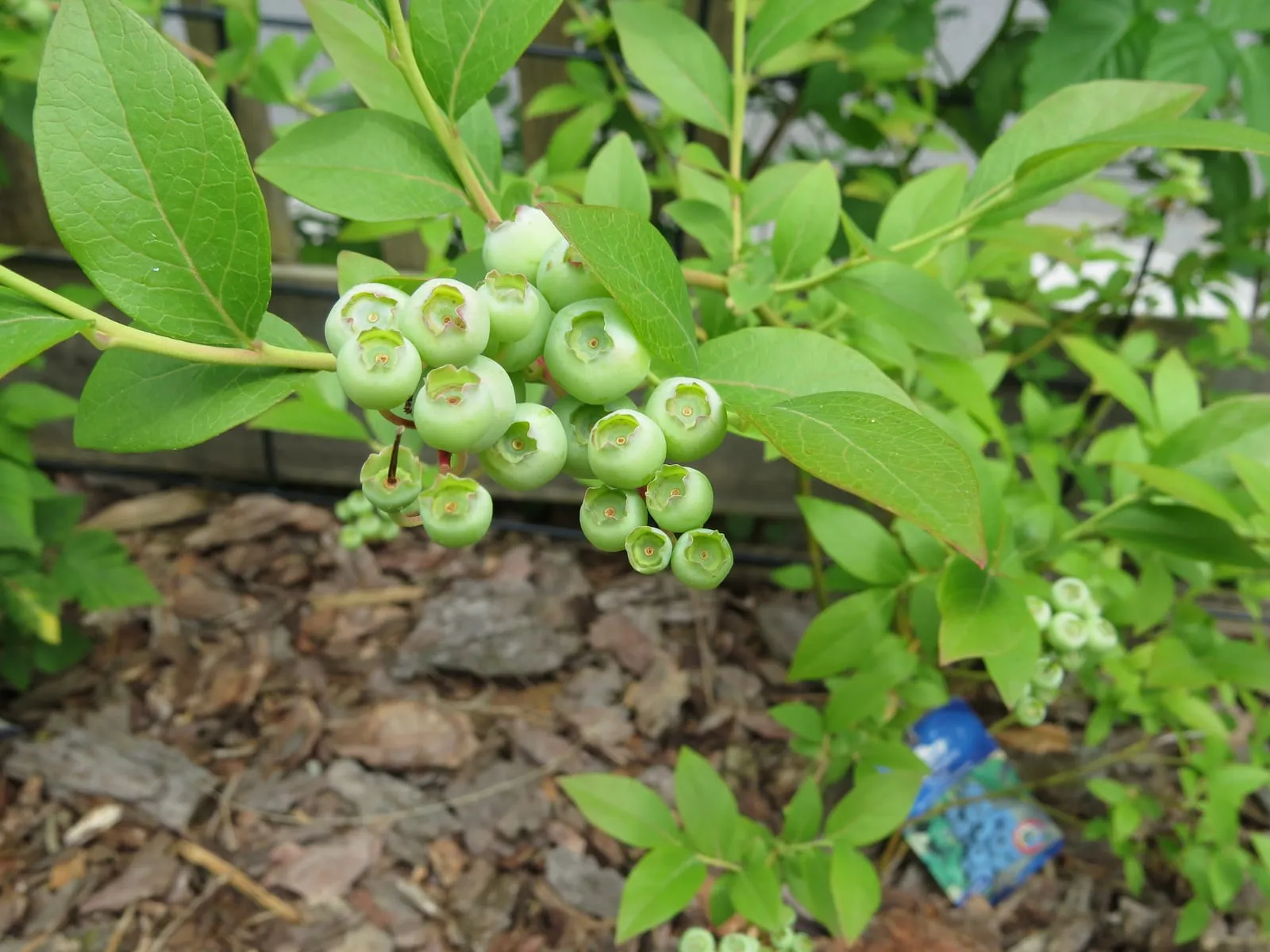
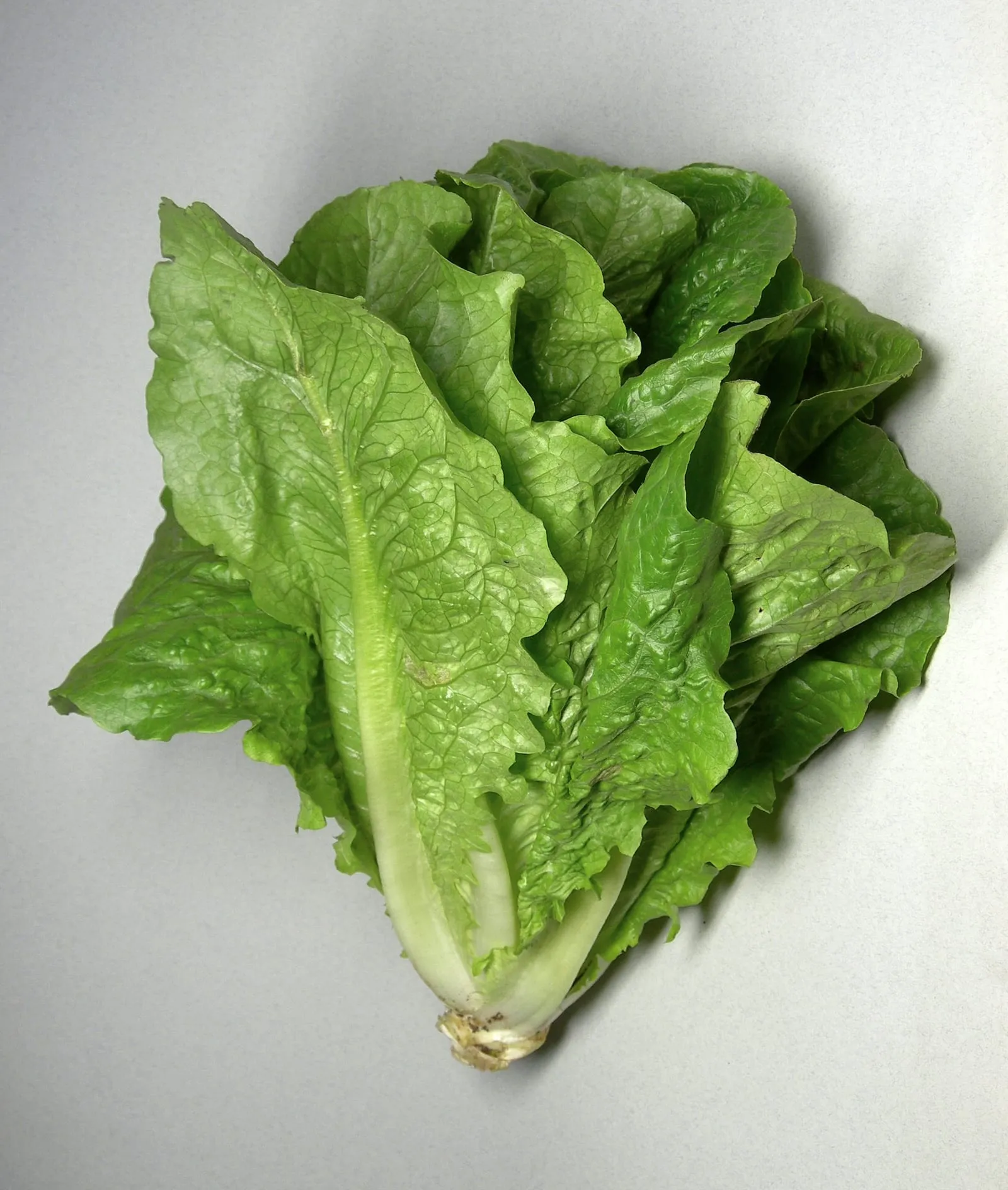
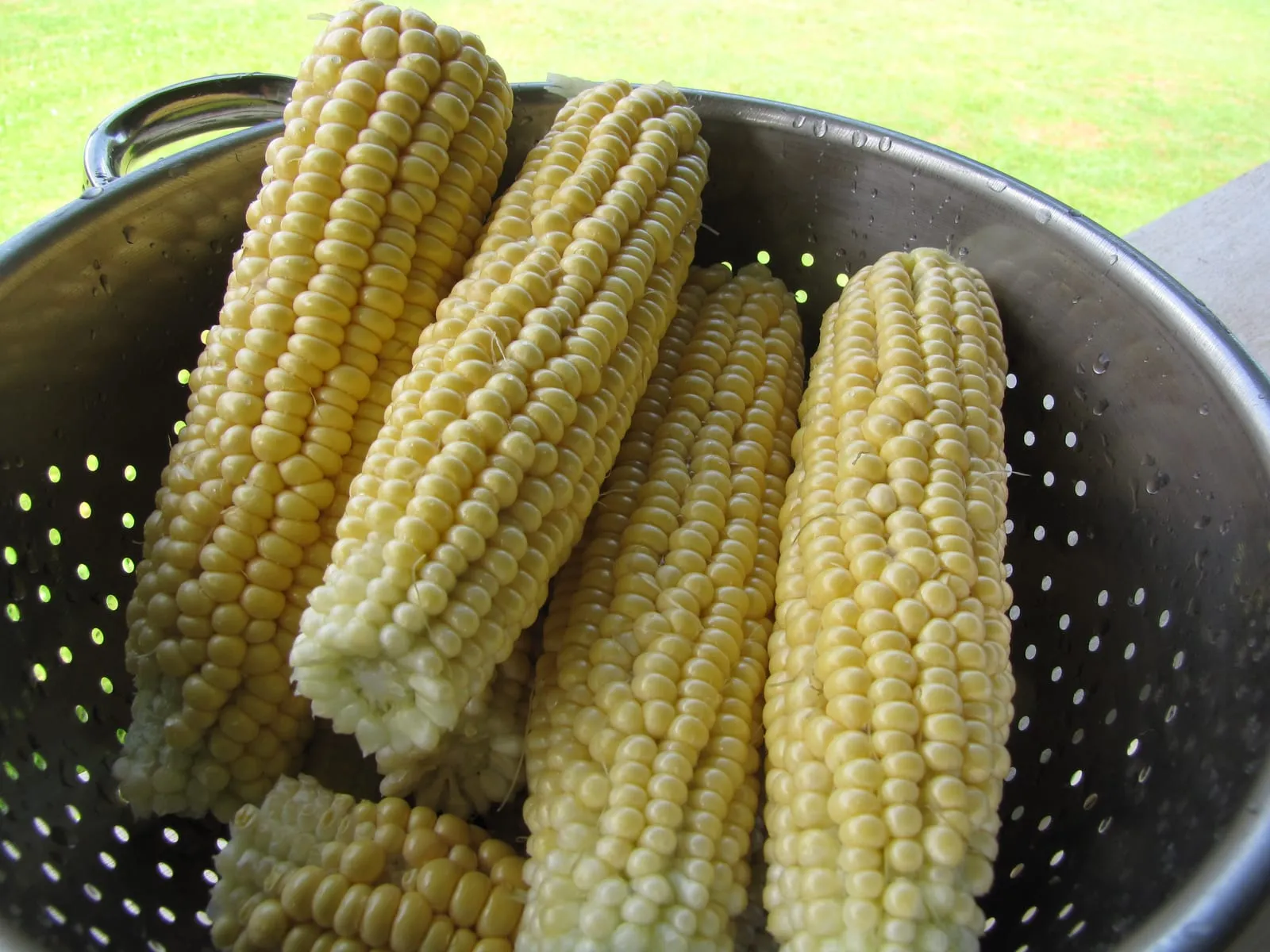
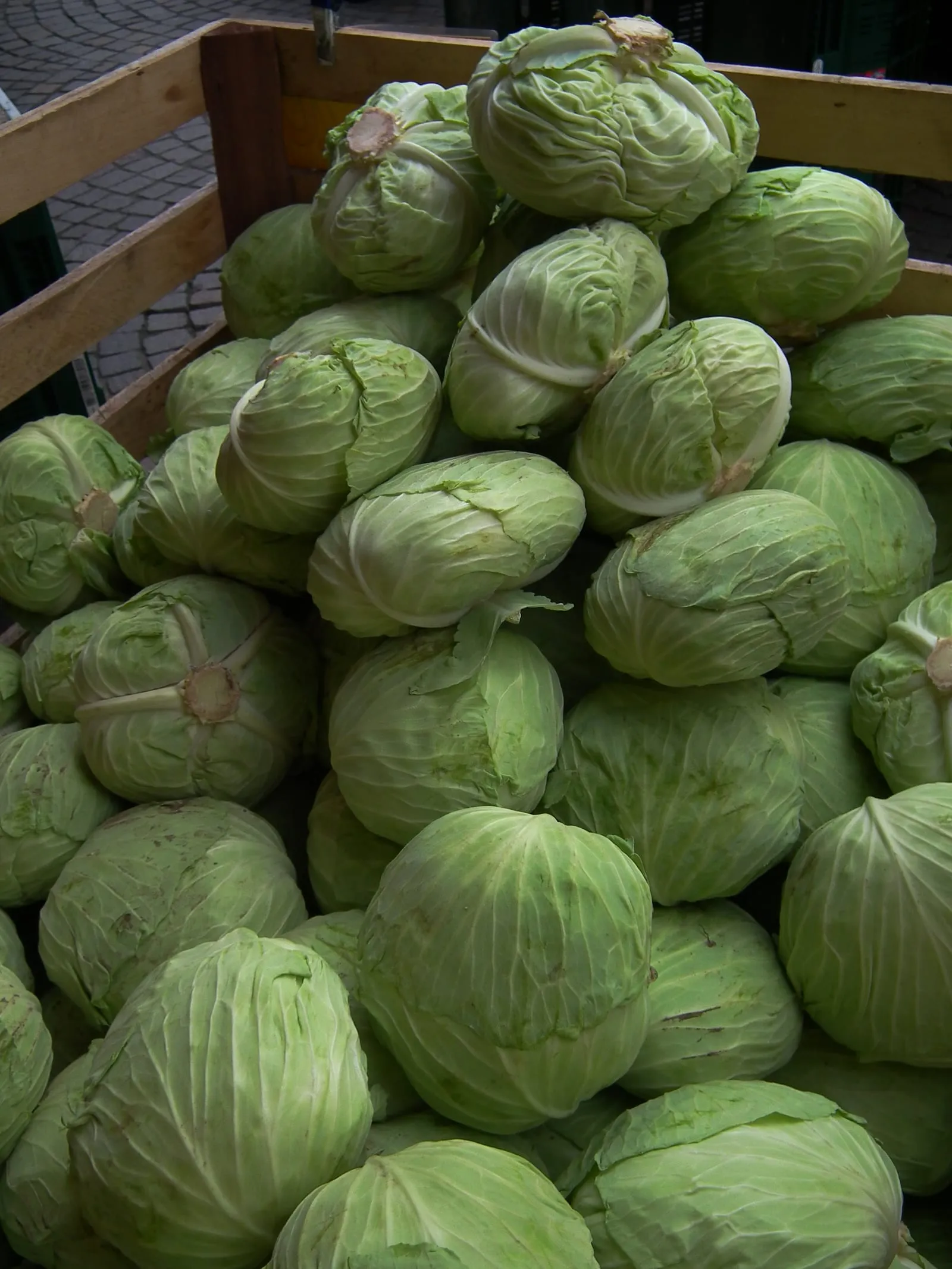
Root structure explains most of the thriver and struggler pattern. Carrots and radishes form taproots that extend deep into loose, unobstructed soil; sand does not impede that growth the way compacted or heavy soils do. Asparagus tolerates the lean, fast-draining conditions that would starve shallower crops. Highbush blueberry is adapted to low-CEC, acidic soils by nature and handles the nutrient scarcity that sand imposes. Lettuce, cabbage, and broccoli are shallow-rooted and sit squarely in the top few inches where sandy soil dries fastest; their high nitrogen and moisture demands outpace what sand retains between irrigations. Corn is a heavy feeder with large water needs, and on sand, both nutrients and water move out of the root zone before the crop can use them.
Characteristics
- fast drainage
- low CEC and fertility
- warms quickly
- leaches nutrients fast
Crops that thrive
Crops whose root structure, water needs, and pH preference fit sandy soil without amendment.
Crops that struggle
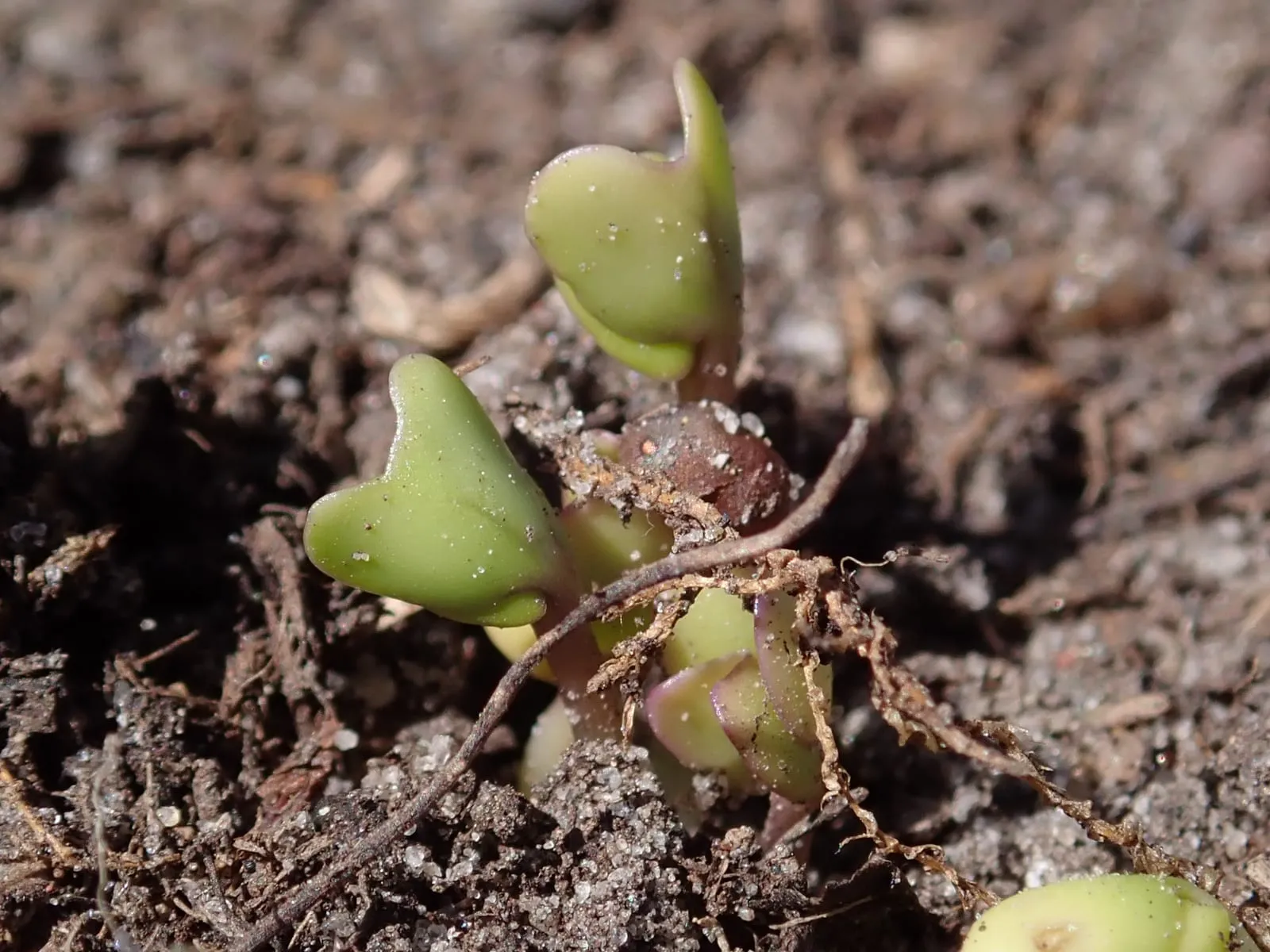
Crops with drainage, pH, or root requirements that don't match sandy soil. Either avoid them or commit to active amendment.
Amendments
These are the highest-leverage moves for shifting sandy soil toward a more productive state. Always re-test pH after amending.
- Add 2 to 3 inches of compost twice yearly
- Mulch heavily to retain moisture
- Switch to slow-release or split-application fertilizing
- Cover crop with rye or vetch to add organic matter
Best practices for sandy soil
Three practices produce real results on sandy soil, though not on the same timeline.
Organic matter is the structural fix, and it takes years rather than a single season to register. Working 2 to 3 inches of compost into the top 6 to 8 inches twice a year, once before spring planting and once in fall, gradually increases cation exchange capacity and water retention. A single application changes almost nothing; consistent additions over 2 to 3 years begin to measurably shift how the soil behaves. Cover cropping with winter rye or hairy vetch accelerates the timeline slightly by adding organic matter at the end of each season. Terminate cover crops before they set seed and incorporate the residue.
Fertilizing strategy matters more on sand than on heavier soils. A standard single-application fertilizer still leaches faster than label rates assume. Split applications, dividing the season's total into three or four smaller doses at 3 to 4 week intervals, keeps nitrogen and potassium in the root zone rather than washing below it.
Mulch is not optional. A 2 to 3 inch layer of straw, shredded leaves, or wood chips over the bed surface cuts evaporative moisture loss substantially, extends the window between irrigations, and moderates the soil temperature swings that accelerate nutrient depletion. The pH range on sandy soils commonly runs 5.0 to 6.5, but specific readings vary. Test annually rather than adjusting on assumptions; pH drift on sand can be faster than expected, especially with heavy fertilizer use.
Frequently asked questions
- How can a gardener confirm sandy soil without a lab test?
The squeeze test is the fastest field method: take a small handful of moist soil and compress it firmly, then release. Sandy soil falls apart immediately and leaves almost no residue. A cooperative extension soil texture analysis, typically $15 to $30, gives a precise sand percentage and is worth doing once if the texture falls somewhere ambiguous between sandy and loamy.
- How long before compost amendments make a noticeable difference?
Mulch and split-application fertilizing produce results within a single season. Compost takes longer. Consistent twice-yearly additions typically require 2 to 3 seasons before water-holding capacity and CEC shift in a measurable way. Organic matter decomposes faster in sandy soil than in clay, especially in warmer climates, which is why single applications rarely hold and maintenance additions every 6 months are necessary.
- What is the most common mistake gardeners make with sandy soil?
Treating amendment as a one-time project. Adding a few inches of compost once and expecting lasting change is the most frequent failure. Sandy soil does not bank organic matter the way heavier soils do; it decomposes it faster. Gains from a single application fade within one to two seasons without follow-up. Twice-yearly compost inputs are a maintenance requirement, not a one-time fix.
- What should a gardener do if a listed thriver like carrot or blueberry still fails on sandy soil?
For carrots and radishes, failure on sandy soil usually traces to inconsistent moisture during germination rather than soil texture. Irrigation frequency in the days after seeding matters more than soil structure at that stage. For highbush blueberry, the most common cause of failure on sandy soil is pH out of range; blueberry requires a narrow window of 4.5 to 5.5, and a pH test before assuming the site is unsuitable is the first step.
- Does sandy soil need more total fertilizer than heavier soils?
Not necessarily more total input, but more frequent, smaller doses. Delivering a season's worth of nitrogen in a single application sends much of it below the root zone before uptake. Splitting the same total amount into three or four applications at 3 to 4 week intervals is the adjustment, not simply adding more fertilizer overall.
- Do cover crops actually improve sandy soil structure, or is compost enough?
Cover crops contribute meaningfully, particularly when combined with compost rather than substituted for it. Winter rye and hairy vetch build organic matter in a single season, and their root systems help stabilize the surface and reduce crusting. The improvement compounds over multiple seasons of consistent use. Compost and cover crops together accelerate soil development faster than either alone.
+−
+−
+−
+−
+−
+−
Related