Soil reference · Texture
Loam soil
The reference soil. Mix of sand, silt, and clay; balanced drainage and water retention. Most crops do well in loam without amendment.
- Axis
- Texture
- Typical pH
- 6.0 to 7.0
- Crops that thrive
- 5
- Crops that struggle
- 0
Working with loam soil
Loam sits at the midpoint of soil texture. Grab a moist handful and it holds a loose ball, then crumbles without much pressure. It is neither sticky like heavy clay nor gritty and fast-draining like coarse sand. In the garden bed, that balance plays out across seasons: loam warms at an average rate in spring (no dramatic early head start, but no cold lag either), drains reliably after heavy rain without waterlogging, and holds enough moisture during dry stretches to buffer plants through short dry spells.
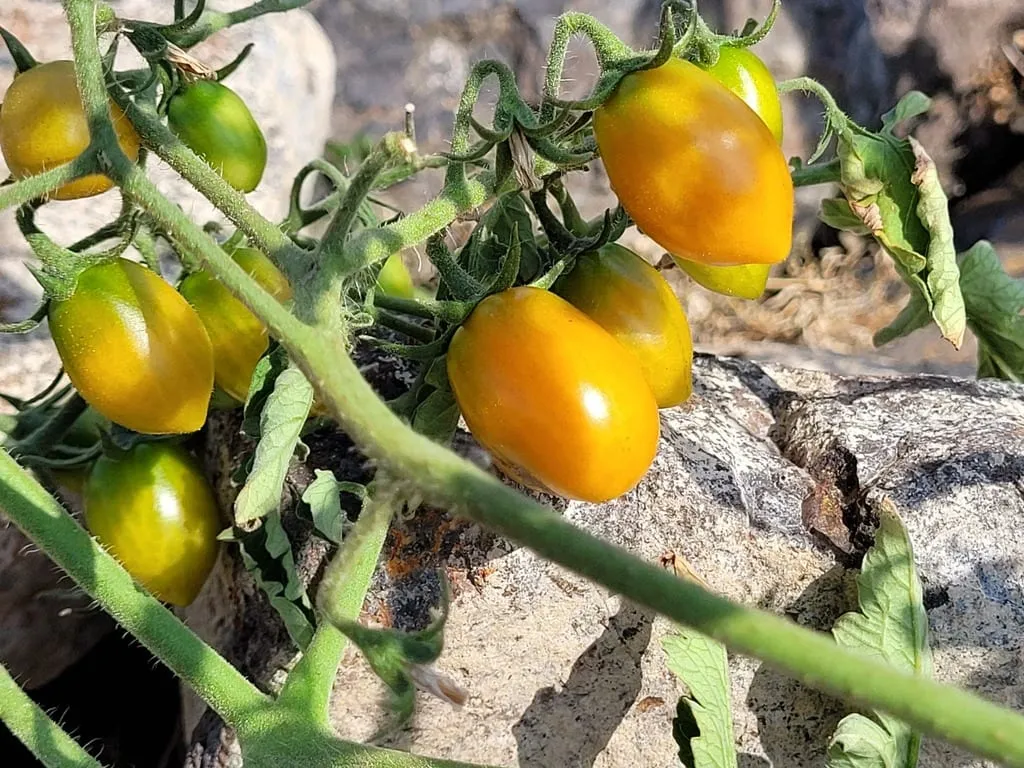
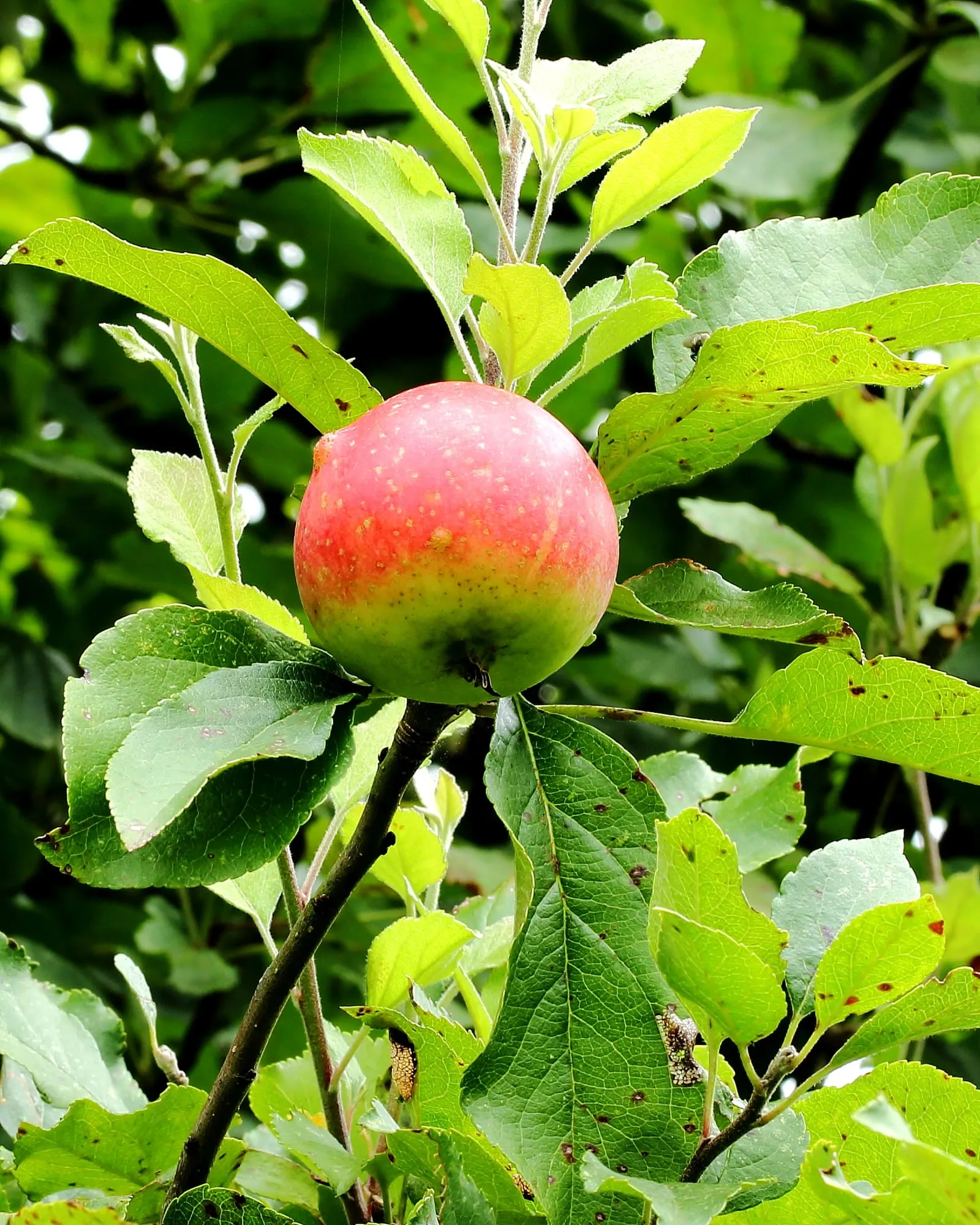
The crops that consistently do well in loam tend to have fibrous, wide-exploring root systems. Tomatoes and peppers develop dense branching feeder roots that pull nutrients from a broad lateral zone; loam's moderate-to-high fertility and even moisture distribution suit both without requiring intervention. Apple and peach trees build extensive lateral roots concentrated in the top 24 inches of soil, and loam's workability allows those roots to expand without hitting the seasonal resistance that clay imposes in wet winters or baked summers. Red raspberries run shallow horizontal rhizomes that need reliable drainage to prevent crown rot and steady moisture between rains; loam handles both without amendment.
The absence of listed strugglers is accurate rather than an oversight. Loam is genuinely forgiving across a wide range of crops. That said, heavy-feeding annuals like corn will deplete its fertility faster than perennials do, and any planting in low spots can still waterlog if the subsoil is poorly drained regardless of surface texture.
Characteristics
- balanced drainage
- moderate to high fertility
- easy to work in any season
- warms at average rate
Crops that thrive
Crops whose root structure, water needs, and pH preference fit loam soil without amendment.



Amendments
These are the highest-leverage moves for shifting loam soil toward a more productive state. Always re-test pH after amending.
- Annual compost top-dress to maintain organic matter
- Cover crop in winter to prevent erosion
- No fundamental amendments required
Best practices for loam soil
The primary maintenance task for loam is keeping organic matter from declining. Loam is naturally more fertile than sandy or clay soils, but continuous cropping without replenishment will reduce that fertility over years, and with it the biological activity that maintains structure. A 1- to 2-inch compost top-dress each spring, worked lightly into the surface, sustains microbial populations and supports earthworm activity. This is a slow amendment; measurable structural improvement appears over two to three seasons, not within the same growing year. Nutrient release from finished compost does happen within one season, so the immediate and long-term benefits operate on different timescales.
Winter cover crops address erosion and compaction. Bare loam in winter is vulnerable to surface crusting from rain impact and to shallow erosion on any slope. Cereal rye or winter oats establish quickly across most US regions; crimp or mow before seed set in spring. The root channels left behind improve pore structure without tillage.
PH testing is often skipped because loam behaves well without obvious symptoms. But loam's natural buffering capacity can mask slow drift outside the 6.0 to 7.0 range, particularly under acidifying fertilizers or in high-rainfall areas. Testing every three years catches drift before it begins affecting nutrient availability. Most land-grant university extension services offer laboratory soil tests for $10 to $15, with results that include amendment rate recommendations.
Frequently asked questions
- How can a gardener tell if soil is loam without a lab test?
The ribbon test is the most reliable field check. Take a moist handful and press it between thumb and forefinger. Sandy soil will not ribbon; heavy clay forms a long, slick ribbon; loam forms a short ribbon under an inch that breaks off cleanly and leaves a slightly gritty feel. A squeeze test confirms: loam holds a loose ball when compressed but crumbles when poked, unlike clay, which stays dense.
- How long does compost take to improve loam soil?
Nutrient release from finished compost starts within one growing season. Structural and biological improvements (increased aggregate stability, earthworm activity, water-holding capacity) take longer. Consistent annual top-dressing typically shows measurable improvement in soil structure after two to three seasons. Loam does not need a rapid transformation; it needs steady maintenance to stay good.
- What is the single biggest mistake home gardeners make with loam?
Over-tilling. Loam's workability tempts repeated deep tillage, which destroys the aggregate structure that makes loam valuable and compacts the subsoil layer just below the tillage depth over time. That compacted layer restricts drainage and root penetration in ways that are slow to reverse. Limiting tillage to initial bed preparation and relying on surface compost and cover crops for ongoing improvement preserves the soil structure that came with the loam.
- A tomato or apple listed as a loam thriver is still struggling. What could be wrong?
Loam describes surface texture, not the full soil profile. Even well-textured loam can have a clay hardpan below the topsoil from past construction or compaction, a low spot that waterlogged during a wet stretch, or a pH that has drifted outside 6.0 to 7.0. Observe the spot after a heavy rain for standing water, test pH, and consider whether the location has a site history (fill soil, grading, heavy foot traffic) that altered what is below the surface layer.
- Does loam ever need drainage improvement?
Rarely based on texture alone, but loam in low-lying areas or over a clay subsoil layer can still waterlog. The texture itself drains reliably; the problem is usually topography or what lies below the topsoil. Raised beds are the practical fix where drainage is persistently poor regardless of surface texture. Adding coarse material to improve drainage is generally only necessary in those low-lying situations, not across typical loam beds.
- Will adding sand to loam improve it?
No. Adding sand to loam without replacing roughly half the soil volume by weight fills pore spaces rather than creating them, worsening structure. Loam does not need texture correction; its texture is already balanced. Organic matter is the appropriate amendment for sustaining and improving loam over time, not sand or clay additions.
+−
+−
+−
+−
+−
+−
Related