Soil reference · Texture
Clay soil
Fine particles, slow drainage, high nutrient retention. Cracks when dry, sticky when wet. Holds water well but waterlogs roots and cracks tap-rooted vegetables.
- Axis
- Texture
- Typical pH
- 5.5 to 7.5
- Crops that thrive
- 5
- Crops that struggle
- 3
Working with clay soil
Clay soil announces itself in the hand: wet, it ribbons between thumb and forefinger without crumbling; dry, it fractures into hard, angular plates that resist a trowel. In the bed, the seasonal pattern is predictable. Spring warm-up lags sandy or loamy ground by two to four weeks because the dense particle mass holds cold longer. Summer bakes the surface into a hard crust that sheds rain rather than absorbing it. Wet autumn conditions turn clay sticky and easily compacted by foot traffic or tools.
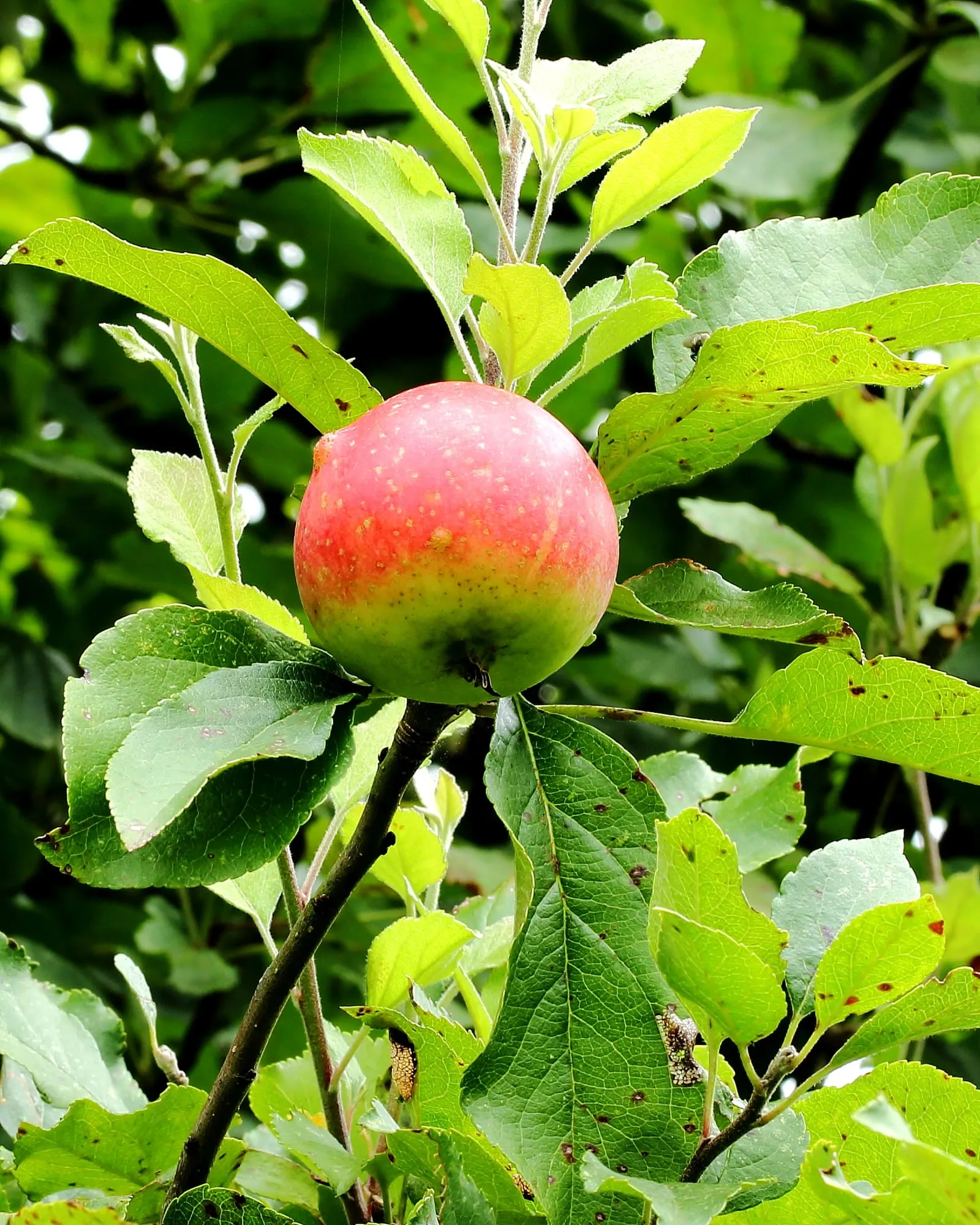
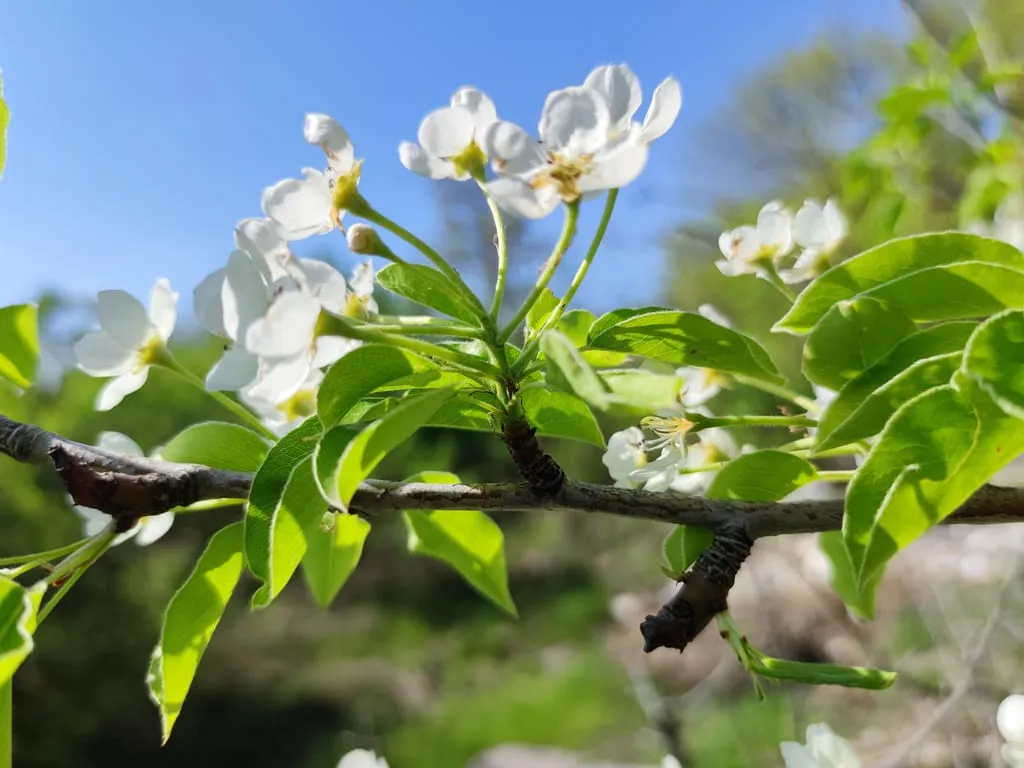
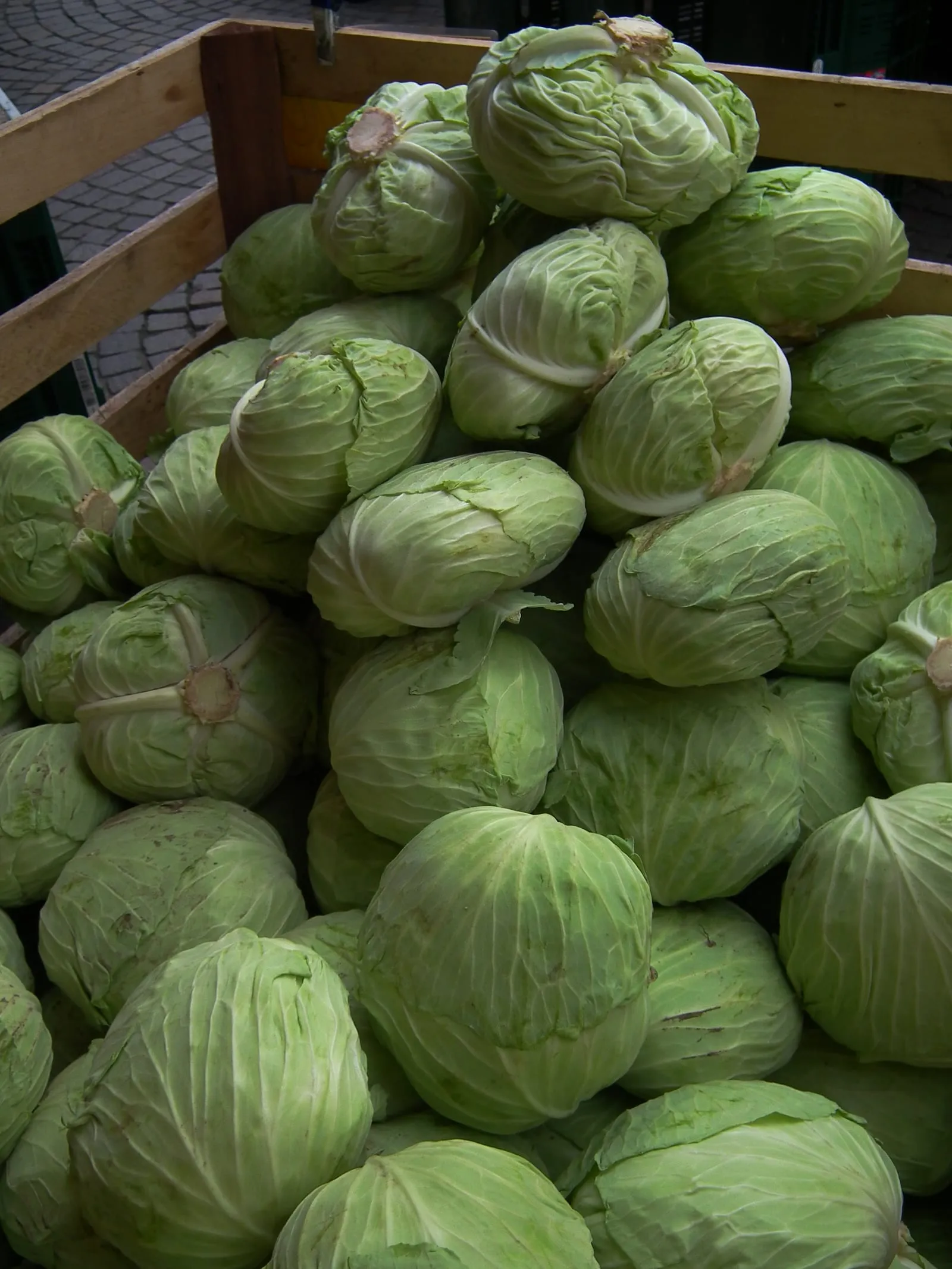
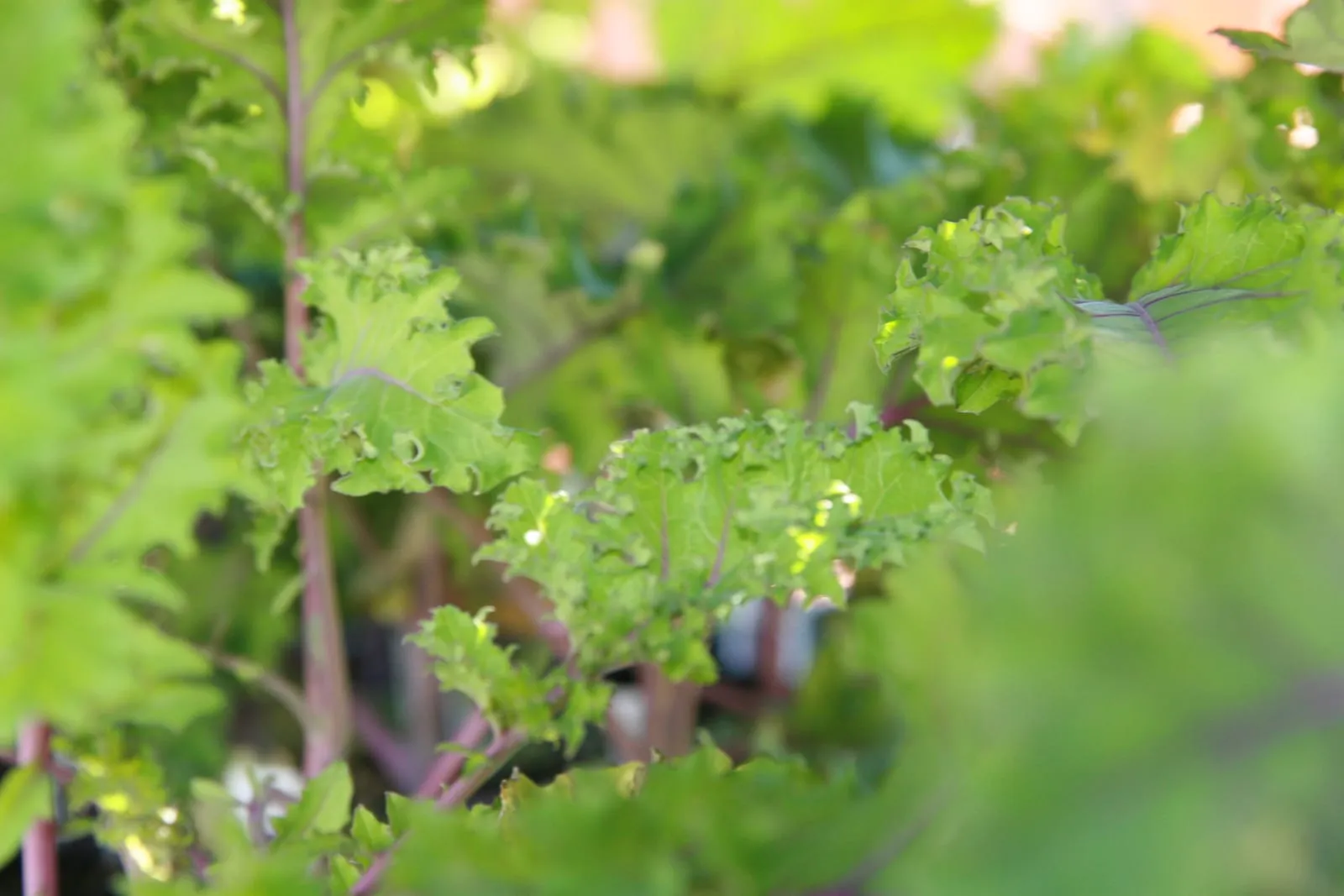
The crops that thrive on clay share a common trait: fibrous or coarse root systems that tolerate periodic waterlogging. Apples and pears on vigorous rootstocks push into clay without demanding perfect drainage. Brassicas (cabbage, broccoli, kale) produce shallow, fibrous root mats that exploit clay's high cation exchange capacity (CEC), pulling nitrogen and minerals from a rich mineral reservoir without needing loose, open soil.
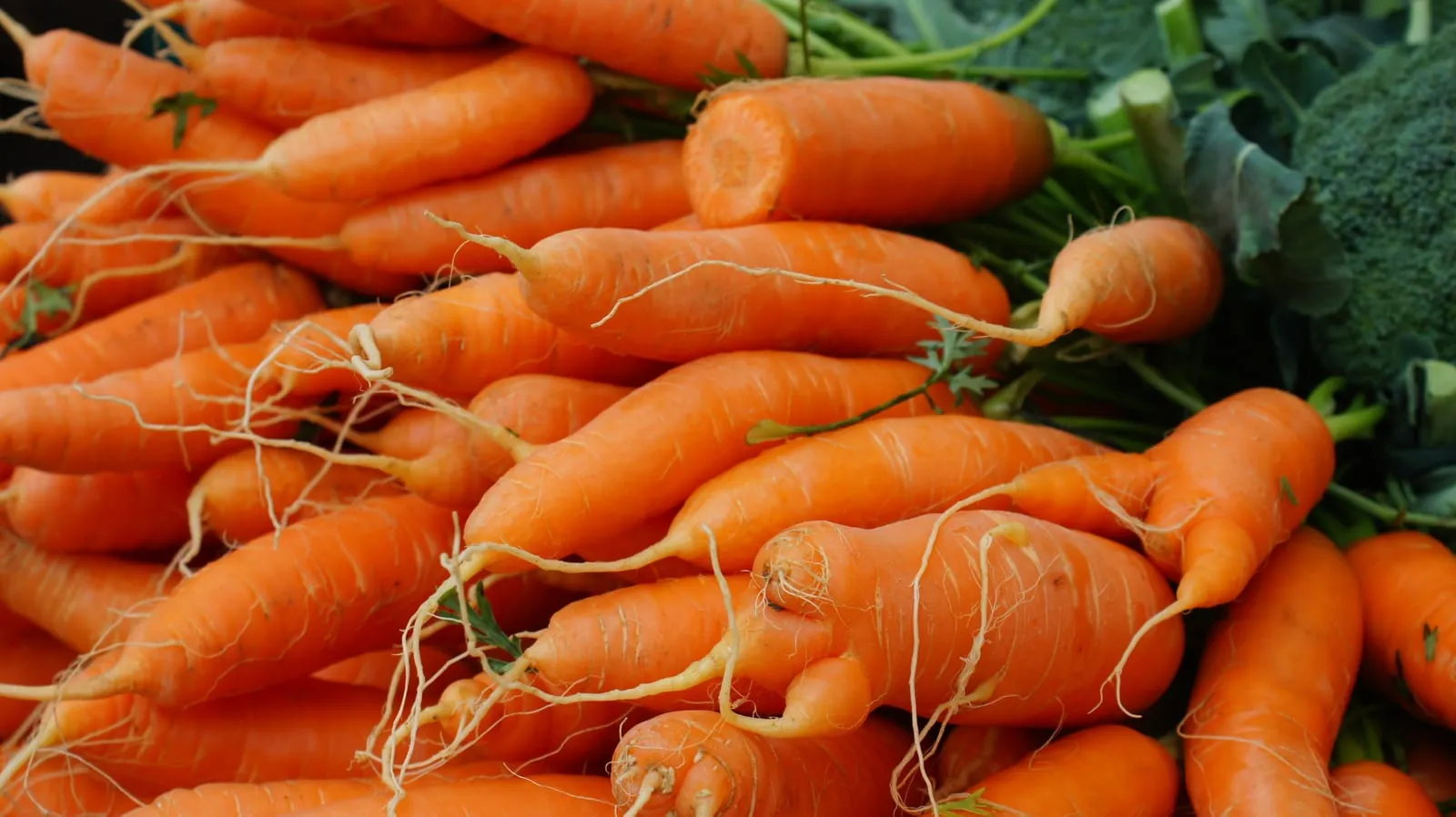
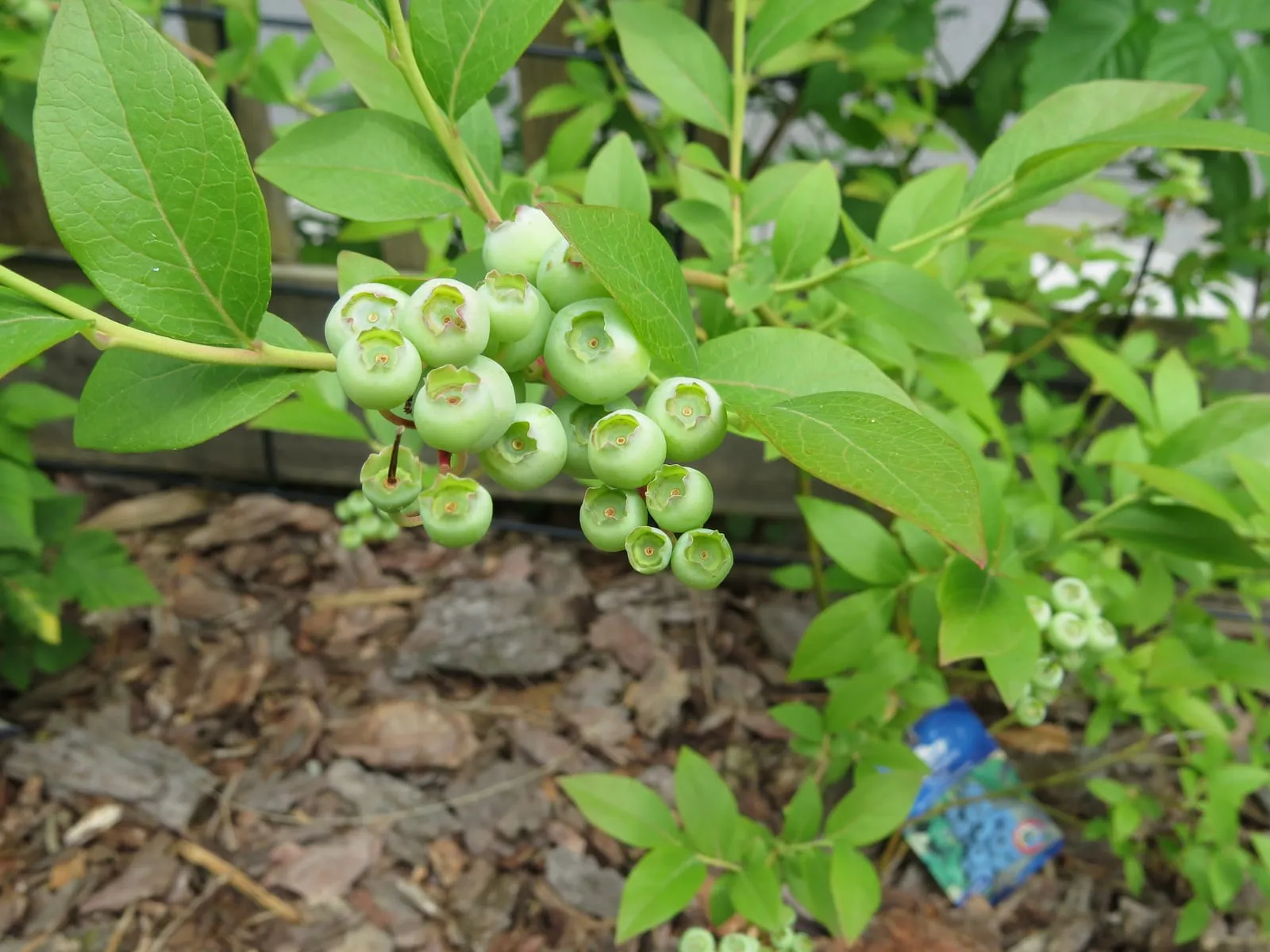
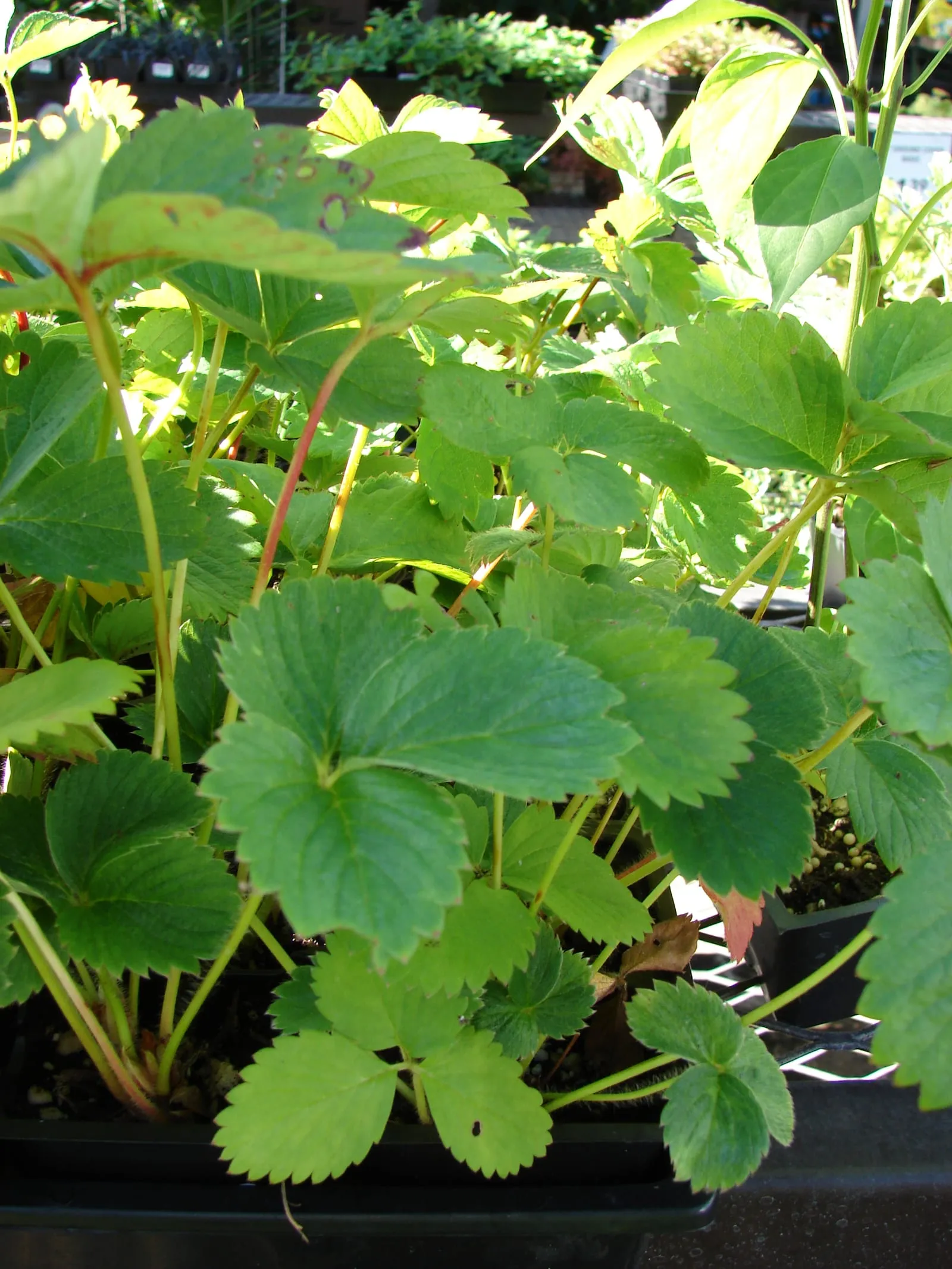
Tap-rooted crops tell a different story. Carrots grown in clay fork, stunt, and rot at the shoulder when drainage is slow. June-bearing strawberries suffer crown rot when water sits at the surface after rain. Highbush blueberries require consistently moist but well-drained, acidic conditions; clay violates the drainage requirement and frequently the pH requirement simultaneously, making it a poor fit regardless of surface amendments.
Characteristics
- slow drainage
- high CEC and fertility
- compacts easily
- warms slowly in spring
Crops that thrive
Crops whose root structure, water needs, and pH preference fit clay soil without amendment.
Crops that struggle
Crops with drainage, pH, or root requirements that don't match clay soil. Either avoid them or commit to active amendment.
Amendments
These are the highest-leverage moves for shifting clay soil toward a more productive state. Always re-test pH after amending.
- Add 2 to 4 inches of compost annually to improve structure
- Avoid working when wet (it compacts further)
- Build raised beds for tap-rooted crops
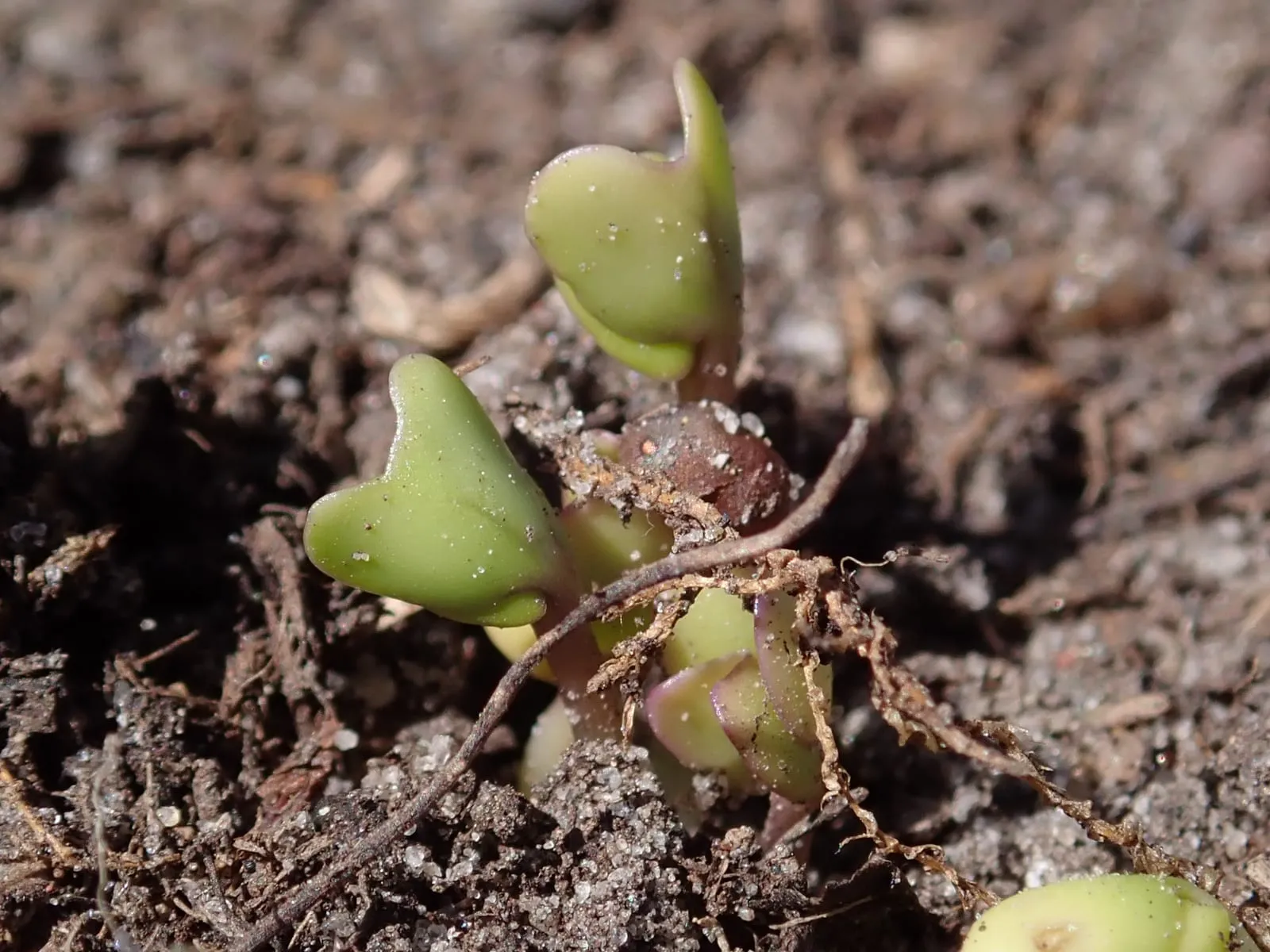
- Cover crop with daikon radish to break compaction
Best practices for clay soil
Three practices consistently improve clay soil for home gardens, ordered by how quickly results appear.
The fastest gains come from leaving clay alone when it is wet. Working saturated clay with a tiller or walking on it forces fine particles into a dense, nearly impenetrable layer that takes years to reverse. A reliable field check: a squeezed handful should crumble rather than smear before any digging or planting begins. Marking off permanent paths separates compaction damage from productive bed space.
Annual compost incorporation is the foundational long-term move. Two to four inches worked into the top 8 to 10 inches per season gradually improves aggregate structure by feeding soil organisms whose physical activity separates clay particles. Visible improvement typically takes two to three seasons of consistent application. One application rarely changes drainage behavior noticeably.
For tap-rooted crops that cannot perform in compacted clay, raised beds are the practical answer. A 10- to 12-inch bed filled with a compost-loam mix bypasses native soil entirely. Cover cropping with daikon radish serves a similar role in open ground: the deep taproot fractures compaction layers mechanically as it grows, then leaves decomposing organic channels for the following season. Test soil pH every two to three years. Clay's wide pH tolerance (5.5 to 7.5) means pH is rarely the primary problem, but confirming a baseline rules out one variable when crops underperform.
Frequently asked questions
- How can I tell if my soil is clay without a lab test?
Take a small handful of moist (not saturated) soil and press it between thumb and forefinger into a flat ribbon. Clay soil will form a ribbon longer than 2 inches that holds its shape without crumbling, and will feel sticky or plastic rather than gritty. This ribbon test gives a reliable field read on soil texture and costs nothing.
- How long does it take for compost to actually improve clay drainage?
Meaningful structural improvement takes two to three years of consistent annual application at 2 to 4 inches per season. One application rarely changes drainage behavior noticeably. The timeline is driven by soil biology: organisms need multiple seasons to colonize and physically work organic matter between clay particles before pore structure shifts.
- What is the single biggest mistake gardeners make with clay soil?
Tilling or walking on clay when it is wet. Compaction from foot traffic or machinery in saturated clay crushes pore space and creates a hardpan layer that resists correction for years. The damage accumulates faster than compost can reverse it. Permanent paths and a simple squeeze test before working beds prevent the cycle from starting.
- Apples are listed as clay-tolerant, but an apple tree planted in clay is struggling. What is going wrong?
The rootstock matters as much as the species. Apples on dwarfing rootstocks (M.9, M.26) have restricted, shallow root systems that handle clay poorly compared to trees on vigorous rootstocks (MM.111, MM.106). If the tree is on a dwarfing rootstock, a raised planting berm that keeps the crown above the seasonal water table often resolves the problem.
- Will adding sand improve clay drainage?
Not reliably, and often counterproductively. Adding a small volume of sand to clay fills larger pore spaces with particles bound by clay, creating a cement-like texture that is worse than the original. Improvement requires enough sand to change the overall mineral ratio to roughly 50 percent or more by volume, which is rarely practical in an established bed. Compost is the better amendment.
- Is clay soil naturally fertile?
Generally yes. Clay's high CEC means it holds positively charged nutrients (calcium, magnesium, potassium, ammonium) that would leach out of sandy soil quickly. Clay beds often need less added nitrogen than lighter soils. The challenge is almost always physical structure and drainage, not inherent fertility.
+−
+−
+−
+−
+−
+−
Related