Soil reference · Texture
Silt soil
Medium-fine particles, good moisture retention, easily compacted by foot traffic. Common near rivers. Fertile and productive when handled gently.
- Axis
- Texture
- Typical pH
- 6.0 to 7.5
- Crops that thrive
- 4
- Crops that struggle
- 2
Working with silt soil
Silt particles sit between sand and clay in size, and silt soil reflects that middle position in almost every way. Run a dry handful through the fingers and it feels smooth and slightly floury, close to talc. Wet it and the texture turns silky and slick, compressing under pressure into a dense mass that holds boot prints long after it should have dried. That compressibility is both silt's asset and its liability.
In spring, silt warms faster than clay and holds enough moisture to sustain germinating seed without constant irrigation. Through dry stretches, the moderate drainage rate keeps the root zone moist longer than sandy ground would. The trade-off appears the moment foot traffic or heavy rain hits a wet bed: silt collapses its pore structure quickly, and once compacted, roots push through with difficulty.
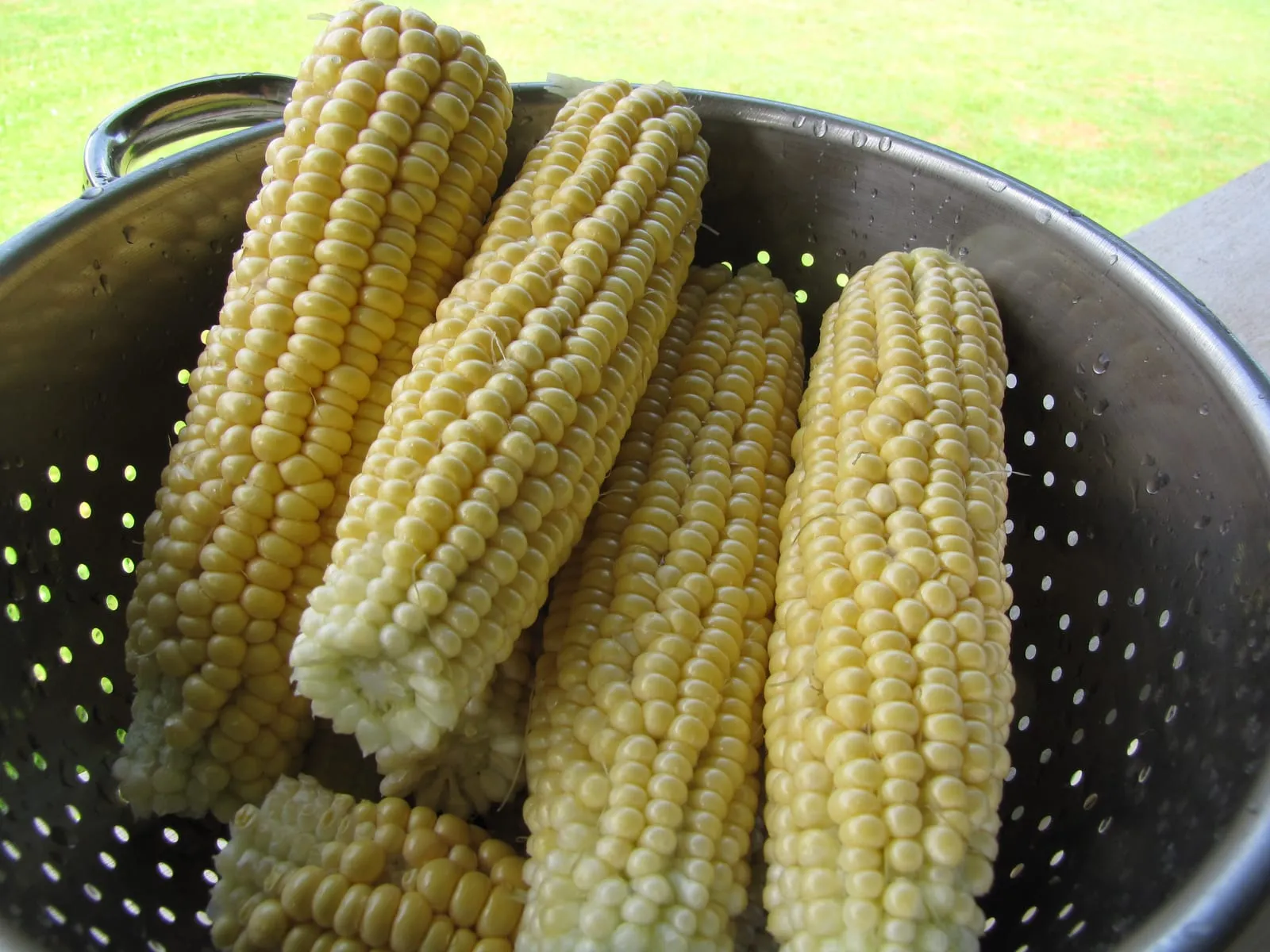
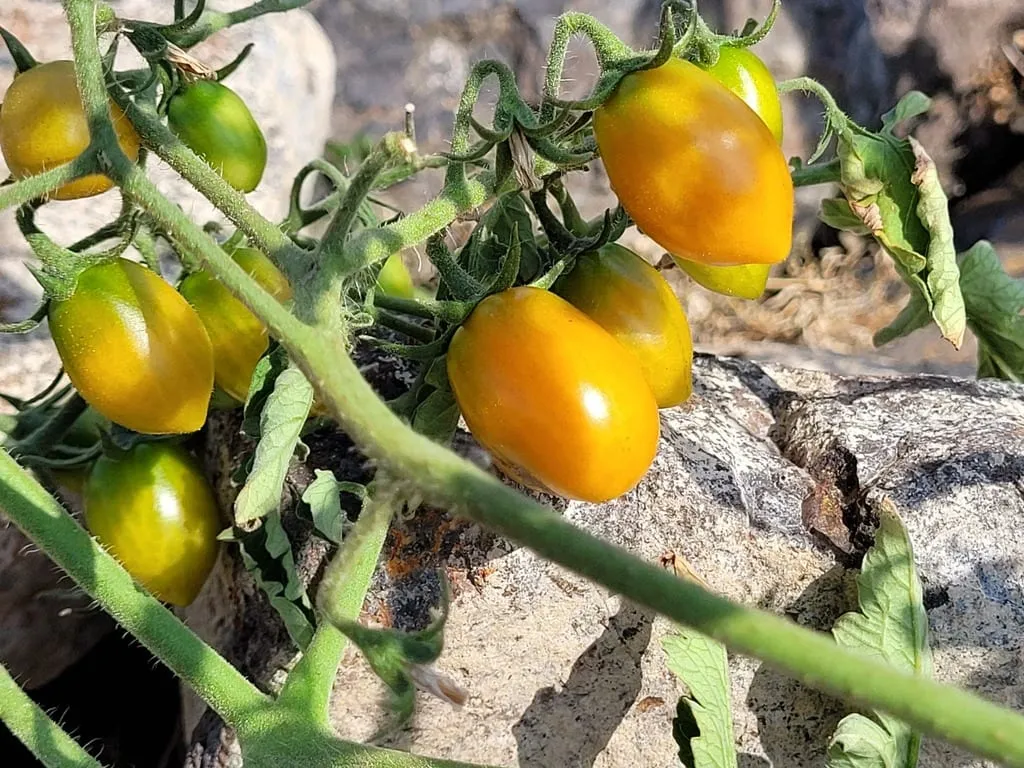
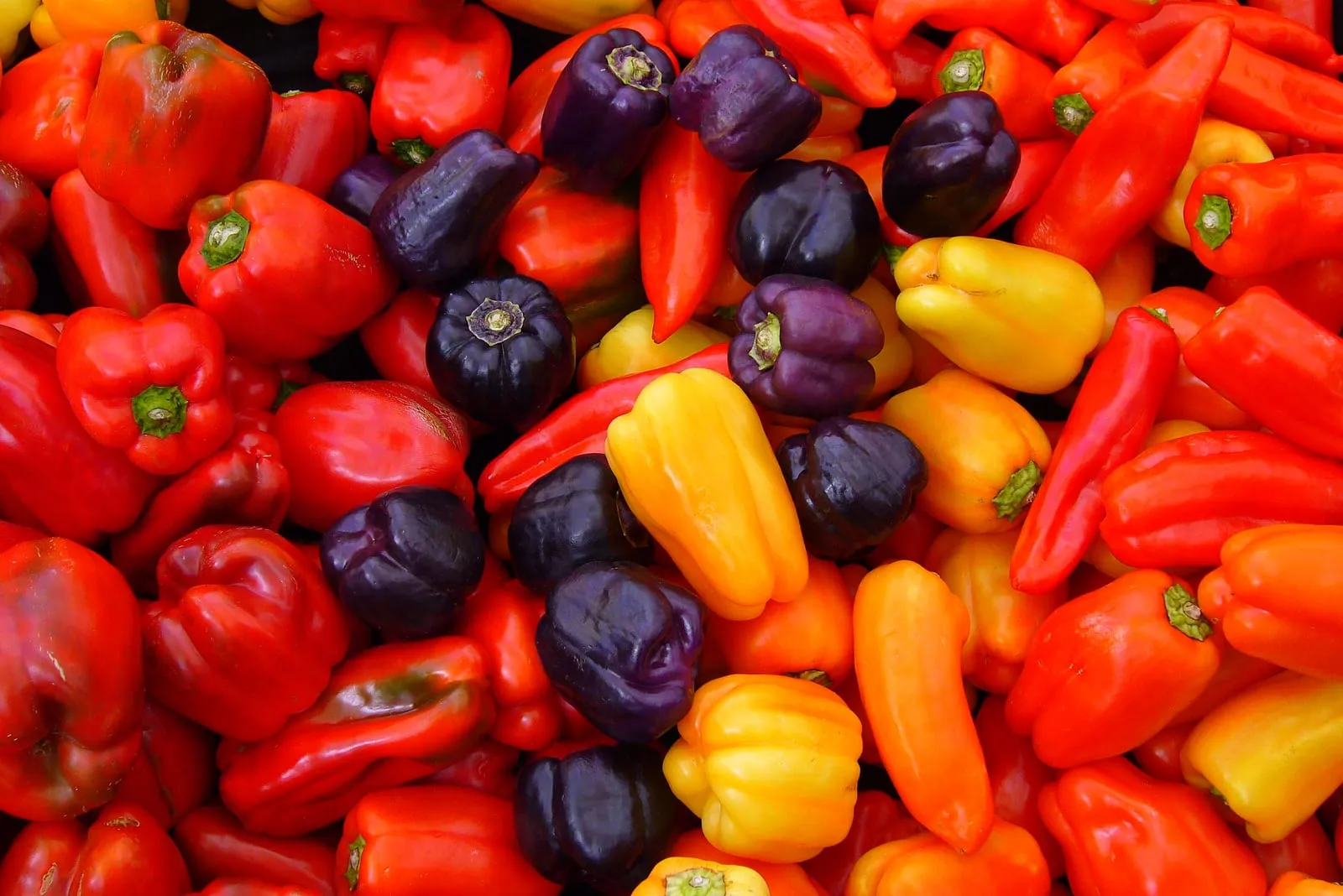
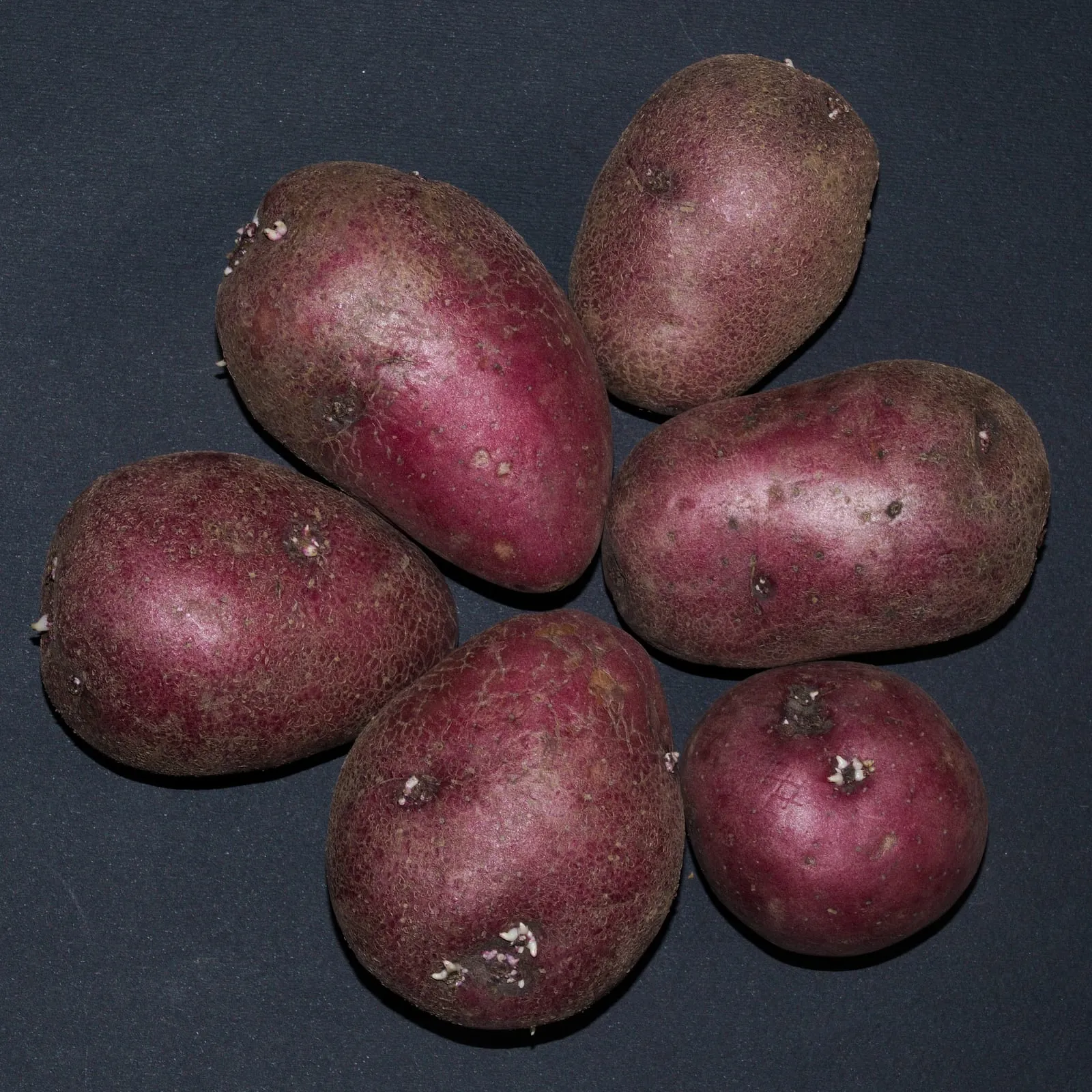
Corn, tomatoes, sweet peppers, and potatoes tolerate these conditions because their root systems prioritize moisture availability over soil looseness. Tomato and pepper feeder roots spread widely through the top foot of soil; potato tubers expand laterally in zones where silt stays loose enough to permit it, which describes most of a managed bed.
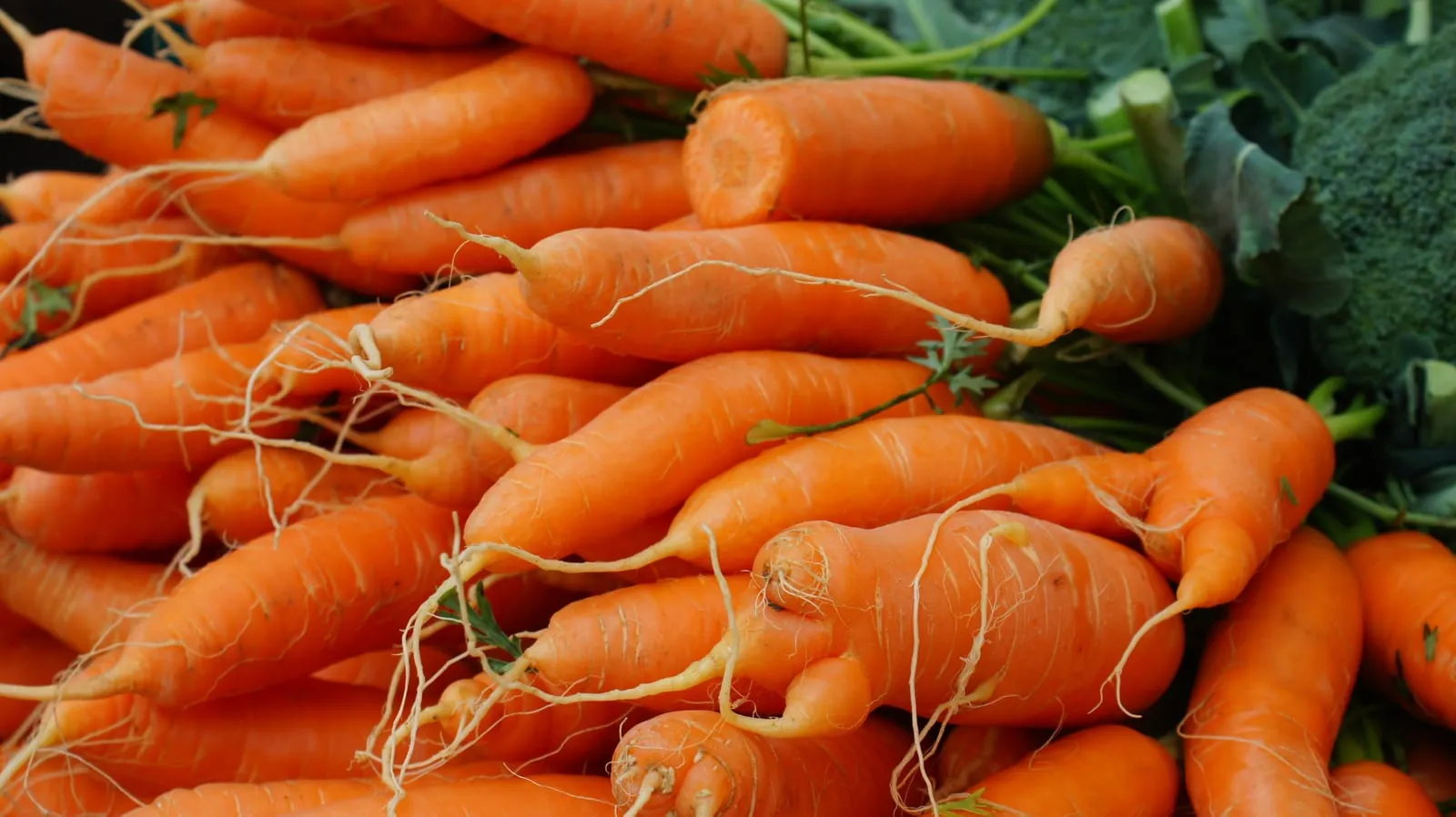
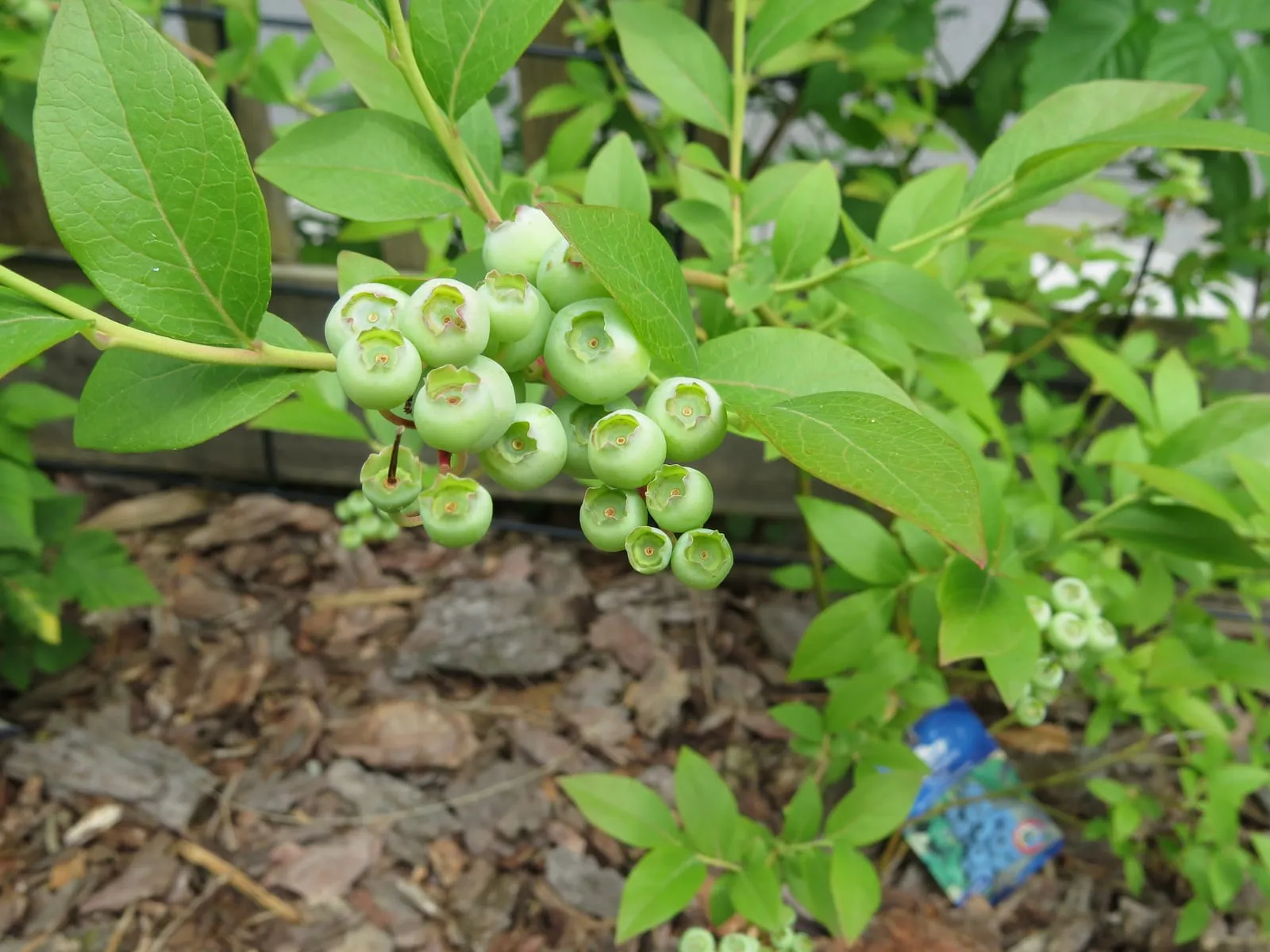
Carrots fail for a straightforward reason: the taproot needs a loose, open column 10 to 12 inches deep to size up cleanly. Silt closes around it. Highbush blueberry runs into two problems at once: silt's moderate drainage is wetter than the crop prefers, and the natural pH range of 6.0 to 7.5 rarely drops to the 4.5 to 5.0 window blueberries require without sustained acidification effort.
Characteristics
- moderate drainage
- high fertility
- compacts when wet
- smooth and floury when dry
Crops that thrive
Crops whose root structure, water needs, and pH preference fit silt soil without amendment.
Crops that struggle
Crops with drainage, pH, or root requirements that don't match silt soil. Either avoid them or commit to active amendment.
Amendments
These are the highest-leverage moves for shifting silt soil toward a more productive state. Always re-test pH after amending.
- Avoid foot traffic when wet
- Build permanent paths and beds to protect structure
- Add coarse compost or sand for drainage if persistently wet
Best practices for silt soil
Establish permanent beds and paths before planting. Silt compacts quickly under foot traffic, and that compaction is hard to undo once it sets. Mark planting areas and keep them free of foot traffic permanently. Wood chips, gravel, or packed landscape fabric on dedicated paths channels movement and preserves bed structure. This is a structural decision that takes effect immediately and holds for years.
Add coarse compost at 2 to 4 inches per bed per year. Coarse, unscreened compost opens the pore structure that silt tends to close and feeds the soil biology that maintains aggregation over time. The first season produces modest improvement; by year three the texture difference is measurable. Fine or screened compost does not improve drainage the way coarse material does. Sand helps only when added at volumes most home gardeners find impractical (roughly 4 inches worked in uniformly); partial additions can worsen compaction rather than relieve it.
Never work silt when wet. This single rule matters more than any amendment schedule. Working or even stepping on wet silt destroys pore structure faster than any other action. Wait until a squeezed handful no longer smears before cultivating. When the season forces the issue, lay boards to distribute weight before entering the bed. pH in the 6.0 to 7.5 range suits most vegetables; test annually if growing pH-sensitive crops, and retest two to three seasons after any amendment to confirm the shift held.
Frequently asked questions
- How can I tell if my soil is predominantly silt?
Rub a dry sample between fingers. Silt feels smooth and floury without the gritty scratch of sand or the sticky, plastic quality of wet clay. A jar test confirms the balance: shake soil and water in a jar, let it settle for 24 hours, and the layers that form reveal the approximate proportions of sand, silt, and clay from bottom to top.
- How long does it take for compost amendments to improve silt drainage?
Expect modest improvement in the first season, with meaningful change by year two or three of consistent annual additions at 2 to 4 inches per bed. Coarse compost builds the organic matter and biological activity that holds pore space open over time. No single-season fix delivers the same result. Skipping even one year of additions slows progress noticeably.
- What is the single biggest mistake gardeners make with silt soil?
Working or walking on it while wet. Silt collapses its pore structure under pressure when saturated, and that compaction is difficult to reverse without time and repeated organic matter additions. A single wet-season cultivation can undo months of structural improvement. Permanent paths and a strict wait-until-dry policy before stepping into beds are the two habits that matter most.
- Tomatoes are listed as a thriver, but mine are stunted on what appears to be silt. What should I look for?
Stunted growth on silt often points to subsurface compaction rather than fertility. Silt can develop a dense layer below the depth of surface amendments, restricting root penetration even when the top few inches appear fine. A broadfork worked along the row edges (not dragged through the bed) can break up a subsurface pan without destroying surface structure. Also check drainage: silt near a low spot may stay wet enough to cause root problems even with moderate drainage overall.
- Does silt soil typically need lime or sulfur to adjust pH?
Most vegetable crops fall comfortably within silt's natural pH range of 6.0 to 7.5, so routine lime or sulfur application is rarely necessary. Test annually if growing pH-sensitive crops. Highbush blueberry and other ericaceous plants need pH below 5.0, which requires consistent sulfur additions over multiple seasons; silt's buffering capacity means pH adjustments take longer to register than in sandy soils.
- Can compacted silt recover without full rototilling?
Yes. A broadfork or deep-tine aerator breaks compaction without the surface disruption of full tillage. Pair that with annual surface compost and strict no-traffic management on beds, and structure typically recovers within one to two seasons. Full rototilling of wet silt often worsens the problem by smearing the compacted layer deeper rather than opening it.
+−
+−
+−
+−
+−
+−
Related