Region · 8 states
Midwest
Continental humid. Cold winters, hot humid summers. Heart of the country's vegetable, sweet corn, and cool-climate fruit production. Michigan and Wisconsin are major fruit states.
- States
- 8
- Zip codes
- 9,021
- Dominant zones
- 6a, 6b, 5b, 5a
- Signature crops
- 5
Gardening in the Midwest
The Midwest spans a wide band of growing conditions, from Minnesota's zone 4a winters where -30°F is not unusual to Missouri's zone 6b stretches that deliver 170 to 180 frost-free days. What unifies the region is the humid continental pattern: cold winters with reliable freeze depth, summers that arrive hard and humid, and shoulder seasons that reward careful timing.
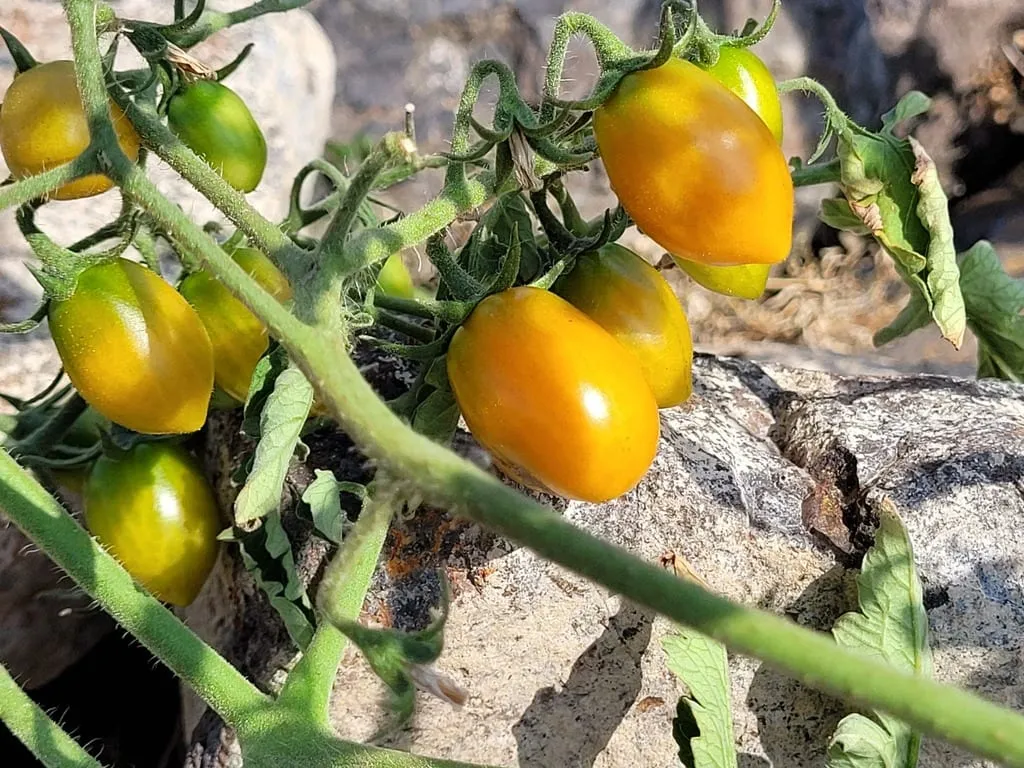
Humidity is the defining pressure. The same moisture that makes Michigan and Wisconsin viable for apple and cherry production also accelerates apple scab and fire blight in wet springs. Midwest gardeners learn early that disease management is a calendar discipline, not an emergency response. Tomatoes grown in Illinois and Indiana face early blight and late blight pressure most seasons; resistant varieties are baseline, not optional.
Season length separates the northern and southern halves in practical terms. Northern Minnesota and the Upper Peninsula of Michigan work with 100 to 130 frost-free days, enough for sweet corn and determinate tomatoes but not for long-season peppers without transplant precision. Southern Missouri and Ohio growers see 170 days or more and can finish watermelons, sweet potatoes, and longer-maturity crops that simply will not ripen north of zone 5.
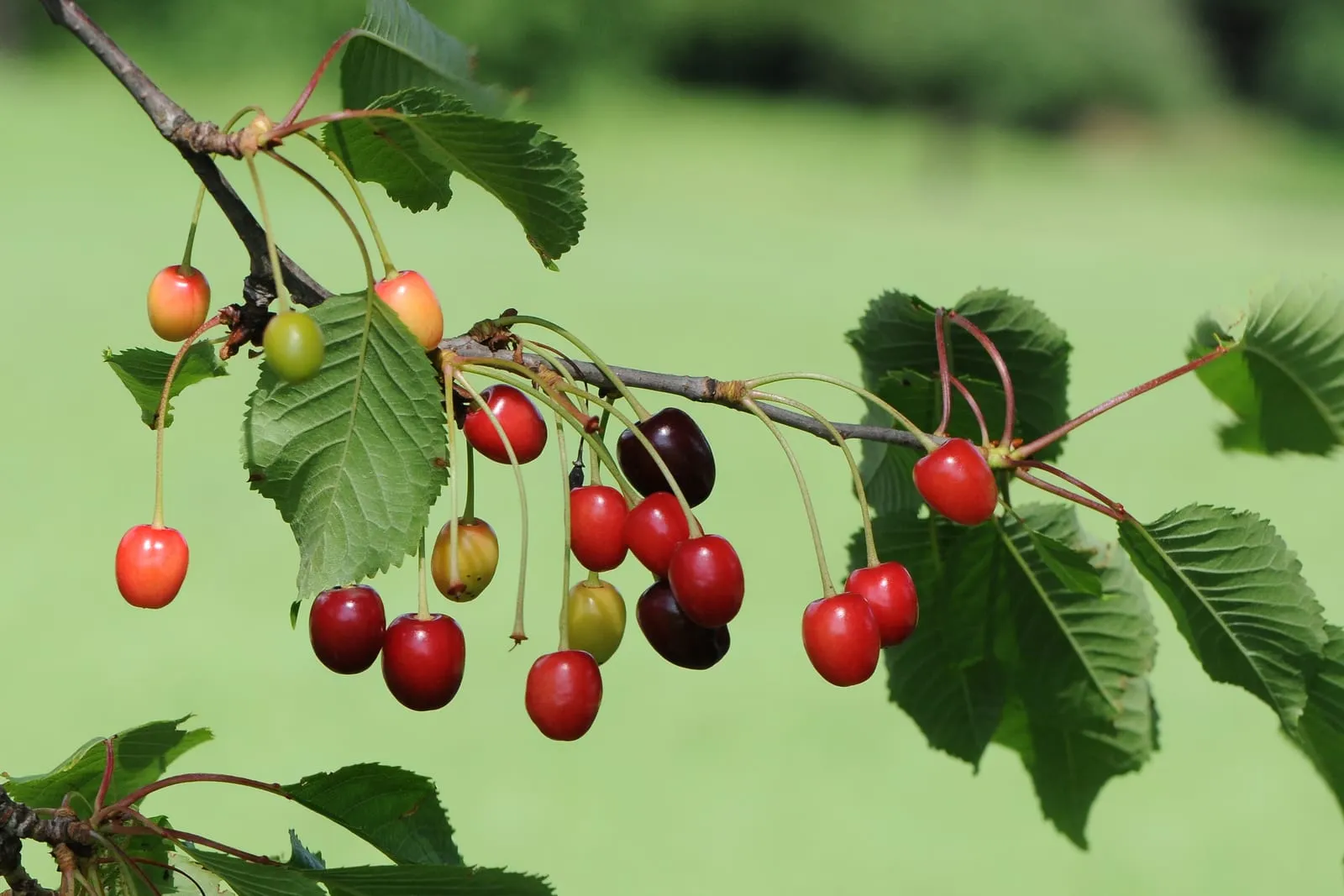
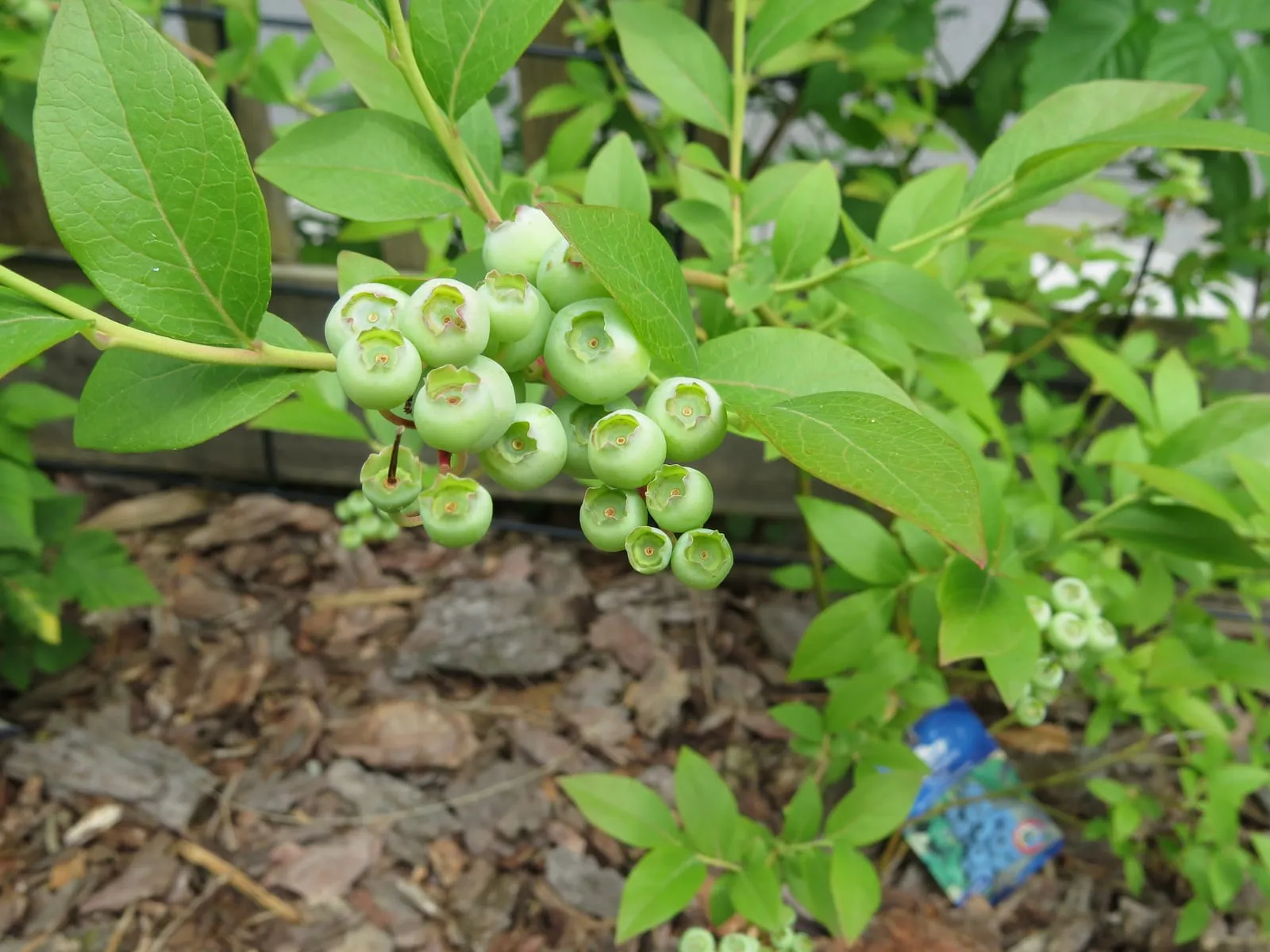
Michigan and Wisconsin anchor cool-climate fruit production nationally. Highbush blueberries require the acid soils and 800 to 1,000 chill hours these states deliver reliably. Montmorency sour cherry found its commercial center here for the same reason. The Midwest is not a single garden; it is several climates sharing a postal region.
Dominant USDA hardiness zones
Share of the 9,021 zip codes in the Midwest that fall into each zone. Pick your local zone for tighter timing; the regional view sets baseline expectations.
Climate
Humid continental. Annual precipitation 30 to 45 inches, well distributed. Frost-free season 130 to 180 days.
Best practices for the Midwest
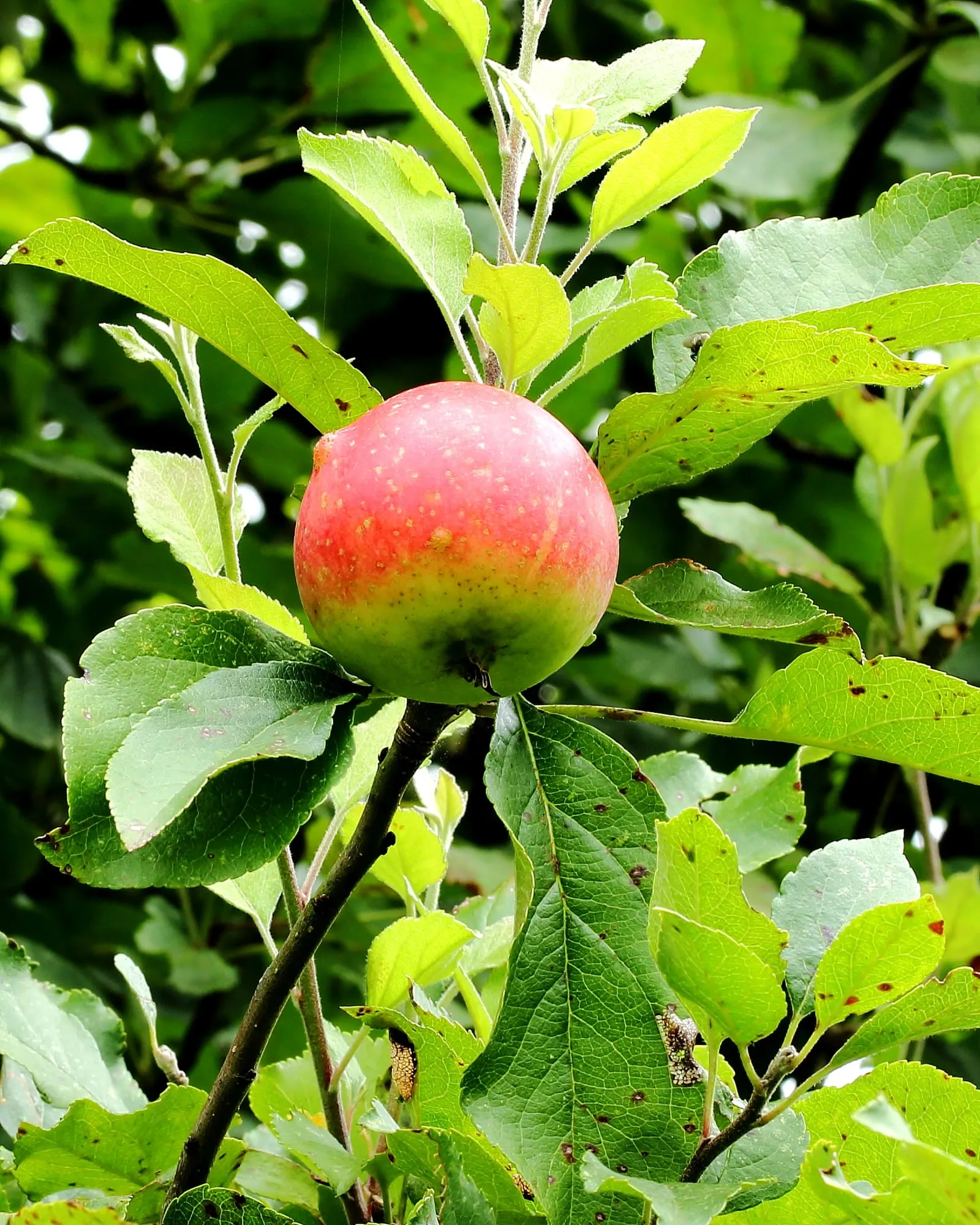
Track disease infection windows, not just a spray calendar. Apple scab infections in the Midwest occur when temperatures stay above 55°F during wetting periods of 9 hours or more, following the Mills table. This window opens reliably in April across Michigan and Wisconsin and repeats through June. Fixed-date spray schedules miss this variability. Planting scab-resistant varieties (Liberty and Enterprise carry strong field resistance; Honeycrisp does not) reduces the management burden, but even resistant trees benefit from copper or sulfur applications at green tip in high-pressure years.
Match variety maturity to your actual frost-free window, not the average. An 85-day tomato requires 85 days of warmth after transplant outdoors. In zone 4 or 5, that window closes by mid-September in most years. Choosing varieties in the 65 to 75 day range for northern Midwest gardens is realistic planning. For sweet corn in zones 4 and 5, early-maturing varieties in the 70 to 80 day range finish consistently; late-season varieties planted after June 1 often stall before husk fill.
Mulch fruit trees to buffer moisture swings during fruit set. Severe thunderstorms in the Midwest peak in May and June, overlapping with stone fruit and early apple fruit set. Irregular soil moisture during this period drives cracking in cherries and premature drop in apples. Applying 3 to 4 inches of wood chip mulch, kept away from the trunk, buffers moisture swings better than irrigation alone on the well-drained loam soils common across Illinois and Indiana.
Signature crops
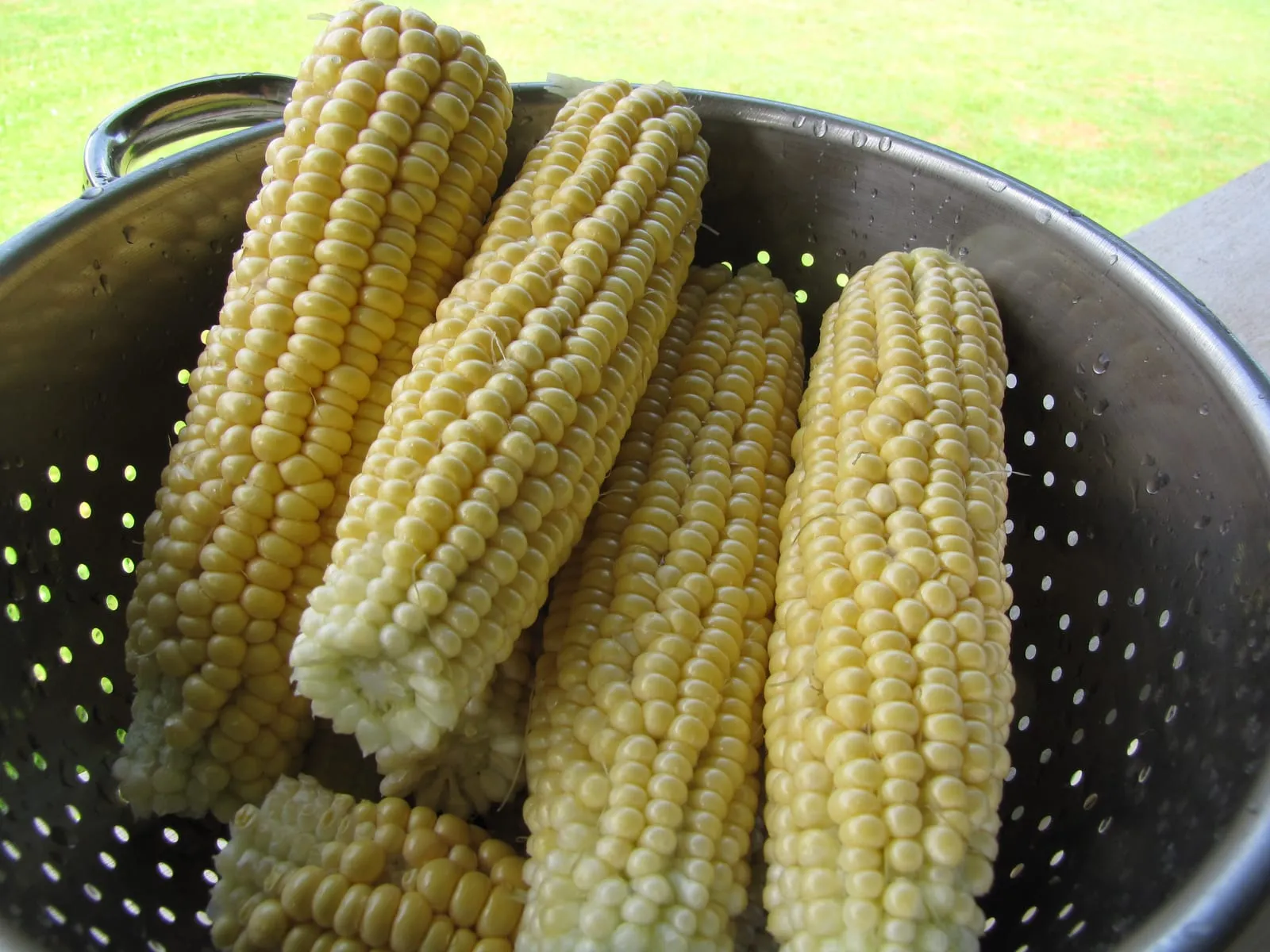
Crops that match the Midwest's climate and have a strong cultivation history in the region.
Common challenges
- high disease pressure from humidity
- fire blight and apple scab
- tornado and severe storm risk during fruit set
States in the Midwest
Largest cities in the Midwest
- ChicagoIL · Zone 6b · 2,664,452
- ColumbusOH · Zone 6b · 913,175
- IndianapolisIN · Zone 6b · 887,642
- DetroitMI · Zone 6b · 645,705
- MilwaukeeWI · Zone 6a · 563,531
- Kansas CityMO · Zone 6b · 475,378
- MinneapolisMN · Zone 5a · 410,939
- ClevelandOH · Zone 7a · 365,379
- CincinnatiOH · Zone 6b · 311,097
- Saint PaulMN · Zone 5a · 303,176
- MadisonWI · Zone 5a · 280,305
- St. LouisMO · Zone 7a · 279,695
Frequently asked questions
- What is fire blight and how serious is it for Midwest apple growers?
Fire blight is a bacterial disease caused by Erwinia amylovora that kills blossoms, shoots, and branches with a scorched appearance. It spreads fastest in the Midwest during warm, humid periods at bloom time (above 65°F with rain or heavy dew). Varieties like Honeycrisp and Gala are moderately to highly susceptible. Resistant selections such as Liberty, Enterprise, and Goldrush significantly reduce risk. Avoiding heavy nitrogen applications in spring also limits the succulent growth fire blight colonizes most aggressively.
- When is the average last spring frost in the Midwest?
Last frost dates vary considerably across the region. Northern Minnesota and Wisconsin see last frost as late as May 20 to June 1 in zone 4 areas. Chicago and Indianapolis average last frost around April 15 to April 30. Southern Missouri and central Ohio are typically frost-free after April 5 to April 15. Because the Midwest sees significant year-to-year variation, using a 10-year percentile frost probability (available from NOAA) gives more reliable transplant timing than simple averages.
- Do highbush blueberries grow well in Midwest soils?
Highbush blueberries require soil pH between 4.5 and 5.5 and will not thrive in the neutral to slightly alkaline soils common across much of the Midwest. Michigan and Wisconsin have large areas of naturally acidic, sandy loam soil that suit blueberries well. In most of Illinois, Indiana, and Ohio, successful production requires raised beds amended with pine bark and elemental sulfur, maintained with acidifying fertilizers. The chill hour requirement (800 to 1,000 hours below 45°F) is not a limiting factor across the region.
- What apple varieties hold up best under Midwest humidity and disease pressure?
Varieties bred for disease resistance perform most consistently in the humid Midwest. Liberty, Enterprise, GoldRush, and Crimson Crisp carry resistance to both apple scab and some fire blight strains. Honeycrisp remains popular despite moderate scab susceptibility because the market demand is high, but it requires fungicide programs and is prone to bitter pit on poorly managed sites. Haralson and Zestar perform well in zones 4 and 5 where cold hardiness matters as much as disease resistance.
- How can northern Midwest gardeners extend the growing season for tomatoes?
Season extension in zones 4 and 5 starts with transplant timing: setting plants out under floating row cover after the average last frost date, not after the last possible frost. Black plastic mulch warms soil temperature and accelerates early growth noticeably. For fall extension, row cover or low tunnels protect plants down to about 28°F, adding two to three weeks of harvest in most years. Choosing determinate or 65-day varieties also concentrates the harvest window before hard frost closes it.
- Why do sour cherries succeed in Michigan but fail in many other Midwest states?
Montmorency sour cherry requires both adequate winter chill (around 700 to 900 hours below 45°F) and protection from late frost during bloom, which typically falls in early April. Michigan's Great Lakes proximity moderates spring temperatures and delays bloom slightly, reducing late frost risk. In southern Indiana, Missouri, and Ohio, warmer springs push bloom earlier into the frost window, causing partial or total crop failure in several years per decade. Gardeners in those areas should consider late-blooming selections or protected site placement on north-facing slopes.
+−
+−
+−
+−
+−
+−
Related