Region · 7 states
Northeast
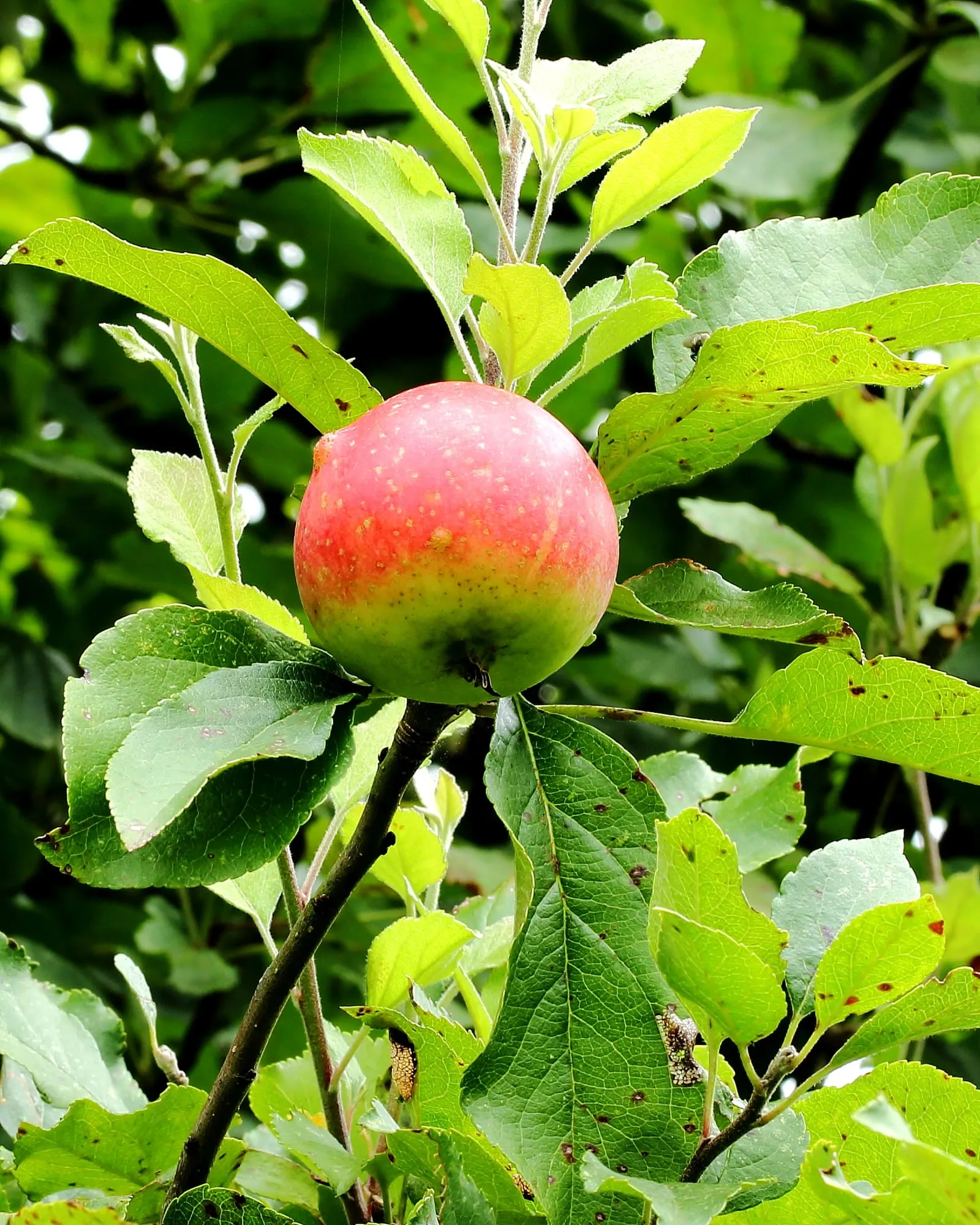
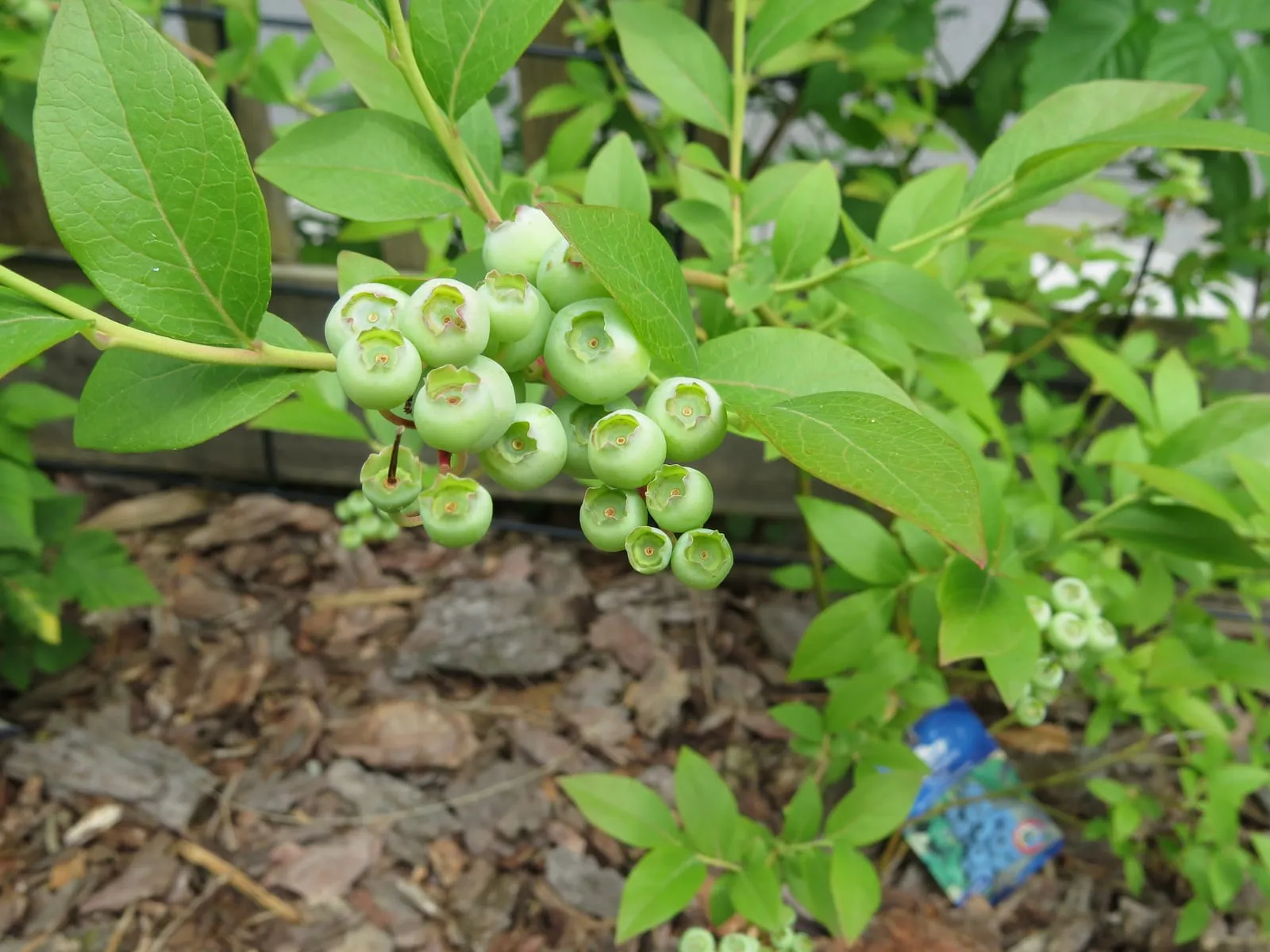
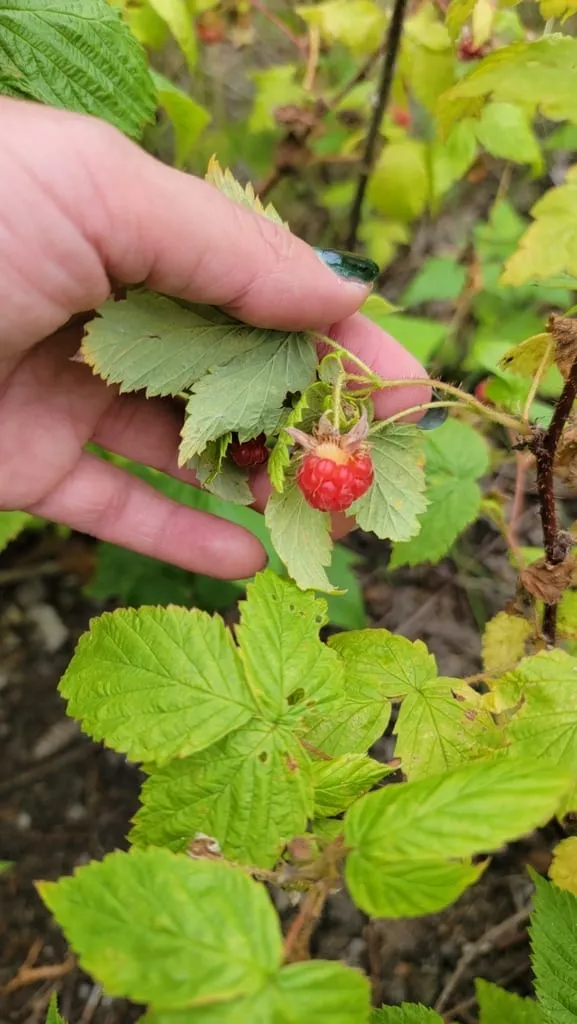
Cold winters, short to medium growing seasons. Apples, pears, blueberries, raspberries, and cool-climate vegetables dominate. Strong cider-apple and maple-syrup tradition.
- States
- 7
- Zip codes
- 4,370
- Dominant zones
- 6a, 6b, 5b, 5a
- Signature crops
- 5
Gardening in the Northeast
The Northeast spans hardiness zones 3b (northern Maine) through 7a (coastal Connecticut and Long Island), which means the region is less a single climate than a collection of microclimates held together by one shared constraint: cold. Frost-free seasons range from roughly 100 days in Vermont's Northeast Kingdom and inland Maine to 180 days along the Connecticut shoreline. That spread determines what is practical to grow without season extension. Humid continental conditions deliver 35 to 50 inches of precipitation distributed fairly evenly through the year, so drought is rarely the primary limiting factor; late-season humidity is. Fire blight pressure on apples and pears, gray mold on highbush blueberries, and late blight on potatoes are predictable seasonal problems across the region, not occasional ones.
Heavy inland snowpack is both asset and liability. It insulates perennial root systems through extended cold, providing the 1,000 or more chill hours that apples and most pear varieties need for reliable cropping. The cider-apple tradition in Vermont and western New York reflects that climate reality directly. The same snowpack harbors vole populations that girdle young fruit tree trunks through winter, often going undetected until spring thaw.
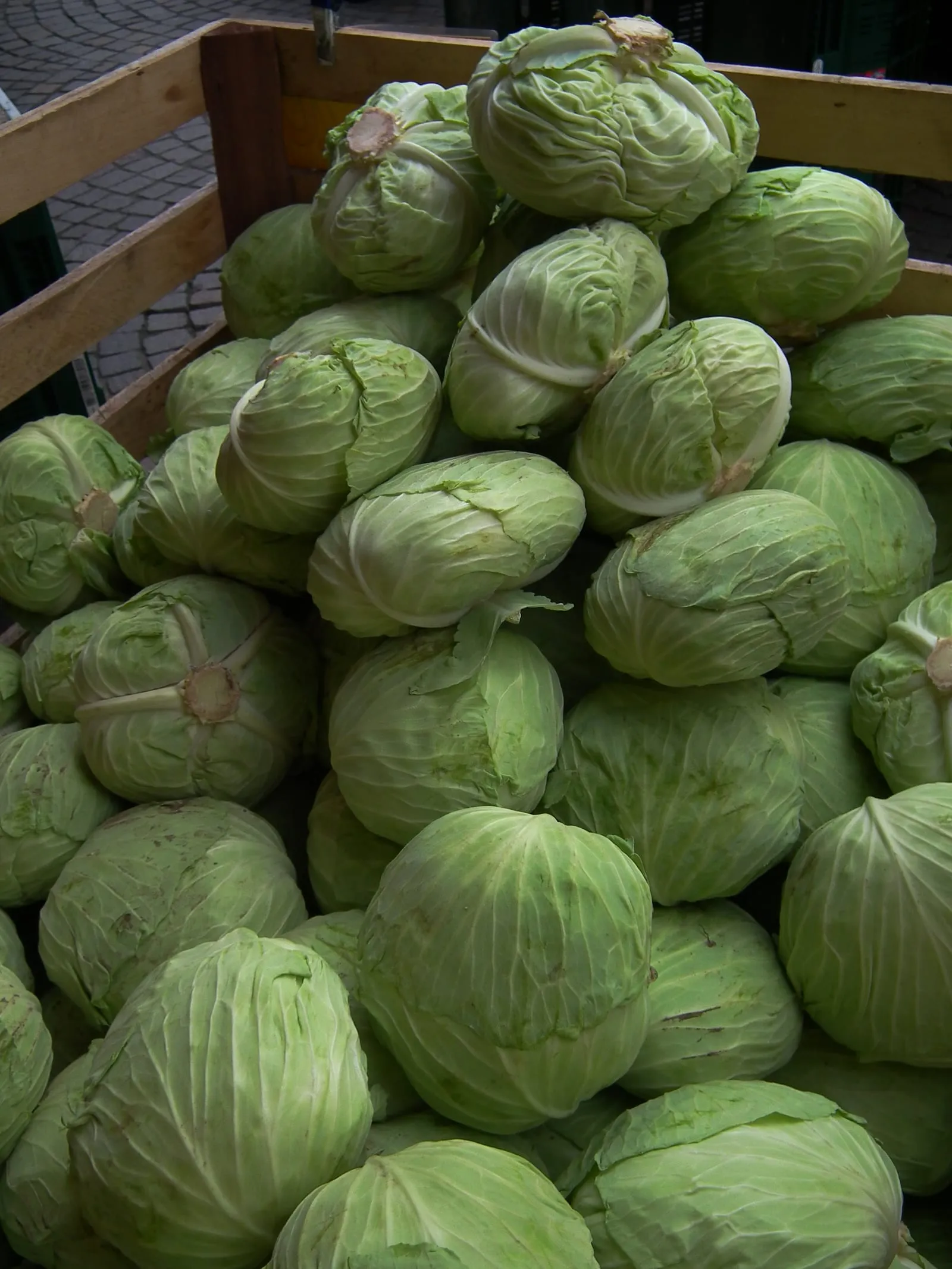
Coastal areas trade deep cold for extended shoulder seasons, making them competitive for cabbage, raspberry, and cool-climate brassicas that benefit from a slow finish. Northern inland locations compress the effective window to 14 to 16 weeks, forcing a different set of crop choices entirely.
Dominant USDA hardiness zones
Share of the 4,370 zip codes in the Northeast that fall into each zone. Pick your local zone for tighter timing; the regional view sets baseline expectations.
Climate
Humid continental. Precipitation 35 to 50 inches, well distributed. Frost-free season 100 to 180 days. Heavy winter snow inland.
Best practices for the Northeast
Select for disease resistance first, productivity second. The Northeast's reliably wet springs make apple scab and fire blight near-certainties without a spray program. Varieties with scab immunity (Liberty, Freedom, Crimson Crisp) reduce spray intervals from every 7 days during infection periods to a handful of targeted applications per season. For pears, Harrow Sweet and Rescue carry sufficient fire blight resistance to carry most years without a copper program in most sites.
Install vole protection before the first snow, not after. Hardware cloth cylinders (1/4-inch mesh, 18 inches tall, buried 2 to 3 inches below the soil line) prevent subnivean vole access to tree trunks during winter. Removing mulch from within 6 inches of the trunk eliminates nesting habitat close to the bark. Applying protection in October or early November, before snow consolidates into travel corridors, is essential.
Treat indoor transplant starts as non-negotiable in zones 4 and 5. With frost-free seasons of 100 to 130 days in Vermont, New Hampshire, and inland Maine, direct-sowing warm-season crops like tomatoes and peppers is not a viable strategy. Starting transplants 6 to 8 weeks before last frost date indoors, combined with low tunnels or floating row cover through the first 2 to 3 weeks post-transplant, recovers 3 to 4 weeks of effective growing time. In these locations this is baseline practice, not an enhancement.
Signature crops
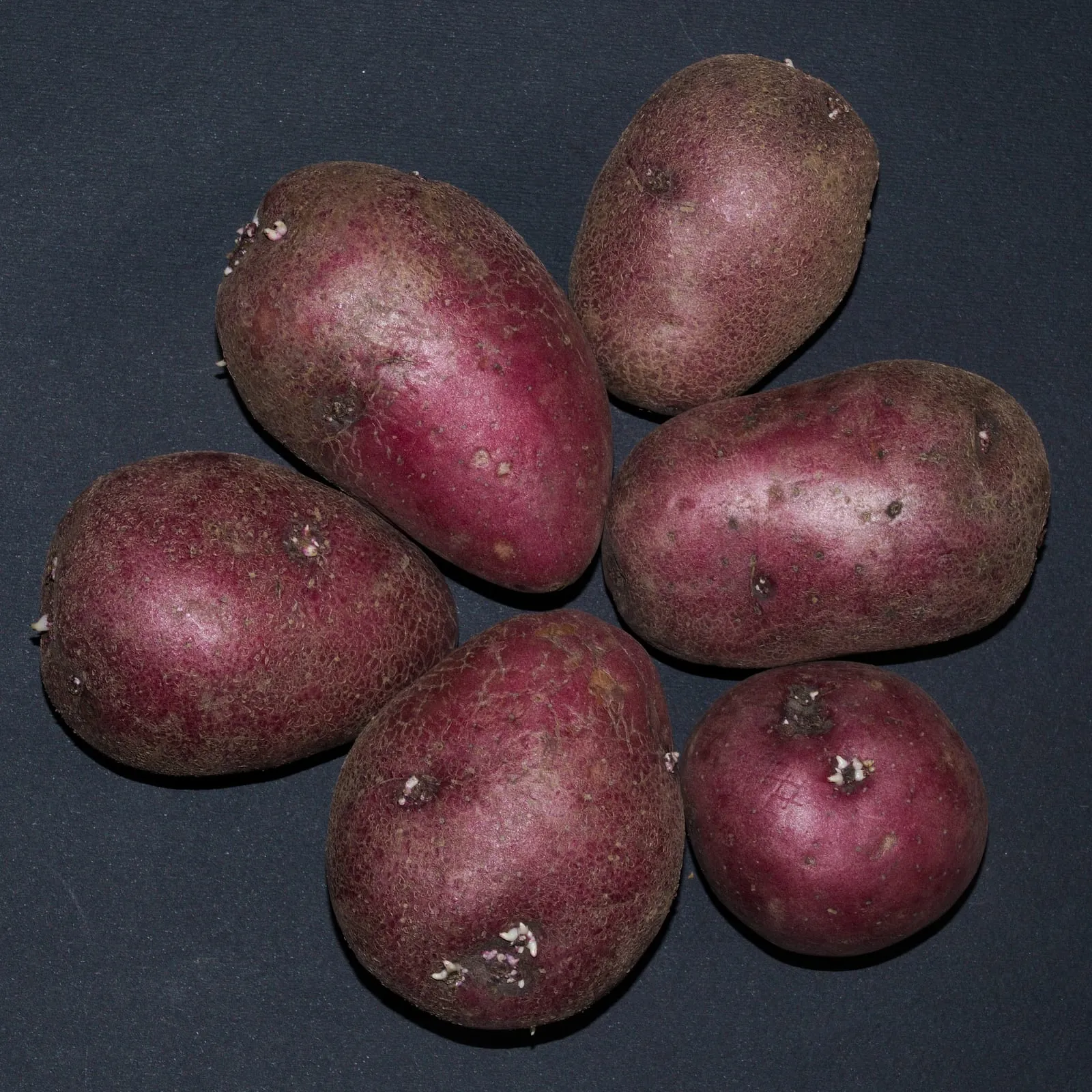
Crops that match the Northeast's climate and have a strong cultivation history in the region.
Common challenges
- short growing season
- vole and deer damage in winter
- apple maggot and codling moth pressure
States in the Northeast
Largest cities in the Northeast
- New York CityNY · Zone 7b · 8,804,190
- BrooklynNY · Zone 7b · 2,736,074
- QueensNY · Zone 7b · 2,316,841
- ManhattanNY · Zone 7b · 1,487,536
- The BronxNY · Zone 7b · 1,385,108
- BostonMA · Zone 7a · 653,833
- Staten IslandNY · Zone 7b · 468,730
- BuffaloNY · Zone 6b · 258,071
- RochesterNY · Zone 6b · 209,802
- WorcesterMA · Zone 6a · 206,518
- YonkersNY · Zone 7b · 201,116
- ProvidenceRI · Zone 7a · 190,934
Frequently asked questions
- What apple varieties perform best in zones 4 and 5 in the Northeast?
Honeycrisp is widely planted but demands careful management of bitter pit and fire blight in humid conditions. Liberty, Freedom, and Crimson Crisp offer scab immunity with acceptable flavor and are significantly lower-maintenance in wet springs. For cider production, Dabinett, Yarlington Mill, and Foxwhelp handle northern winters adequately through zone 5.
- How do I protect young fruit trees from voles over winter in the Northeast?
Hardware cloth cylinders (1/4-inch mesh, 18 inches tall) installed around each trunk before snow arrives are the proven solution. Bury the base 2 to 3 inches into the soil and clear mulch from within 6 inches of the trunk. Voles tunnel under consolidated snow and girdle bark at or just below the snow line; the damage is invisible until spring thaw reveals it.
- Can peaches be grown reliably in the Northeast?
Reliably, in zones 6 and 6b (coastal Connecticut, Long Island, the Hudson Valley). In zones 5 and colder, peach flower buds winterkill during hard cold snaps below approximately minus 10 to minus 15 degrees Fahrenheit, making consistent cropping unlikely. Reliance and Contender are the most cold-tolerant cultivars for marginal sites, but neither is a reliable producer north of zone 5b.
- Why does late blight hit my potatoes every year, and what actually helps?
Late blight (Phytophthora infestans) thrives in the Northeast's cool, humid late summers. The same conditions that produce excellent potato yields create reliable infection windows. Resistant varieties (Elba, Kennebec, Defender) tolerate infection pressure better than Russet Burbank or Yukon Gold. Timing harvest before mid-August in northern locations and avoiding overhead irrigation during humid spells are the most practical cultural controls.
- How can the growing season be extended in Vermont or Maine?
Low tunnels and floating row cover provide 4 to 6 degrees Fahrenheit of frost protection and advance spring planting by 2 to 3 weeks. Starting warm-season crops indoors 6 to 8 weeks before last frost is standard practice in zones 4 and 5. Unheated high tunnels can extend the season by 4 to 6 weeks on both ends for growers committed to fall and early spring production.
- When should highbush blueberries be planted in the Northeast?
Bare-root stock plants best in early spring as soon as the soil is workable, typically late April in zone 5 and early May in zone 4. Container plants can go in through June with consistent moisture. Blueberries require soil pH of 4.5 to 5.0; most Northeast soils need elemental sulfur amendment applied 6 to 12 months before planting for the pH shift to take full effect.
+−
+−
+−
+−
+−
+−
Related