Region · 6 states
Great Plains
Continental, windy, with severe heat and cold extremes. Cold-hardy fruit and small grains north; long warm season for melons, peppers, and pecans south.
- States
- 6
- Zip codes
- 5,469
- Dominant zones
- 8b, 9a, 7b, 8a
- Signature crops
- 5
Gardening in the Great Plains
The Great Plains span roughly 1,500 miles of latitude, from North Dakota's zone 3b winters to south Texas's subtropical fringe near zone 9a, and that range makes generalizations dangerous. What the region shares is a continental temperament: precipitation arrives mostly from the east and diminishes steadily westward, from around 40 inches annually near the Missouri River to 15 inches or less across the High Plains. Wind is the constant, pulling moisture from leaves faster than most gardeners account for.
Summers are hot across the board, though the character differs sharply by latitude. In the northern tier, 95°F days represent the peak and the growing season is short. In Kansas, Oklahoma, and into Texas, 100°F stretches last for weeks. The spring temperature pattern is the defining hazard for anyone attempting tree fruit: a warm February or early March can push peach buds past a safe stage just before a hard freeze reclaims the bloom. Late-blooming variety selection matters more here than nearly anywhere else in the country.
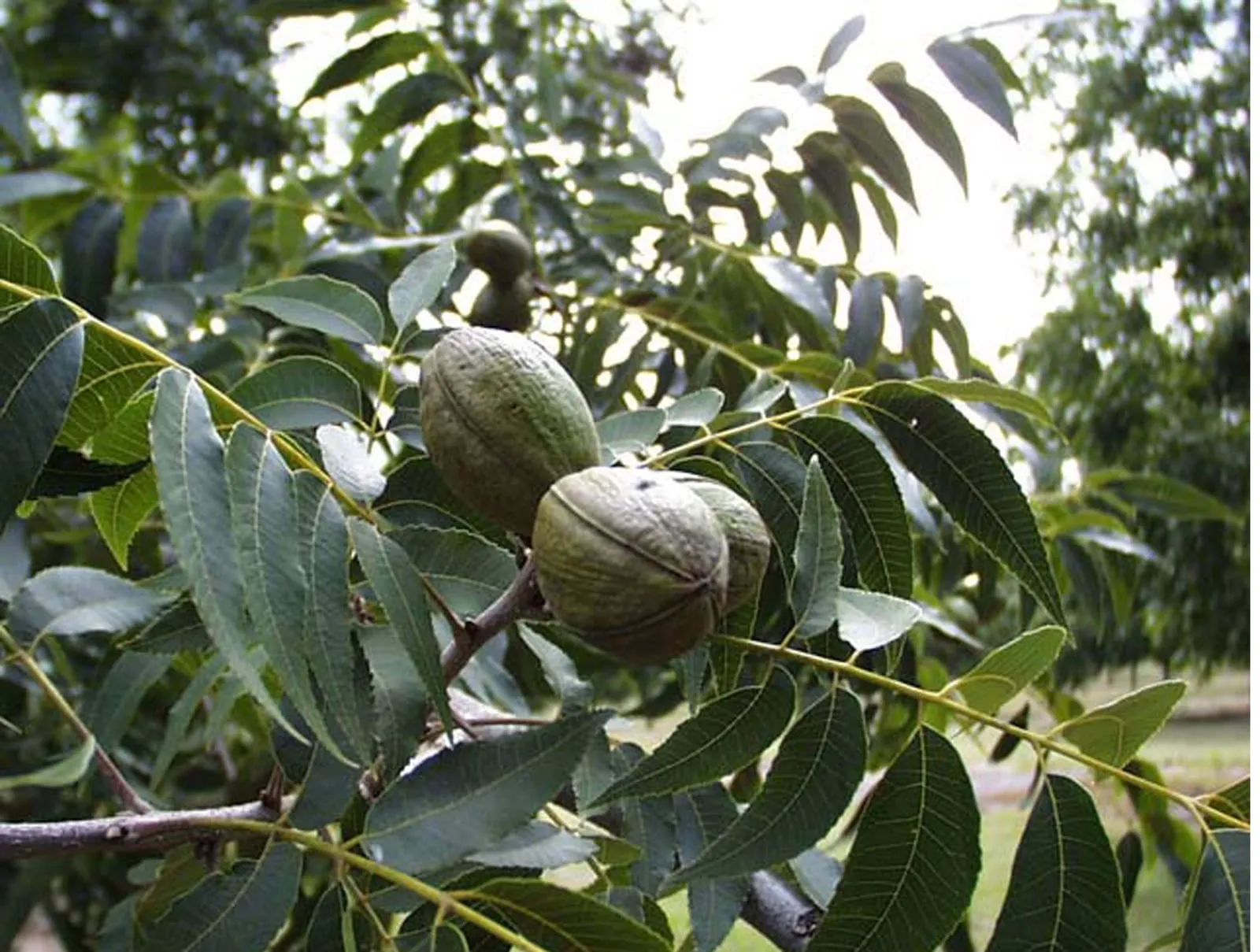
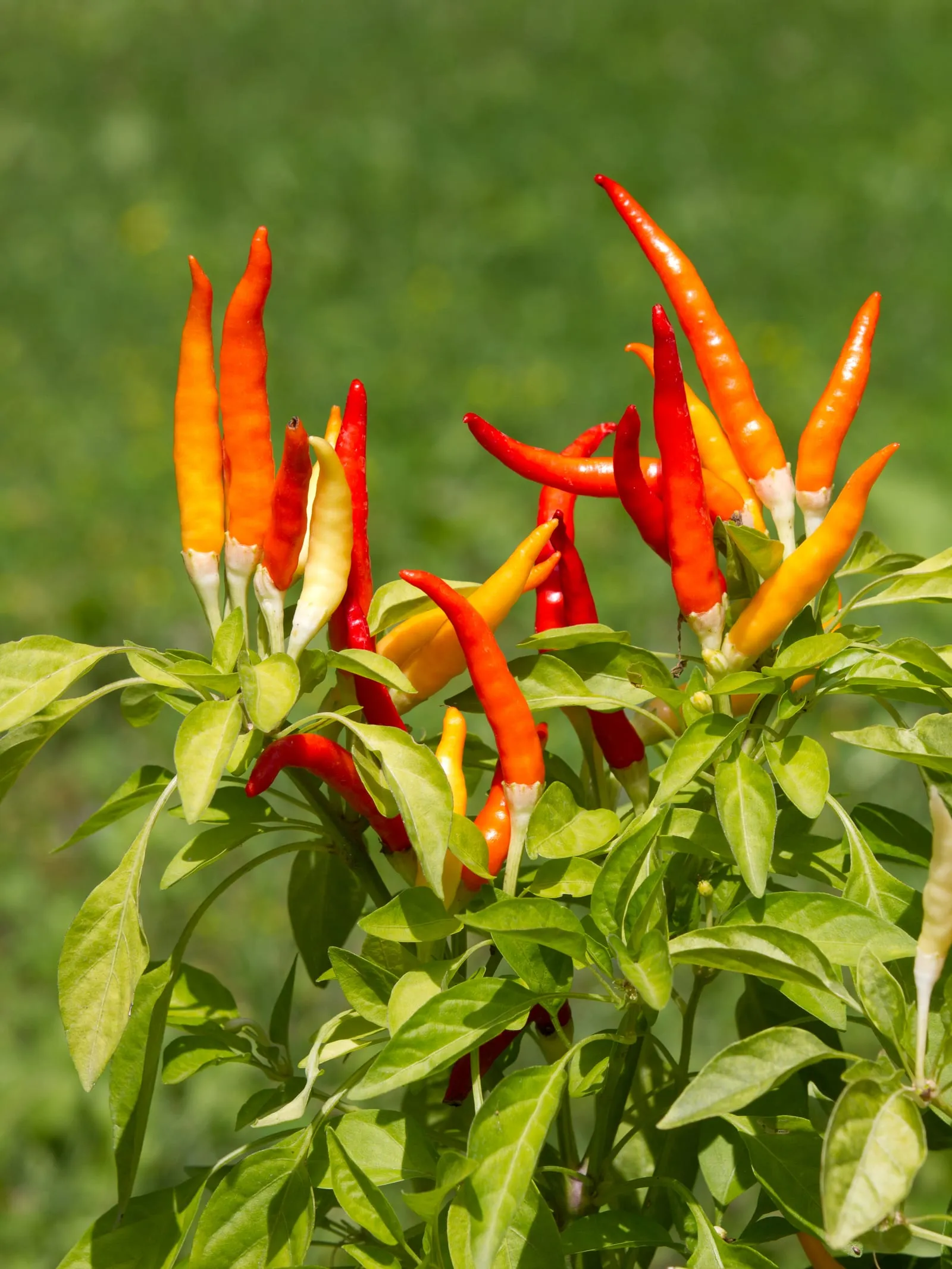
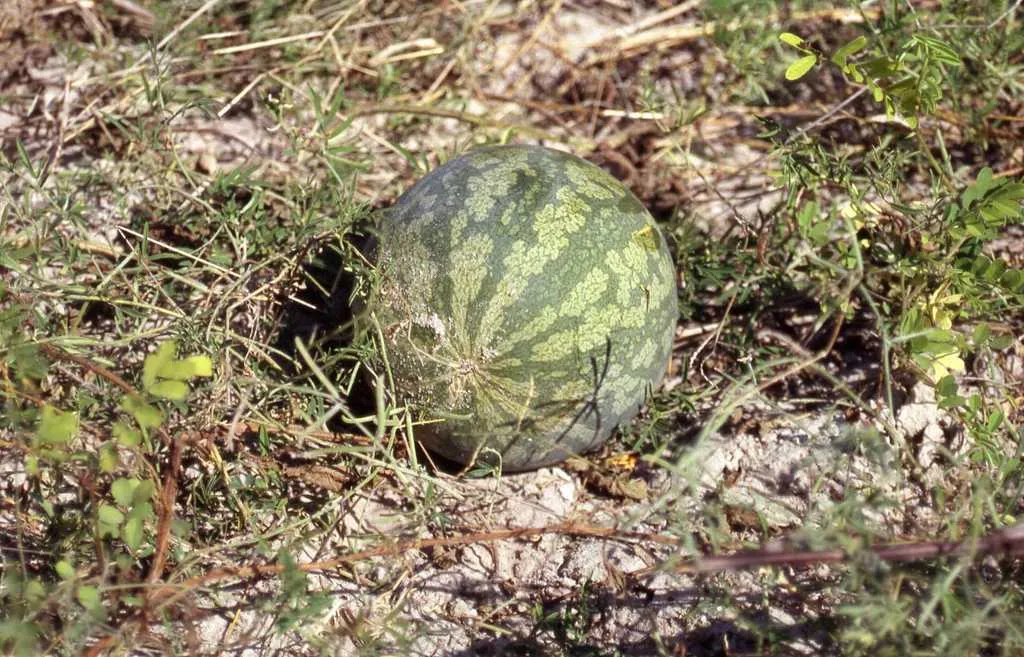
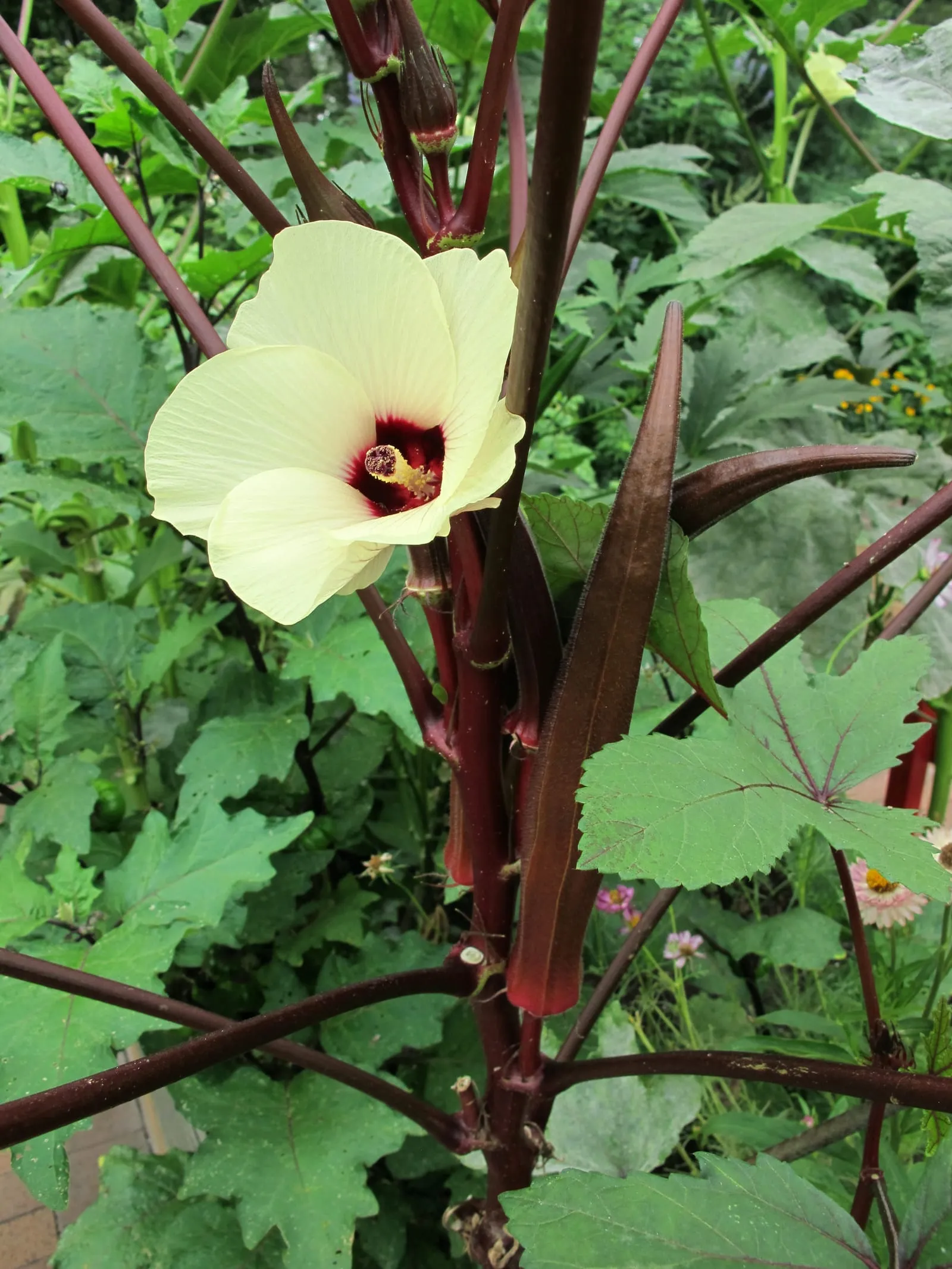
The southern end of the region tells a different story. The long, warm season and consistent heat make watermelon, okra, hot peppers, and pecans highly productive. Central and eastern Oklahoma and Kansas sit within the core of the North American pecan range, a fact that reflects both the climate suitability and the long agricultural history of the area. In the northern Plains, season length is the binding constraint, and cold-hardy, short-season selections of warm-season crops are not a preference but a necessity.
Dominant USDA hardiness zones
Share of the 5,469 zip codes in the Great Plains that fall into each zone. Pick your local zone for tighter timing; the regional view sets baseline expectations.
Climate
Continental; precipitation rises from 15 inches west to 40 inches east. Hot summers, brutal winters in the north, mild ones in the south.
Best practices for the Great Plains
Orient rows and establish windbreaks. Wind desiccation on the High Plains can impose moisture stress that rivals drought even in average rainfall years. Orienting vegetable rows perpendicular to prevailing southwest winds and establishing a single row of tall perennial shrubs or trees on the windward side measurably reduces soil evaporation and leaf stress. For new transplants in open sites, temporary burlap screens on the windward side during the first two weeks after planting reduce wilting and improve establishment rates without requiring a permanent structure.
Use drip or soaker irrigation on a consistent schedule rather than reactive watering. The Plains rainfall pattern, heavy in spring and scarce by midsummer, leads many gardeners to underwater early and overwater late. Consistent drip irrigation from transplanting through fruit set produces better yields on tomatoes, peppers, and melons than irregular overhead watering. In the more humid eastern sections of the region, drip also reduces foliar disease pressure by keeping water off leaves.
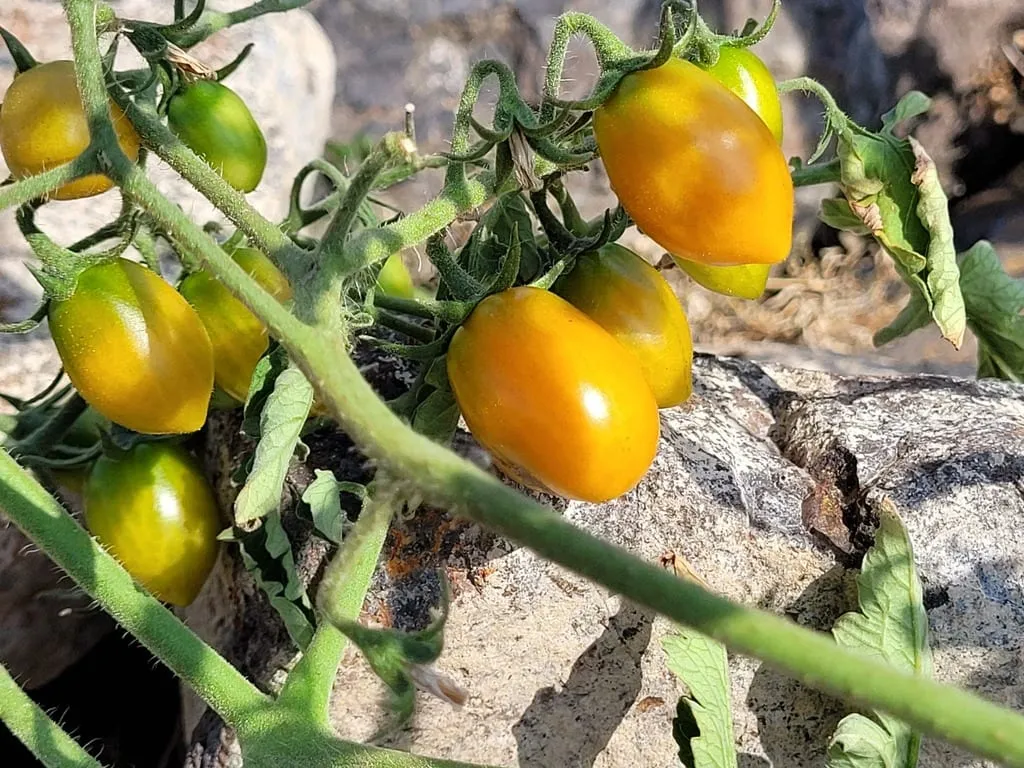
Select varieties rated for late bloom or documented short-season performance. On the Great Plains, the threat to tree fruit is not insufficient winter cold; it is premature bloom triggered by a warm spell before the last freeze. Peach, apricot, and cherry varieties with late-bloom characteristics reduce frost-kill risk on flowers substantially. In the northern Plains where season length is the constraint, tomato and melon varieties with 70 days or fewer to maturity are the difference between a harvest and a loss.
Signature crops
Crops that match the Great Plains's climate and have a strong cultivation history in the region.
Common challenges
- wind desiccation
- hailstorms
- rapid spring temperature swings that force premature bloom
States in the Great Plains
Largest cities in the Great Plains
- HoustonTX · Zone 9b · 2,314,157
- San AntonioTX · Zone 9a · 1,526,656
- DallasTX · Zone 8b · 1,326,087
- Fort WorthTX · Zone 8b · 1,008,106
- AustinTX · Zone 9a · 974,447
- Oklahoma CityOK · Zone 7b · 681,054
- El PasoTX · Zone 8b · 678,815
- OmahaNE · Zone 5b · 486,051
- TulsaOK · Zone 7b · 413,066
- WichitaKS · Zone 7a · 396,119
- ArlingtonTX · Zone 8b · 388,125
- Corpus ChristiTX · Zone 10a · 316,239
Frequently asked questions
- What pecan varieties perform best in Oklahoma and Kansas?
Native and improved native selections such as Kanza and Pawnee are better suited to the central Plains than large-nut varieties bred for commercial orchards farther south. Both tolerate the region's temperature extremes and carry reasonable resistance to pecan scab, which becomes a meaningful problem in wetter eastern portions of the region during humid summers.
- How can Great Plains gardeners protect fruit tree blooms from late spring freezes?
Selecting late-blooming varieties is the most reliable long-term strategy. For established trees, overhead irrigation during a freeze event can protect blooms down to roughly 28°F by releasing latent heat as water turns to ice. Frost cloth over small trees provides a few degrees of protection but must be removed during the day to prevent overheating once temperatures rise.
- Is fire blight a serious concern for apple and pear growers on the Plains?
Pressure varies considerably across the region. The humid eastern sections of Kansas and Oklahoma see moderate to high fire blight incidence in wet springs; the drier High Plains have substantially lower risk. Resistant varieties such as Enterprise apple or Harrow Sweet pear reduce management burden significantly. Where pressure is high, copper or streptomycin sprays at bloom remain the standard preventive approach, with timing tied to temperature-based infection models.
- Why do watermelons grow so well in the central Plains?
The combination of long hot summers, sandy or loamy soils across much of the region, and lower humidity during fruit development creates conditions close to optimal. High day-to-night temperature differential in late summer concentrates sugars in the fruit. Kansas and Oklahoma have established commercial production areas for exactly these reasons, and the same conditions benefit home gardeners working similar soils.
- What irrigation approach works best for gardens in western Kansas or Nebraska?
Drip irrigation outperforms overhead sprinklers in the High Plains, where surface evaporation is high and groundwater from the Ogallala Aquifer is a finite resource worth conserving. Mulching to 3 to 4 inches reduces soil moisture loss substantially between irrigation cycles. Watering in early morning rather than midday cuts evaporative losses during the hottest part of the day.
- Can pecans be grown in the Dakotas or northern Nebraska?
Standard pecan varieties are not cold-hardy enough for the Dakotas, where winter lows regularly reach minus 20°F or colder. Northern pecan selections exist but remain marginal even in southern South Dakota. The reliable northern limit for consistent pecan production is roughly central Kansas, near the latitude of Wichita, where winter minimums stay above the critical threshold most years.
+−
+−
+−
+−
+−
+−
Related