Region · 6 states
Mountain West
High elevation, dry air, intense sun, big diurnal swings. Short cool growing season at altitude; longer hot one in valleys. Strong fruit production in irrigated river corridors.
- States
- 6
- Zip codes
- 2,115
- Dominant zones
- 6a, 5b, 5a, 6b
- Signature crops
- 5
Gardening in the Mountain West
The Mountain West defies generalization. A grower at 5,000 feet in Utah's Cache Valley gardens in a fundamentally different world than someone at 8,500 feet in Colorado's San Luis Valley, yet both face the region's defining constraint: short seasons compressed between late spring frosts and early autumn cold. Growing seasons at altitude can run as few as 60 to 90 frost-free days. Valley floors in Nevada and southern Utah stretch to 180 or more days but trade that length for intense summer heat and alkaline irrigation water that locks out iron and manganese in the soil.
Diurnal temperature swings of 30 to 40 degrees Fahrenheit are routine in summer. That range is the reason sweet cherries and apples from irrigated corridors in Idaho's Treasure Valley and Colorado's Grand Valley develop the sugar concentration and color density that makes them regionally prized. The same swings that build fruit quality amplify bloom-time frost risk. A warm March pulls stone fruits into full flower; an April cold snap destroys the crop entirely. Peach production on Colorado's Front Range is notoriously unreliable, with partial or complete crop loss in roughly three of every ten seasons from late frost events alone.
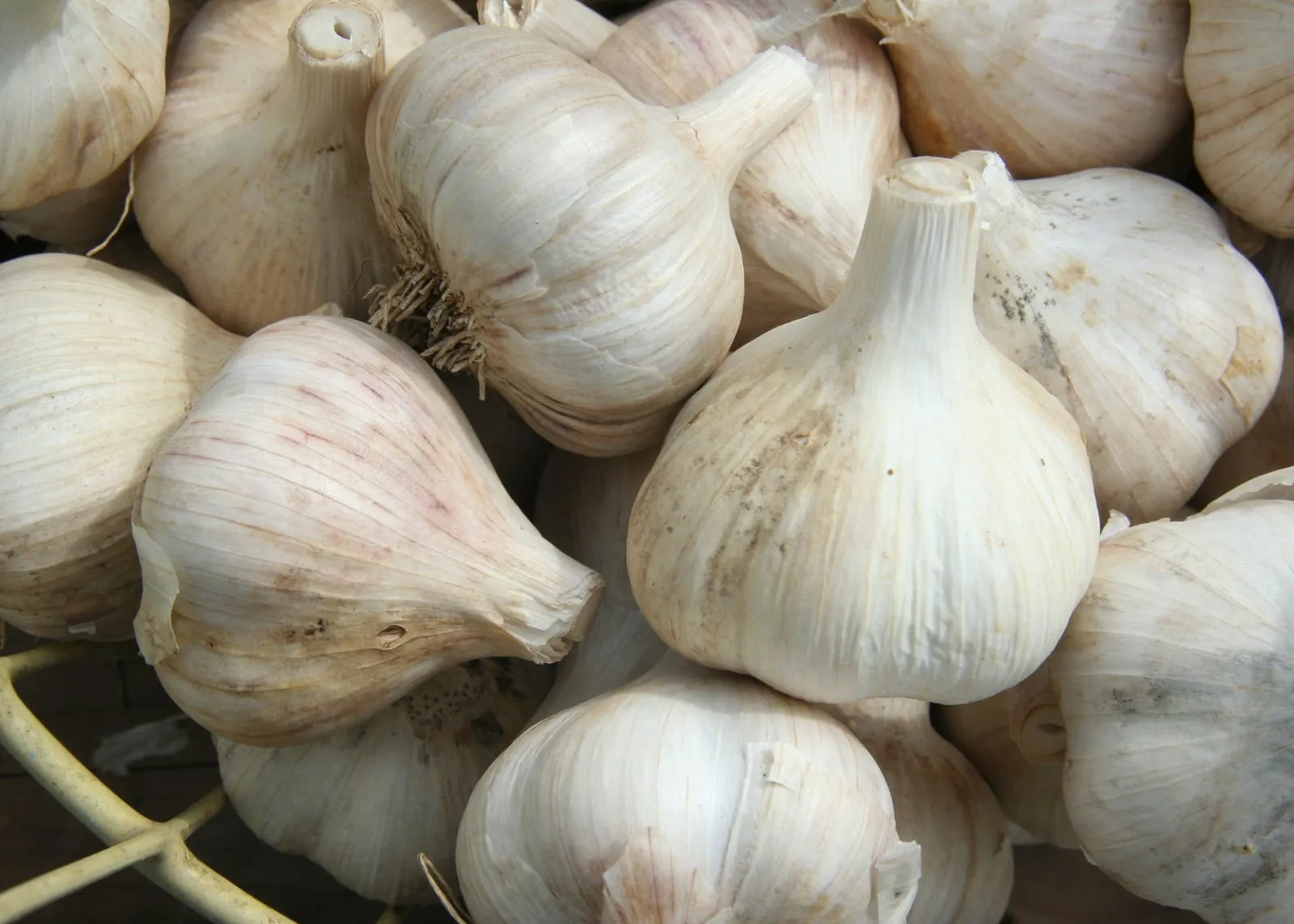
Precipitation runs 8 to 30 inches annually across the region, mostly as winter snowpack. Summer irrigation is mandatory in most areas. Potatoes and garlic, two crops with genuine commercial histories in Idaho and Colorado respectively, thrive in this climate but require consistent water access to perform reliably.
Dominant USDA hardiness zones
Share of the 2,115 zip codes in the Mountain West that fall into each zone. Pick your local zone for tighter timing; the regional view sets baseline expectations.
Climate
Continental and alpine. Frost possible most months above 7,000 feet. Precipitation 8 to 30 inches; mostly winter snow.
Best practices for the Mountain West
Plant late-blooming varieties where frost is the primary threat. In the Mountain West, variety selection is less about flavor preference than about bloom timing. Late-blooming apple selections such as Honeycrisp, Fuji, and Enterprise push bloom two to three weeks past early varieties, reducing exposure to damaging frosts. For sweet cherries, Rainier and Sweetheart are widely planted in Idaho and Utah river corridors precisely because they bloom later than Bing. Where peach is attempted, Reliance and Redhaven have better documented cold-hardiness than most commercial varieties.
Manage alkaline soils actively, not reactively. Much of the Mountain West sits on calcareous parent material, and alkaline irrigation water compounds the problem over time. Iron chlorosis is endemic in the region. Annual sulfur applications at 2 to 4 pounds per 100 square feet, combined with acidifying fertilizers, will gradually lower pH toward the 6.0 to 6.5 range most vegetables and fruit trees prefer. Testing soil pH every two to three years provides the feedback needed to adjust rather than guess.
Use drip irrigation and mulch heavily to stretch water and reduce disease pressure. Overhead sprinklers in a dry, windy climate waste water to evaporation and promote foliar disease on susceptible crops like potato. Drip irrigation at the root zone, paired with 3 to 4 inches of organic mulch, reduces water demand substantially while moderating soil temperature, which matters at elevation where night temperatures drop sharply even in midsummer.
Signature crops
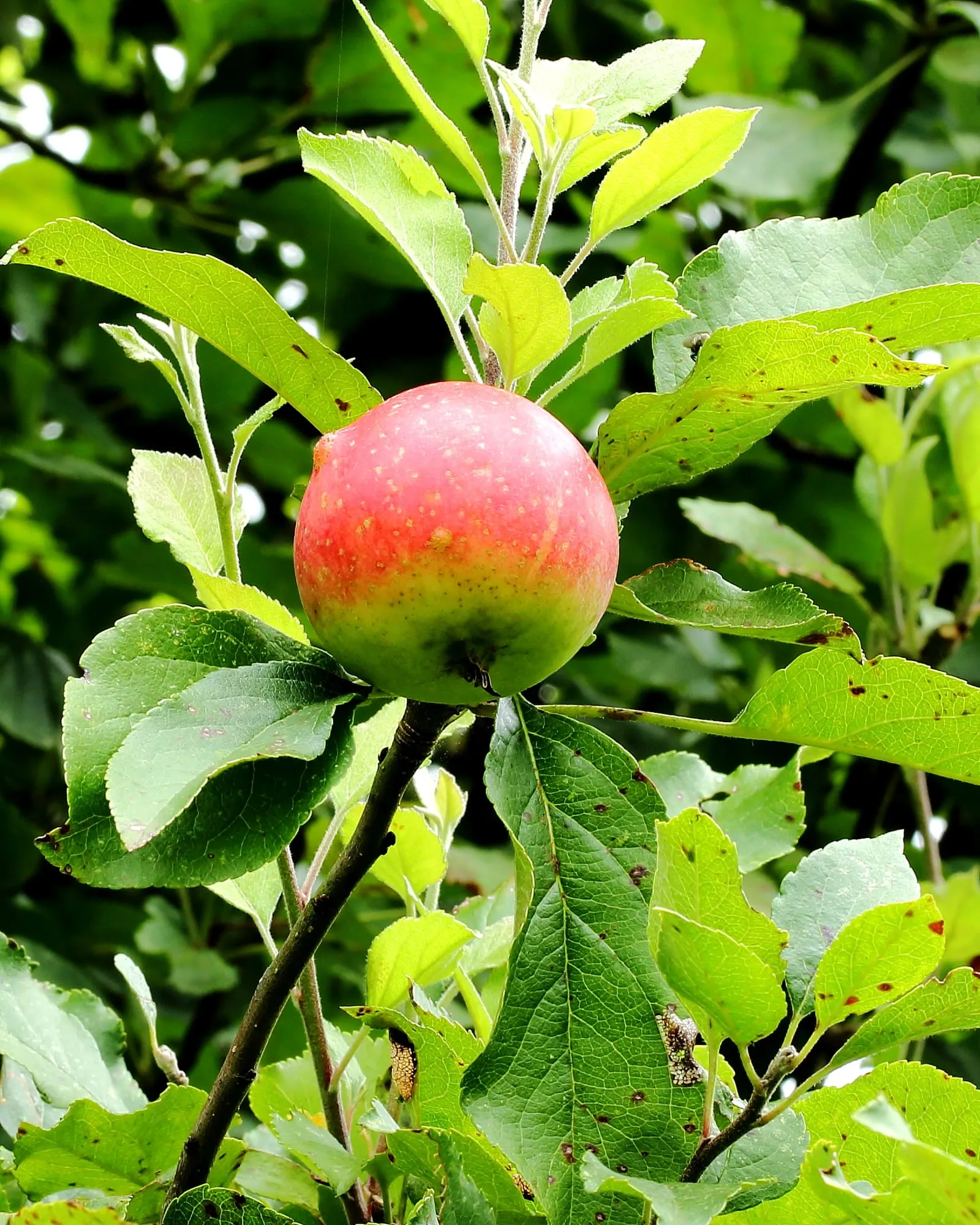
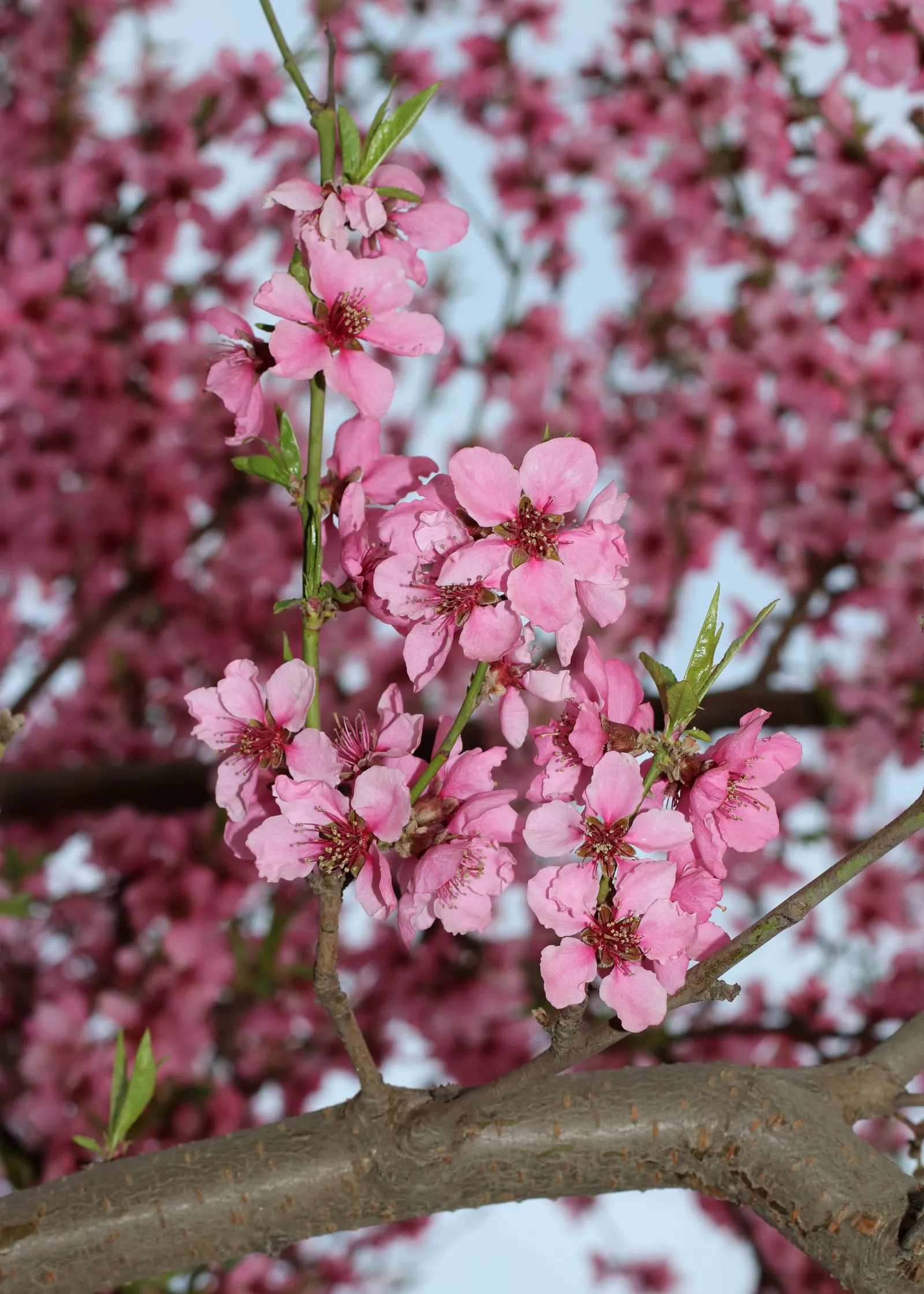
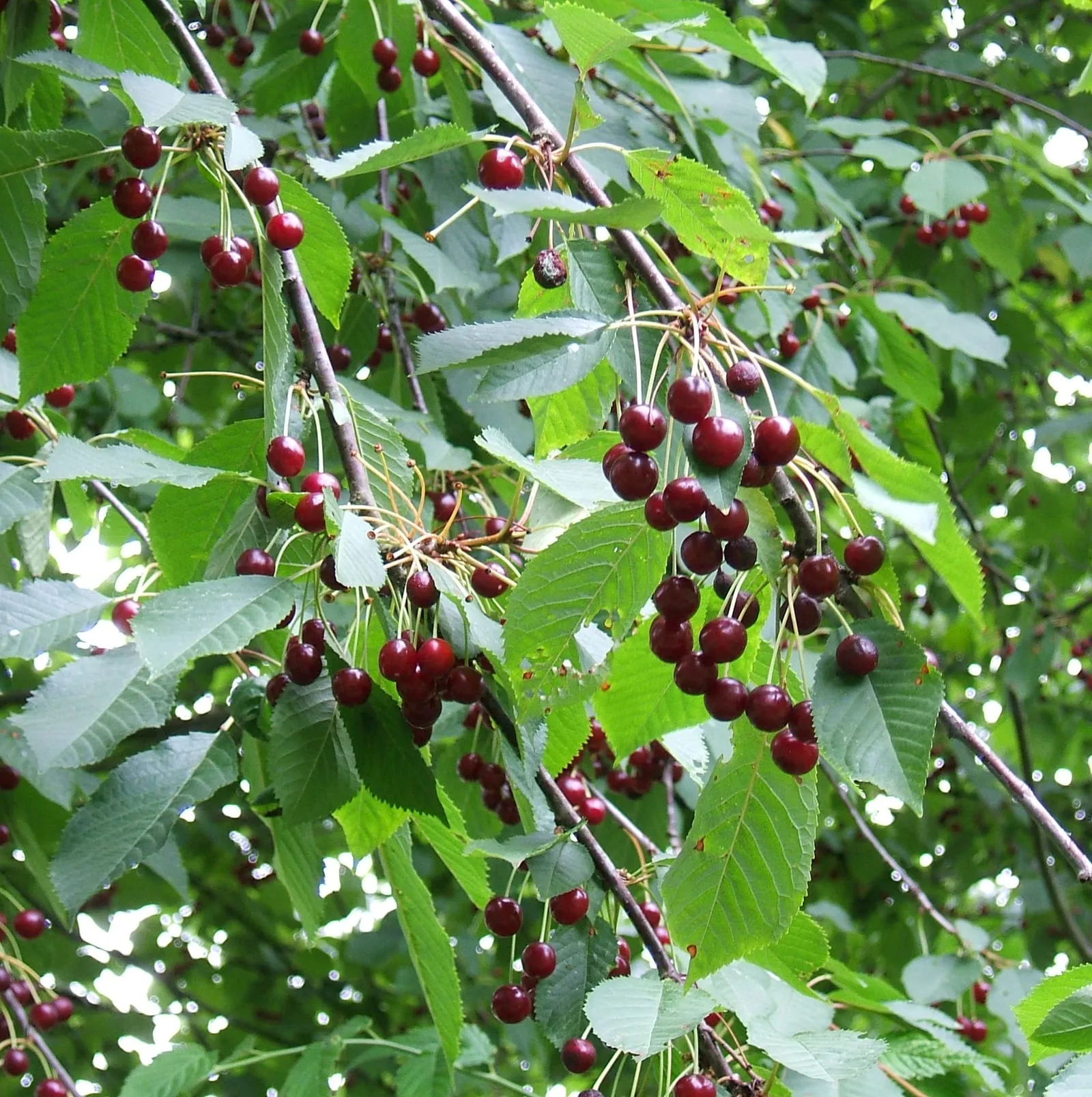
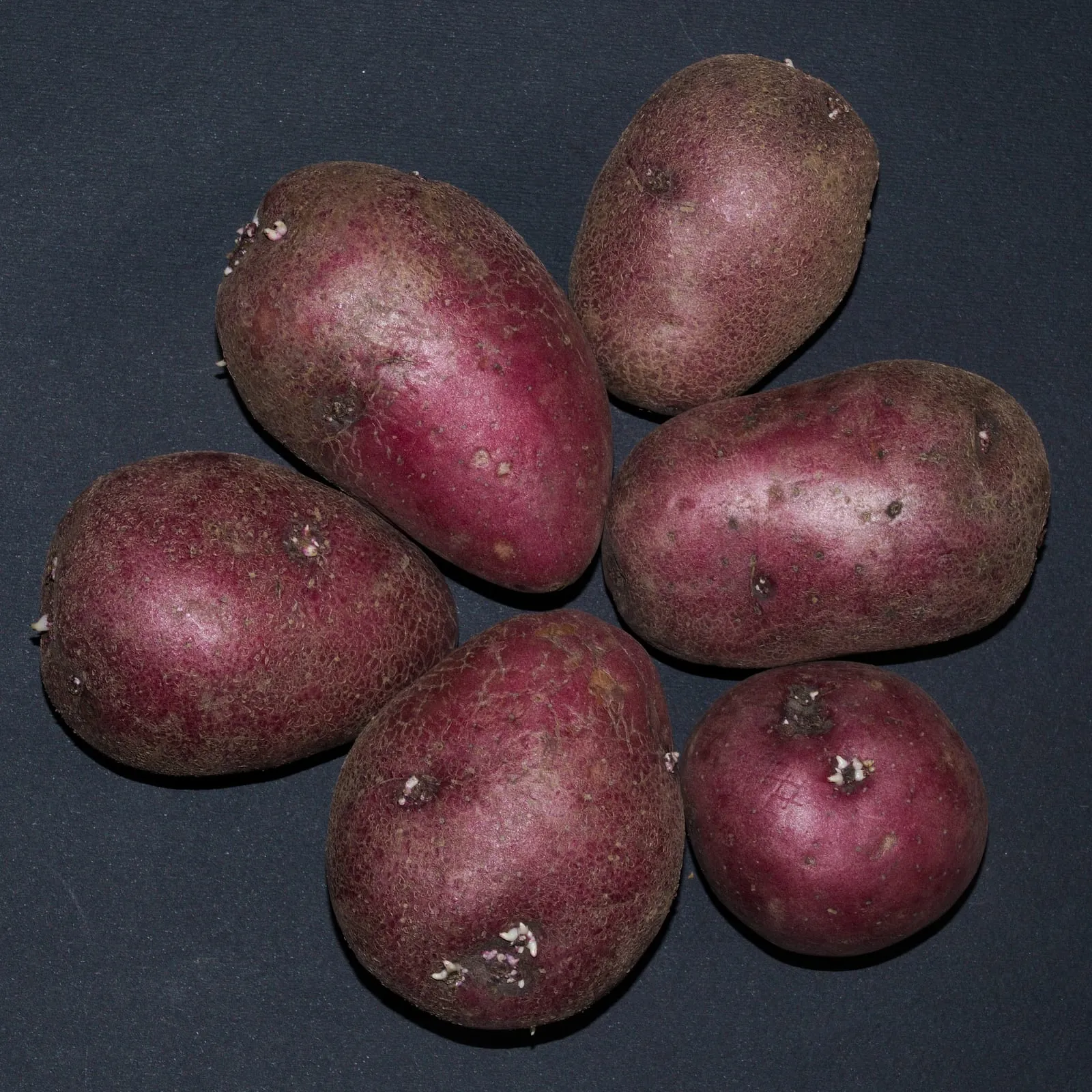
Crops that match the Mountain West's climate and have a strong cultivation history in the region.
Common challenges
- late spring frosts that wipe out fruit bloom
- alkaline soils and water
- intense sun and heat stress at low elevation
States in the Mountain West
Largest cities in the Mountain West
- DenverCO · Zone 6a · 729,019
- Las VegasNV · Zone 9b · 641,903
- Colorado SpringsCO · Zone 6a · 456,568
- AuroraCO · Zone 6a · 359,407
- HendersonNV · Zone 9b · 285,667
- RenoNV · Zone 7b · 264,165
- BoiseID · Zone 7a · 235,684
- North Las VegasNV · Zone 9b · 234,807
- ParadiseNV · Zone 9b · 223,167
- Salt Lake CityUT · Zone 7b · 215,548
- Sunrise ManorNV · Zone 9a · 189,372
- Spring ValleyNV · Zone 9a · 178,395
Frequently asked questions
- Why are my fruit tree leaves turning yellow even though irrigation is regular?
Yellow leaves with green veins in the Mountain West almost always indicate iron chlorosis, caused by alkaline soil (pH above 7.5) that renders iron unavailable to plant roots. The fix is lowering soil pH through elemental sulfur and acidifying fertilizers, not adding more water. A soil test confirms whether pH is the cause or whether a different nutrient is deficient.
- What apple varieties perform most reliably in the Mountain West?
Late-blooming, disease-resistant selections perform most consistently. Honeycrisp, Fuji, Enterprise, and Jonagold are widely grown in Utah, Idaho, and Colorado irrigated valleys. For higher-elevation sites with shorter seasons, Pristine and William's Pride ripen early and tolerate colder winters. Fire blight resistance is worth prioritizing; the dry climate suppresses many foliar diseases but blight still spreads during warm, wet spring windows.
- How can fruit tree blooms be protected from late spring frosts?
Micro-sprinklers that coat blooms in ice hold them at 32 degrees Fahrenheit and are the most reliable mechanical option. Row-cover fabric draped over dwarf trees the night a frost is forecast provides 4 to 6 degrees of protection for smaller plantings. Choosing late-blooming varieties is the most durable strategy; frost protection measures address one event at a time rather than the underlying timing mismatch.
- Can sweet cherries be grown successfully at high elevation in Colorado or Utah?
In specific pockets, yes. Colorado's Grand Mesa and portions of Utah's Wasatch Front have established sweet cherry production in the 5,000 to 6,500 foot range. Success depends on a site that drains cold air away from trees during bloom, adequate chill hours (800 to 1,200 depending on variety), and reliable irrigation. Above 7,000 feet, frost risk to bloom is too frequent for consistent annual production.
- What garlic varieties work best in Mountain West winters?
Hardneck varieties are the standard choice. Rocambole types such as Spanish Roja and German Red perform well across most of the region. Porcelain types (Music, Georgian Crystal) suit the colder, drier sites in Montana and Wyoming. Softneck varieties can work at lower-elevation Nevada and southern Utah sites but are generally less cold-hardy. Planting in October with 4 to 6 inches of straw mulch applied before hard freezes is the standard practice.
- How can the growing season be extended at altitude in the Mountain West?
Wall-O-Waters allow tomatoes and peppers to be transplanted 4 to 6 weeks before the last frost date, adding meaningfully to the season at sites up to about 7,500 feet. Row-cover fabric rated for 4 to 6 degrees Fahrenheit of frost protection extends the fall season for cold-tolerant crops like kale and spinach. South-facing slopes with good solar gain maximize the benefit of both strategies.
+−
+−
+−
+−
+−
+−
Related