Soil reference · pH
Acidic (low pH) soil
Soil pH below 6.0. Calcium, magnesium, and phosphorus become limited; aluminum can become toxic to roots. Common in the Pacific Northwest, the Southeast, and pine-forest regions.
- Axis
- pH
- Typical pH
- 4.5 to 6.0
- Crops that thrive
- 5
- Crops that struggle
- 4
Working with acidic (low ph) soil
Acidic soil in the pH 4.5 to 6.0 range tends to be found where rainfall is heavy and leaching is constant. In the hand, it often feels loose and low in structure unless organic matter has been added deliberately. Through the season, it warms relatively fast in spring because acidic soils are frequently lower in clay content, but they dry unevenly and can crust in dry spells. Wet winters push pH lower over time as calcium and magnesium continue to leach out.
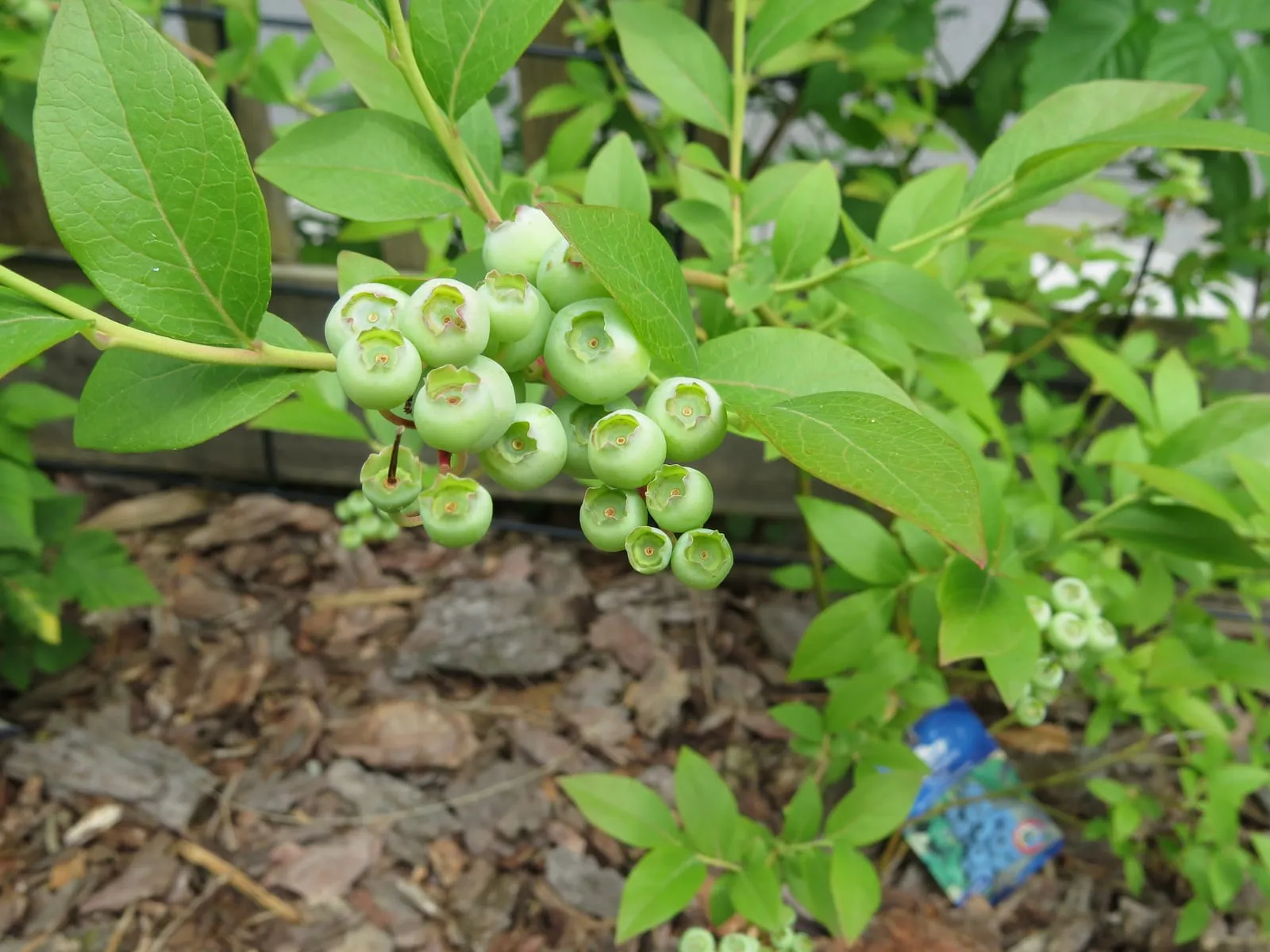
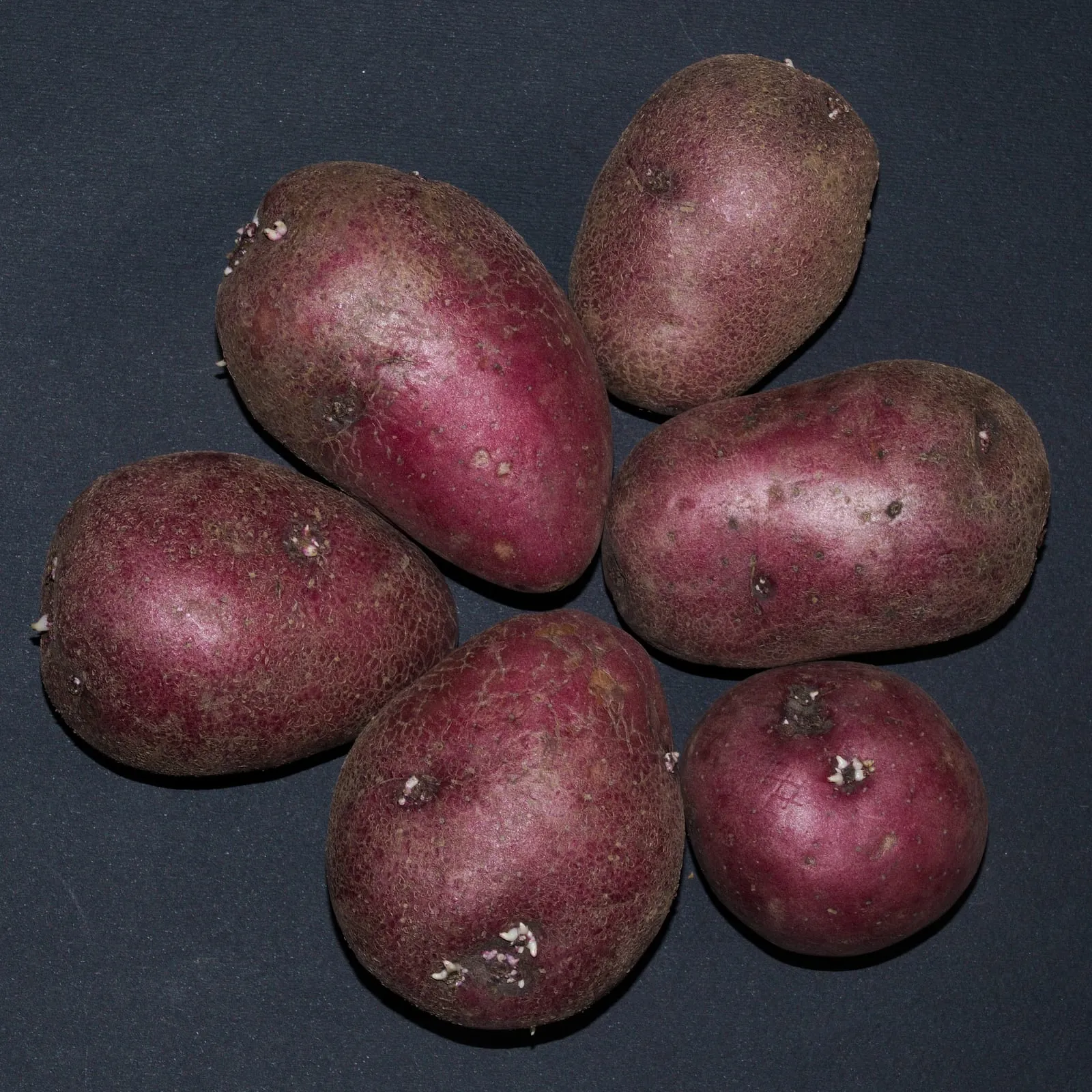
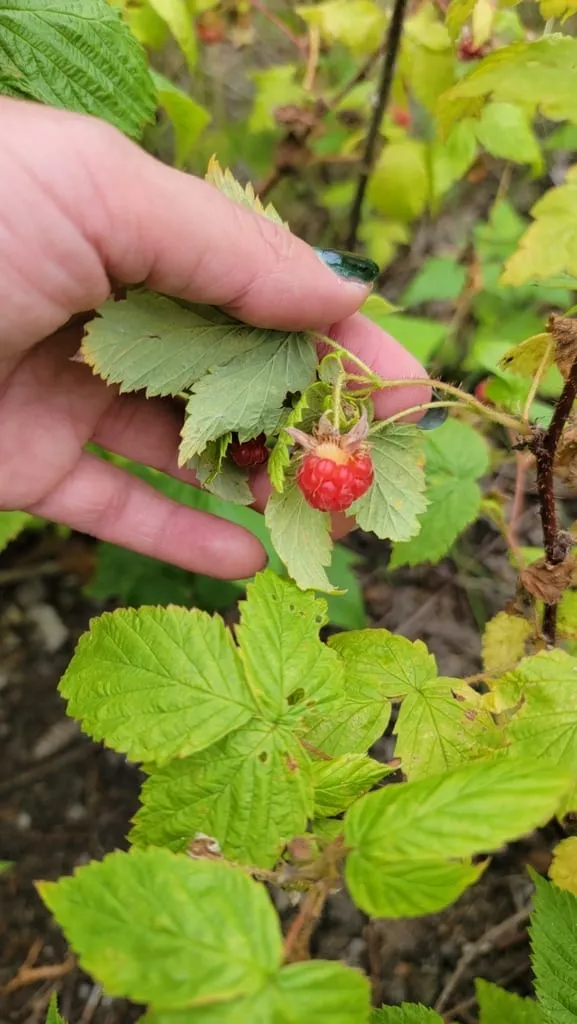
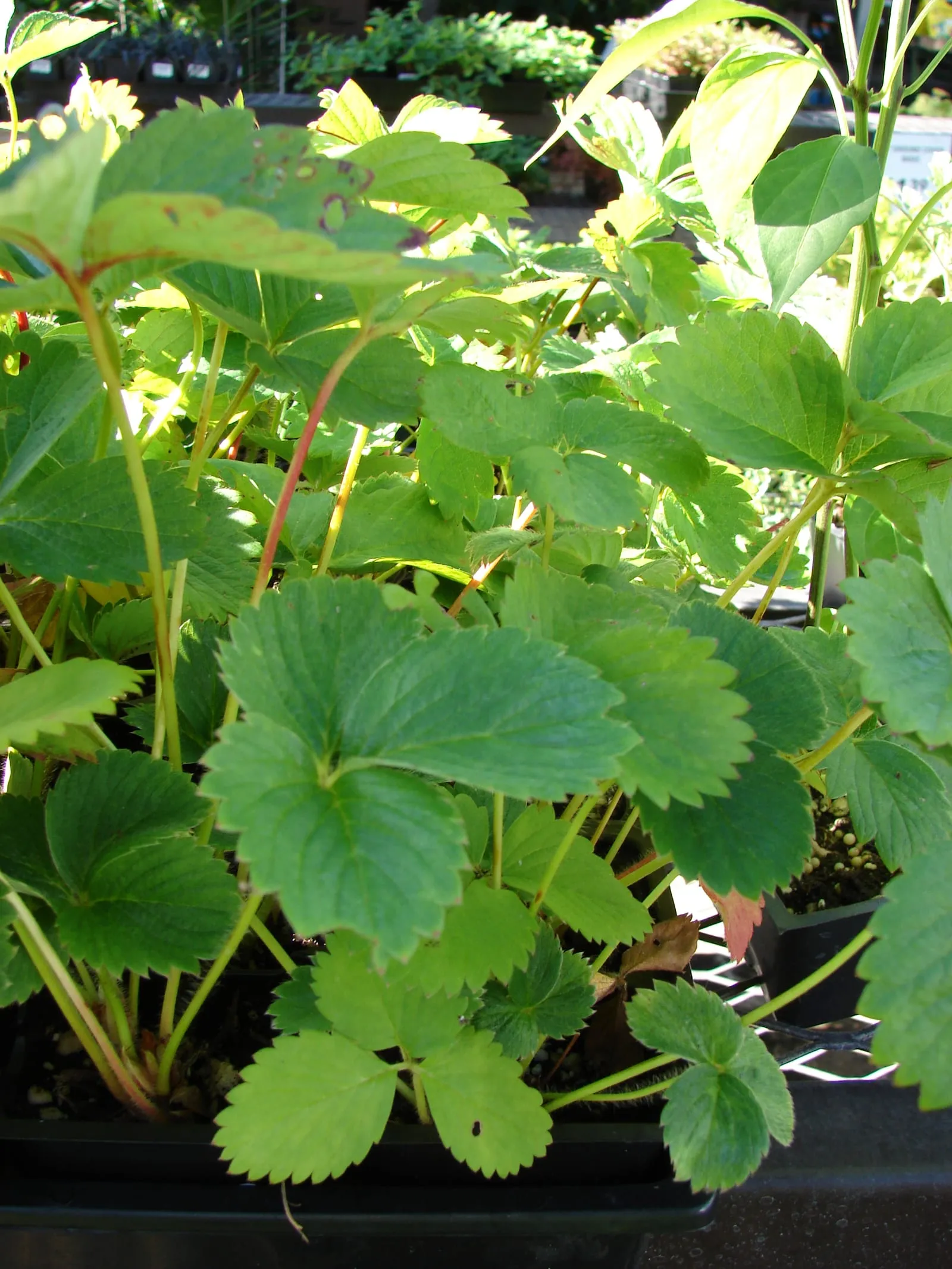
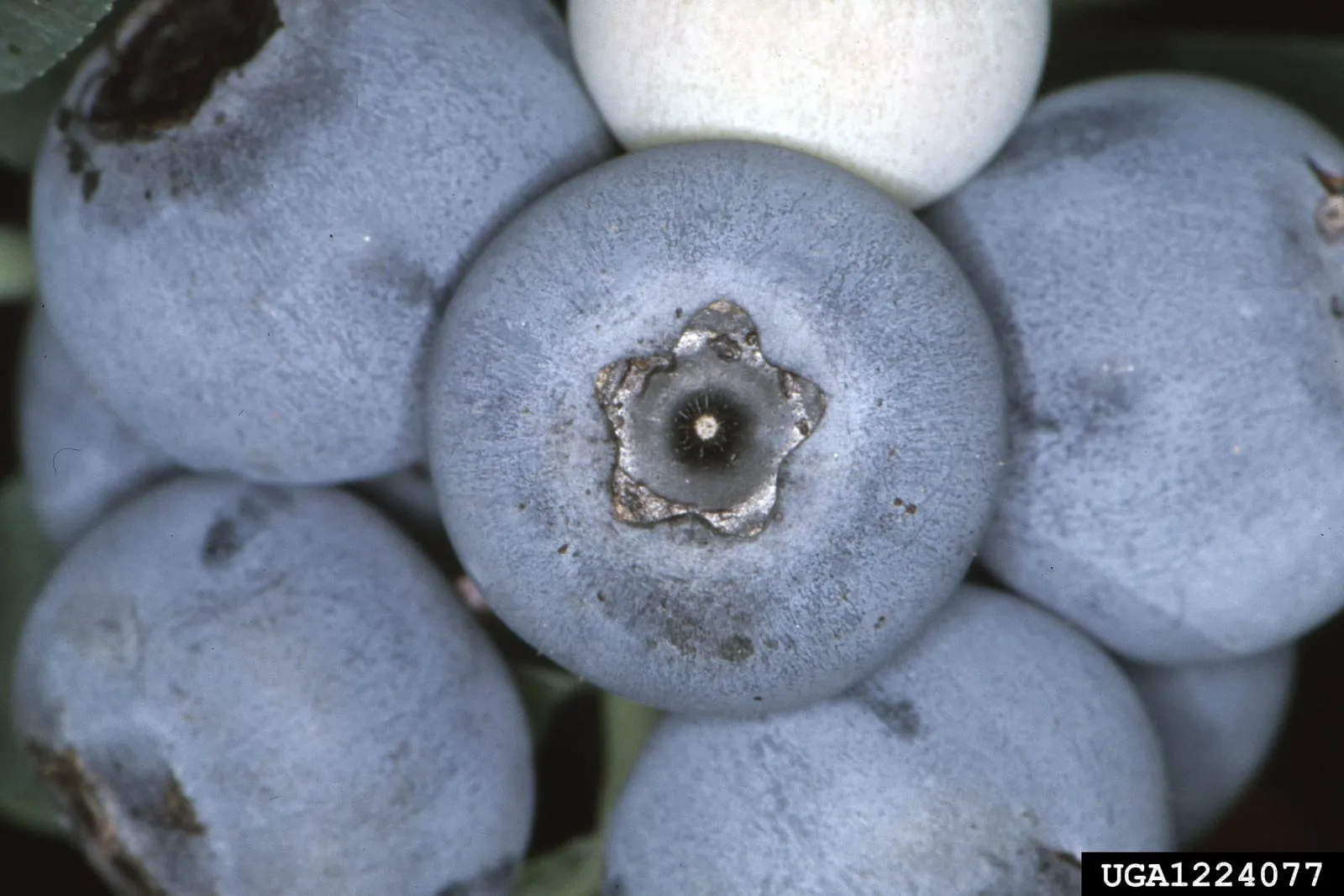
The crops that thrive here do so for structural reasons. Blueberries (both highbush and rabbiteye) evolved on pine forest margins where pH routinely sits below 5.5; their ericoid mycorrhizae are adapted to scavenge phosphorus and iron under these conditions. Potatoes and strawberries tolerate low pH partly because they are shallow-rooted and exploit the upper soil horizon before aluminum concentration builds. Red raspberries are similarly shallow and benefit from reduced competition with deeper-rooted weeds that struggle at low pH.
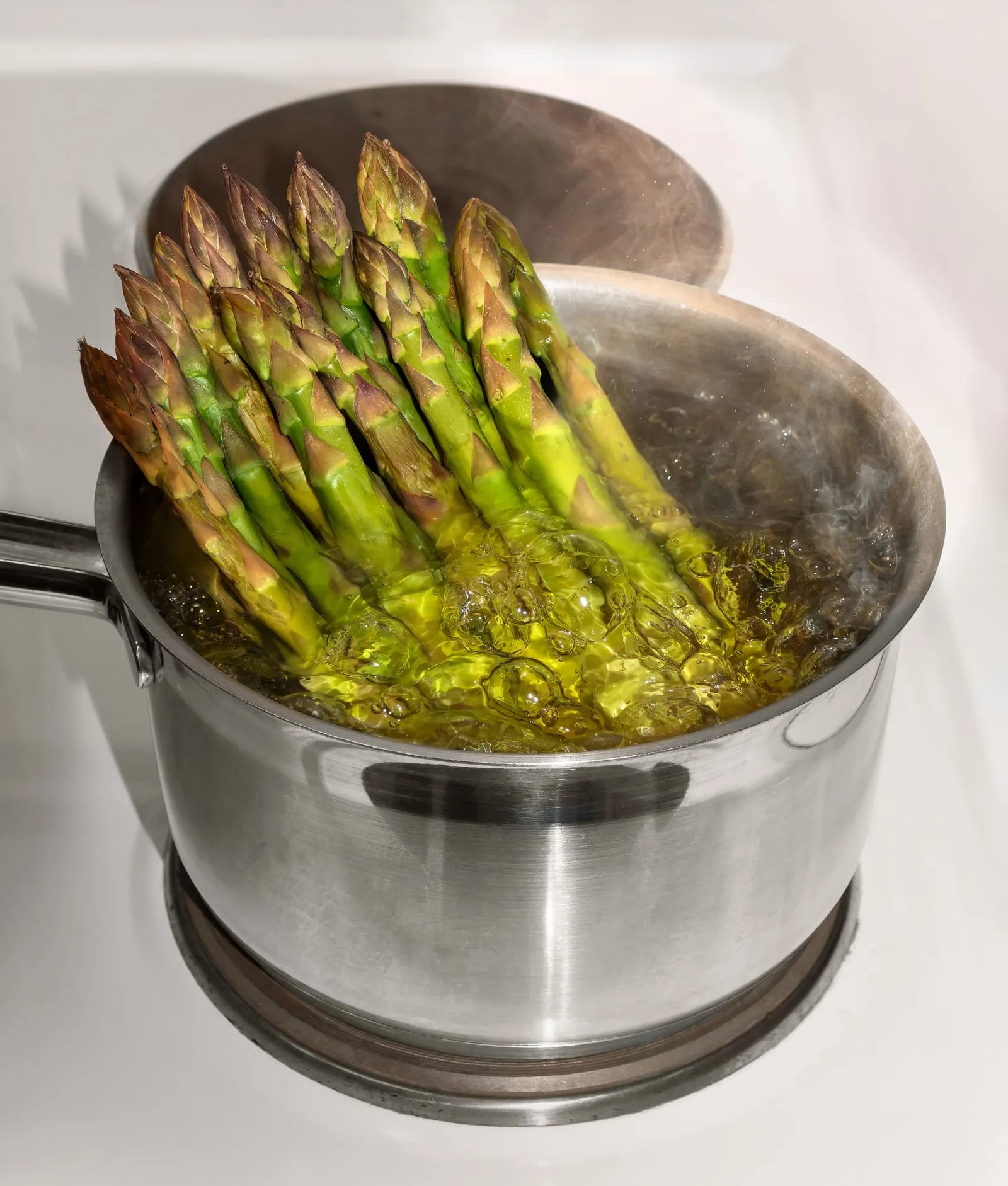
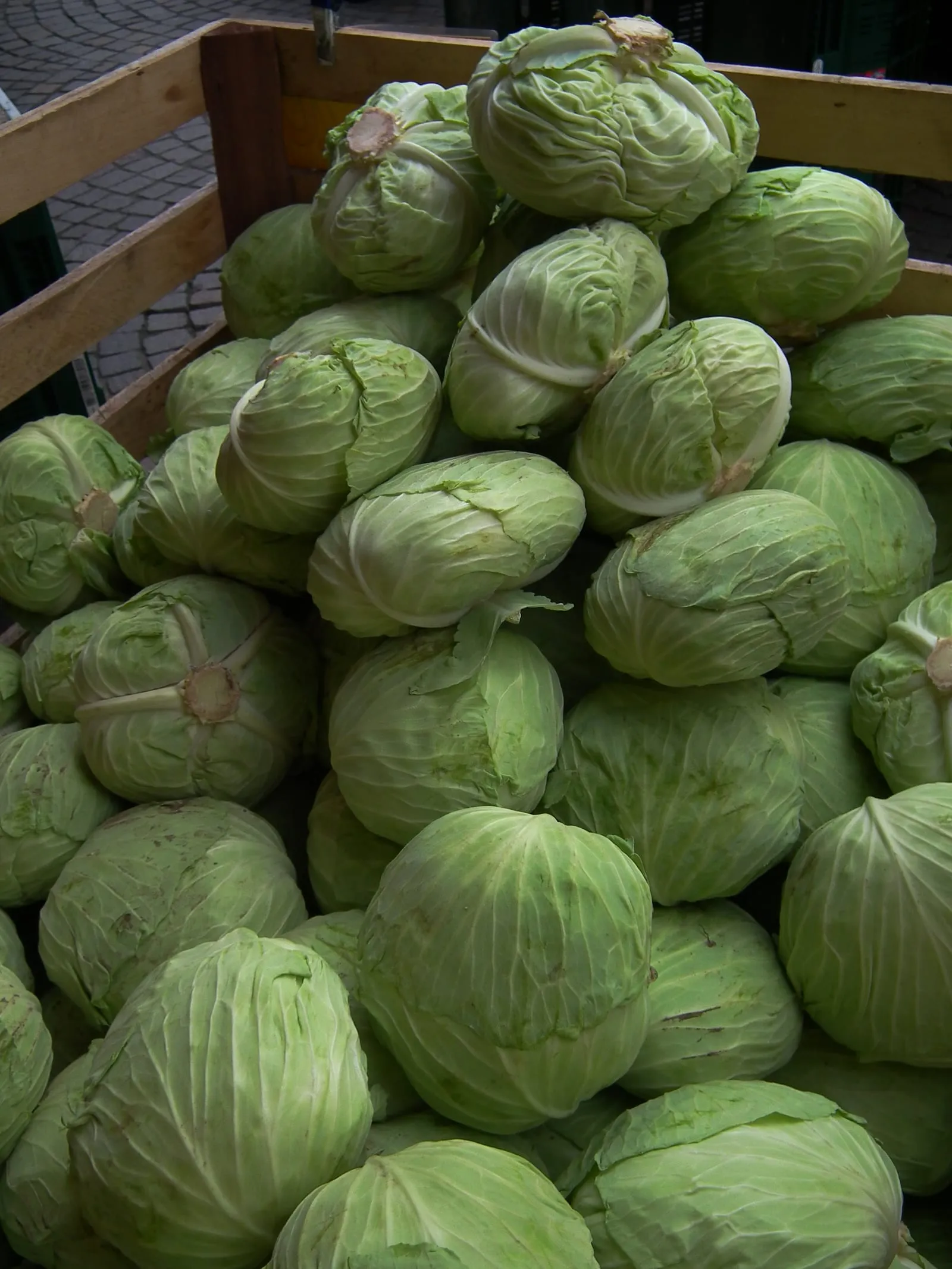
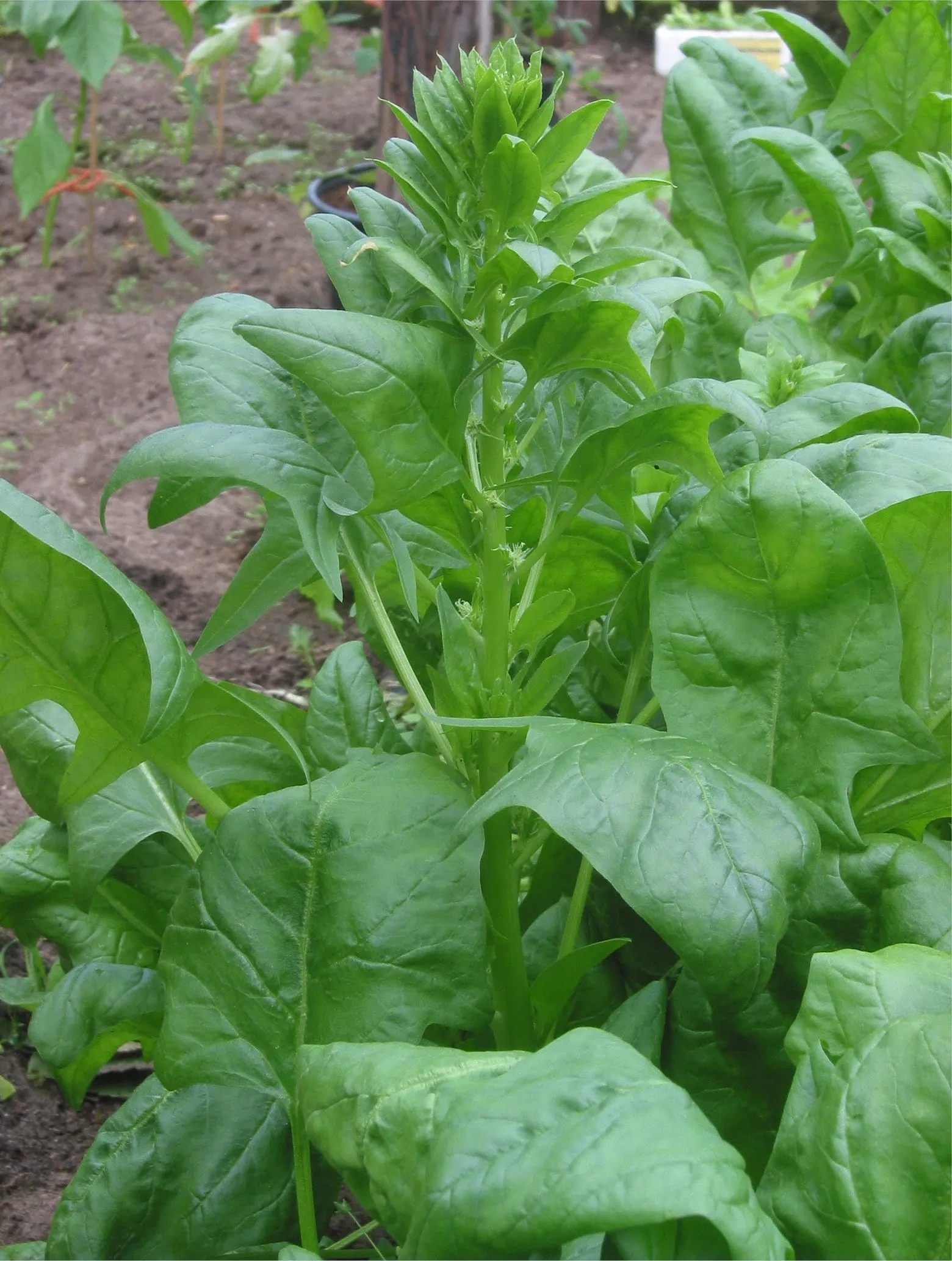
The strugglers share a different profile. Asparagus is deep-rooted and long-lived; it needs calcium-rich, well-buffered soil to develop its crown across years. Brassicas such as cabbage and broccoli are heavy feeders that rely on a broad pH window for phosphorus and sulfur uptake, and they are particularly vulnerable to clubroot, a pathogen that thrives in acidic, wet conditions. Spinach is sensitive to manganese toxicity, which intensifies as pH drops below 6.0 and manganese solubility increases.
Characteristics
- pH below 6.0
- limited calcium and phosphorus
- aluminum toxicity below pH 5.0
- common in high-rainfall regions
Crops that thrive
Crops whose root structure, water needs, and pH preference fit acidic (low ph) soil without amendment.
Crops that struggle
Crops with drainage, pH, or root requirements that don't match acidic (low ph) soil. Either avoid them or commit to active amendment.
Amendments
These are the highest-leverage moves for shifting acidic (low ph) soil toward a more productive state. Always re-test pH after amending.
- Add agricultural lime in fall to raise pH (re-test in spring)
- Dolomitic lime adds magnesium where it's deficient
- Wood ash can raise pH quickly but use sparingly
- Re-test every 2 to 3 years; pH drift continues
Best practices for acidic (low ph) soil
Test before amending. A cooperative extension soil test costs $10 to $20 and returns both pH and the calcium, magnesium, and phosphorus levels that determine which amendment makes sense. Diagnosing by plant symptoms alone is imprecise; low calcium and low phosphorus look similar at first glance.
Apply agricultural lime in fall, not spring. Lime reacts slowly. Six months of soil contact before spring planting gives it time to work. Where magnesium is also deficient, which is common in the Southeast and Pacific Northwest, dolomitic lime is the right choice over standard agricultural lime. Wood ash raises pH faster but adds no calcium or magnesium in useful quantity and can imbalance potassium levels if used repeatedly. It works as a short-term fix between lime applications, not as a primary strategy.
Re-test every two to three years. Acidification is ongoing in high-rainfall regions; a single lime application is not permanent. The follow-up test confirms whether the correction has taken effect or whether pH has overshot into the 7.0 range, which triggers its own set of nutrient lockouts. This cadence also catches shifting calcium-to-magnesium ratios before they show up as visible deficiency symptoms.
Frequently asked questions
- How can I confirm my soil is acidic before spending money on lime?
A cooperative extension soil test is the most reliable method; it costs $10 to $20 and returns pH alongside calcium, magnesium, and phosphorus levels. Home pH test kits give a rough number but miss the nutrient profile. Samples collected from several spots in the bed, mixed into a composite, give the most representative reading.
- How long does it take for agricultural lime to raise soil pH?
Fall-applied agricultural lime typically shifts pH measurably within three to six months. Coarser limestone grinds react more slowly than finely milled materials. For severe acidity below 5.0, a single fall application rarely resolves the problem in one season; splitting the correction across two years is more realistic and avoids overshooting.
- What is the single biggest mistake gardeners make with acidic soil?
Over-liming. Without a follow-up soil test, it is easy to push pH past 7.0, which locks out iron, manganese, and zinc. Plants that appeared deficient due to acidity can then develop chlorosis from the opposite problem. The amendment is cheap; the follow-up test that confirms whether another application is warranted is the step that most often gets skipped.
- A crop on the thriver list is still struggling. What else should be checked?
Even acid-tolerant crops have a floor. Below pH 5.0, aluminum toxicity can inhibit root development in blueberries and strawberries despite their preference for low pH. Check whether pH has dropped below 5.0, verify that phosphorus availability is not severely limited, and consider whether drainage is the real constraint. Acidic soils in high-rainfall regions are often waterlogged, which harms roots independently of pH.
- Why does aluminum become toxic specifically below pH 5.0?
Aluminum is present in most soils but remains bound in mineral forms at higher pH levels. As pH drops below 5.0, aluminum dissolves into the soil solution in forms that roots absorb readily. Root tips are the first to show damage: stunted, thickened, or browned tips that reduce the plant's ability to take up water and nutrients even when nutrient supply is otherwise adequate.
- Is acidic soil always a problem, or are there situations where it should be left alone?
For blueberries, raspberries, and strawberries, acidic soil in the 4.5 to 5.5 range is not a problem to fix. Liming a blueberry planting toward neutral pH will harm it. The question is whether the crops being grown match the existing pH, not whether acidic soil is inherently deficient.
+−
+−
+−
+−
+−
+−
Related