Local planting guide
zip 96805
Honolulu is in USDA hardiness zone 12b, with average winter lows of 55°F to 60°F. The local growing season runs roughly 04/12 through 12/01 (~235 days).
- USDA zone
- 12b 55°F to 60°F
- Last spring frost
- 04/12
- First fall frost
- 12/01
- Growing season
- 235 days
- Compatible crops
- 10
Right now in Honolulu
Week 37 priorities
On the docket: harvest window. See the full calendar →
Gardening in Honolulu
Honolulu's zone 12b climate offers year-round growing potential that most mainland gardeners can only envy. The last spring frost arrives around April 12, and the first fall frost doesn't come until December 1, providing a 235-day growing season that blurs into a near-perpetual growing calendar. Frost is rarely a limiting factor here; the dominant constraints are instead humidity, salt spray in coastal areas, and volcanic soil chemistry.
The warm tropical climate makes Honolulu ideal for crops that struggle elsewhere in zone 12b. Mangoes, papayas, and bananas establish themselves readily and produce prolifically. Guavas, passionfruit, dragonfruit, lychee, and starfruit thrive here without the cold tolerance demands that plague growers in cooler zone 12b microclimates. Most temperate crops that zone 12b lists as viable (apples, stone fruits, etc.) accumulate insufficient chill hours in Honolulu's consistently warm winters, making them poor choices for the area despite the zone designation.
High humidity and tropical rainfall create an environment where fungal diseases (powdery mildew on mangoes, anthracnose on papayas) are persistent threats, not occasional surprises. Ocean proximity compounds this: salt spray damages foliage and fruit on exposed properties, particularly on the windward side of the islands. Volcanic soil in many Honolulu-area gardens leans acidic, often requiring soil amendment before establishing crops with neutral-pH requirements.
Success in Honolulu hinges on embracing tropical crops and managing humidity-driven disease pressure rather than fighting the climate.
Common challenges
Issues that most often defeat home gardeners in zone 12b, drawn from the broader USDA zone profile.
- ▸ No chilling for temperate fruit
- ▸ Pest pressure year-round
- ▸ Specialized cultivar selection
What defeats new gardeners in Honolulu
The three main obstacles that defeat home gardeners in Honolulu are fungal disease pressure, salt spray damage, and chill-hour insufficiency for temperate crops.
Anthracnose and powdery mildew thrive in Honolulu's warm, humid climate, hitting papayas, mangoes, and avocados particularly hard during the wetter months. Simple defoliation doesn't always suffice; fungicide applications or resistant variety selection becomes necessary.
Salt spray, especially on the windward (east-facing) side, burns mango and papaya foliage and causes fruit drop. Properties within a few blocks of the coast experience significant damage; more inland locations generally escape the worst of it.
Finally, gardeners often try temperate stone fruits or apples because zone 12b lists them as viable. Honolulu's winters, with minimum temps in the 55-60°F range and rarely dipping lower, don't provide the 800+ chill hours that many apples and peaches require. These crops flower sporadically or not at all, frustrating planters who expected zone 12b viability.
Crops that grow in Honolulu
10 crops from our catalog match zone 12b, grouped by type.
Tree fruit
7 crops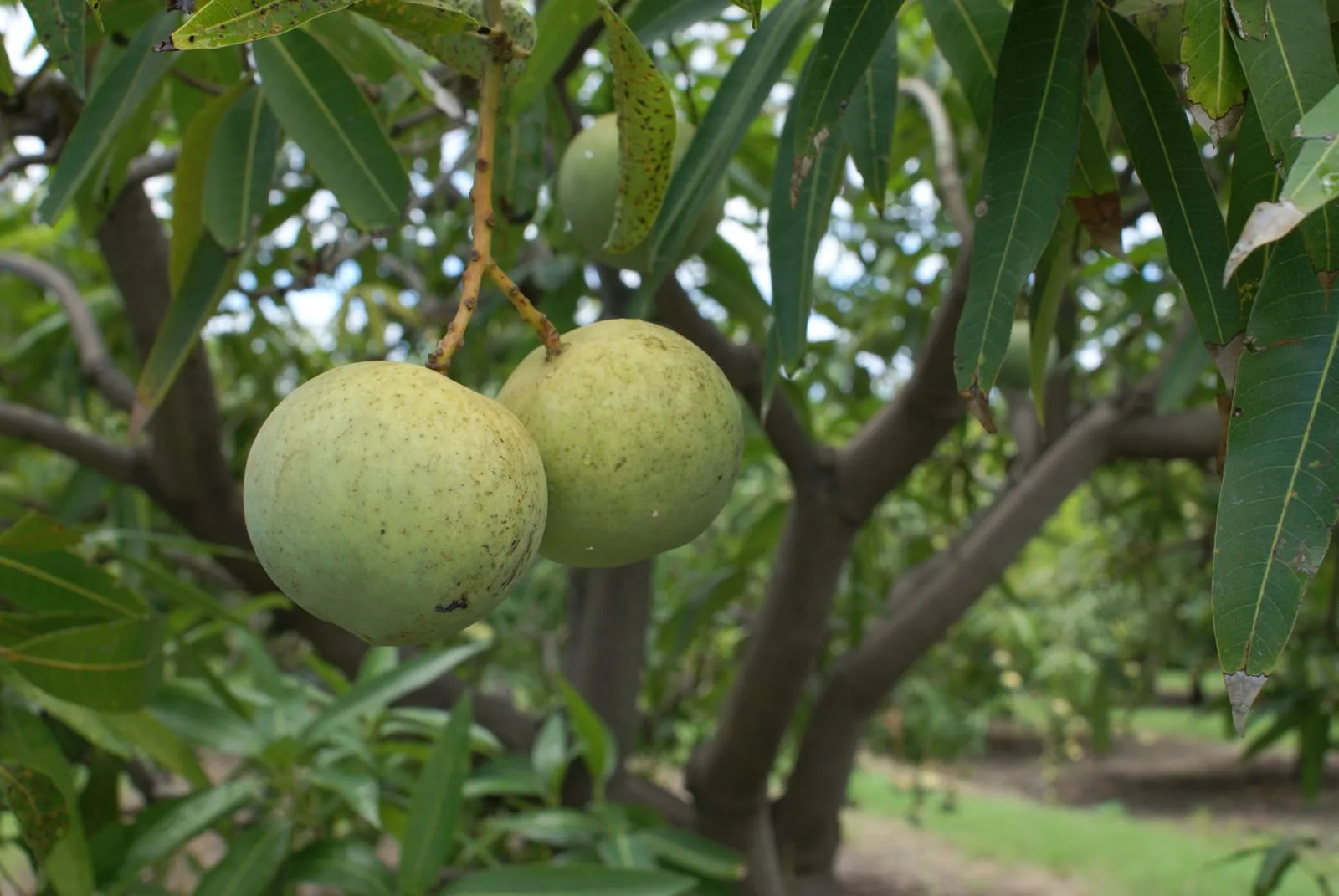 zone 12b
 Mango
Mangifera indica
zones 10b–13b
 zone 12b
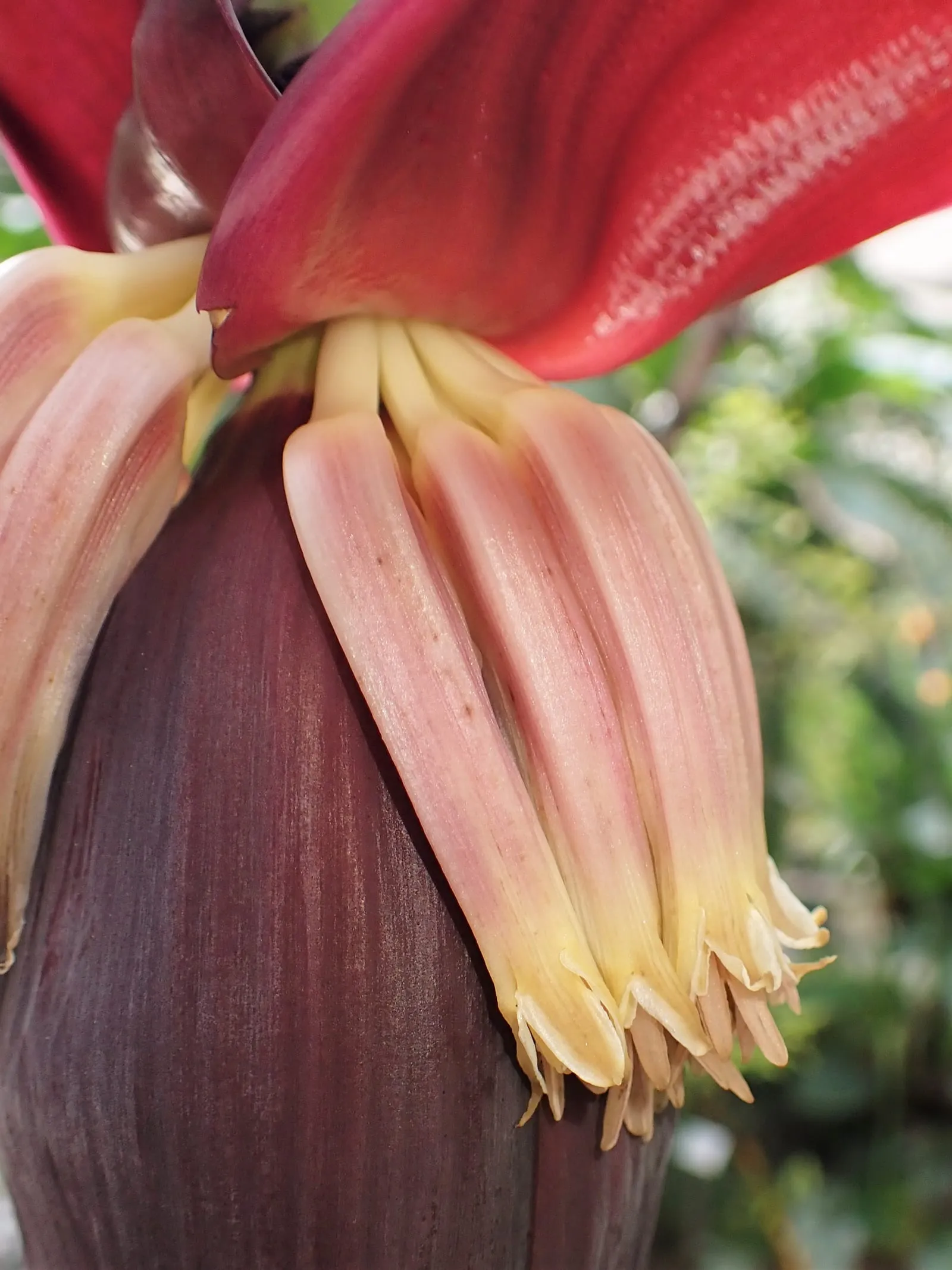
 Banana
Musa acuminata
zones 9b–13b
 zone 12b
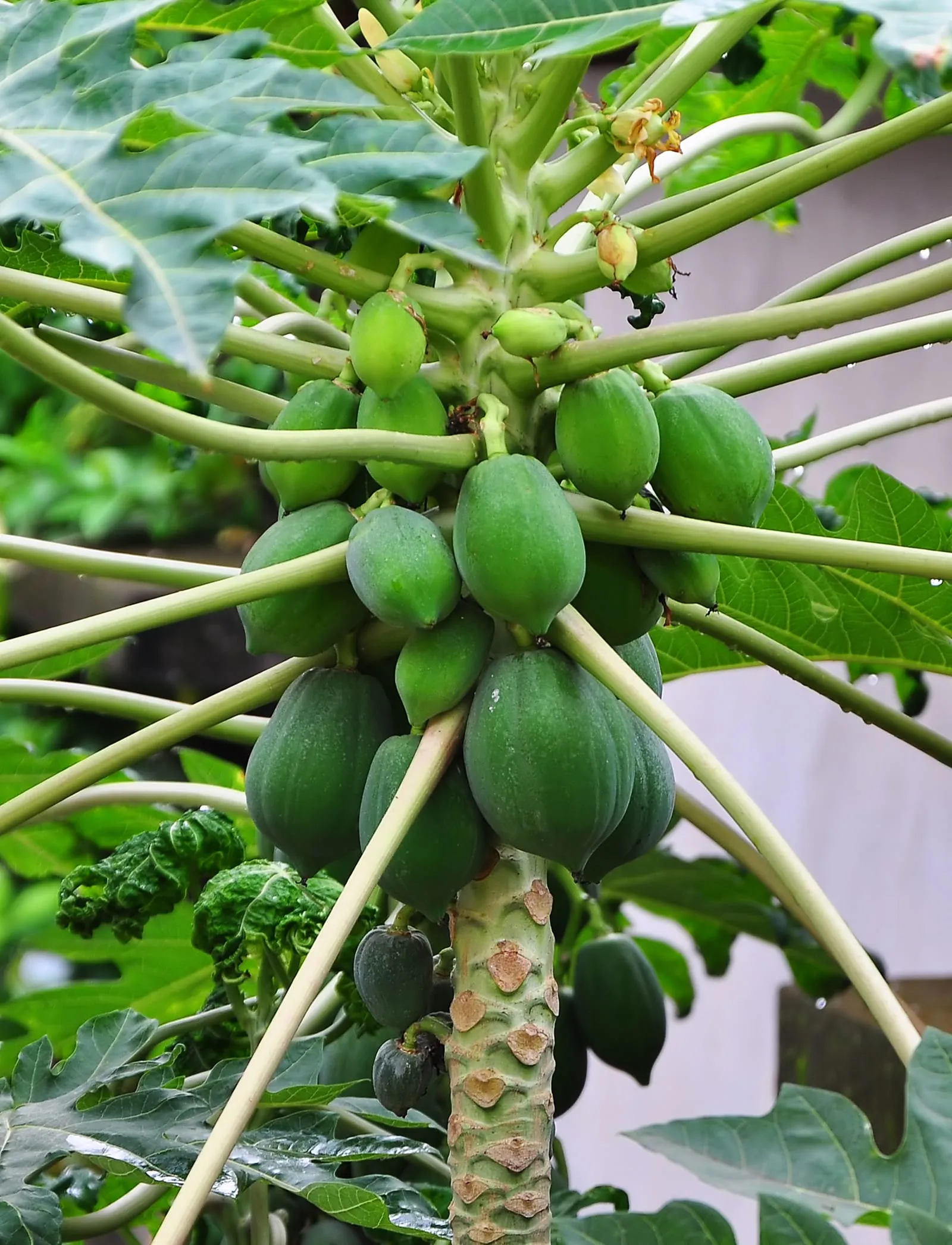
 Papaya
Carica papaya
zones 10a–13b
 zone 12b
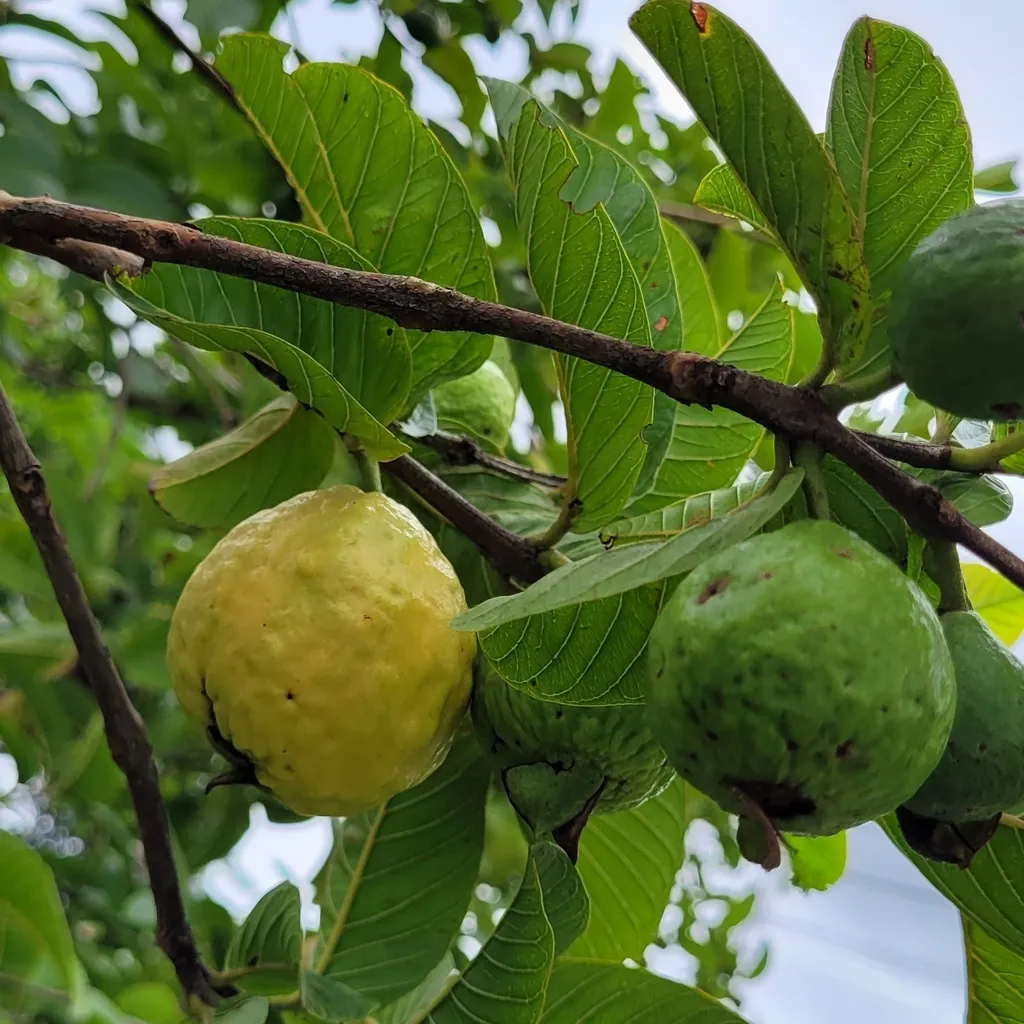
 Guava
Psidium guajava
zones 9b–12b
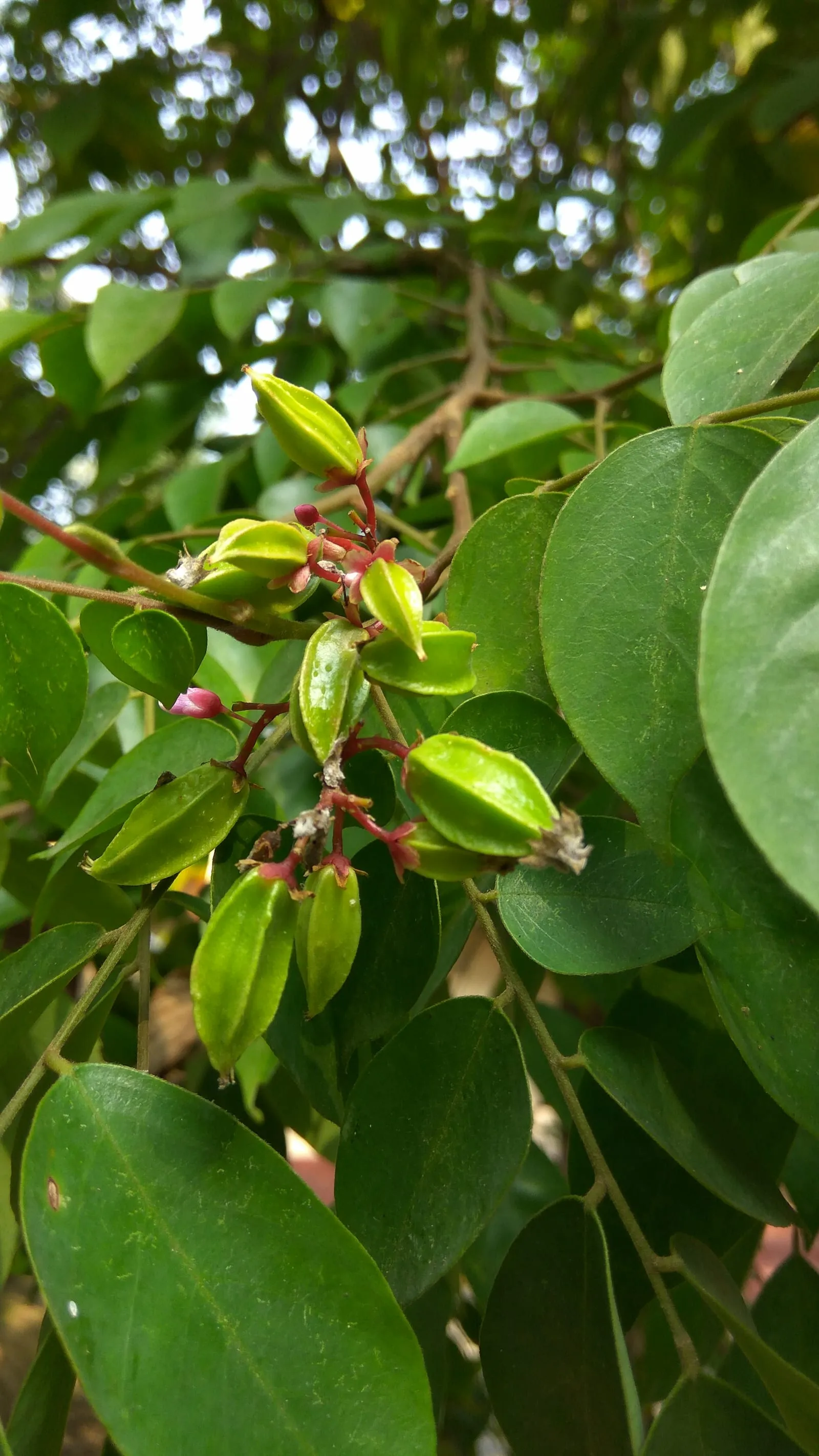 zone 12b
 Starfruit (Carambola)
Averrhoa carambola
zones 10b–13b
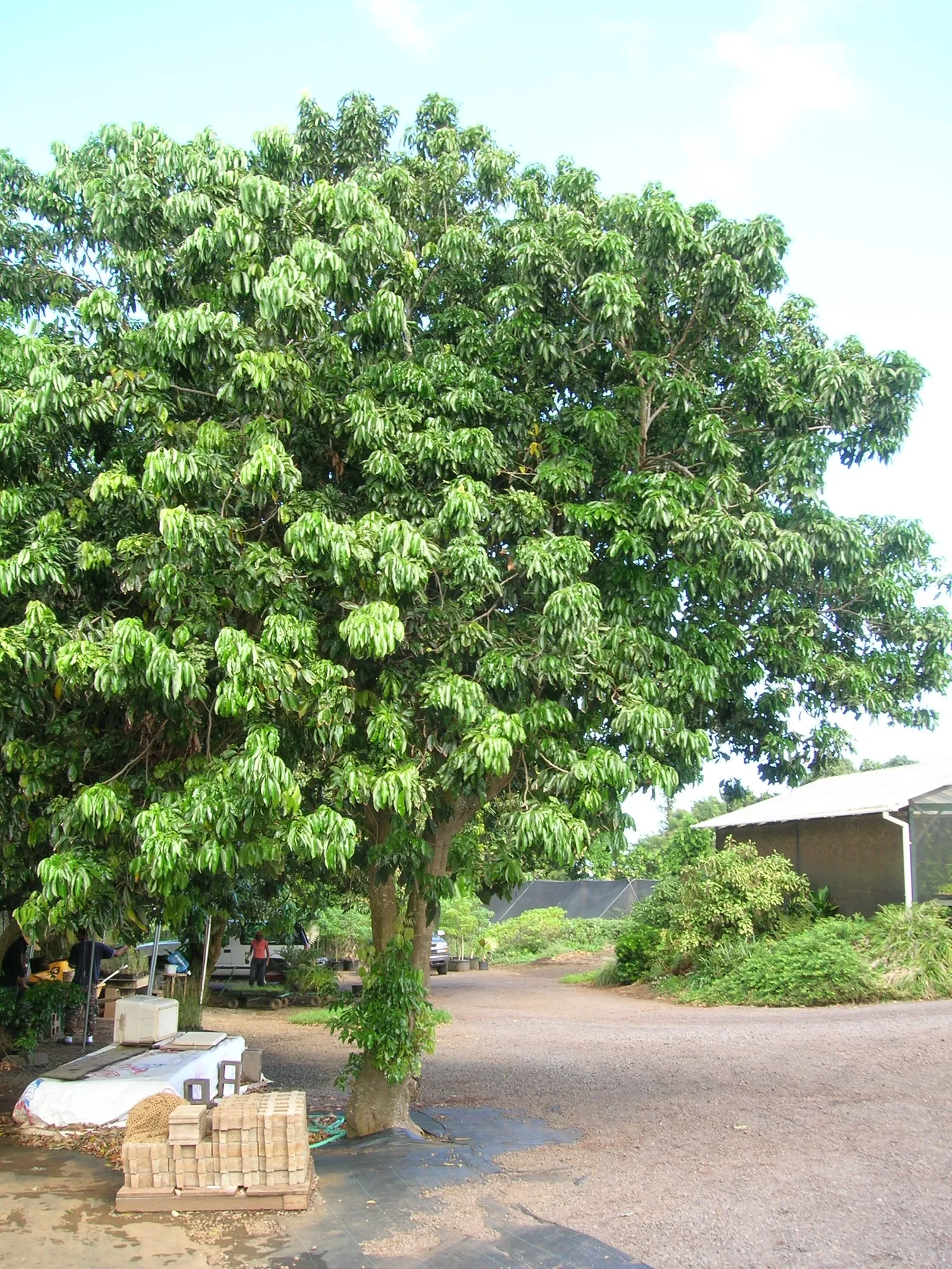 zone 12b
 Lychee
Litchi chinensis
zones 10a–12b
 zone 12b
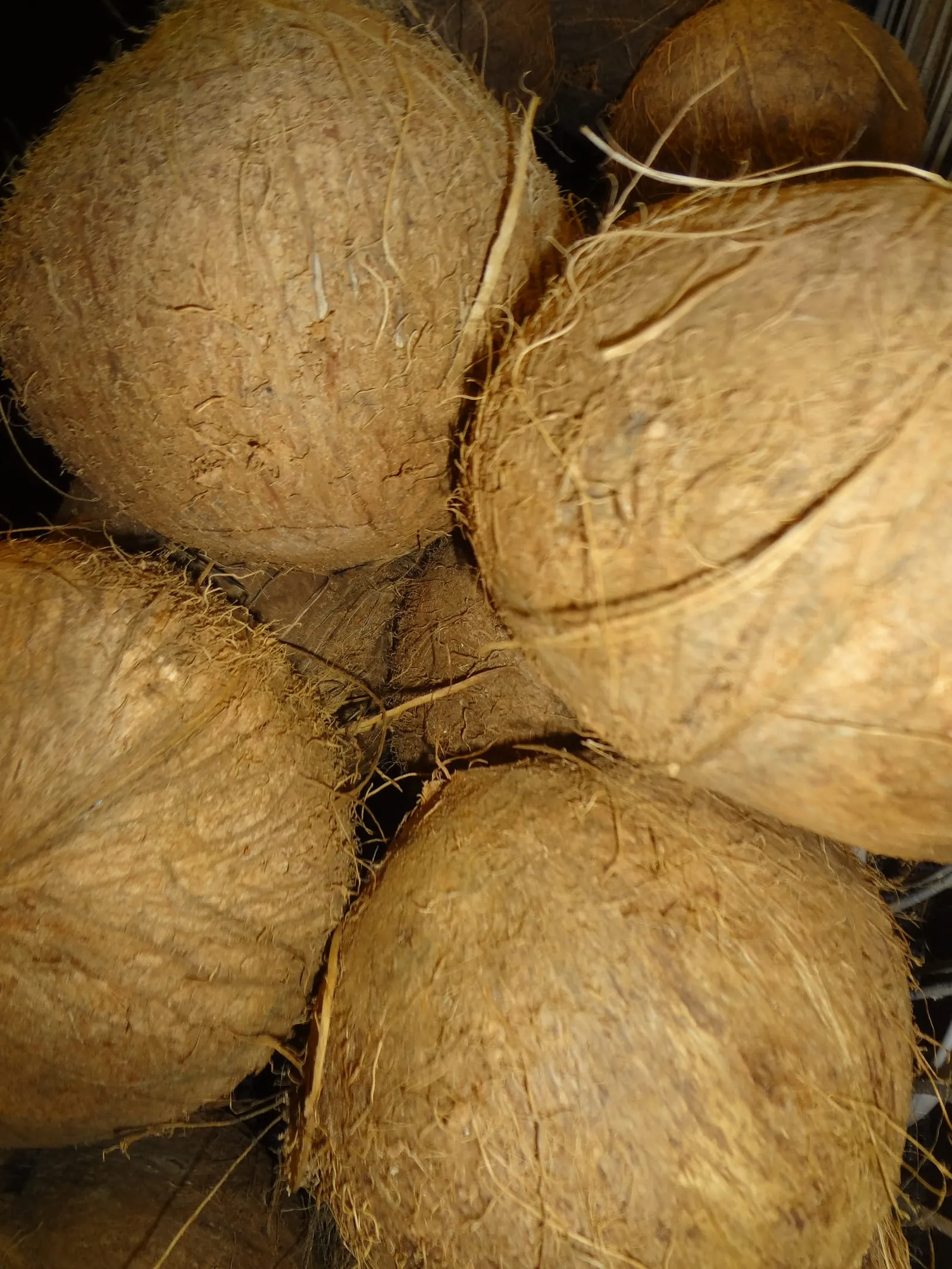
 Coconut
Cocos nucifera
zones 11a–13b
Berries
2 crops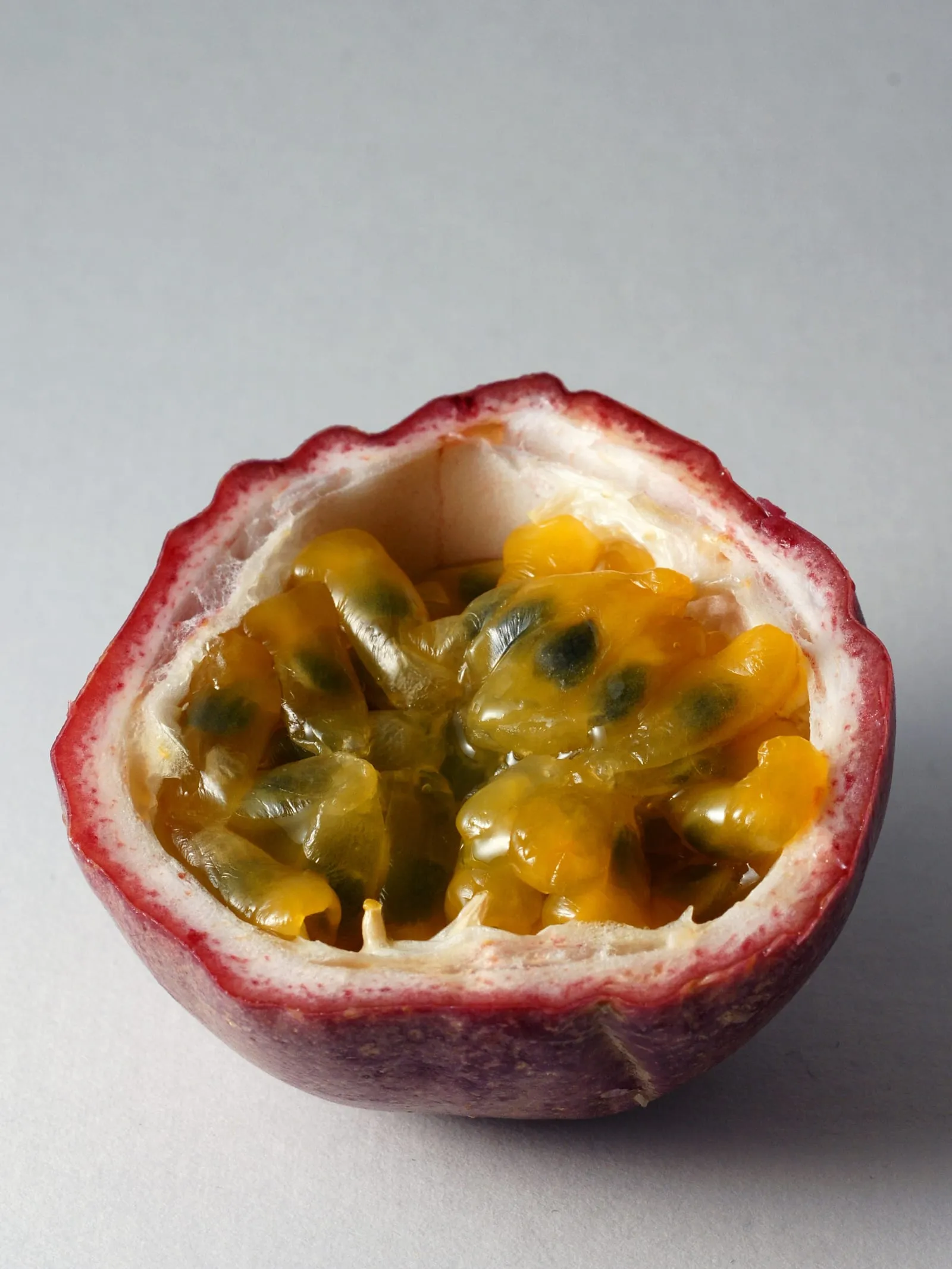
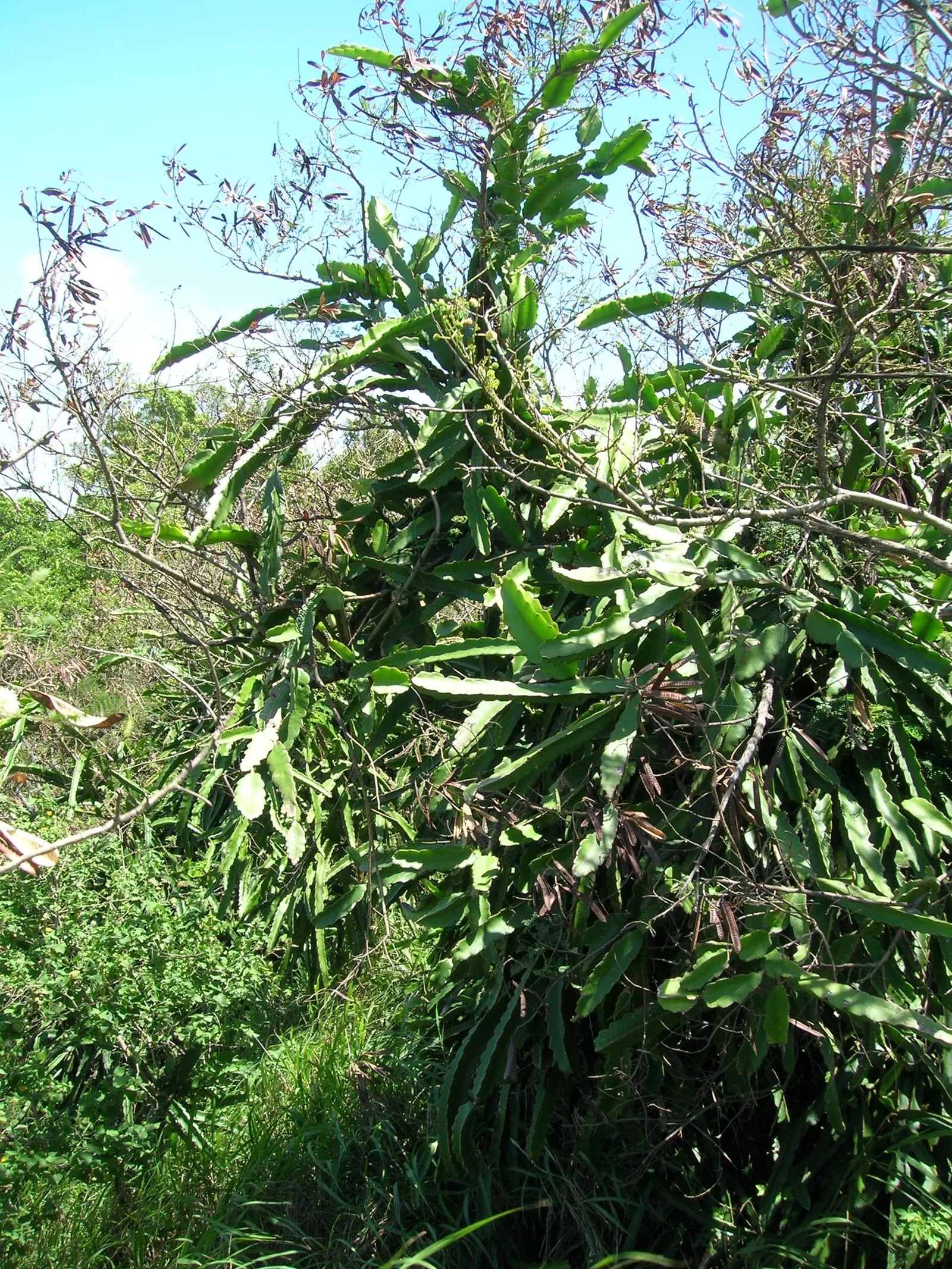
Nuts
1 crop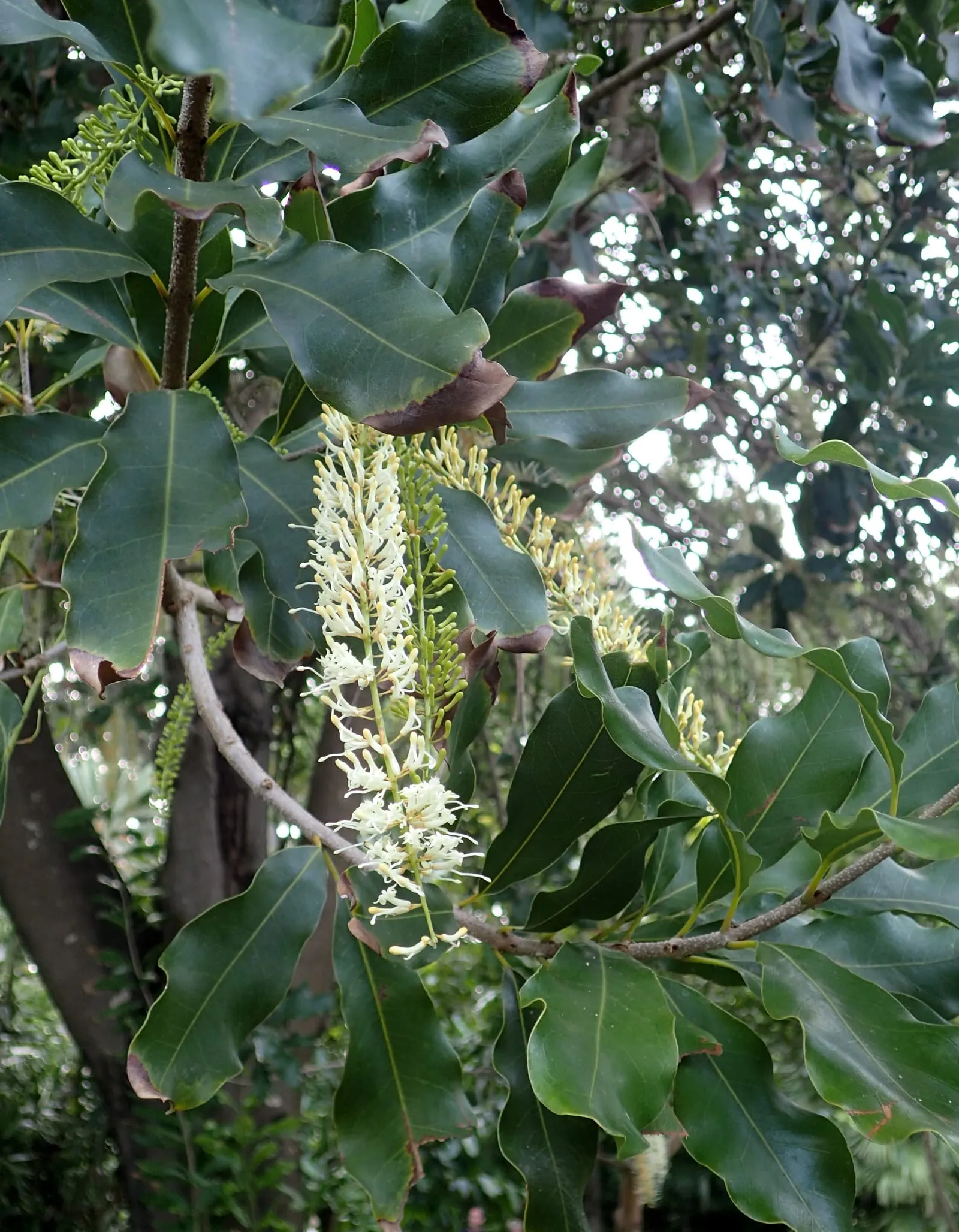
Plan the year
Planting calendar for Honolulu
Year-view of seed starting, transplanting, planting, pruning, fertilizing, harvest, and pest-watch windows tuned to Honolulu's local frost dates.
Week ? · loading
This week in Honolulu, HI (zone 12b)
Quiet week in Honolulu, HI (zone 12b). this week is a good time to step back and plan ahead.
Nothing critical on the calendar this week.
63 bars · 10 crops
Calendar logic combines NOAA frost normals with crop-specific timing data. Local microclimate and weather always overrules the calendar; use this as a starting point.
Top pests for zone 12b
Ranked by how many crops in your zone they affect. Click through for IPM controls and signs to watch for.
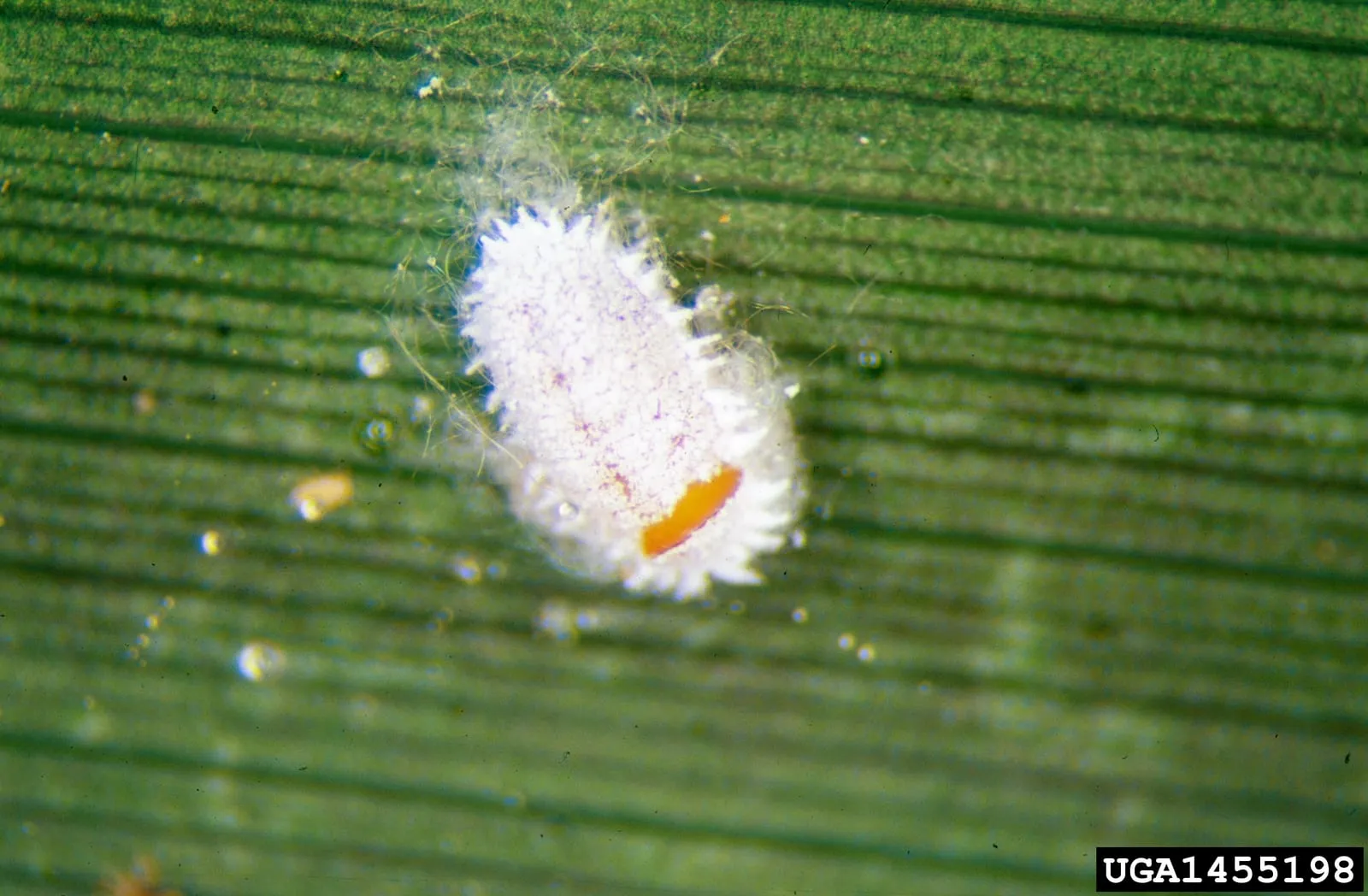
Pseudococcidae spp.
Soft white waxy insects that cluster at leaf joints, fruit stems, and root crowns. Honeydew secretion supports sooty mold; root mealybugs cause decline that mimics drought.
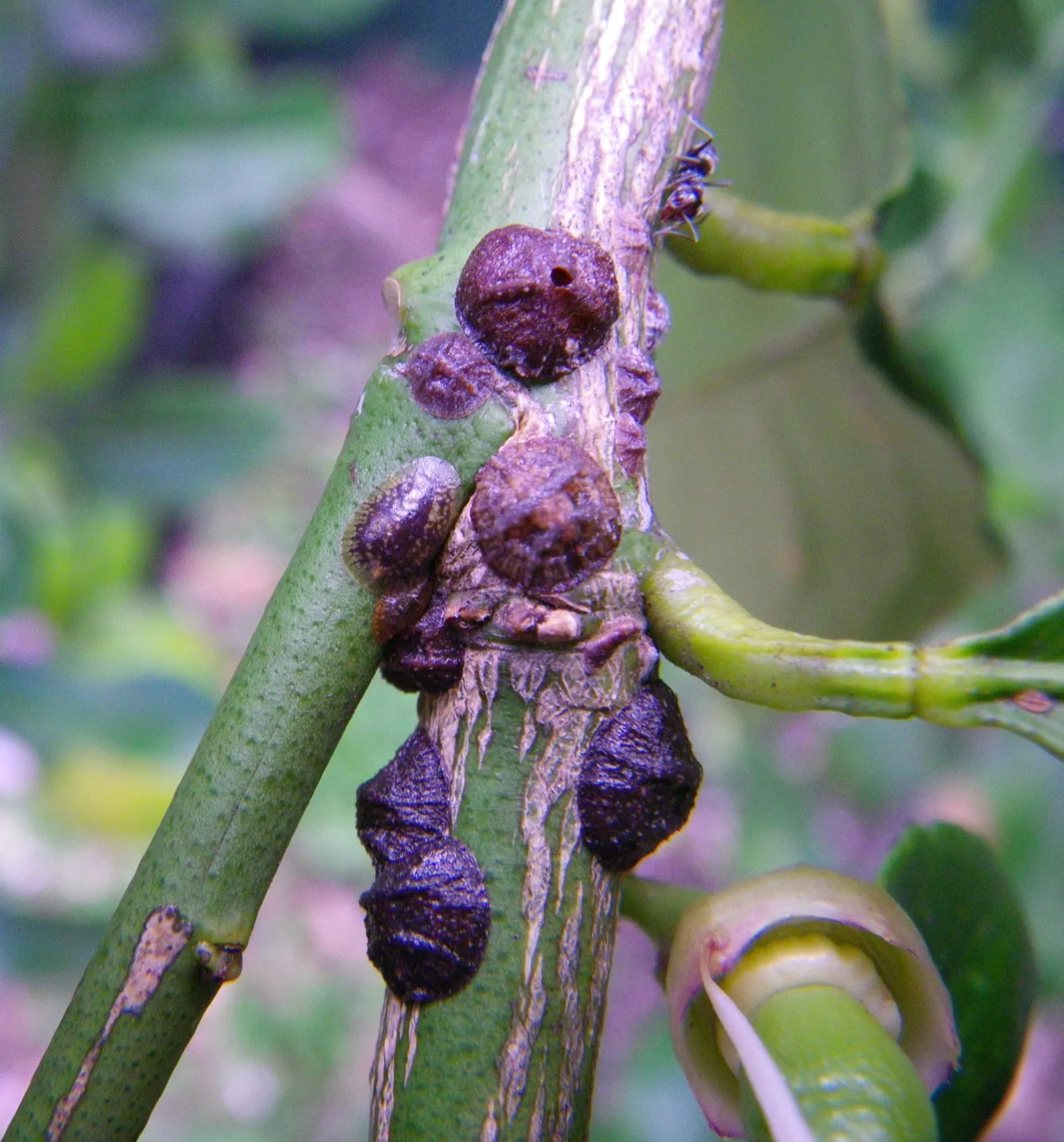
Coccoidea spp.
Sap-sucking insects that attach to bark, leaves, and fruit, secreting honeydew that fuels sooty mold. Heavy infestations weaken trees and cause leaf yellowing.
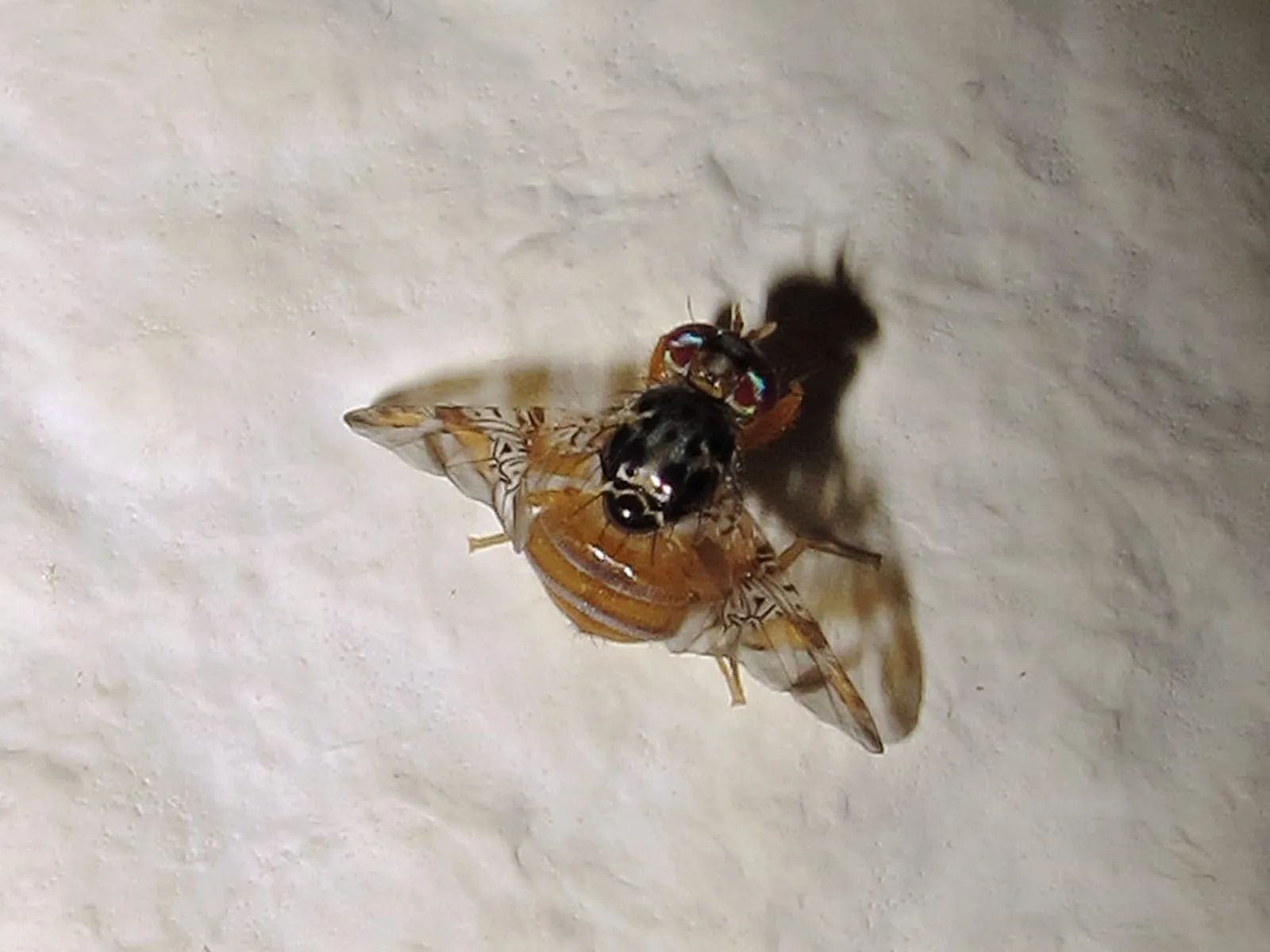
Ceratitis capitata
Quarantine pest in many regions. Adult females puncture ripening fruit to lay eggs; larvae tunnel through the flesh, causing premature drop and rot.
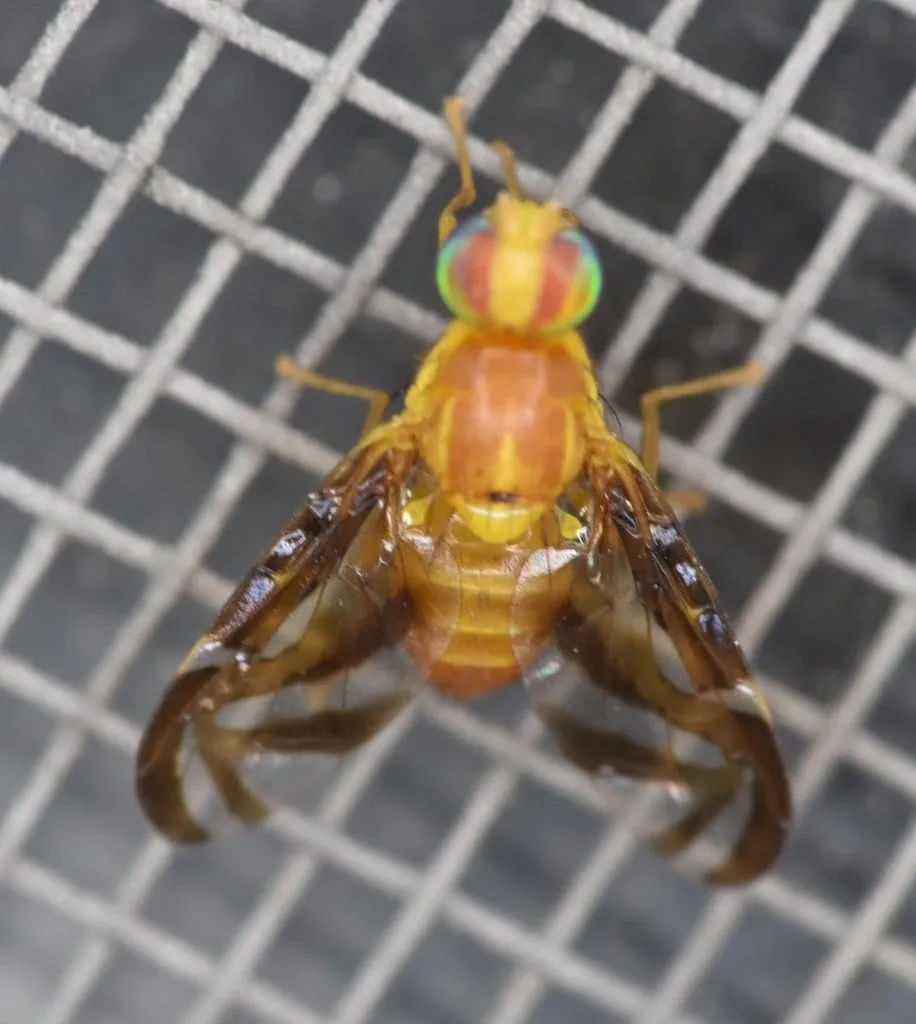
Anastrepha suspensa
Tropical fruit fly endemic to Florida and the Caribbean. Less aggressive on commercial citrus than Mediterranean fruit fly, but devastating on guava, carambola, and other thin-skinned tropicals.
Top diseases for zone 12b
Ranked by how many crops in your zone they affect. Click through for symptoms, controls, and resistant varieties.
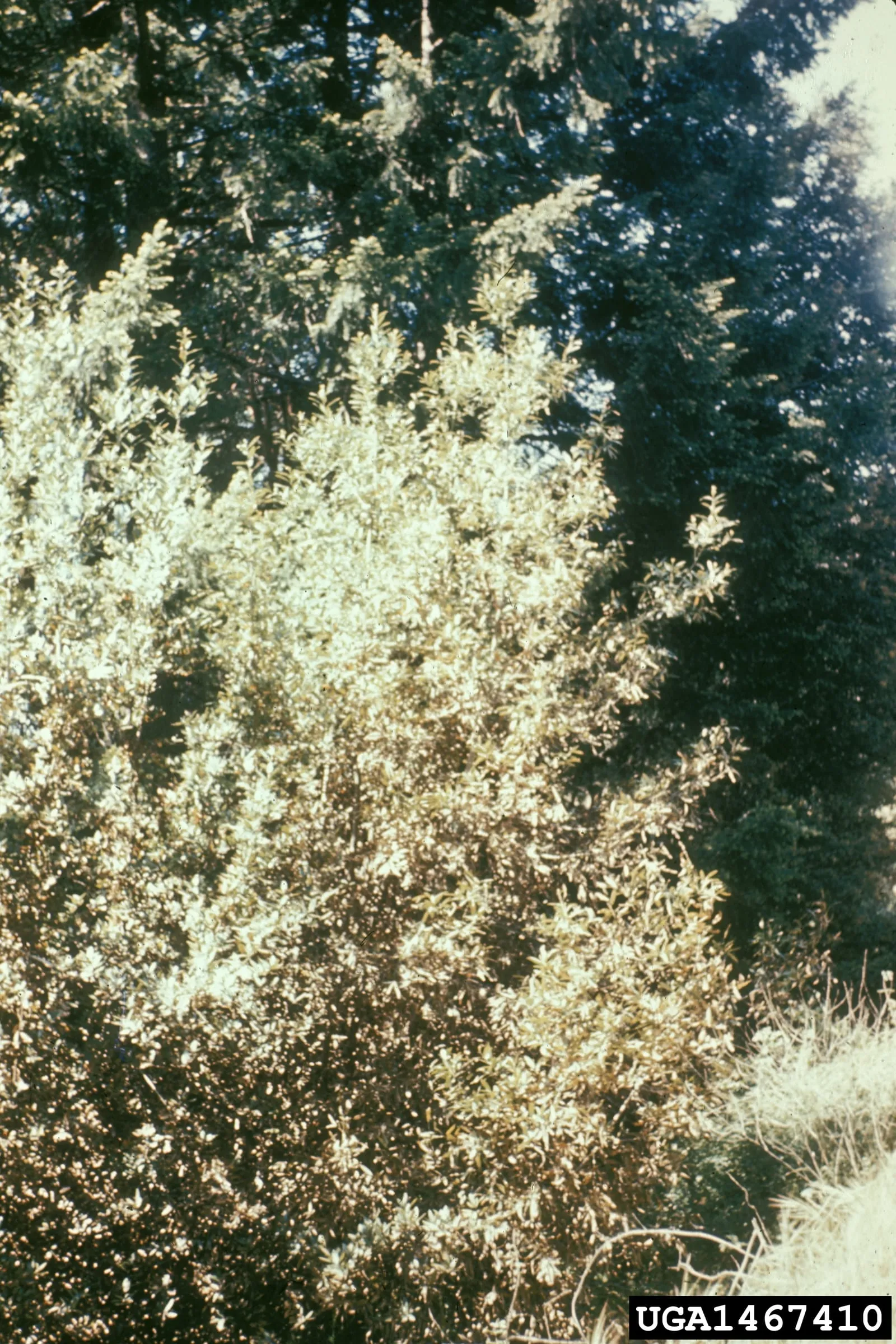
Colletotrichum gloeosporioides
Most damaging mango disease worldwide. Fungal spores infect blossoms and developing fruit during humid weather, producing black sunken lesions that expand on ripening fruit.
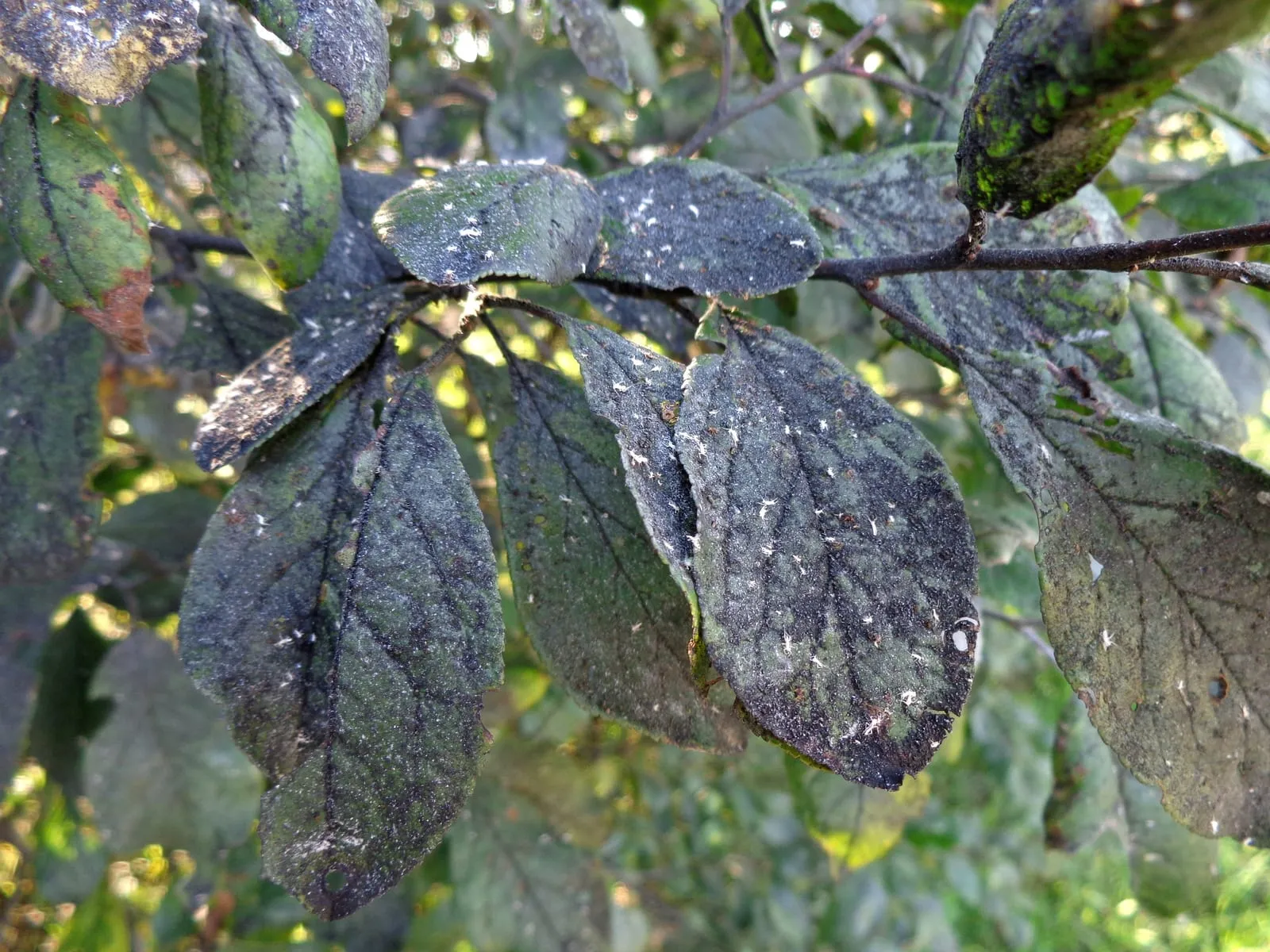
Capnodium spp.
Black fungal coating that grows on honeydew secreted by aphids, scale, mealybugs, and whiteflies. Doesn't infect plant tissue directly but blocks photosynthesis and disfigures fruit.
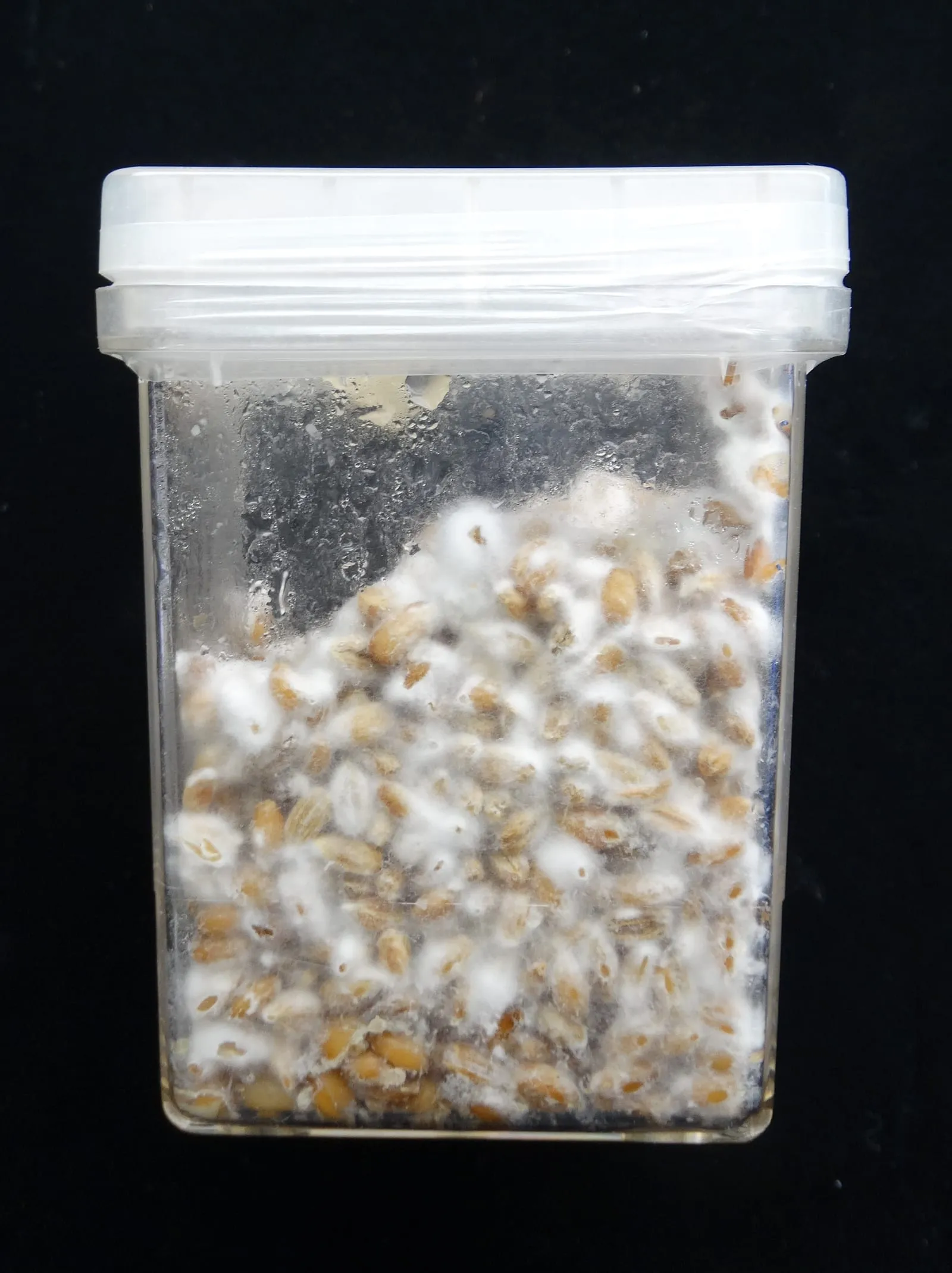
Fusarium oxysporum f. sp. cubense
Soil-borne fungus that colonizes banana root and vascular tissue, causing irreversible wilt. Tropical Race 4 is currently spreading globally and threatens the Cavendish industry. Survives in soil for decades.
Soil types reference
Soil texture and pH decide what grows easily on your specific lot. Find the closest match below for crop recommendations and amendment guidance.
Practical tips for Honolulu
Choose tropical and subtropical varieties first. Mango, banana, papaya, guava, passionfruit, and dragonfruit are reliable performers. If temperate crops appeal, seek low-chill varieties (under 200 chill hours) and verify they've been tested in Hawaii.
Second, manage salt spray risk with windbreaks or salt-tolerant crop placement. Avocados, bananas, and papayas tolerate salt spray moderately well; citrus is more vulnerable. If coastal, plant less-tolerant crops downwind of a baffle or within the shelter of established trees.
Third, scout for fungal disease starting in the wetter months. Thin crowded mango foliage to improve air circulation. Watch papayas for early anthracnose signs (dark lesions on fruit) and remove infected fruit promptly. A late-afternoon water spray (not wet overnight) and selective pruning often prevent disease from becoming severe; fungicides should be a second resort after cultural practices.
Success runs through variety selection, windbreak strategy, and early disease detection rather than fighting the climate.
Frequently asked questions
- What are the best crops to grow in Honolulu?
Tropical and subtropical crops thrive: mango, banana, papaya, guava, passionfruit, dragonfruit, lychee, and starfruit. These are adapted to warm winters and high humidity. Temperate crops like apples and stone fruits typically accumulate insufficient chill hours and underperform despite zone 12b's designation.
- When is the frost threat in Honolulu?
The last spring frost typically arrives around April 12, and the first fall frost doesn't occur until December 1. Frost is rarely a practical concern here; the 235-day frost-free season runs nearly year-round. Heat, humidity, and salt spray pose much larger gardening challenges than cold.
- What causes the most crop failures in Honolulu?
Fungal diseases (anthracnose on papayas, powdery mildew on mangoes) thrive in warm, humid conditions. Salt spray also damages fruit and foliage on coastal properties. Choosing tropical varieties and managing humidity through pruning and air circulation prevent most failures.
- Can I grow tomatoes, peppers, or other vegetables in Honolulu?
Yes, though the long, hot season favors crops like sweet potato and okra. Tomatoes and peppers grow year-round with summer heat care (afternoon shade) and disease management. Plant in spring (late February) and fall (late August) to avoid peak summer humidity and pest pressure.
- Is chill hour insufficiency really a problem for zone 12b here?
Yes. Honolulu's winter lows of 55-60°F don't provide the 800+ chill hours many apples and peaches need. Standard zone 12b recommendations assume cooler mountain or inland microclimates. Stick to tropical crops or seek low-chill varieties tested specifically in Hawaii.
- What's the best way to handle salt spray from the ocean?
Use windbreaks (fences, hedges, established trees) to deflect salt-laden winds. Avocados, bananas, and papayas tolerate salt spray moderately; citrus and stone fruits are more vulnerable. Position sensitive crops downwind of a protective barrier if you're within a few blocks of the coast.
+−
+−
+−
+−
+−
+−
Frost data: NOAA Climate Normals 1991-2020, station USW00021514. Local microclimates can shift these dates by a week or more.
Related