Local planting guide · Southeast
zip 33156
Miami is in USDA hardiness zone 11a, with average winter lows of 40°F to 45°F. The local growing season runs roughly 01/24 through 01/20 (~365 days). This zip falls within the Southeast growing region.
- USDA zone
- 11a 40°F to 45°F
- Last spring frost
- 01/24
- First fall frost
- 01/20
- Growing season
- 365 days
- Compatible crops
- 15
- Growing region
- Southeast
Right now in Miami
Week 37 priorities
On the docket: harvest window. See the full calendar →
Gardening in Miami
Miami sits in USDA zone 11a, where winter temperatures rarely dip below 40°F. The city's most notable frost dates fall in late January: the last spring frost occurs around January 24, and the first fall frost typically arrives January 20. This narrow window means the growing season is effectively 365 days. Frost is the exception, not the rule. The dominant constraint for Miami growers is not cold but rather heat, humidity, and occasional tropical storms. The perpetual warm season supports a crop portfolio built on citrus, tropical fruits, and warm-season vegetables that can be planted almost year-round. Citrus thrives here; the consistent warmth and humidity suit oranges, lemons, limes, and grapefruits. Mangoes, avocados, bananas, and papayas flourish in the tropical climate Miami provides. The challenge is not whether these crops will grow, but rather managing the pests, diseases, and occasional cold snap that come with the territory.
Regional context · Southeast
What the Southeast brings to Miami
Hot, humid, long growing season. Disease-resistant variety selection is the difference between a productive and a failed planting. Strong region for muscadines, blueberries, peaches, persimmons, figs, and warm-season vegetables.
Common challenges
Issues that most often defeat home gardeners in zone 11a, drawn from the broader USDA zone profile.
- ▸ No temperate fruit potential
- ▸ Year-round pest pressure
- ▸ Specialized crop selection
What defeats new gardeners in Miami
The January cold snap is the primary surprise for Miami gardeners who assume frost is impossible in South Florida. A freeze event in late January can damage or kill tender tropical plants, citrus trees in active growth, and young fruiting crops. The second major challenge is fungal disease pressure. Year-round warmth and humidity create ideal conditions for anthracnose on mangoes, citrus leaf spotting, sooty mold, and powdery mildew on susceptible varieties. Consistent, preventive fungicide applications or resistant variety selection become essential maintenance. Third, fruit flies, whiteflies, and scale insects thrive year-round with no winter dormancy to suppress populations. Monitoring and integrated pest management (scouting, sanitation, targeted treatments) become constant routines rather than seasonal tasks.
Crops that grow in Miami
15 crops from our catalog match zone 11a, grouped by type.
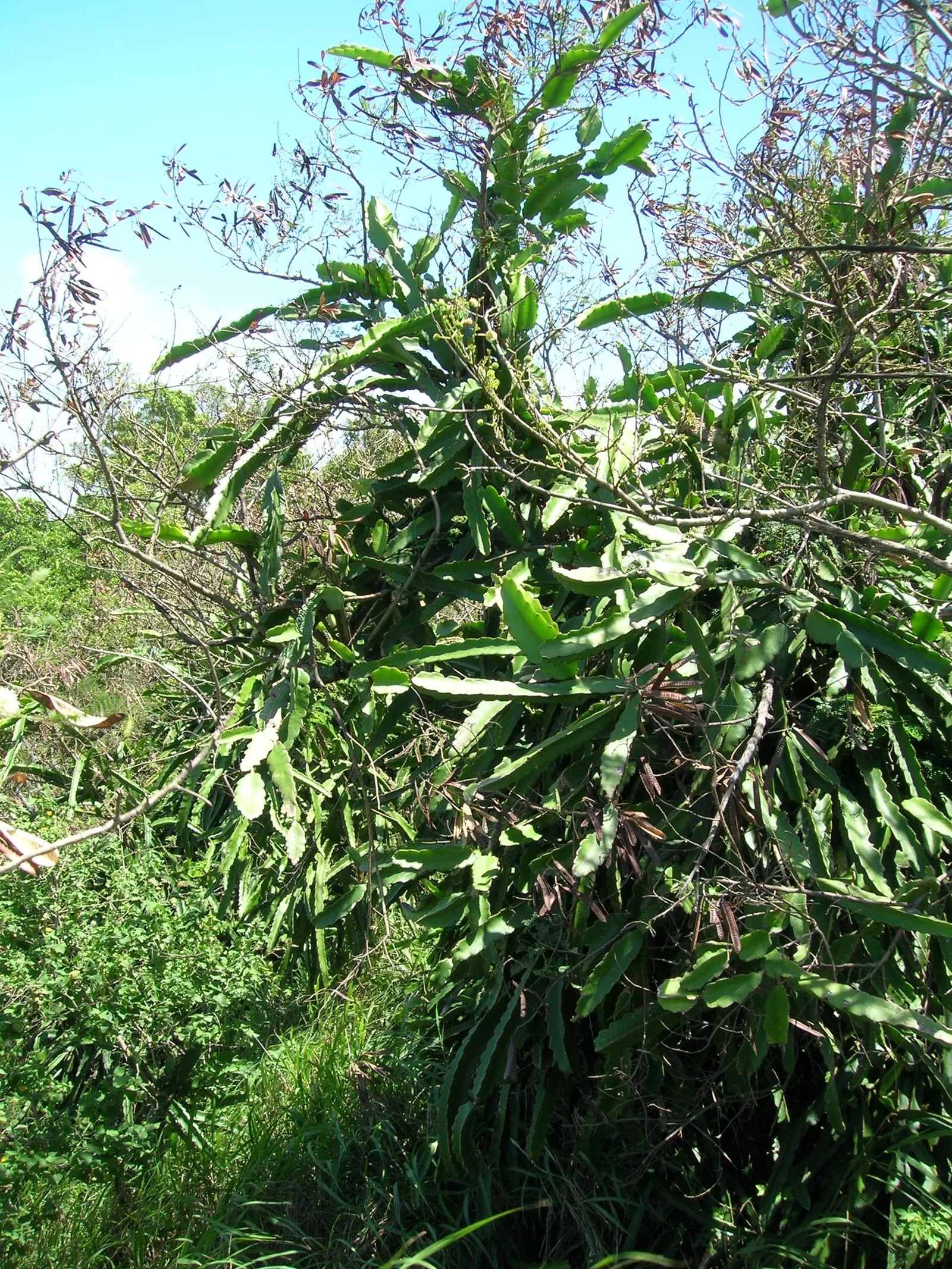
Tree fruit
12 crops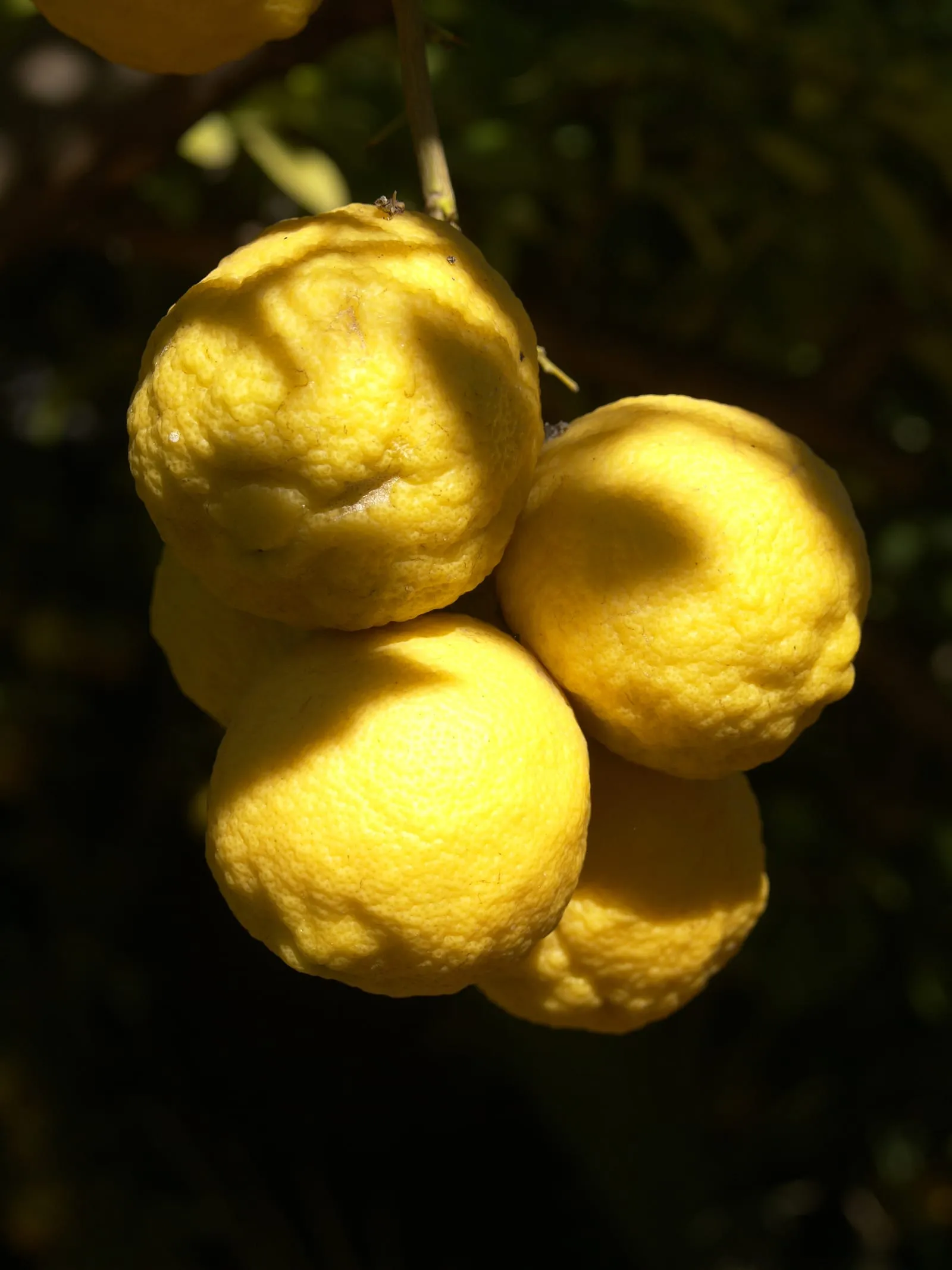 zone 11a
 Lemon
Citrus limon
zones 9a–11b
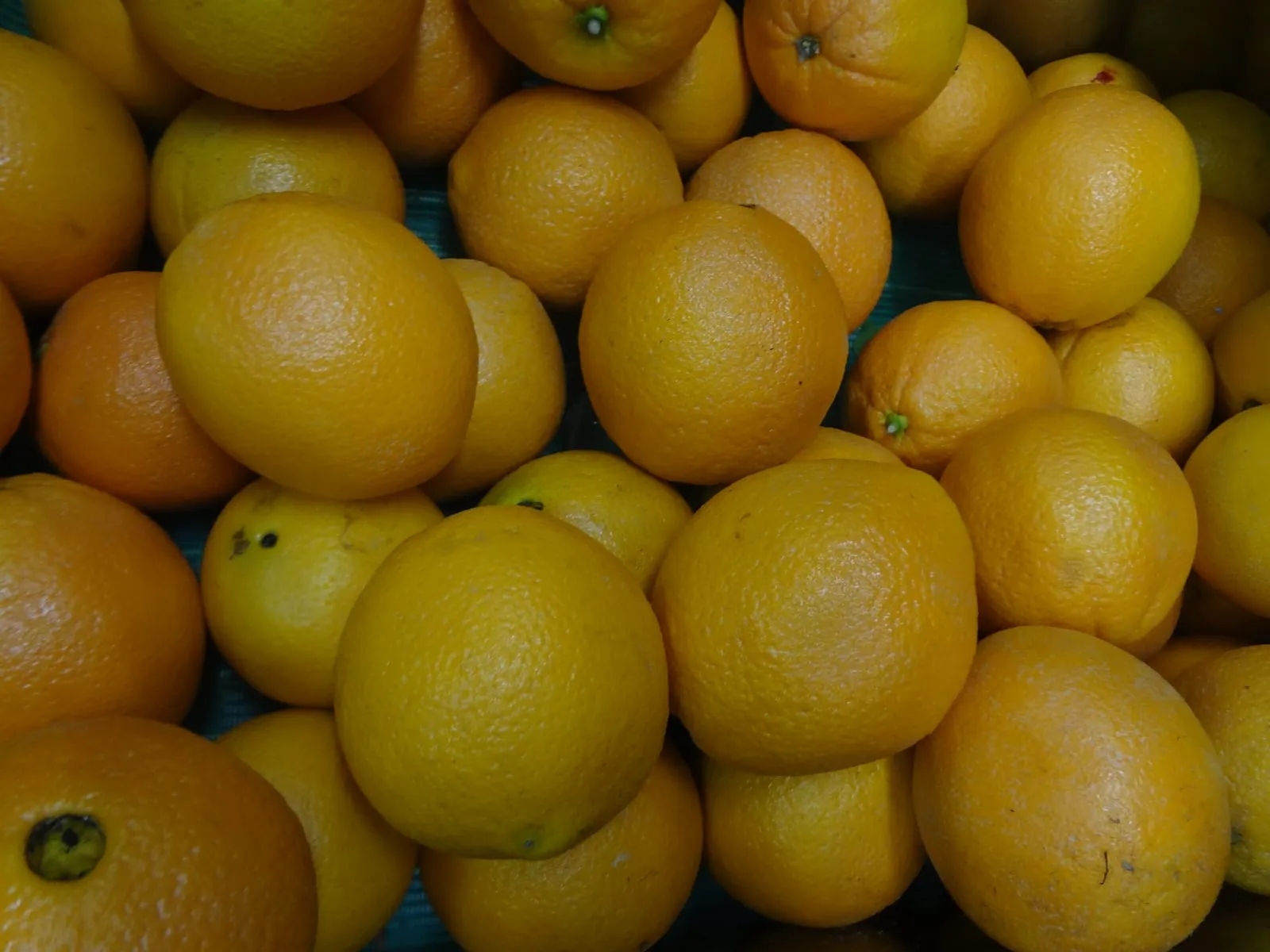 zone 11a
 Orange
Citrus sinensis
zones 9a–11b
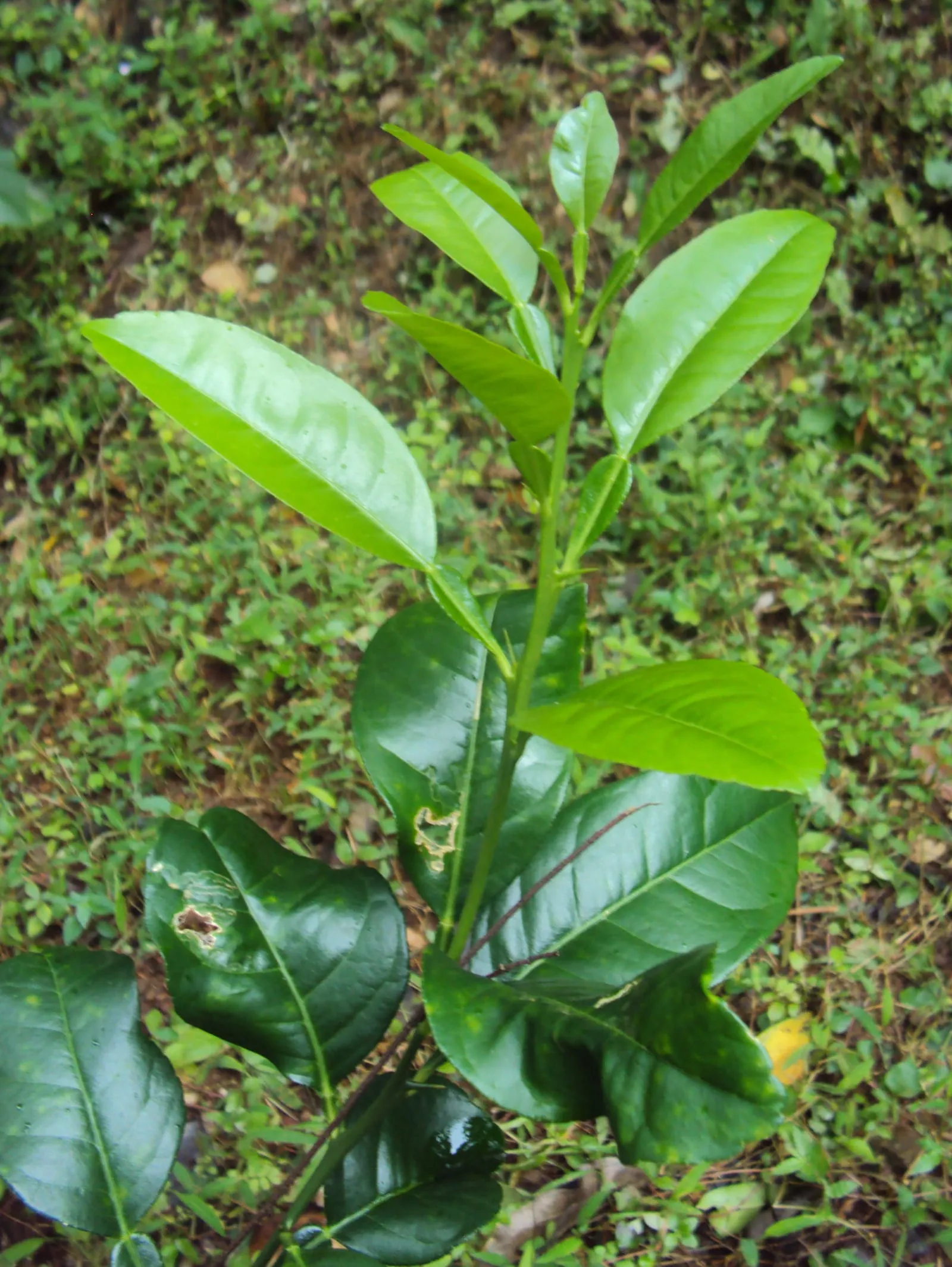 zone 11a
 Lime
Citrus aurantiifolia
zones 9b–11b
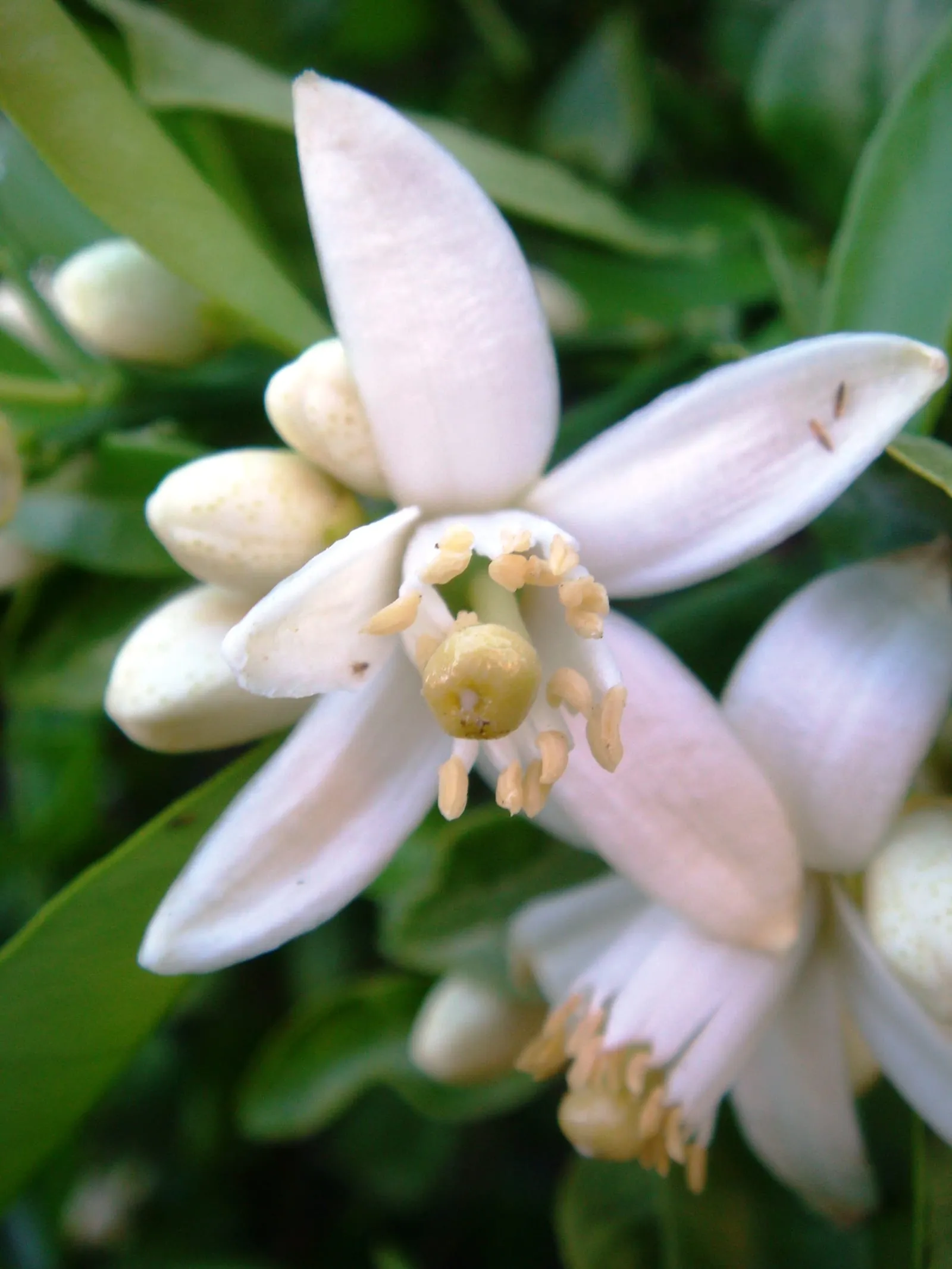 zone 11a
 Grapefruit
Citrus paradisi
zones 9a–11b
 zone 11a
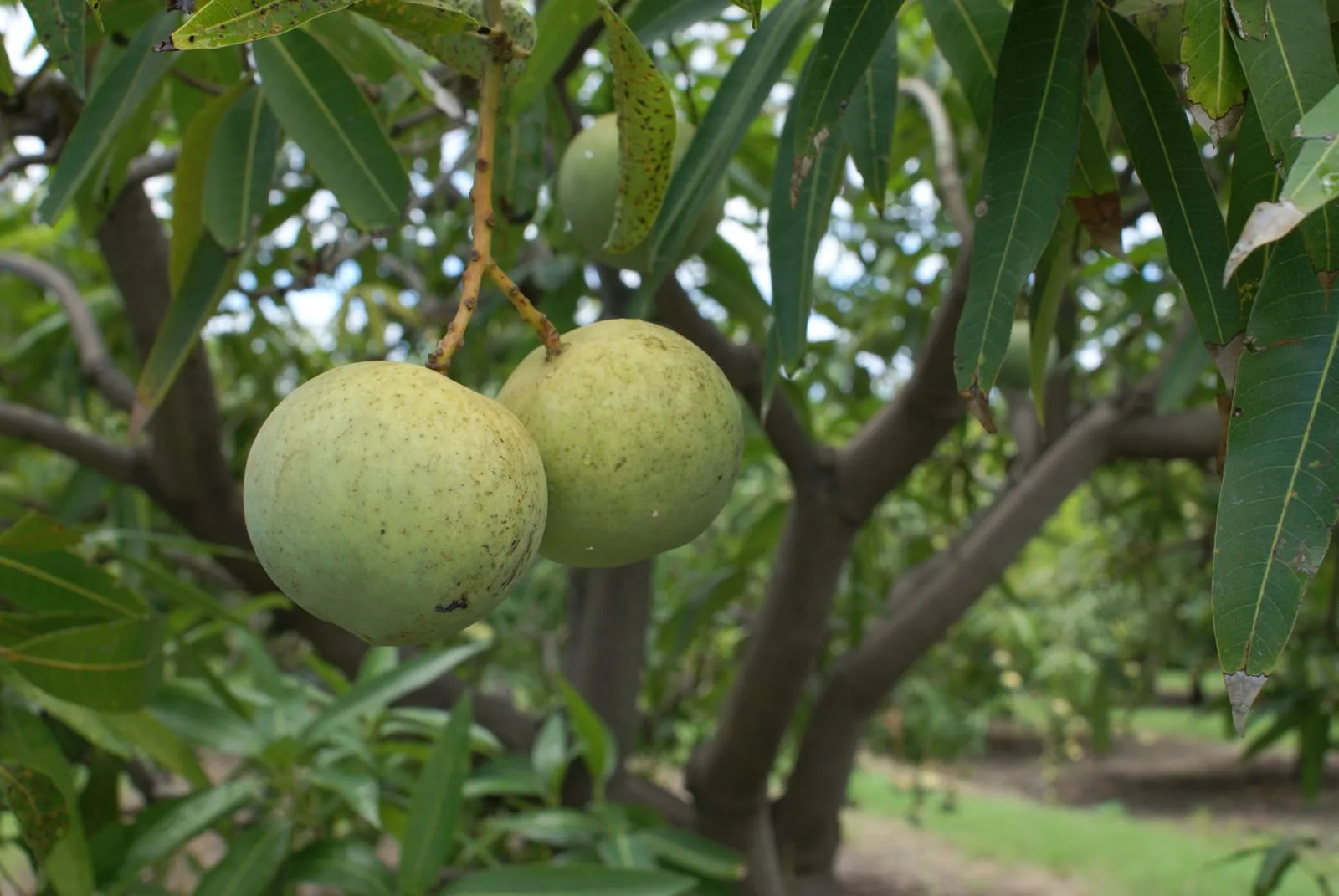
 Mango
Mangifera indica
zones 10b–13b
 zone 11a
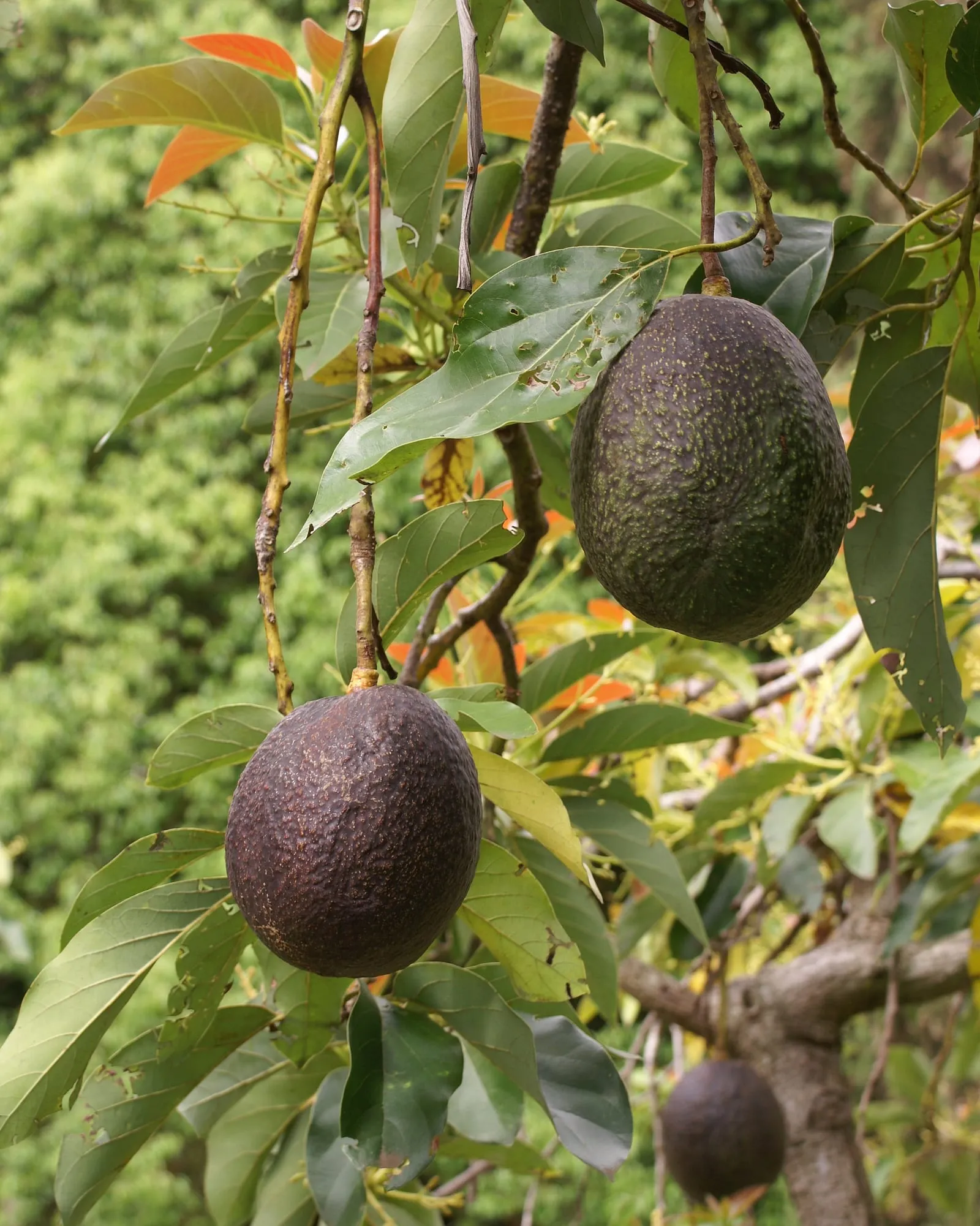
 Avocado
Persea americana
zones 9b–11b
 zone 11a
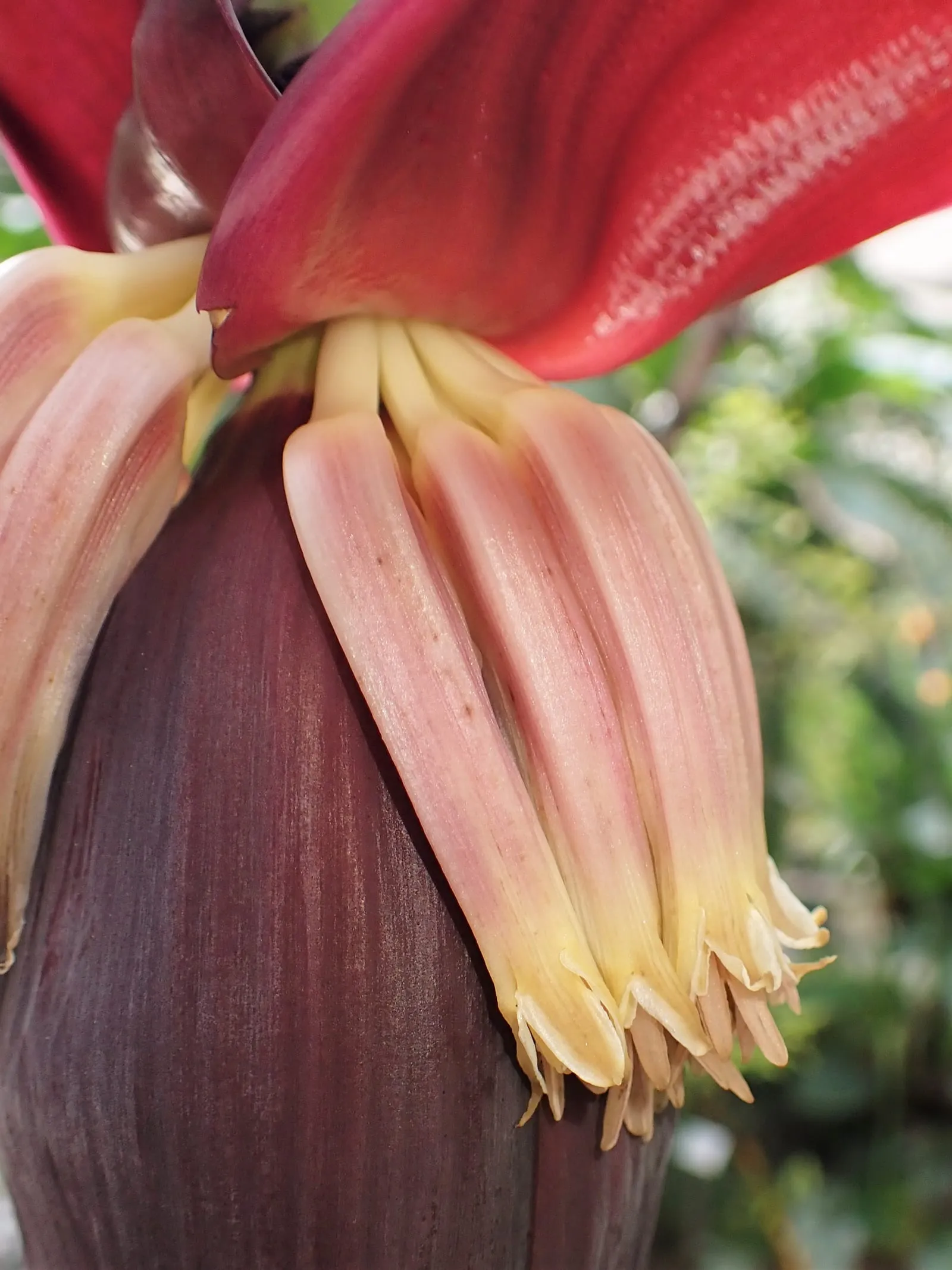
 Banana
Musa acuminata
zones 9b–13b
 zone 11a
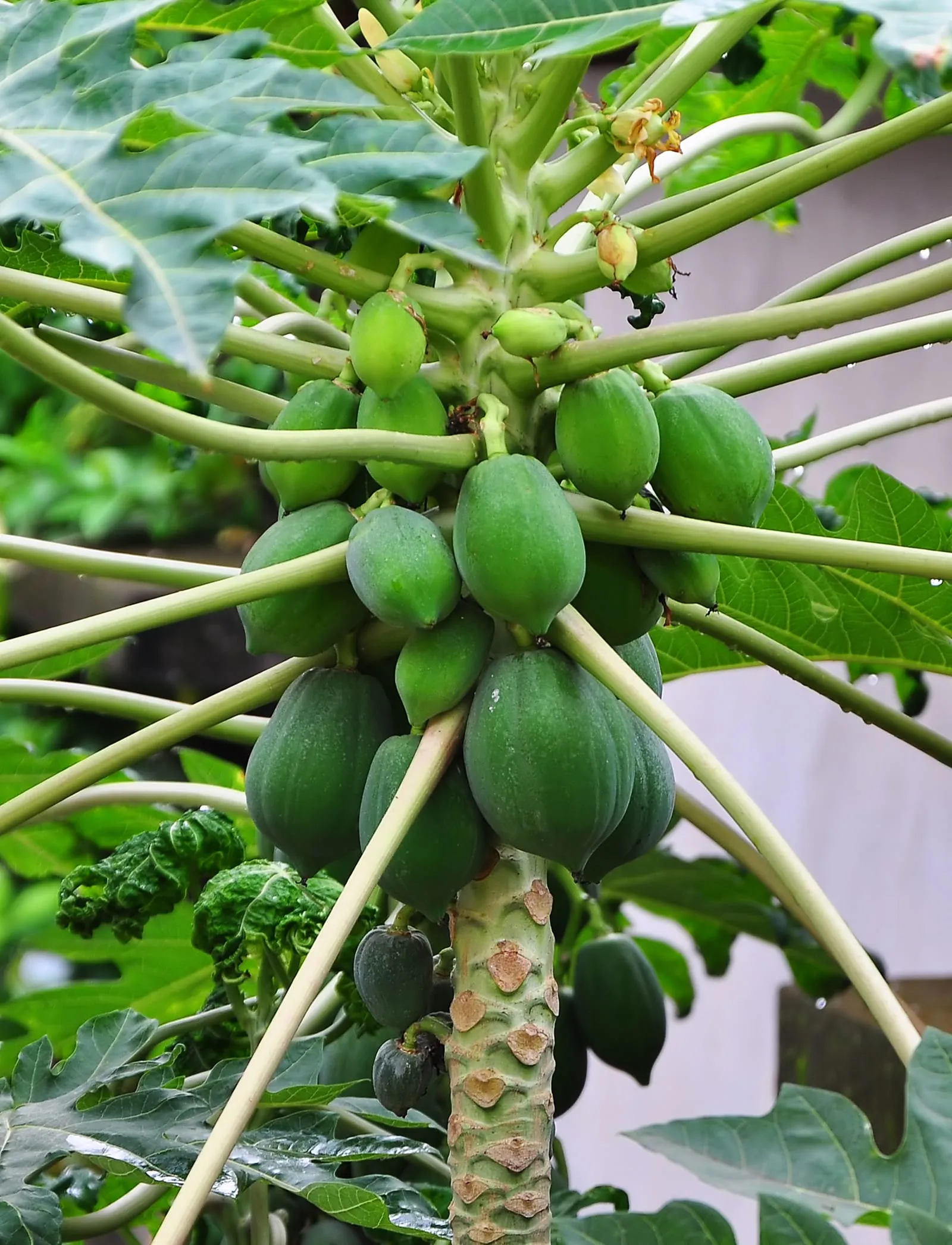
 Papaya
Carica papaya
zones 10a–13b
Berries
2 crops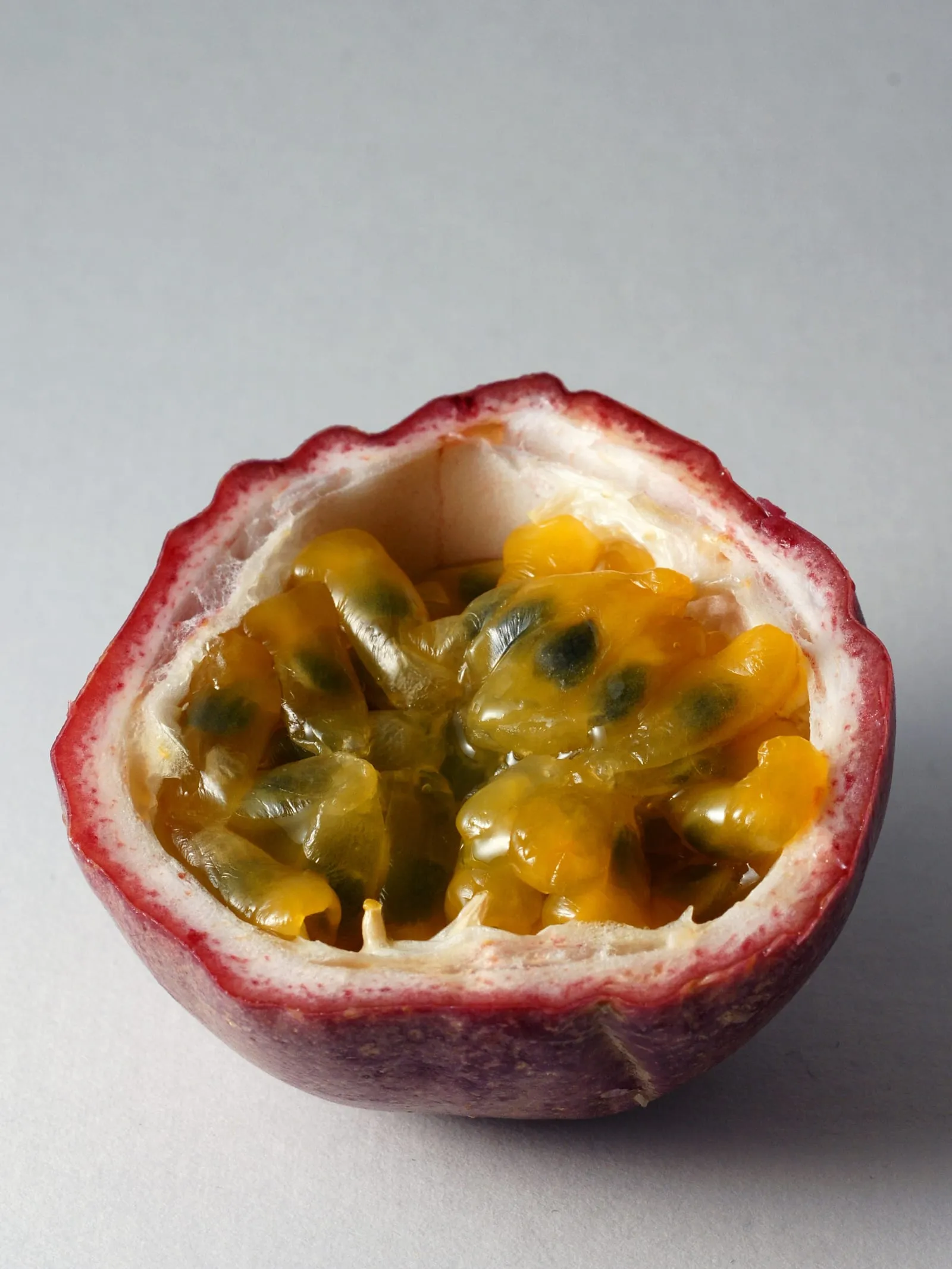
Nuts
1 crop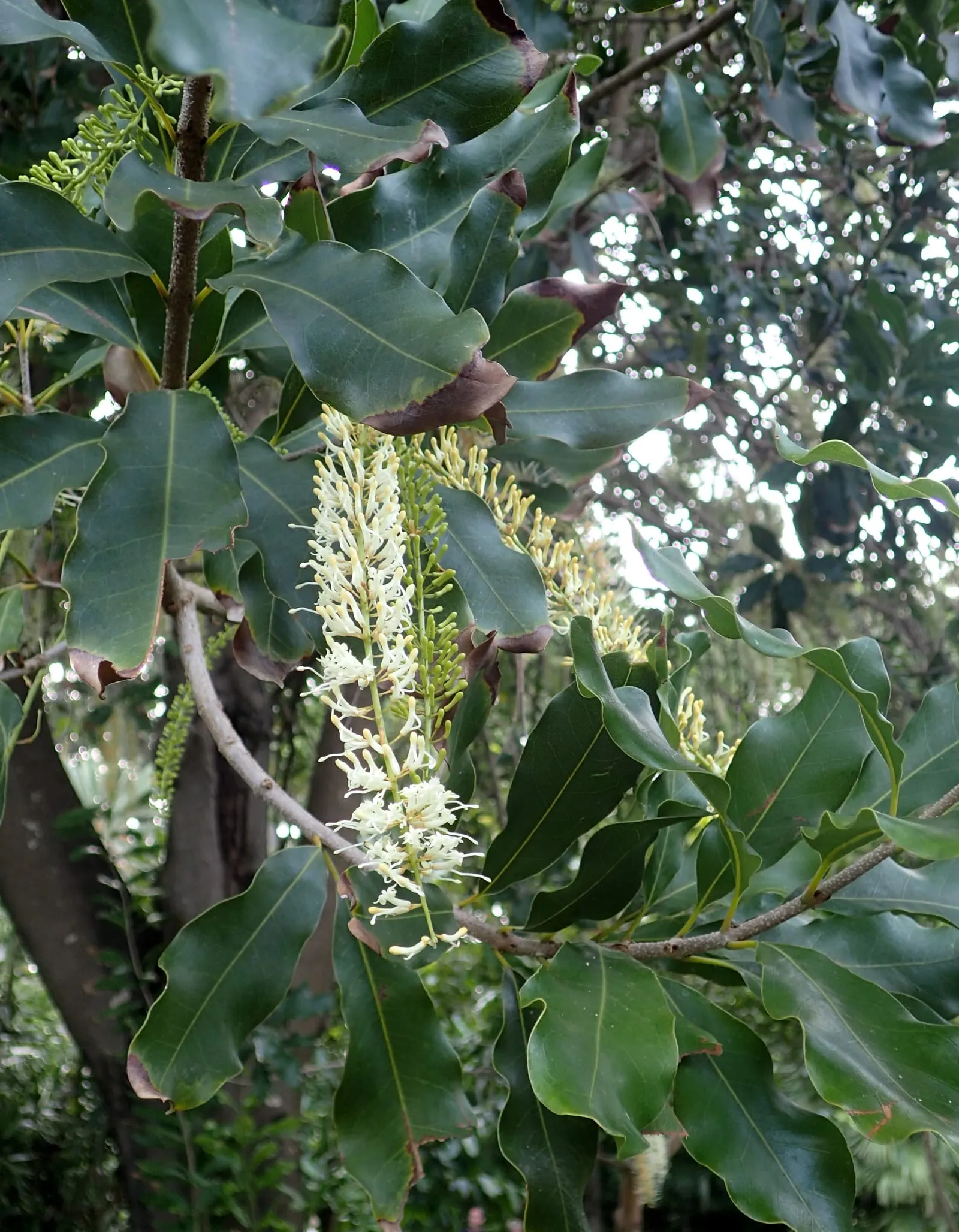
Plan the year
Planting calendar for Miami
Year-view of seed starting, transplanting, planting, pruning, fertilizing, harvest, and pest-watch windows tuned to Miami's local frost dates.
Week ? · loading
This week in Miami, FL (zone 11a)
Quiet week in Miami, FL (zone 11a). this week is a good time to step back and plan ahead.
Nothing critical on the calendar this week.
97 bars · 15 crops
Calendar logic combines NOAA frost normals with crop-specific timing data. Local microclimate and weather always overrules the calendar; use this as a starting point.
Top pests for zone 11a
Ranked by how many crops in your zone they affect. Click through for IPM controls and signs to watch for.
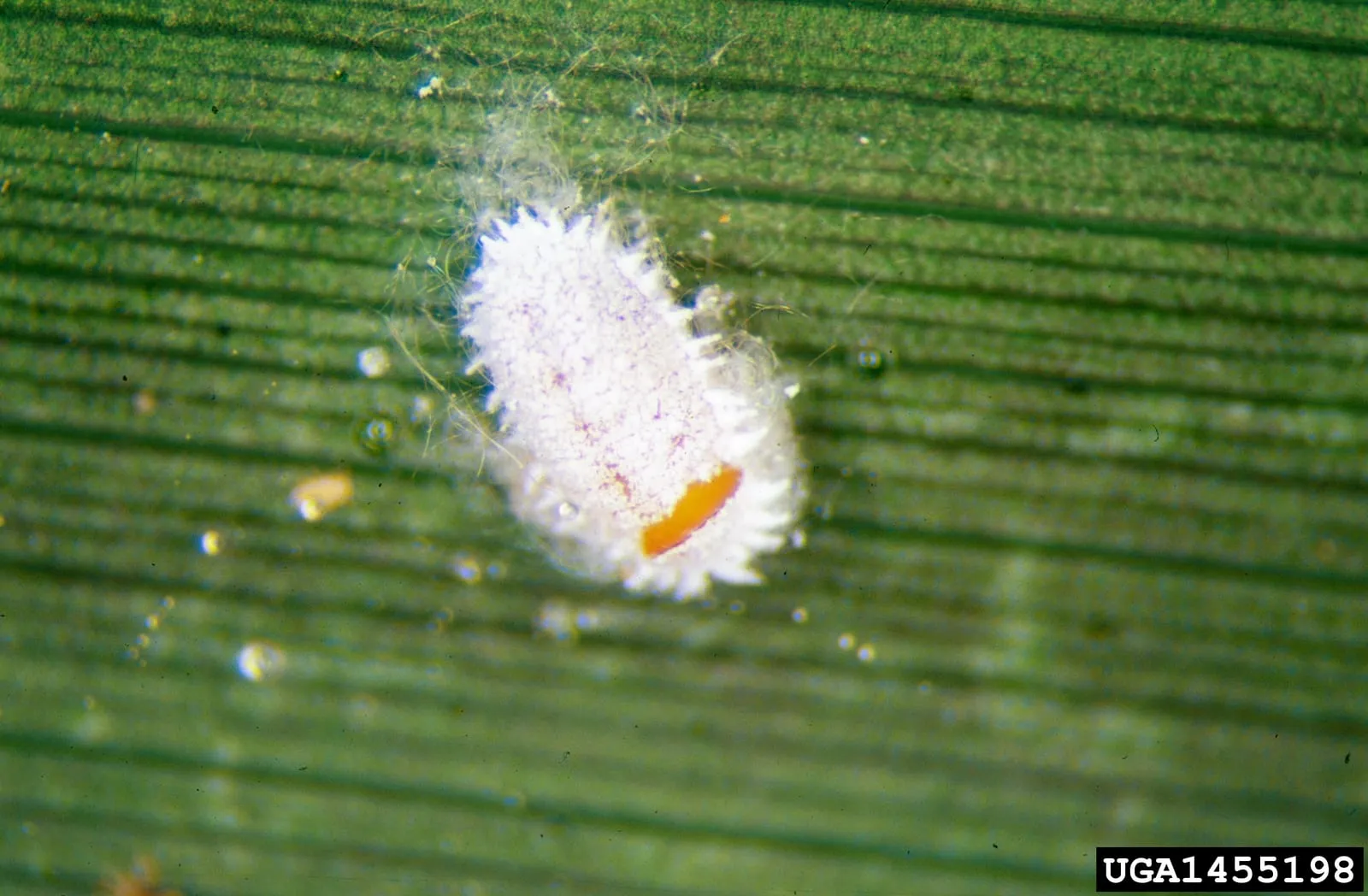
Pseudococcidae spp.
Soft white waxy insects that cluster at leaf joints, fruit stems, and root crowns. Honeydew secretion supports sooty mold; root mealybugs cause decline that mimics drought.
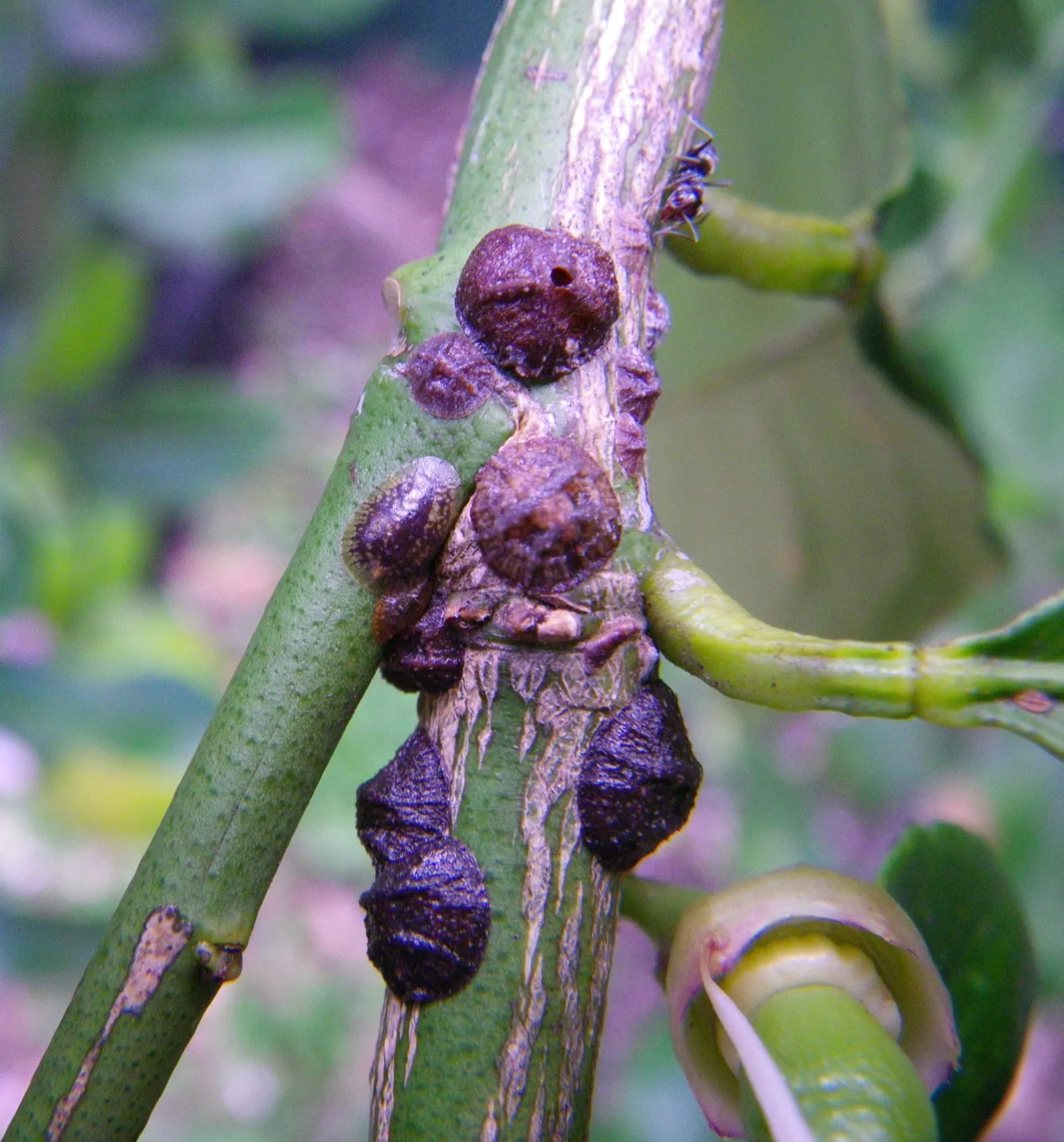
Coccoidea spp.
Sap-sucking insects that attach to bark, leaves, and fruit, secreting honeydew that fuels sooty mold. Heavy infestations weaken trees and cause leaf yellowing.
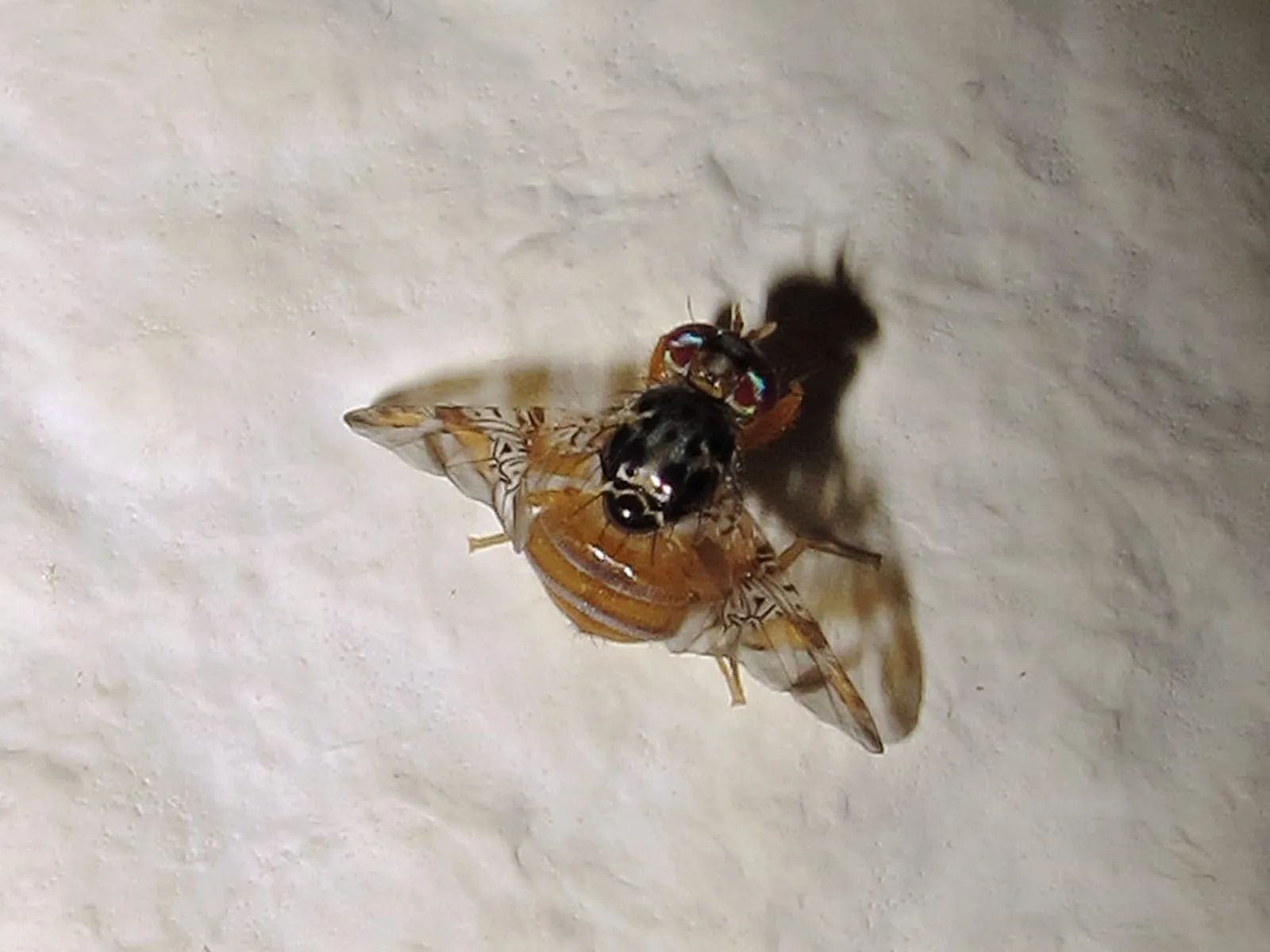
Ceratitis capitata
Quarantine pest in many regions. Adult females puncture ripening fruit to lay eggs; larvae tunnel through the flesh, causing premature drop and rot.
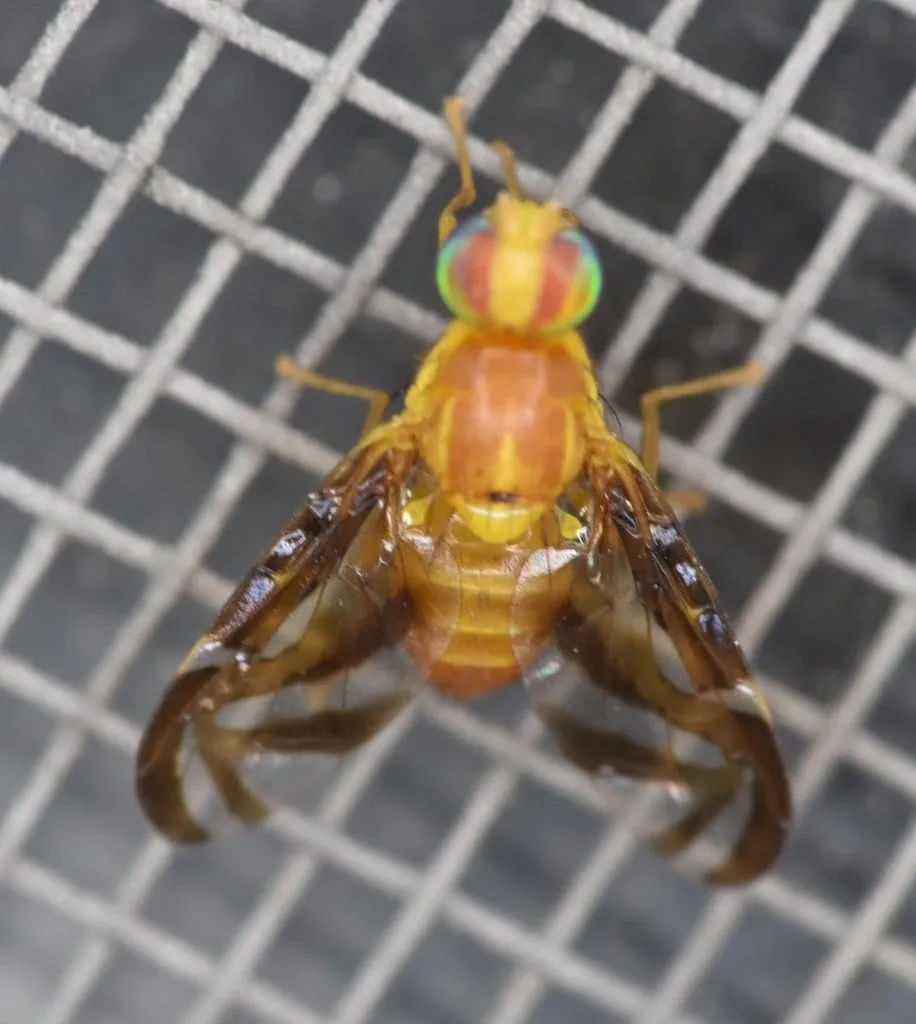
Anastrepha suspensa
Tropical fruit fly endemic to Florida and the Caribbean. Less aggressive on commercial citrus than Mediterranean fruit fly, but devastating on guava, carambola, and other thin-skinned tropicals.
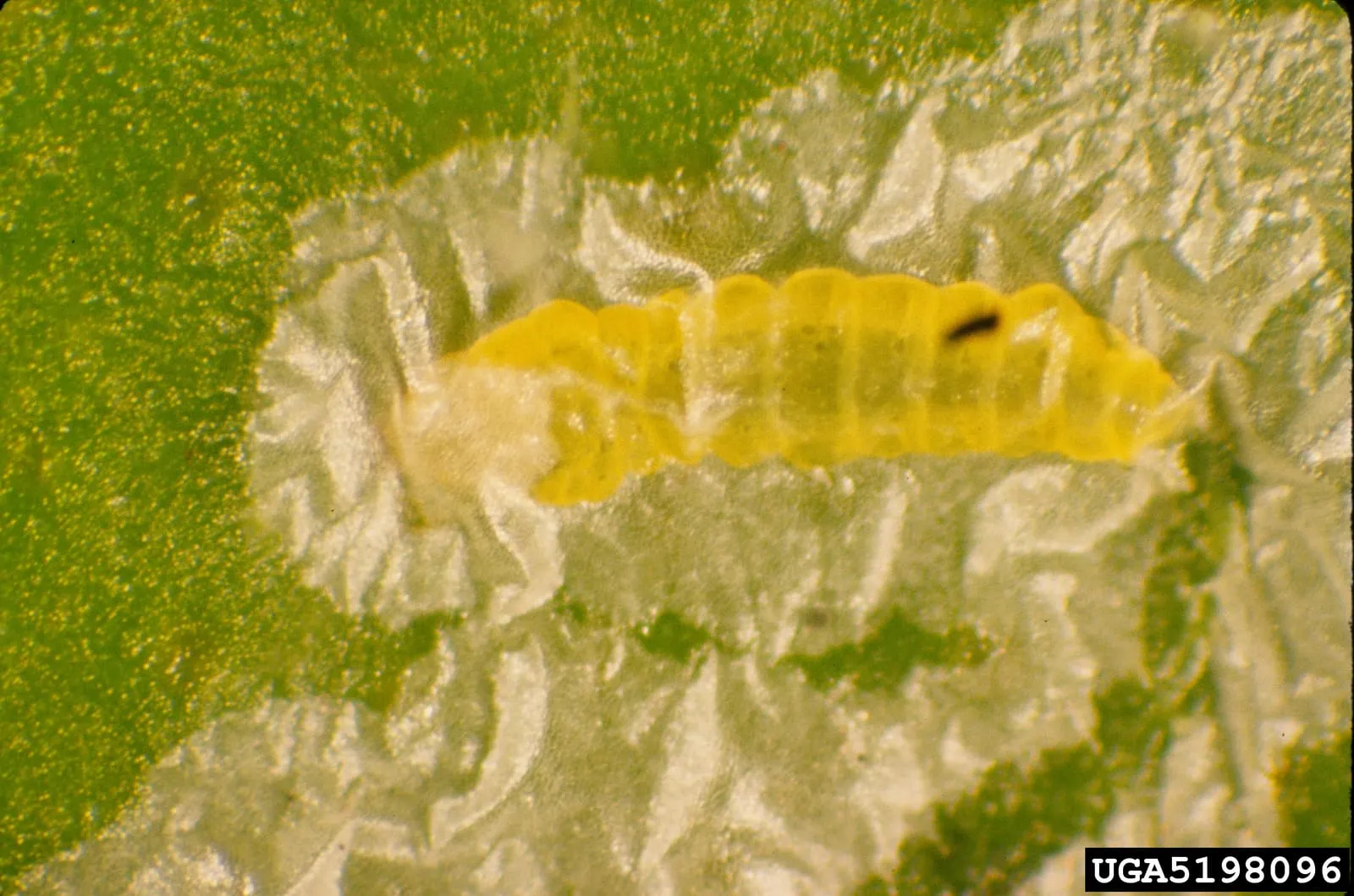
Phyllocnistis citrella
Tiny moth larvae tunnel inside young citrus leaves, leaving silvery serpentine trails. Damage is mostly cosmetic on mature trees but stunts new plantings.
Top diseases for zone 11a
Ranked by how many crops in your zone they affect. Click through for symptoms, controls, and resistant varieties.
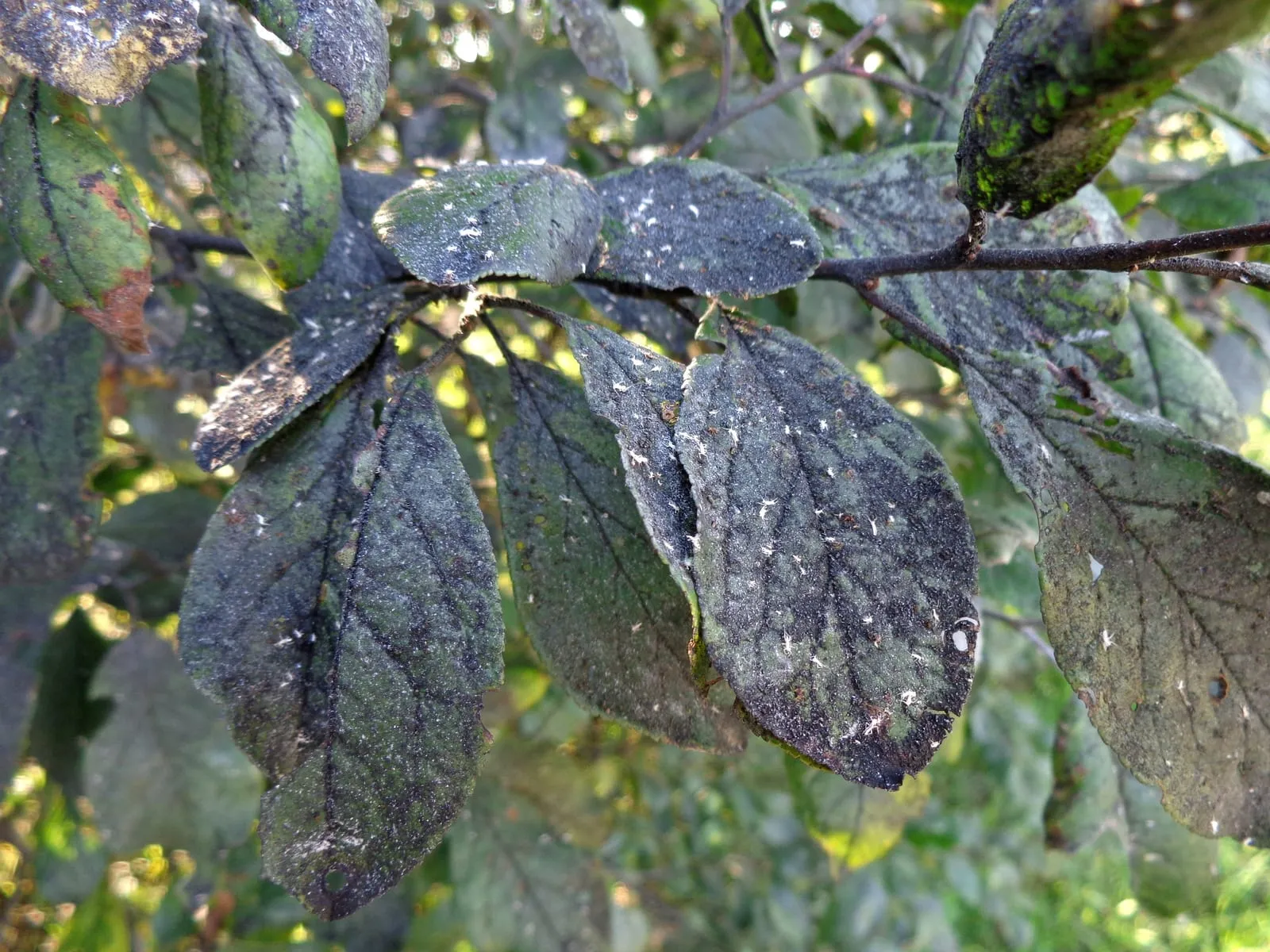
Capnodium spp.
Black fungal coating that grows on honeydew secreted by aphids, scale, mealybugs, and whiteflies. Doesn't infect plant tissue directly but blocks photosynthesis and disfigures fruit.
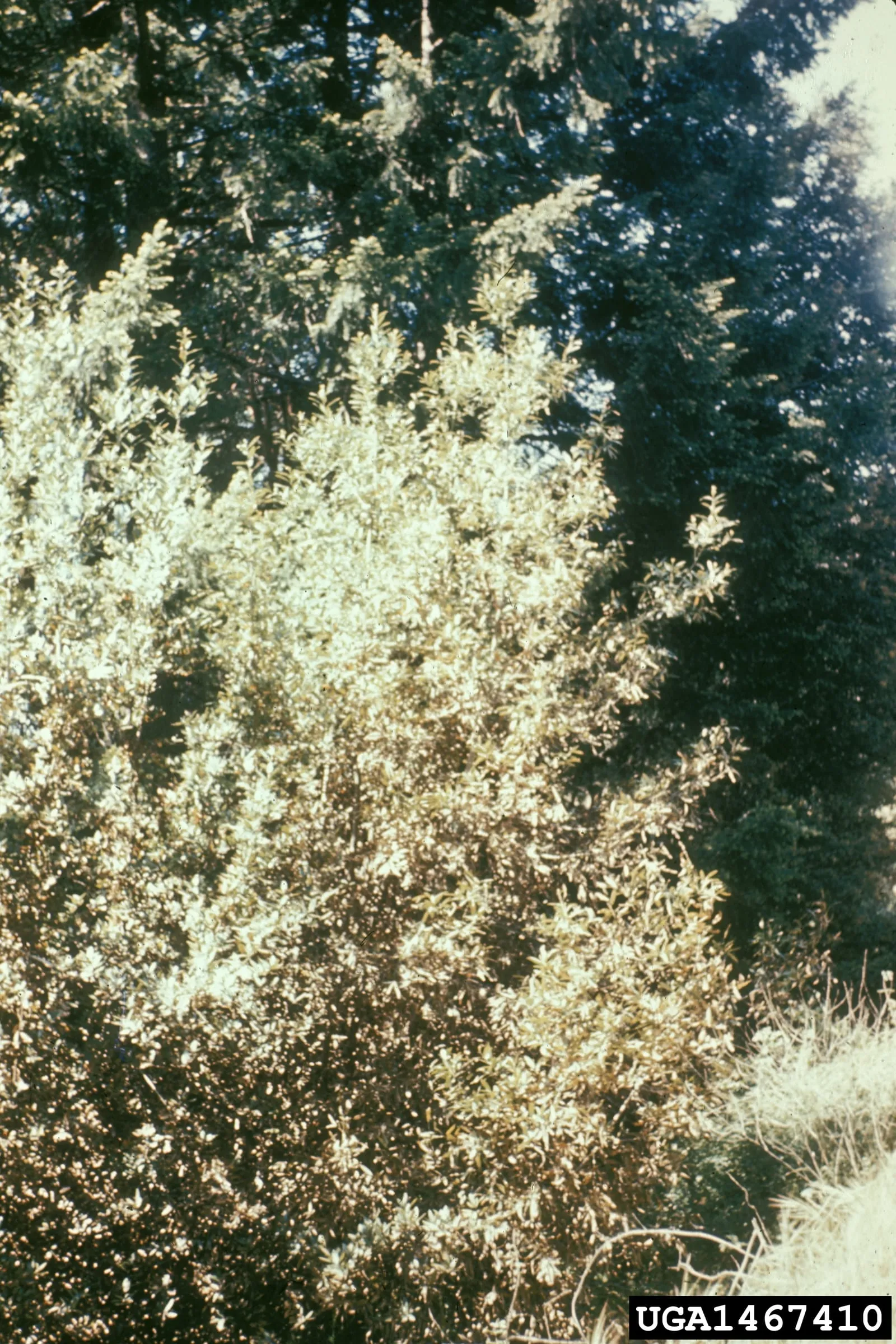
Colletotrichum gloeosporioides
Most damaging mango disease worldwide. Fungal spores infect blossoms and developing fruit during humid weather, producing black sunken lesions that expand on ripening fruit.
Candidatus Liberibacter asiaticus
Devastating bacterial disease vectored by the Asian citrus psyllid. Once infected, trees decline progressively over several years and there is no cure. Has destroyed commercial citrus across Florida and threatens production worldwide.
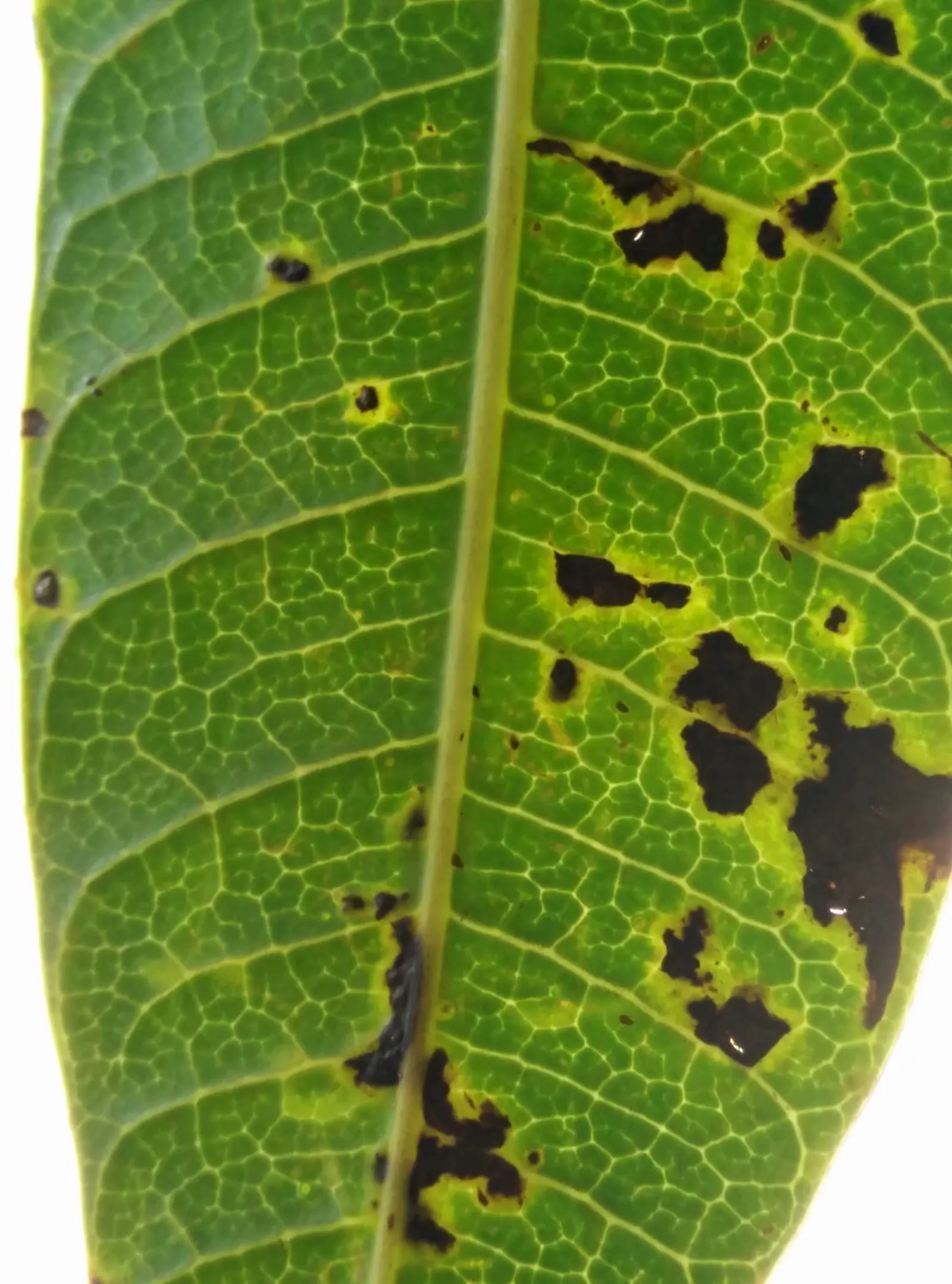
Xanthomonas citri
Bacterial disease producing raised corky lesions on leaves, twigs, and fruit. Spread by wind-driven rain and contaminated tools. Quarantine-regulated in many areas.
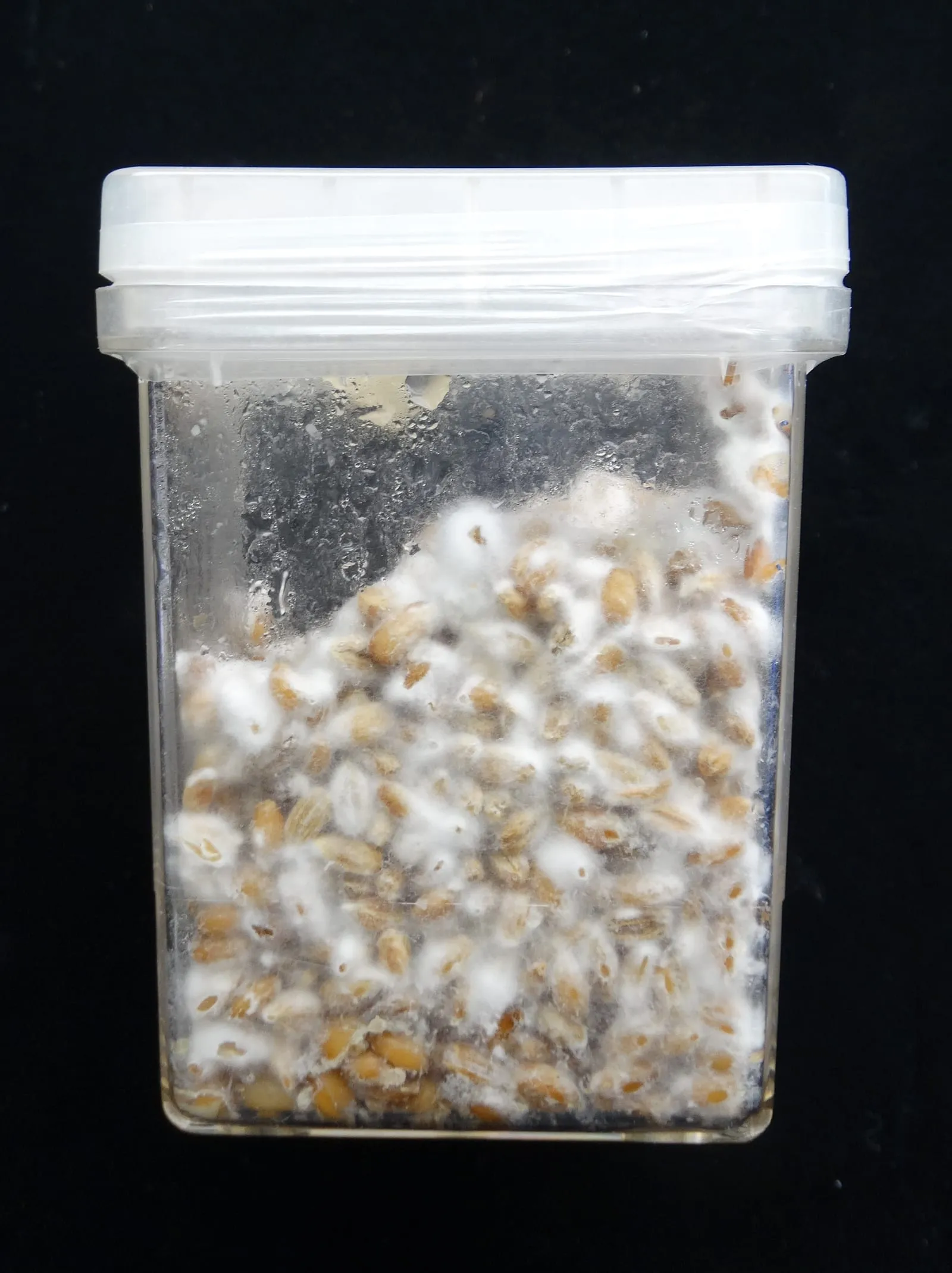
Fusarium oxysporum f. sp. cubense
Soil-borne fungus that colonizes banana root and vascular tissue, causing irreversible wilt. Tropical Race 4 is currently spreading globally and threatens the Cavendish industry. Survives in soil for decades.
Soil types reference
Soil texture and pH decide what grows easily on your specific lot. Find the closest match below for crop recommendations and amendment guidance.
Practical tips for Miami
First, use the January 24 last-frost date as a reminder to check the forecast for freeze warnings, not as confirmation that frost is impossible. Many Miami crops are tropical and sensitive to temperatures below 50°F; a mild frost can set back growth or kill exposed new leaves. Avoid planting tender varieties in the 2-3 weeks bracketing this frost window. Second, choose salt-tolerant varieties if the planting site is within a few miles of the coast; Miami's coastal spray affects citrus and other crops significantly. Salt-tolerant scion and rootstock combinations are available for citrus and can make the difference between thriving and stunted trees. Third, embrace year-round succession planting for warm-season vegetables and herbs. With a 365-day growing season, tomatoes, peppers, basil, and leafy greens can be planted in overlapping cycles to extend harvest windows rather than concentrating on a single spring or fall crop.
Frequently asked questions
- What crops grow best in Miami?
Citrus (oranges, lemons, limes, grapefruits) is the foundational crop in zone 11a. Mango, avocado, banana, and papaya thrive in the tropical heat. Warm-season vegetables (tomatoes, peppers, okra, eggplant) and herbs grow year-round. Cool-season crops (broccoli, lettuce, spinach) are possible in winter months when humidity drops slightly.
- When should I plant citrus in Miami?
Plant citrus trees in fall or early winter (October through January) to establish roots before the main growing season. Citrus is freeze-sensitive during active growth; avoid planting tender scions in the 2-3 weeks before or after the January 24 frost date. Container trees can be moved indoors if a freeze is forecast.
- Can I grow tomatoes year-round in Miami?
Yes, but with seasonal variation. Plant tomatoes in fall (September through November) and spring (March through April) for best results. Summer tomatoes are challenging due to extreme heat and fungal disease pressure; June through August are the most difficult months. Winter and spring are the prime tomato seasons in Miami.
- What's the biggest weather risk in Miami?
The January cold snap is the primary weather hazard. Despite Miami's tropical reputation, temperatures can drop to 40°F or below in late January, damaging or killing tender tropical plants, young citrus, and sensitive herbs. Monitor forecasts closely from mid-January through late January and be prepared to protect young trees or move containers indoors.
- How do I protect plants from the January freeze?
Plant tropical species in protected microclimates near buildings or under tree canopy when possible. For containerized plants, move them indoors or to a sheltered location if a freeze is forecast. For in-ground trees, frost cloth or burlap provides temporary protection; drip irrigation can also help by raising soil temperature overnight.
- How do I manage fungal diseases in Miami's humid climate?
Select disease-resistant varieties where available. Ensure good air circulation around plants by pruning lower branches and spacing trees adequately. Apply preventive fungicide treatments during the wettest months (May through October). Remove infected leaves and fruit promptly to reduce disease pressure.
+−
+−
+−
+−
+−
+−
Frost data: NOAA Climate Normals 1991-2020, station USW00092826. Local microclimates can shift these dates by a week or more.
Related