Local planting guide · California
zip 90022
Los Angeles is in USDA hardiness zone 10b, with average winter lows of 35°F to 40°F. The local growing season runs roughly 12/31 through 12/28 (~365 days). This zip falls within the California growing region.
- USDA zone
- 10b 35°F to 40°F
- Last spring frost
- 12/31
- First fall frost
- 12/28
- Growing season
- 365 days
- Compatible crops
- 23
- Growing region
- California
Right now in Los Angeles
Week 37 priorities
On the docket: harvest window. See the full calendar →
Gardening in Los Angeles
Los Angeles's zone 10b climate eliminates the primary constraint facing most North American gardeners: frost. The last spring frost date of December 31 and first fall frost of December 28 mean that winter freezes occur infrequently enough to be treated as an edge case rather than a planning anchor. The real calendar here is the heat cycle. Summer temperatures regularly exceed 90°F and sometimes reach 100°F or higher, while winter lows remain above freezing nearly always. This year-round growing season is exceptionally valuable but requires a different mindset. Warm-season crops like fig, tomato, pepper, and eggplant thrive in spring, summer, and fall but also do well in winter here. The constraint is not when to plant but rather which varieties tolerate the extremes and when to prioritize water and heat management. Figs and rosemary are natural fits for the climate. Tomatoes and peppers grow almost year-round but may drop flowers or develop blossom-end rot during heat peaks.
Regional context · California
What the California brings to Los Angeles
From cool foggy coast to hot Central Valley to mountain to desert. Mediterranean climate dominates: wet winters, dry summers. The most productive agricultural state in the country, with reach into citrus and olives that exceed the rest of the country.
Common challenges
Issues that most often defeat home gardeners in zone 10b, drawn from the broader USDA zone profile.
- ▸ No winter chill
- ▸ Tropical pest and disease pressure
- ▸ Saltwater intrusion in coastal soils
What defeats new gardeners in Los Angeles
Los Angeles gardeners face three interconnected challenges. First, summer heat extremes (often 95 to 105°F) cause flowers to drop on heat-sensitive crops like tomato, pepper, and eggplant, even though these crops nominally thrive in zone 10b. Early-morning watering and afternoon shade cloth become essential during July and August. Second, water scarcity is endemic; drought cycles and imposed restrictions limit irrigation. Mulching and drip systems are not luxuries but requirements. Third, the absence of frost creates a planning trap. Without a killing frost to reset the calendar, spring crops can overstay and bolt, or cool-season varieties can peter out without a clear end date. Fall gardens must be actively managed or they blur into winter. Spider mites and other heat-loving pests also exploit the warm, dry months.
Crops that grow in Los Angeles
23 crops from our catalog match zone 10b, grouped by type.
Tree fruit
12 crops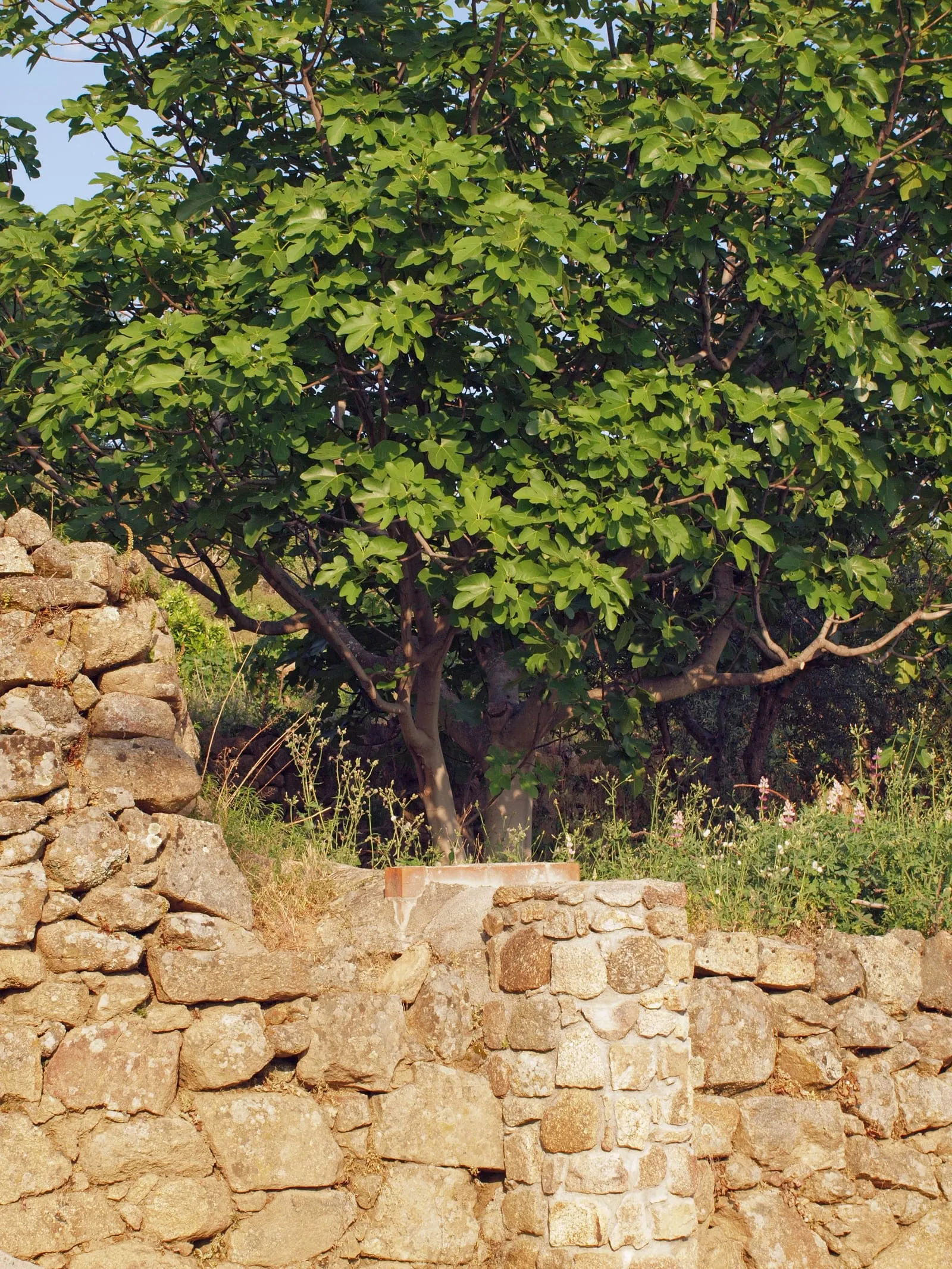 zone 10b
 Fig
Ficus carica
zones 7a–10b
 zone 10b
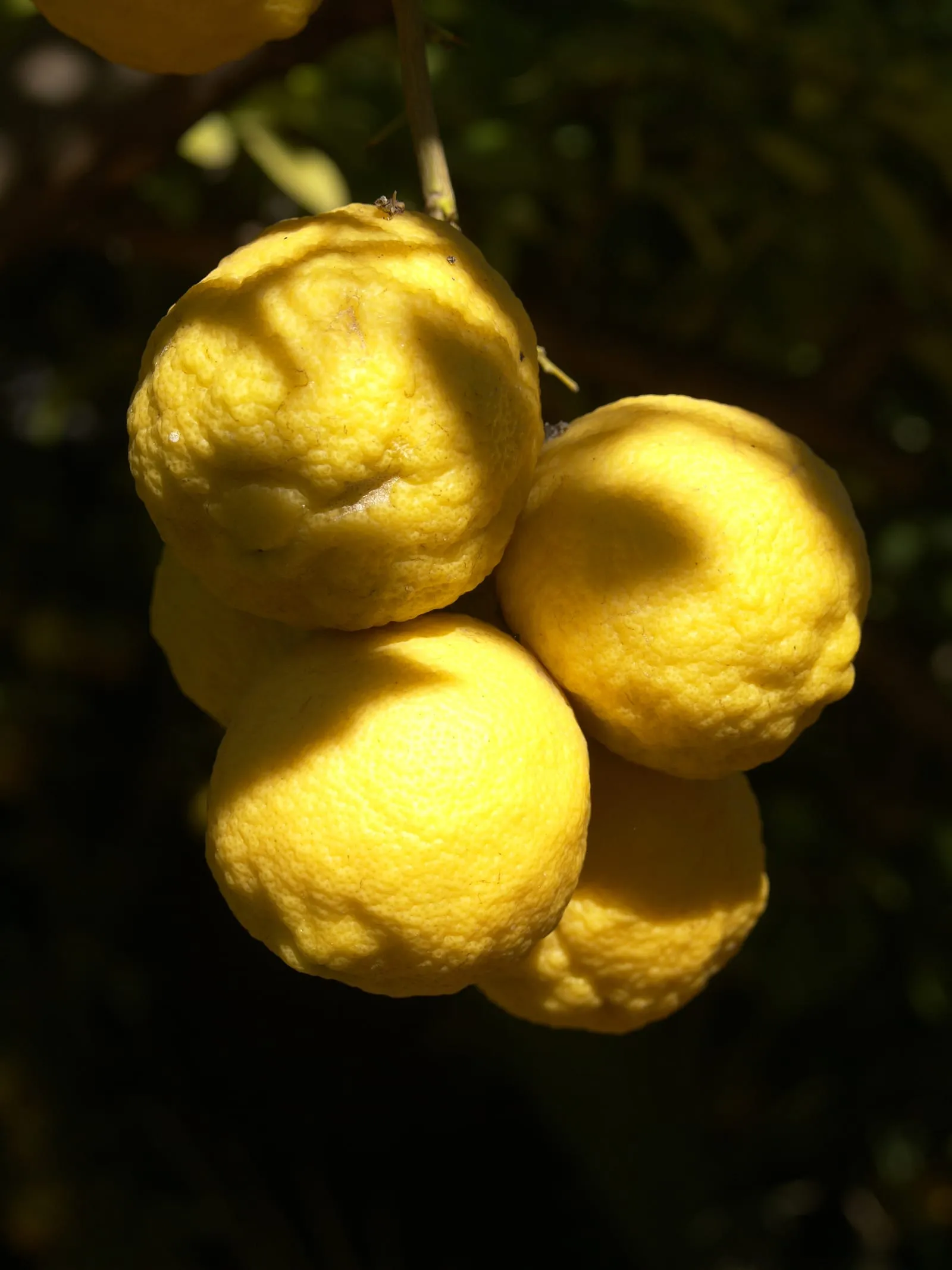
 Lemon
Citrus limon
zones 9a–11b
 zone 10b
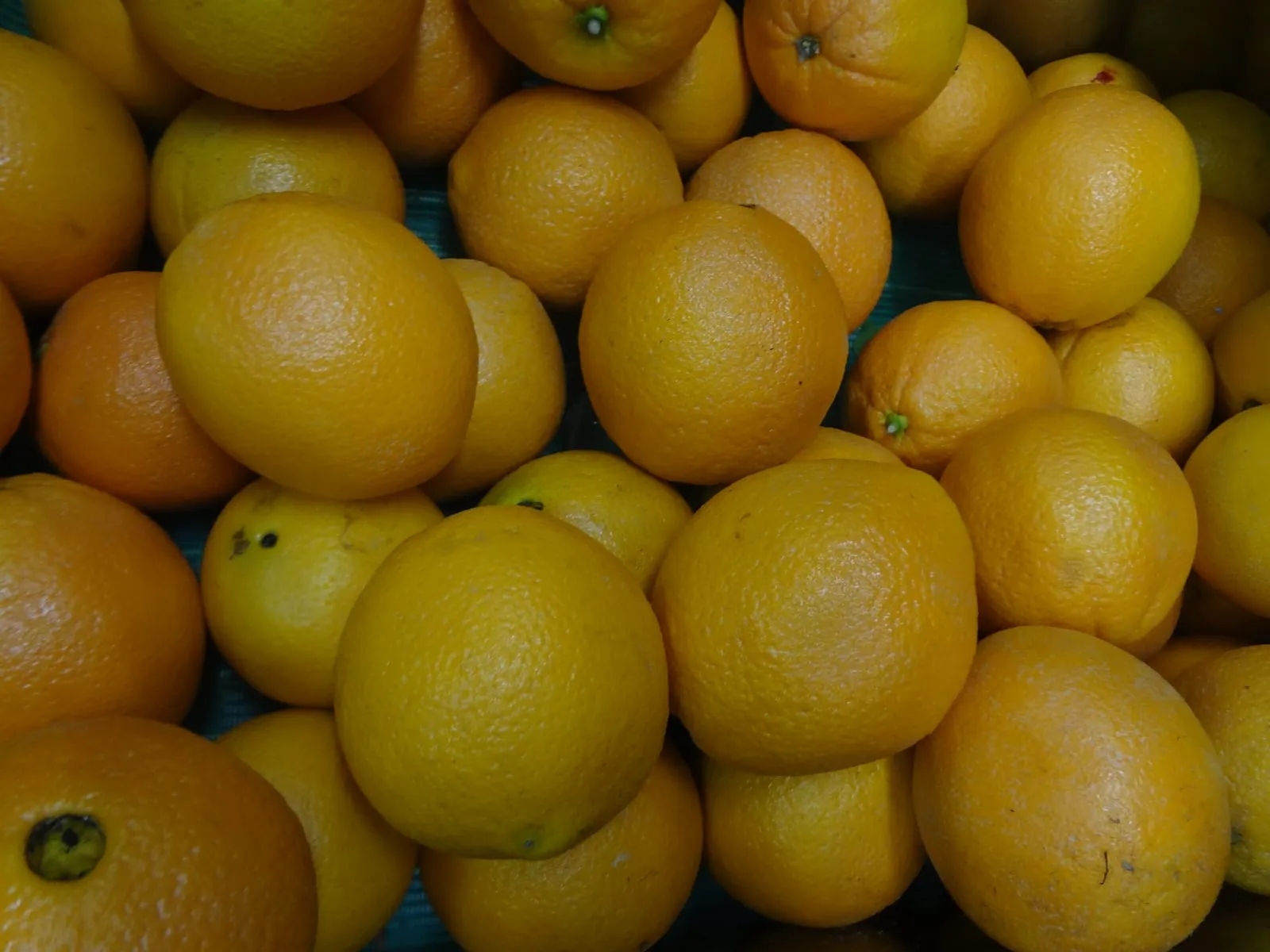
 Orange
Citrus sinensis
zones 9a–11b
 zone 10b
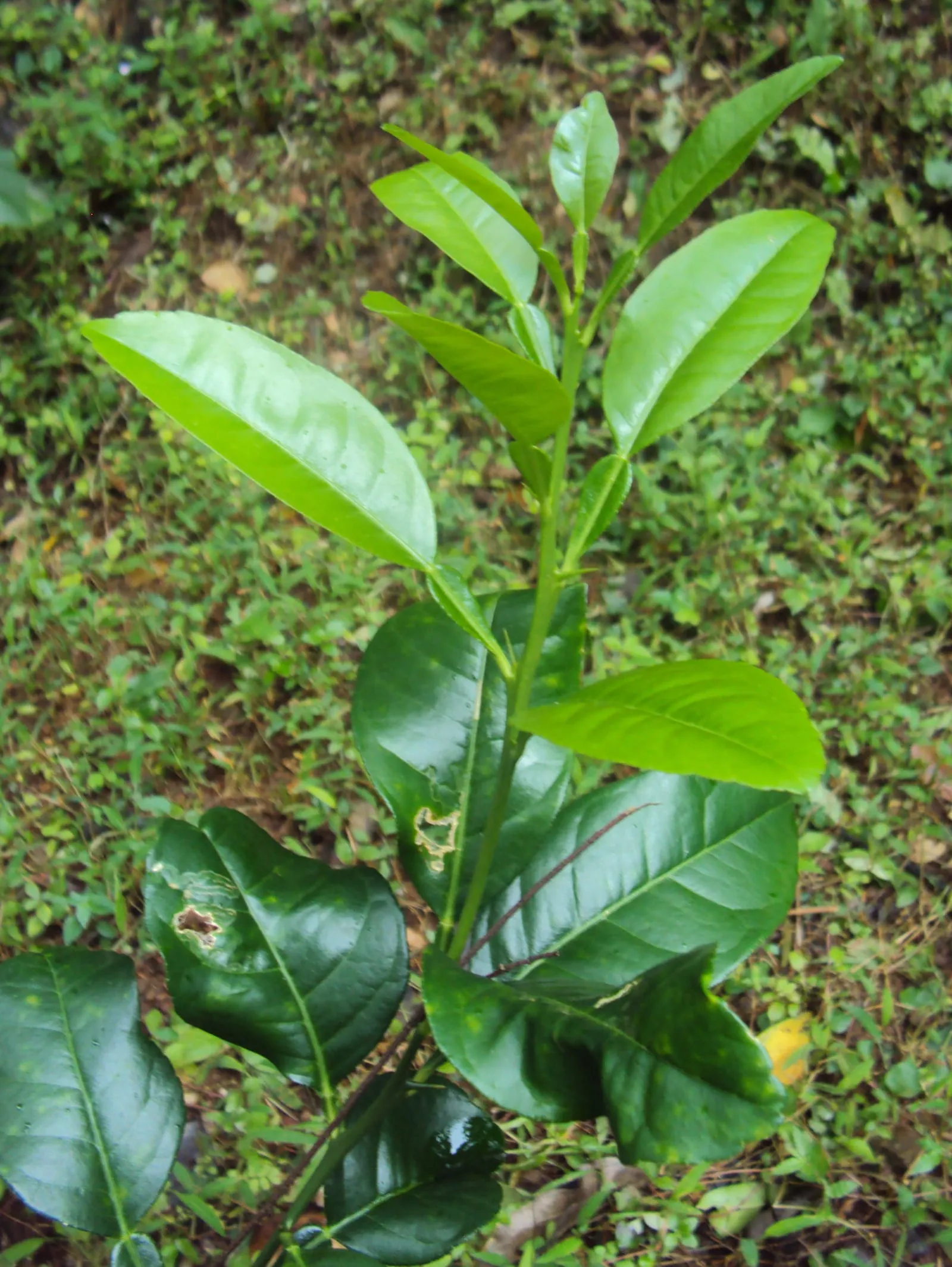
 Lime
Citrus aurantiifolia
zones 9b–11b
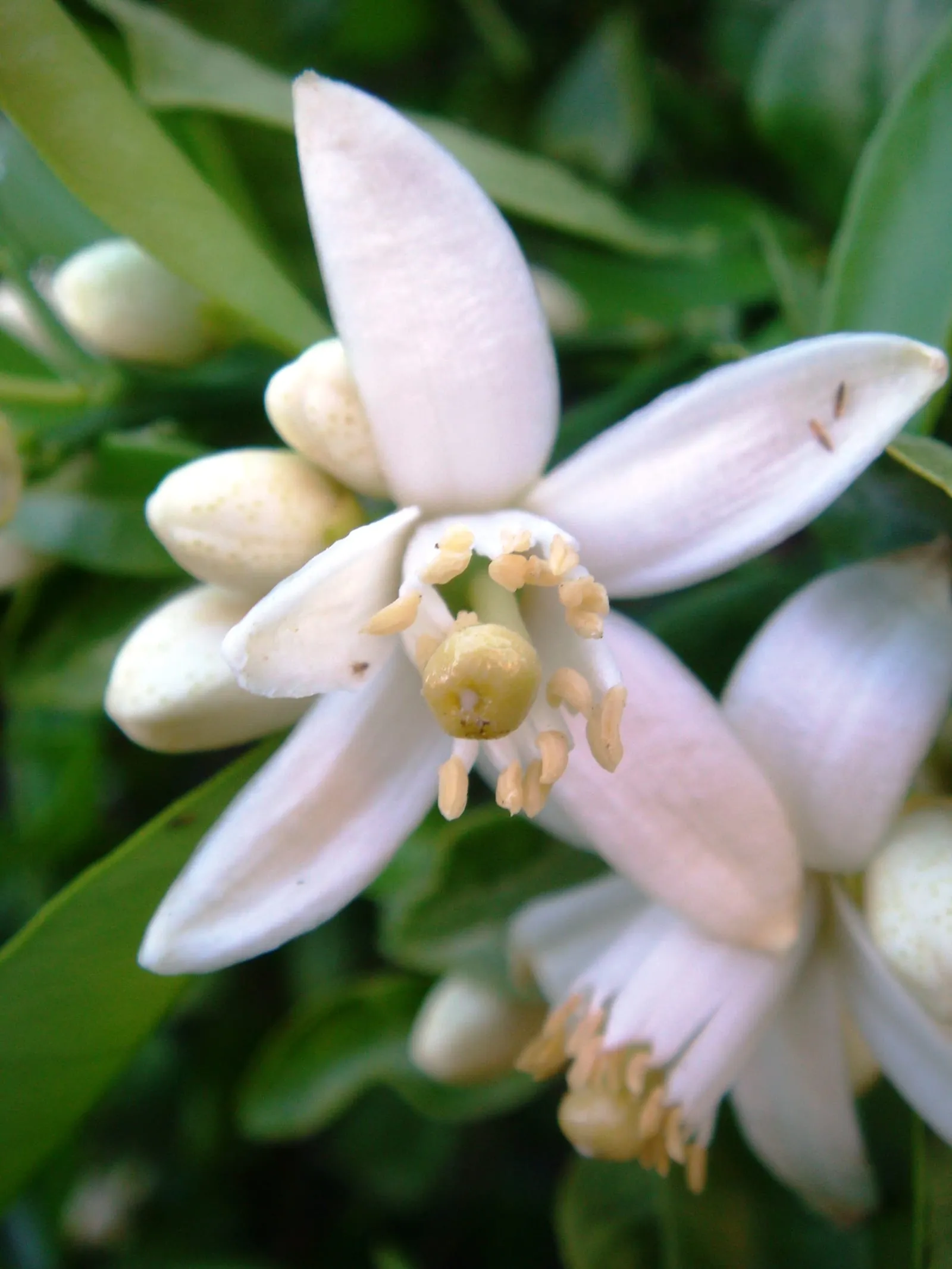 zone 10b
 Grapefruit
Citrus paradisi
zones 9a–11b
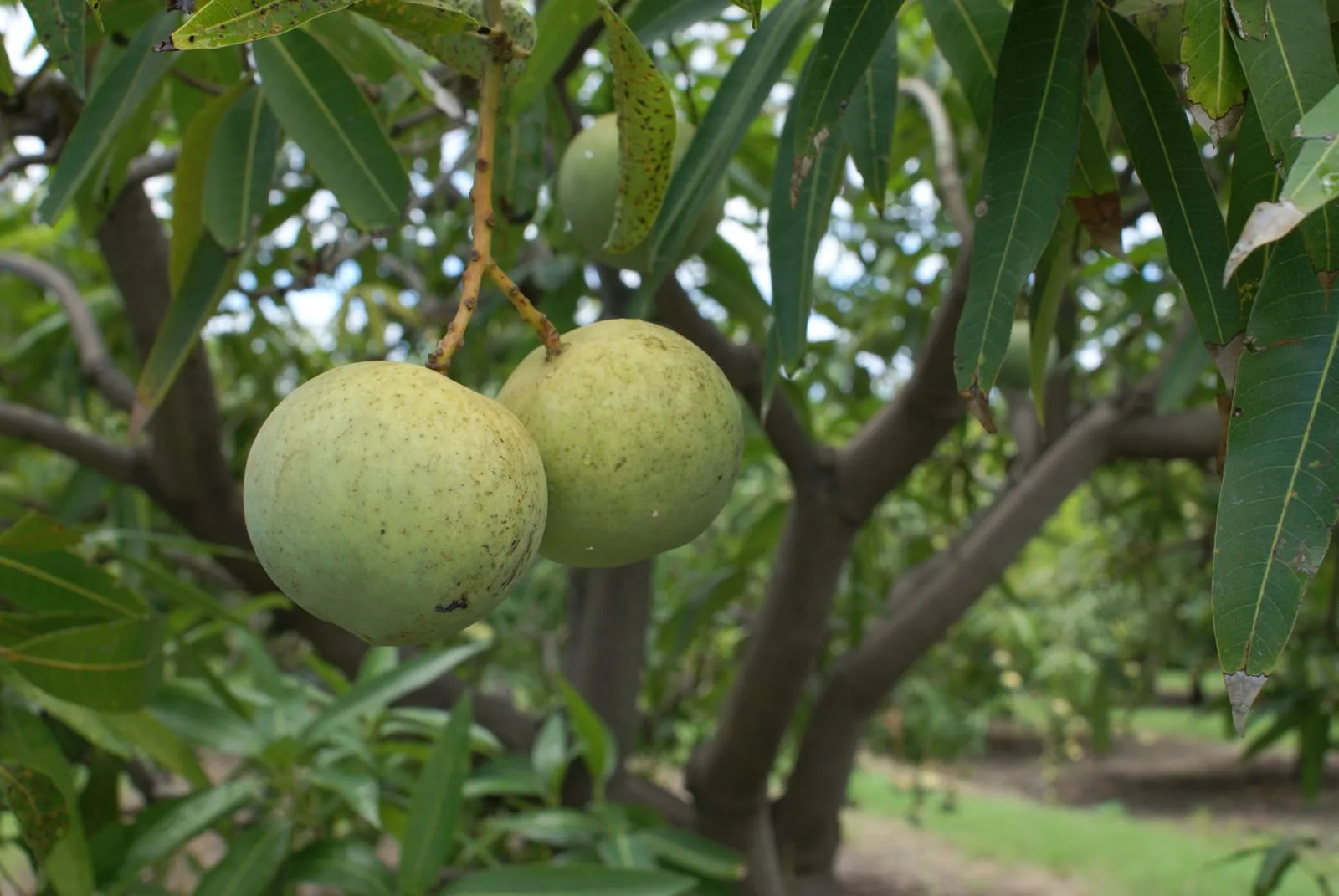 zone 10b
 Mango
Mangifera indica
zones 10b–13b
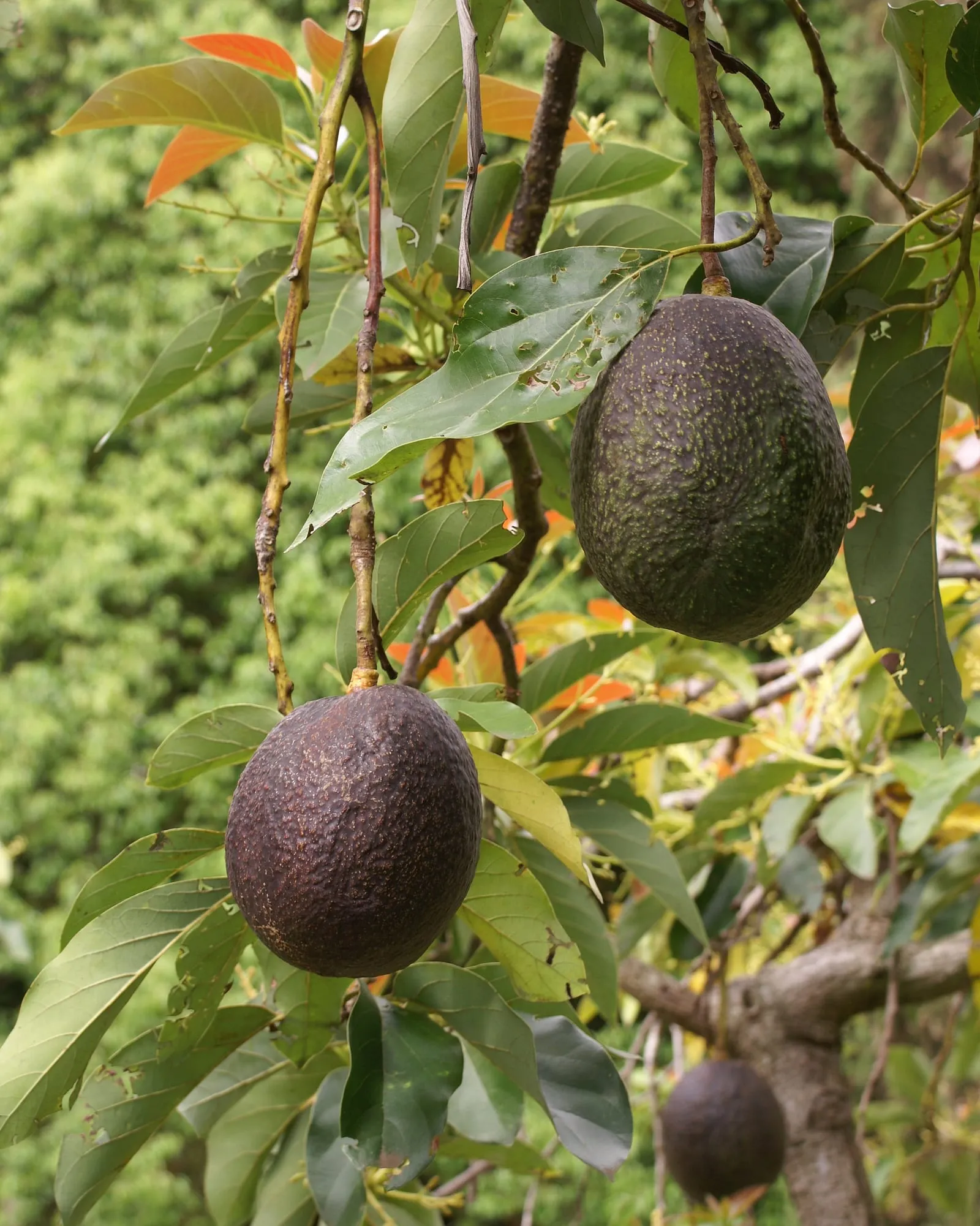 zone 10b
 Avocado
Persea americana
zones 9b–11b
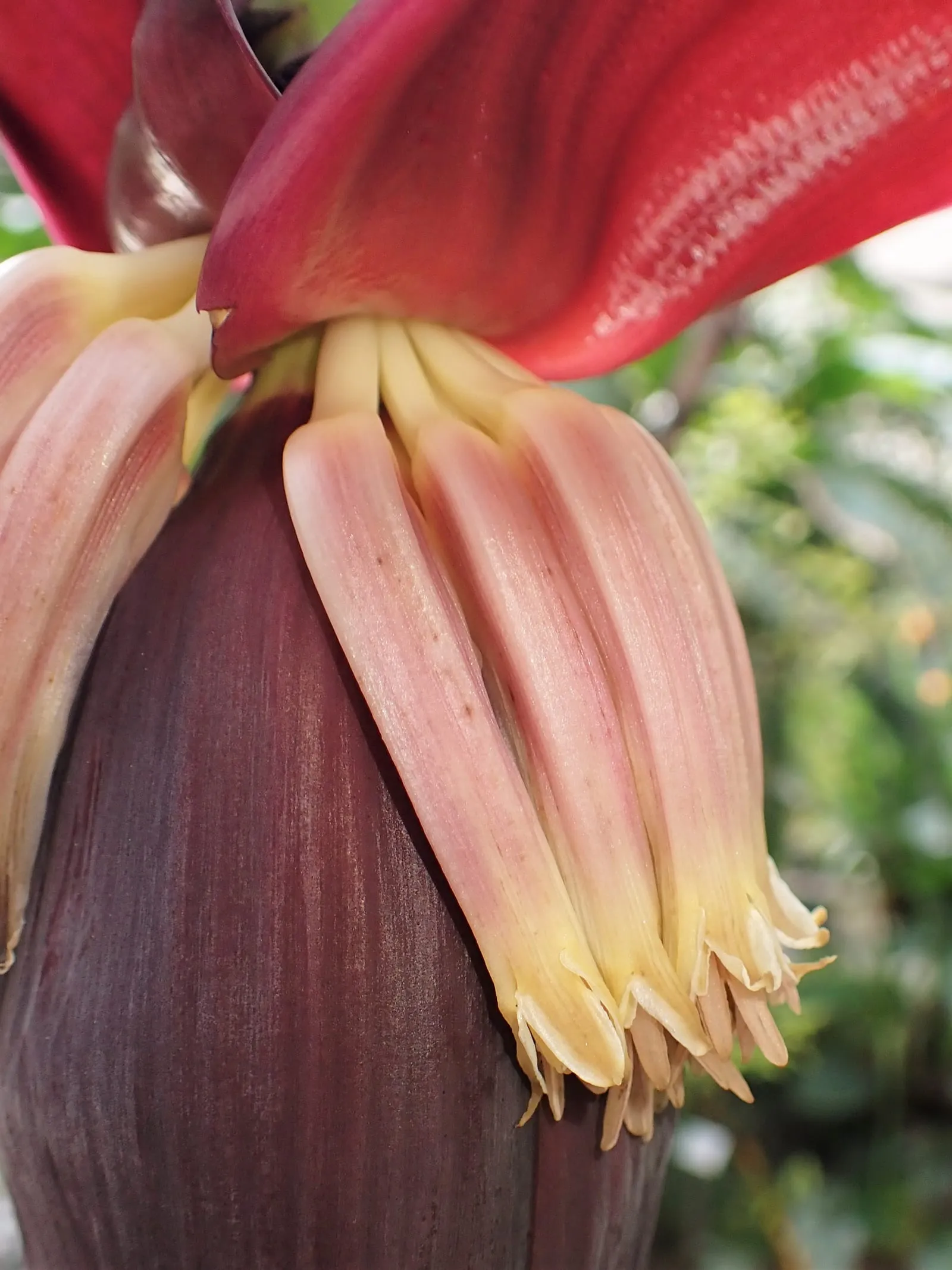 zone 10b
 Banana
Musa acuminata
zones 9b–13b
Berries
2 crops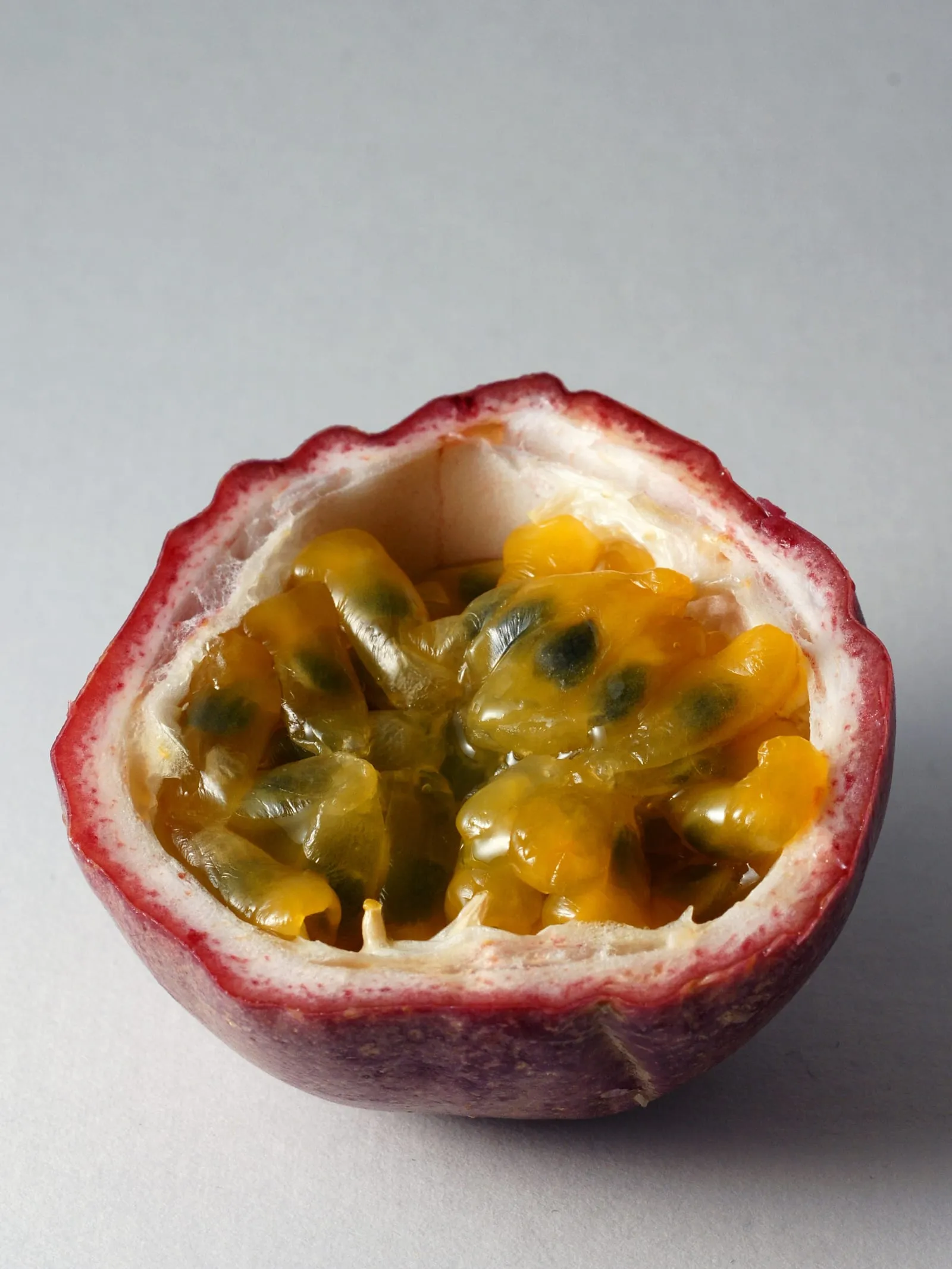
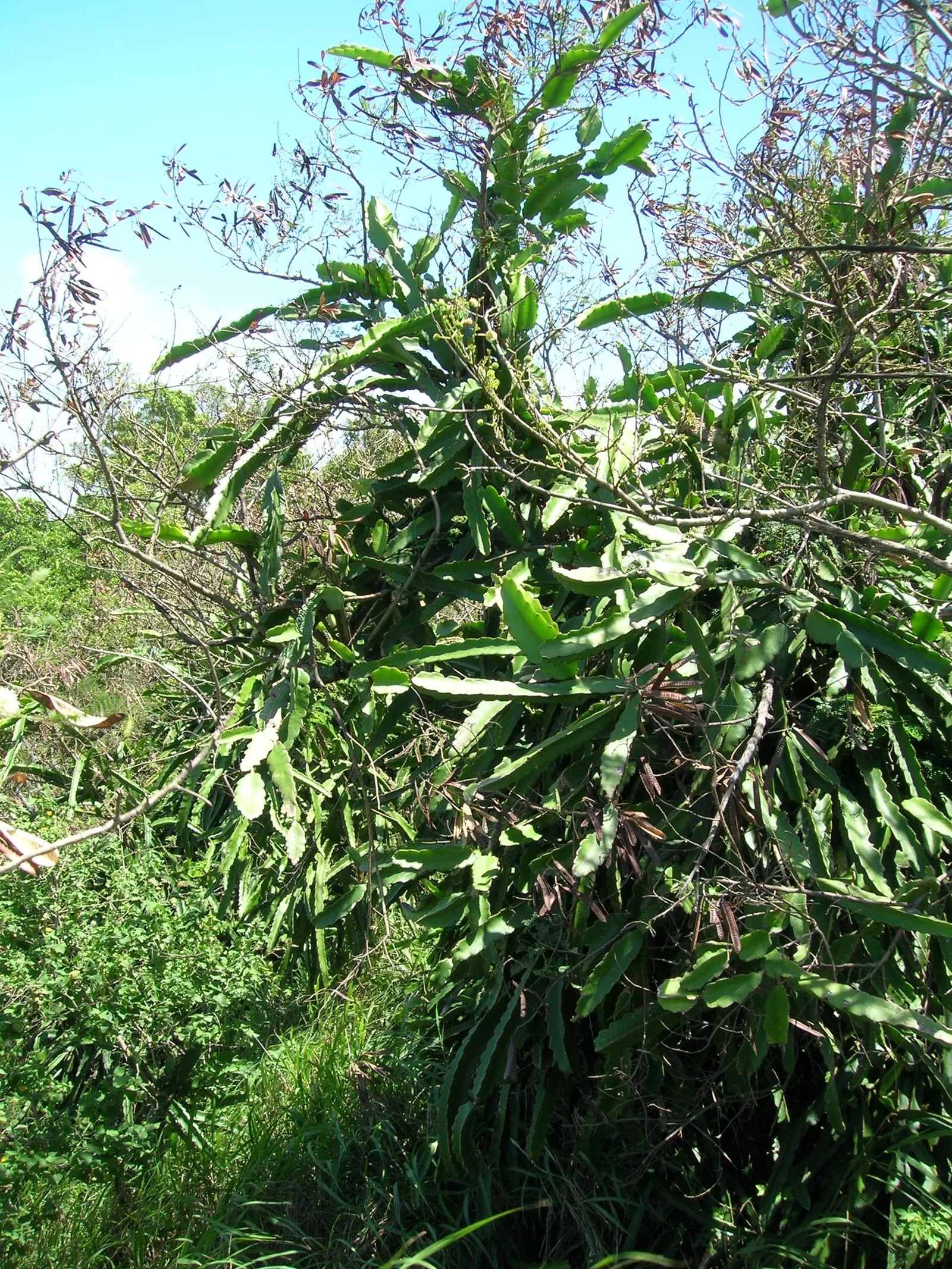
Nuts
1 crop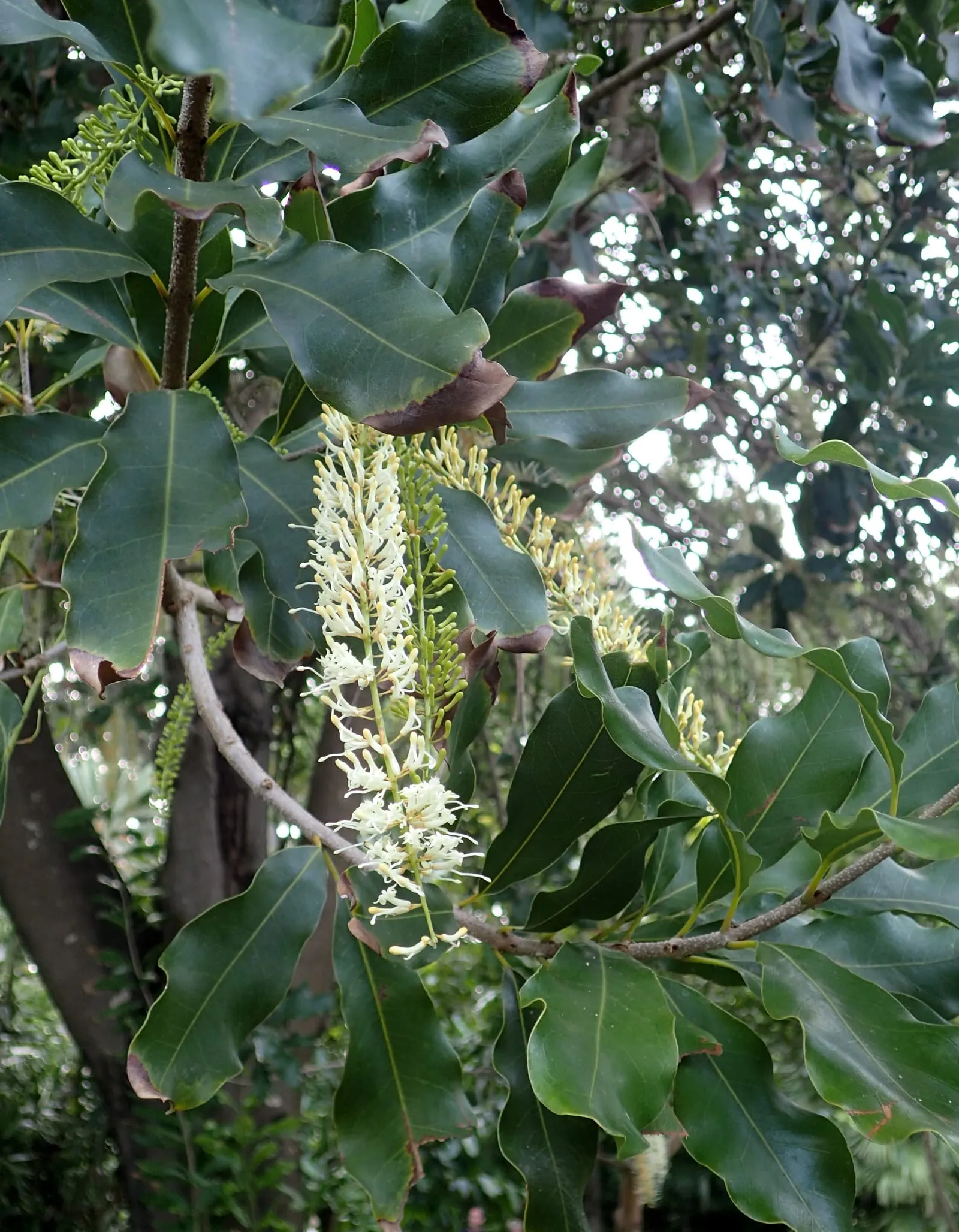
Vegetables
6 crops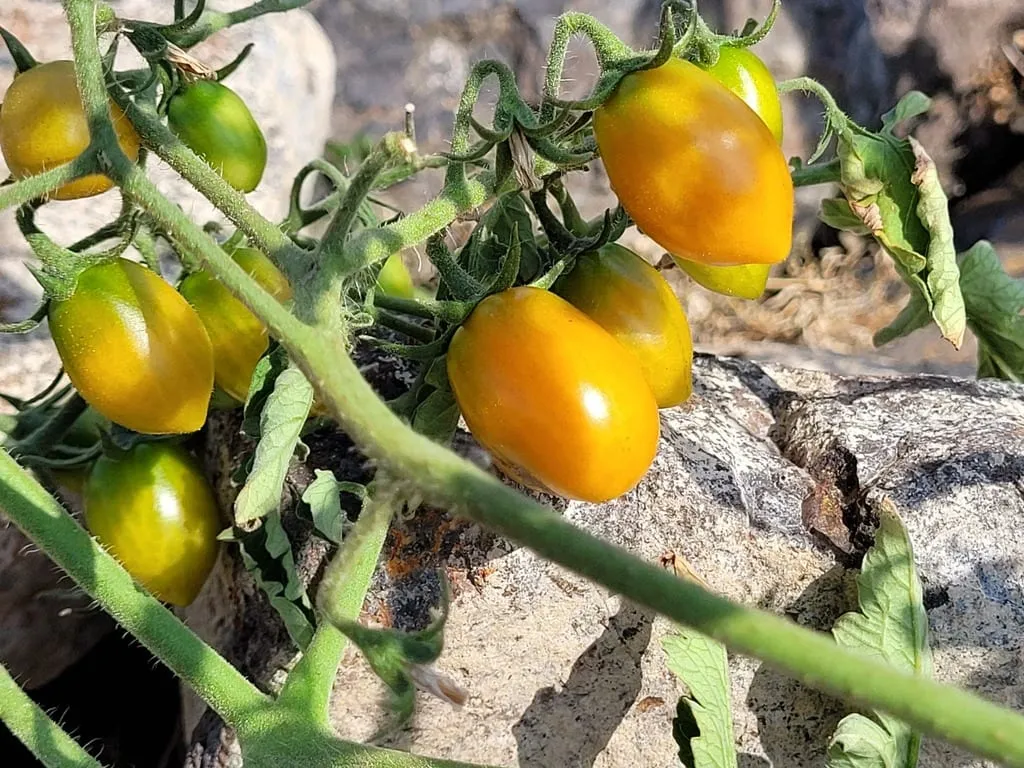 zone 10b
 Tomato
Solanum lycopersicum
zones 3a–10b
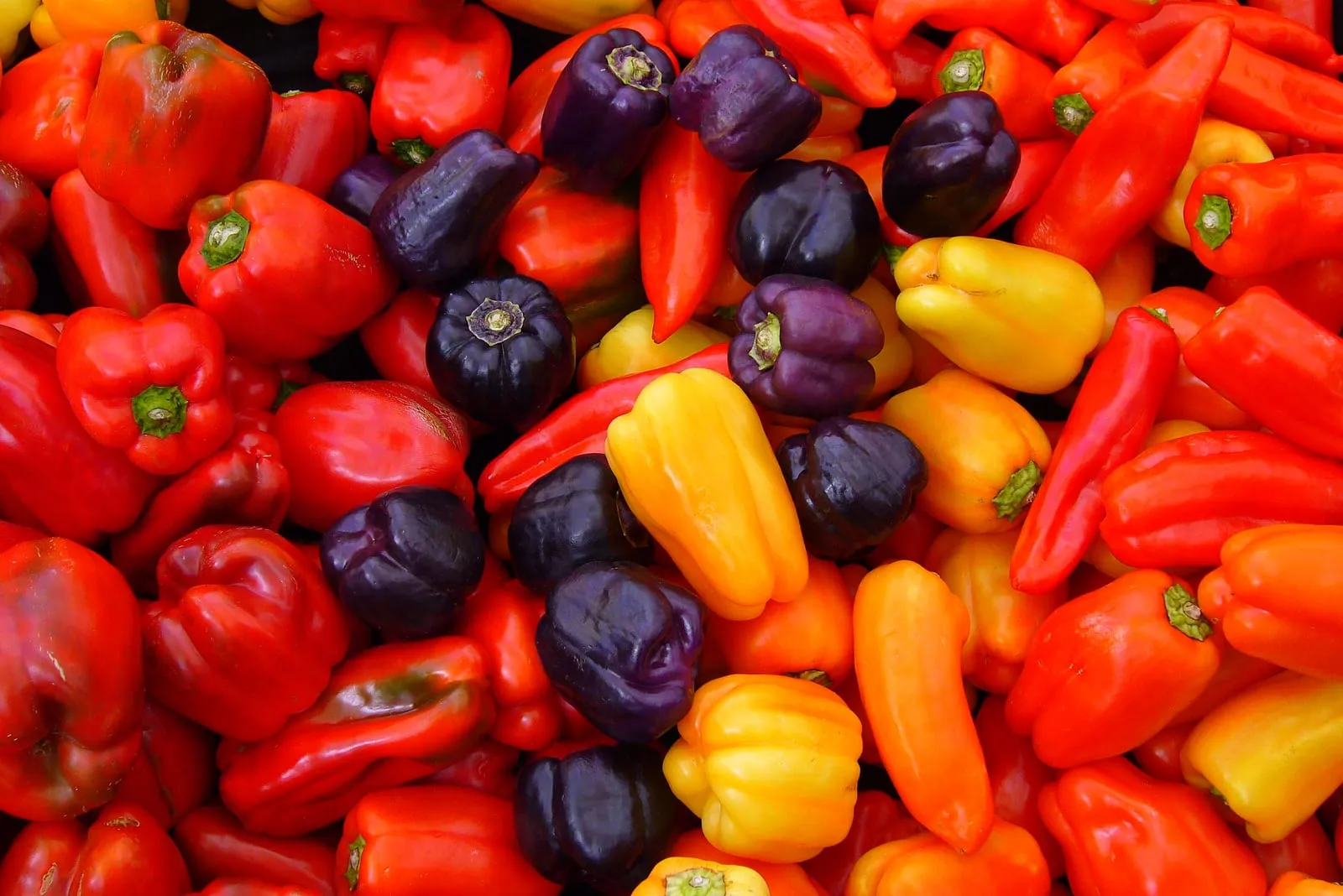 zone 10b
 Sweet Pepper
Capsicum annuum
zones 4a–10b
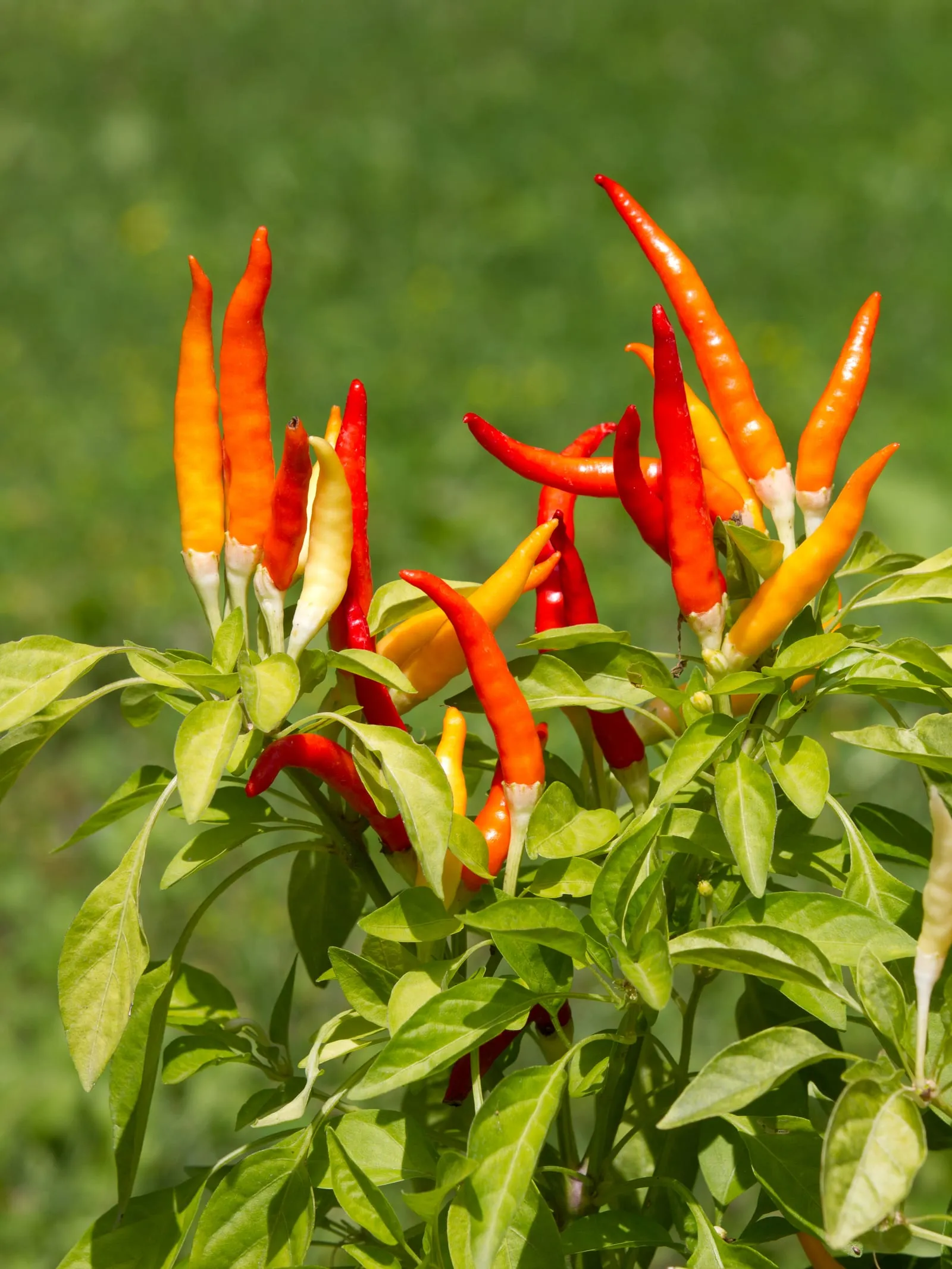 zone 10b
 Hot Pepper
Capsicum species
zones 4a–10b
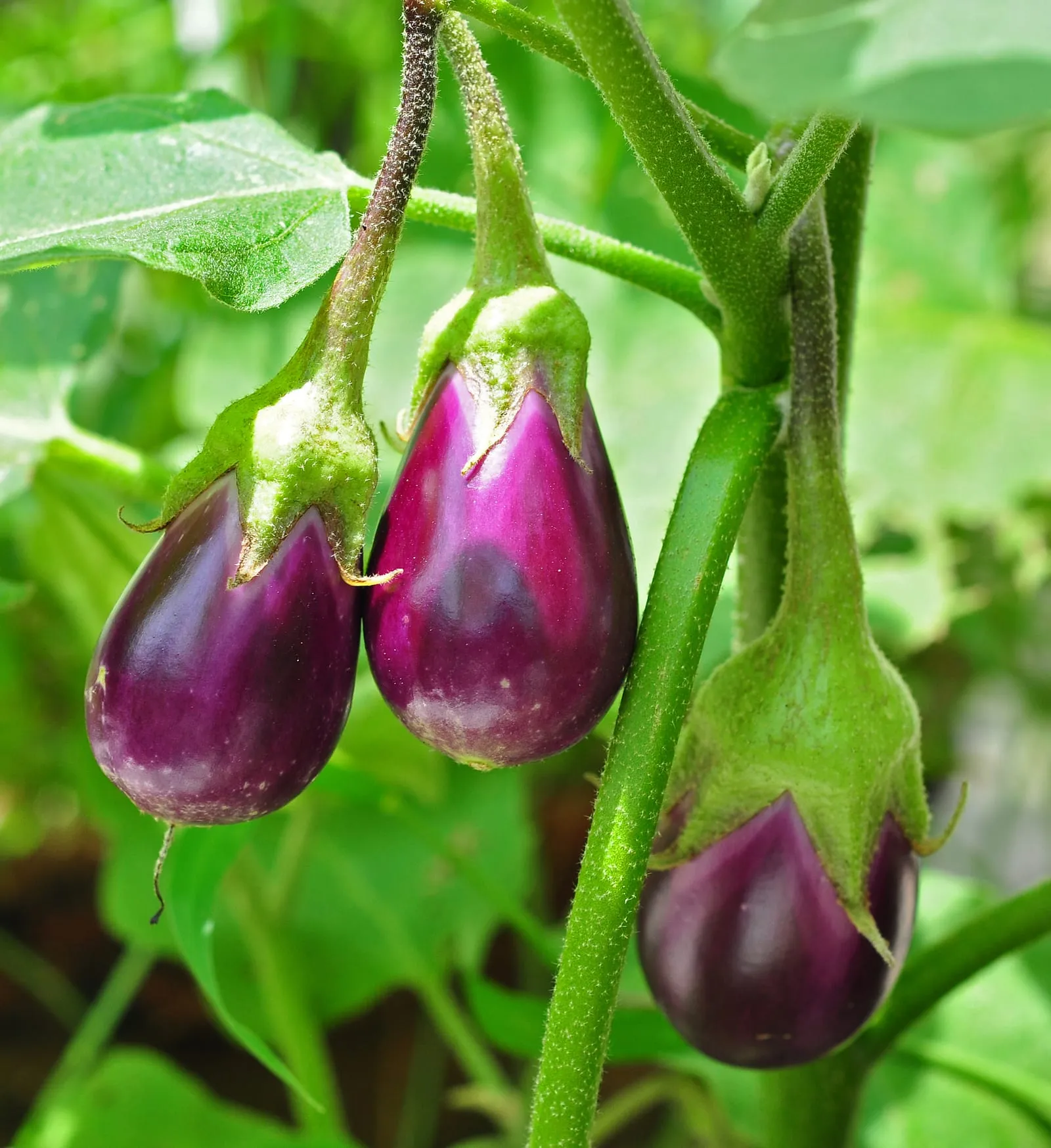 zone 10b
 Eggplant
Solanum melongena
zones 5a–10b
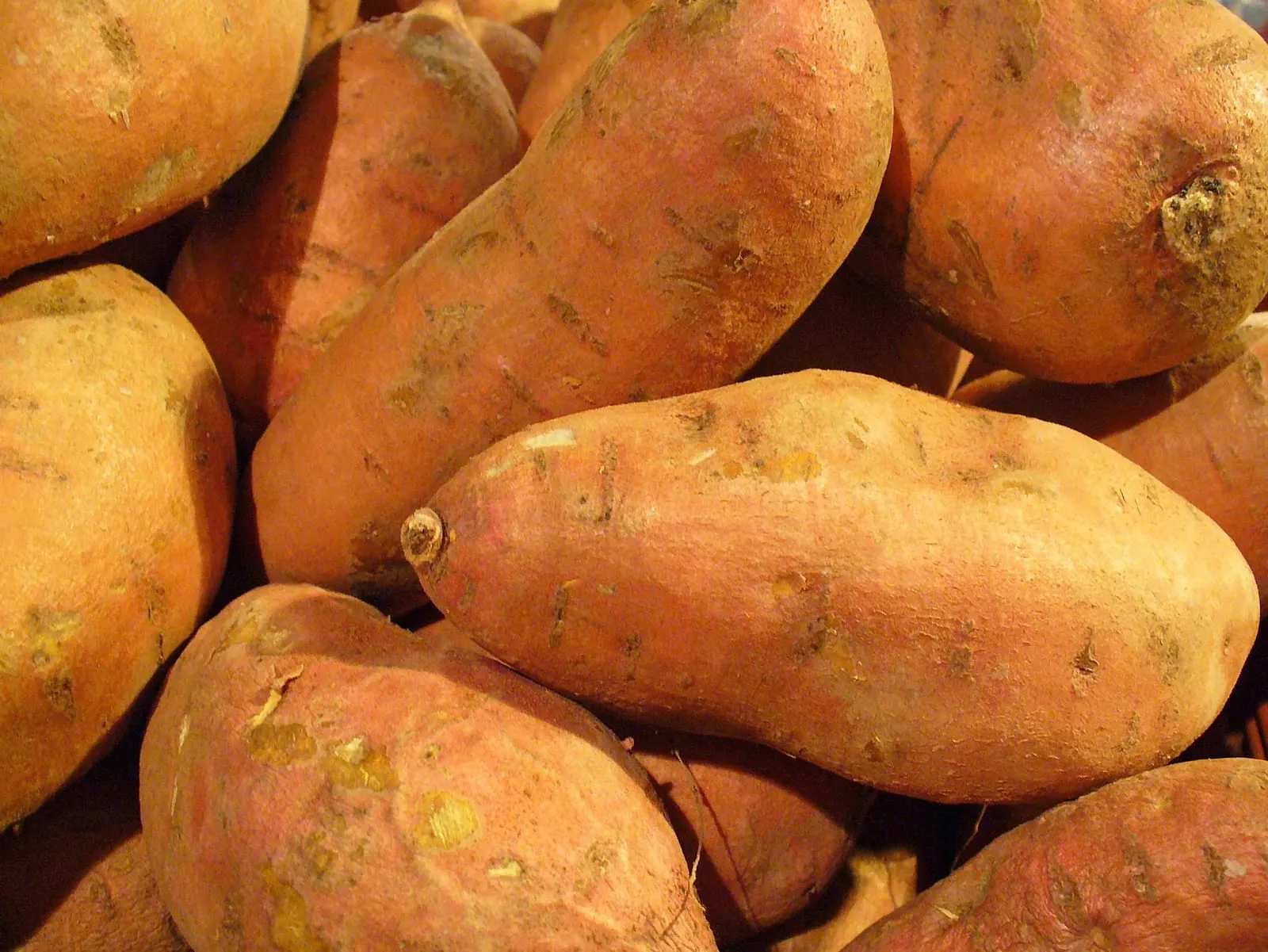 zone 10b
 Sweet Potato
Ipomoea batatas
zones 6a–10b
 zone 10b
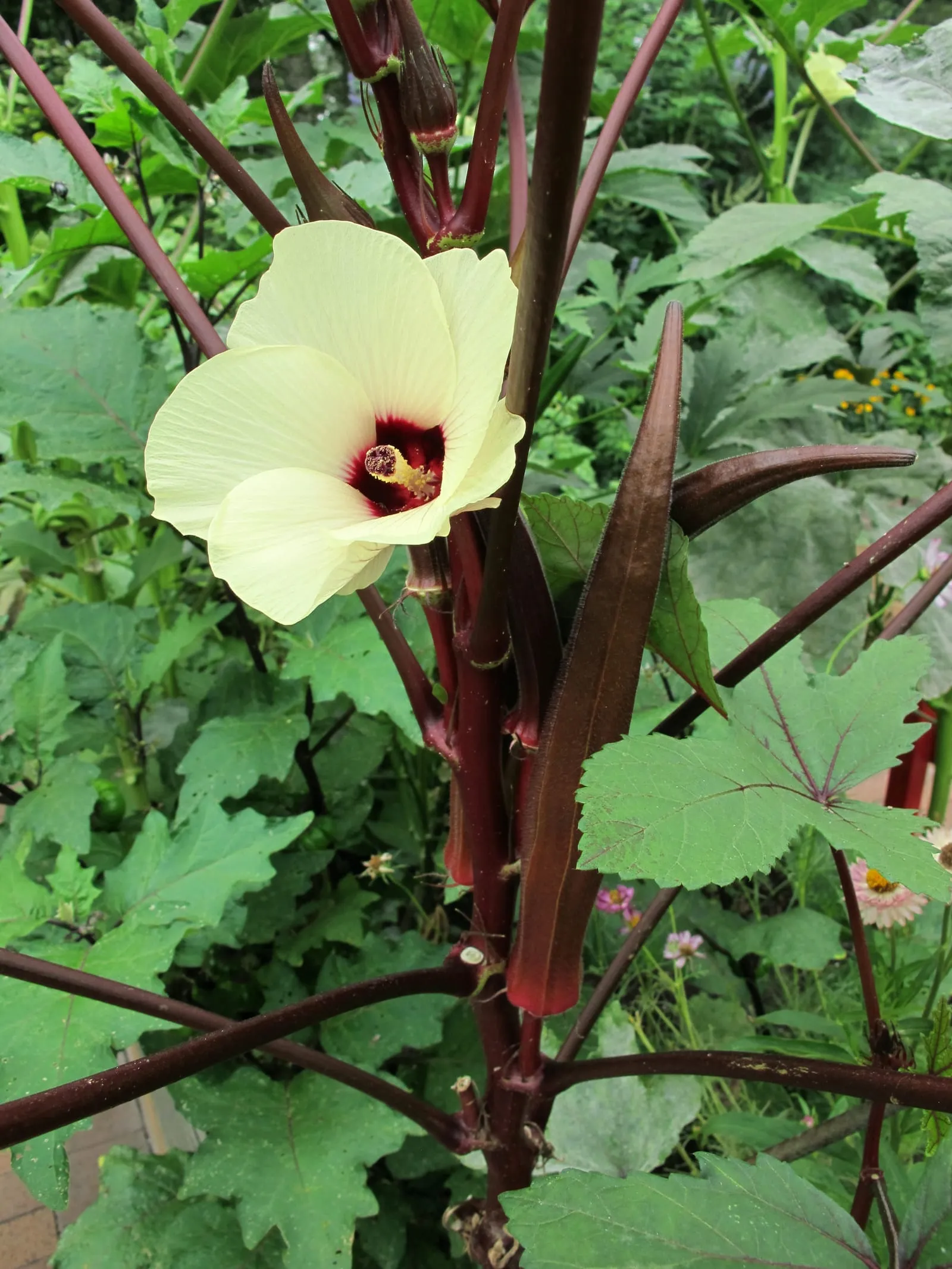
 Okra
Abelmoschus esculentus
zones 6a–10b
Herbs
2 crops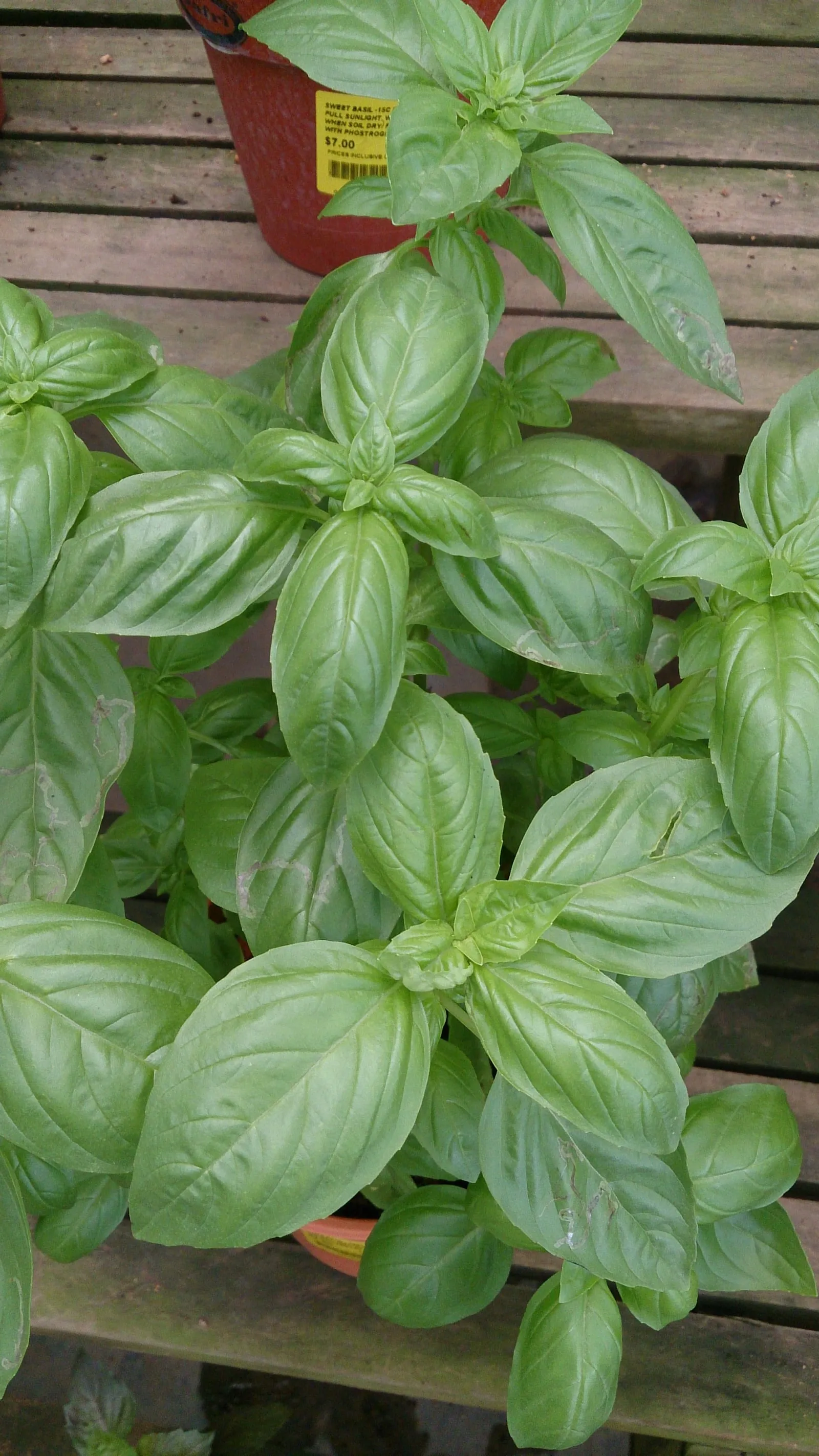
Plan the year
Planting calendar for Los Angeles
Year-view of seed starting, transplanting, planting, pruning, fertilizing, harvest, and pest-watch windows tuned to Los Angeles's local frost dates.
Week ? · loading
This week in Los Angeles, CA (zone 10b)
Quiet week in Los Angeles, CA (zone 10b). this week is a good time to step back and plan ahead.
Nothing critical on the calendar this week.
128 bars · 23 crops
Calendar logic combines NOAA frost normals with crop-specific timing data. Local microclimate and weather always overrules the calendar; use this as a starting point.
Top pests for zone 10b
Ranked by how many crops in your zone they affect. Click through for IPM controls and signs to watch for.
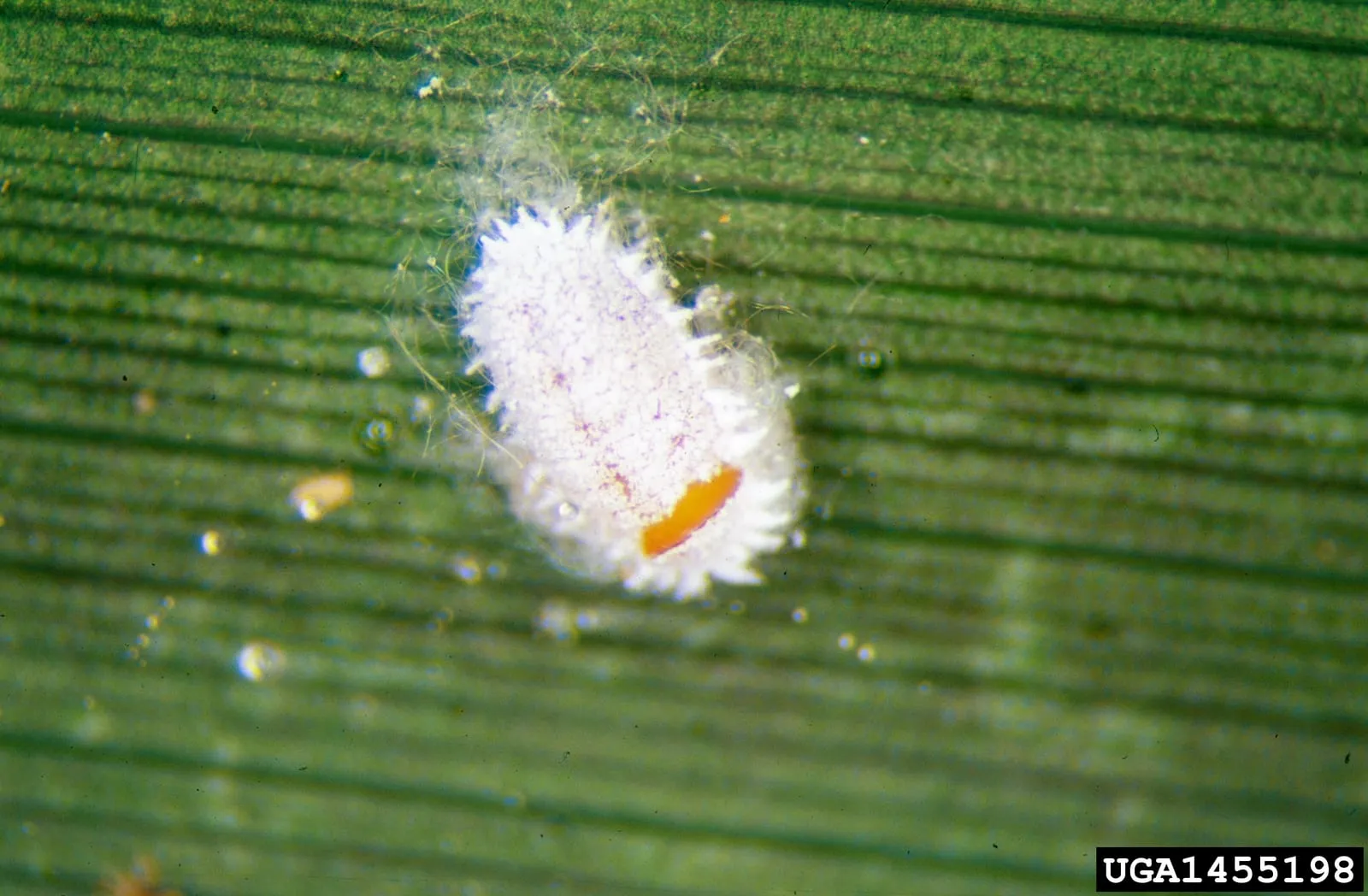
Pseudococcidae spp.
Soft white waxy insects that cluster at leaf joints, fruit stems, and root crowns. Honeydew secretion supports sooty mold; root mealybugs cause decline that mimics drought.
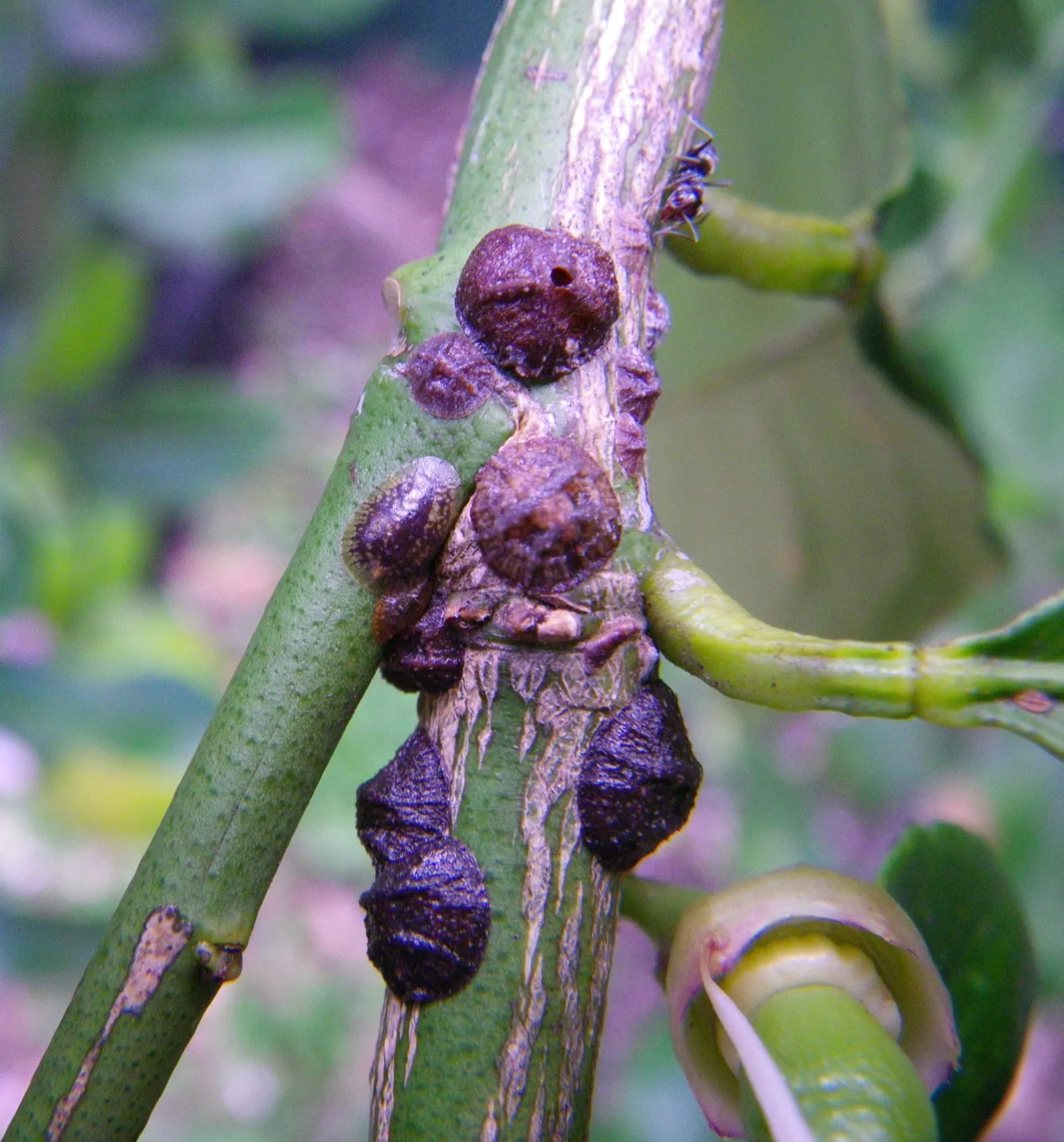
Coccoidea spp.
Sap-sucking insects that attach to bark, leaves, and fruit, secreting honeydew that fuels sooty mold. Heavy infestations weaken trees and cause leaf yellowing.
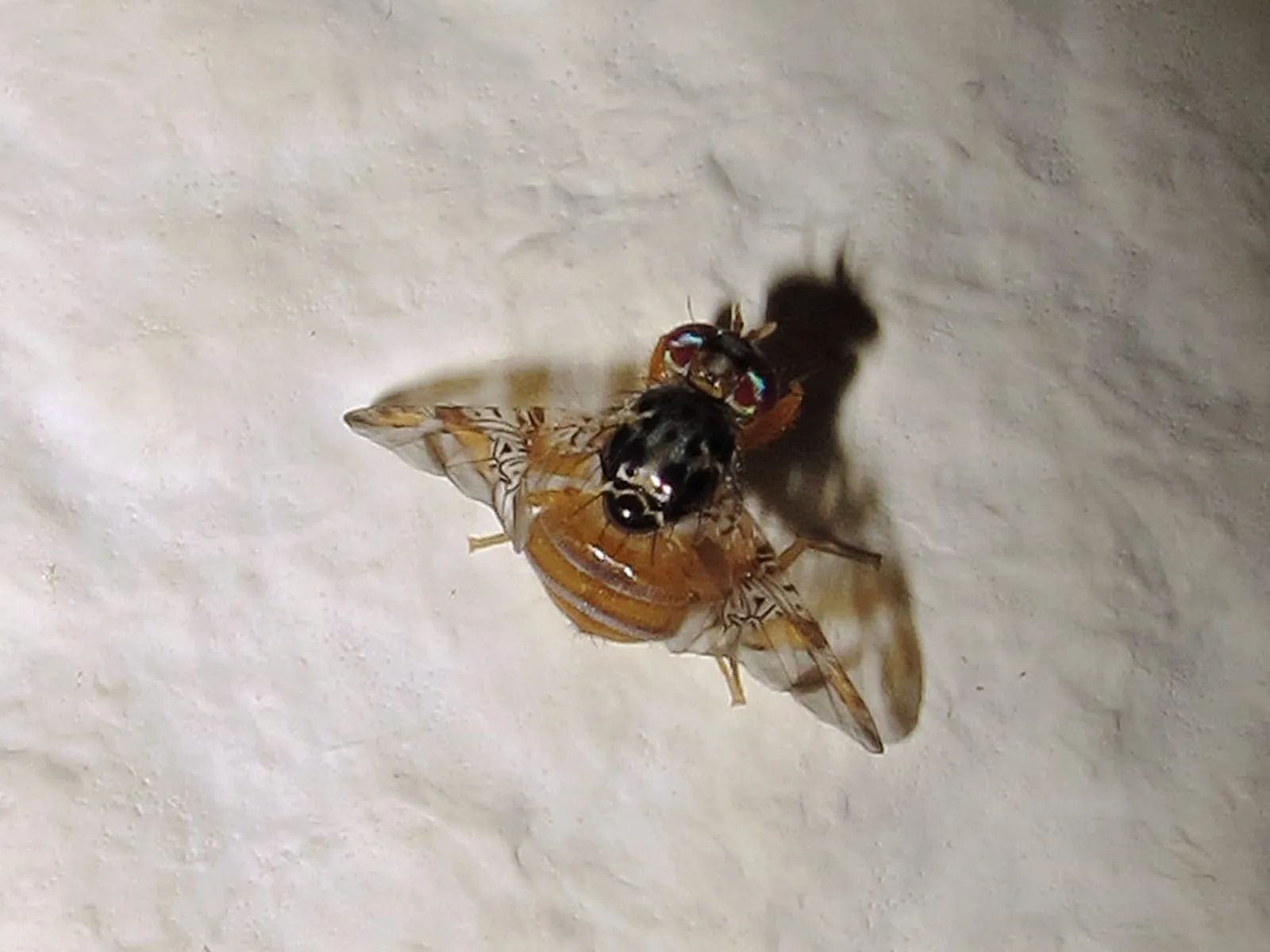
Ceratitis capitata
Quarantine pest in many regions. Adult females puncture ripening fruit to lay eggs; larvae tunnel through the flesh, causing premature drop and rot.
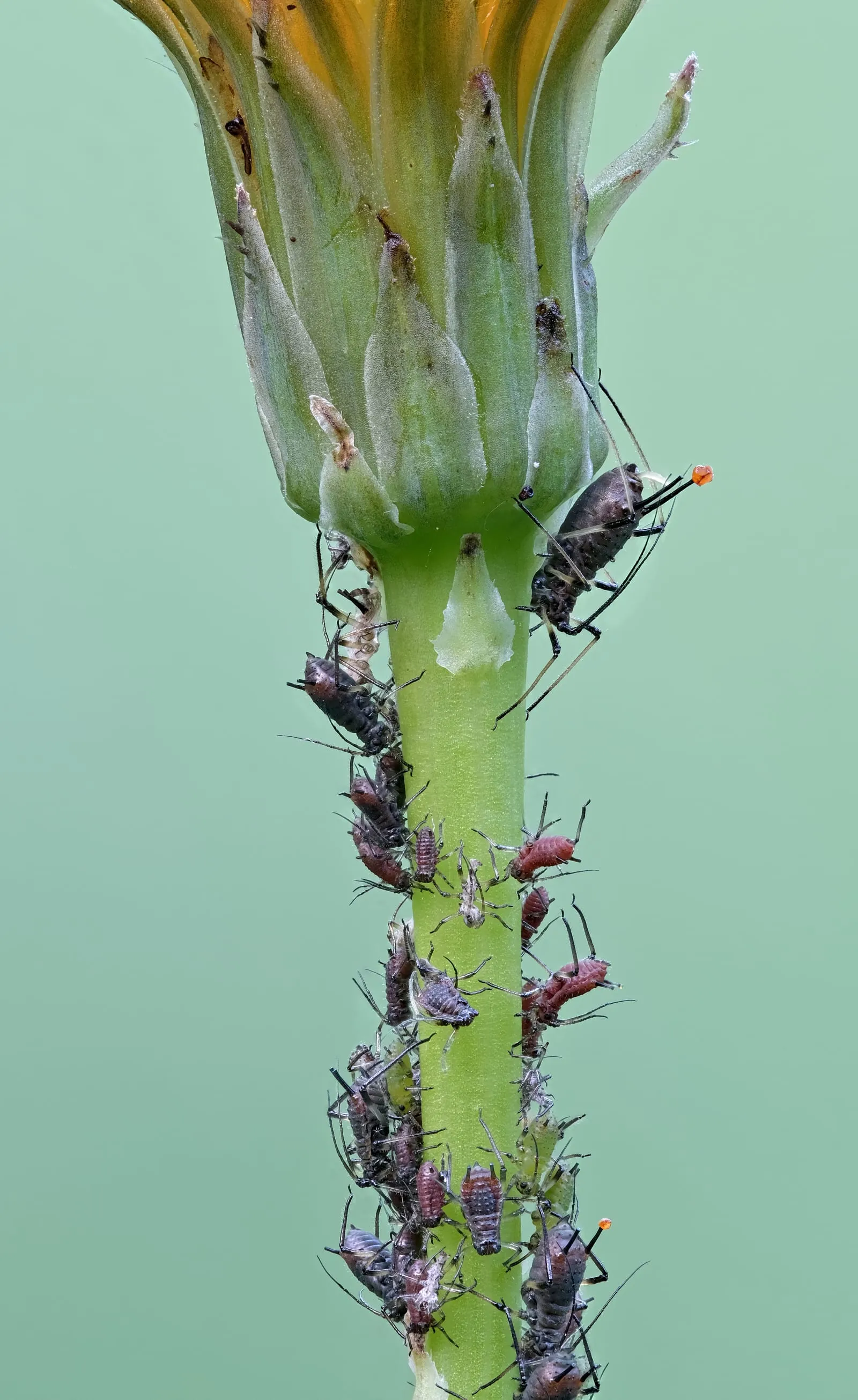
Multiple species (Aphididae)
Small soft-bodied sap-sucking insects that reproduce explosively in spring. Excrete honeydew that supports sooty mold and attracts ants. Transmit viral diseases.
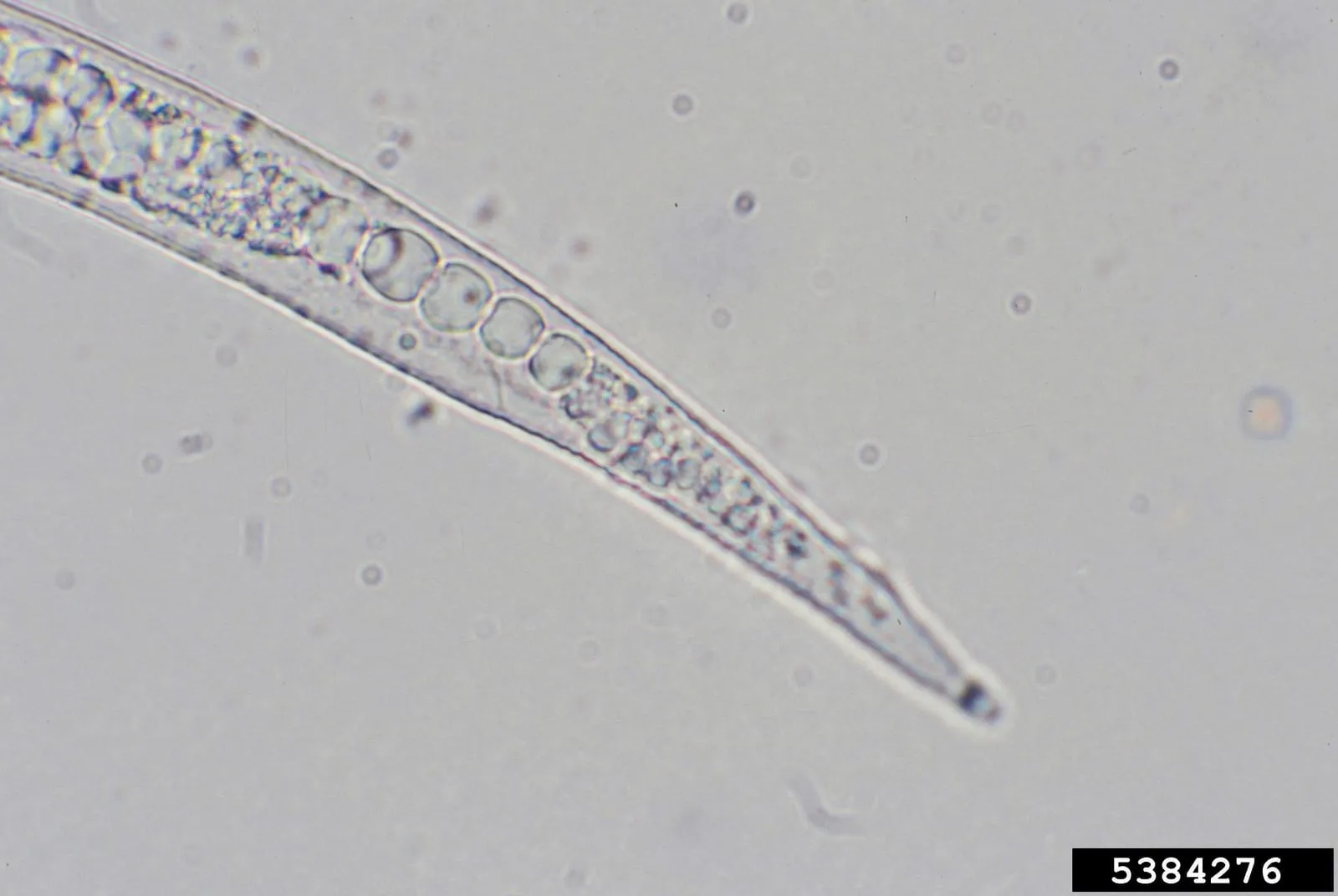
Meloidogyne species
Microscopic soil-dwelling worm that forms galls on roots, reducing vigor and yield.
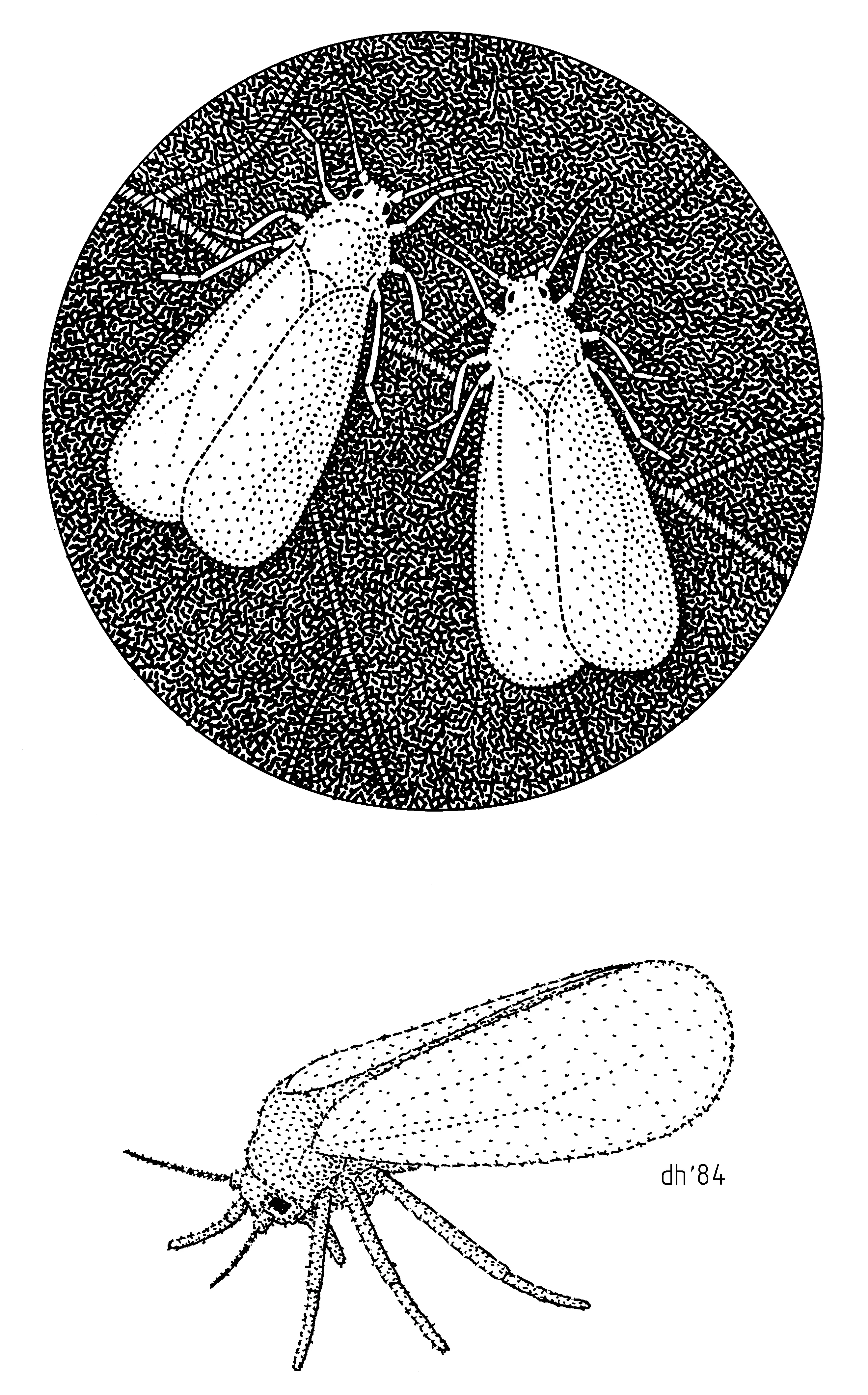
Multiple species (Aleyrodidae)
Tiny white moth-like flying insects that feed on plant sap and excrete honeydew. Transmit numerous viral diseases including tomato yellow leaf curl virus.
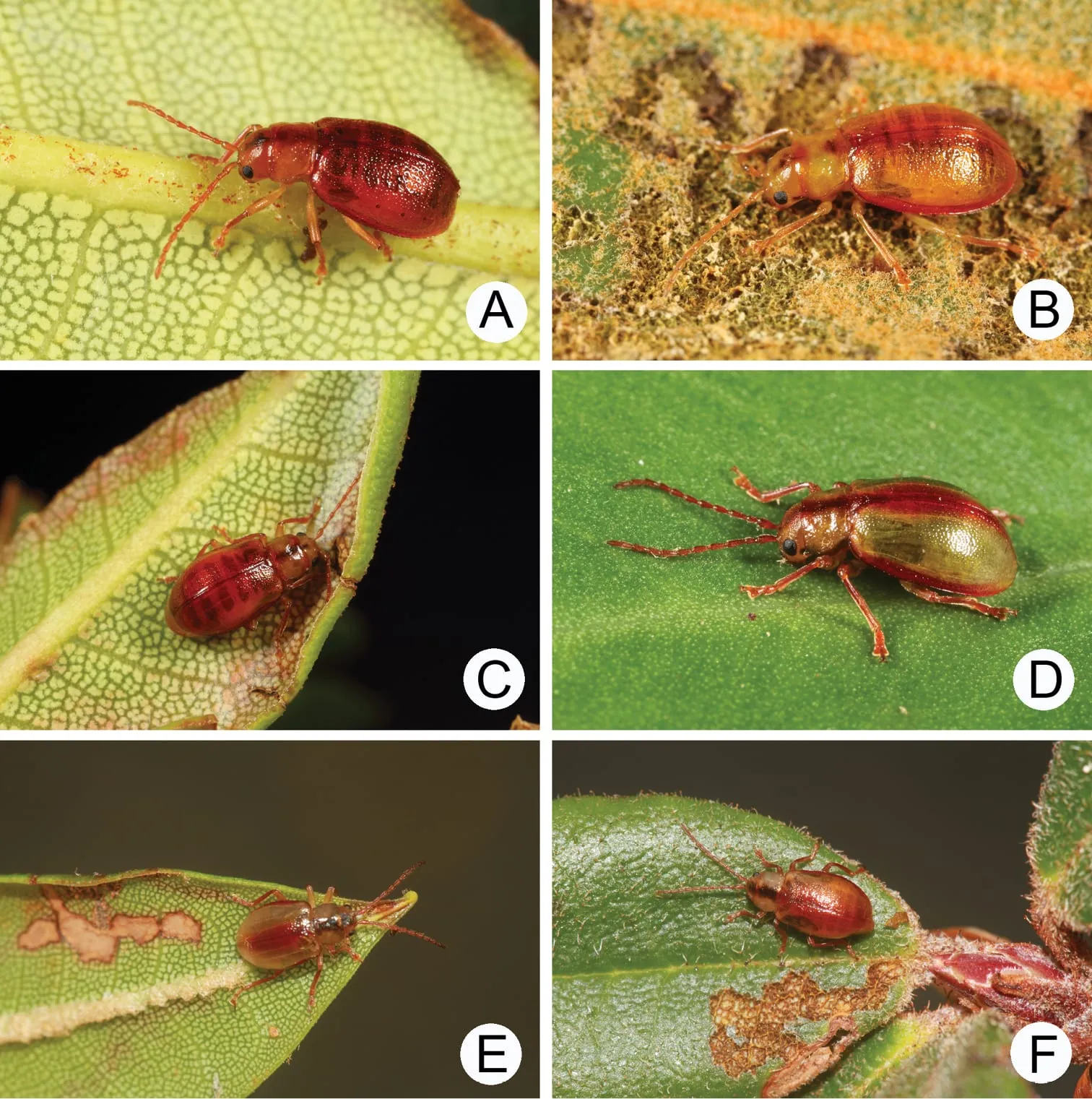
Multiple species (Chrysomelidae)
Tiny black or bronze jumping beetles that put hundreds of small holes in seedling leaves. Most damaging on direct-seeded brassicas and young eggplant.
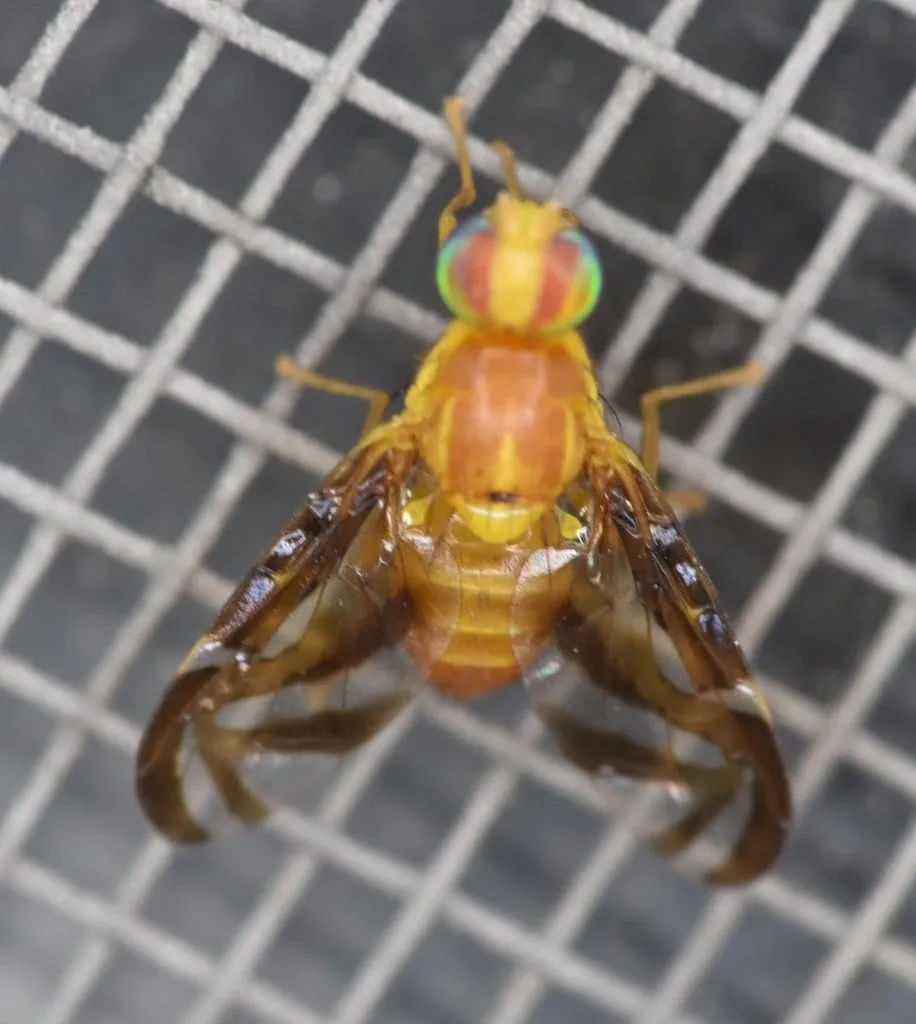
Anastrepha suspensa
Tropical fruit fly endemic to Florida and the Caribbean. Less aggressive on commercial citrus than Mediterranean fruit fly, but devastating on guava, carambola, and other thin-skinned tropicals.
Top diseases for zone 10b
Ranked by how many crops in your zone they affect. Click through for symptoms, controls, and resistant varieties.
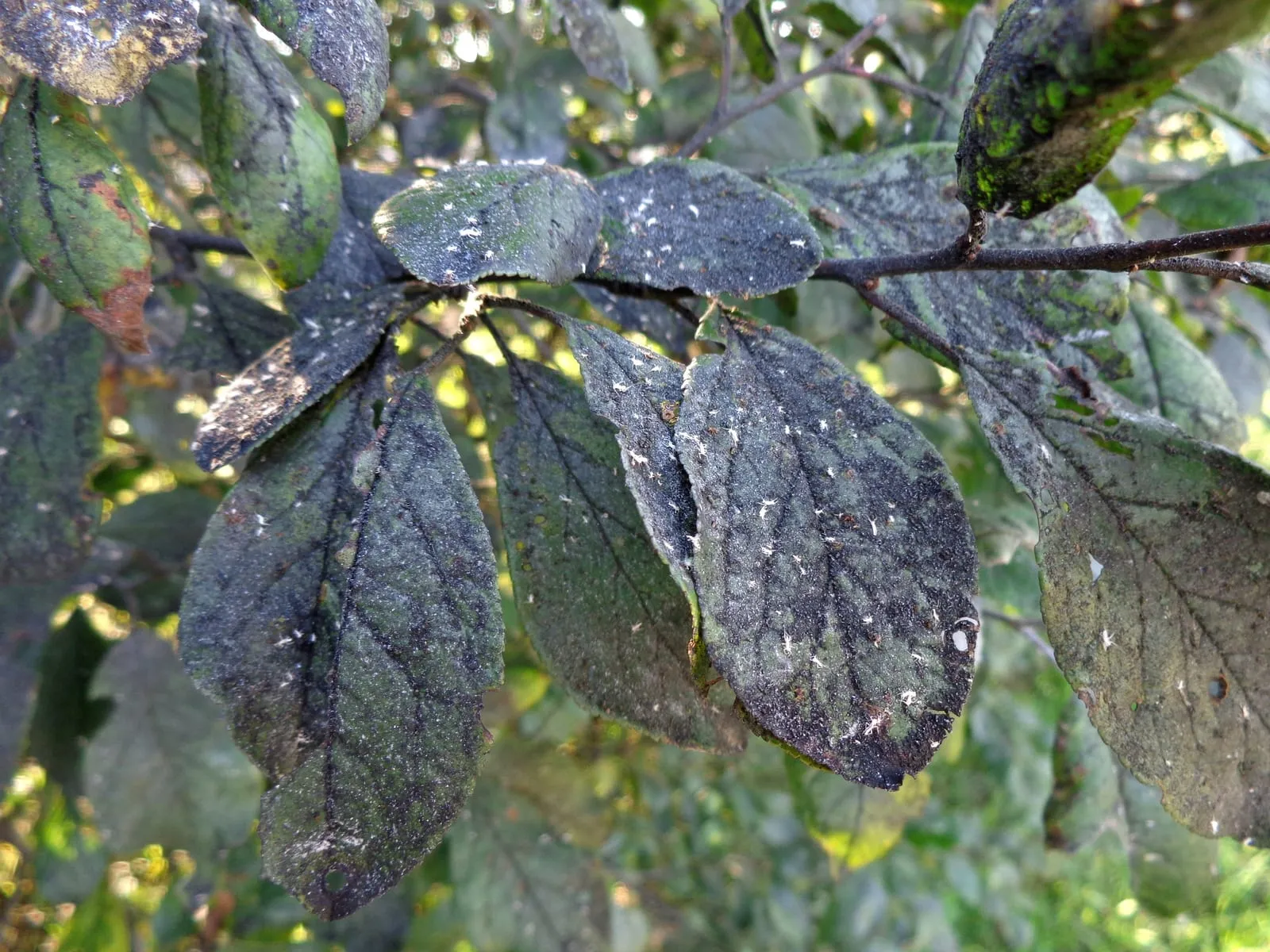
Capnodium spp.
Black fungal coating that grows on honeydew secreted by aphids, scale, mealybugs, and whiteflies. Doesn't infect plant tissue directly but blocks photosynthesis and disfigures fruit.
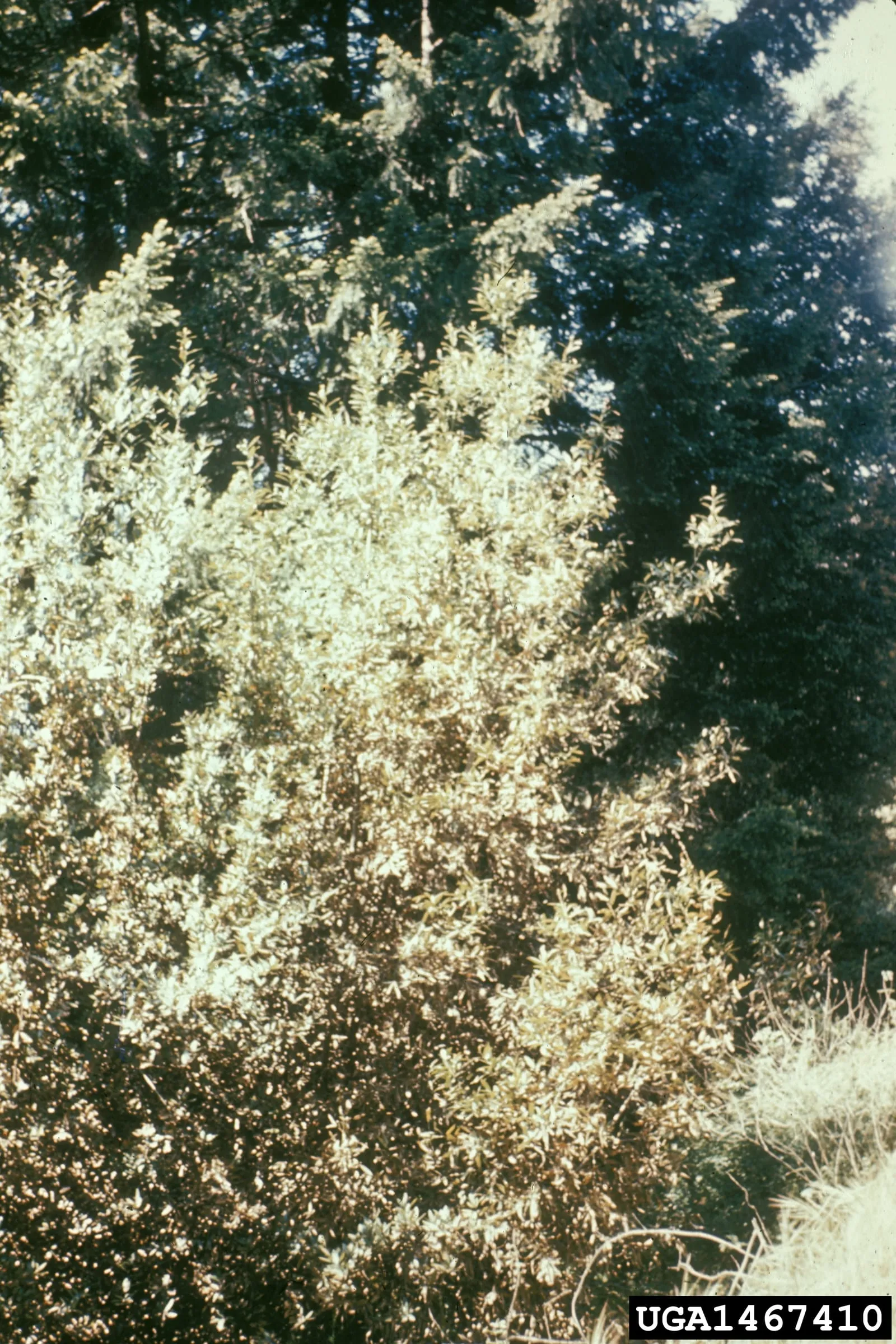
Colletotrichum gloeosporioides
Most damaging mango disease worldwide. Fungal spores infect blossoms and developing fruit during humid weather, producing black sunken lesions that expand on ripening fruit.
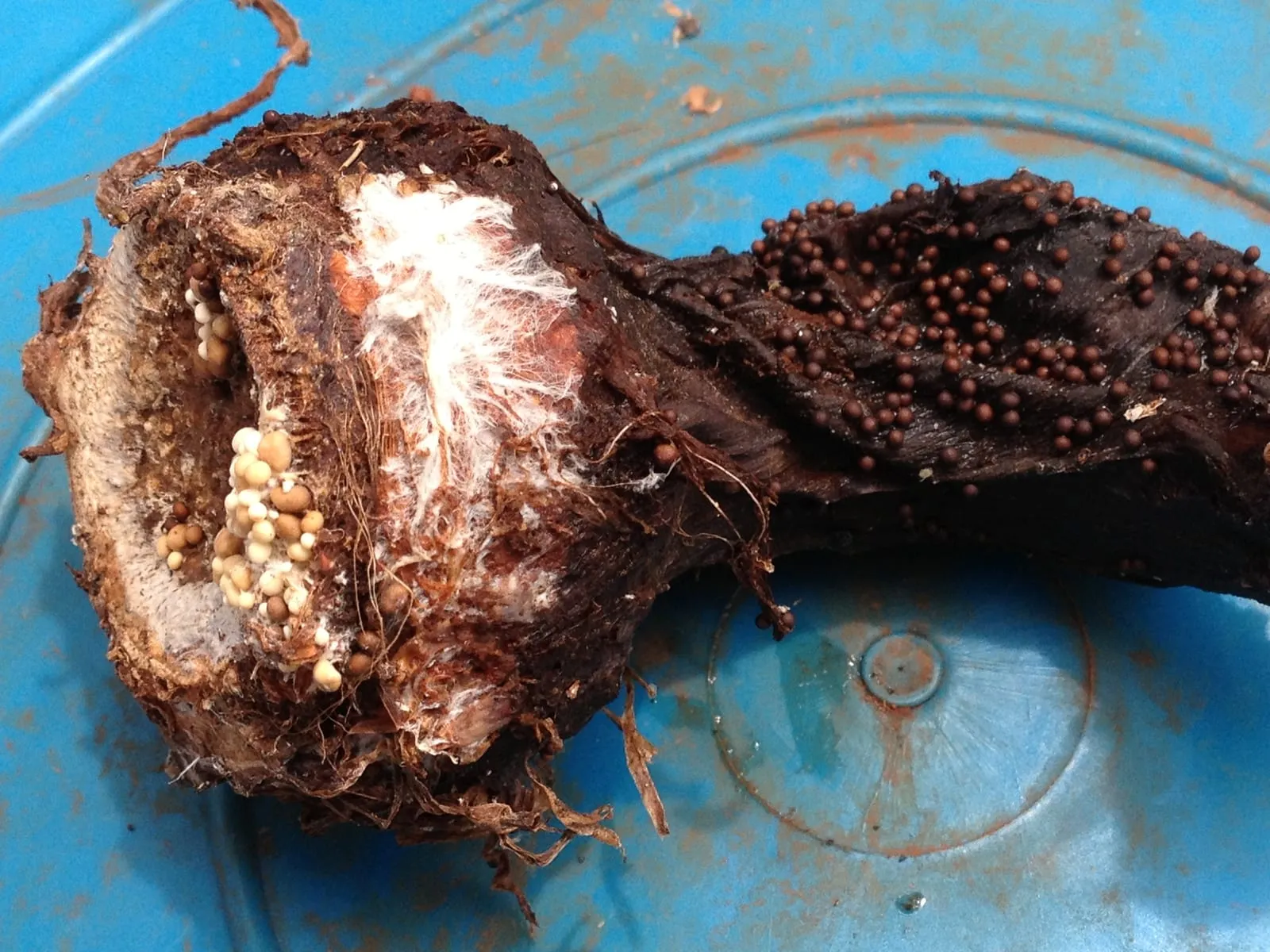
Sclerotium rolfsii
Soil-borne fungal disease most damaging in warm humid Southern conditions. White mycelial fans and small mustard-seed-sized sclerotia at the soil line are diagnostic.
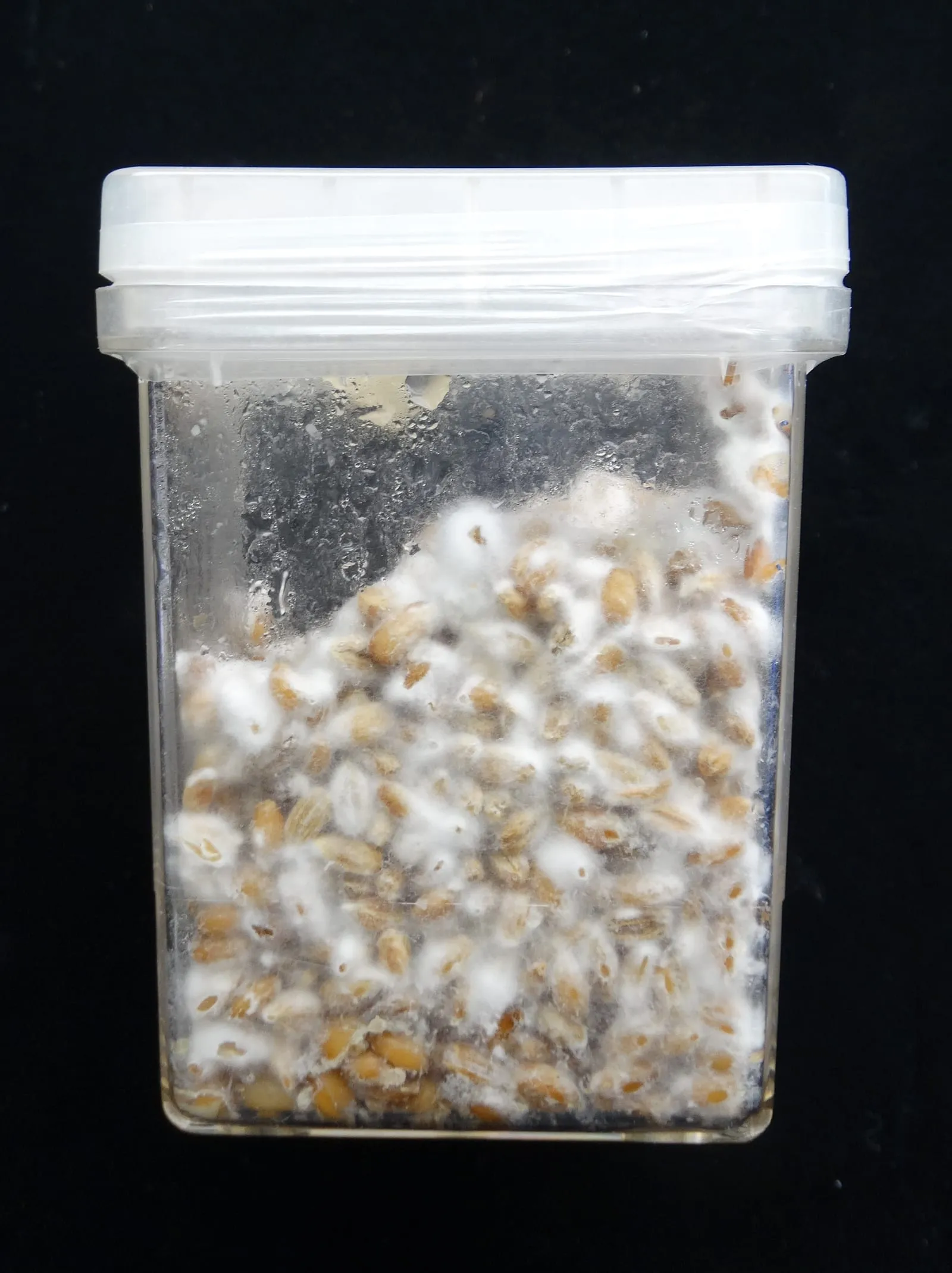
Fusarium oxysporum
Soil-borne fungal disease that plugs vascular tissue and kills affected plants. Persists in soil for many years; impossible to eliminate once established.
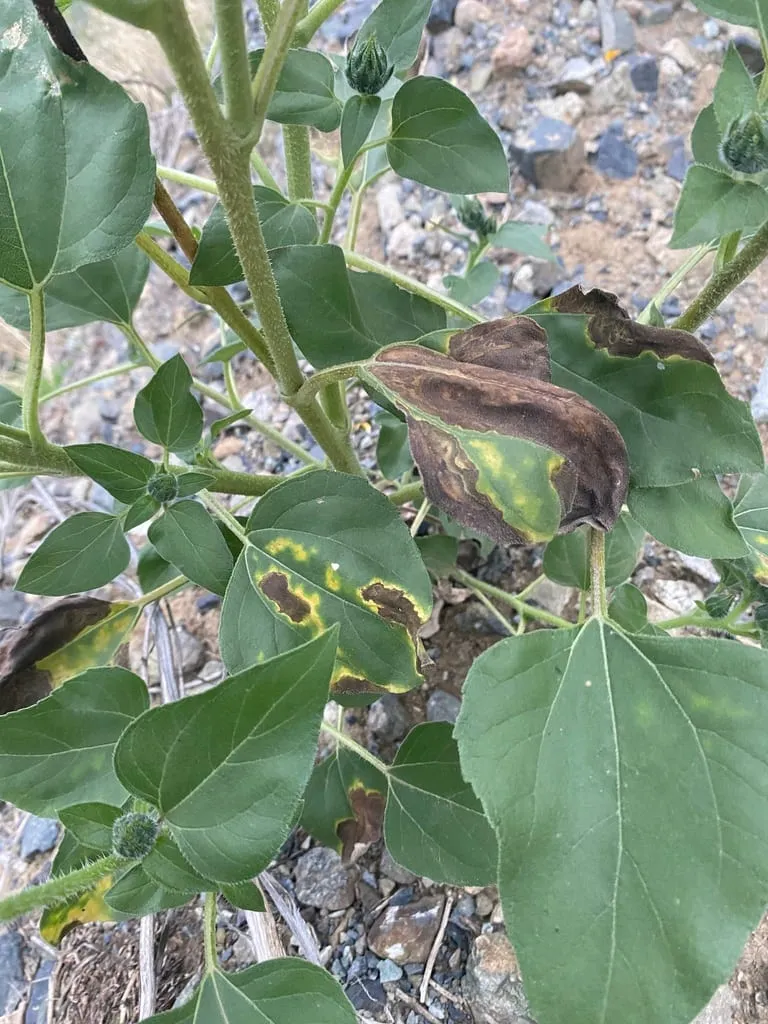
Verticillium dahliae
Soil-borne fungal disease similar to fusarium wilt but with broader host range and cooler temperature optimum. Persists in soil for 10+ years.
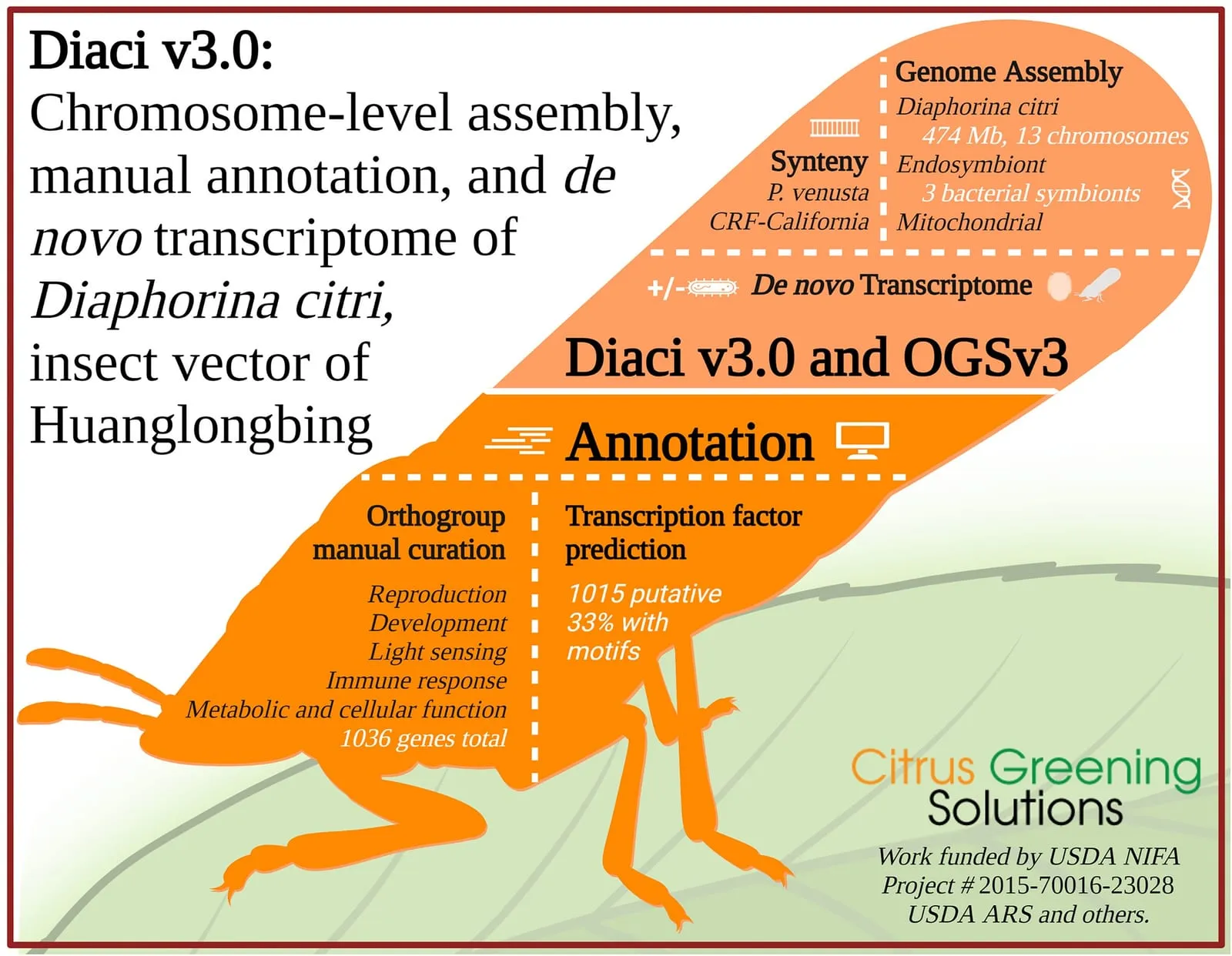
Candidatus Liberibacter asiaticus
Devastating bacterial disease vectored by the Asian citrus psyllid. Once infected, trees decline progressively over several years and there is no cure. Has destroyed commercial citrus across Florida and threatens production worldwide.
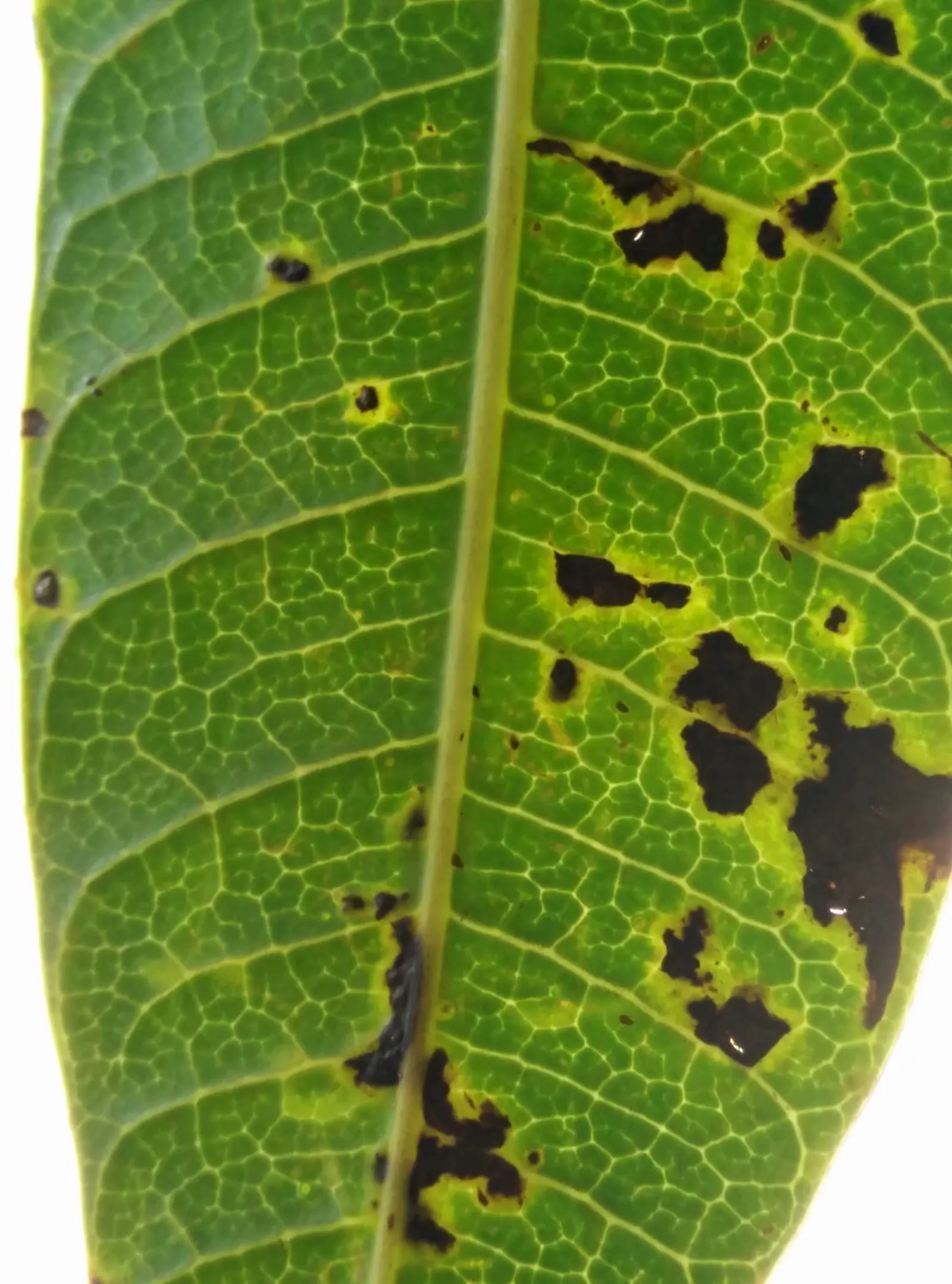
Xanthomonas citri
Bacterial disease producing raised corky lesions on leaves, twigs, and fruit. Spread by wind-driven rain and contaminated tools. Quarantine-regulated in many areas.
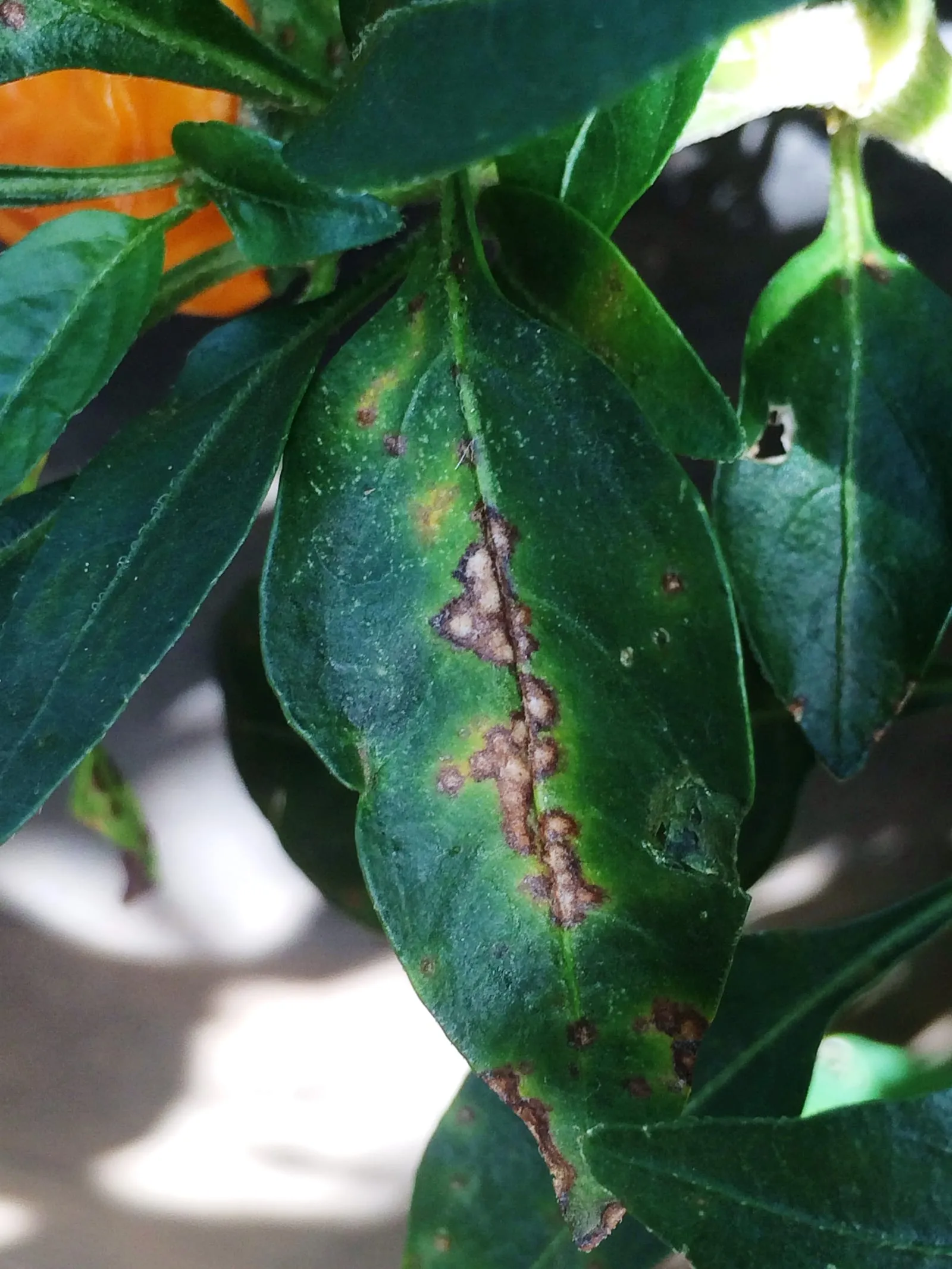
Xanthomonas euvesicatoria and X. perforans
Bacterial disease causing leaf spots and fruit blemishes on pepper and tomato. Severe in warm humid weather, transmitted via splashing water and seed.
Companion planting suggestions
Beneficial pairings drawn from companion data, filtered to crops that grow in zone 10b.
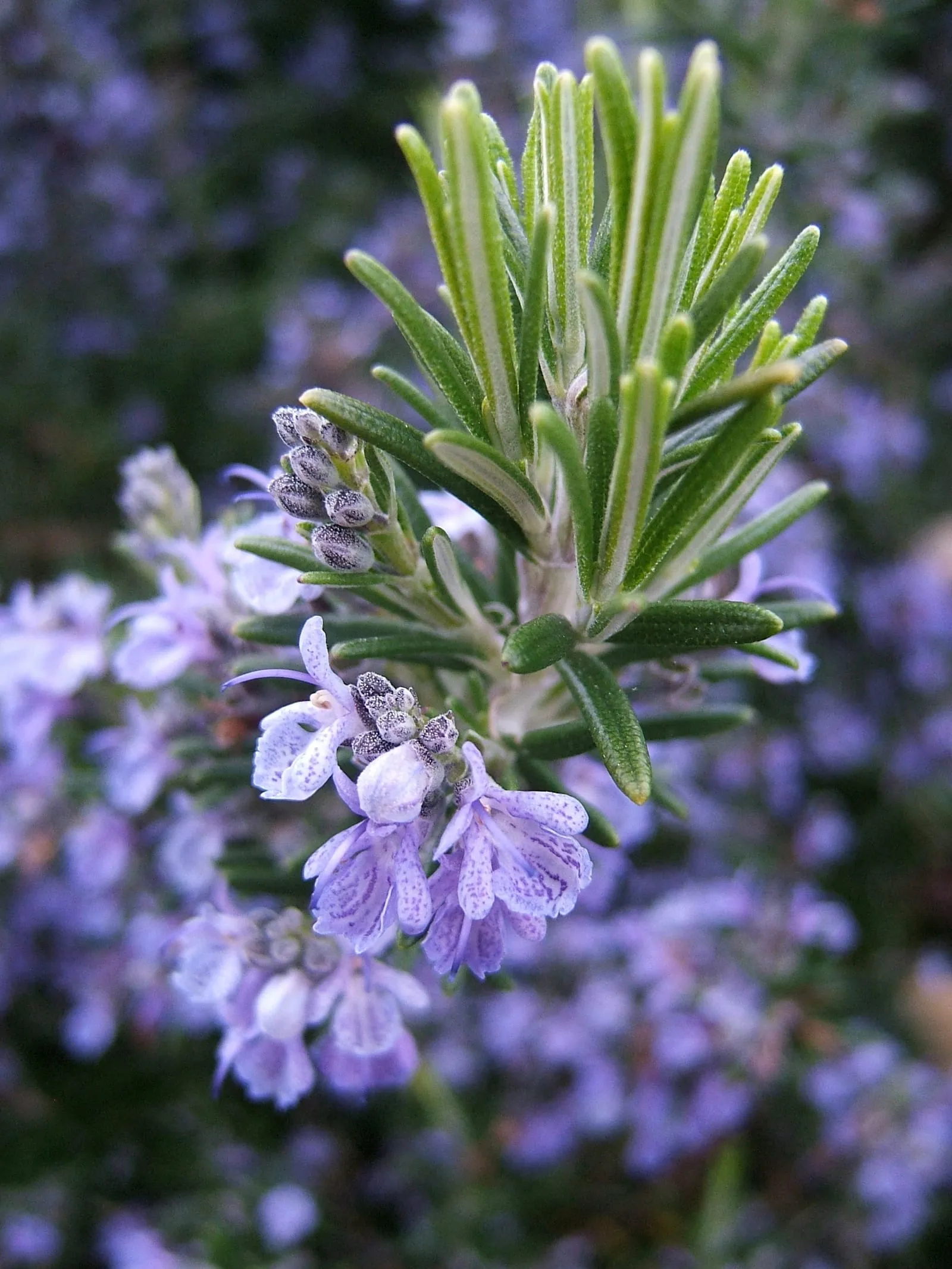
- Fig + Rosemary
Rosemary tolerates the dry sites figs prefer and provides aromatic pest deterrence.
- Tomato + Basil
The classic Italian pairing. Basil's volatile oils are reported to repel hornworms and whiteflies, and the two crops share the same warm-season schedule and water needs. Plant basil between tomato cages.
- Sweet Pepper + Basil
Same warm-season culture, same watering schedule. Basil reportedly improves pepper flavor and repels aphids and thrips that are pepper's primary pests.
- Hot Pepper + Basil
Compatible heat-loving culture, similar water needs. Basil interplanted between hot pepper plants supports beneficial insects and reduces aphid pressure.
- Okra + Hot Pepper
Both heat-loving warm-season crops with similar water and fertility needs. Hot pepper at okra's base benefits from the slight afternoon shade in extreme summer heat.
Soil types reference
Soil texture and pH decide what grows easily on your specific lot. Find the closest match below for crop recommendations and amendment guidance.
Practical tips for Los Angeles
Stagger plantings in spring and late summer to maintain continuous harvest across the year-round season. Rather than a single crop cycle, treat December through February as the primary cool-season window and May through October as warm-season peak. This prevents the common mistake of letting spring crops linger until summer heat kills them. Second, use shade cloth (30 percent shade density) from late May through early September on heat-sensitive crops like tomato and pepper. This reduces flower drop and increases fruit set during temperature extremes. Move potted plants to shade during the hottest weeks rather than leaving them in full sun. Third, prioritize drip irrigation and mulch to extend water efficiency. Los Angeles water restrictions are consistent enough that overhead or hand watering is increasingly impractical. Mulch conserves moisture, moderates soil temperature during heat peaks, and reduces the need for frequent irrigation.
Frequently asked questions
- What are the best crops to grow in Los Angeles year-round?
Figs, tomatoes, peppers (both sweet and hot), eggplant, and basil are natural fits. Rosemary, as a woody herb, provides year-round structure. The year-round growing season also means cool-season crops like lettuce, broccoli, and peas thrive in winter and early spring when heat is not a threat.
- When should I plant tomatoes in Los Angeles?
Spring is the primary window; plant transplants from February through April for early-summer harvest. Due to the long season, succession plant in late July for fall harvest. Avoid planting in May or early June; wait until that pulse of heat passes and plant again in late July for a second crop.
- Is frost a real risk in Los Angeles?
No. Frost events are rare enough (last spring frost around December 31, first fall frost around December 28) that they should not drive planting decisions. Winter gardening is normal here; the constraint is heat and water, not cold.
- How do I handle the intense summer heat (95 to 105°F)?
Use shade cloth (25 to 30 percent density) from late May through September to prevent flower drop on tomatoes, peppers, and eggplant. Drip irrigation and heavy mulch keep soil temperature down and reduce water stress. Early-morning watering before heat peaks also helps.
- What grows well in Los Angeles winters?
Lettuce, spinach, kale, broccoli, cauliflower, peas, and root crops all thrive from November through March. The mild winters mean these crops grow slowly but steadily without requiring protection. Spring plantings of cool-season crops can last longer than in regions with hard frosts.
- How do I manage water restrictions in Los Angeles?
Drip irrigation is non-negotiable; it cuts water use by 30 to 40 percent compared to overhead watering. Mulch heavily (3 to 4 inches of wood chips) to conserve soil moisture and moderate temperature. Prioritize perennials and established plants; annuals are more dispensable during drought cycles.
+−
+−
+−
+−
+−
+−
Frost data: NOAA Climate Normals 1991-2020, station USW00023152. Local microclimates can shift these dates by a week or more.
Related