Local planting guide · Southeast
zip 33804
Lakeland is in USDA hardiness zone 10a, with average winter lows of 30°F to 35°F. The local growing season runs roughly 01/15 through 01/10 (~365 days). This zip falls within the Southeast growing region.
- USDA zone
- 10a 30°F to 35°F
- Last spring frost
- 01/15
- First fall frost
- 01/10
- Growing season
- 365 days
- Compatible crops
- 28
- Growing region
- Southeast
Right now in Lakeland
Week 37 priorities
On the docket: harvest window. See the full calendar →
Gardening in Lakeland
Lakeland's zone 10a climate brings near-perpetual growing conditions. Winter lows rarely drop below 30°F, and frost is a minor threat mostly in early January, when temperatures occasionally dip near freezing for brief periods. The last spring frost around mid-January is followed by a warm, humid growing season that extends through the year. This means home gardeners can plant warm-season crops like figs, Asian persimmons, pomegranates, and peppers nearly any month. Tomatoes thrive here because the season is long enough for vigorous growth and full fruiting. The real pressure comes not from cold but from sustained heat and humidity. Central Florida's subtropical climate favors crops that handle afternoon thunderstorms and high nighttime temperatures. Varieties bred for tropical or warm-temperate regions, goji berries, pomegranates, heat-tolerant figs, perform more reliably than northern-bred cultivars adapted to cooler zones.
Regional context · Southeast
What the Southeast brings to Lakeland
Hot, humid, long growing season. Disease-resistant variety selection is the difference between a productive and a failed planting. Strong region for muscadines, blueberries, peaches, persimmons, figs, and warm-season vegetables.
Common challenges
Issues that most often defeat home gardeners in zone 10a, drawn from the broader USDA zone profile.
- ▸ No chilling for traditional temperate fruit
- ▸ Hurricane exposure
- ▸ Heat-tolerant cultivars only
What defeats new gardeners in Lakeland
Summer humidity drives fungal disease pressure, especially powdery mildew, rust, and leaf spot on susceptible varieties. Spider mites thrive in hot, dry weeks between thunderstorms. Tomatoes and peppers can struggle during peak summer heat (June through September) when nighttime temperatures stay above 75°F, reducing fruit set and encouraging blossom-end rot. Late-winter frost, while rare, can still damage tender new growth on sensitive crops in early January. Soil in the Lakeland area tends toward sandy, well-draining texture, which requires supplemental fertility and frequent watering during dry periods. Choosing disease-resistant varieties and providing afternoon shade during summer are more effective than fighting the climate.
Crops that grow in Lakeland
28 crops from our catalog match zone 10a, grouped by type.
Tree fruit
12 crops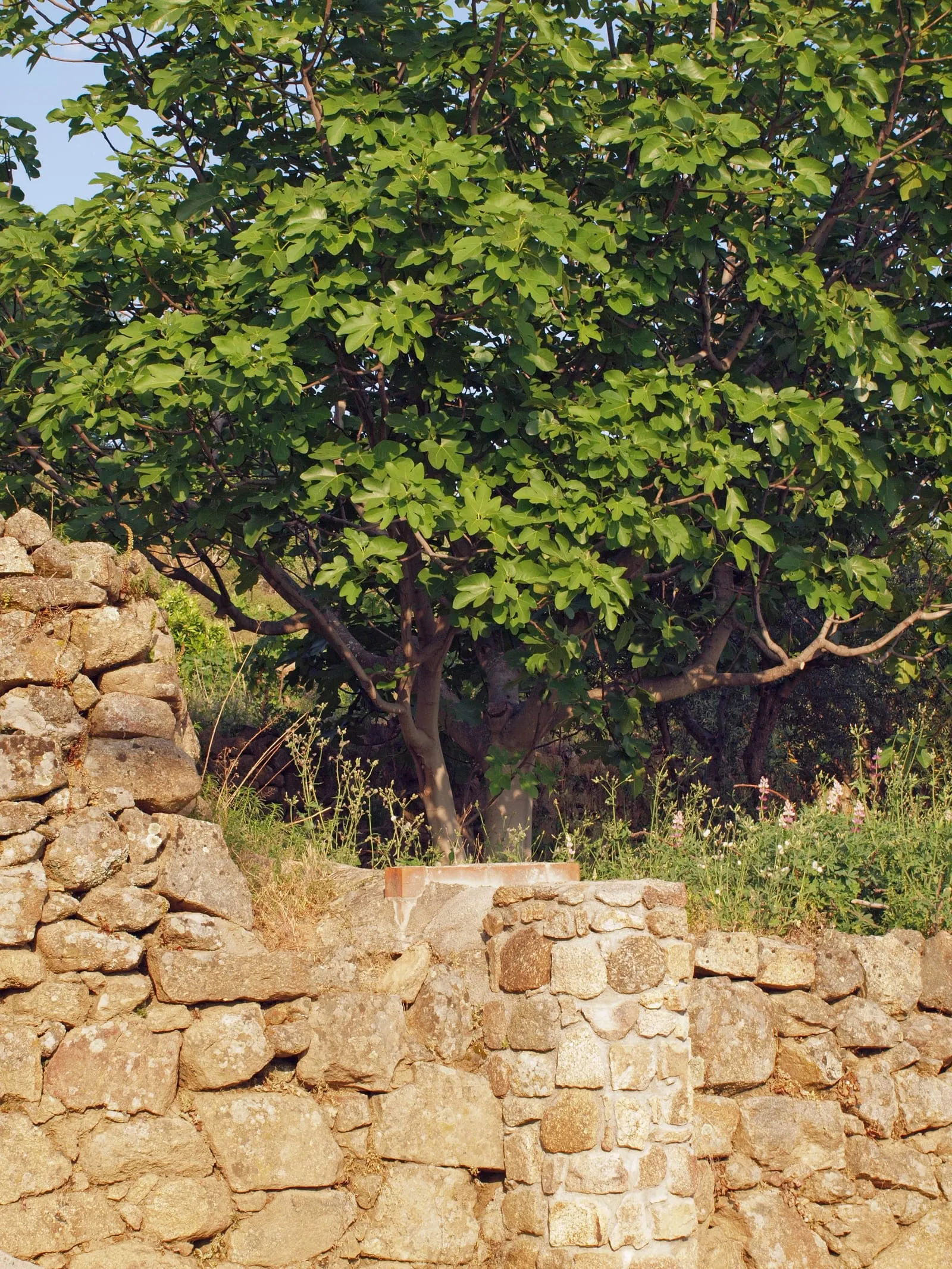 zone 10a
 Fig
Ficus carica
zones 7a–10b
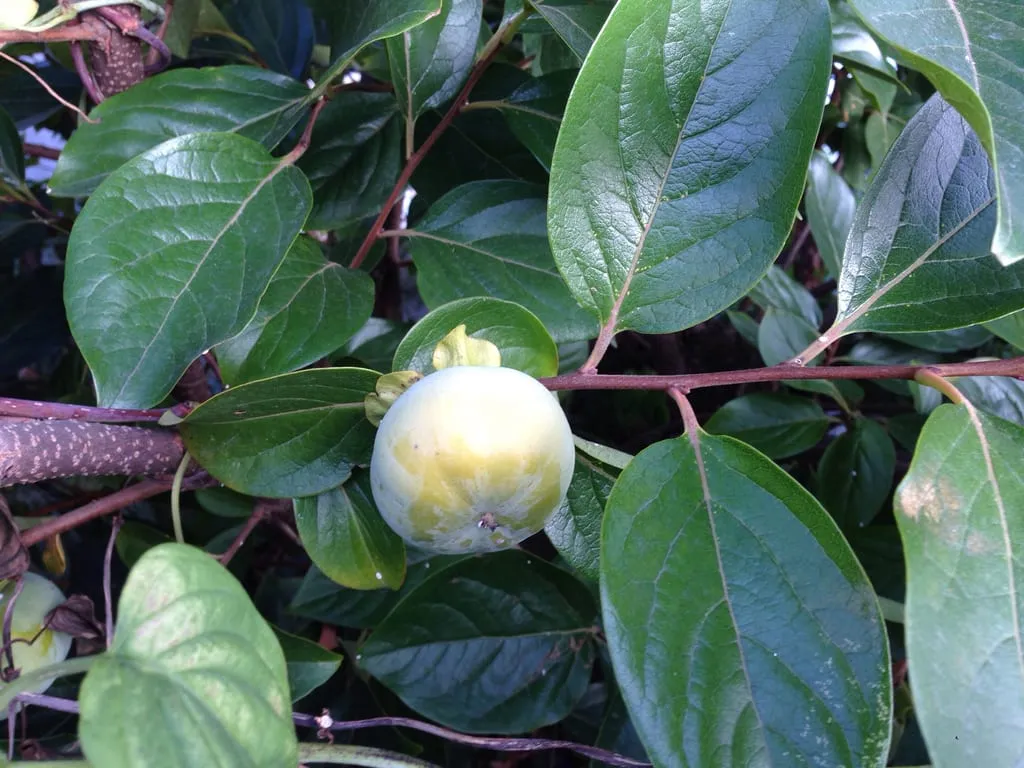 zone 10a
 Asian Persimmon
Diospyros kaki
zones 7a–10a
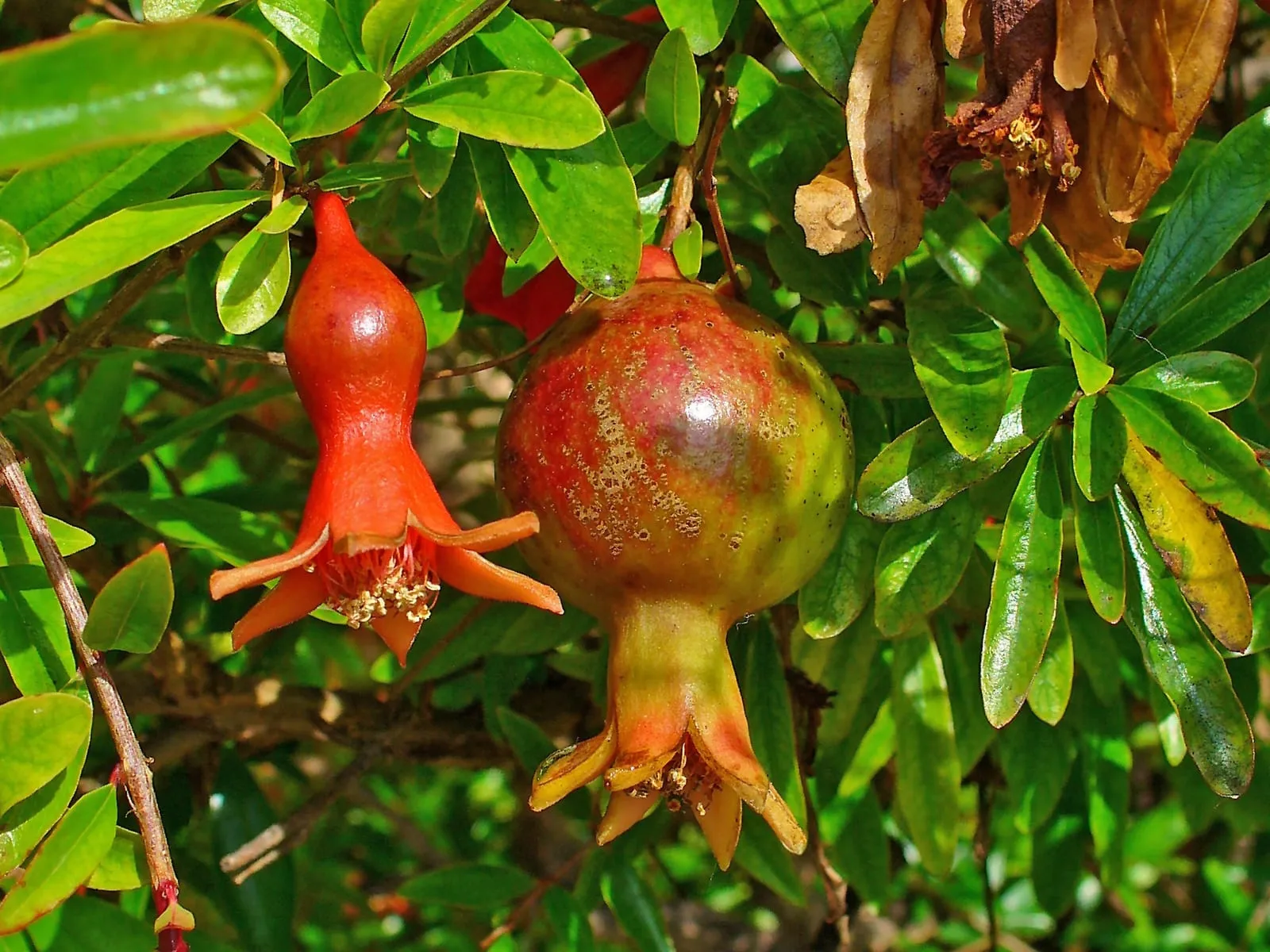 zone 10a
 Pomegranate
Punica granatum
zones 7b–10a
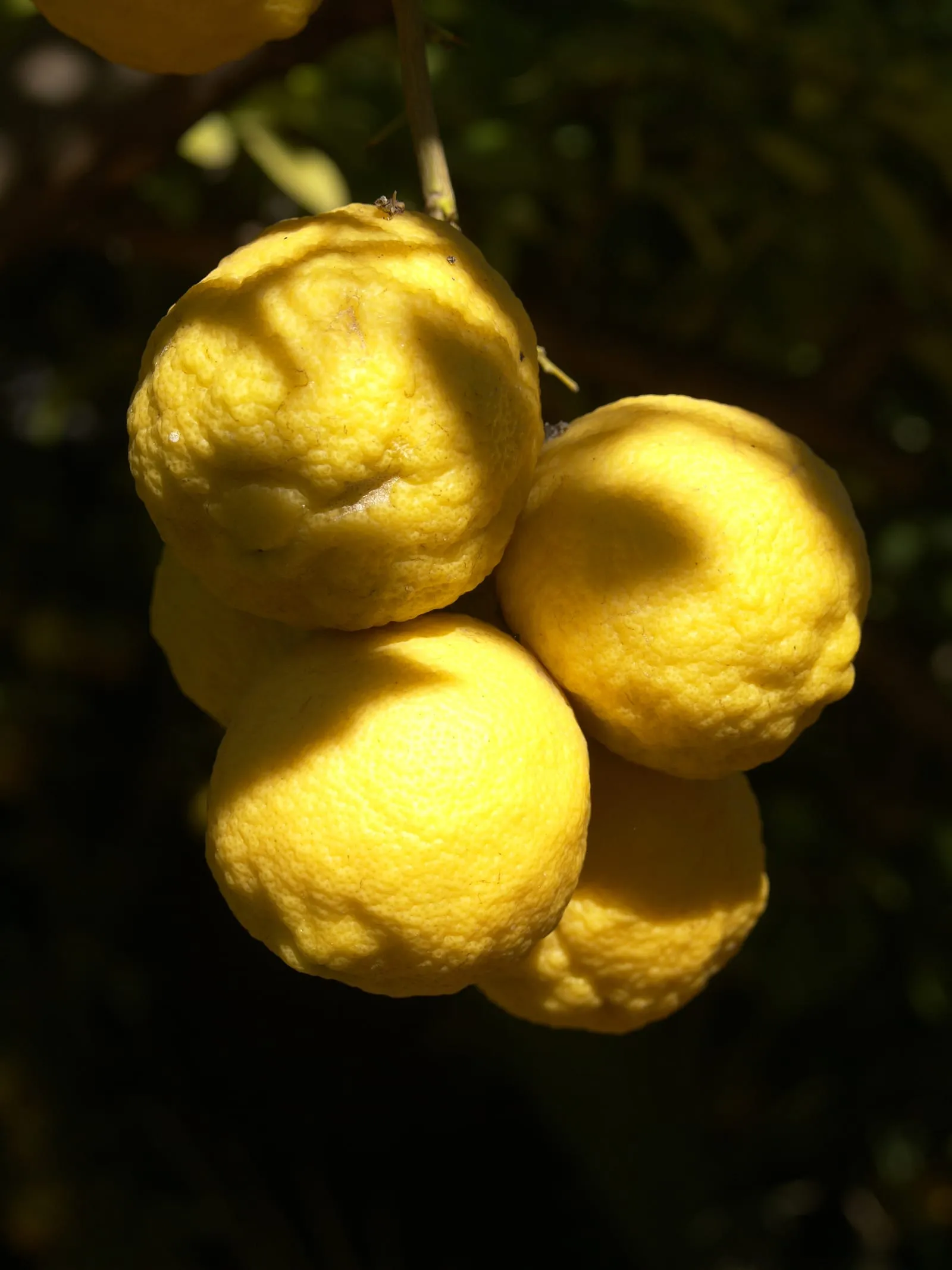 zone 10a
 Lemon
Citrus limon
zones 9a–11b
 zone 10a
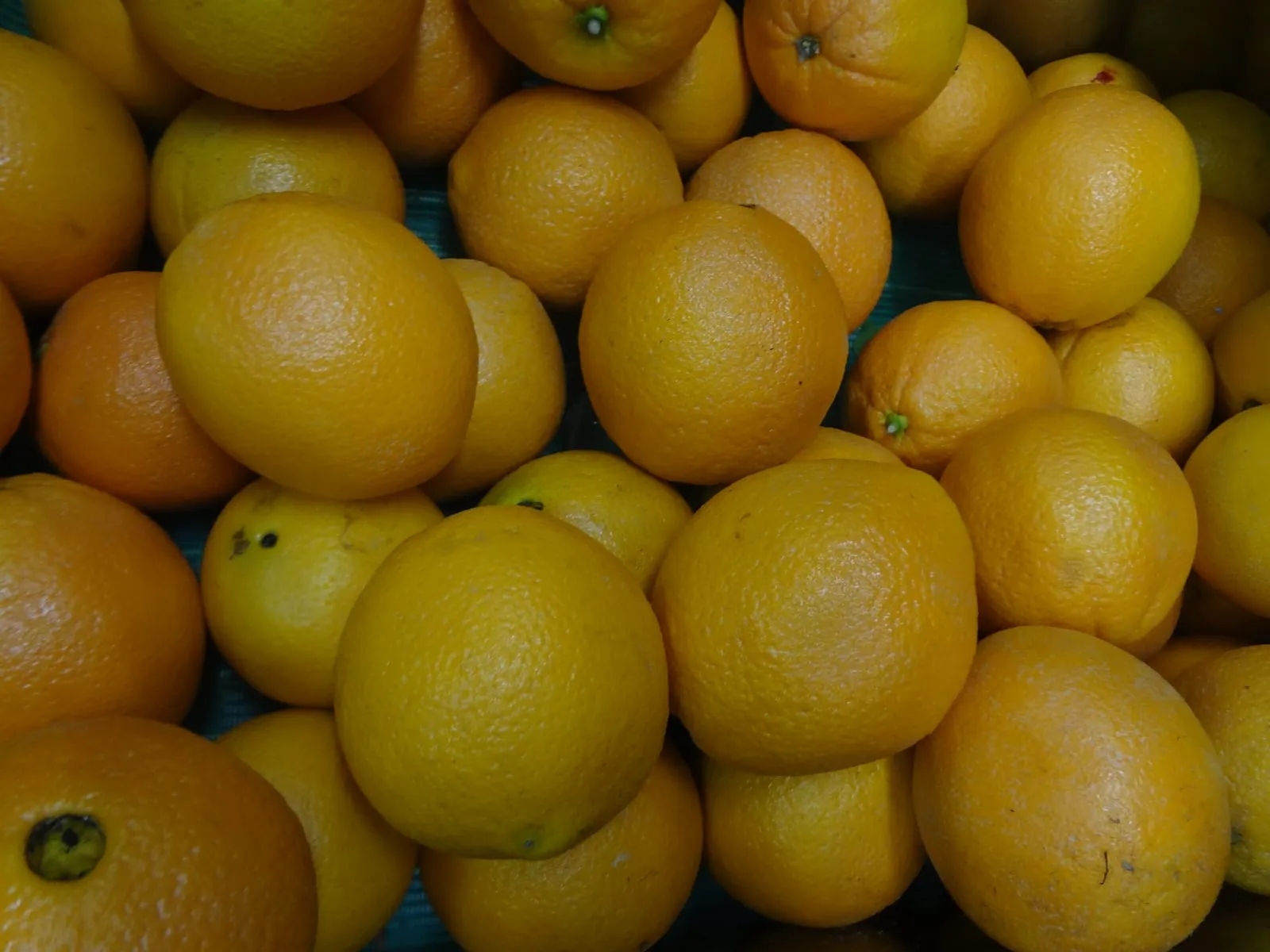
 Orange
Citrus sinensis
zones 9a–11b
 zone 10a
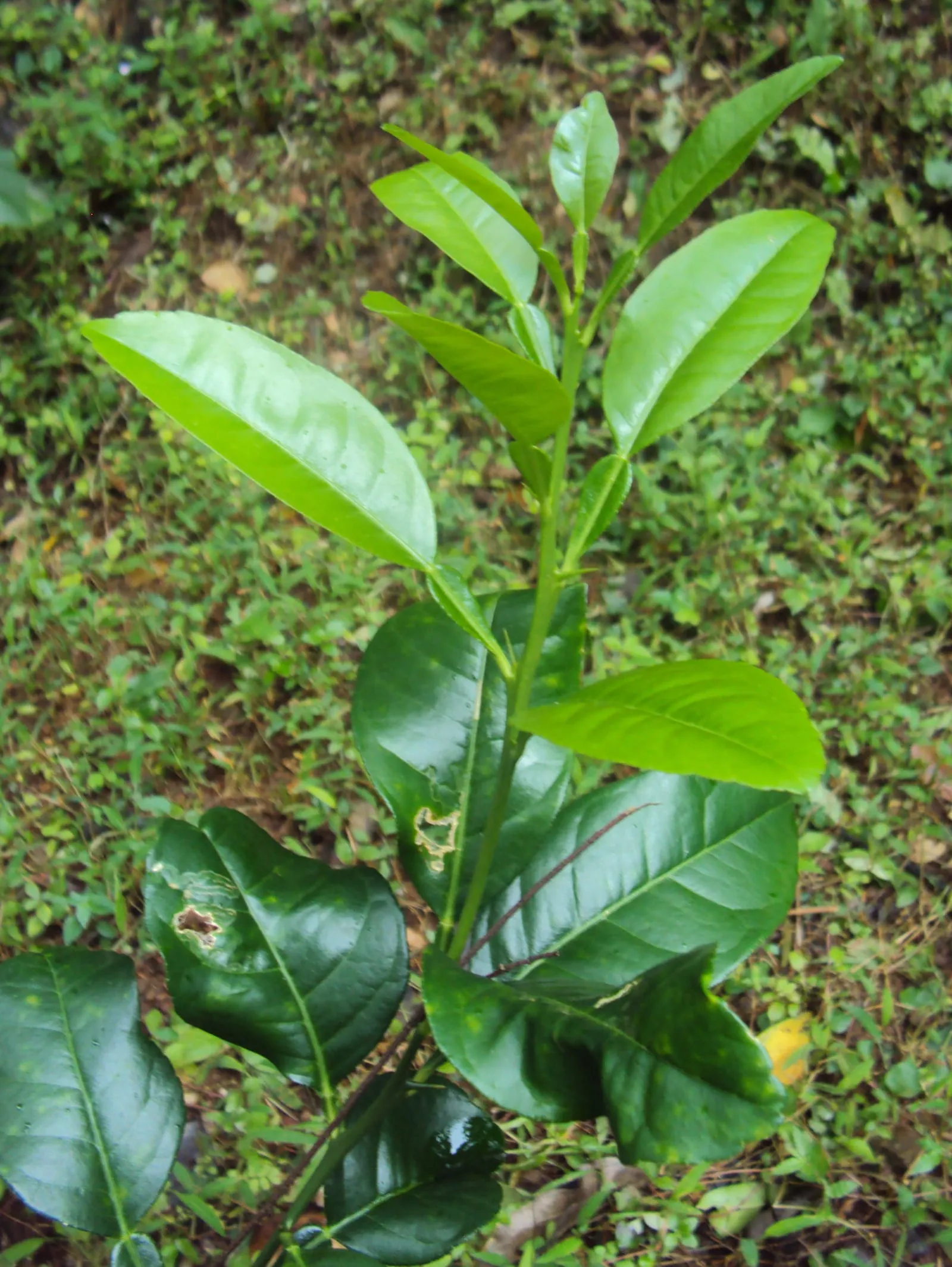
 Lime
Citrus aurantiifolia
zones 9b–11b
 zone 10a
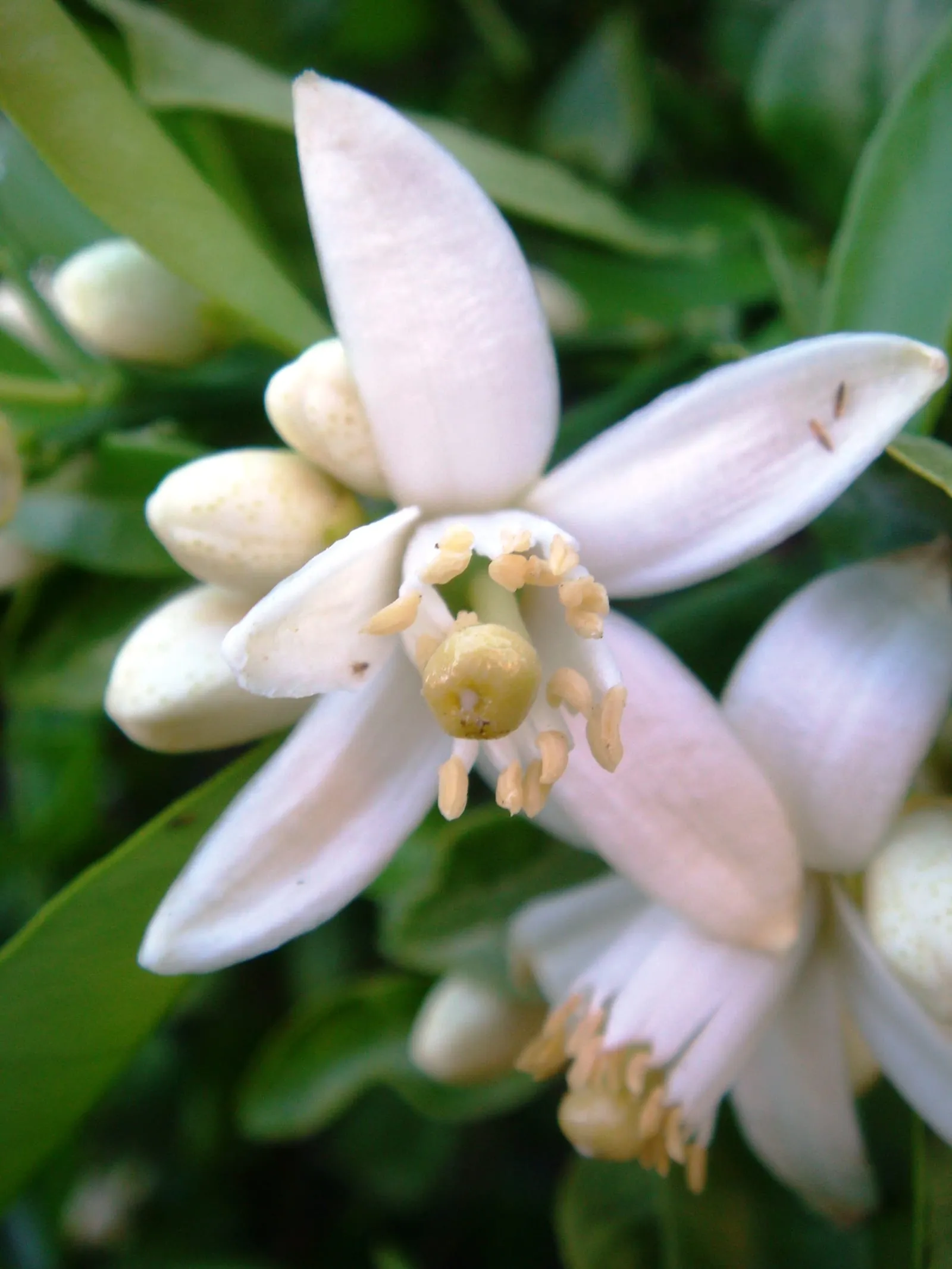
 Grapefruit
Citrus paradisi
zones 9a–11b
 zone 10a
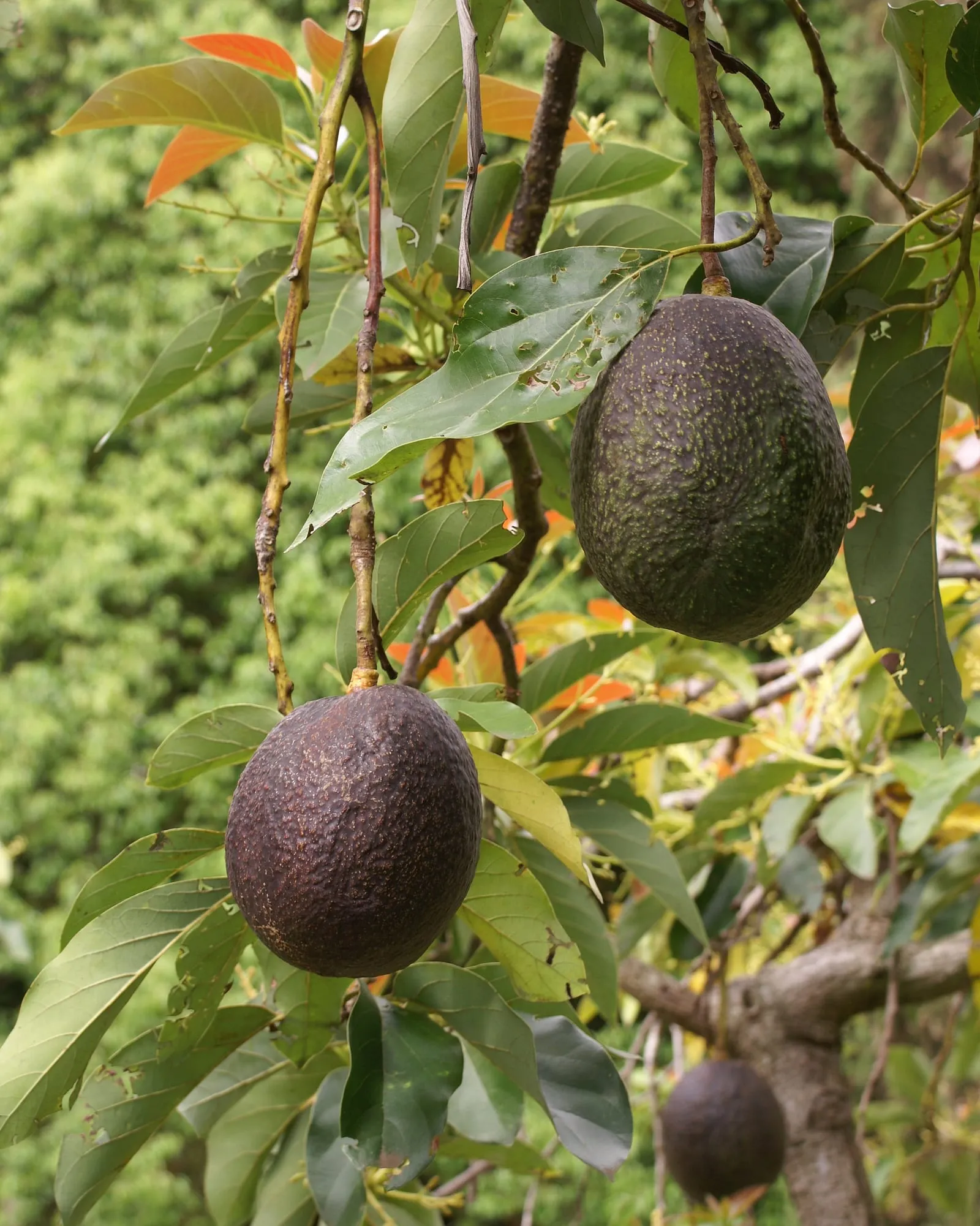
 Avocado
Persea americana
zones 9b–11b
Berries
3 crops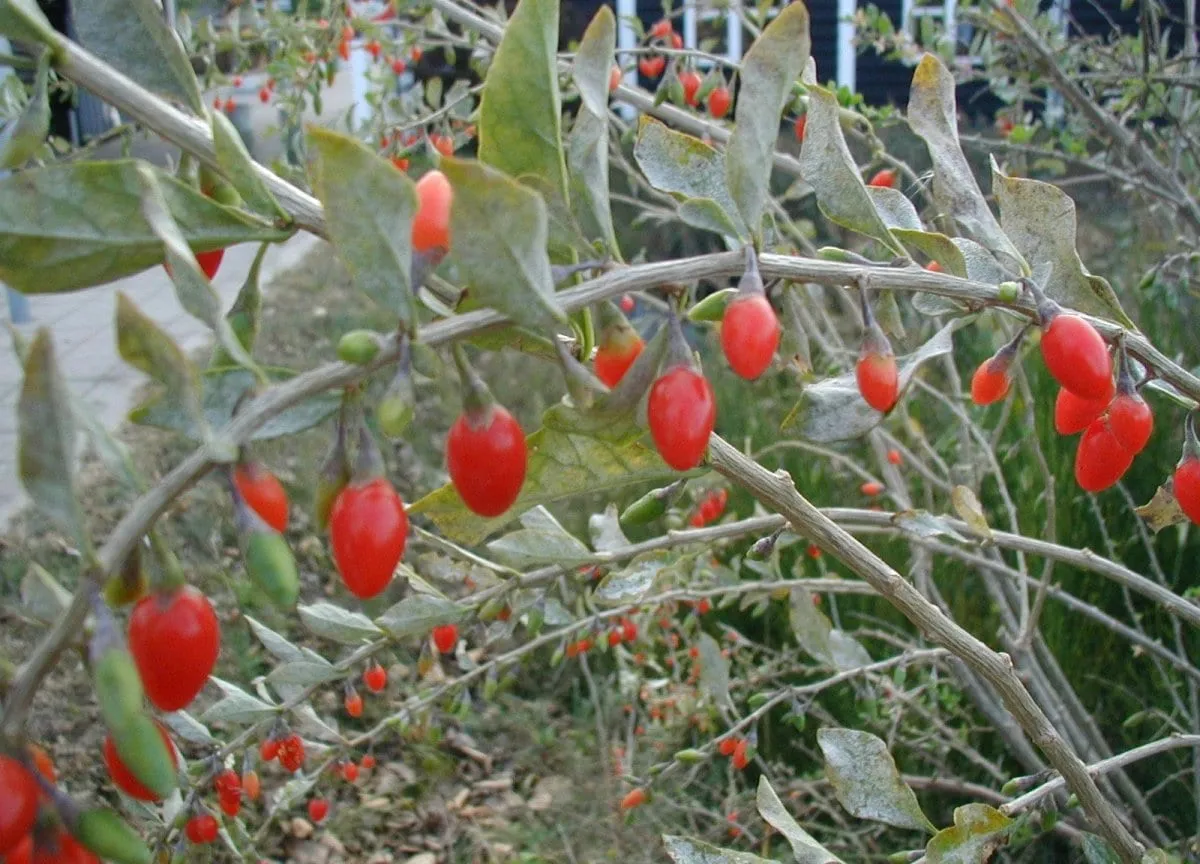
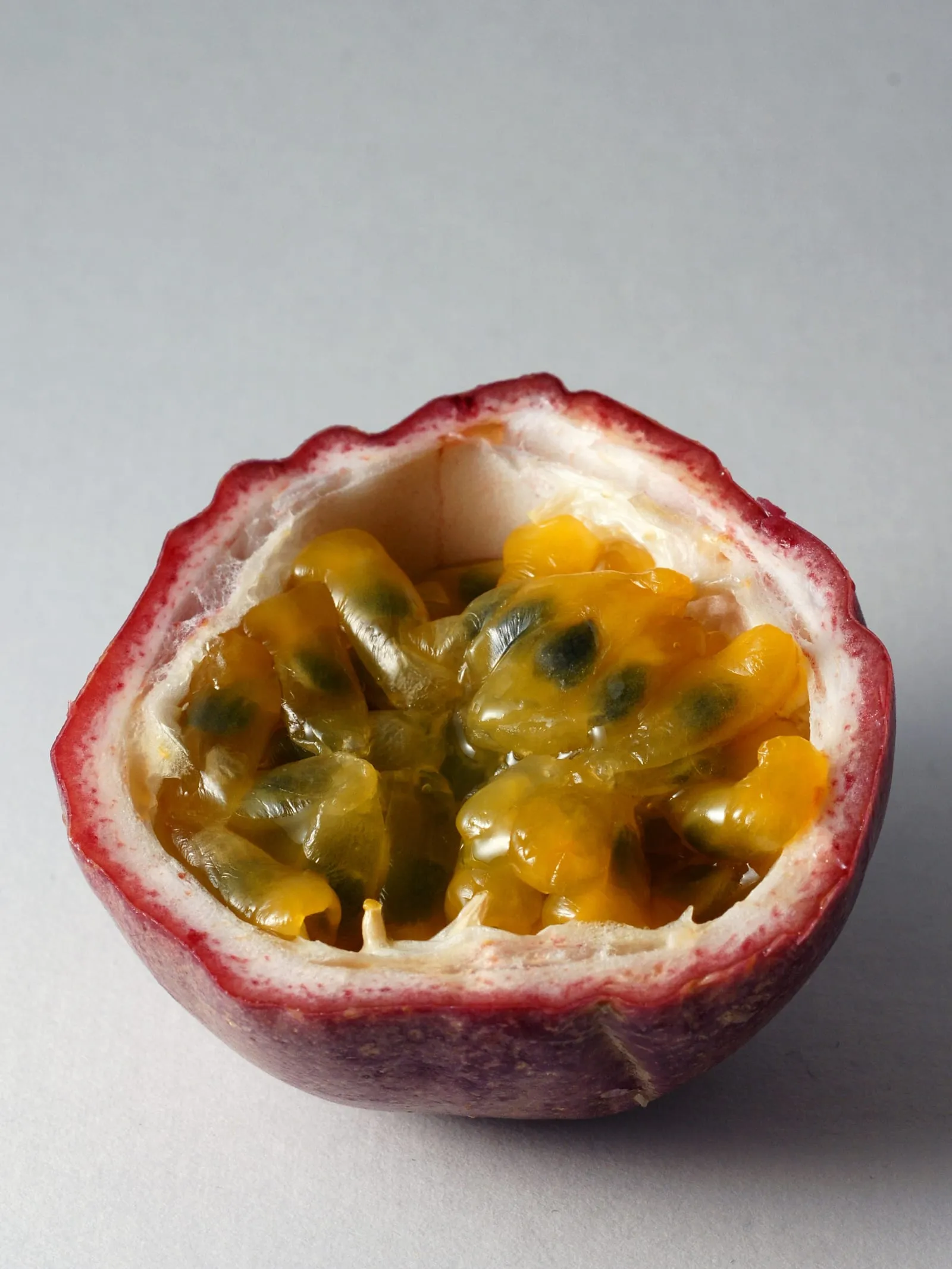
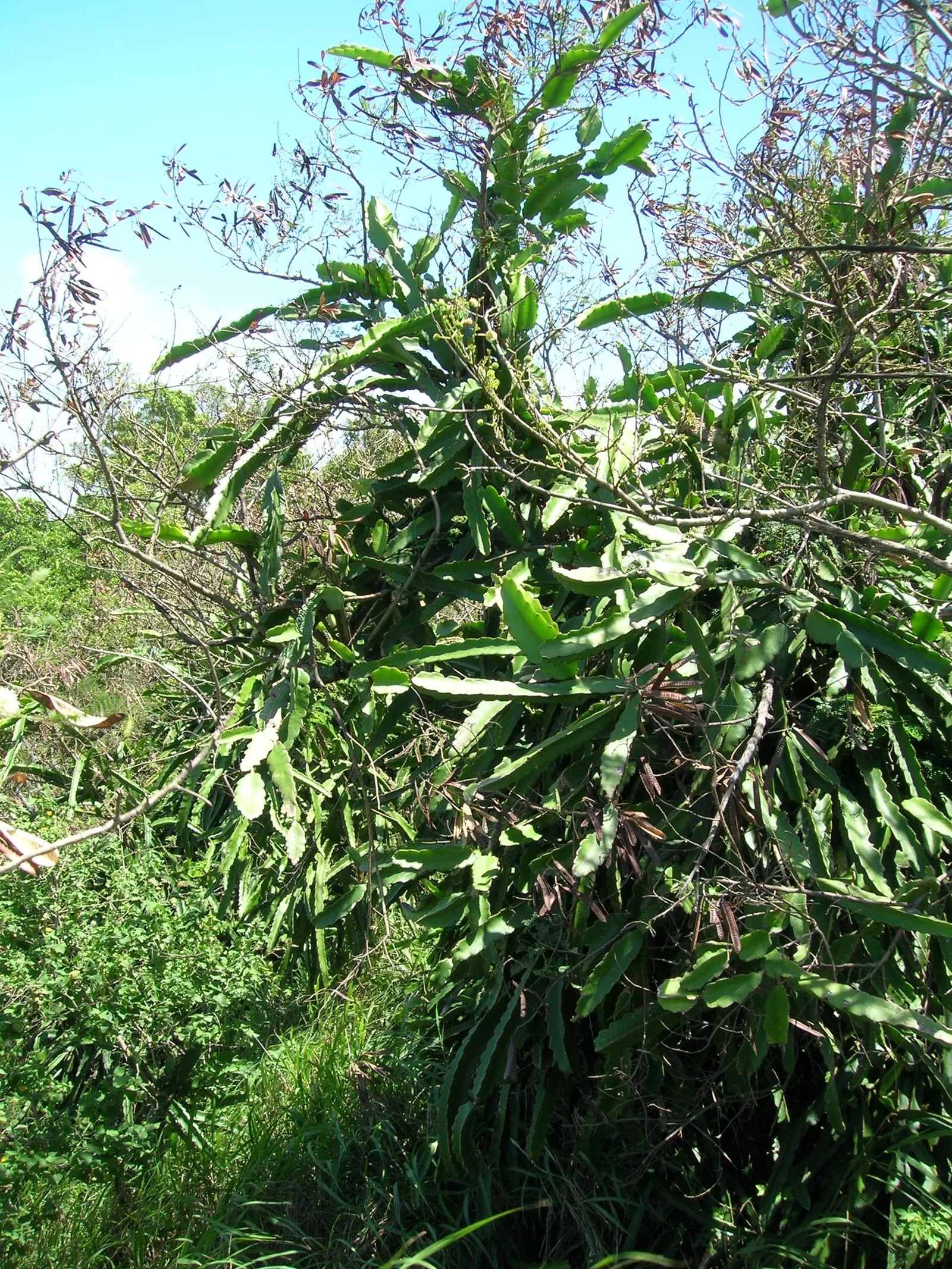
Nuts
1 crop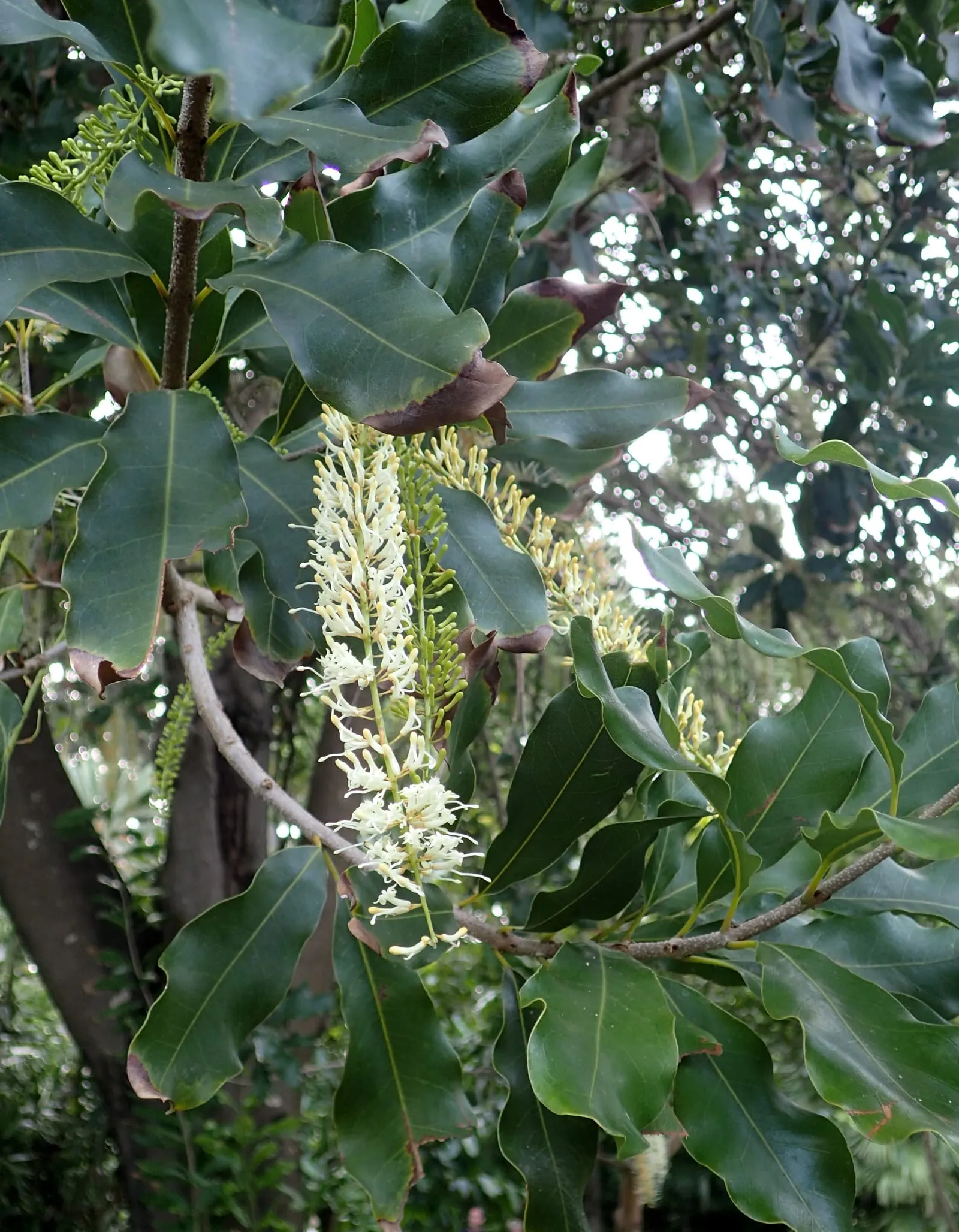
Vegetables
10 crops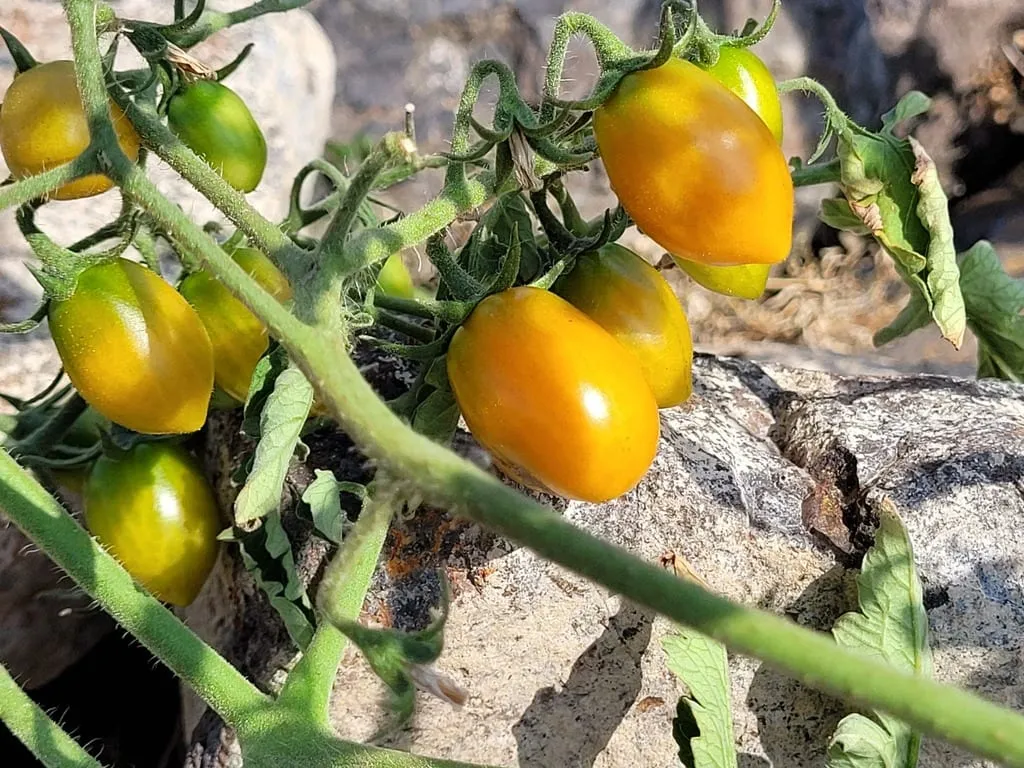 zone 10a
 Tomato
Solanum lycopersicum
zones 3a–10b
 zone 10a
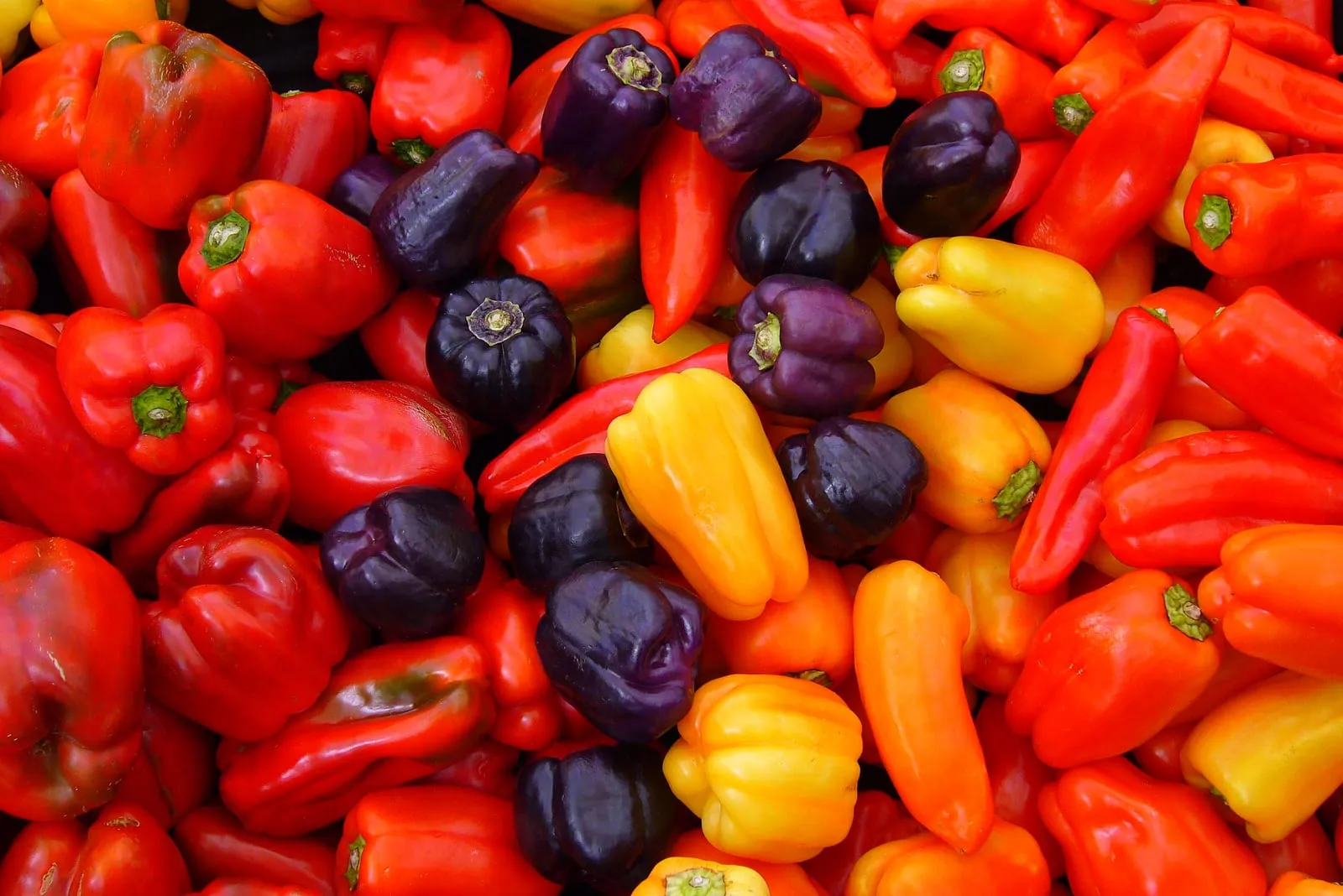
 Sweet Pepper
Capsicum annuum
zones 4a–10b
 zone 10a
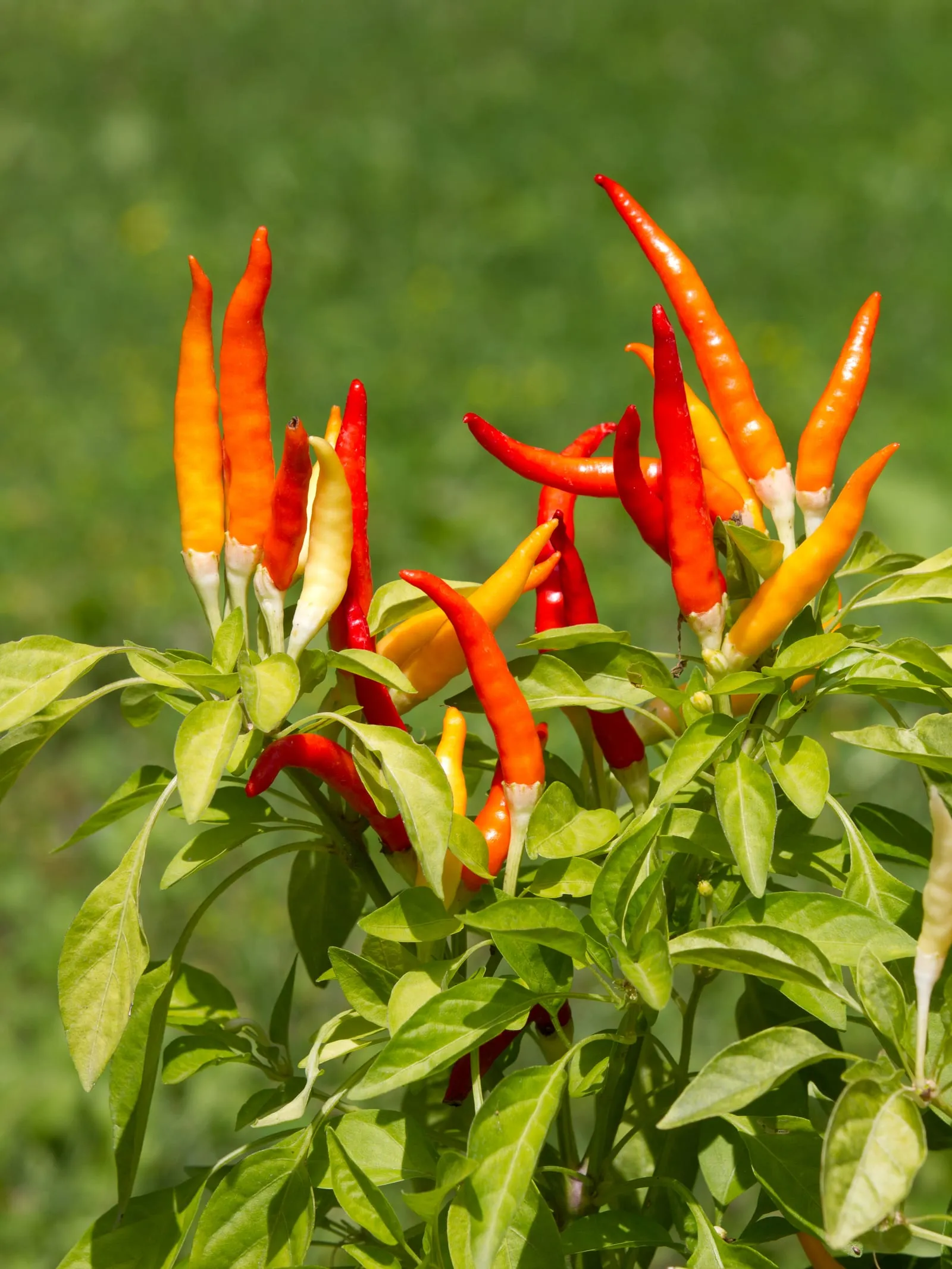
 Hot Pepper
Capsicum species
zones 4a–10b
 zone 10a
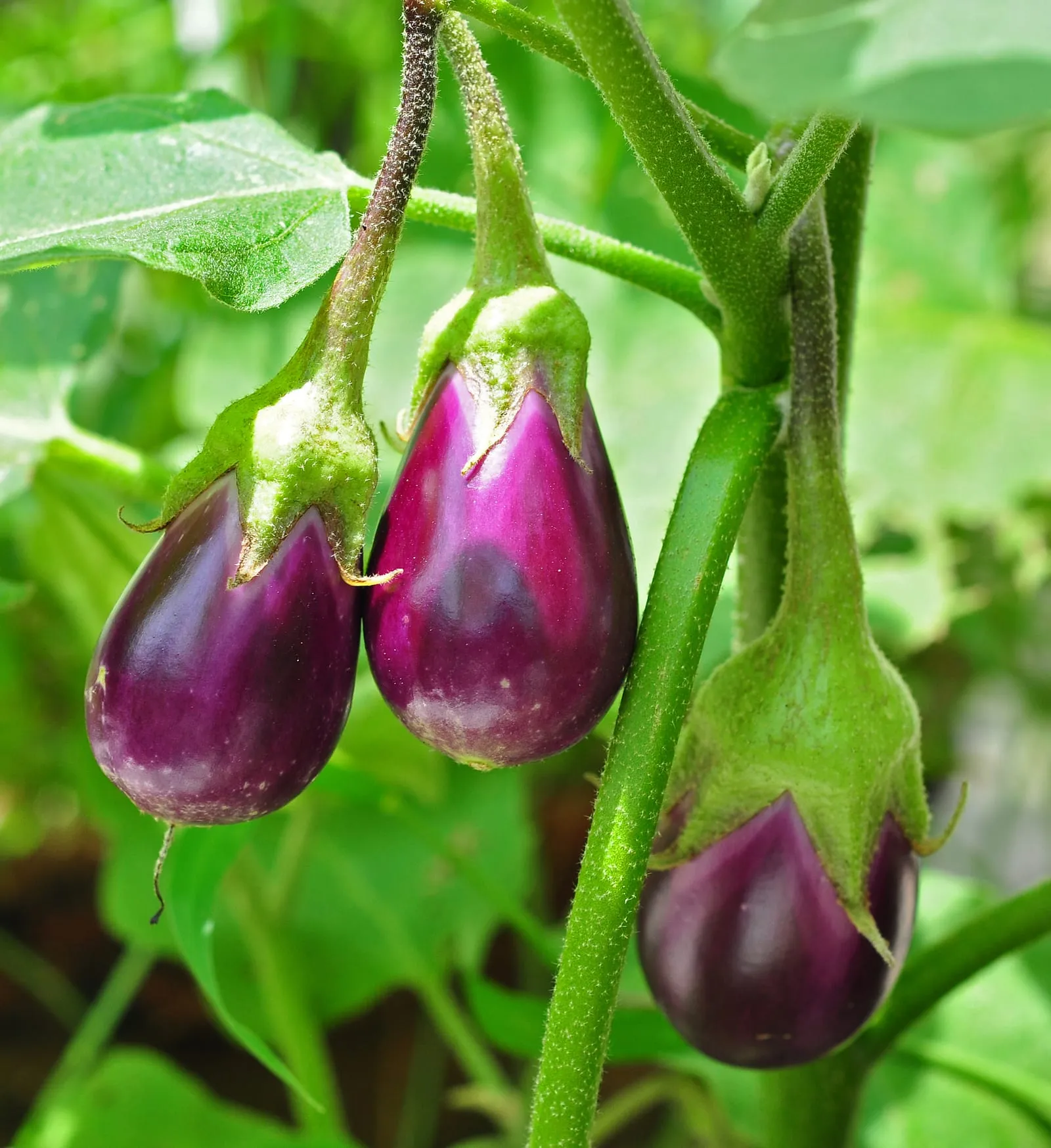
 Eggplant
Solanum melongena
zones 5a–10b
 zone 10a
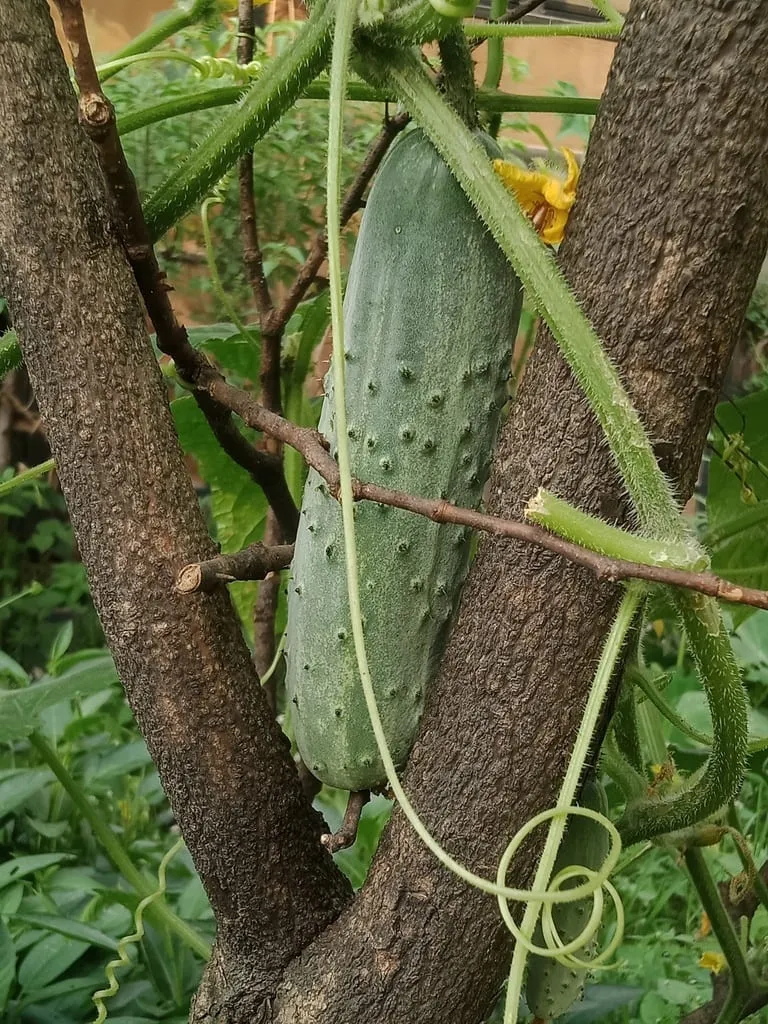
 Cucumber
Cucumis sativus
zones 3b–10a
 zone 10a
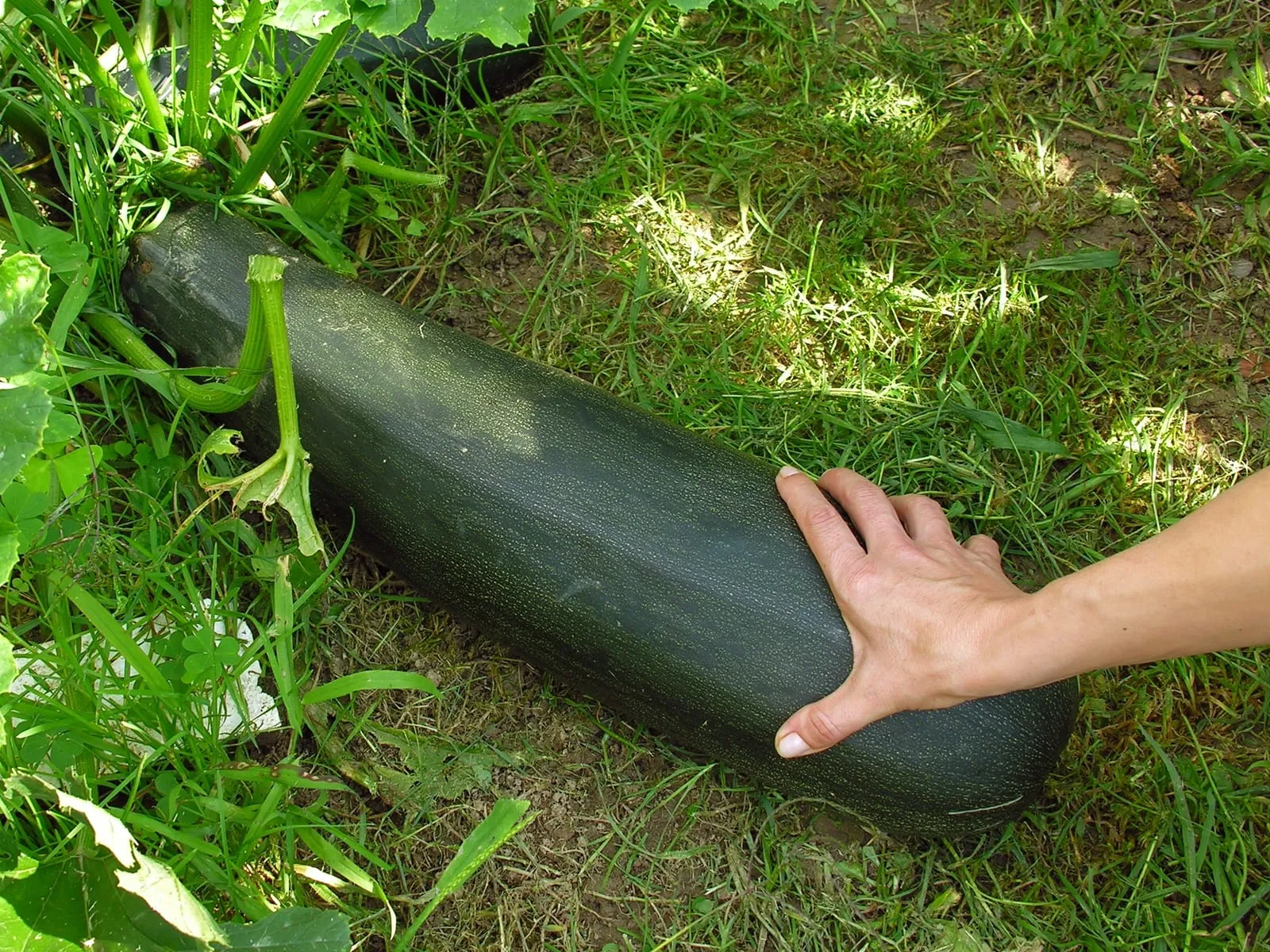
 Summer Squash
Cucurbita pepo
zones 3b–10a
 zone 10a
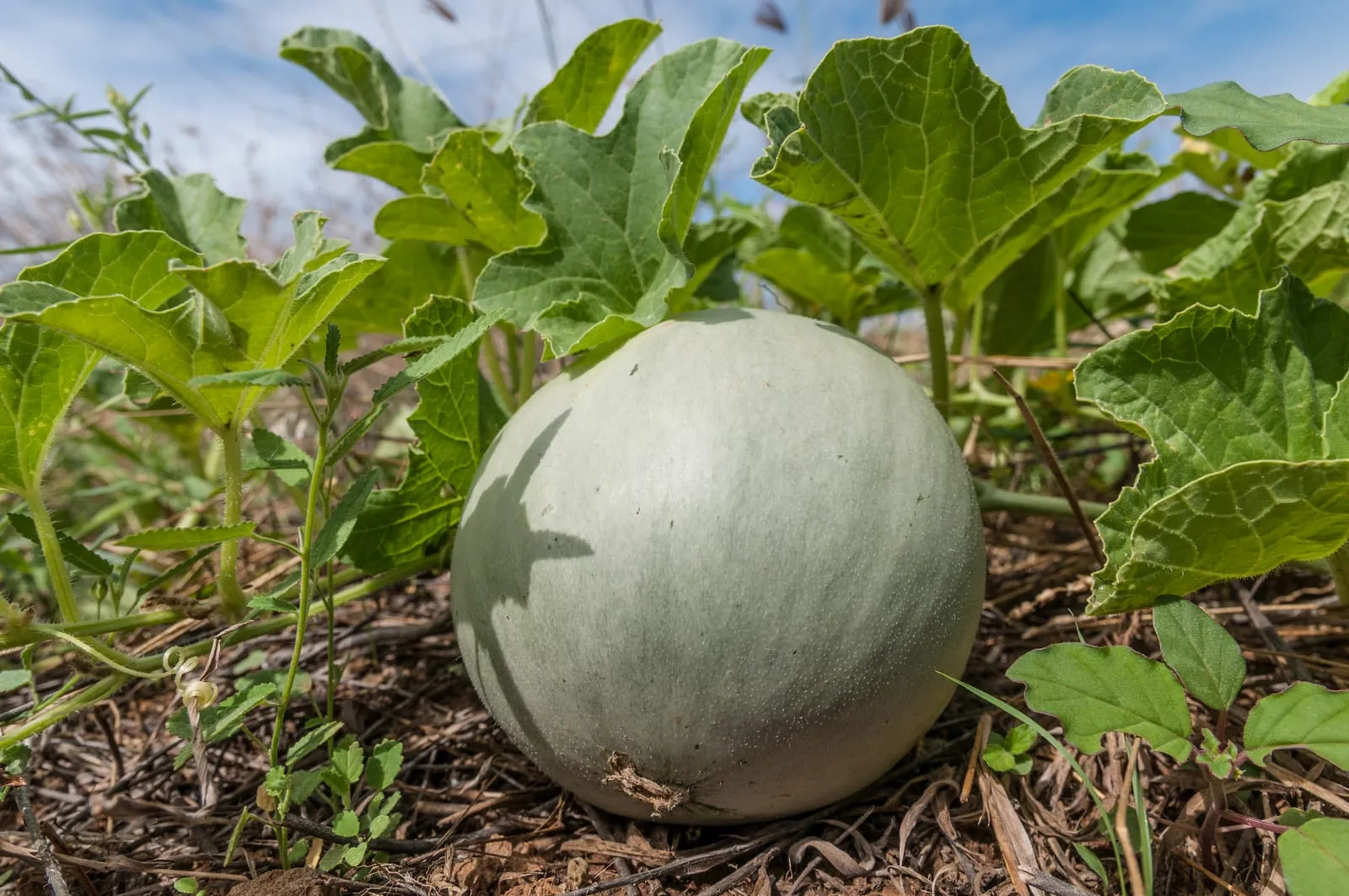
 Melon
Cucumis melo
zones 5a–10a
 zone 10a
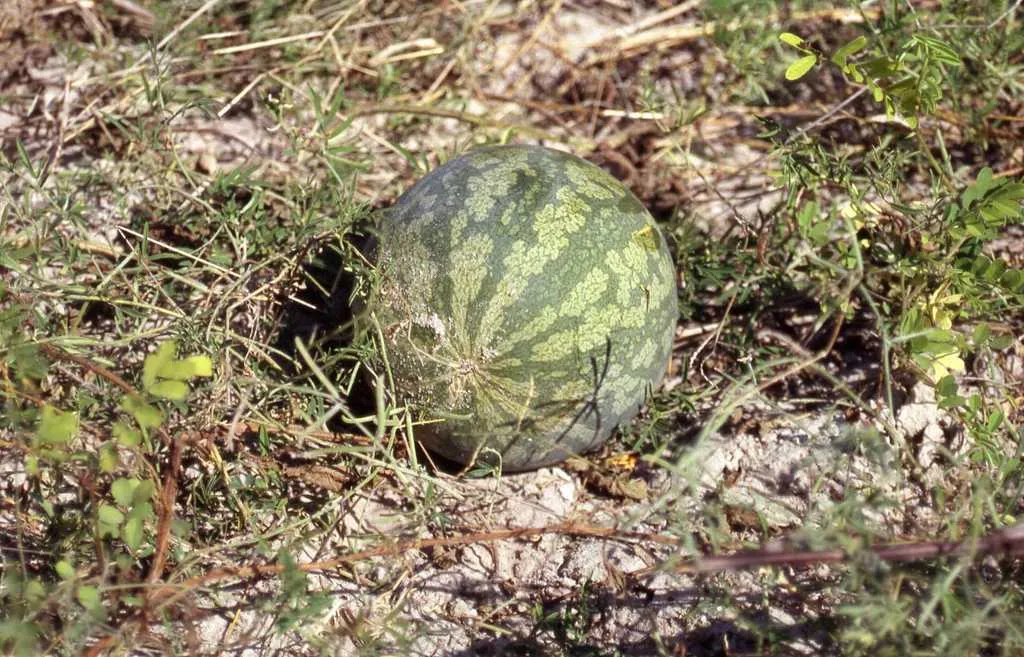
 Watermelon
Citrullus lanatus
zones 5b–10a
Herbs
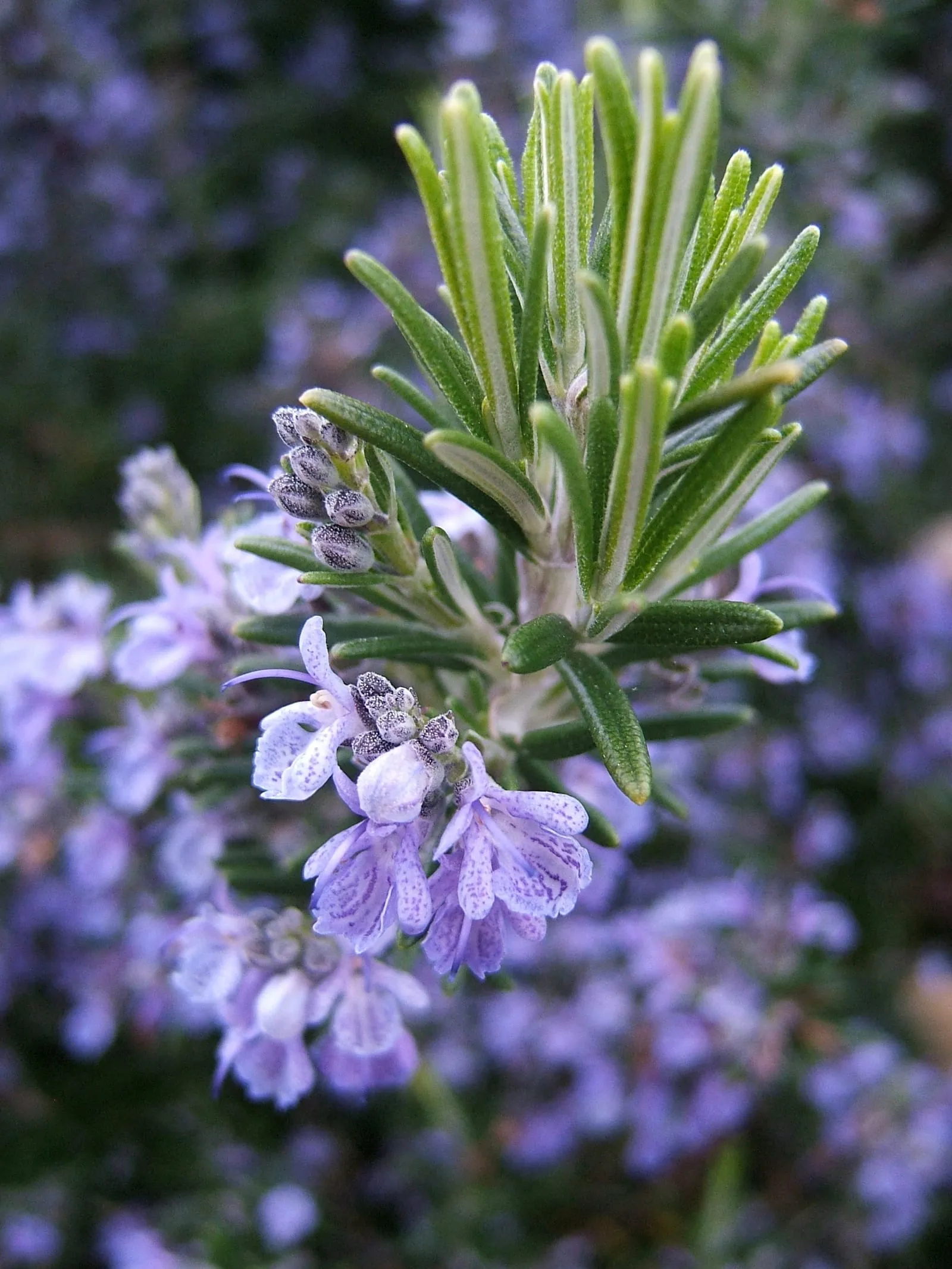
2 crops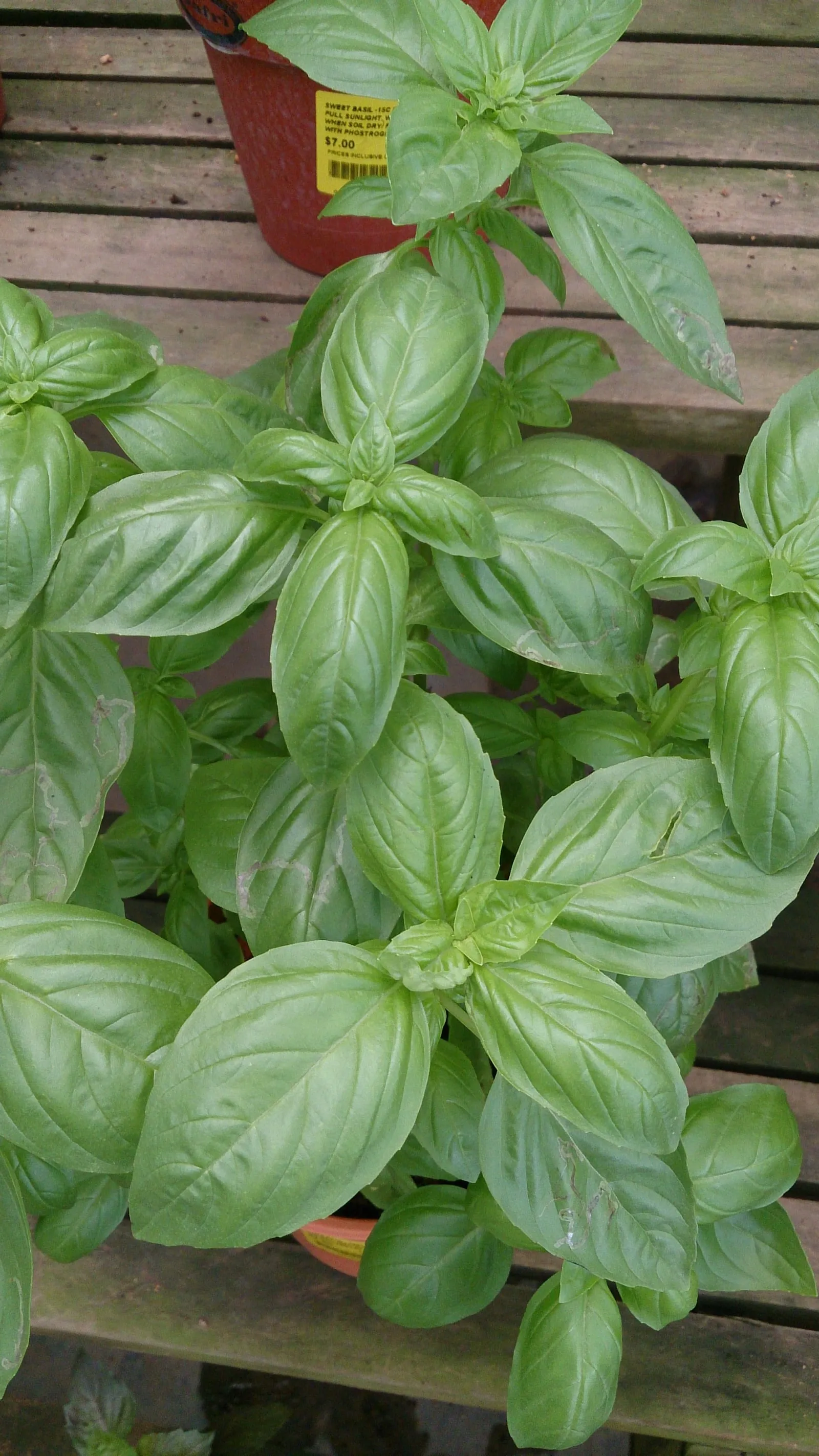
Plan the year
Planting calendar for Lakeland
Year-view of seed starting, transplanting, planting, pruning, fertilizing, harvest, and pest-watch windows tuned to Lakeland's local frost dates.
Week ? · loading
This week in Lakeland, FL (zone 10a)
Quiet week in Lakeland, FL (zone 10a). this week is a good time to step back and plan ahead.
Nothing critical on the calendar this week.
147 bars · 28 crops
Calendar logic combines NOAA frost normals with crop-specific timing data. Local microclimate and weather always overrules the calendar; use this as a starting point.
Top pests for zone 10a
Ranked by how many crops in your zone they affect. Click through for IPM controls and signs to watch for.
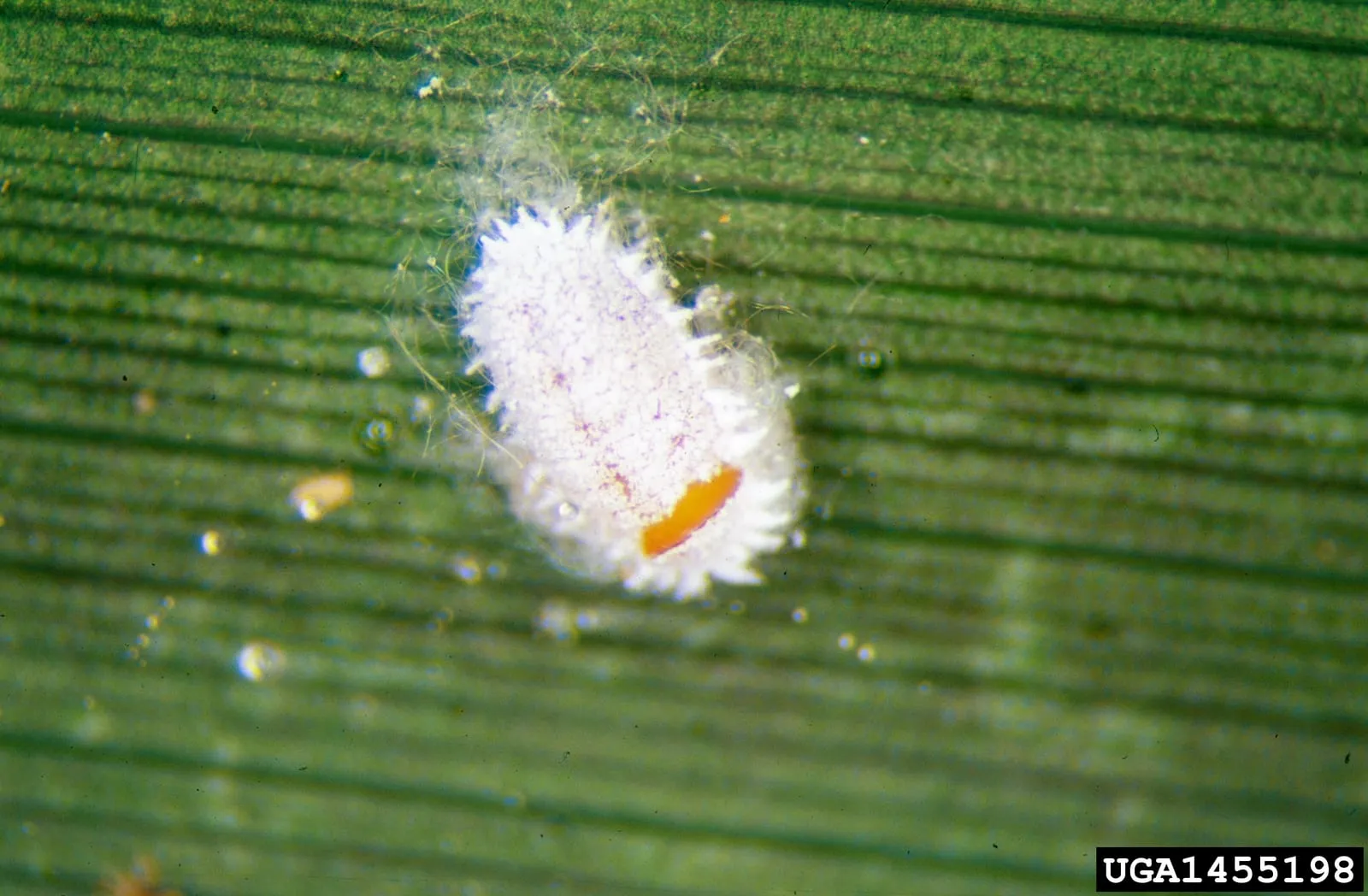
Pseudococcidae spp.
Soft white waxy insects that cluster at leaf joints, fruit stems, and root crowns. Honeydew secretion supports sooty mold; root mealybugs cause decline that mimics drought.
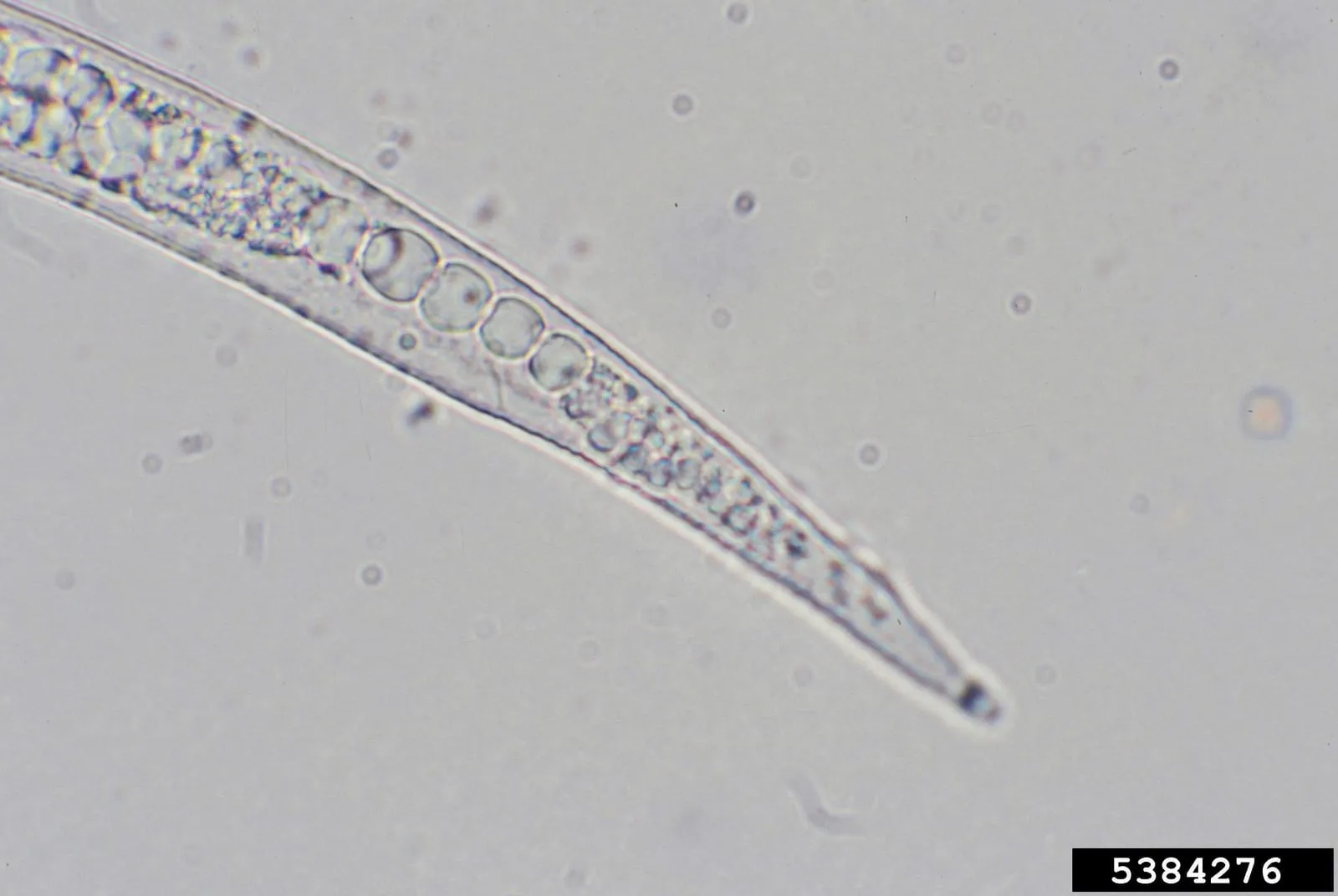
Meloidogyne species
Microscopic soil-dwelling worm that forms galls on roots, reducing vigor and yield.
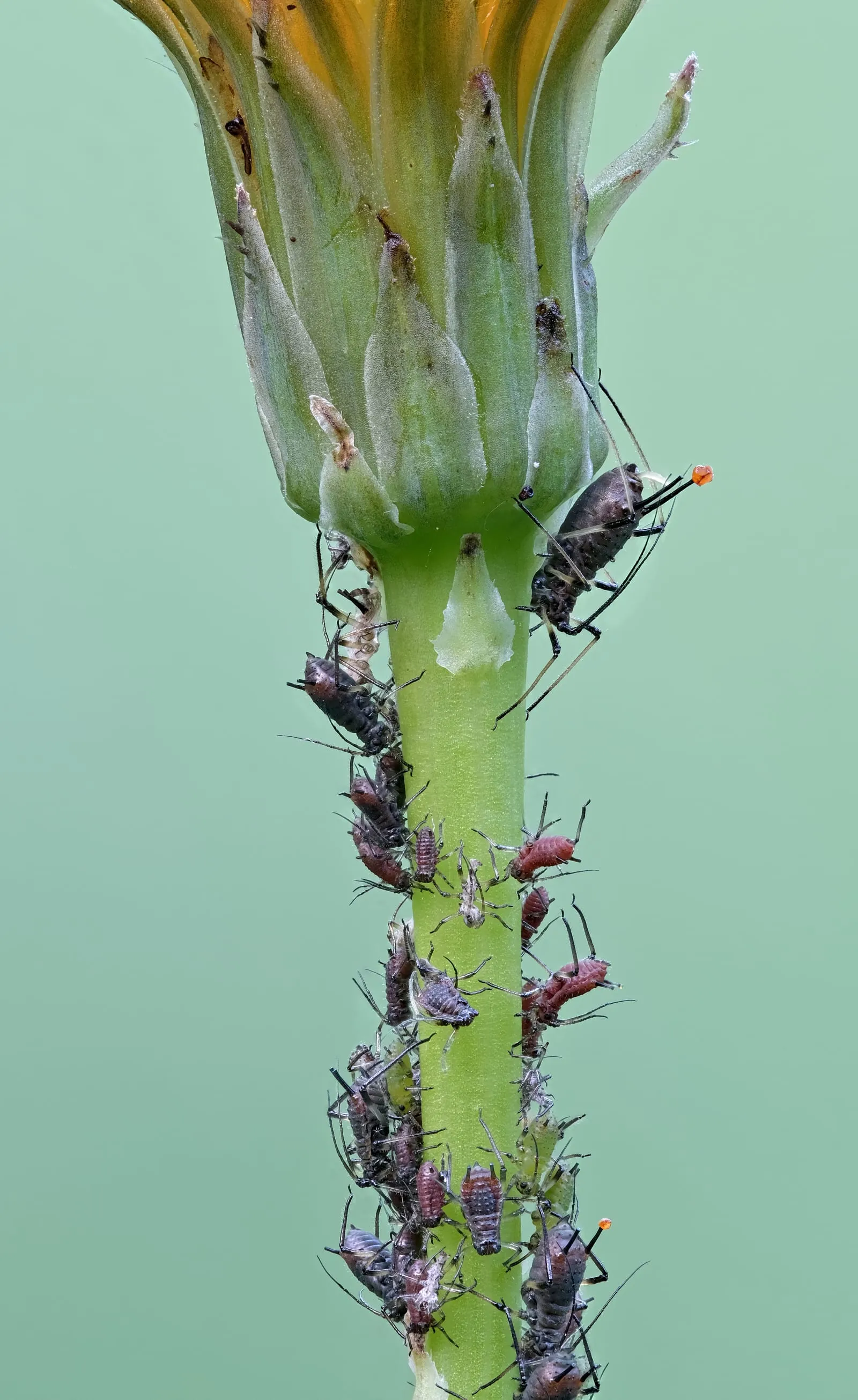
Multiple species (Aphididae)
Small soft-bodied sap-sucking insects that reproduce explosively in spring. Excrete honeydew that supports sooty mold and attracts ants. Transmit viral diseases.
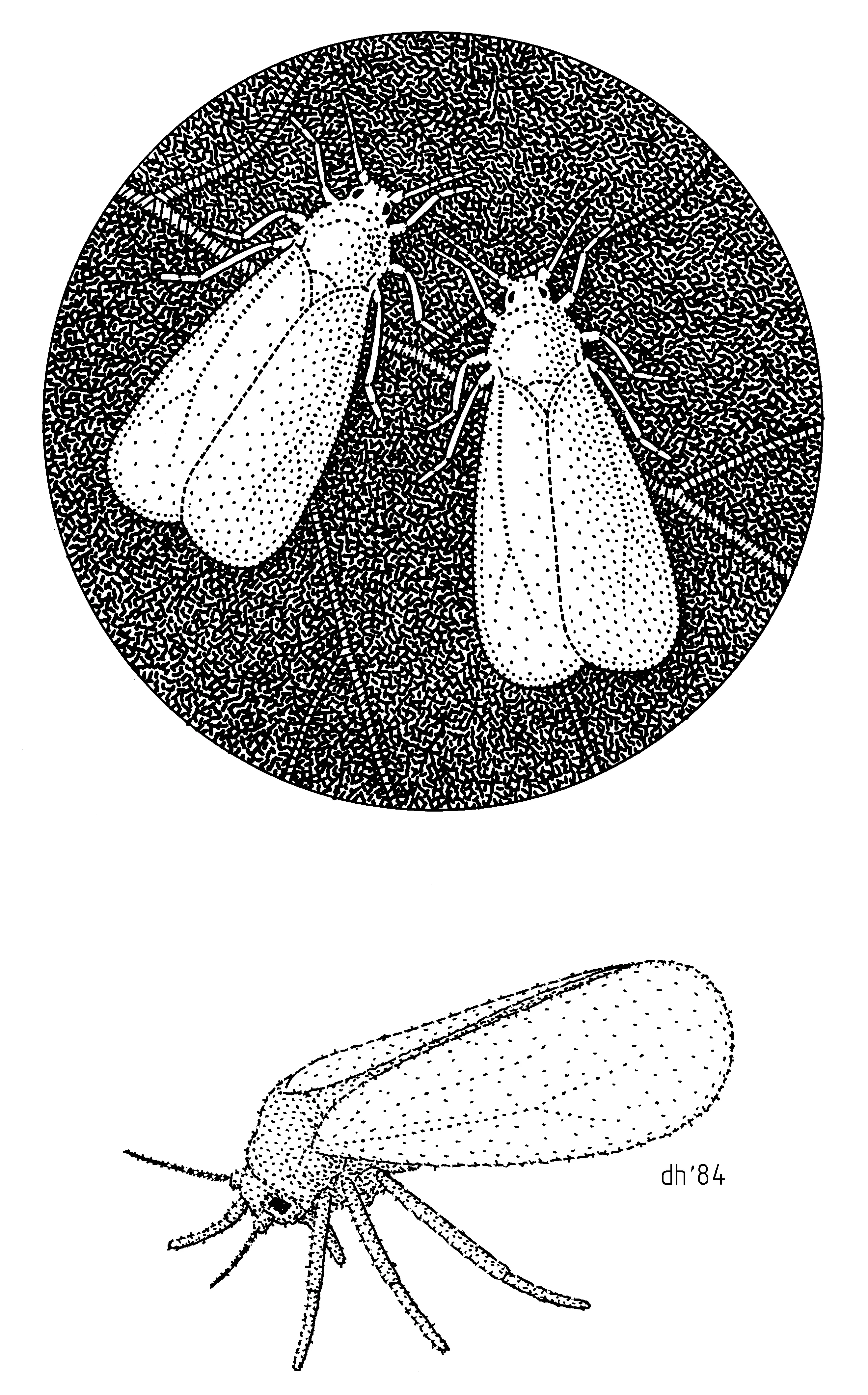
Multiple species (Aleyrodidae)
Tiny white moth-like flying insects that feed on plant sap and excrete honeydew. Transmit numerous viral diseases including tomato yellow leaf curl virus.
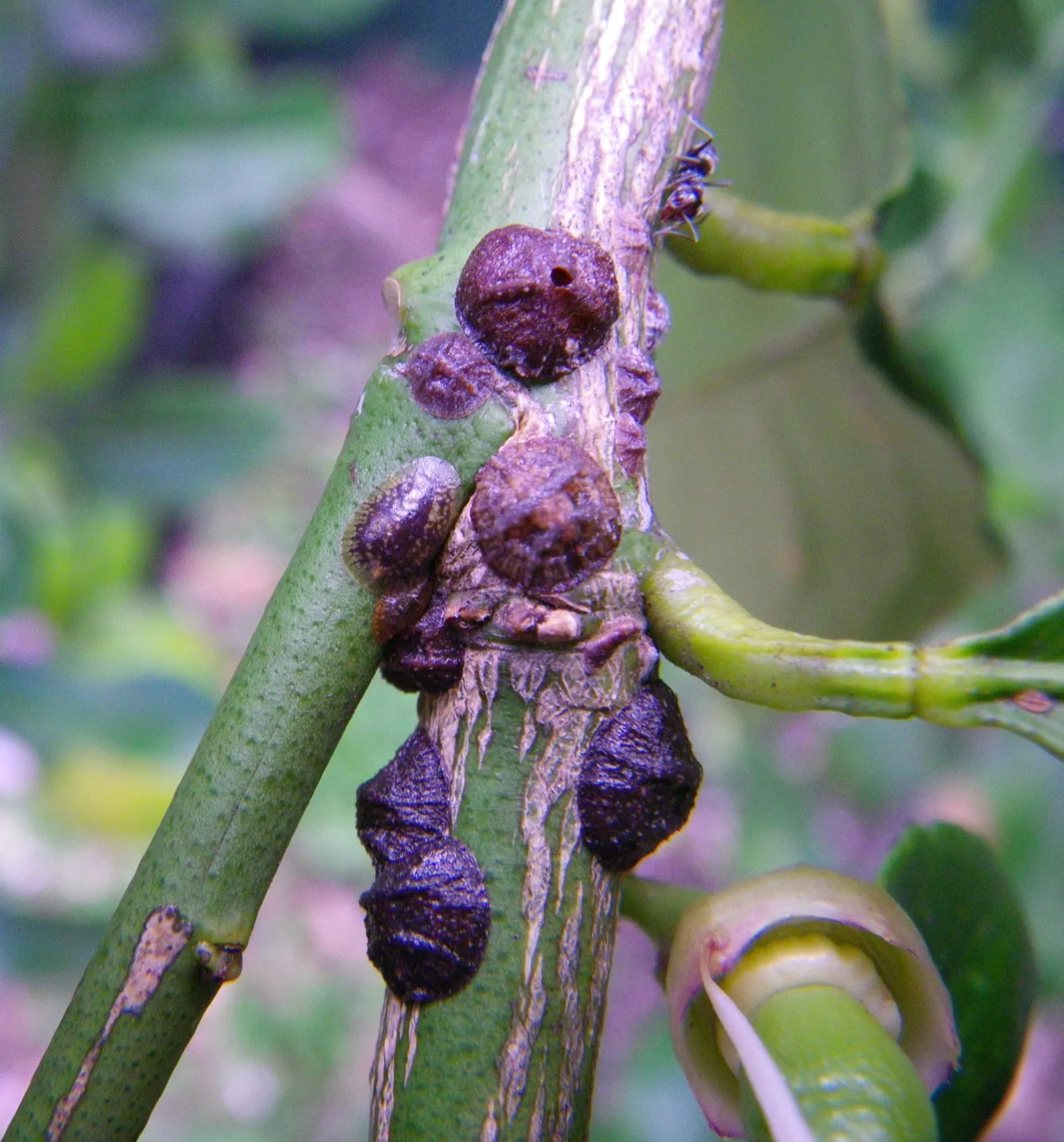
Coccoidea spp.
Sap-sucking insects that attach to bark, leaves, and fruit, secreting honeydew that fuels sooty mold. Heavy infestations weaken trees and cause leaf yellowing.
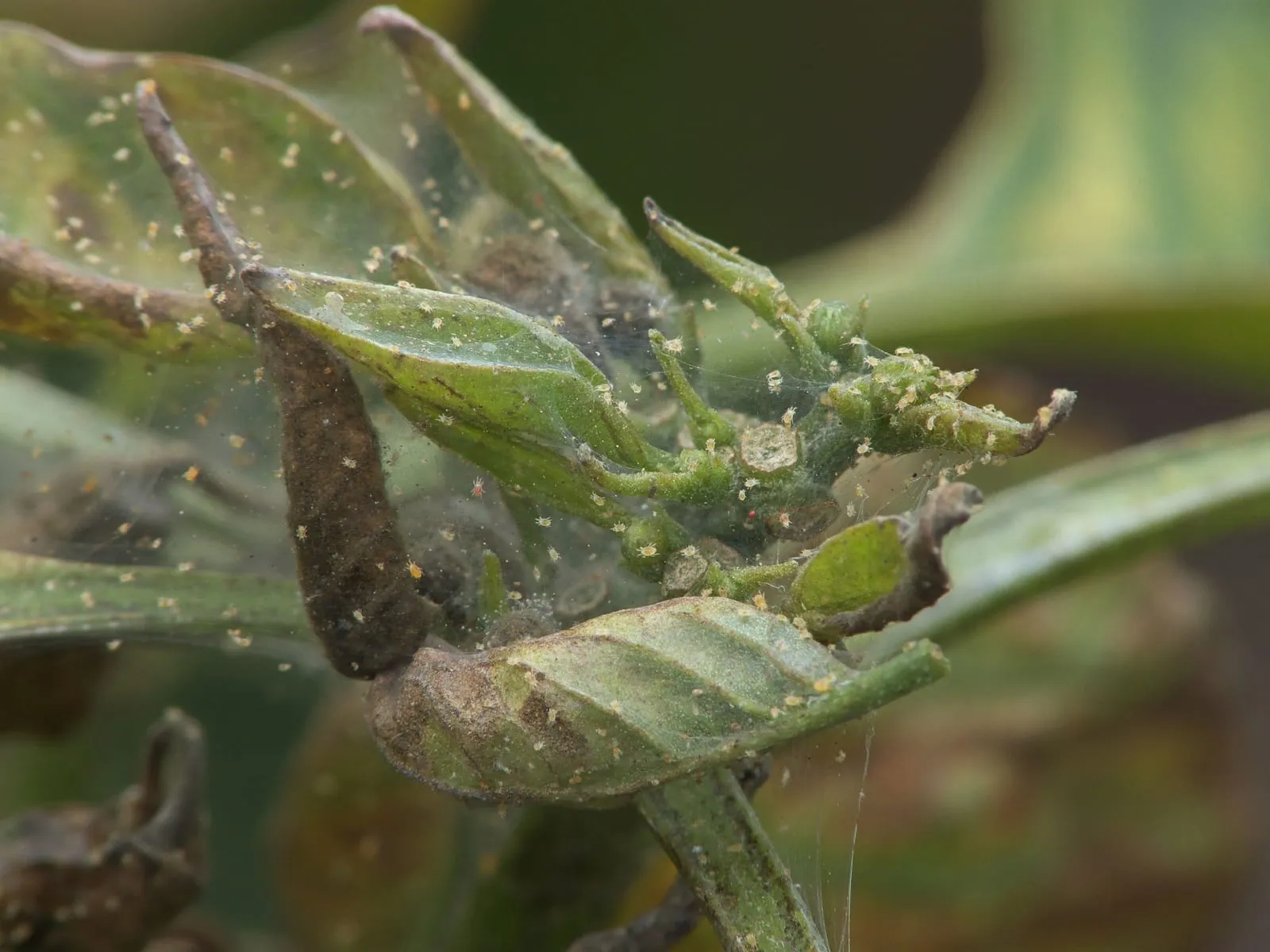
Tetranychus urticae
Tiny mite that feeds on leaf undersides, causing stippling and webbing during hot dry weather.
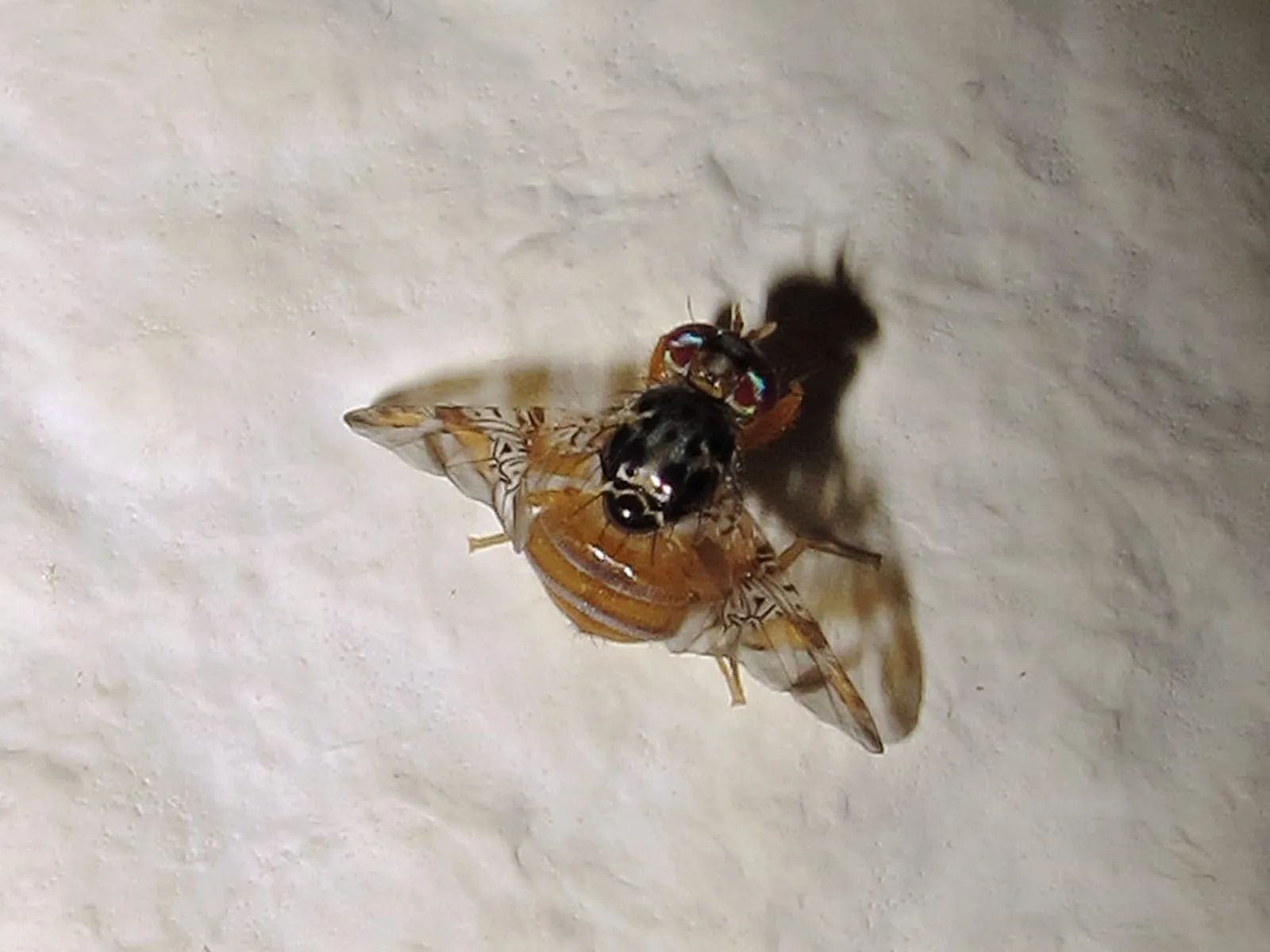
Ceratitis capitata
Quarantine pest in many regions. Adult females puncture ripening fruit to lay eggs; larvae tunnel through the flesh, causing premature drop and rot.
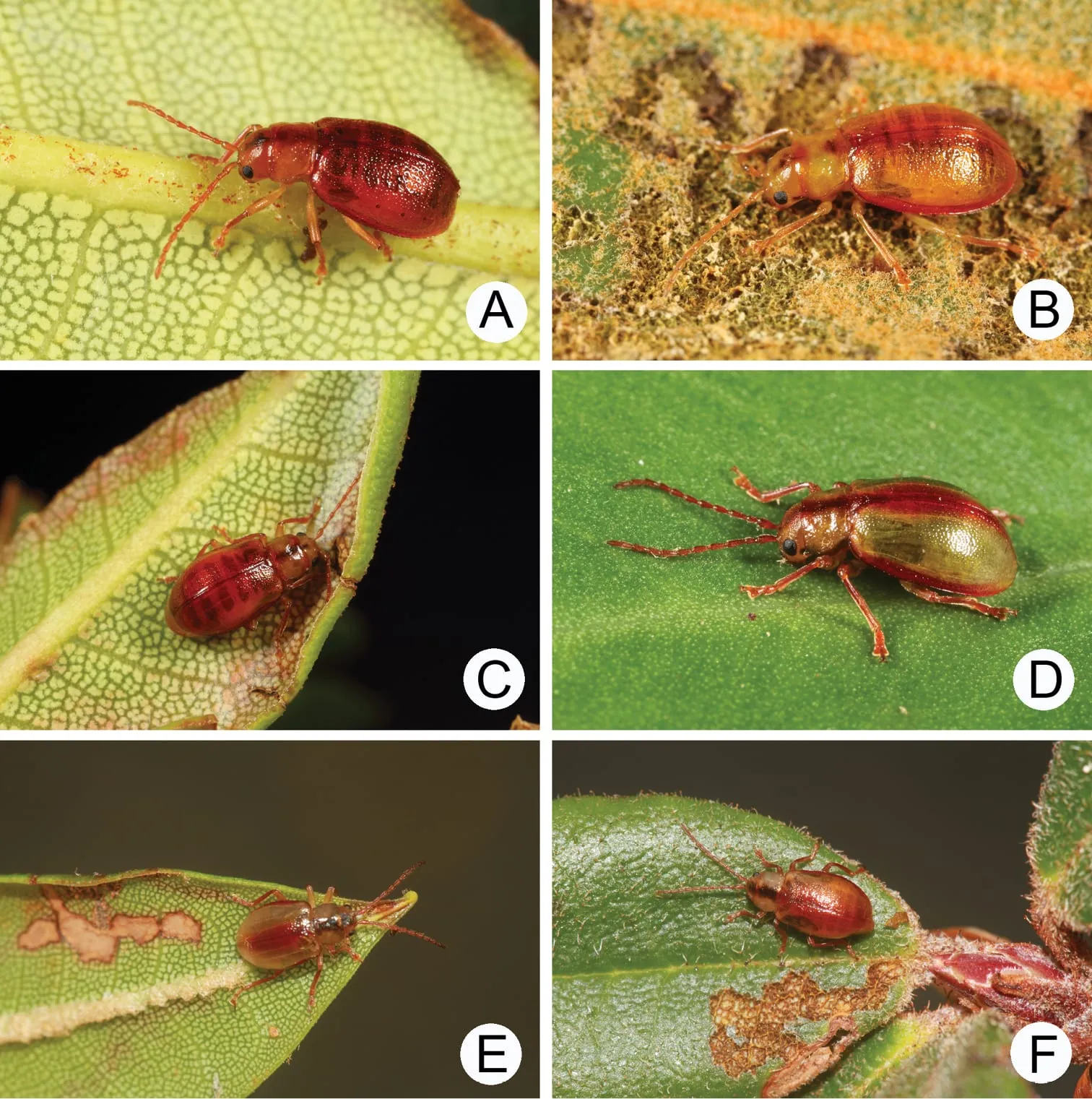
Multiple species (Chrysomelidae)
Tiny black or bronze jumping beetles that put hundreds of small holes in seedling leaves. Most damaging on direct-seeded brassicas and young eggplant.
Top diseases for zone 10a
Ranked by how many crops in your zone they affect. Click through for symptoms, controls, and resistant varieties.
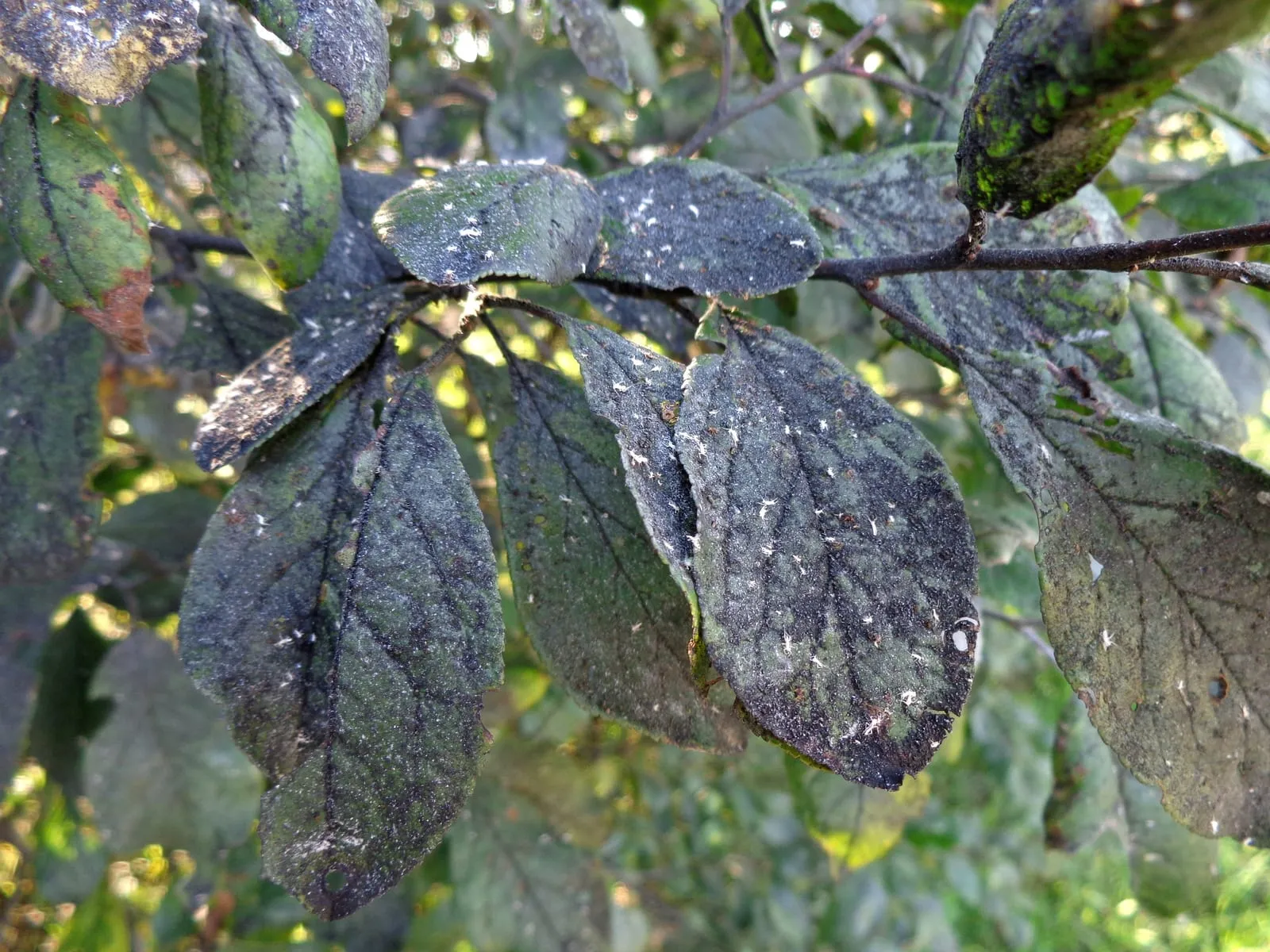
Capnodium spp.
Black fungal coating that grows on honeydew secreted by aphids, scale, mealybugs, and whiteflies. Doesn't infect plant tissue directly but blocks photosynthesis and disfigures fruit.
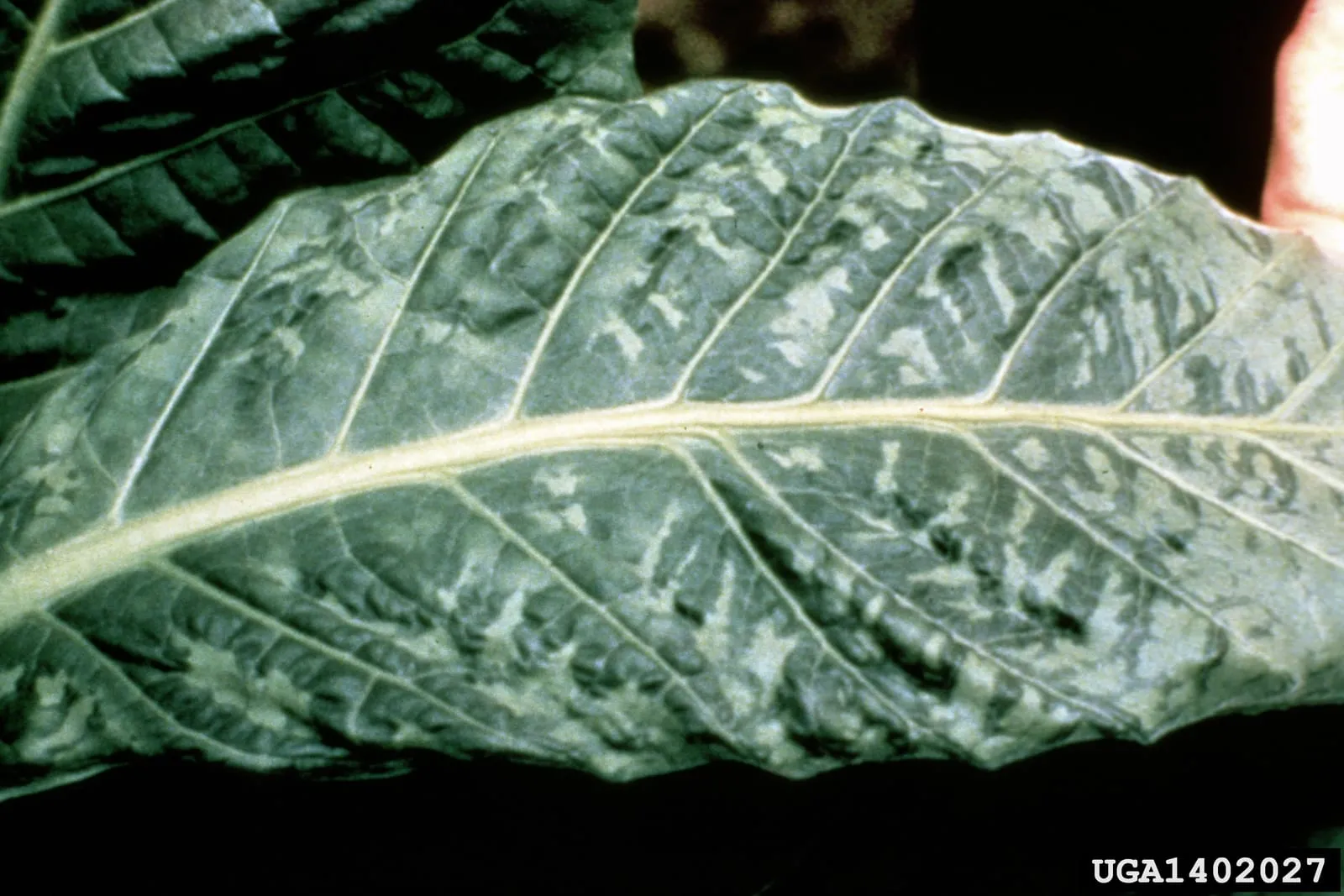
Cucumber mosaic virus, Tobacco mosaic virus, and others
Family of plant viruses producing mottled yellow-and-green leaf patterns. Vectored primarily by aphids; some are seed-transmitted or spread by handling tools and tobacco products.
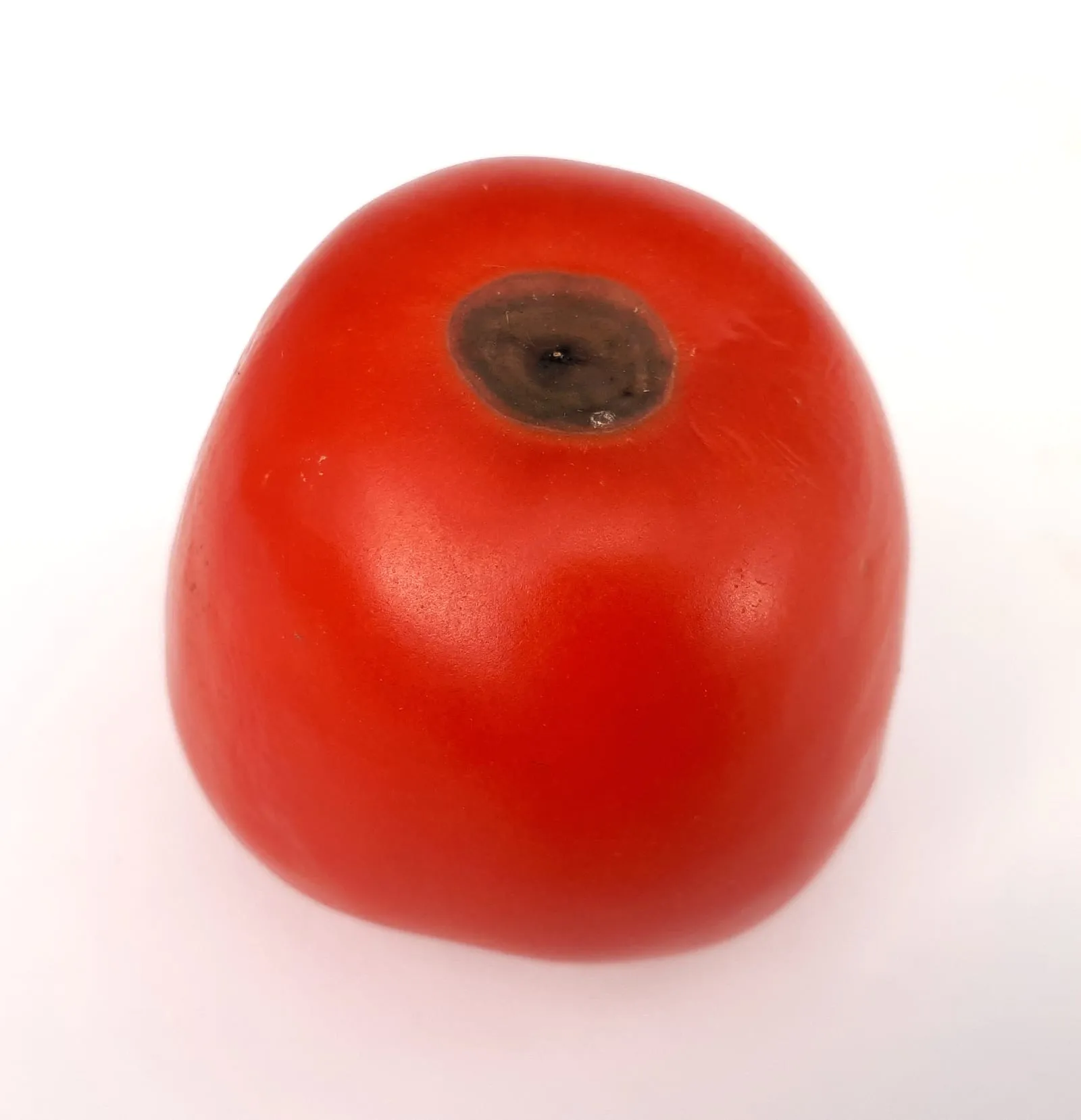
Calcium deficiency physiological disorder
Not a true disease but a calcium-uptake disorder caused by inconsistent soil moisture during fruit development. The dominant cause of damaged first-fruit on home tomato plantings.
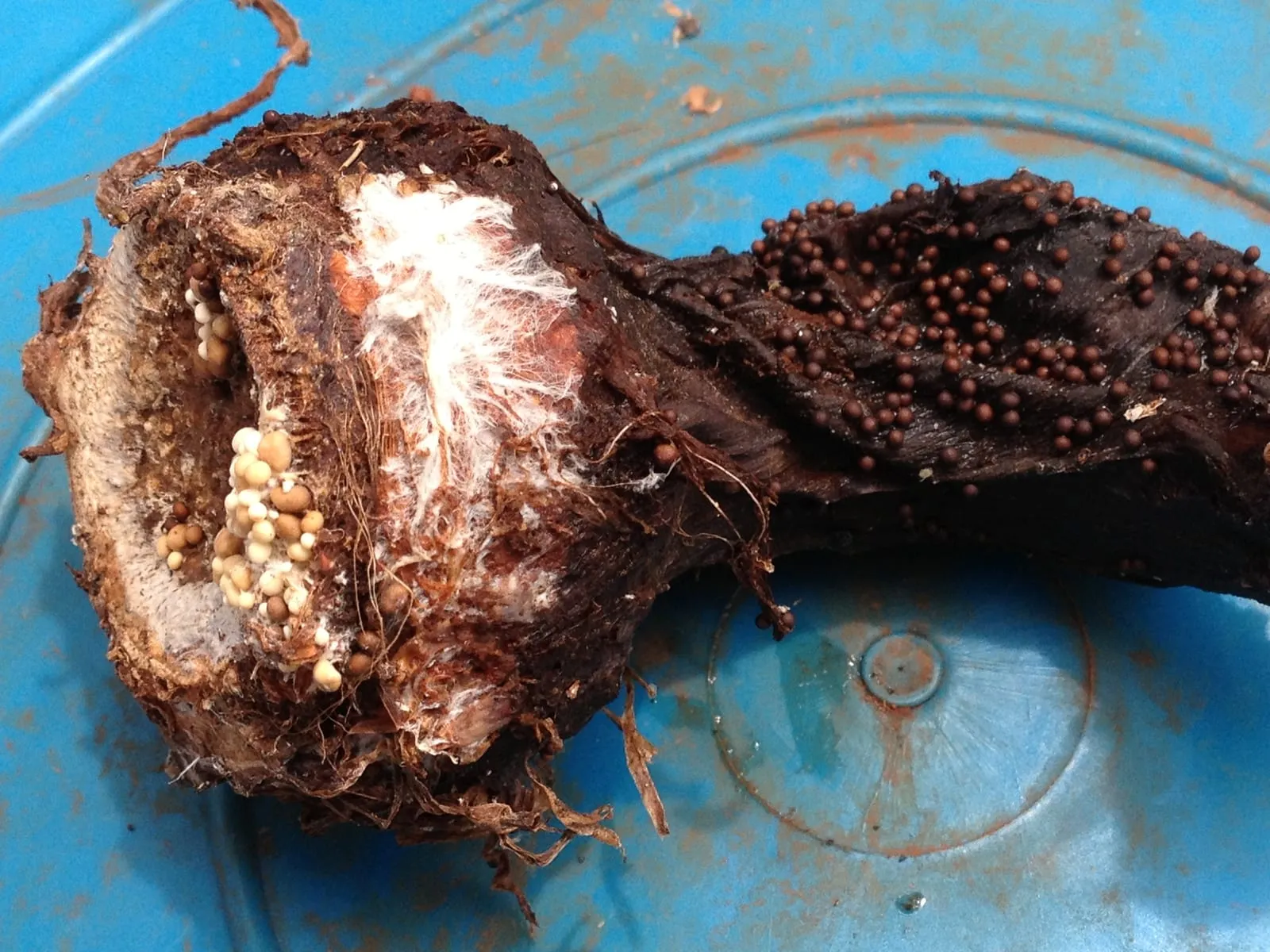
Sclerotium rolfsii
Soil-borne fungal disease most damaging in warm humid Southern conditions. White mycelial fans and small mustard-seed-sized sclerotia at the soil line are diagnostic.
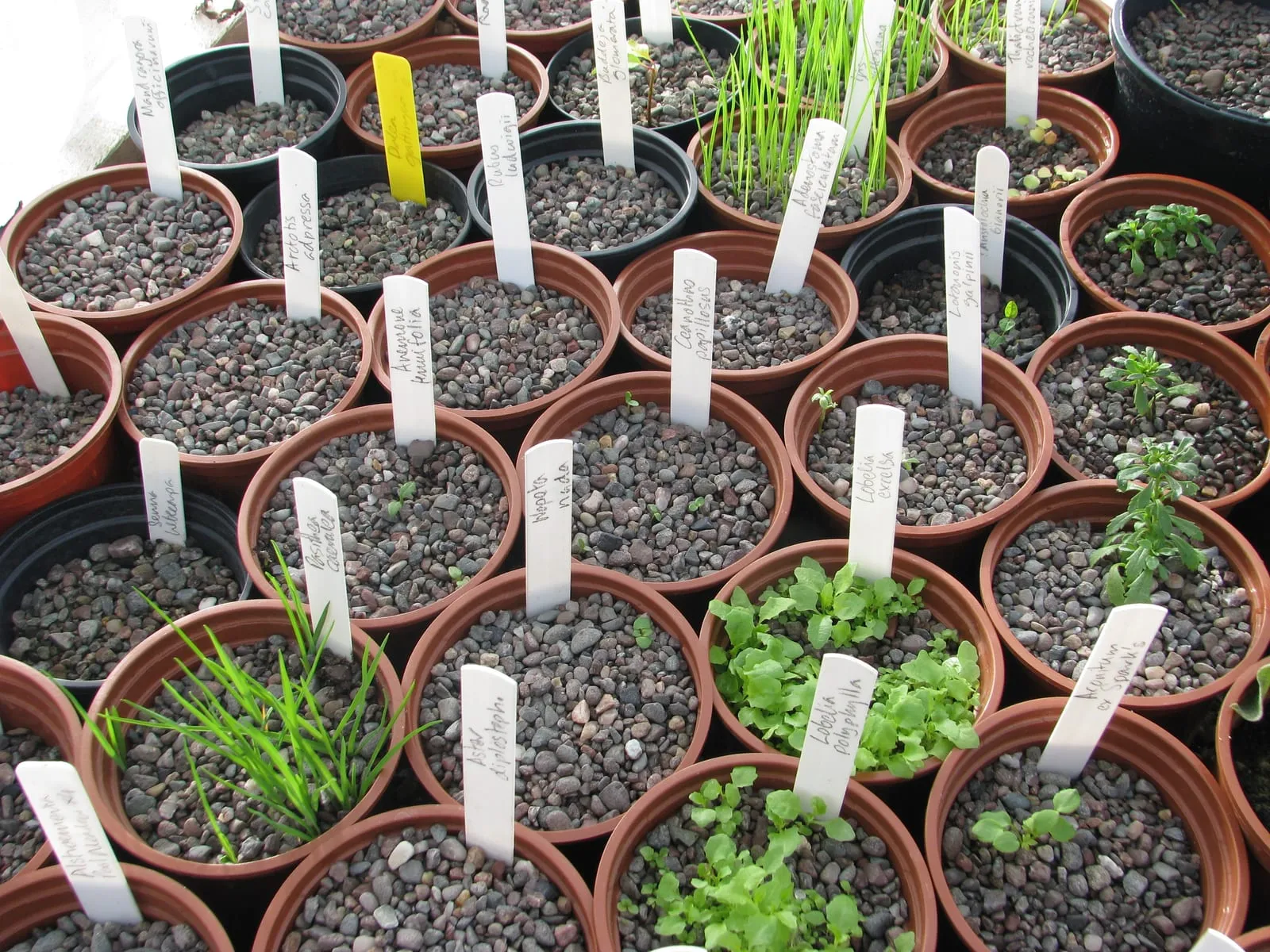
Pythium and Rhizoctonia species
Soil-borne complex of water molds and fungi that kill seedlings before or shortly after emergence. The single most common cause of seed-starting failures.
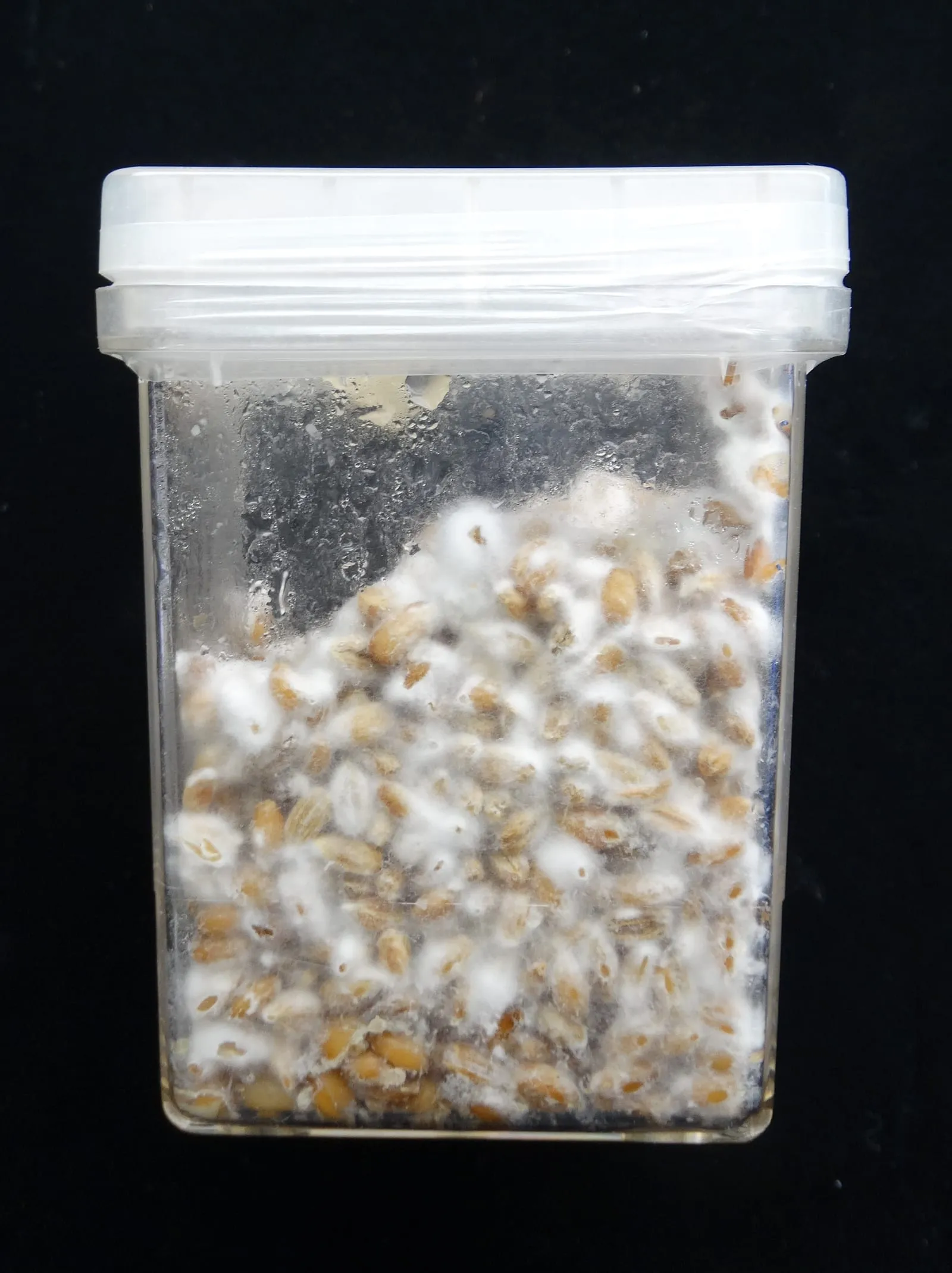
Fusarium oxysporum
Soil-borne fungal disease that plugs vascular tissue and kills affected plants. Persists in soil for many years; impossible to eliminate once established.
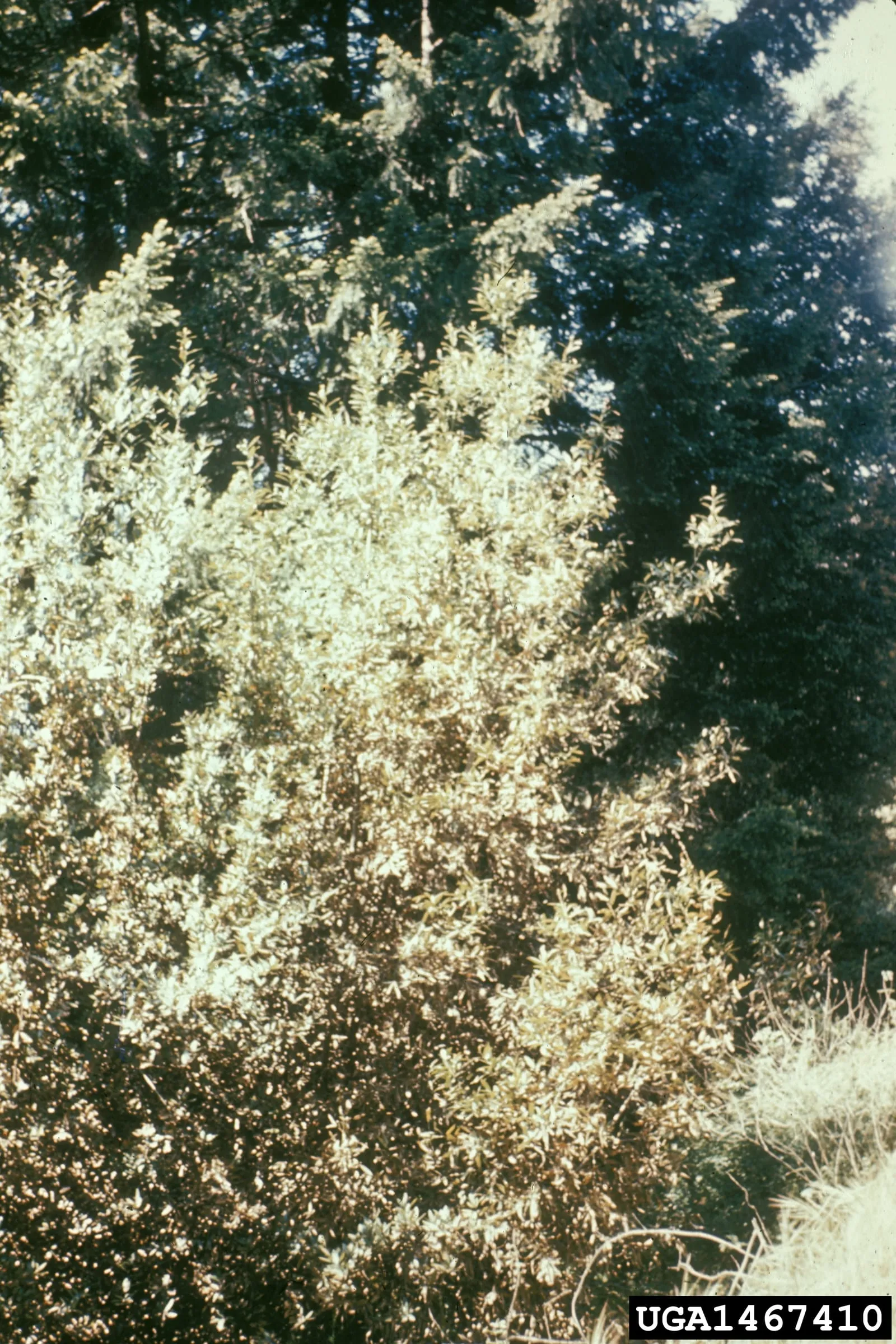
Colletotrichum gloeosporioides
Most damaging mango disease worldwide. Fungal spores infect blossoms and developing fruit during humid weather, producing black sunken lesions that expand on ripening fruit.
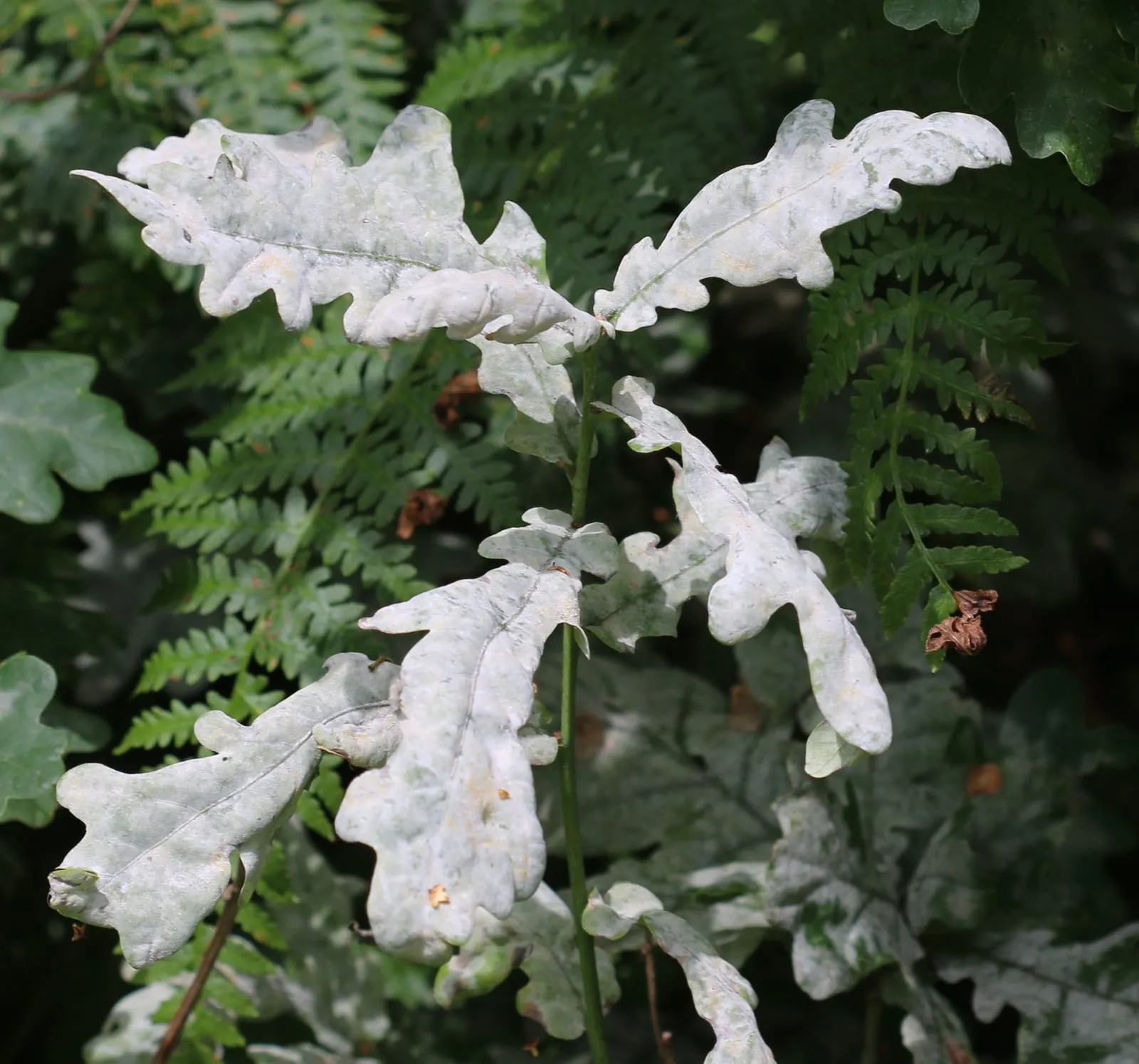
Multiple species (Erysiphales)
Surface-feeding fungal disease producing white powdery growth on leaves and stems. Reduces yield by stealing photosynthate and accelerating senescence.
Companion planting suggestions
Beneficial pairings drawn from companion data, filtered to crops that grow in zone 10a.
- Fig + Rosemary
Rosemary tolerates the dry sites figs prefer and provides aromatic pest deterrence.
- Tomato + Basil
The classic Italian pairing. Basil's volatile oils are reported to repel hornworms and whiteflies, and the two crops share the same warm-season schedule and water needs. Plant basil between tomato cages.
- Sweet Pepper + Basil
Same warm-season culture, same watering schedule. Basil reportedly improves pepper flavor and repels aphids and thrips that are pepper's primary pests.
- Hot Pepper + Basil
Compatible heat-loving culture, similar water needs. Basil interplanted between hot pepper plants supports beneficial insects and reduces aphid pressure.
- Okra + Hot Pepper
Both heat-loving warm-season crops with similar water and fertility needs. Hot pepper at okra's base benefits from the slight afternoon shade in extreme summer heat.
Soil types reference
Soil texture and pH decide what grows easily on your specific lot. Find the closest match below for crop recommendations and amendment guidance.
Practical tips for Lakeland
Plant cool-season crops, lettuce, brassicas, and other greens, during the mild winter months (November through February) when humidity drops and disease pressure eases. This inverts the usual frost-zone logic: your winter is the friendliest season for crops that need cool weather. For warm-season crops like tomatoes and peppers, plan succession plantings in early spring and again in late summer (August through September) to avoid the peak heat and humidity of June and July when fruit set declines. Choose varieties explicitly described as disease-resistant or heat-tolerant; standard northern cultivars often disappoint. Provide afternoon shade cloth or strategic tree placement during May through September to reduce heat stress on heat-sensitive crops while still capturing morning light.
Frequently asked questions
- What crops grow best year-round in Lakeland?
Figs, Asian persimmons, pomegranates, and goji berries are reliably productive because they tolerate heat and humidity. Peppers and eggplants thrive almost any month. Cool-season crops like lettuce and leafy greens excel in winter when temperatures are mild.
- When should I plant tomatoes in Lakeland?
Plant in late January or early February for a spring crop that finishes before peak summer heat arrives in June. Plant again in late August for a fall crop when nighttime temperatures begin dropping. Avoid planting in April or May; the resulting plants flower during the hottest, most humid months.
- How serious is the frost risk in January?
Frost is possible but brief and infrequent, typically only in early January. A hard freeze is rare. The bigger seasonal threat is sustained heat and humidity from June onward, not cold.
- Why do my tomatoes drop flowers in summer?
Nighttime temperatures above 75°F prevent proper pollen viability and fruit development. This is normal for June and July. Succession-planted crops set better when they flower during spring or fall when nights are cooler.
- What's the best time to plant cool-season crops?
November through February, when humidity drops and daytime temperatures cool below 85°F. Lettuce, brassicas, and greens flourish during Lakeland's winter, making it the ideal season for crops that bolt or suffer disease in summer heat.
- How do I manage fungal disease in the humidity?
Choose disease-resistant varieties; space plants widely for air circulation; water at soil level in early morning to keep foliage dry; remove affected leaves promptly. Afternoon shade cloth reduces leaf wetness and disease pressure during the wettest, most humid months.
+−
+−
+−
+−
+−
+−
Frost data: NOAA Climate Normals 1991-2020, station USW00012876. Local microclimates can shift these dates by a week or more.
Related