Local planting guide · Great Plains
zip 77040
Houston is in USDA hardiness zone 9b, with average winter lows of 25°F to 30°F. The local growing season runs roughly 02/13 through 12/09 (~300 days). This zip falls within the Great Plains growing region.
- USDA zone
- 9b 25°F to 30°F
- Last spring frost
- 02/13
- First fall frost
- 12/09
- Growing season
- 300 days
- Compatible crops
- 37
- Growing region
- Great Plains
Right now in Houston
Week 37 priorities
On the docket: harvest window · fall harvest. See the full calendar →
Gardening in Houston
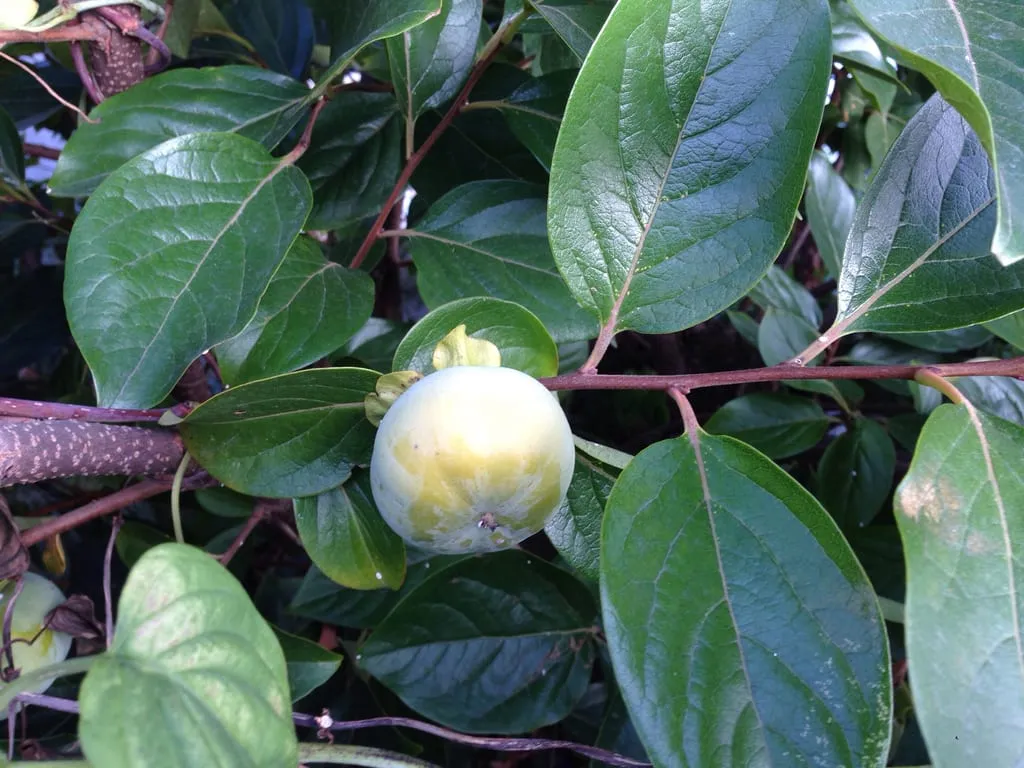
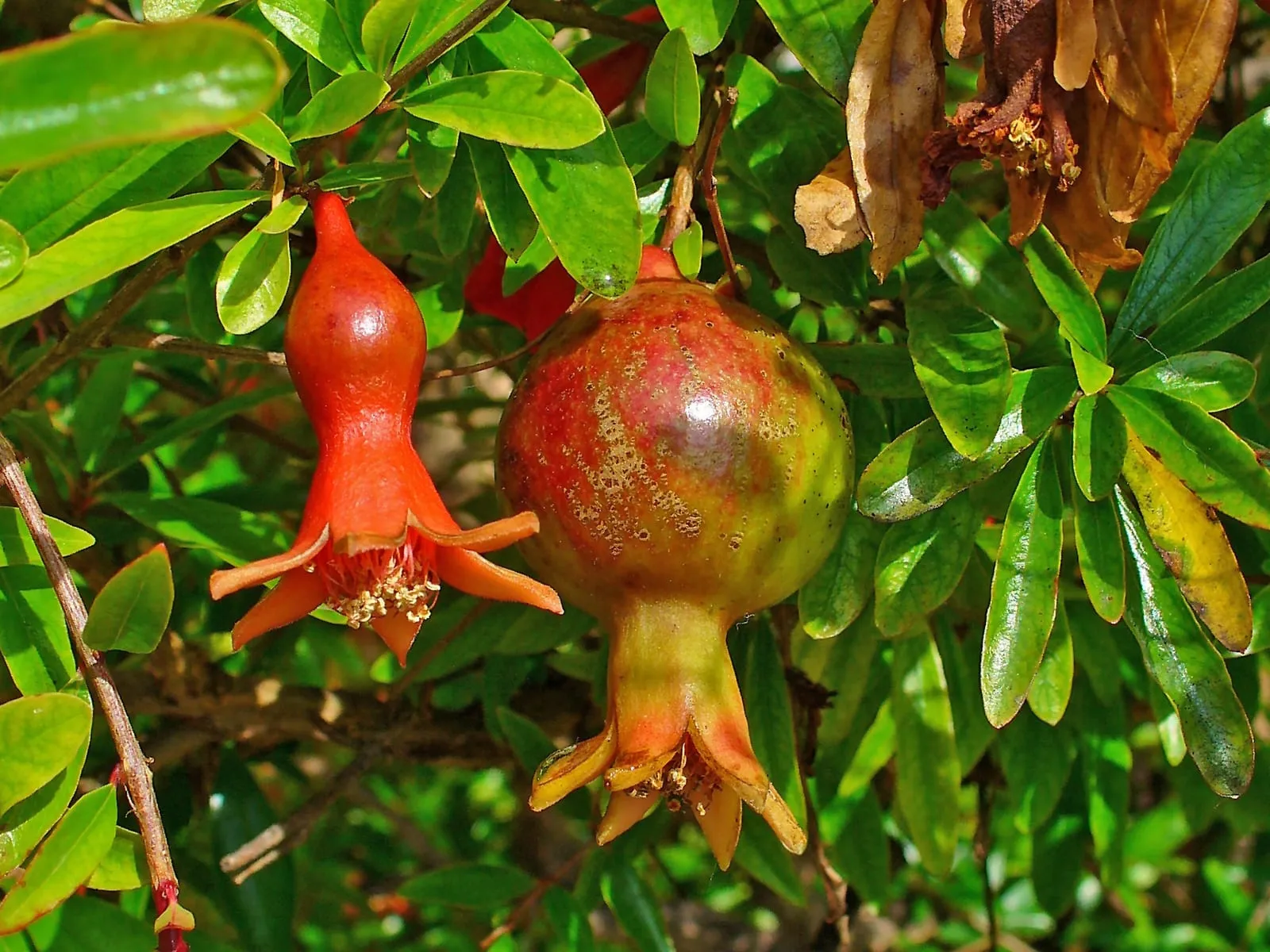
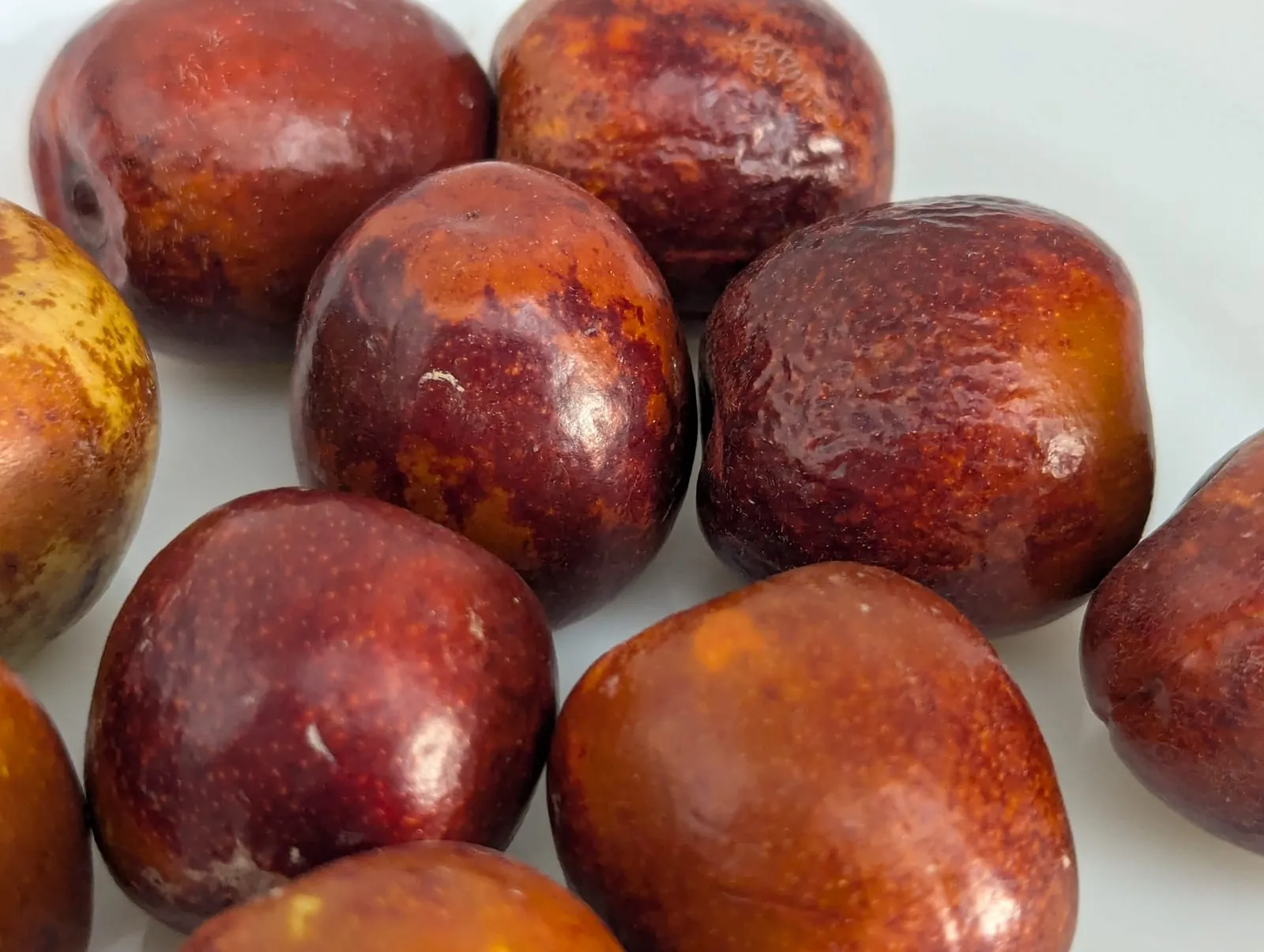
Houston's zone 9b climate, defined by winter lows between 25 and 30°F, offers one of the longest growing seasons in the continental United States. The last spring frost arrives February 13 and the first fall frost doesn't return until December 9, providing nearly 300 days of frost-free weather. This extended window means heat, not cold hardiness, becomes the defining constraint. The warm winters allow tropical and subtropical crops like figs, Asian persimmons, pomegranates, and jujubes to thrive reliably. Summer temperatures regularly exceed 90°F, and coastal Gulf humidity persists year-round. The combination favors heat-tolerant, disease-resistant varieties over the cold-hardy types essential in northern zones. Soils tend toward clay with poor drainage, a legacy of Houston's bayou geography. What grows well here is not necessarily what grows well elsewhere in zone 9b. San Antonio and Dallas have drier summers and earlier heat waves, while Houston's humid subtropical profile demands specific variety choices and pest management strategies.
Regional context · Great Plains
What the Great Plains brings to Houston
Continental, windy, with severe heat and cold extremes. Cold-hardy fruit and small grains north; long warm season for melons, peppers, and pecans south.
Common challenges
Issues that most often defeat home gardeners in zone 9b, drawn from the broader USDA zone profile.
- ▸ Heat stress in summer
- ▸ Insufficient chill for most apples
- ▸ Salt spray near coasts
What defeats new gardeners in Houston
Fungal pressure defines Houston gardening more than frost risk. Powdery mildew, rust, anthracnose, and root rot thrive in the combination of warmth and humidity. Fruit cracking becomes severe during Houston's humid springs and after heavy rain, affecting tomatoes, peppers, and stone fruits between March and June. A late freeze in February, around the 13th when spring growth is already underway, can damage tender new foliage on early-leafing varieties. Many gardeners assume the long frost-free season means year-round planting, but summer heat (peak in July and August) stops seed germination and stresses transplants. Drainage problems worsen in clay-heavy soils during hurricane season and extended wet spells, raising root-rot risk for perennials that prefer drier conditions.
Crops that grow in Houston
37 crops from our catalog match zone 9b, grouped by type.
Tree fruit
11 crops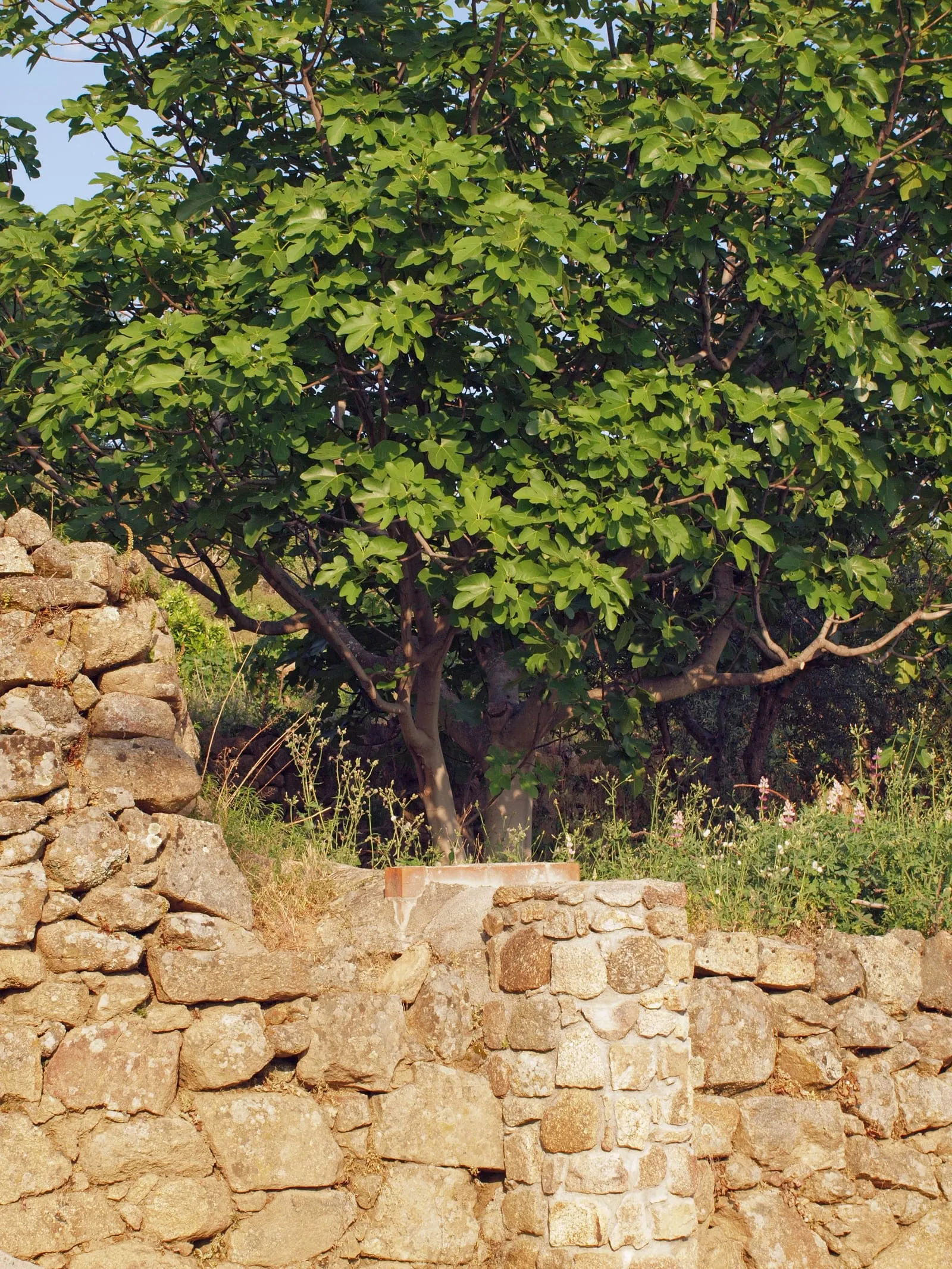 zone 9b
 Fig
Ficus carica
zones 7a–10b
 zone 9b
 Asian Persimmon
Diospyros kaki
zones 7a–10a
 zone 9b
 Pomegranate
Punica granatum
zones 7b–10a
 zone 9b
 Jujube
Ziziphus jujuba
zones 6a–9b
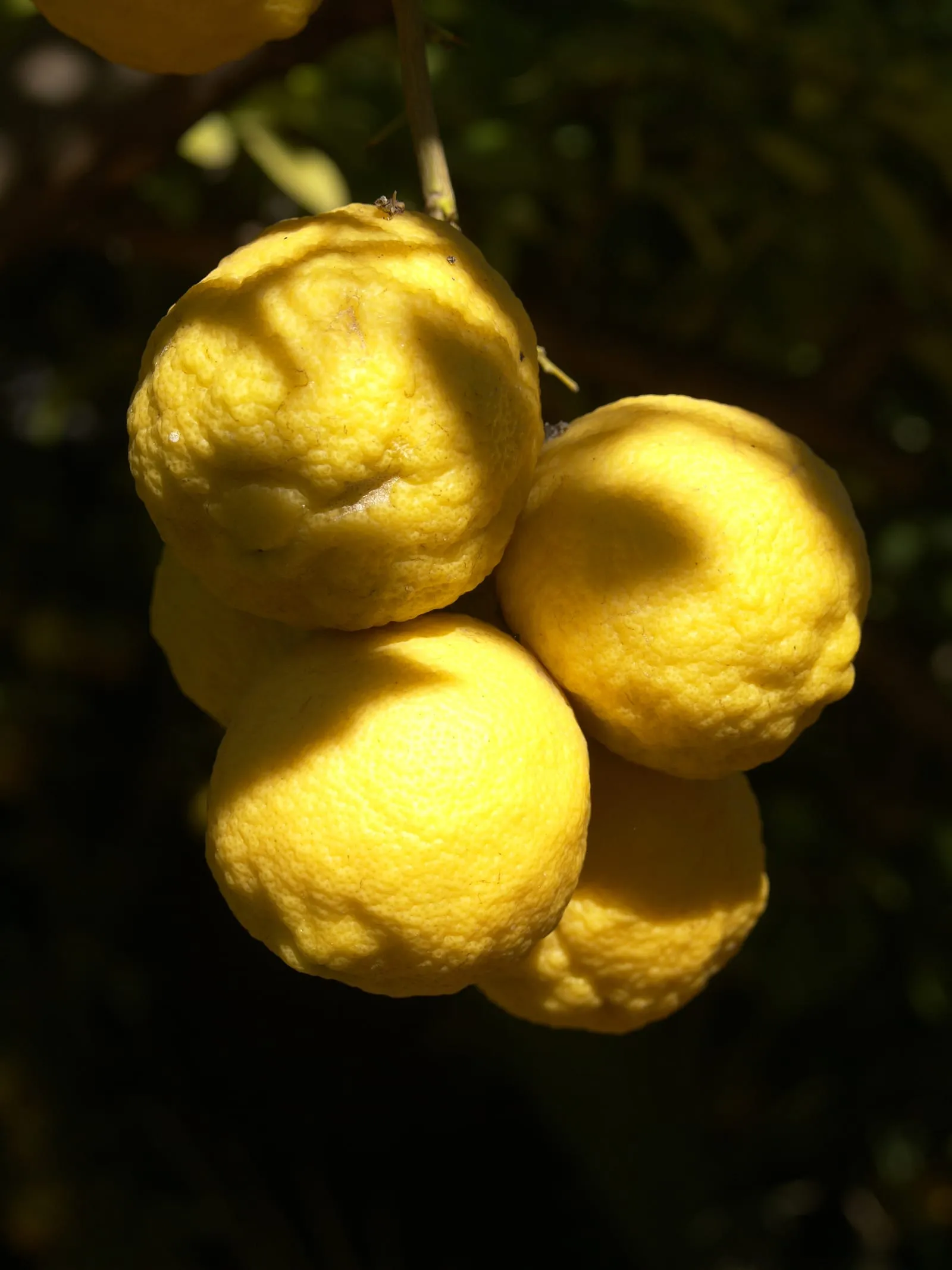 zone 9b
 Lemon
Citrus limon
zones 9a–11b
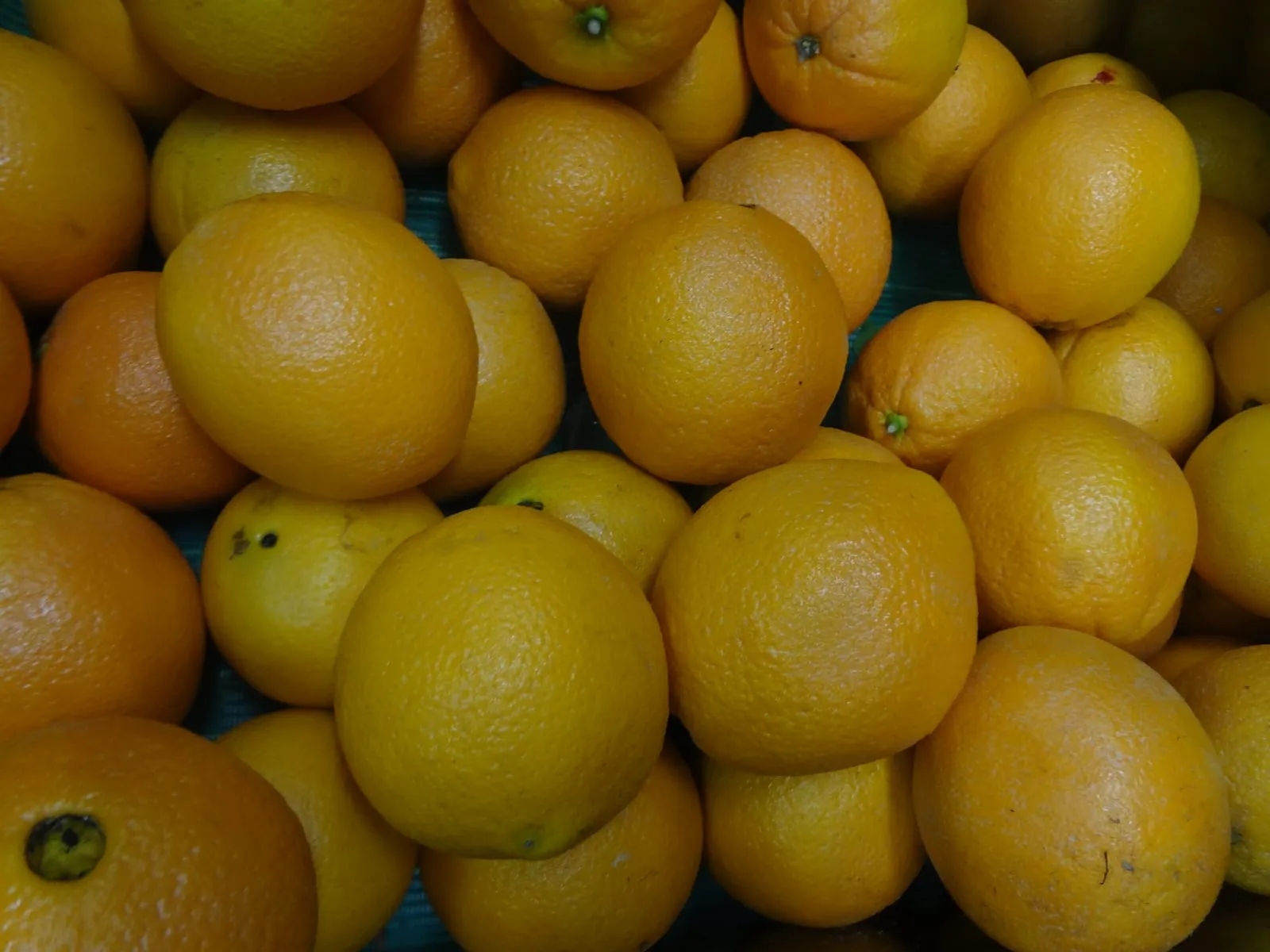 zone 9b
 Orange
Citrus sinensis
zones 9a–11b
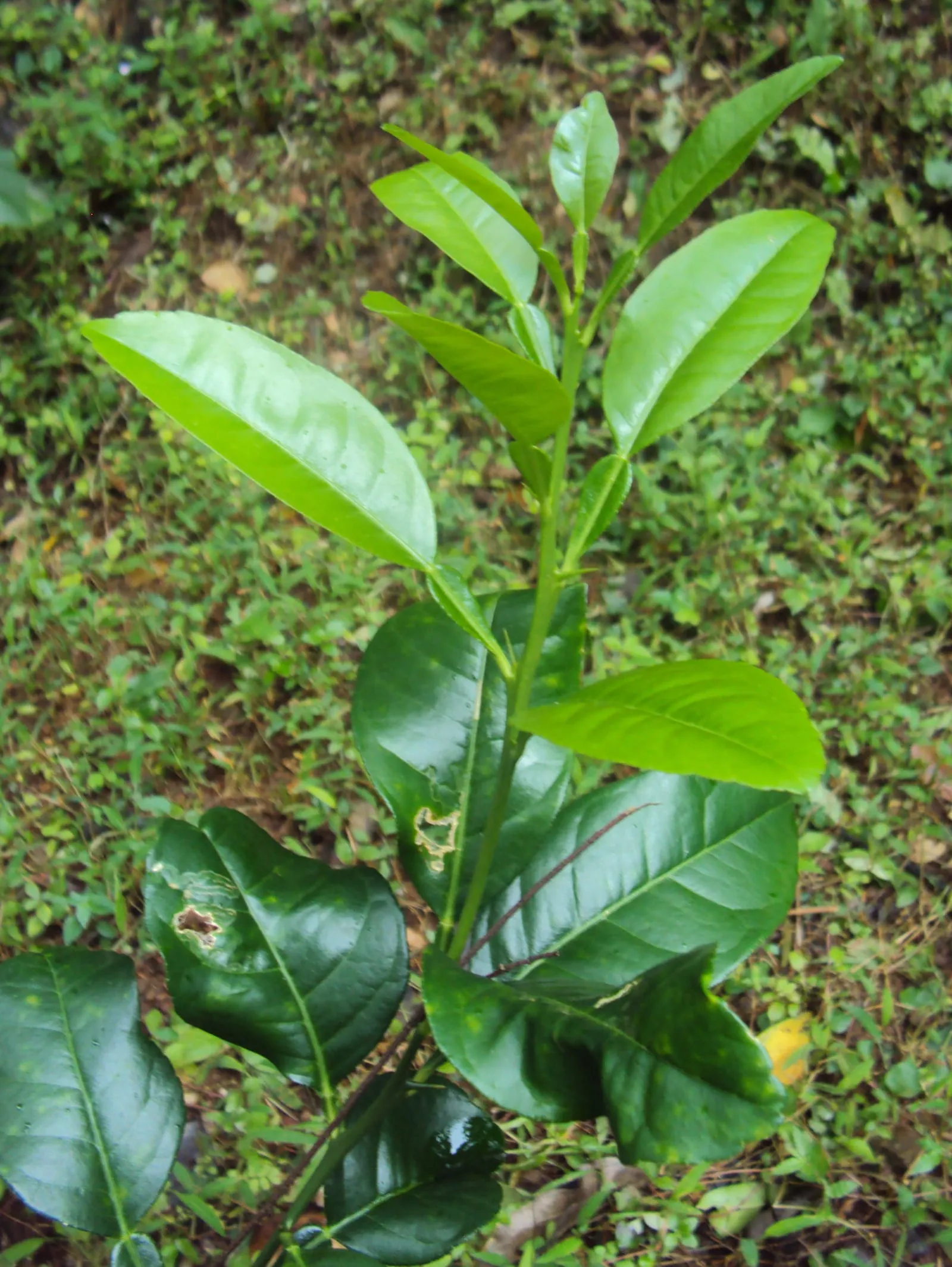 zone 9b
 Lime
Citrus aurantiifolia
zones 9b–11b
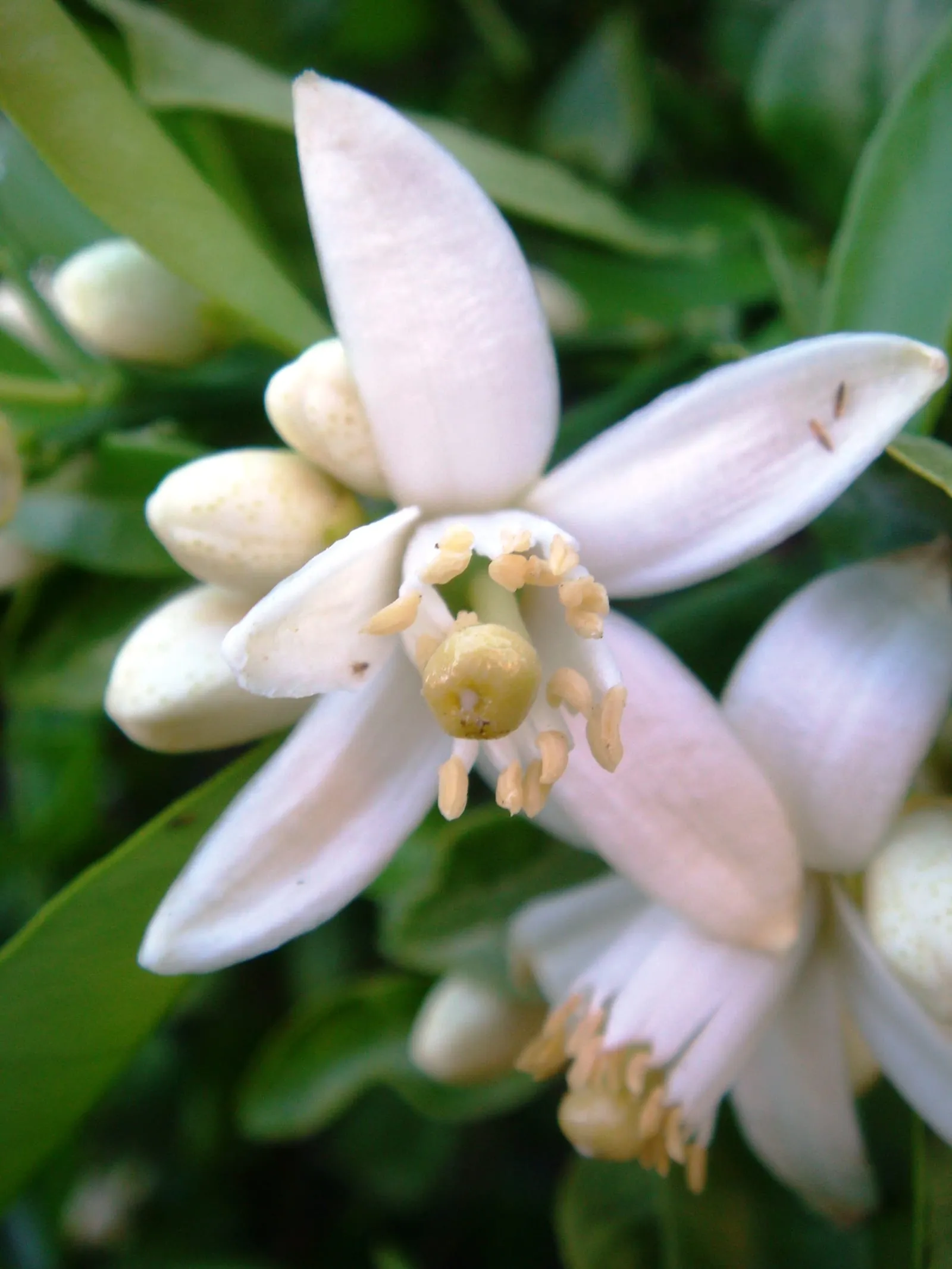 zone 9b
 Grapefruit
Citrus paradisi
zones 9a–11b
Berries
2 crops
Vegetables
18 crops zone 9b
 Tomato
Solanum lycopersicum
zones 3a–10b
 zone 9b
 Sweet Pepper
Capsicum annuum
zones 4a–10b
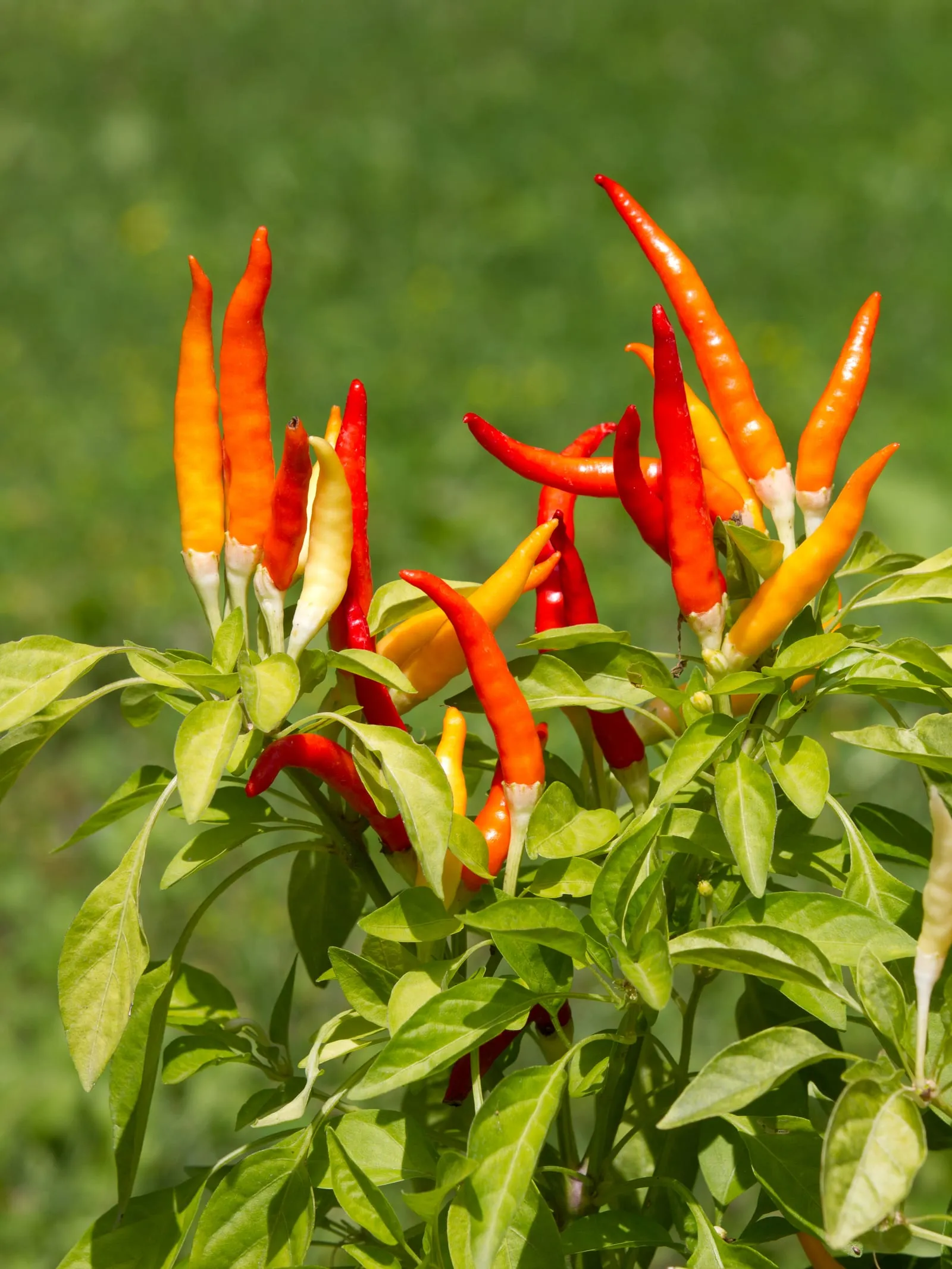 zone 9b
 Hot Pepper
Capsicum species
zones 4a–10b
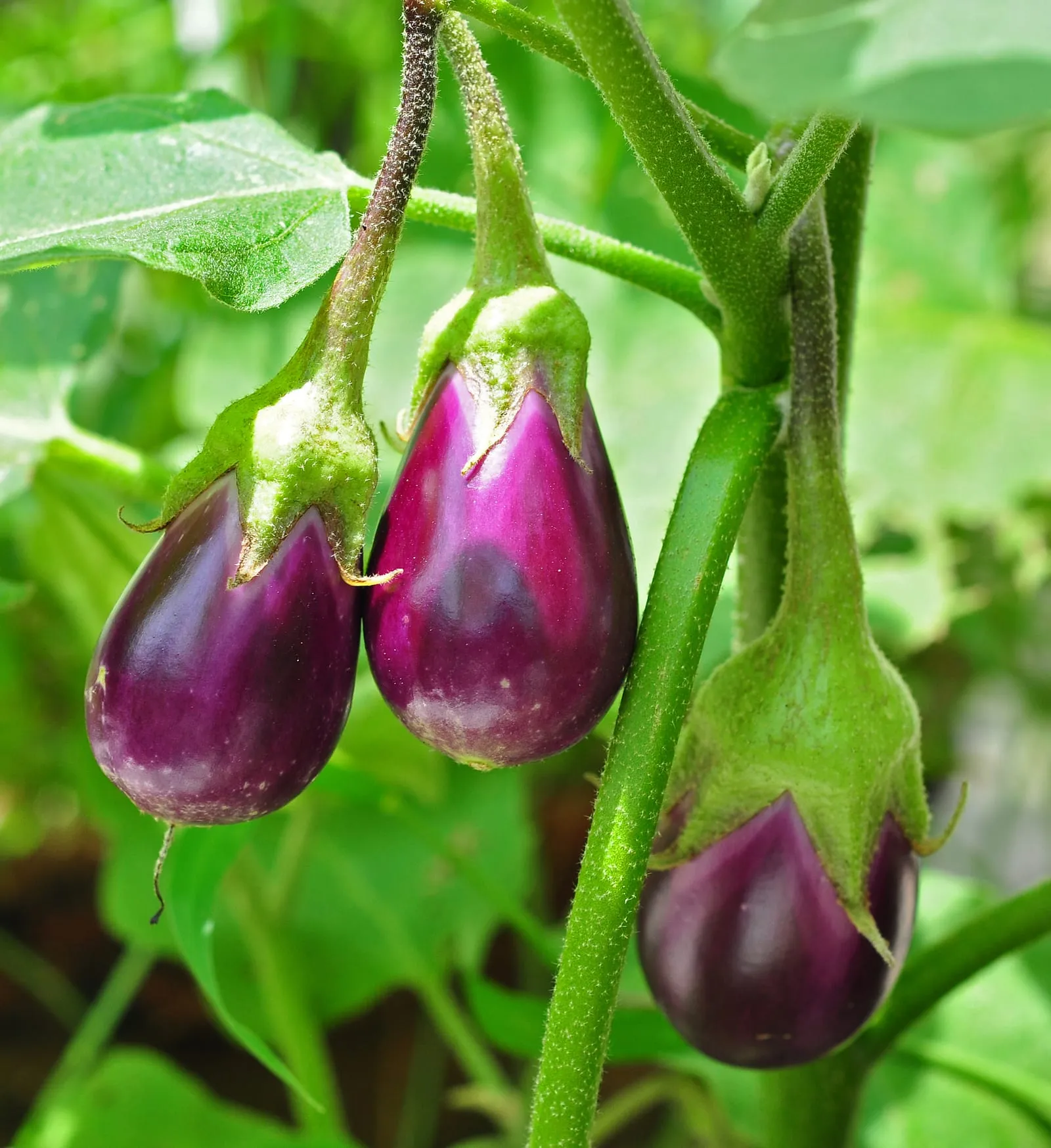 zone 9b
 Eggplant
Solanum melongena
zones 5a–10b
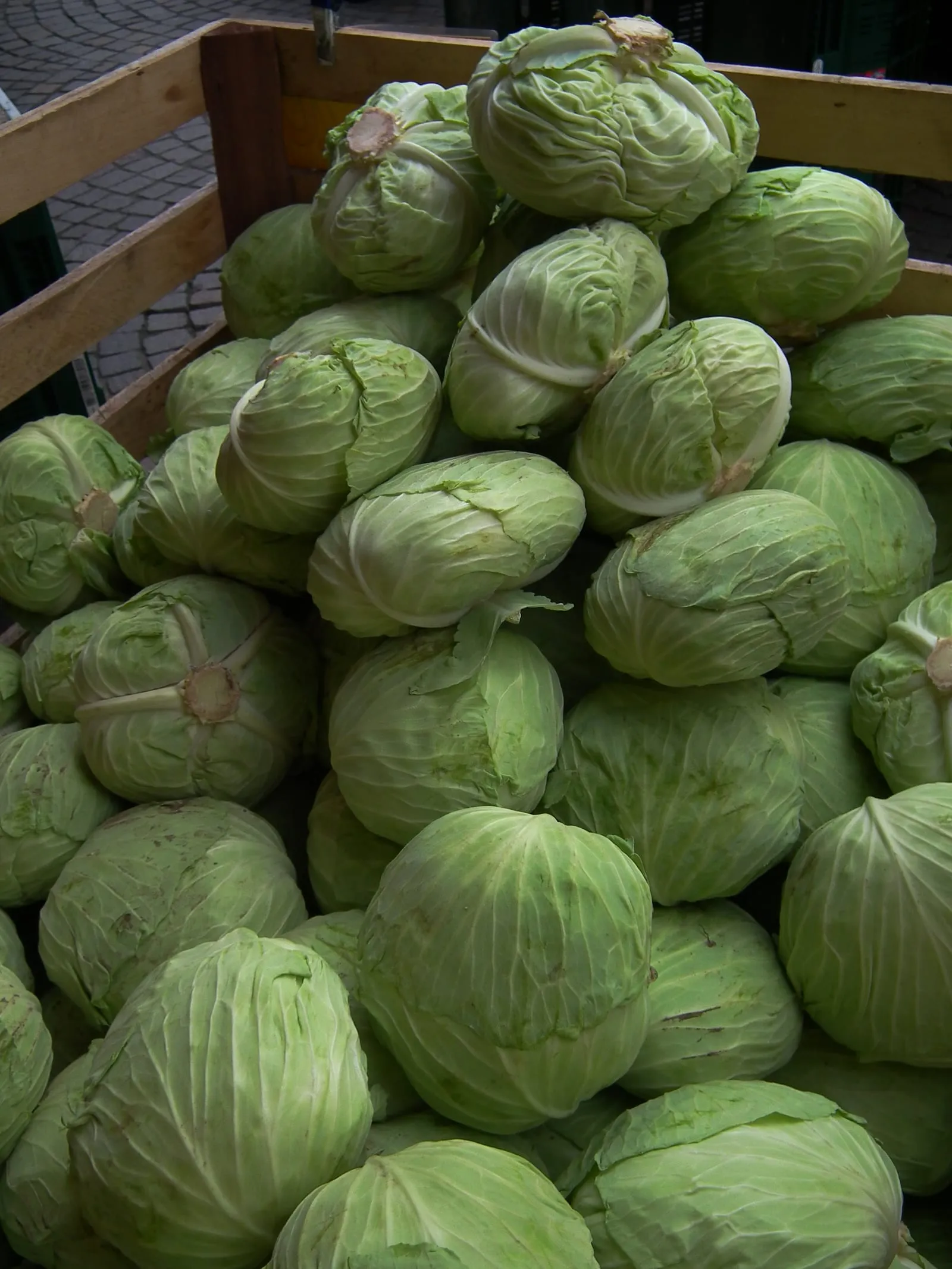 zone 9b
 Cabbage
Brassica oleracea var. capitata
zones 3a–9b
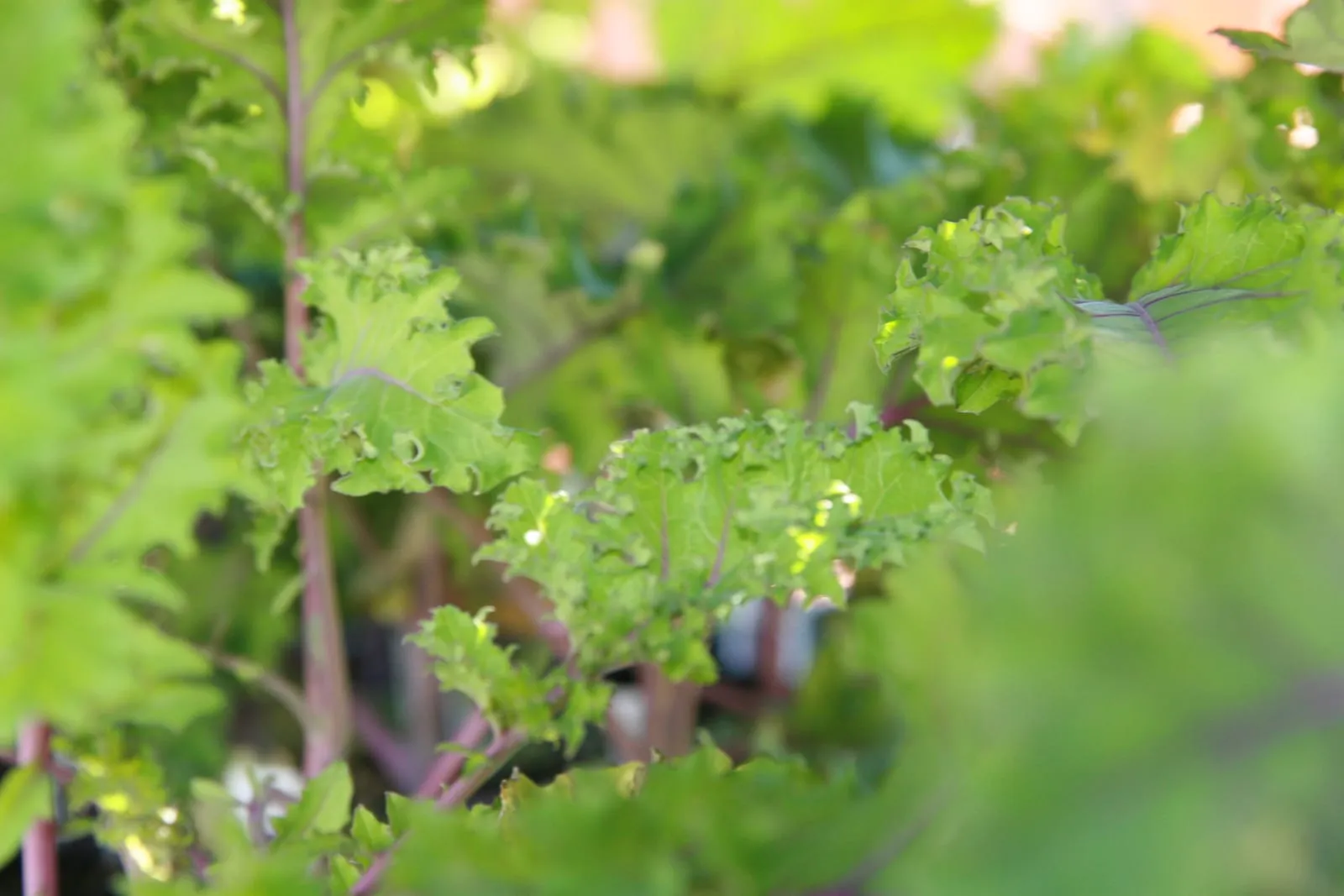 zone 9b
 Kale
Brassica oleracea var. acephala
zones 3a–9b
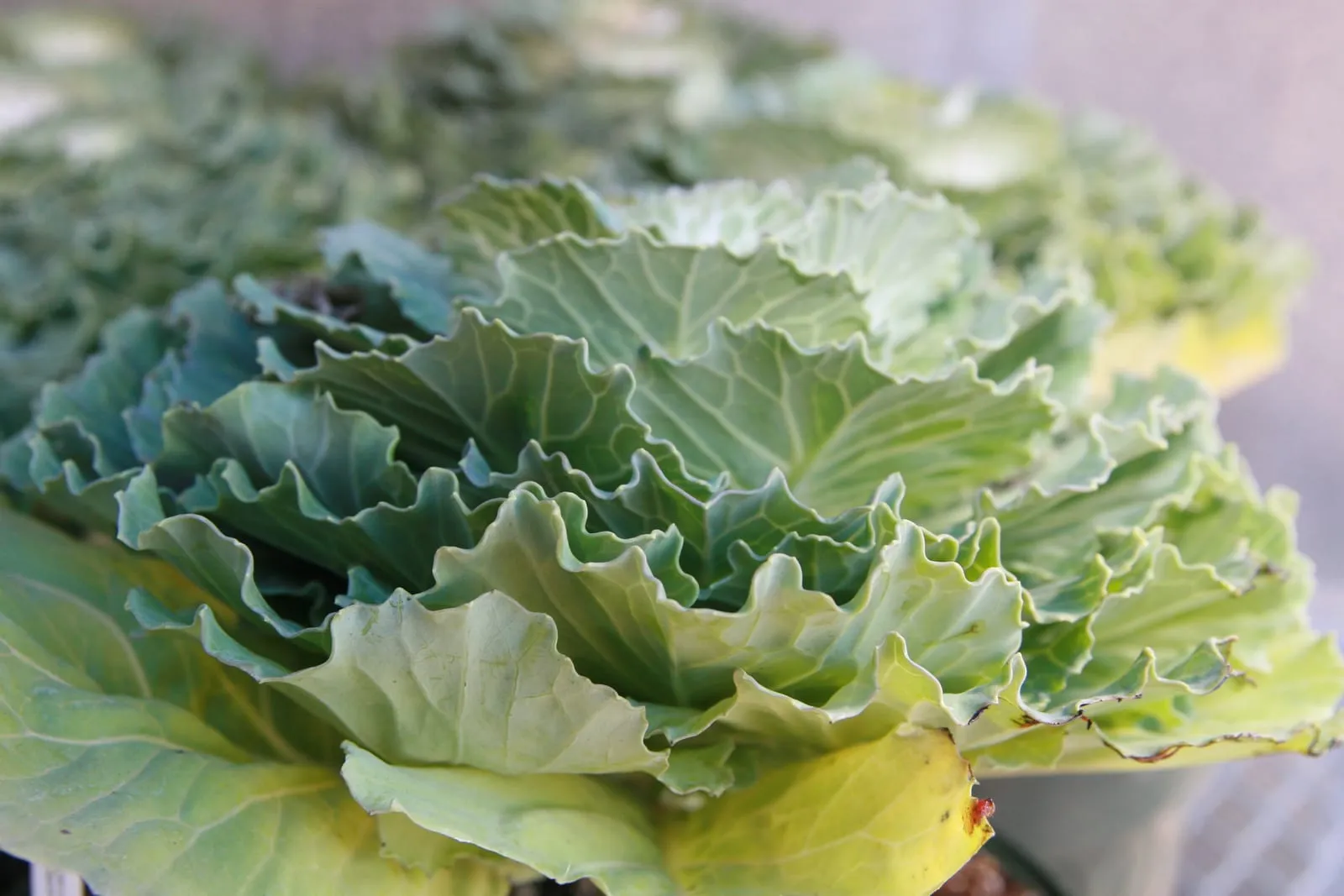 zone 9b
 Collards
Brassica oleracea var. acephala
zones 4a–9b
 zone 9b
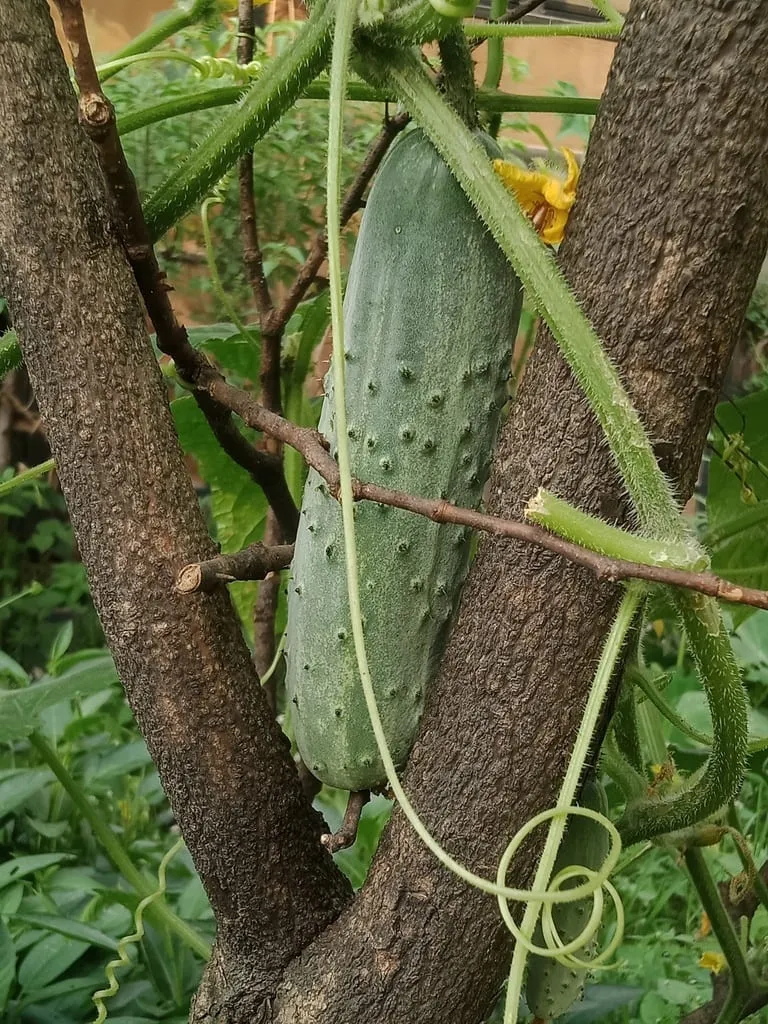
 Cucumber
Cucumis sativus
zones 3b–10a
Herbs
6 crops
Plan the year
Planting calendar for Houston
Year-view of seed starting, transplanting, planting, pruning, fertilizing, harvest, and pest-watch windows tuned to Houston's local frost dates.
Week ? · loading
This week in Houston, TX (zone 9b)
Quiet week in Houston, TX (zone 9b). this week is a good time to step back and plan ahead.
Nothing critical on the calendar this week.
187 bars · 37 crops
Calendar logic combines NOAA frost normals with crop-specific timing data. Local microclimate and weather always overrules the calendar; use this as a starting point.
Top pests for zone 9b
Ranked by how many crops in your zone they affect. Click through for IPM controls and signs to watch for.
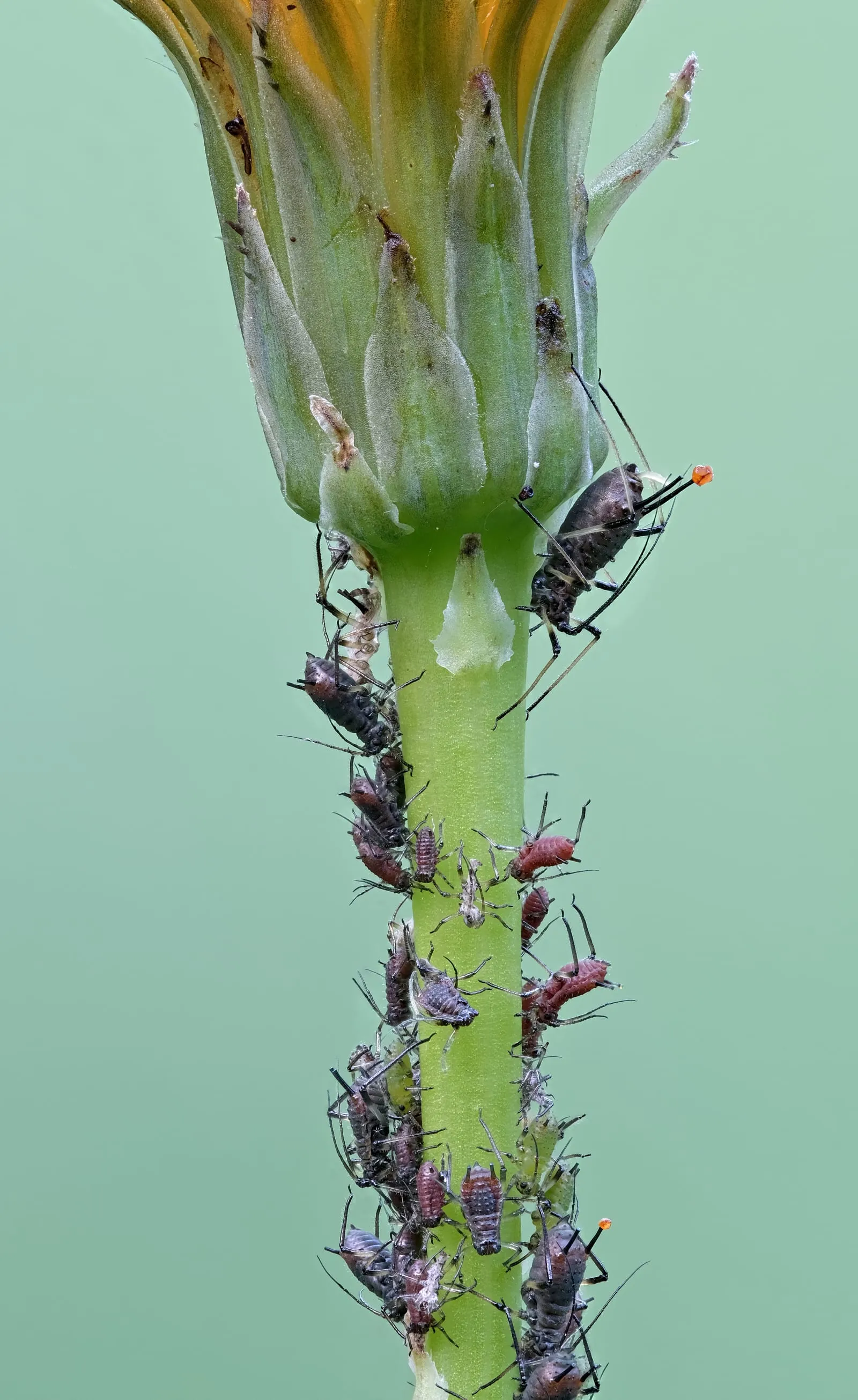
Multiple species (Aphididae)
Small soft-bodied sap-sucking insects that reproduce explosively in spring. Excrete honeydew that supports sooty mold and attracts ants. Transmit viral diseases.
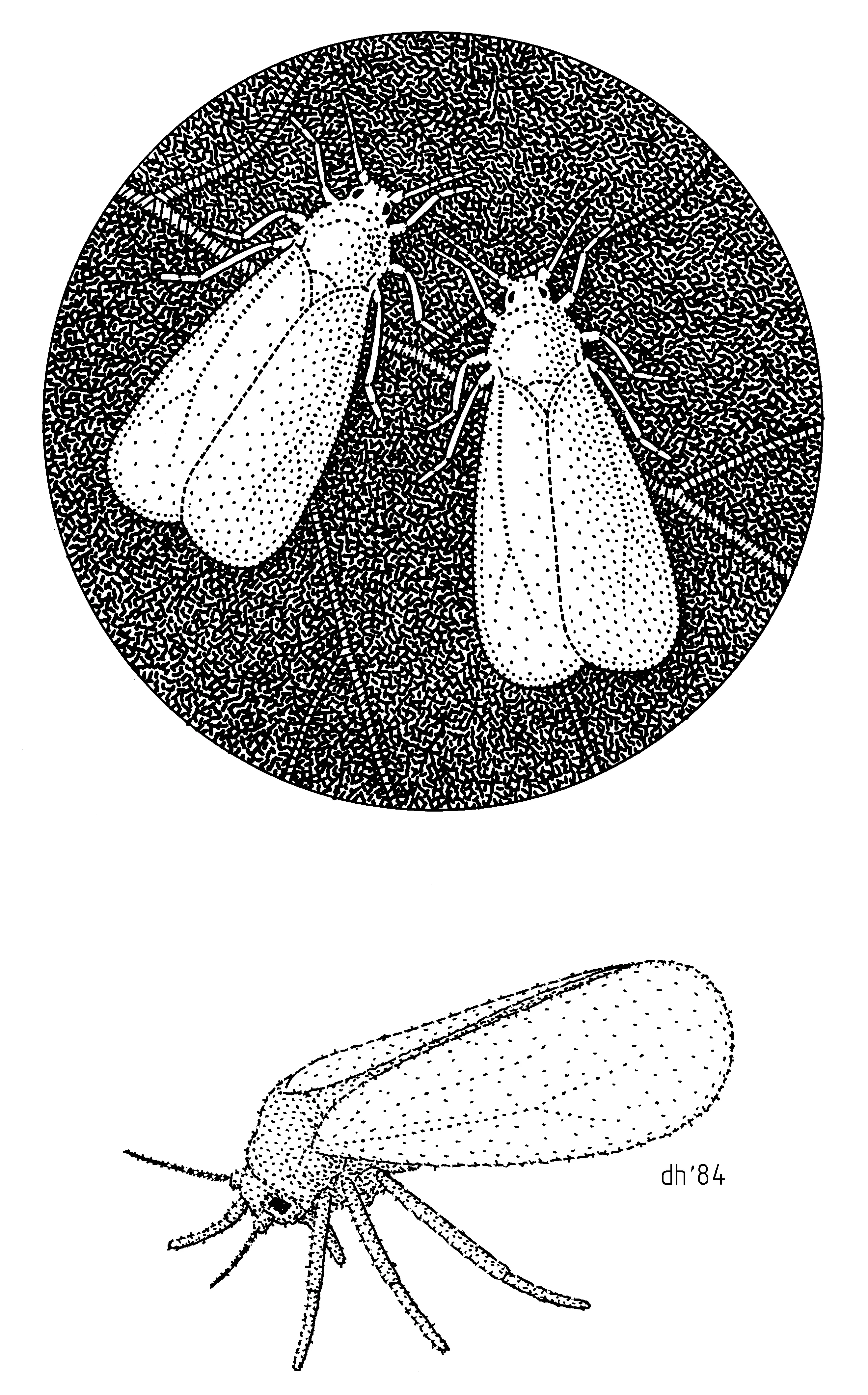
Multiple species (Aleyrodidae)
Tiny white moth-like flying insects that feed on plant sap and excrete honeydew. Transmit numerous viral diseases including tomato yellow leaf curl virus.
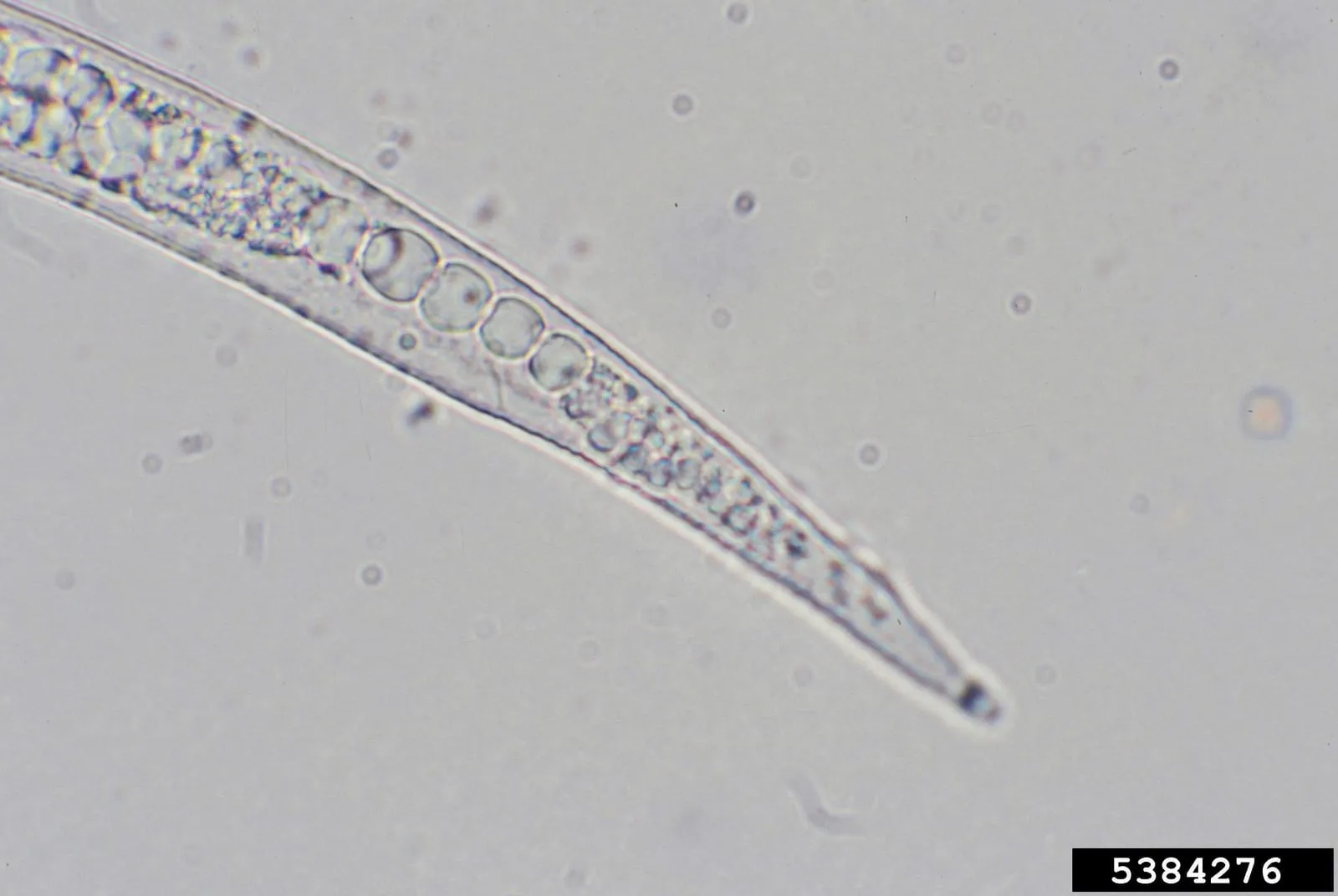
Meloidogyne species
Microscopic soil-dwelling worm that forms galls on roots, reducing vigor and yield.
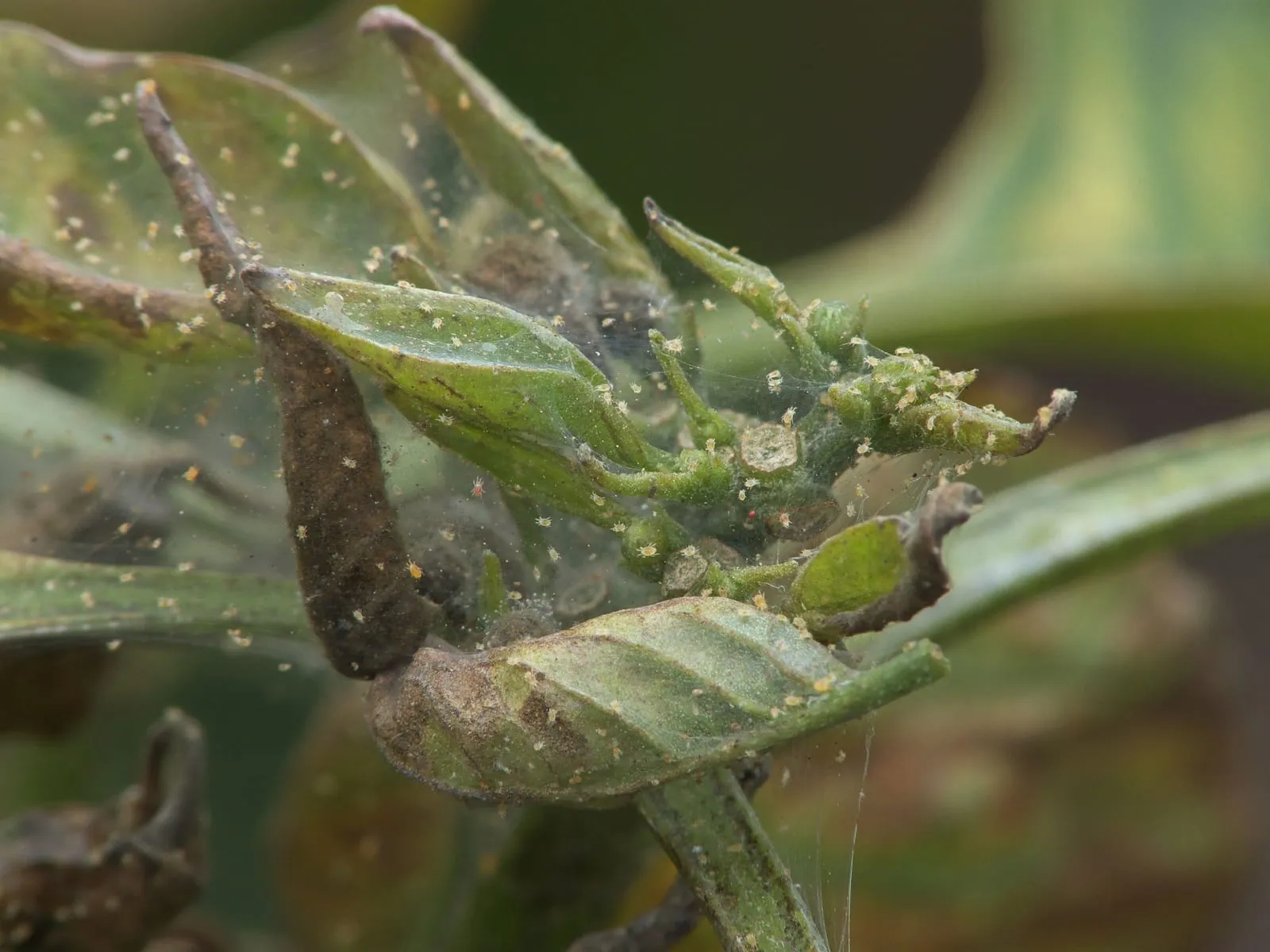
Tetranychus urticae
Tiny mite that feeds on leaf undersides, causing stippling and webbing during hot dry weather.
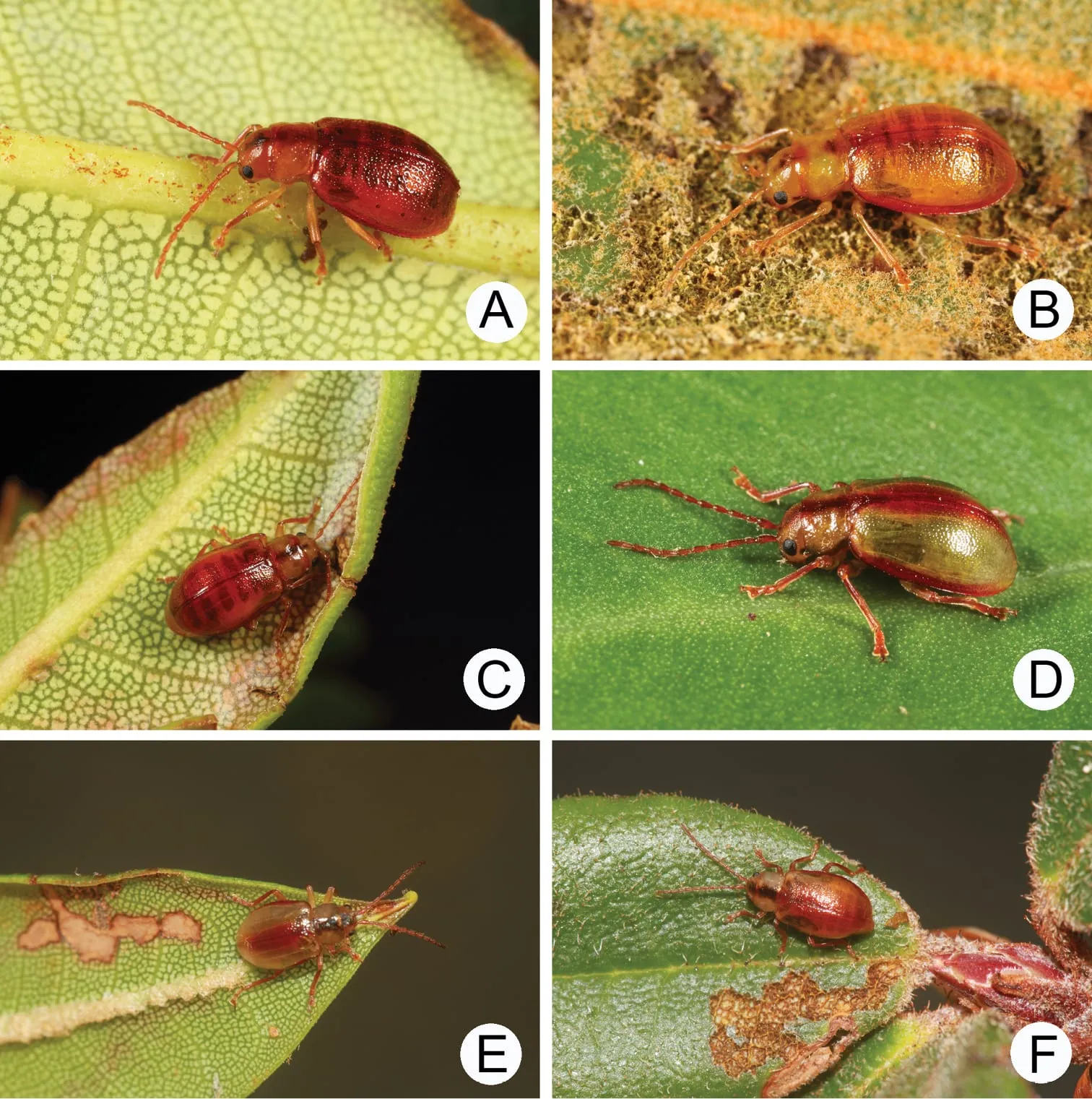
Multiple species (Chrysomelidae)
Tiny black or bronze jumping beetles that put hundreds of small holes in seedling leaves. Most damaging on direct-seeded brassicas and young eggplant.
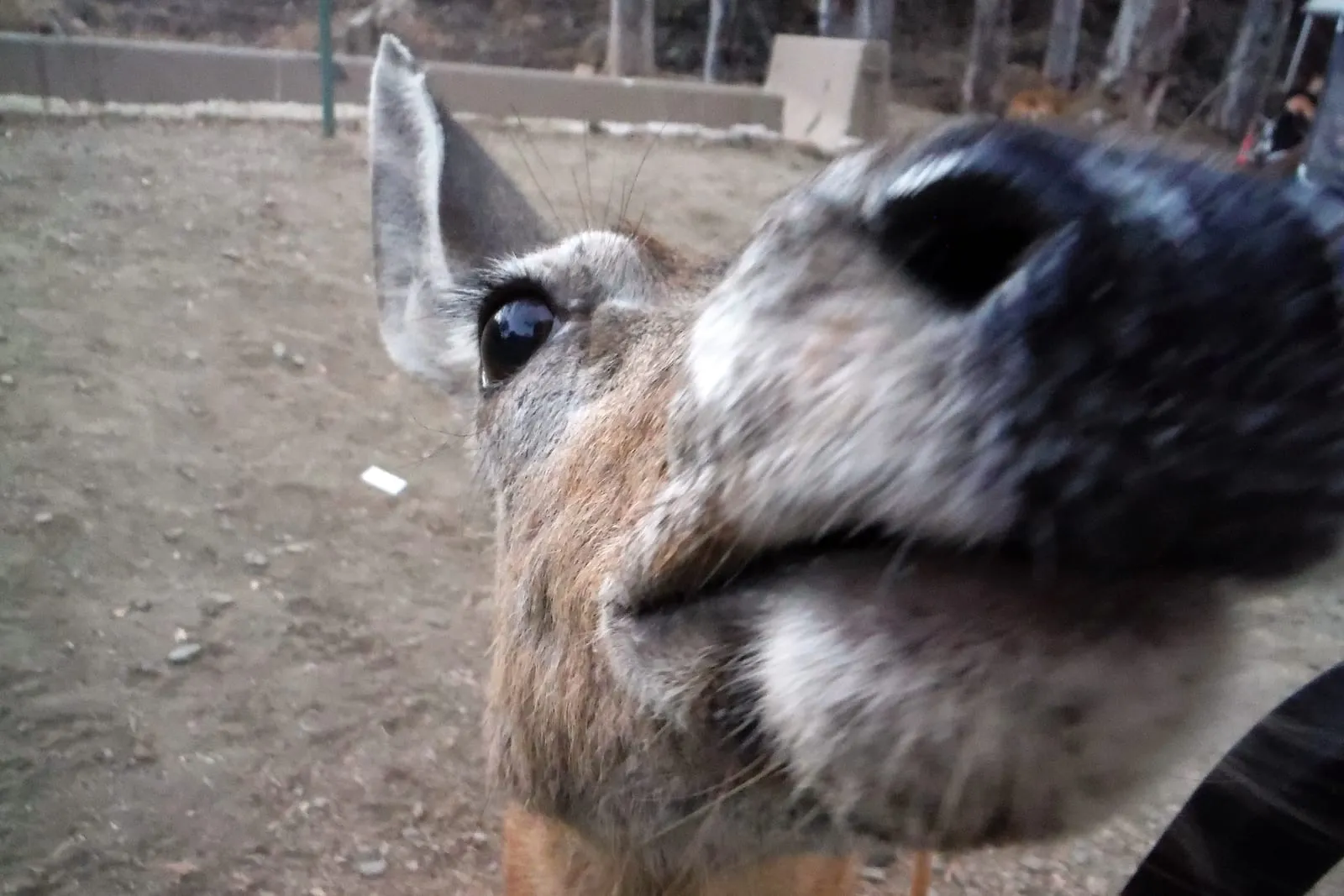
Odocoileus species
Whitetail and mule deer browse can devastate orchards and gardens, particularly in winter when food is scarce. Antler rub on young trunks kills saplings outright.
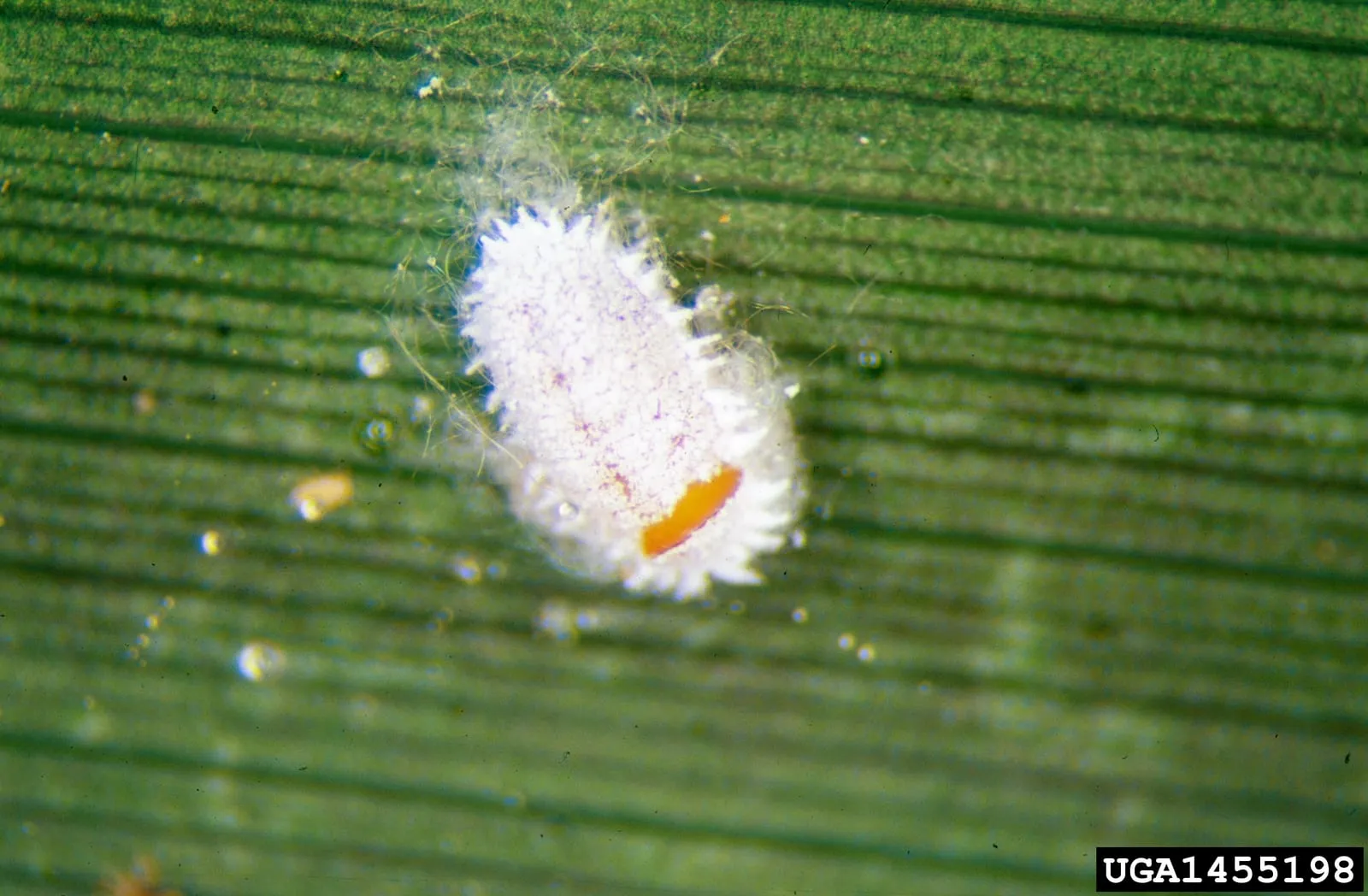
Pseudococcidae spp.
Soft white waxy insects that cluster at leaf joints, fruit stems, and root crowns. Honeydew secretion supports sooty mold; root mealybugs cause decline that mimics drought.
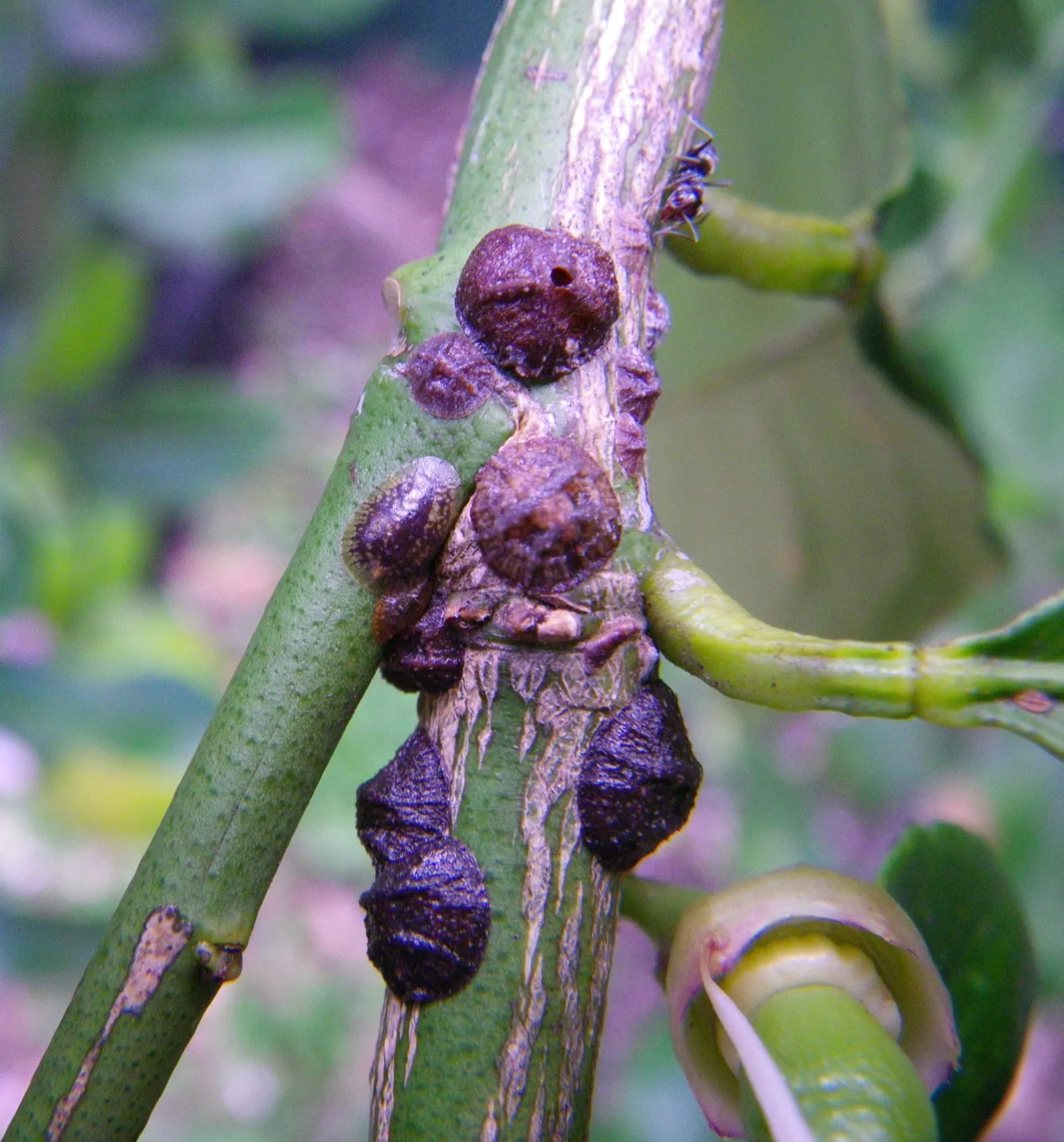
Coccoidea spp.
Sap-sucking insects that attach to bark, leaves, and fruit, secreting honeydew that fuels sooty mold. Heavy infestations weaken trees and cause leaf yellowing.
Top diseases for zone 9b
Ranked by how many crops in your zone they affect. Click through for symptoms, controls, and resistant varieties.
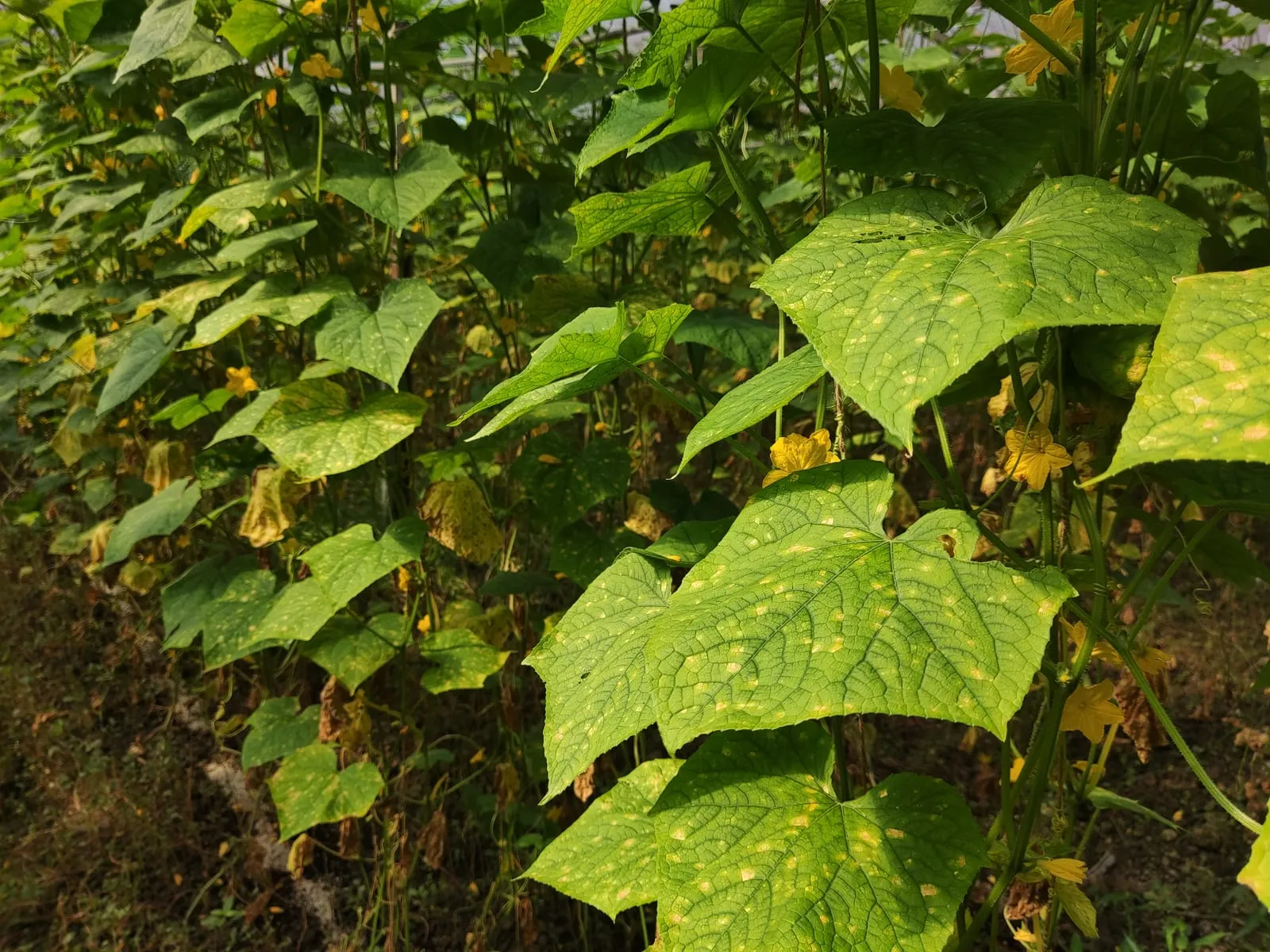
Pseudoperonospora cubensis (cucurbits) and others
Water mold (oomycete, not a true fungus) that thrives in cool damp conditions. Spreads rapidly through cucurbit and brassica plantings on wind-borne spores.
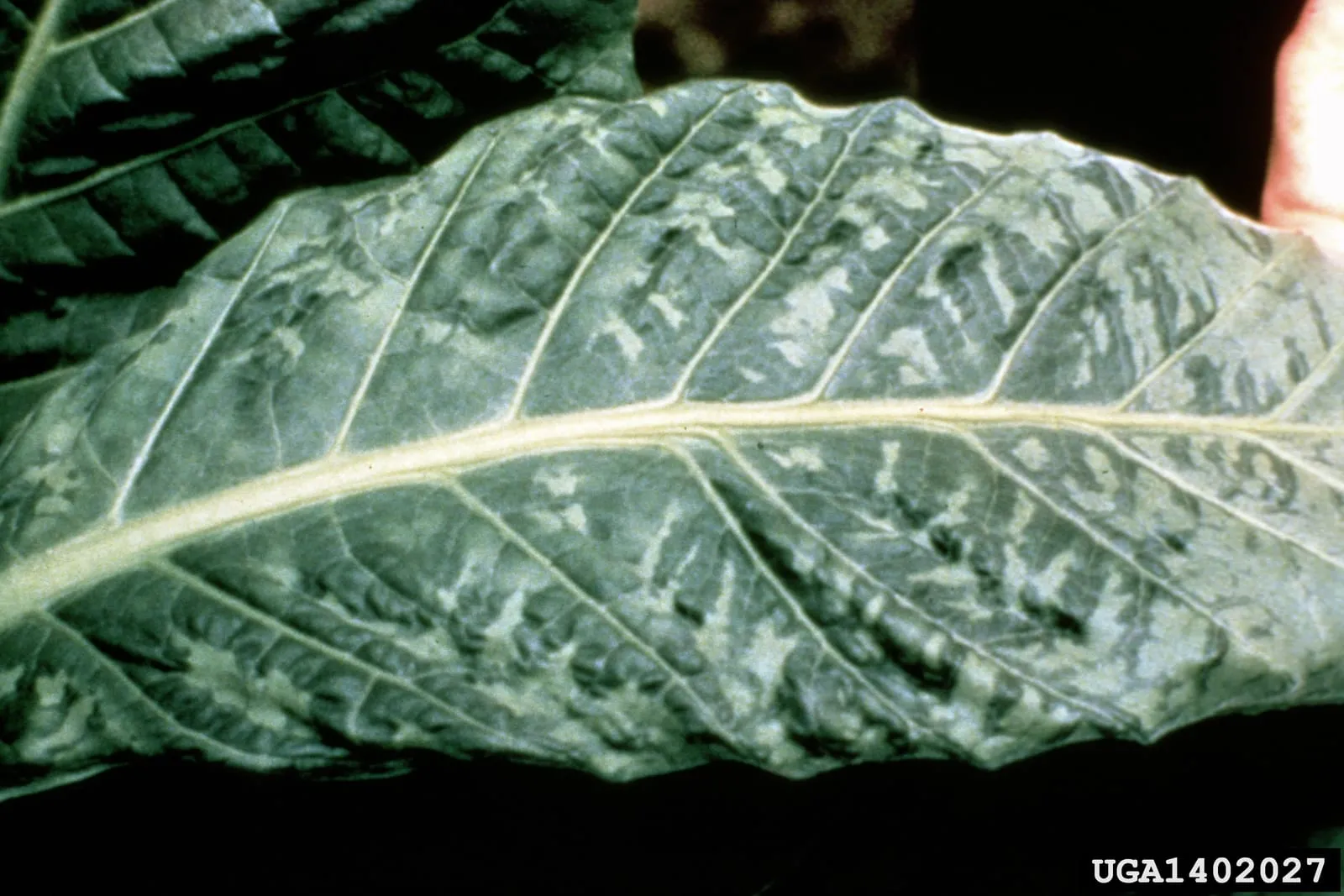
Cucumber mosaic virus, Tobacco mosaic virus, and others
Family of plant viruses producing mottled yellow-and-green leaf patterns. Vectored primarily by aphids; some are seed-transmitted or spread by handling tools and tobacco products.
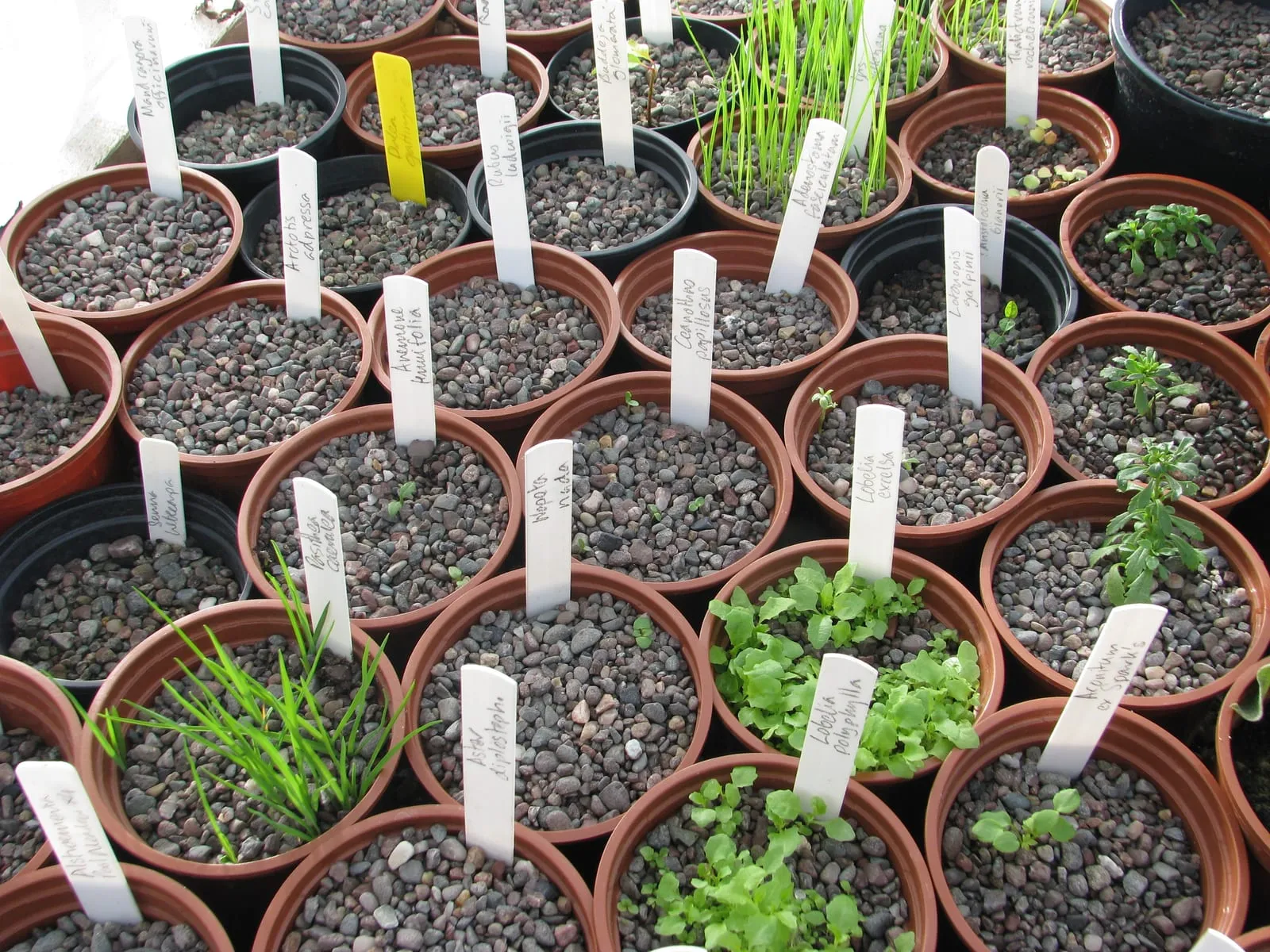
Pythium and Rhizoctonia species
Soil-borne complex of water molds and fungi that kill seedlings before or shortly after emergence. The single most common cause of seed-starting failures.
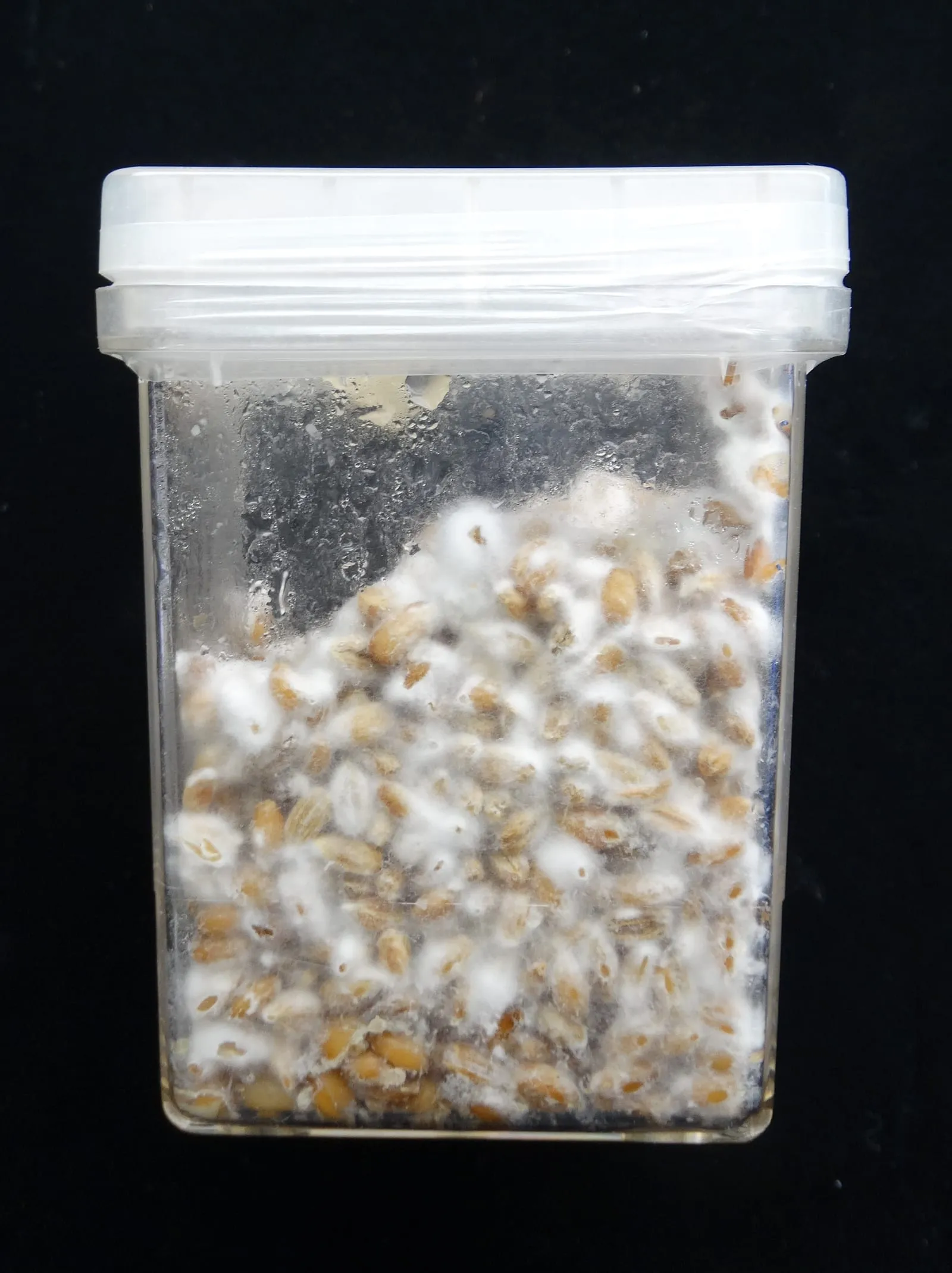
Fusarium oxysporum
Soil-borne fungal disease that plugs vascular tissue and kills affected plants. Persists in soil for many years; impossible to eliminate once established.
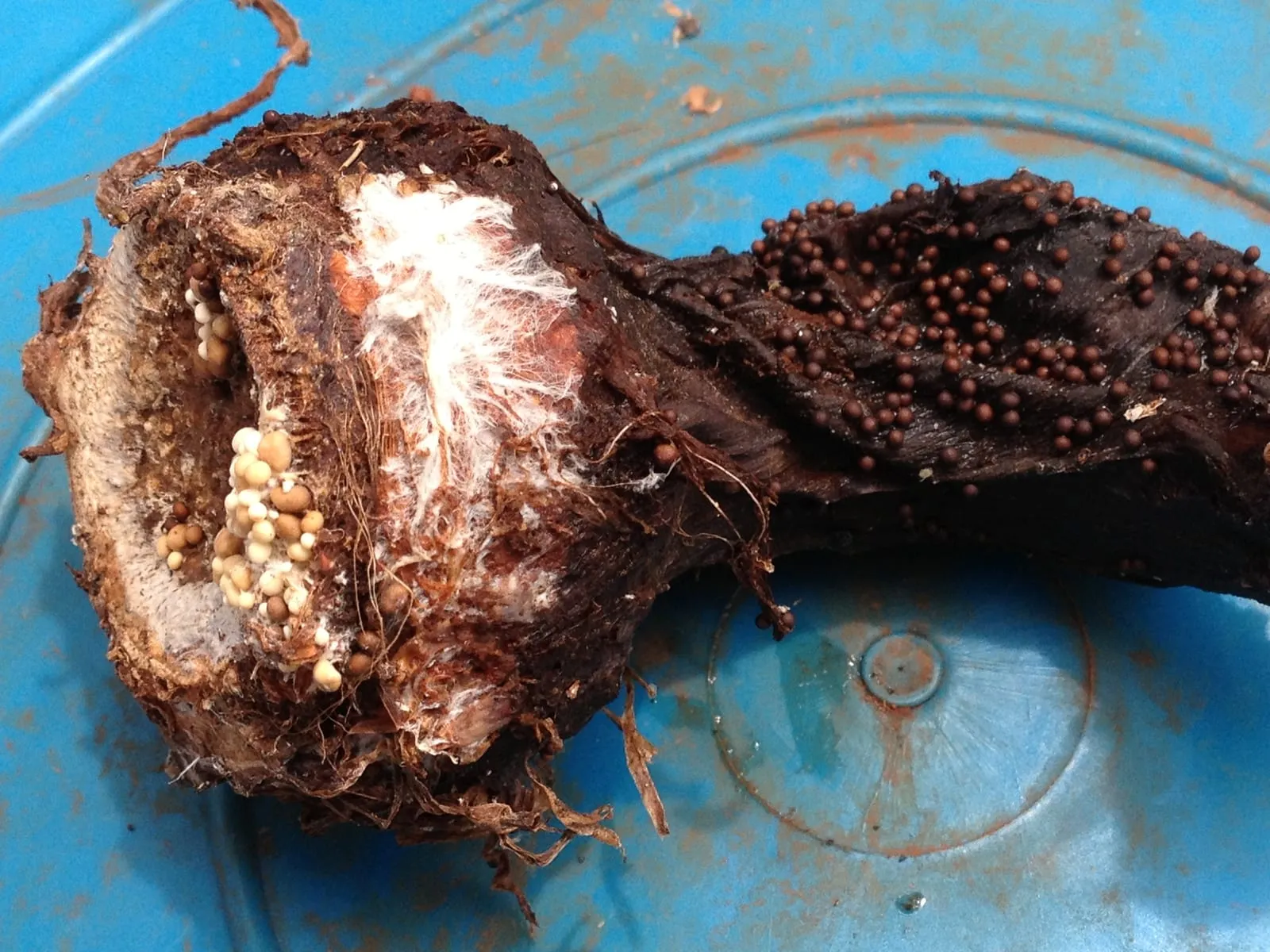
Sclerotium rolfsii
Soil-borne fungal disease most damaging in warm humid Southern conditions. White mycelial fans and small mustard-seed-sized sclerotia at the soil line are diagnostic.
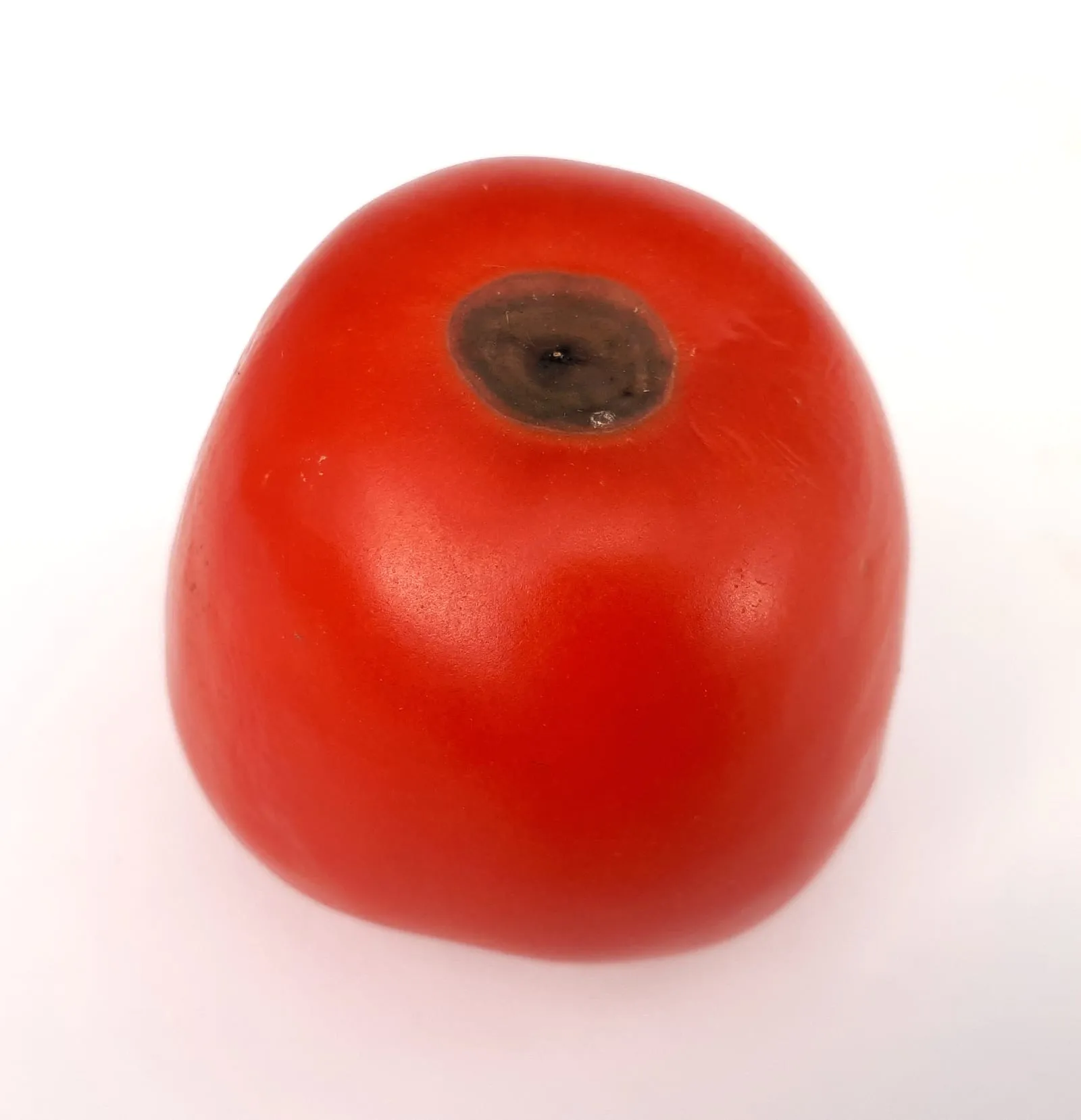
Calcium deficiency physiological disorder
Not a true disease but a calcium-uptake disorder caused by inconsistent soil moisture during fruit development. The dominant cause of damaged first-fruit on home tomato plantings.
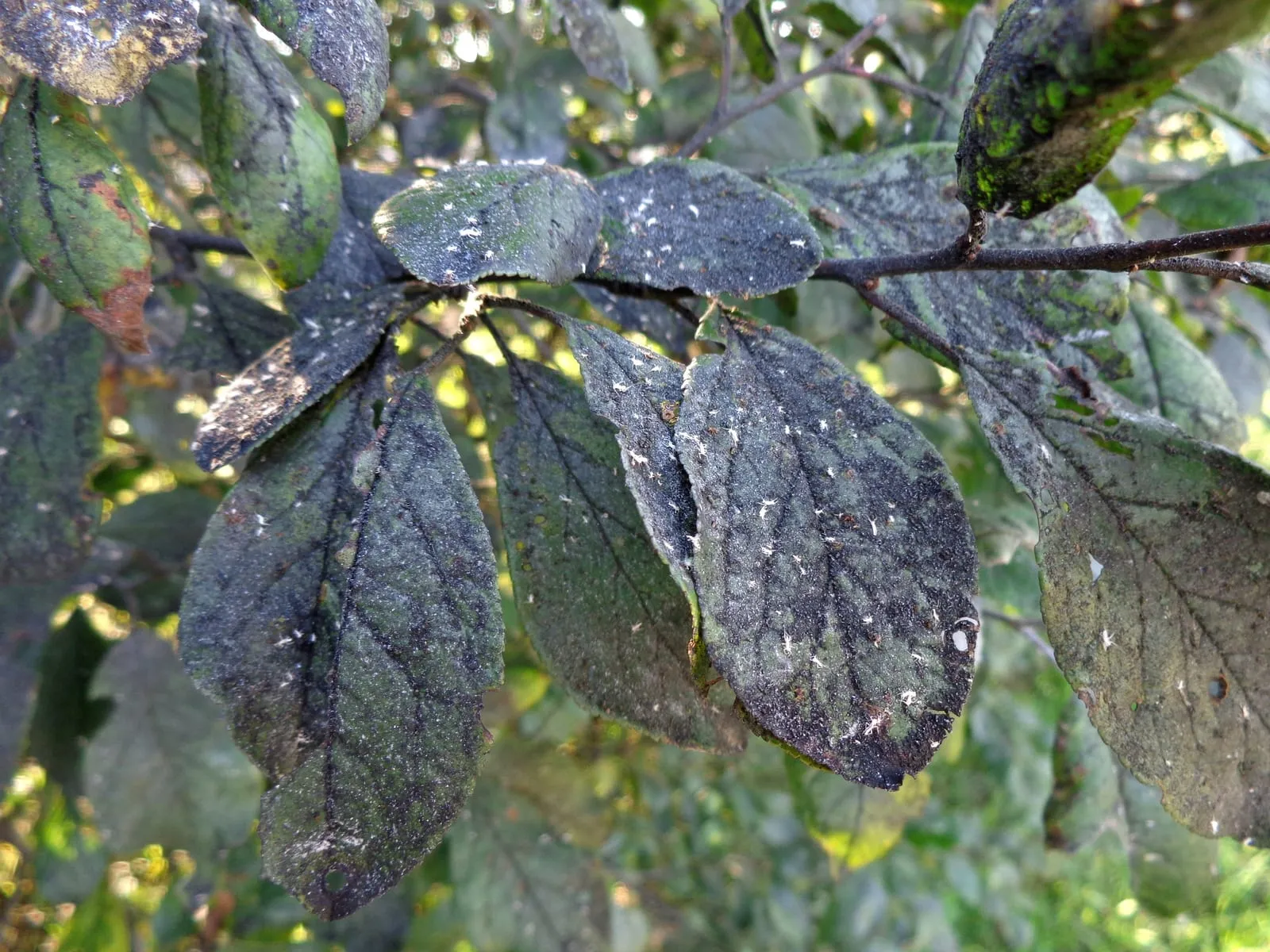
Capnodium spp.
Black fungal coating that grows on honeydew secreted by aphids, scale, mealybugs, and whiteflies. Doesn't infect plant tissue directly but blocks photosynthesis and disfigures fruit.
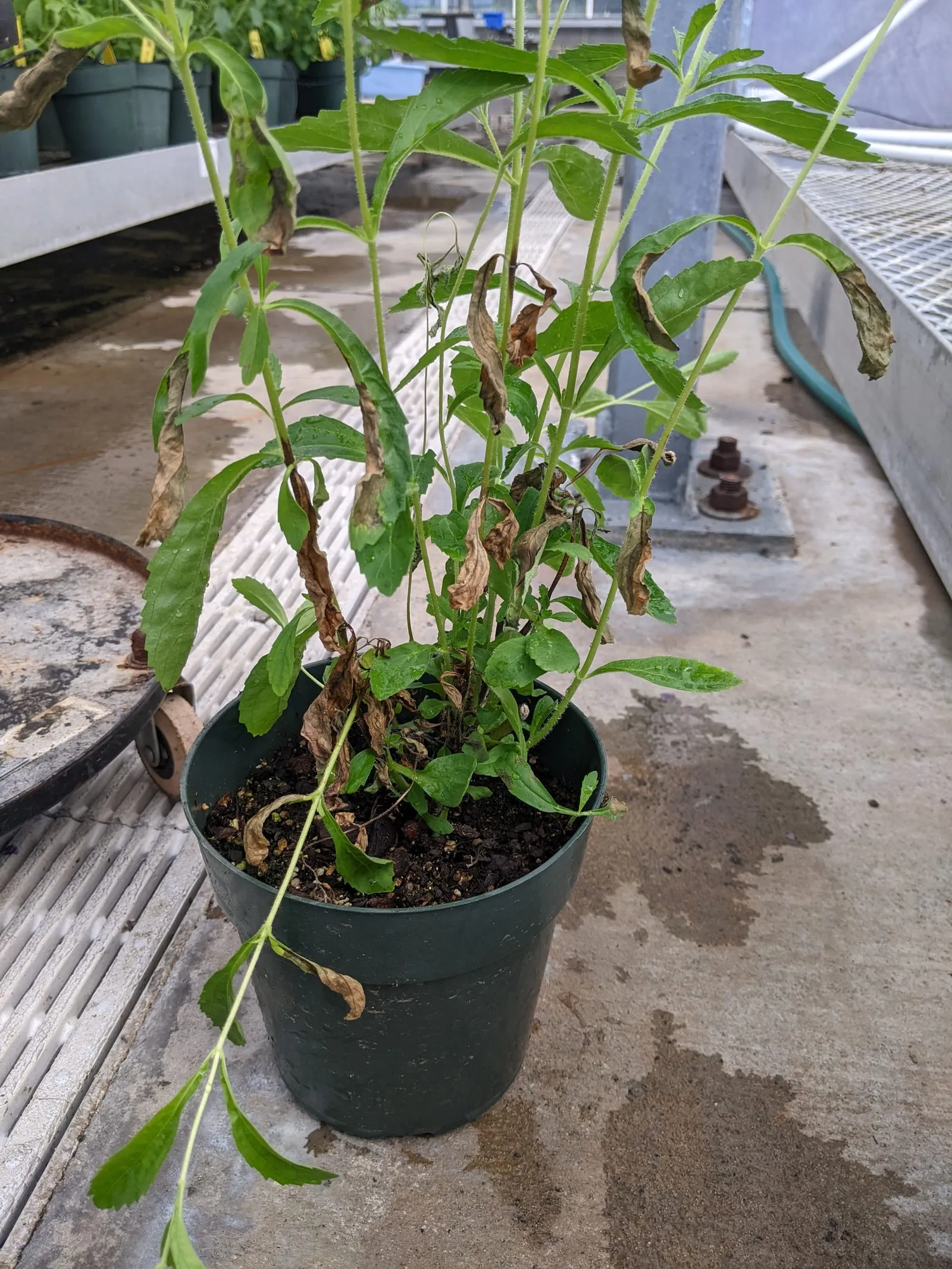
Tomato spotted wilt orthotospovirus (TSWV)
Virus vectored by thrips, particularly western flower thrips. Wide host range and growing global distribution. No cure once infected.
Companion planting suggestions
Beneficial pairings drawn from companion data, filtered to crops that grow in zone 9b.
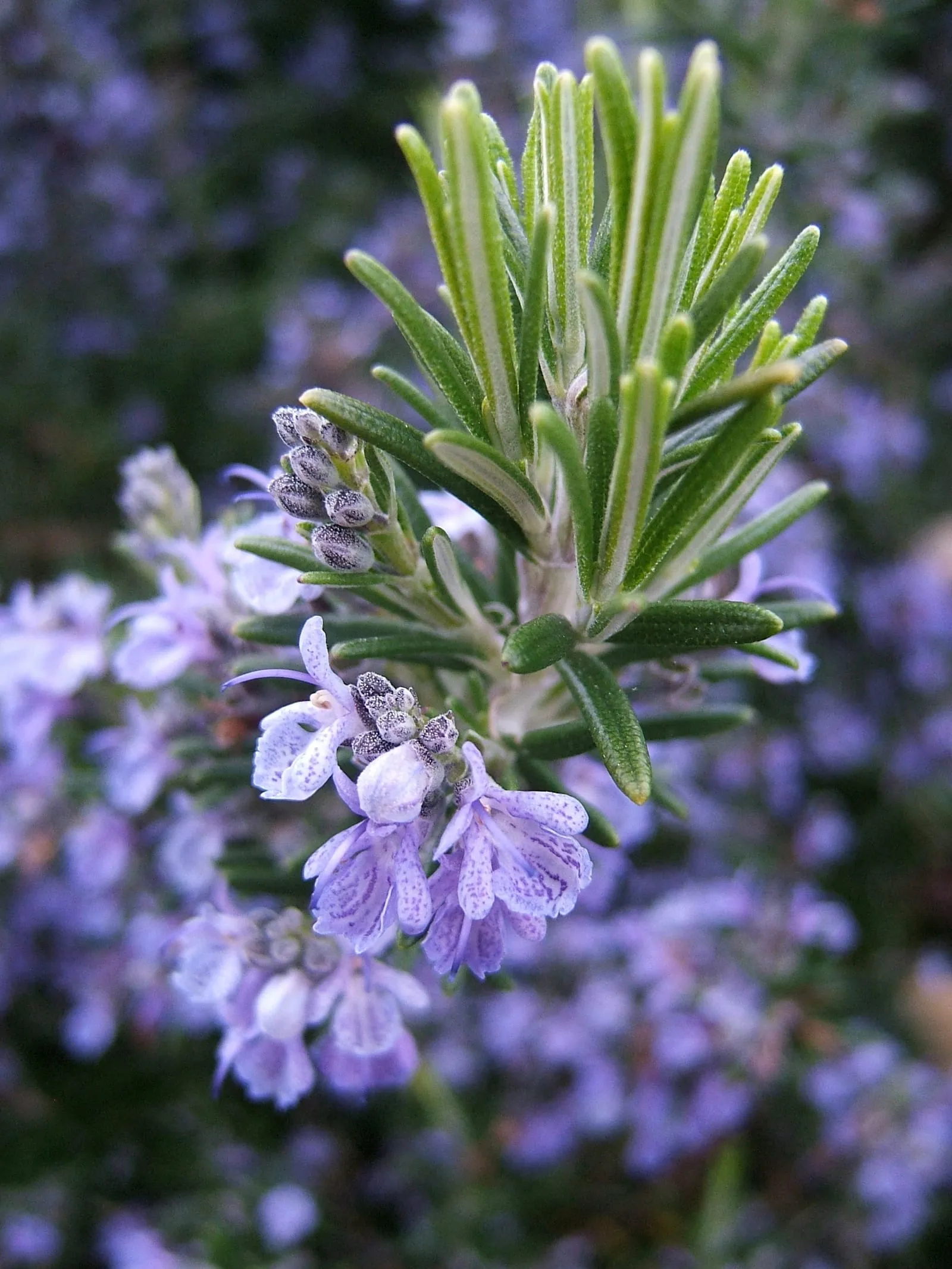
- Fig + Rosemary
Rosemary tolerates the dry sites figs prefer and provides aromatic pest deterrence.
- Tomato + Basil
The classic Italian pairing. Basil's volatile oils are reported to repel hornworms and whiteflies, and the two crops share the same warm-season schedule and water needs. Plant basil between tomato cages.
- Sweet Pepper + Basil
Same warm-season culture, same watering schedule. Basil reportedly improves pepper flavor and repels aphids and thrips that are pepper's primary pests.
- Hot Pepper + Basil
Compatible heat-loving culture, similar water needs. Basil interplanted between hot pepper plants supports beneficial insects and reduces aphid pressure.
- Lettuce + Tomato
Lettuce planted at tomato's base benefits from afternoon shade as the tomato grows, extending the lettuce harvest into early summer. Different root depths avoid competition.
- Cabbage + Onion
Onion smell confuses cabbage moth. Both prefer similar moisture and fertility. The onion-cabbage interplanting is a Northern European tradition.
Soil types reference
Soil texture and pH decide what grows easily on your specific lot. Find the closest match below for crop recommendations and amendment guidance.
Practical tips for Houston
Grow disease-resistant varieties and space plants for air circulation. Humidity-tolerant crops like figs and jujubes outperform humidity-sensitive varieties. Choose tomato varieties bred for heat and disease resistance; many standard heirlooms fail in Houston humidity. Plant cool-season crops (tomatoes, peppers, leafy greens) in early spring before mid-March heat, and again in summer for a fall harvest (seed by late July). The February 13 frost date arrives late enough that tender new growth is often at risk; wait until late February to prune or plant borderline-hardy perennials. Use shade cloth (30 to 50 percent) over heat-sensitive crops during peak July-August heat to reduce fruit sunscald and plant stress without sacrificing light.
Frequently asked questions
- What's the best time to plant tomatoes in Houston?
Plant in late January through early February for a spring harvest before summer heat peaks in late May. For a second crop, seed in mid to late July for a fall harvest in September and October. Avoid planting between March and July; summer heat stops seed germination and causes poor fruit set.
- Can I grow figs, persimmons, and pomegranates in Houston?
Yes; Houston's warm winters and long season favor all three. Figs and jujubes are nearly foolproof. Asian persimmons thrive but need careful variety selection to avoid frost damage to developing fruit. Pomegranates produce reliably but prefer slightly drier spots in the yard to minimize fruit splitting during wet springs.
- What's the biggest frost risk in zone 9b Houston?
Late winter freezes around February 13 coincide with early spring growth. Frost can damage tender new leaves, flowers, and fruit buds on deciduous trees and shrubs after a warm January spell. Delay pruning and new plantings of borderline-hardy perennials until late February to avoid losses.
- How do I manage fungal diseases in Houston's humidity?
Select disease-resistant varieties whenever possible. Space plants generously for air circulation, prune out dense interior growth, and water at soil level rather than overhead to keep foliage dry. In humid springs (March-May), monitor for powdery mildew and rust; spray sulfur or neem oil at the first sign of infection.
- Can I garden outdoors year-round in Houston?
Frost-wise, yes (December 9 to February 13 is the cold window, and freezes are rare). But summer heat (June through August) kills cool-season crops. Succession plant cool-season crops in early spring and late summer; reserve summer for heat-loving fruits and heat-tolerant herbs like basil and rosemary.
- Why does fruit crack on my tomatoes and peppers?
Fruit cracking results from inconsistent moisture after a dry spell followed by heavy rain. Houston's humid springs and summer afternoon thunderstorms create this pattern. Use mulch to even out soil moisture, choose crack-resistant varieties (many older heirlooms are more prone), and maintain consistent irrigation.
+−
+−
+−
+−
+−
+−
Frost data: NOAA Climate Normals 1991-2020, station USW00012960. Local microclimates can shift these dates by a week or more.
Related