Local planting guide · Midwest
zip 44129
Cleveland is in USDA hardiness zone 6b, with average winter lows of -5°F to 0°F. The local growing season runs roughly 04/20 through 11/03 (~198 days). This zip falls within the Midwest growing region.
- USDA zone
- 6b -5°F to 0°F
- Last spring frost
- 04/20
- First fall frost
- 11/03
- Growing season
- 198 days
- Compatible crops
- 87
- Growing region
- Midwest
Right now in Cleveland
Week 37 priorities
On the docket: harvest window · fall harvest · direct sow (fall succession) · spring harvest. See the full calendar →
Gardening in Cleveland
Cleveland's gardening window spans from late April through early November, with a 198-day growing season that supports a diverse range of fruit trees. Zone 6b winters regularly drop to -5 to 0°F, so hardiness is the first consideration, but the real constraint is the spring frost date: April 20 arrives late enough that tender crops remain risky until mid-May. The fall clock runs more forgiving, with first frost not until November 3, allowing most tree fruits to mature fully.
The fruit-focused crop list reflects what thrives reliably here. Apples and pears anchor many home orchards; European plums and sweet cherries perform well when sited carefully. Japanese plums lean more tender and demand a warmer microclimate or late-budbreak selection. Sour cherries are nearly foolproof, and American persimmons (native to the region) require no special care once established. Peaches grow here but demand late-budbreak varieties and careful site selection to avoid spring frosts and summer fungal pressure from Lake Erie humidity.
Cleveland's proximity to the lake moderates winter extremes slightly compared to inland 6b regions, but it also drives summer humidity and intermittent heavy rains. Diseases like apple scab and black spot thrive in these conditions. Growers often find that variety selection and site ventilation matter more than USDA hardiness alone.
Regional context · Midwest
What the Midwest brings to Cleveland
Continental humid. Cold winters, hot humid summers. Heart of the country's vegetable, sweet corn, and cool-climate fruit production. Michigan and Wisconsin are major fruit states.
Common challenges
Issues that most often defeat home gardeners in zone 6b, drawn from the broader USDA zone profile.
- ▸ Cedar-apple rust
- ▸ Fire blight
- ▸ Stink bugs
What defeats new gardeners in Cleveland
Spring frost remains the most common crop-killer in Cleveland, despite the late April date. Peaches and Japanese plums often break bud by early April in mild years, only to be caught by a 20°F frost three weeks later. Growers who chase early-budbreak varieties suffer repeated crop loss.
Fungal disease pressure runs high from May through September. Apple scab, black spot, powdery mildew, and cherry leaf spot thrive in the humid lake-effect summers and intermittent heavy rains. Trees planted in low-wind sites or poor air drainage accumulate disease pressure year after year. Preventive sulfur or copper sprays help, but varietal resistance saves labor.
Late-season rain followed by frost can split or damage ripening fruit, particularly stone fruits. November's first frost sometimes arrives with 60°F temperatures; a 10°F drop in a few days can catch apples and pears still hanging on branches, damaging flavor or causing storage rot later.
Crops that grow in Cleveland
87 crops from our catalog match zone 6b, grouped by type.
Tree fruit
12 crops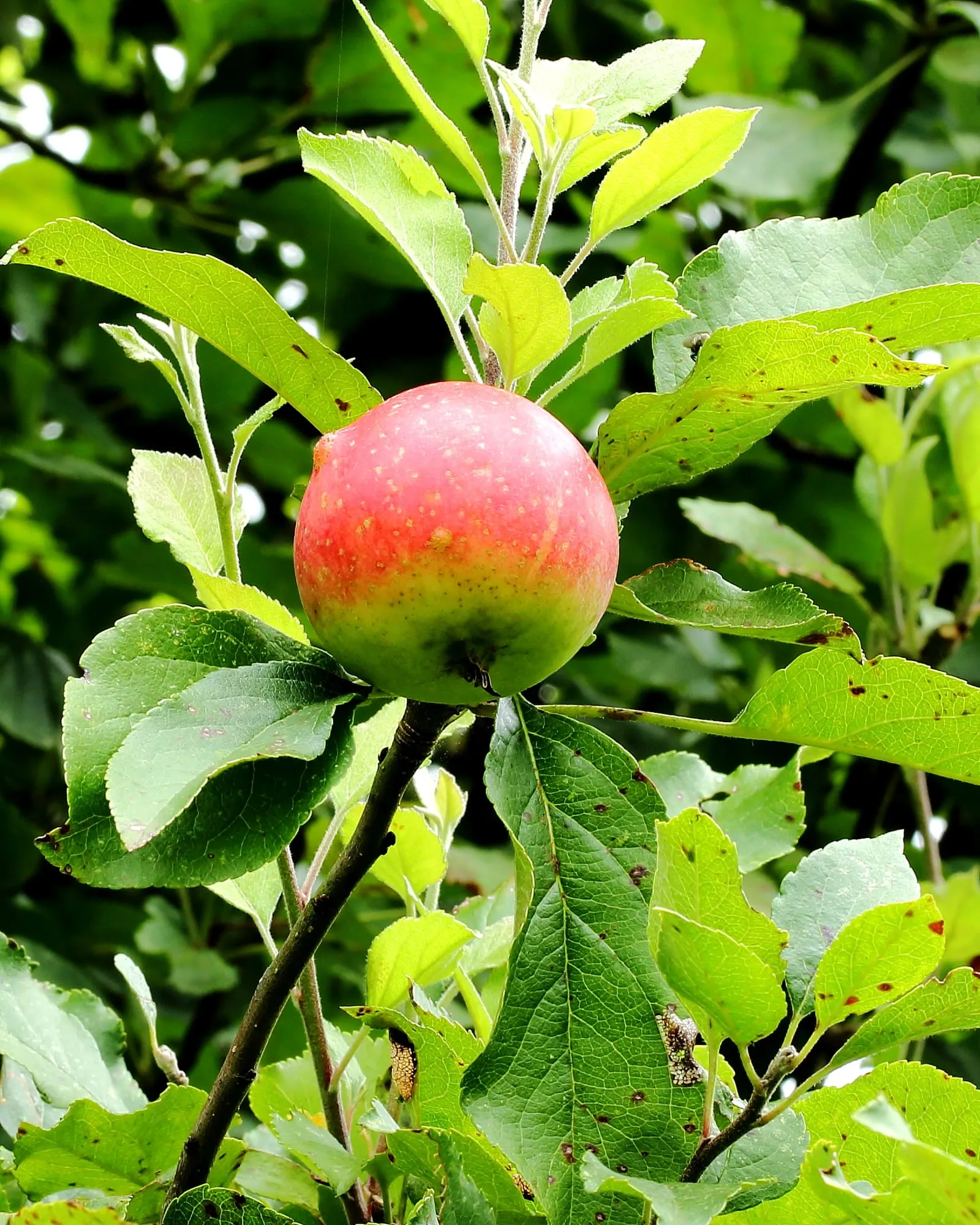 zone 6b
 Apple
Malus domestica
zones 3a–9a
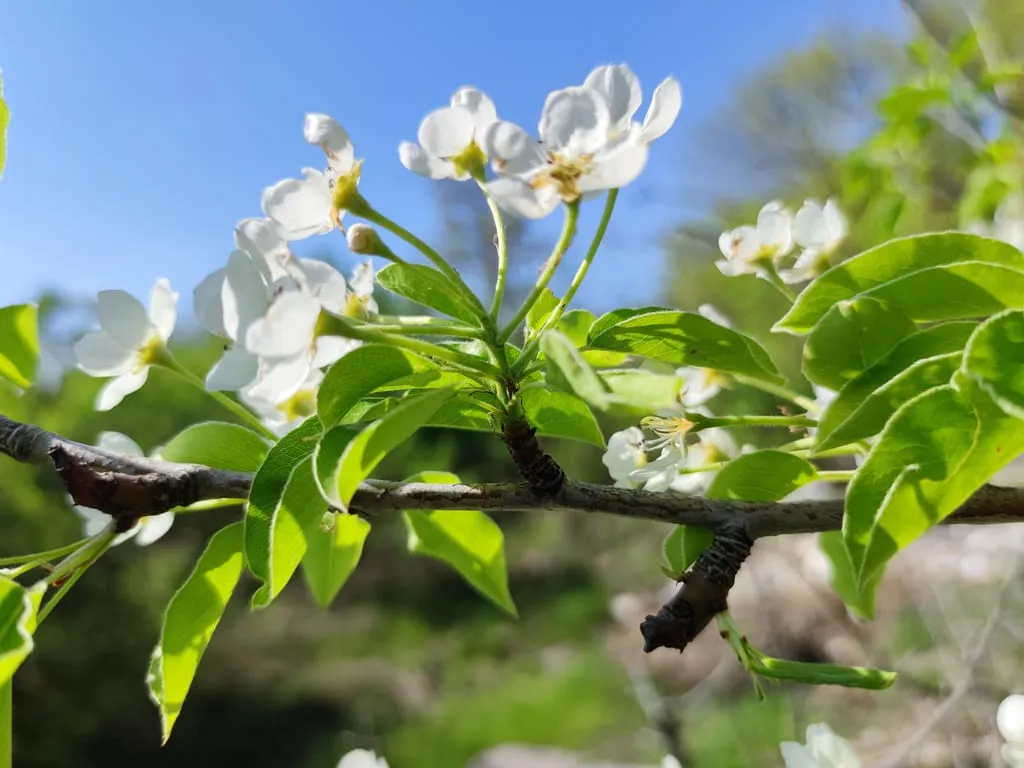 zone 6b
 Pear
Pyrus communis
zones 4a–8b
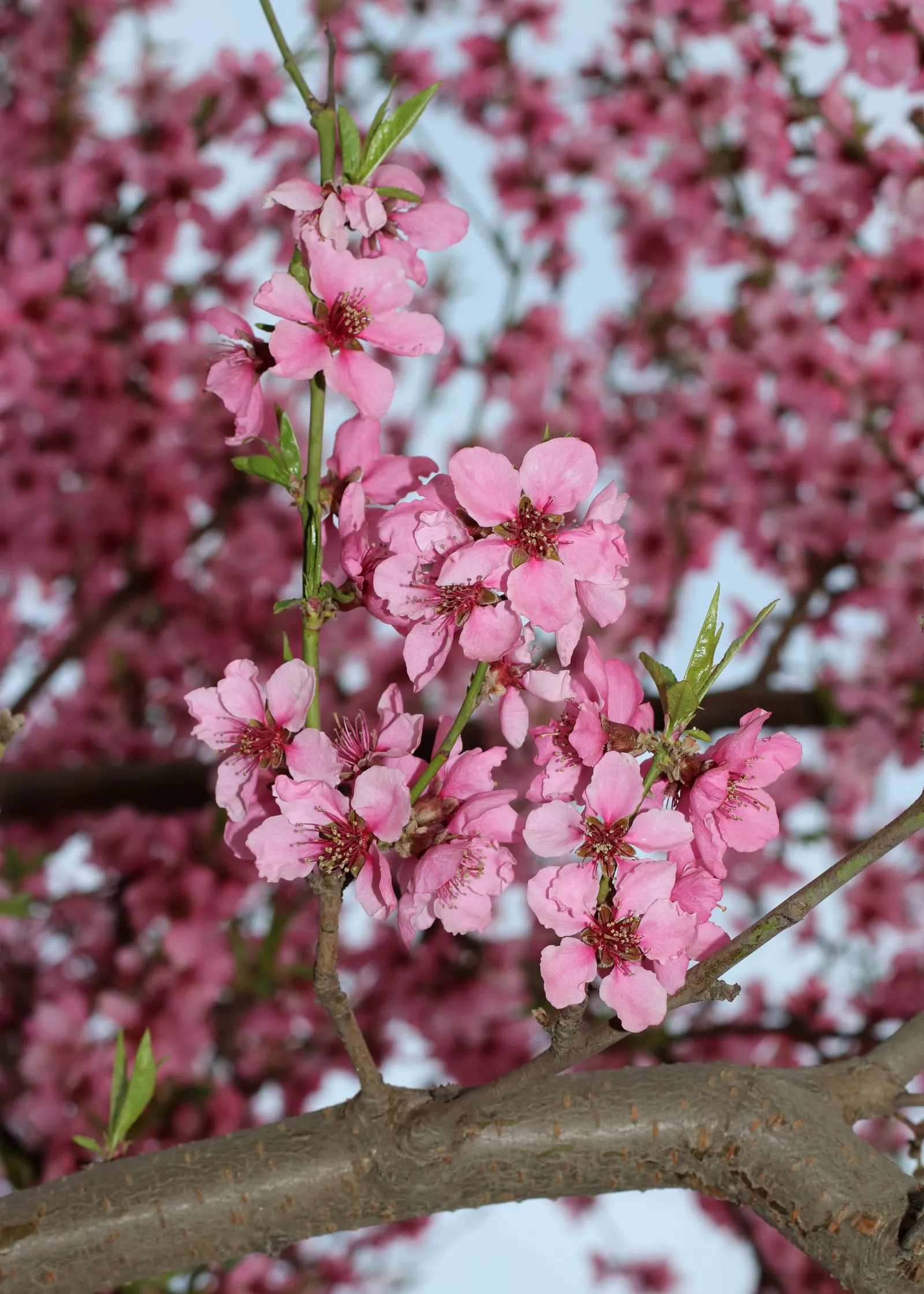 zone 6b
 Peach
Prunus persica
zones 5a–9a
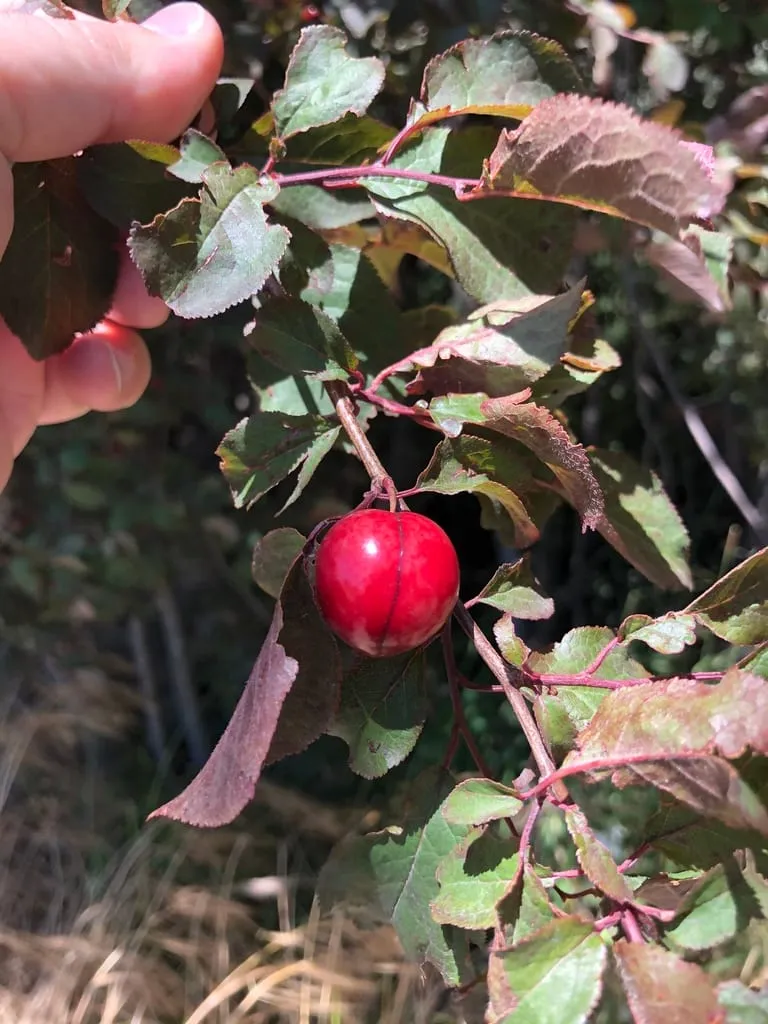 zone 6b
 European Plum
Prunus domestica
zones 4a–8a
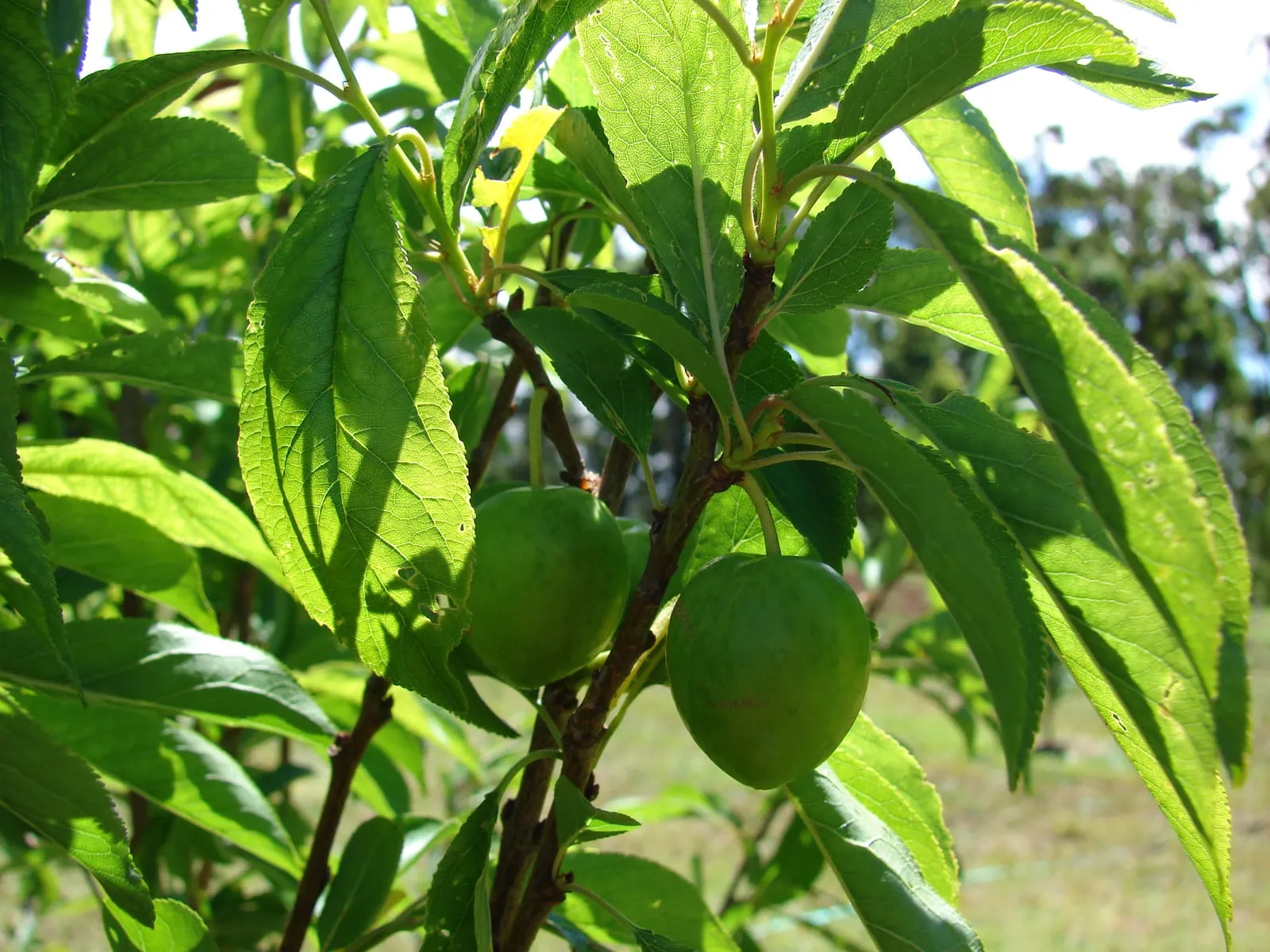 zone 6b
 Japanese Plum
Prunus salicina
zones 5b–9a
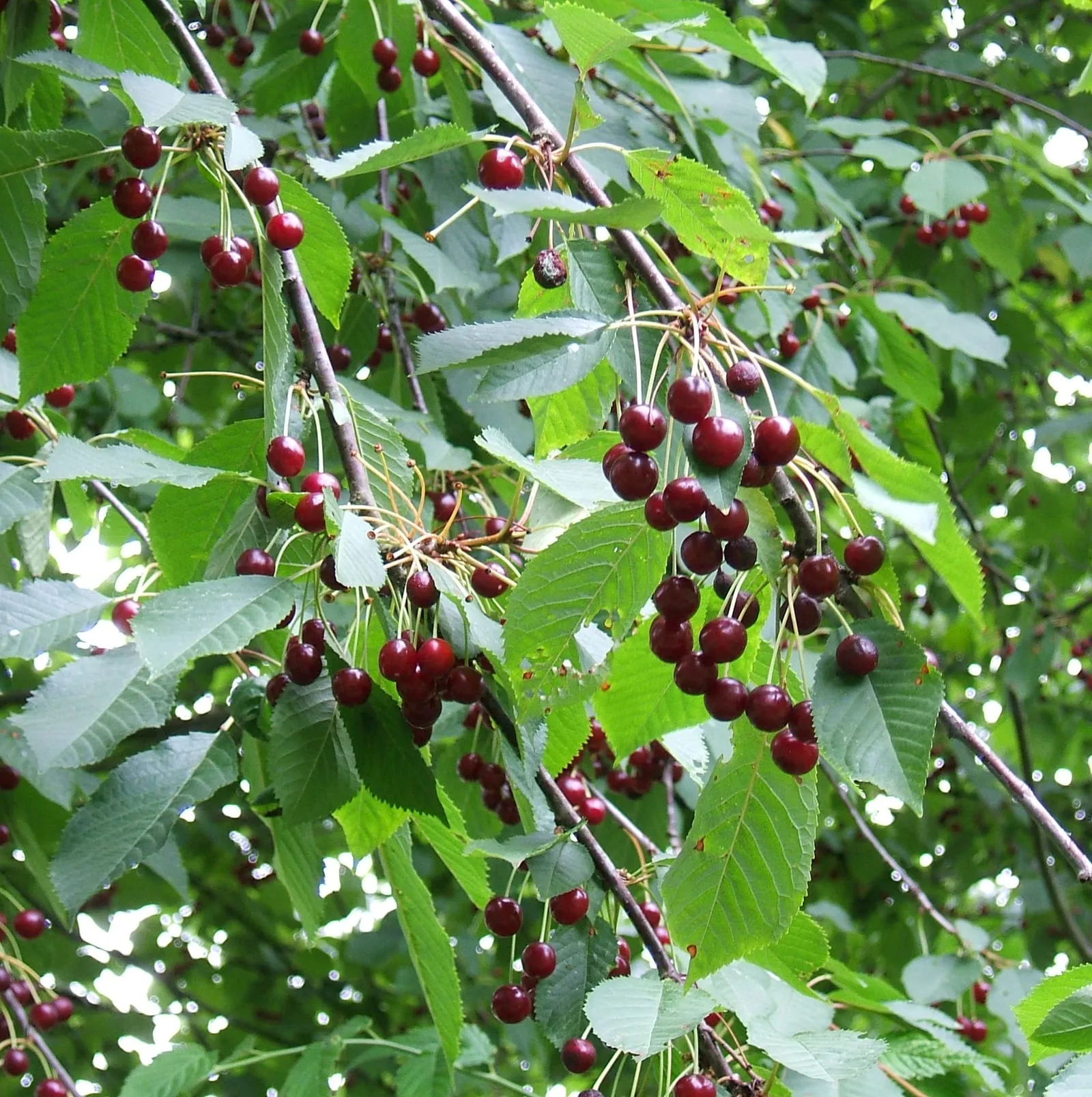 zone 6b
 Sweet Cherry
Prunus avium
zones 5a–8a
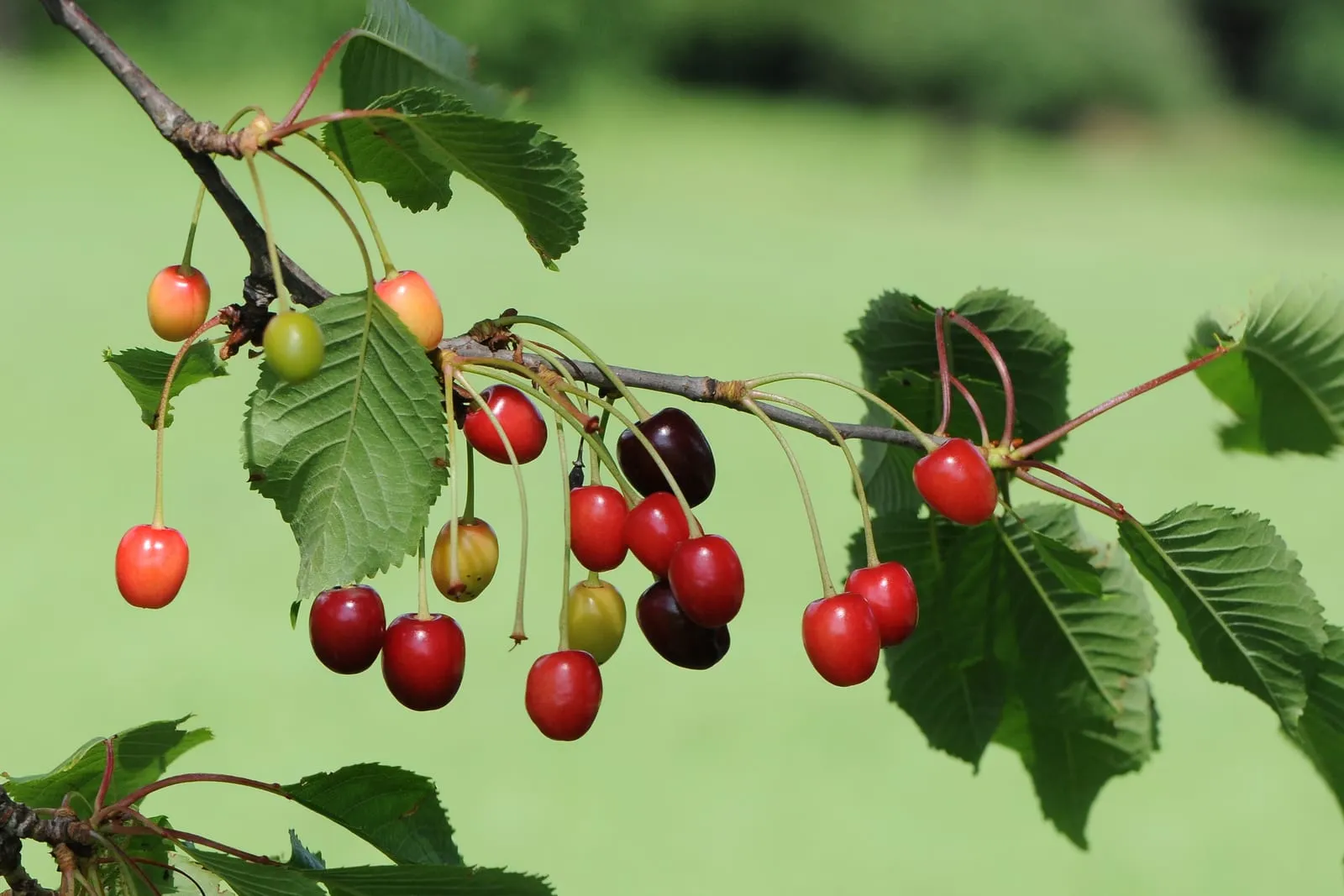 zone 6b
 Sour Cherry
Prunus cerasus
zones 4a–7b
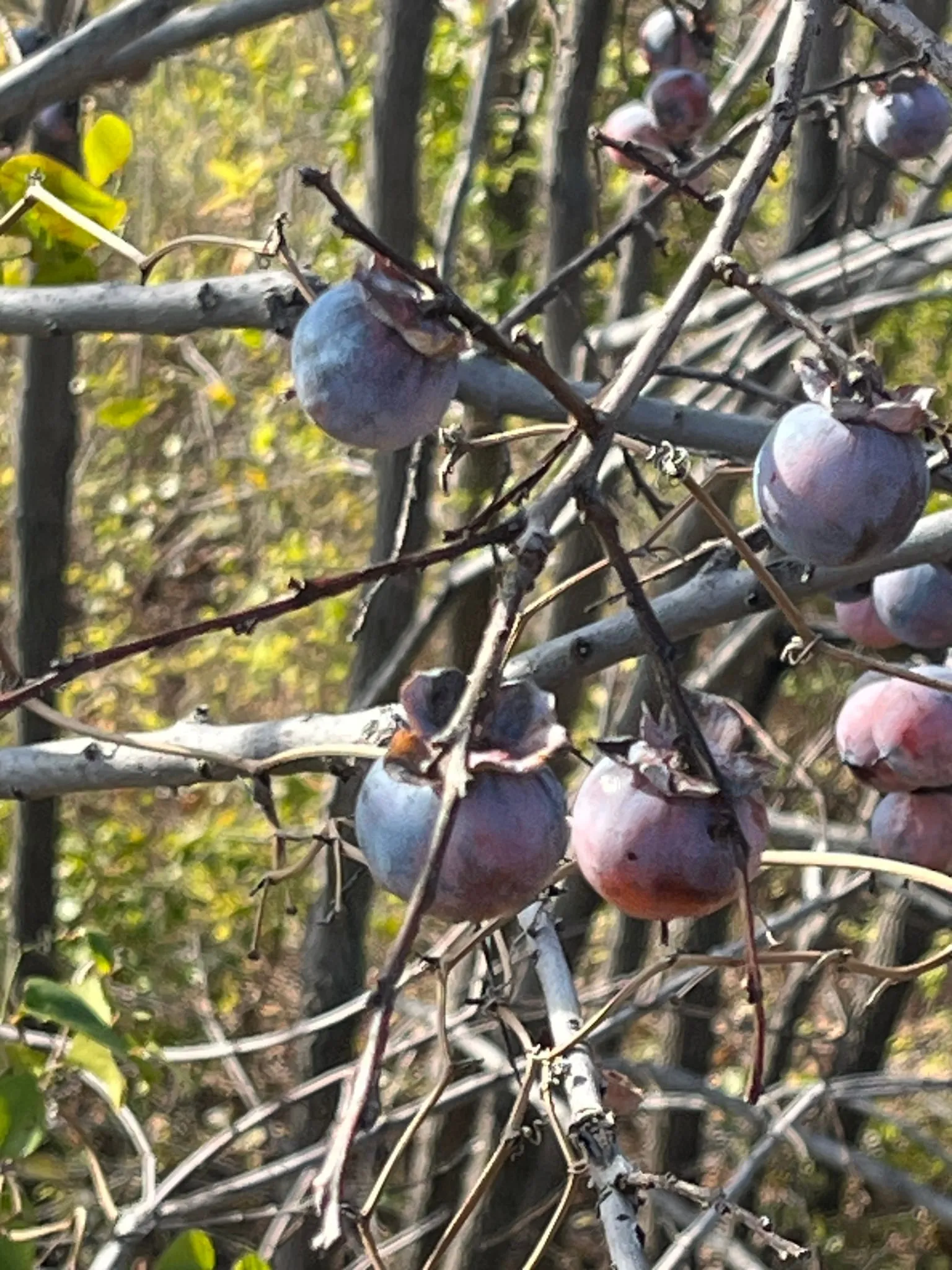 zone 6b
 American Persimmon
Diospyros virginiana
zones 4b–9a
Berries
20 crops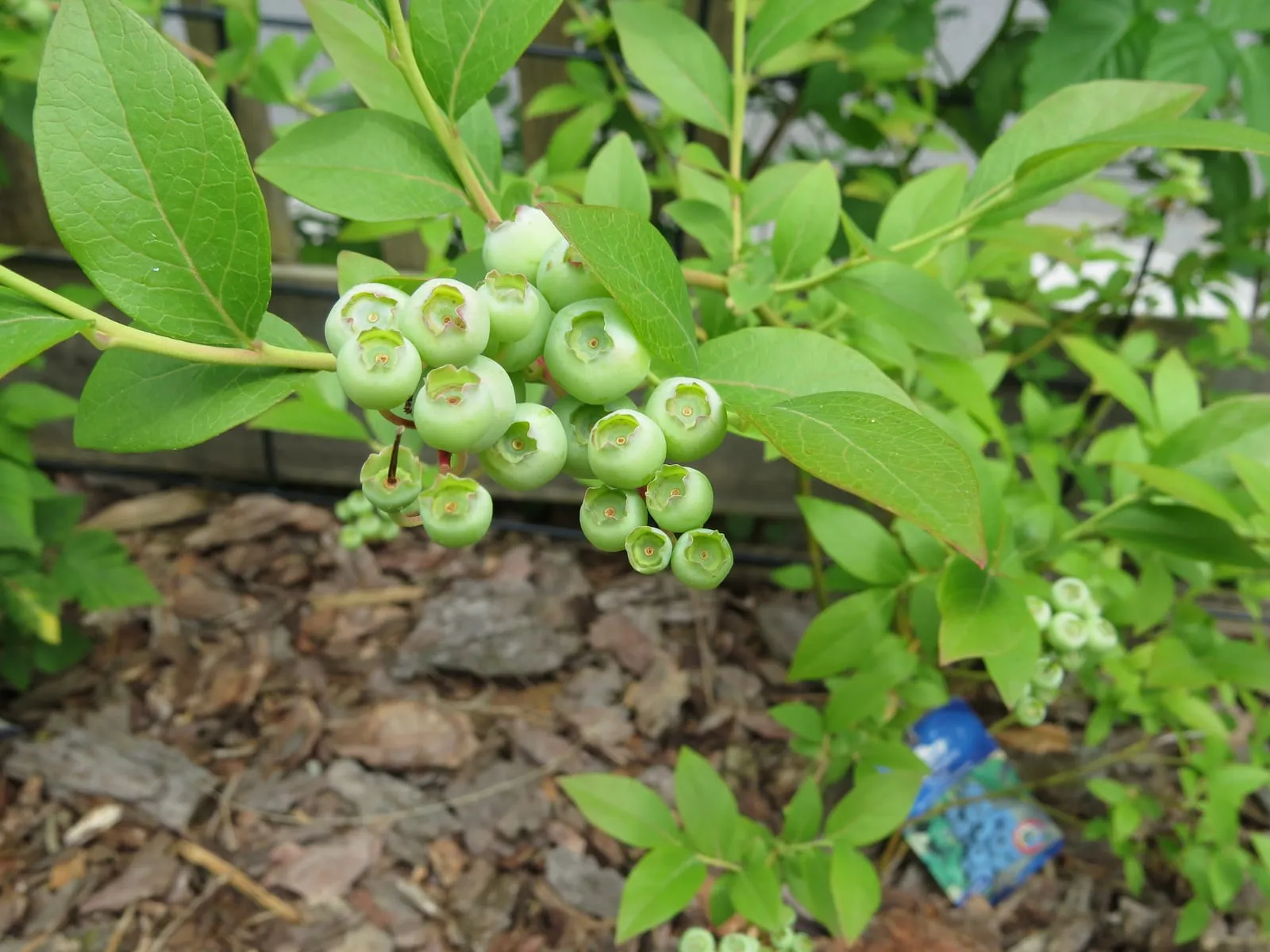 zone 6b
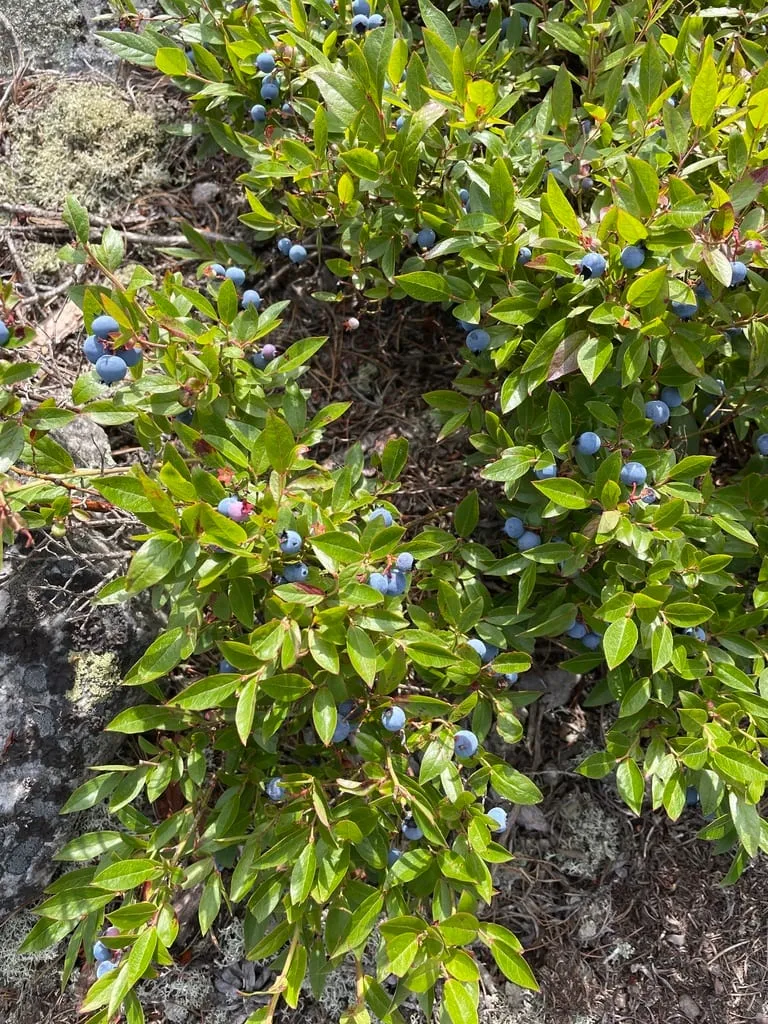
 Highbush Blueberry
Vaccinium corymbosum
zones 4a–7b
 zone 6b
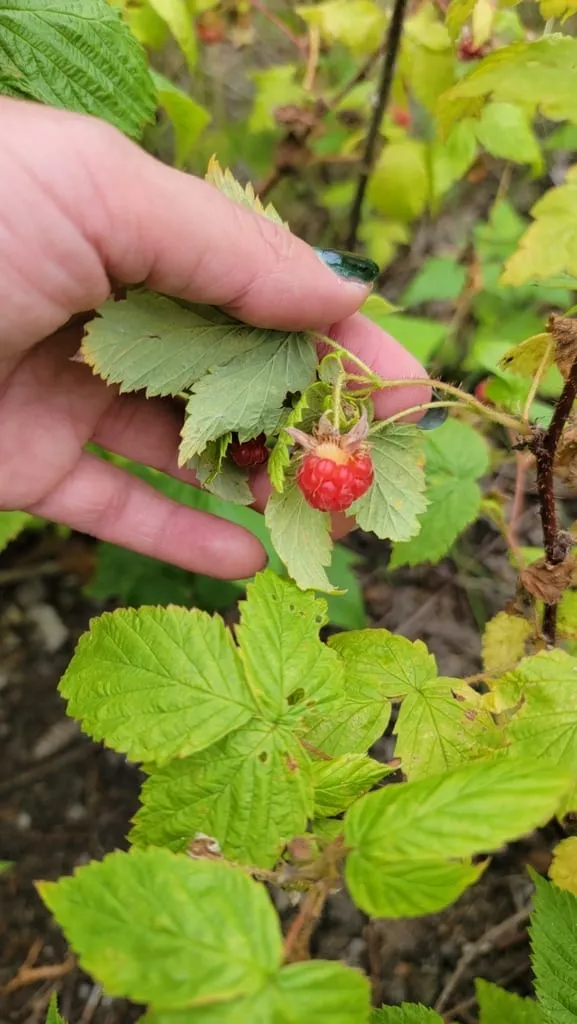
 Lowbush Blueberry
Vaccinium angustifolium
zones 3a–6b
 zone 6b
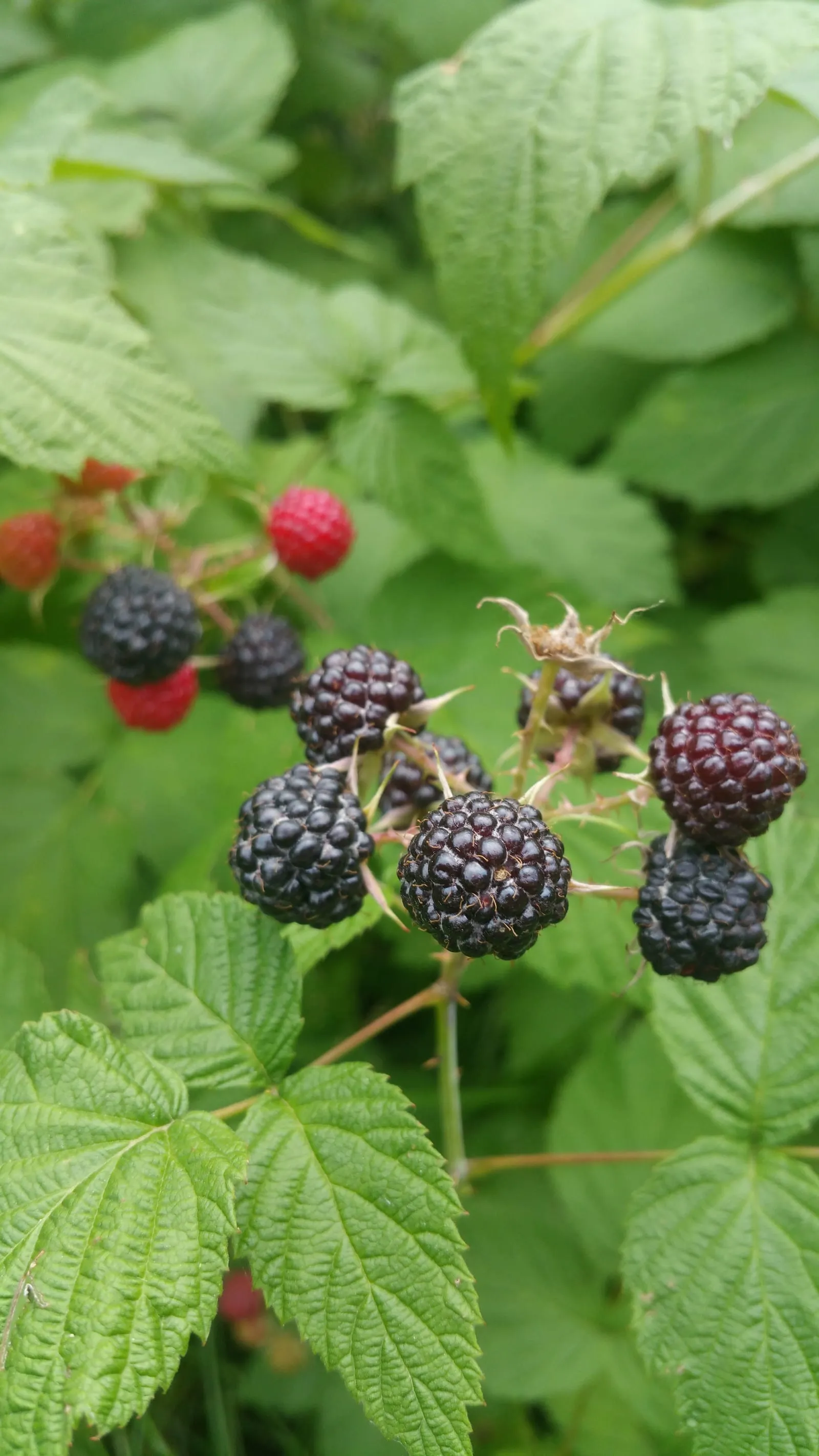
 Red Raspberry
Rubus idaeus
zones 3b–8a
 zone 6b
 Black Raspberry
Rubus occidentalis
zones 4a–8a
 zone 6b
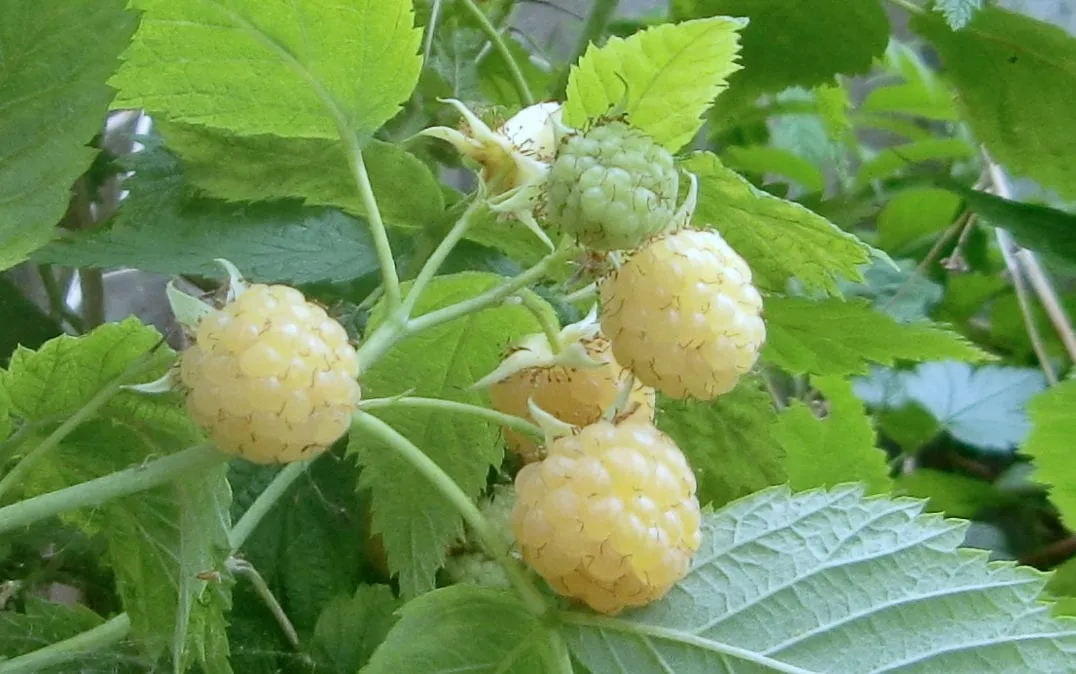
 Yellow Raspberry
Rubus idaeus
zones 3b–8a
 zone 6b
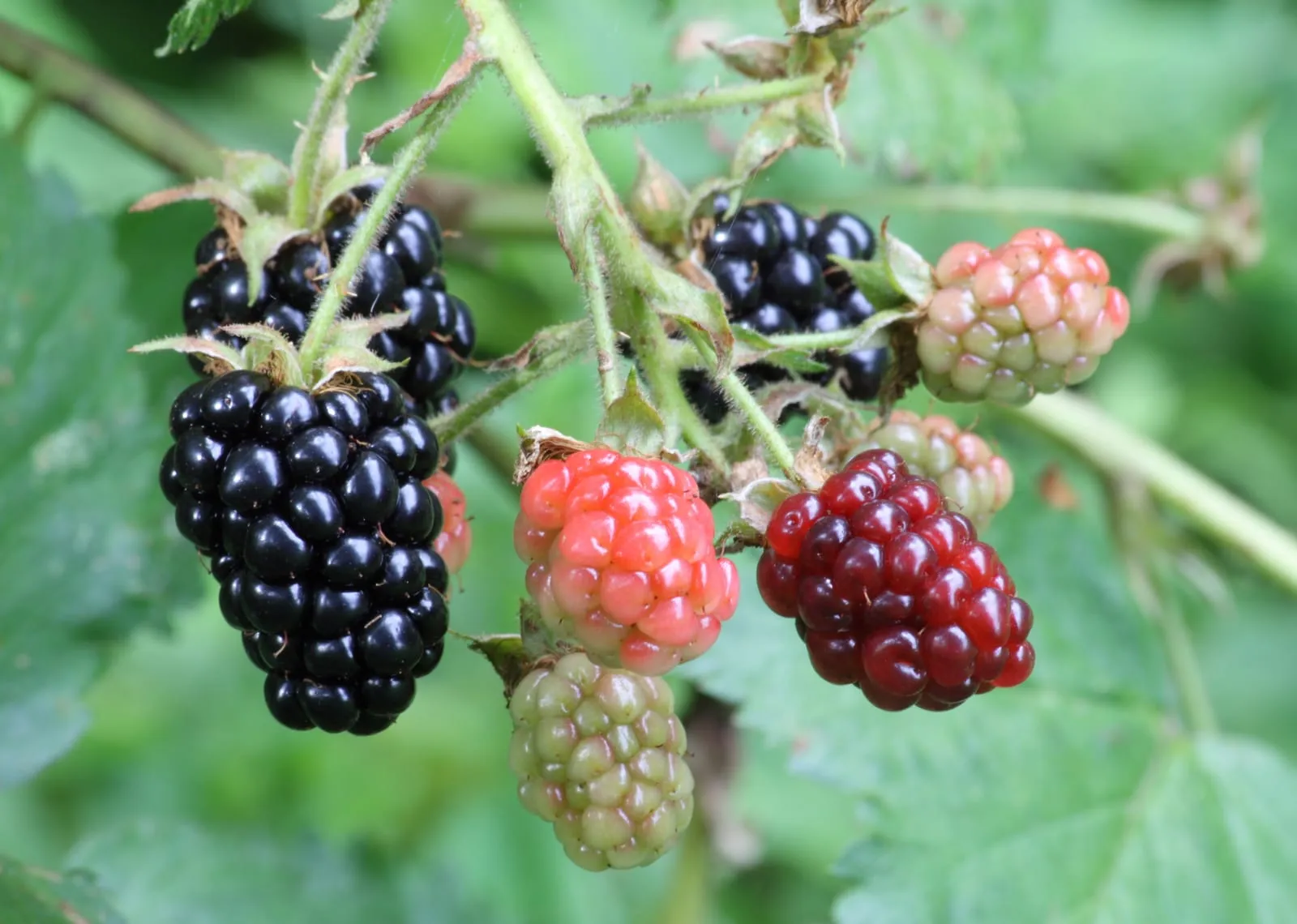
 Blackberry
Rubus subgenus Rubus
zones 5a–9a
 zone 6b
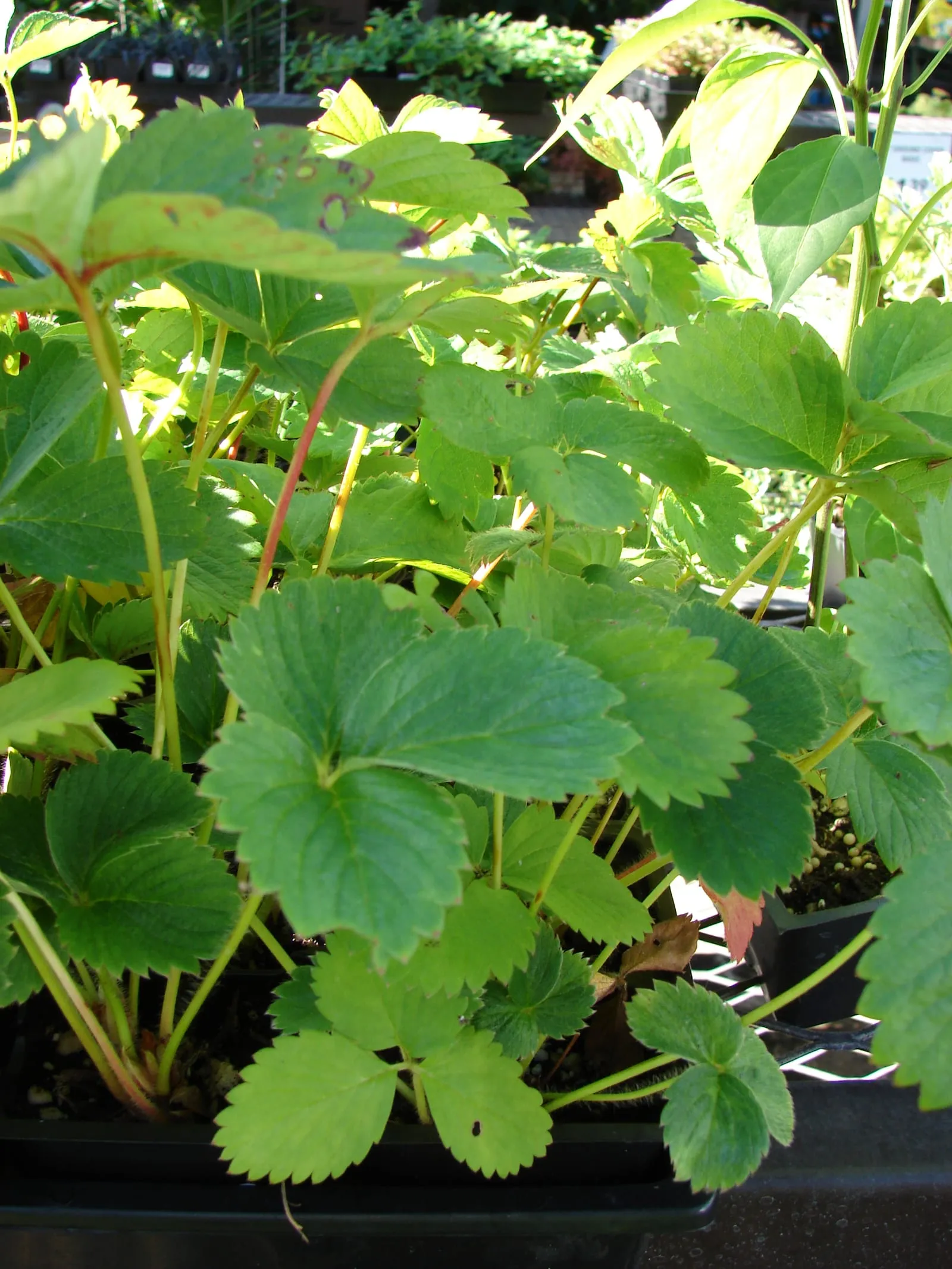
 June-Bearing Strawberry
Fragaria x ananassa
zones 3a–8b
zone 6b Everbearing Strawberry
Fragaria x ananassa
zones 3b–9a
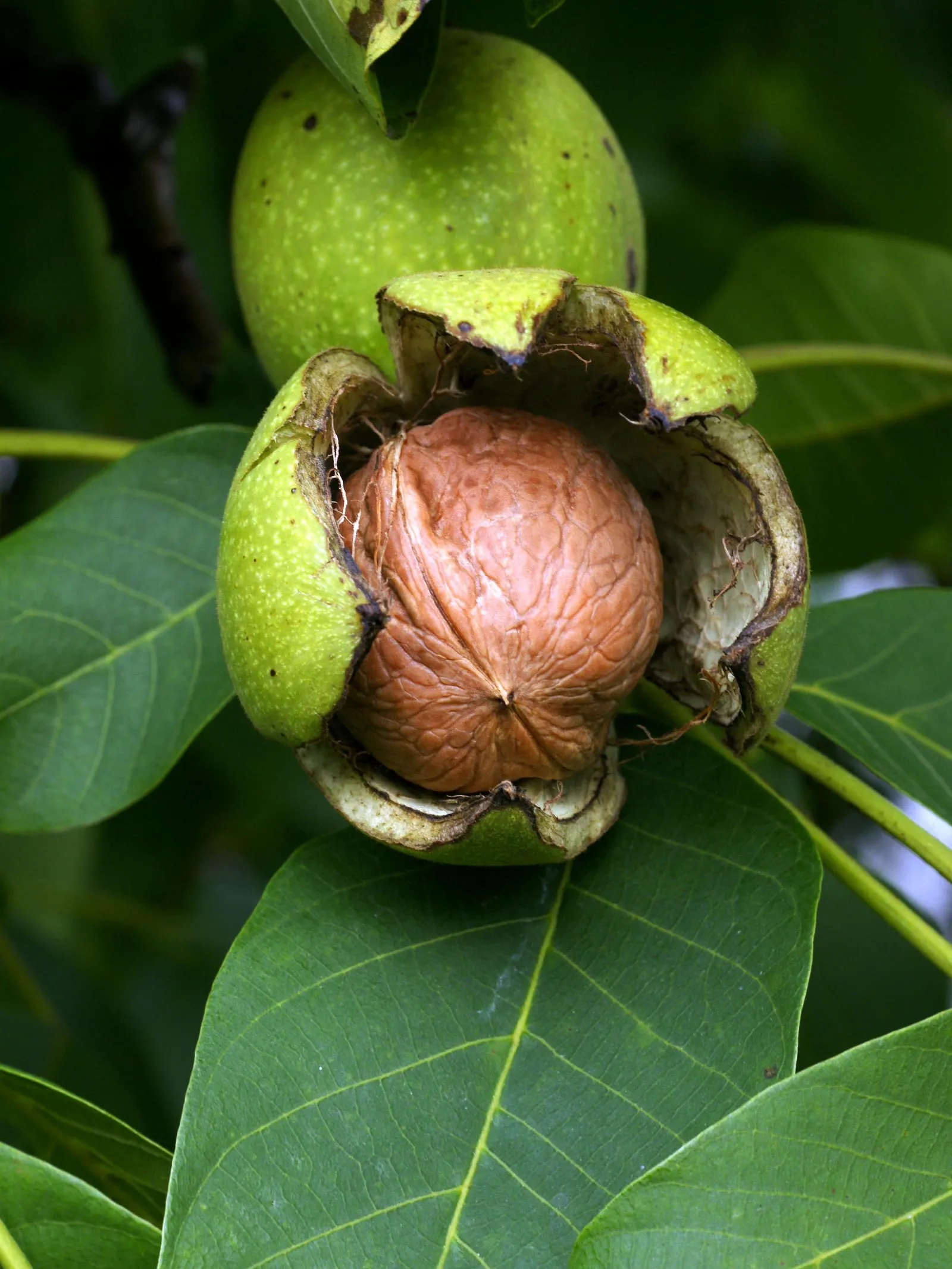
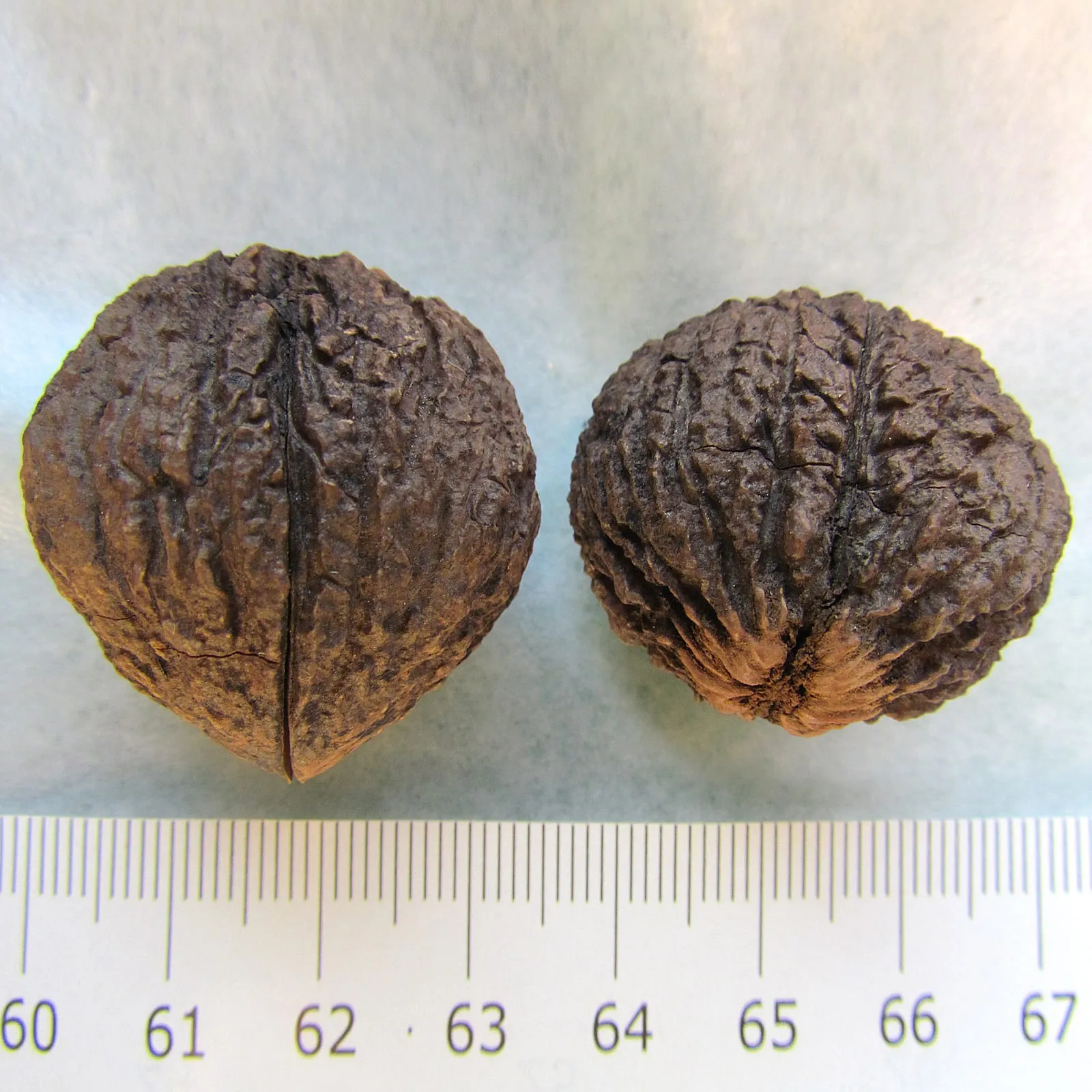
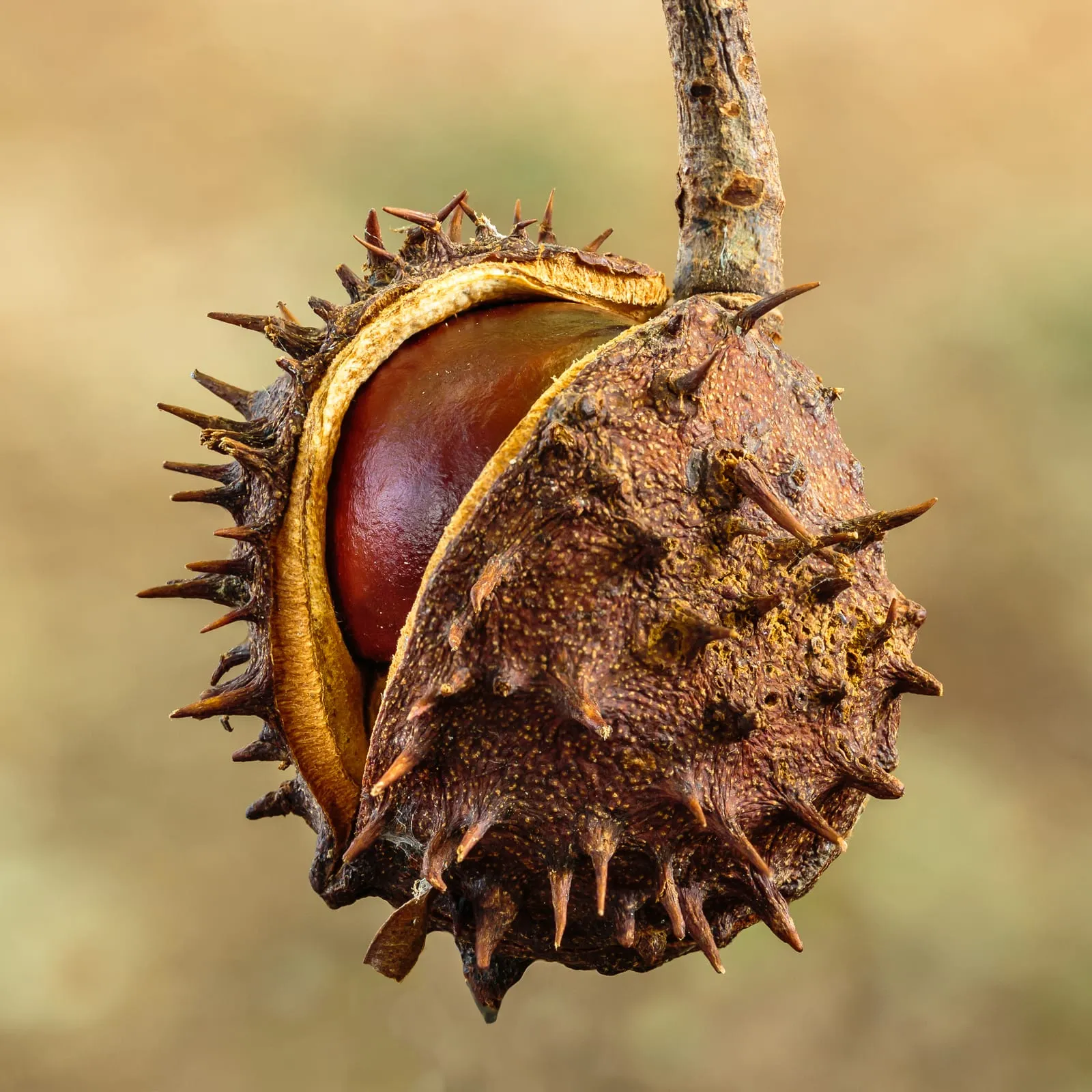
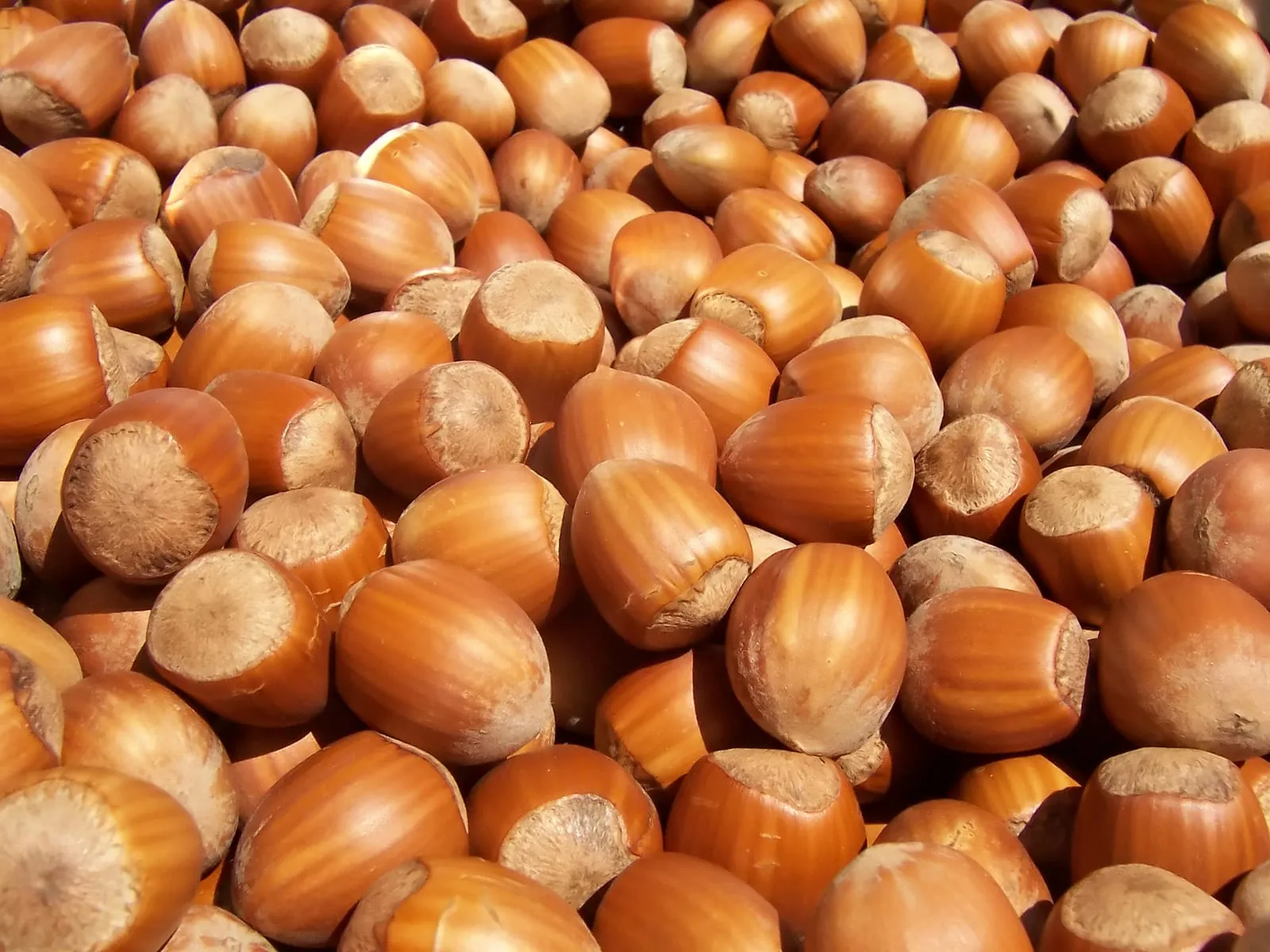
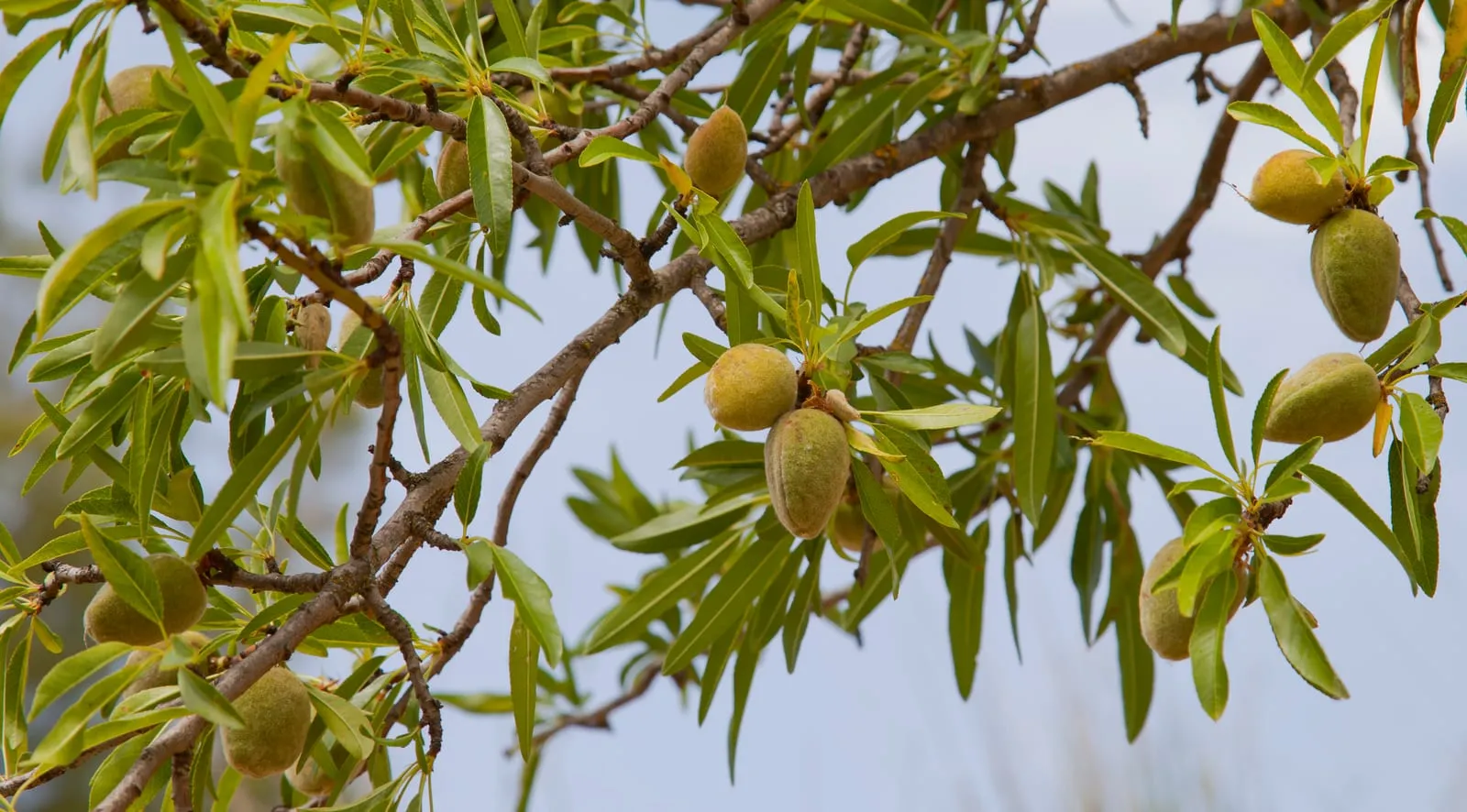
Nuts
6 crops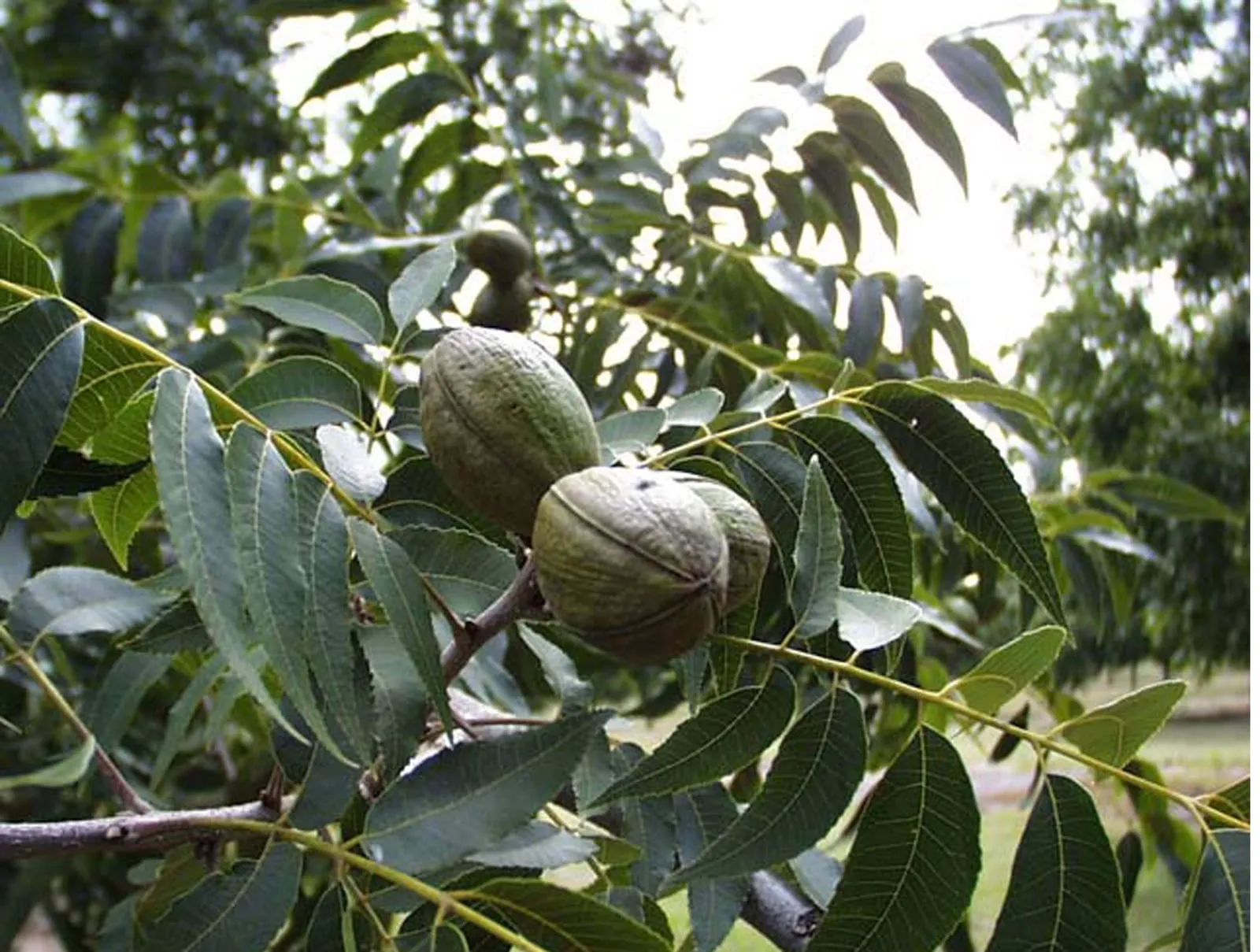
Vegetables
40 crops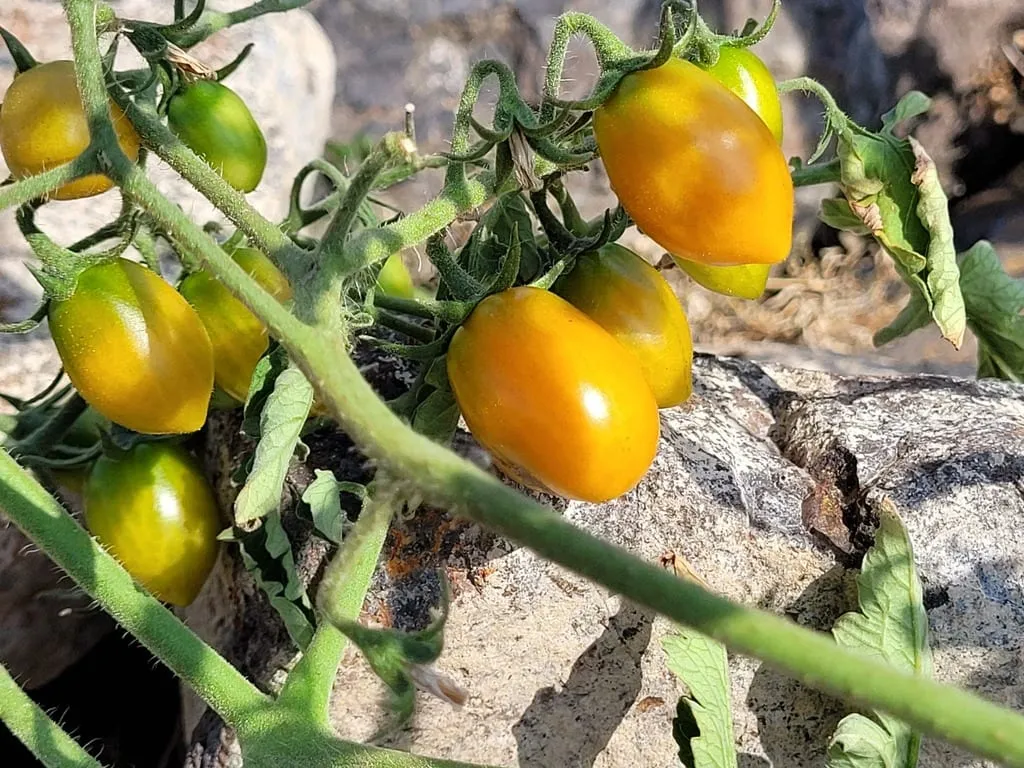 zone 6b
 Tomato
Solanum lycopersicum
zones 3a–10b
 zone 6b
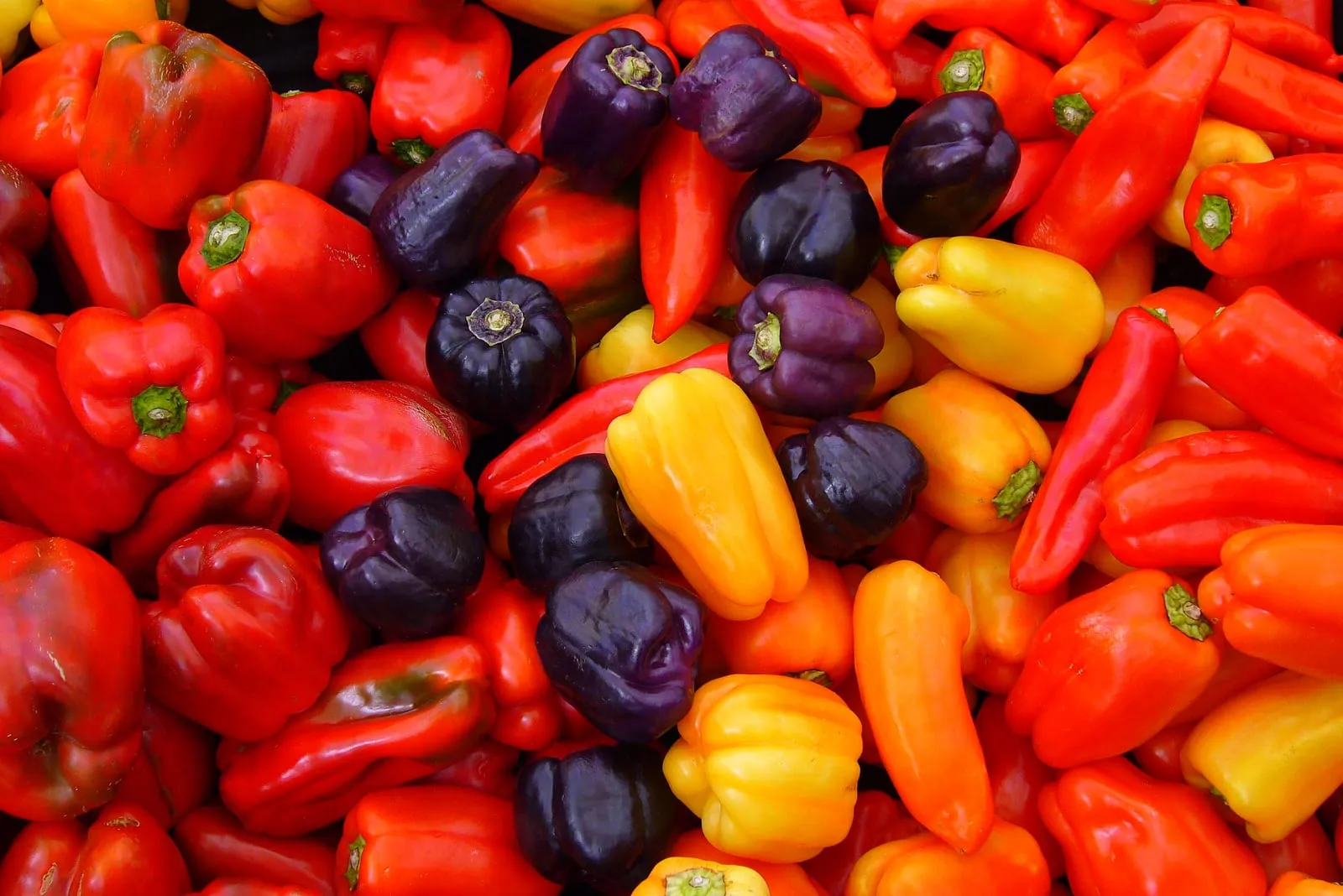
 Sweet Pepper
Capsicum annuum
zones 4a–10b
 zone 6b
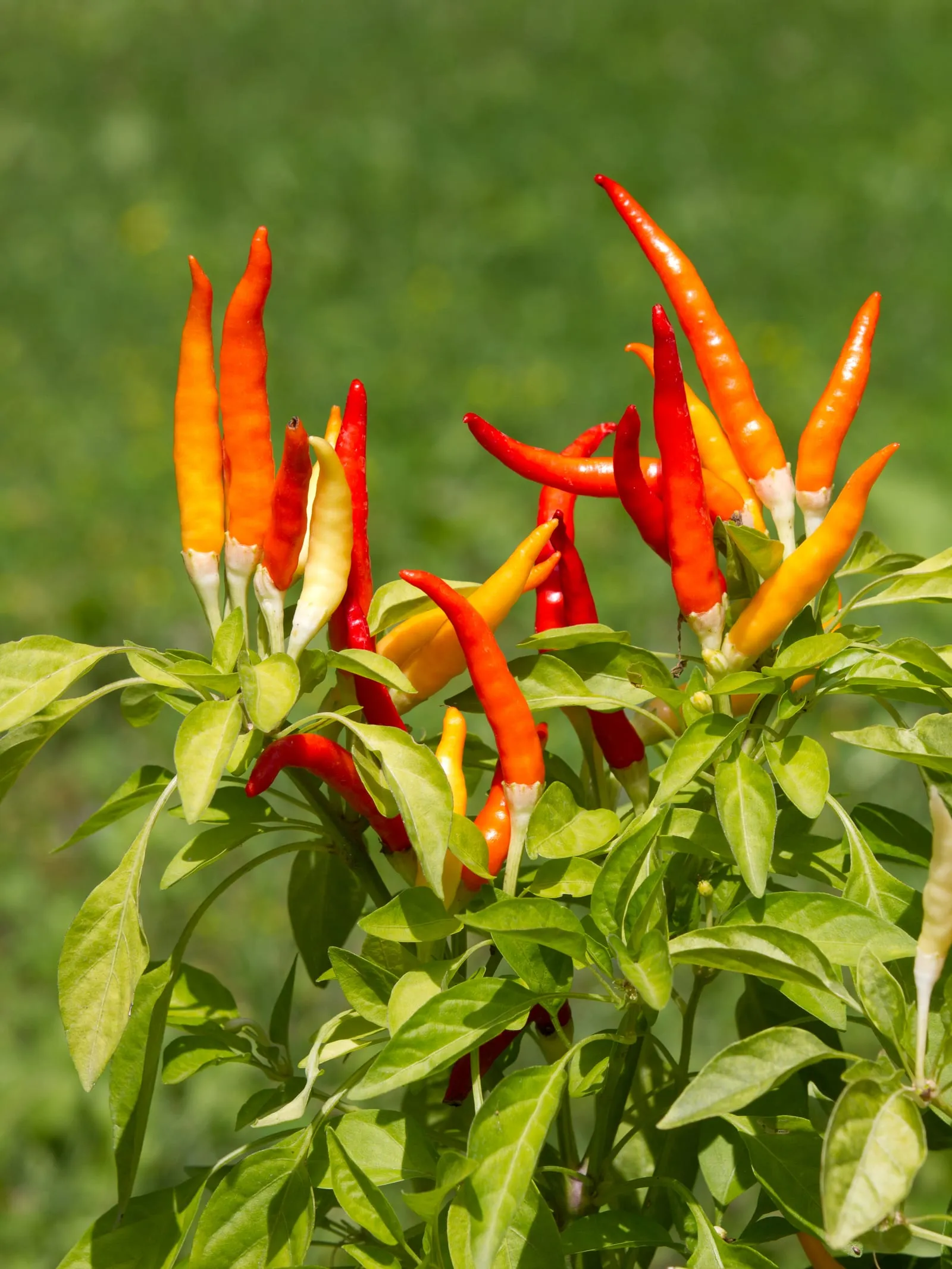
 Hot Pepper
Capsicum species
zones 4a–10b
 zone 6b
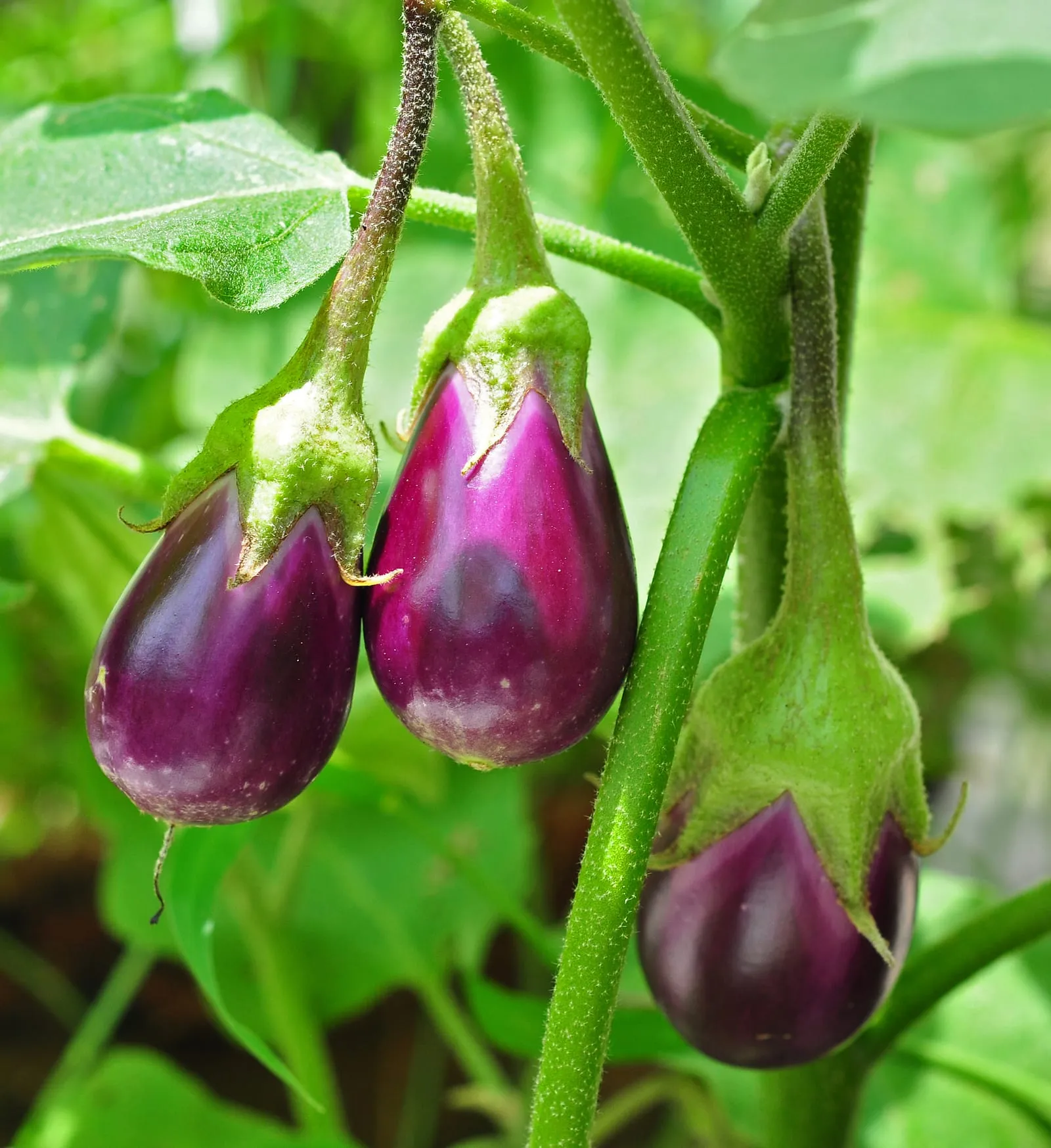
 Eggplant
Solanum melongena
zones 5a–10b
 zone 6b
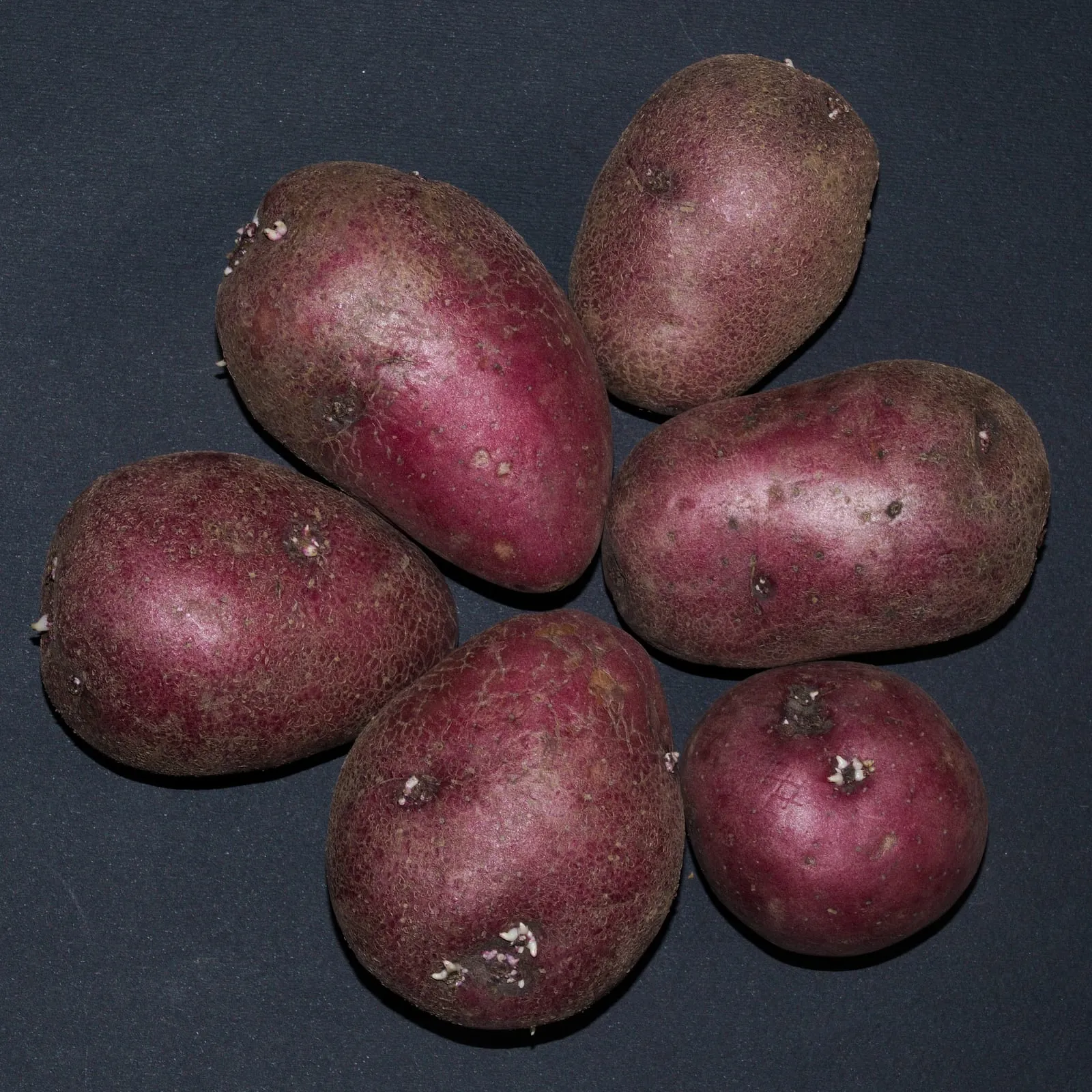
 Potato
Solanum tuberosum
zones 3a–9a
 zone 6b
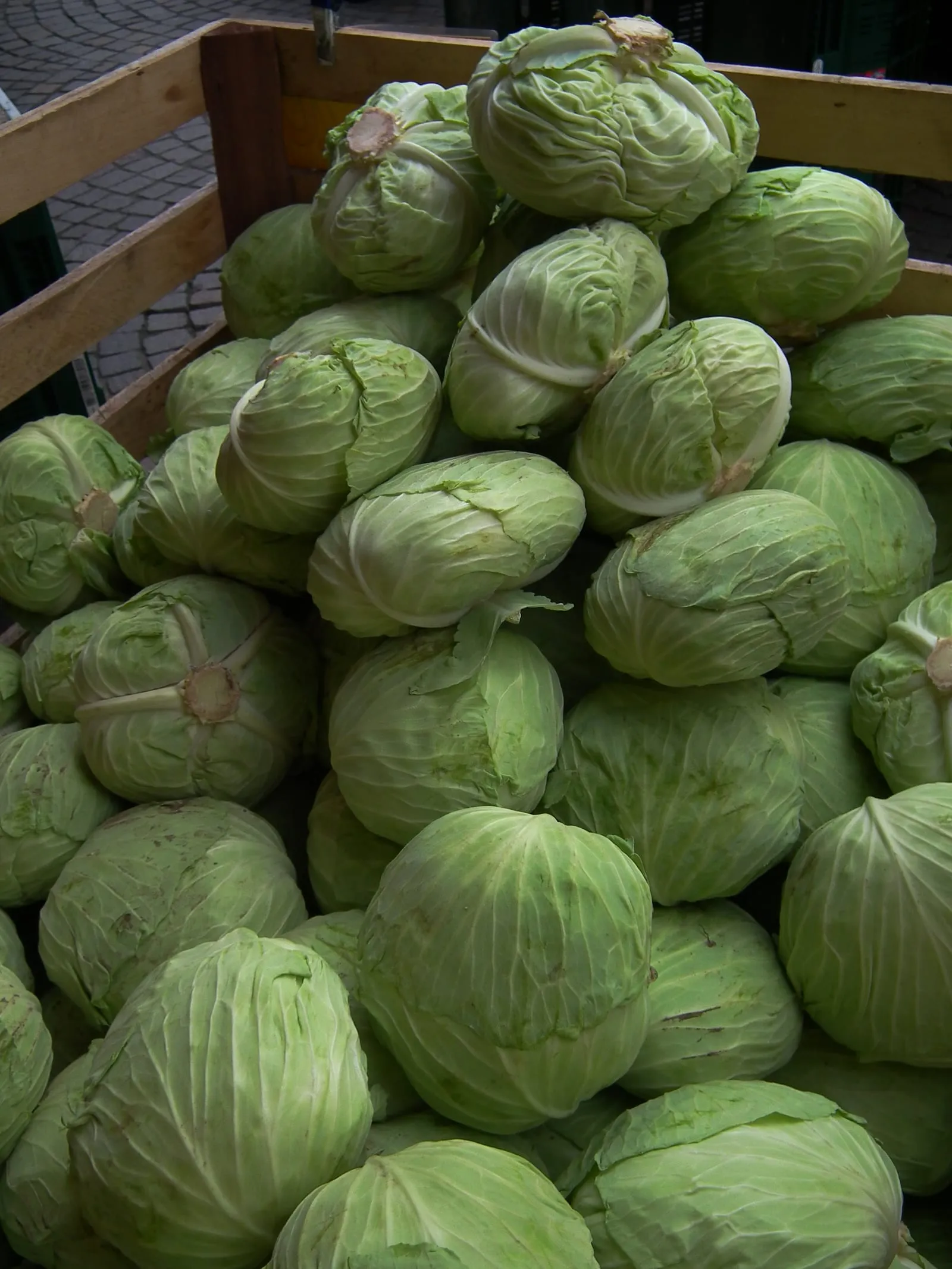
 Cabbage
Brassica oleracea var. capitata
zones 3a–9b
 zone 6b
 Broccoli
Brassica oleracea var. italica
zones 3a–9a
 zone 6b
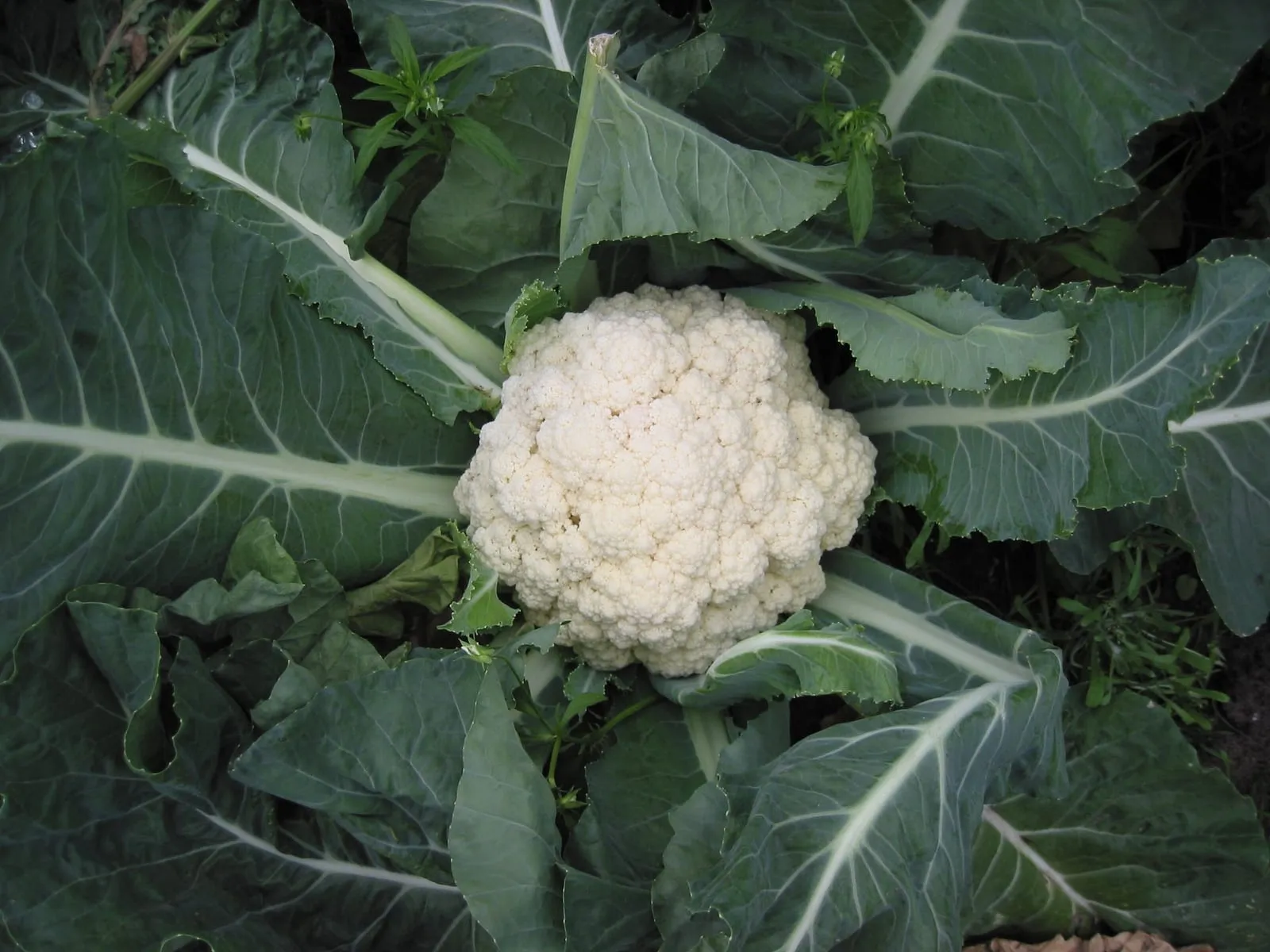
 Cauliflower
Brassica oleracea var. botrytis
zones 3b–9a
Herbs
9 crops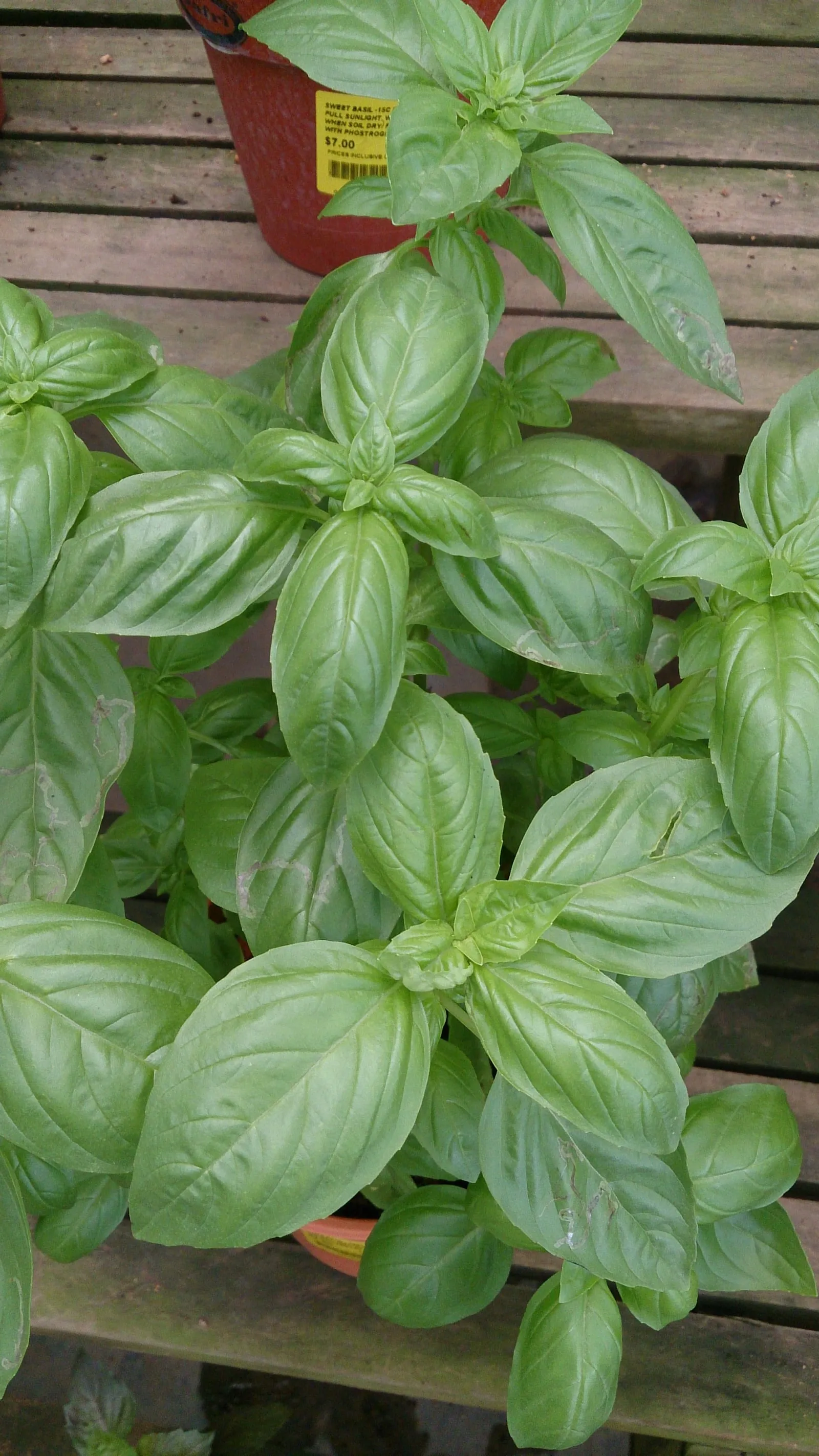 zone 6b
 Basil
Ocimum basilicum
zones 4a–10b
 zone 6b
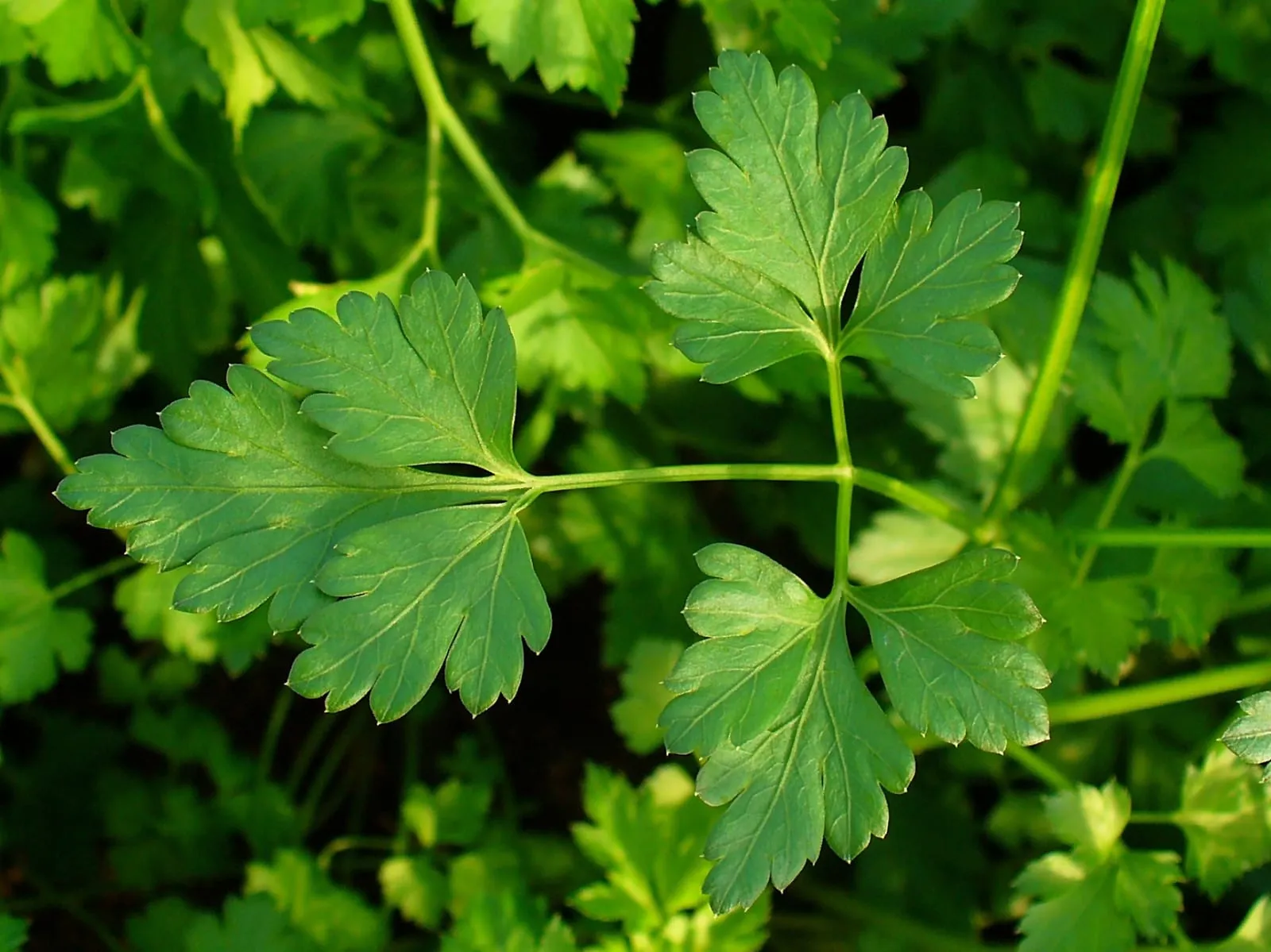
 Parsley
Petroselinum crispum
zones 3b–9b
 zone 6b
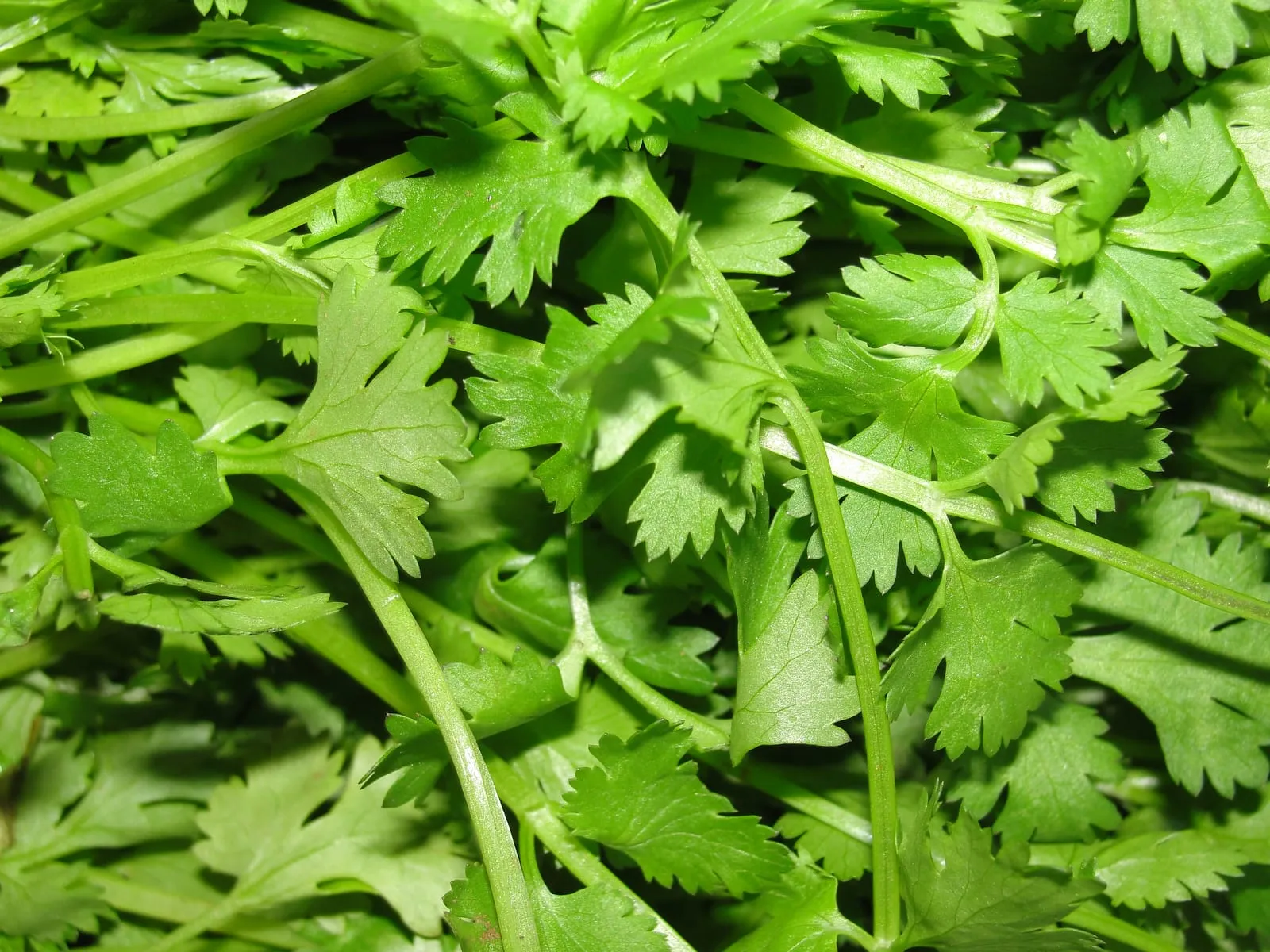
 Cilantro / Coriander
Coriandrum sativum
zones 3b–9b
 zone 6b
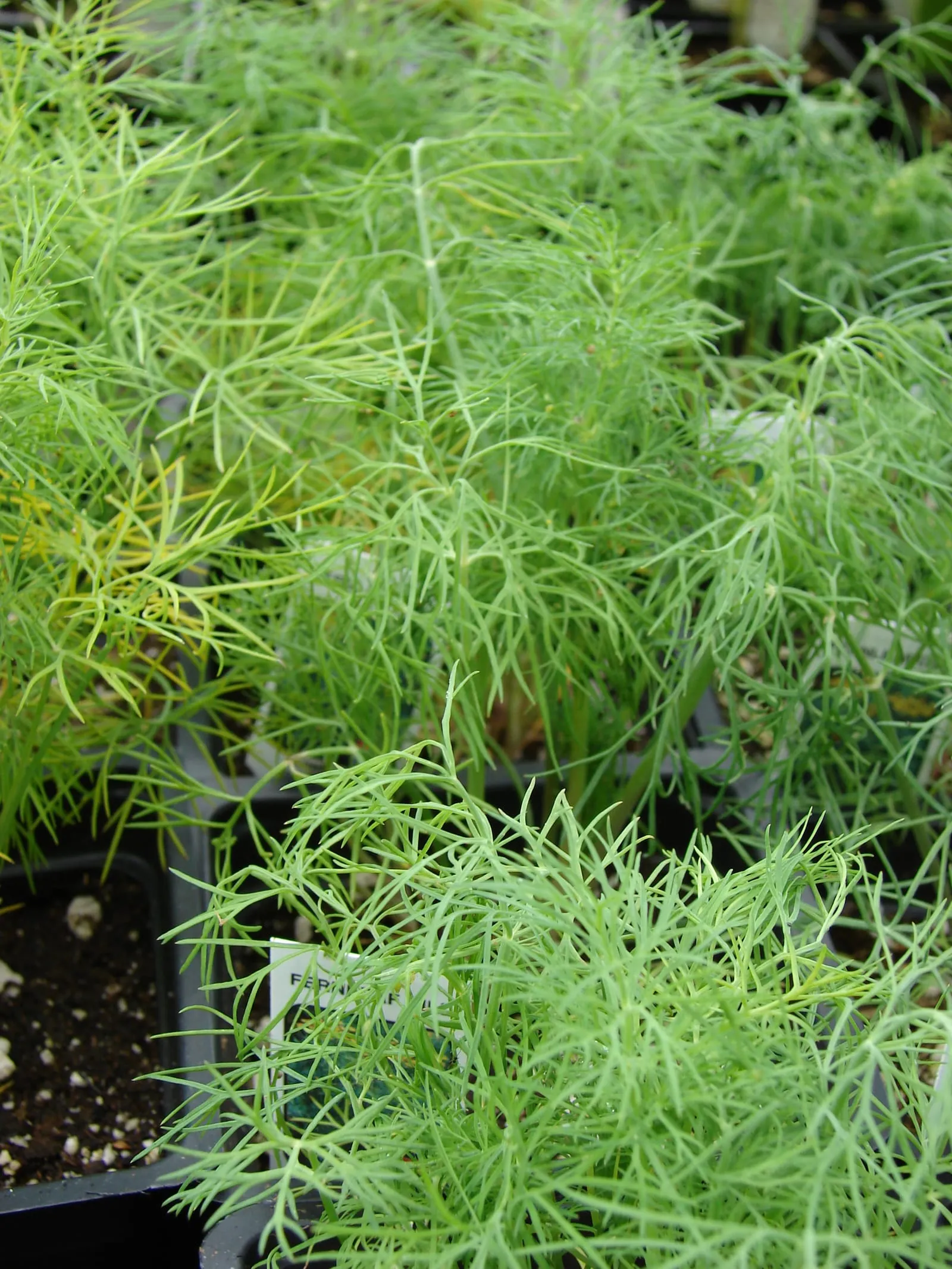
 Dill
Anethum graveolens
zones 3b–9a
 zone 6b
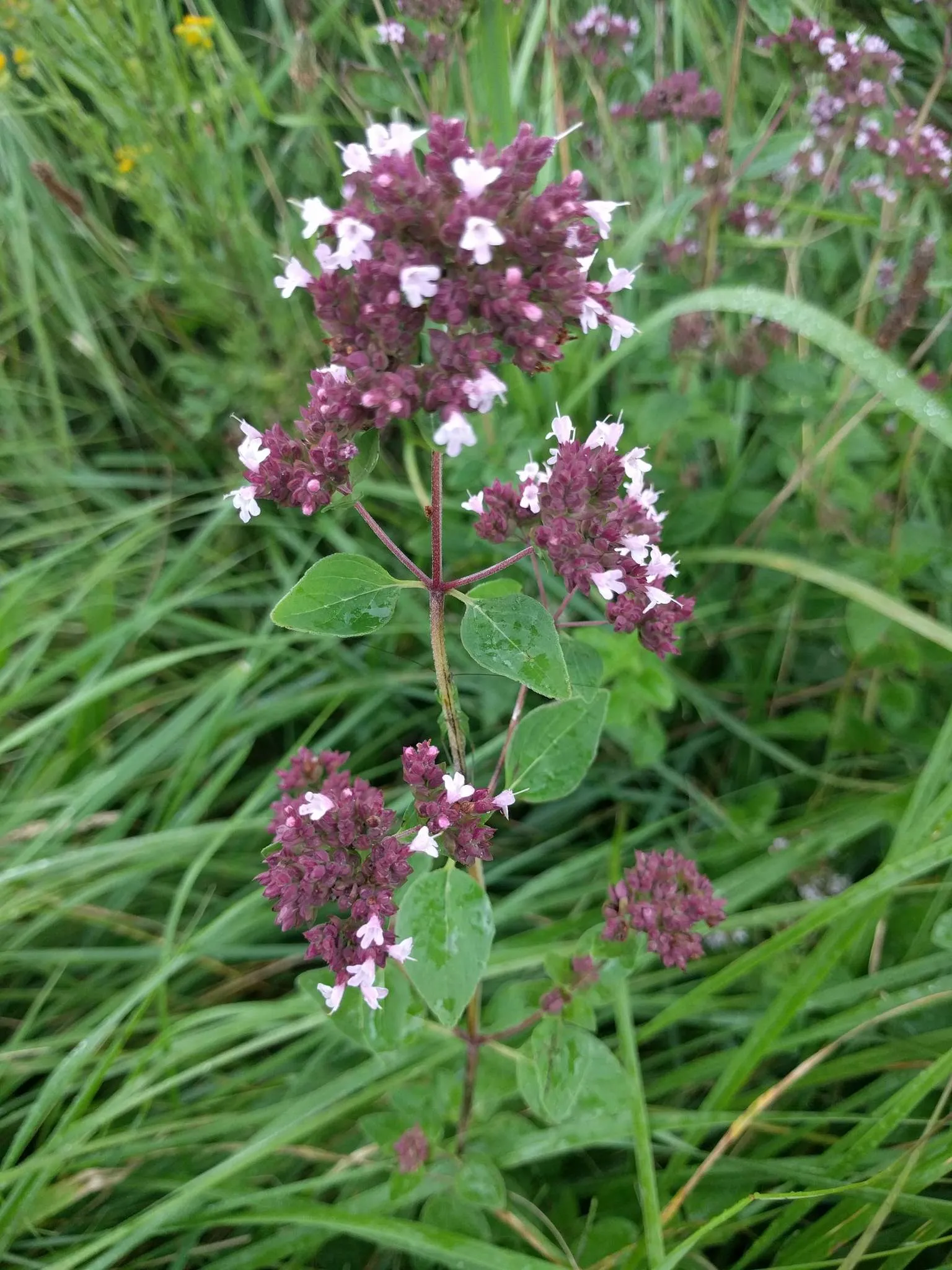
 Oregano
Origanum vulgare
zones 4a–9b
 zone 6b
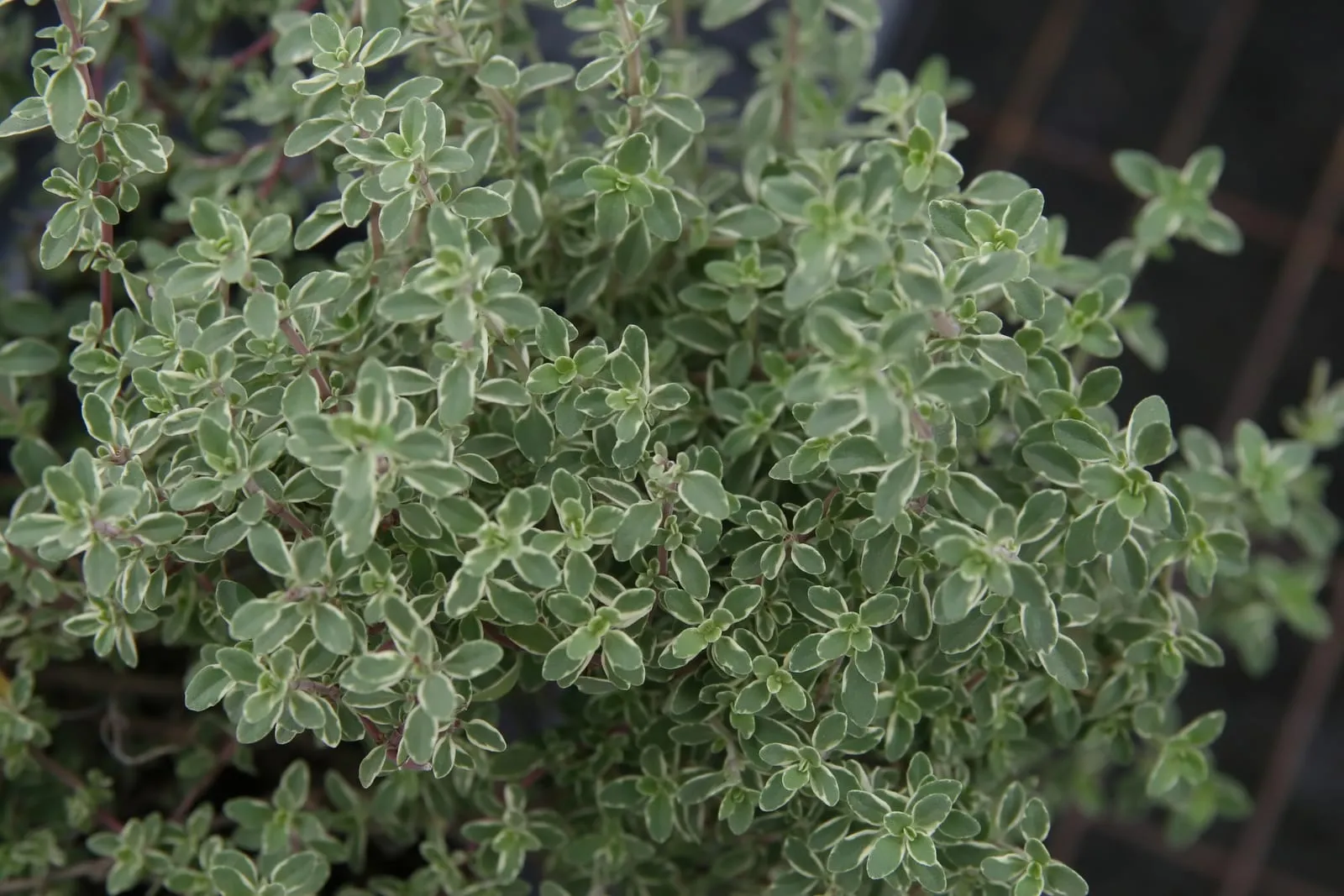
 Thyme
Thymus vulgaris
zones 4a–9a
 zone 6b
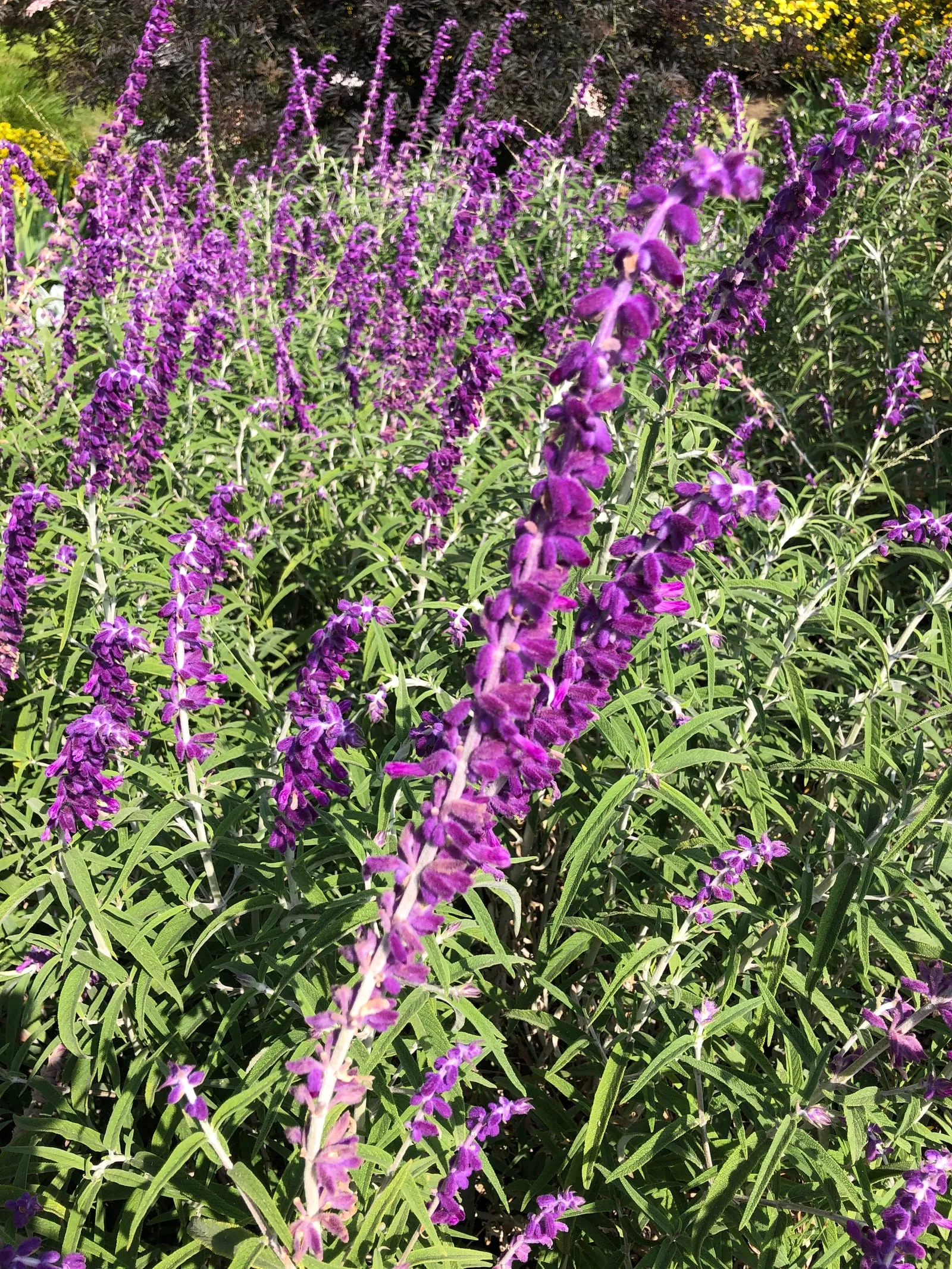
 Sage
Salvia officinalis
zones 4a–9a
 zone 6b
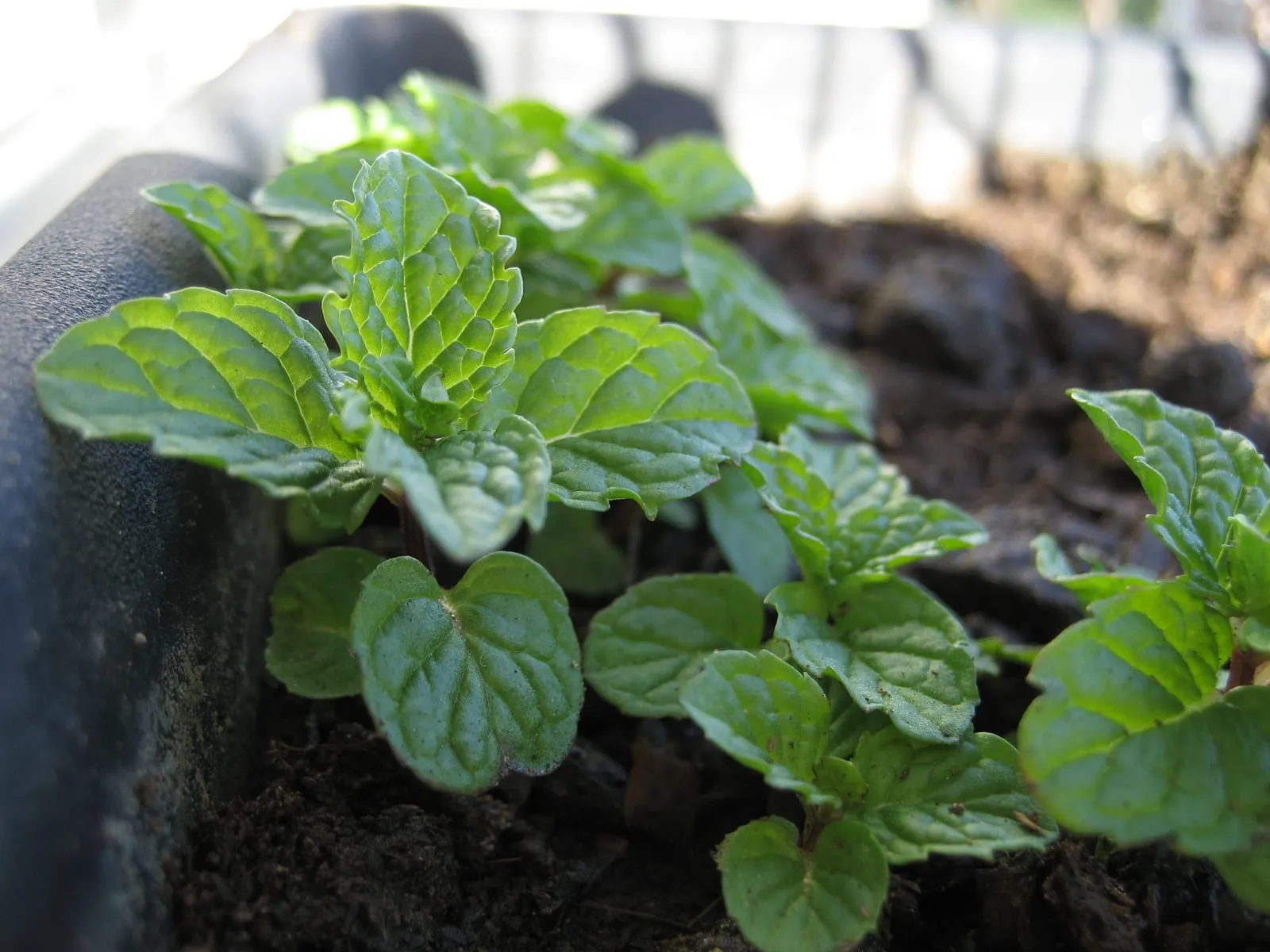
 Mint
Mentha species
zones 3b–9b
Plan the year
Planting calendar for Cleveland
Year-view of seed starting, transplanting, planting, pruning, fertilizing, harvest, and pest-watch windows tuned to Cleveland's local frost dates.
Week ? · loading
This week in Cleveland, OH (zone 6b)
Quiet week in Cleveland, OH (zone 6b). this week is a good time to step back and plan ahead.
Nothing critical on the calendar this week.
434 bars · 87 crops
Calendar logic combines NOAA frost normals with crop-specific timing data. Local microclimate and weather always overrules the calendar; use this as a starting point.
Top pests for zone 6b
Ranked by how many crops in your zone they affect. Click through for IPM controls and signs to watch for.
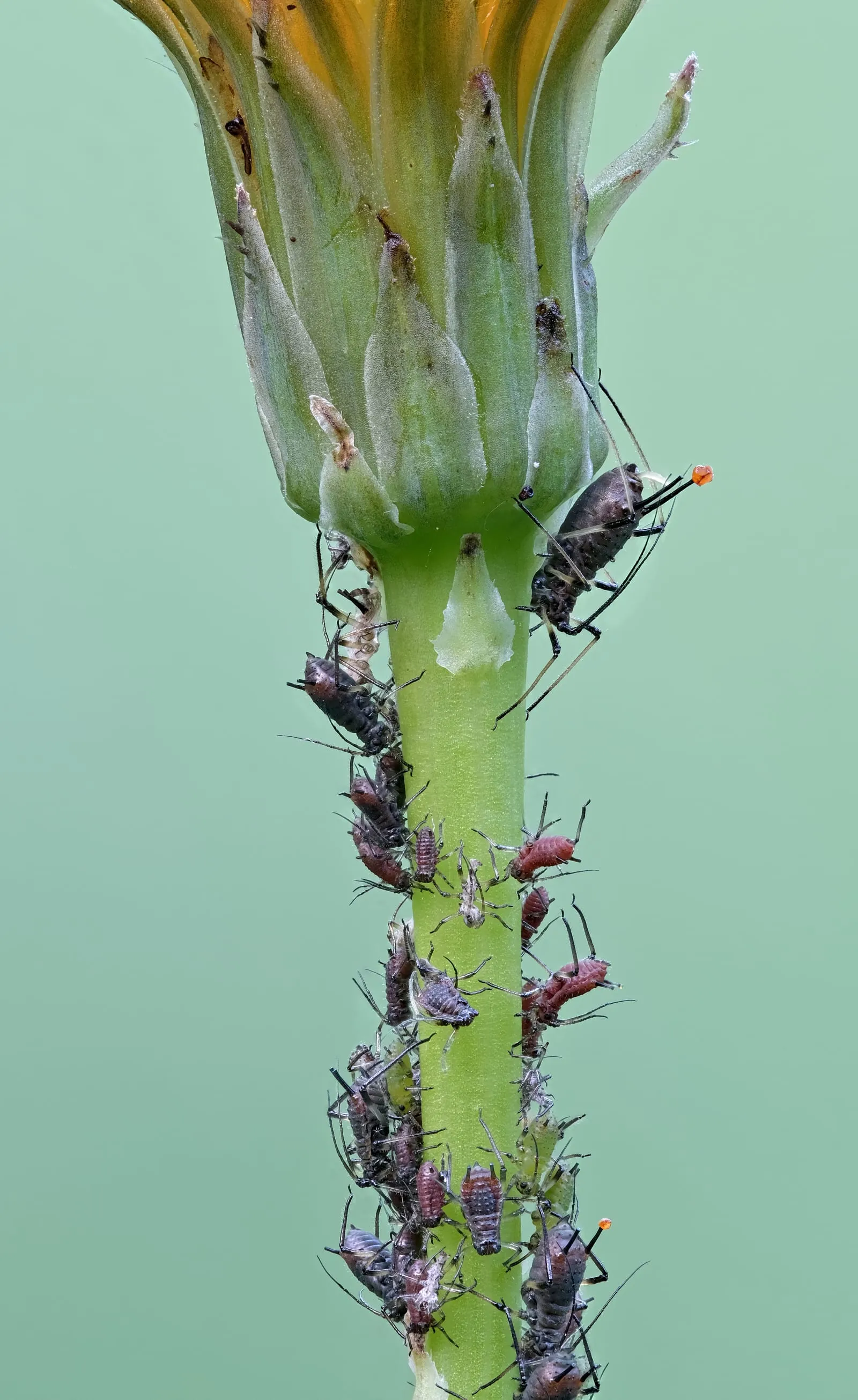
Multiple species (Aphididae)
Small soft-bodied sap-sucking insects that reproduce explosively in spring. Excrete honeydew that supports sooty mold and attracts ants. Transmit viral diseases.
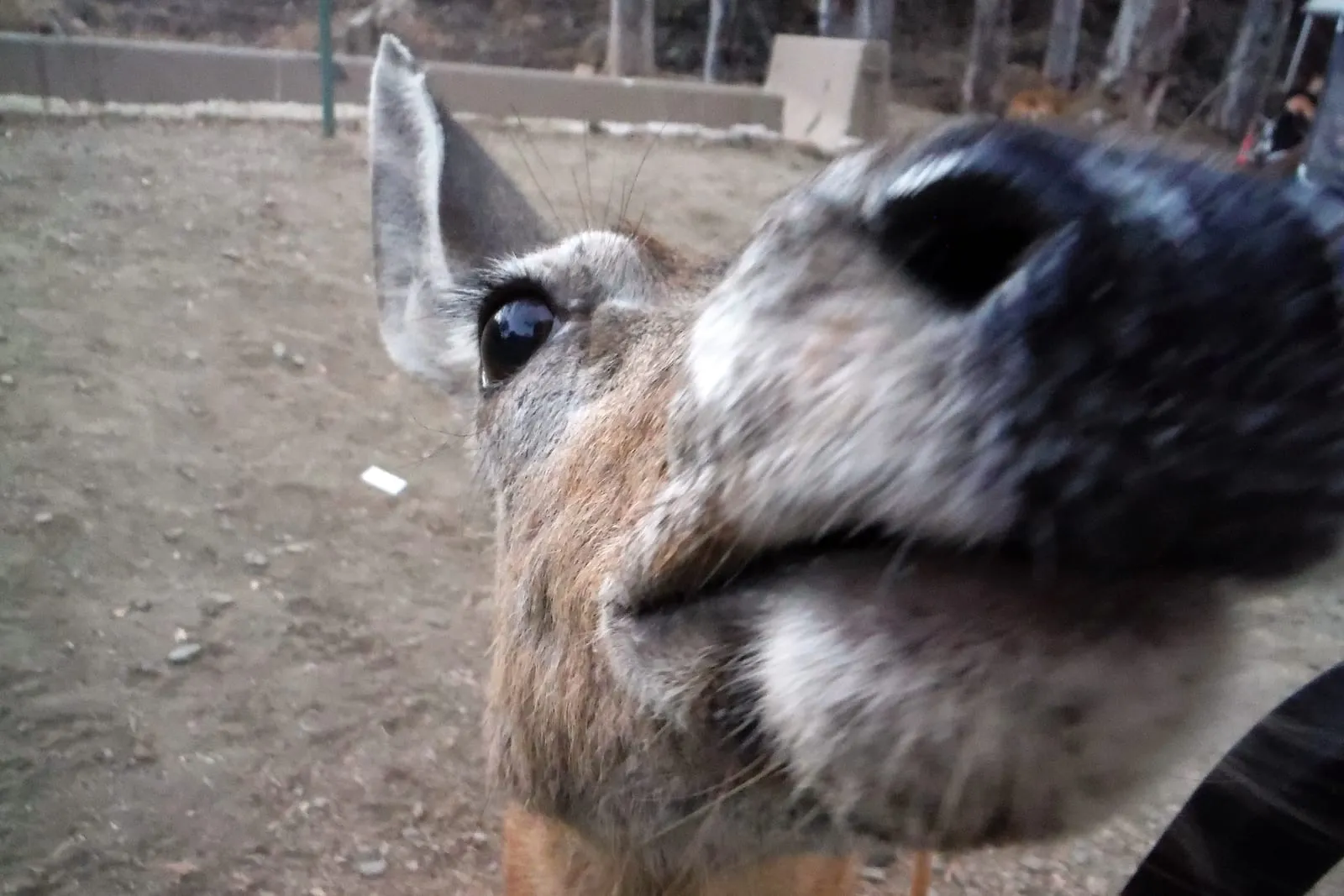
Odocoileus species
Whitetail and mule deer browse can devastate orchards and gardens, particularly in winter when food is scarce. Antler rub on young trunks kills saplings outright.
Multiple species
Robins, catbirds, mockingbirds, starlings, cedar waxwings and other songbirds can strip ripening berry and fruit crops in days. Crows and blackbirds also damage fresh sweet corn ears in milk stage. The single biggest yield-loss factor in unprotected home plantings.
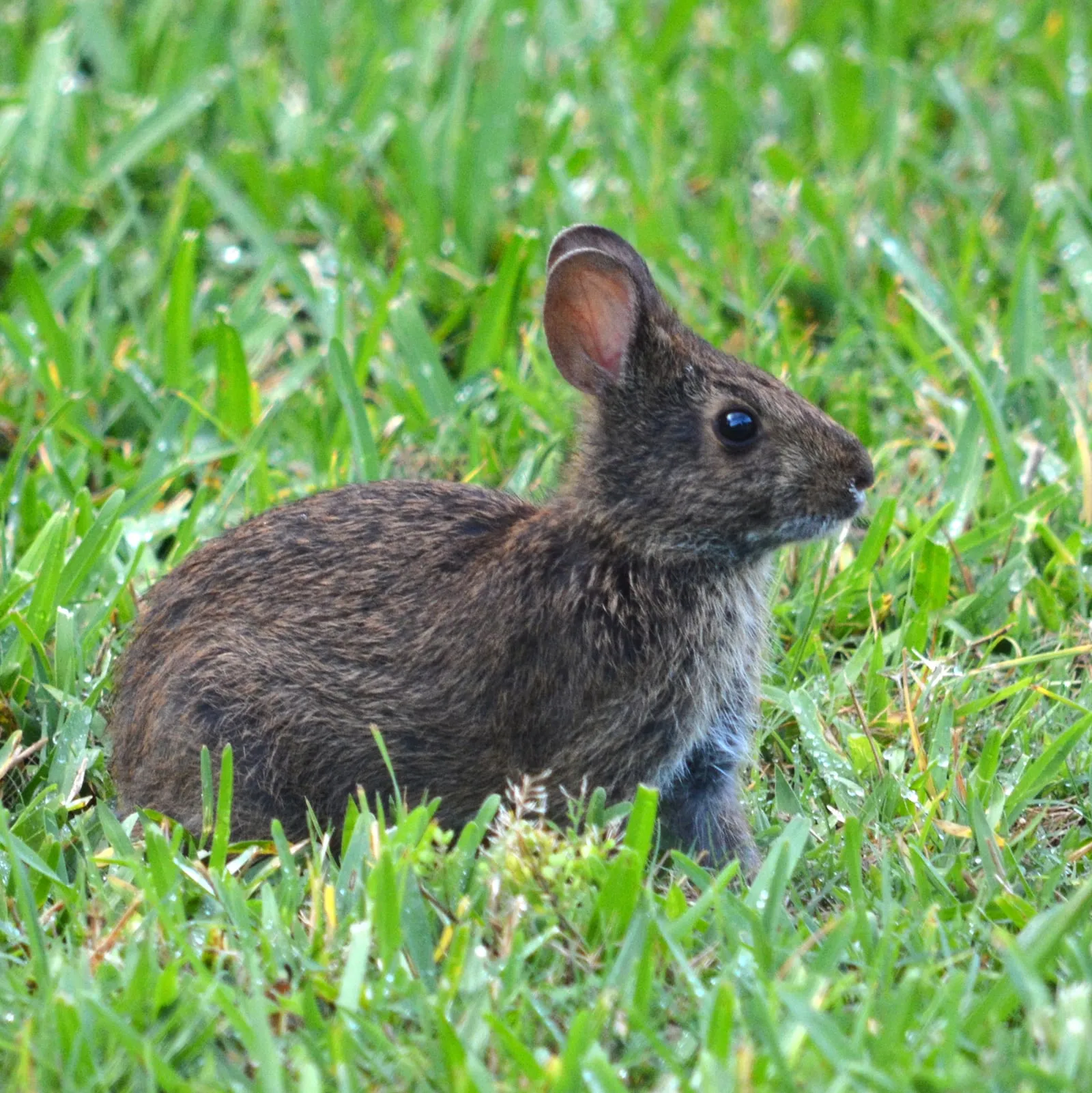
Sylvilagus and Lepus species
Cottontails and jackrabbits strip bark from young fruit trees in winter and graze tender garden vegetables year-round, especially seedlings.
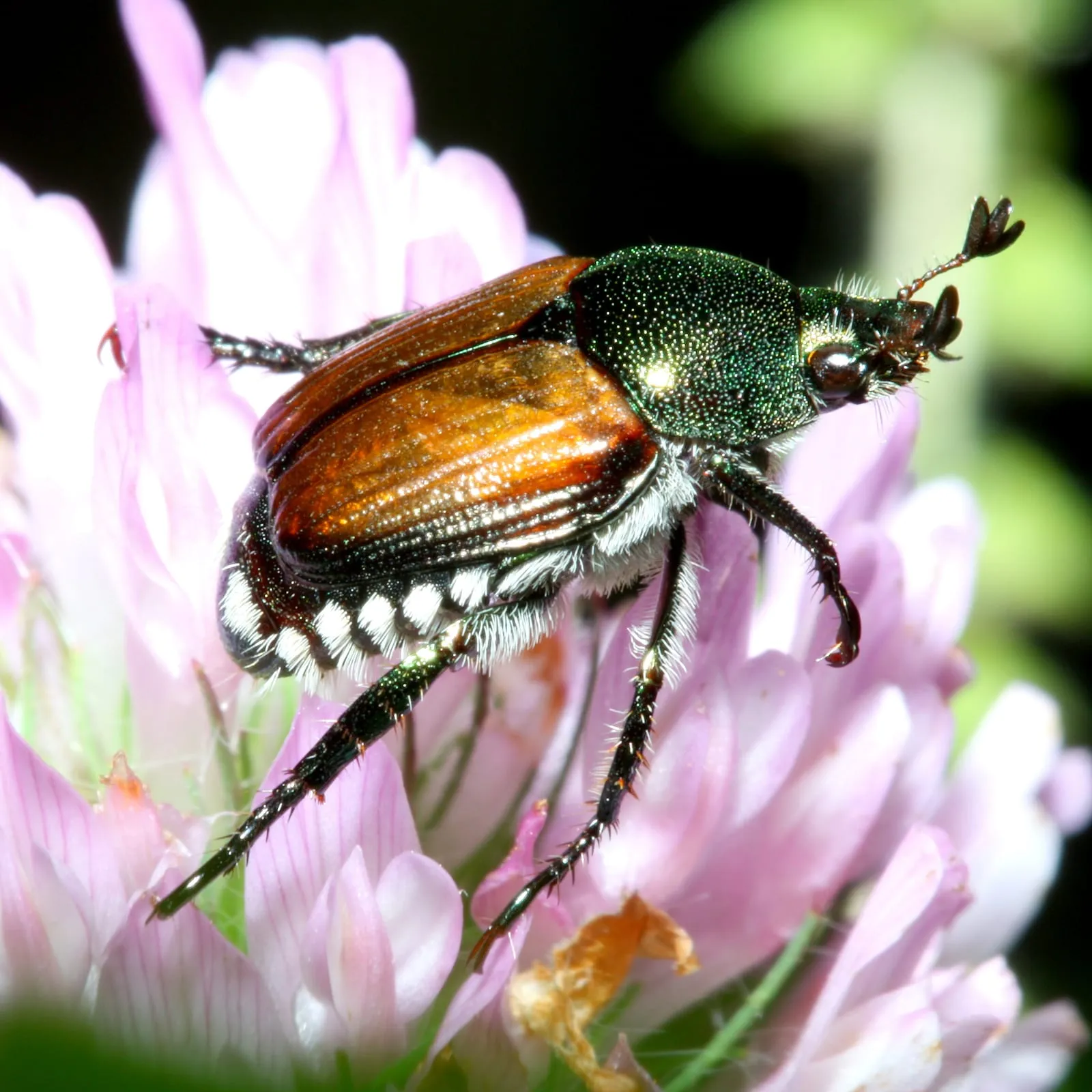
Popillia japonica
Defoliating beetle introduced to North America in 1916. Skeletonizes leaves of many fruit trees, berry canes, and pecan.
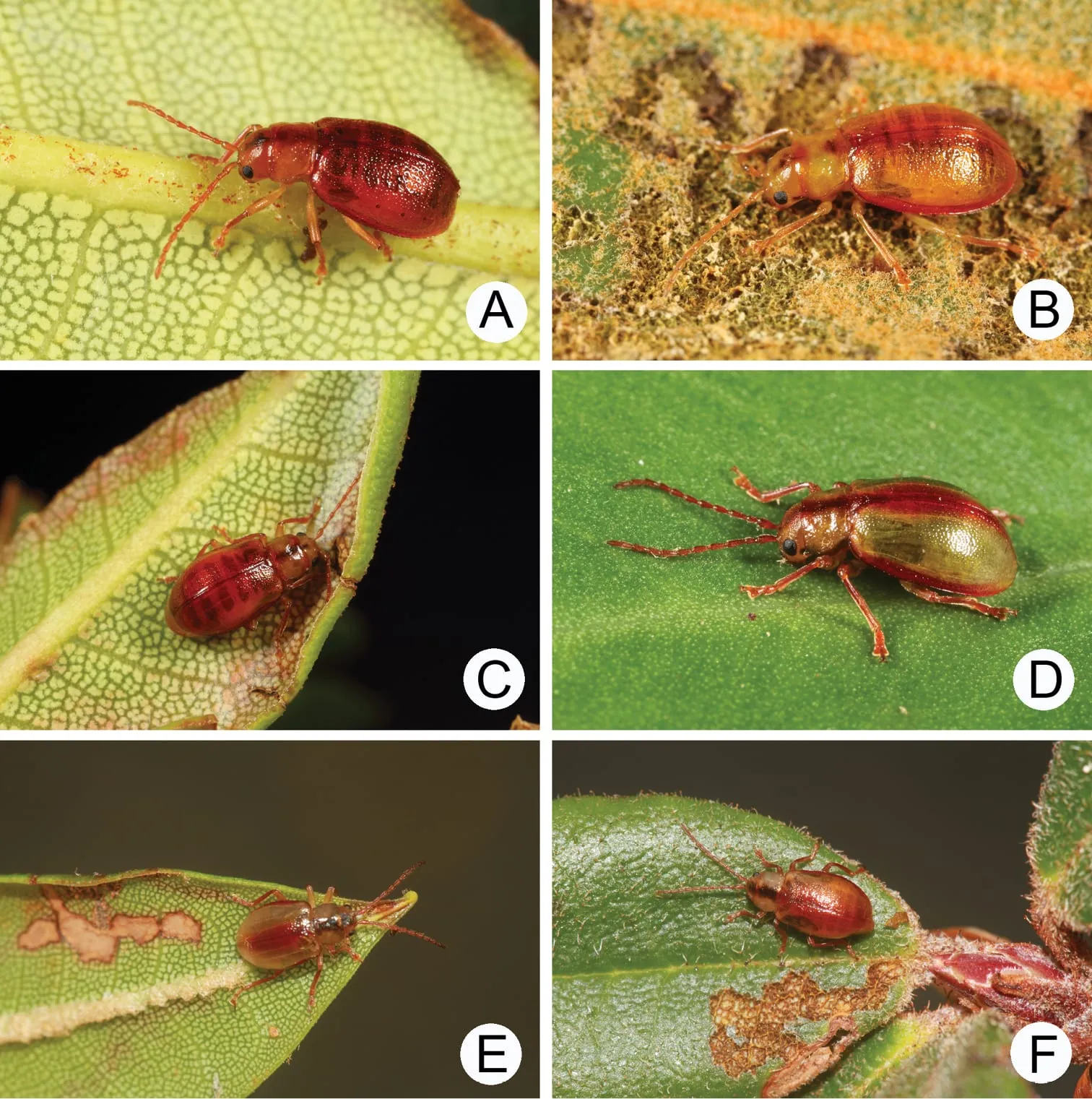
Multiple species (Chrysomelidae)
Tiny black or bronze jumping beetles that put hundreds of small holes in seedling leaves. Most damaging on direct-seeded brassicas and young eggplant.
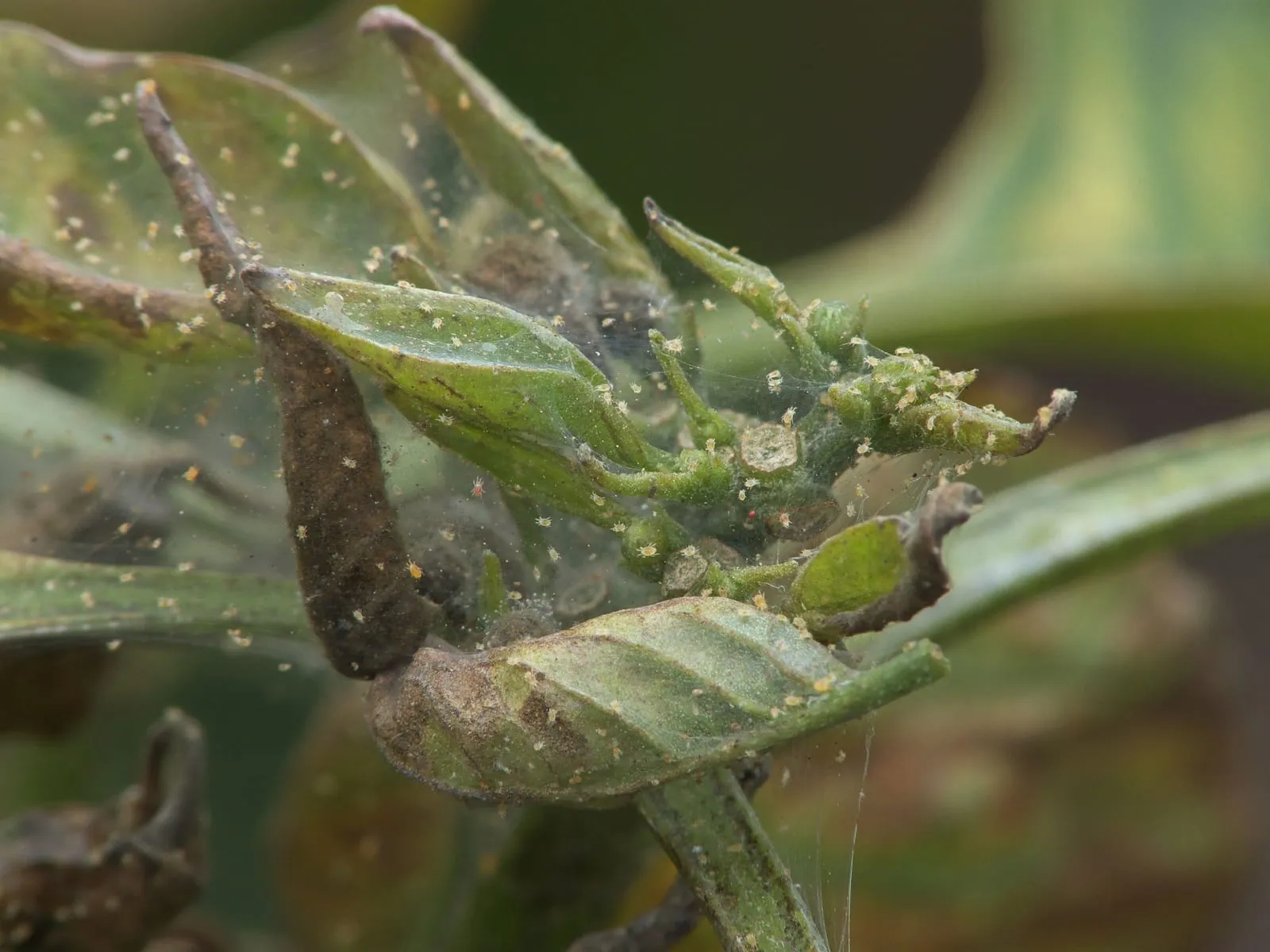
Tetranychus urticae
Tiny mite that feeds on leaf undersides, causing stippling and webbing during hot dry weather.
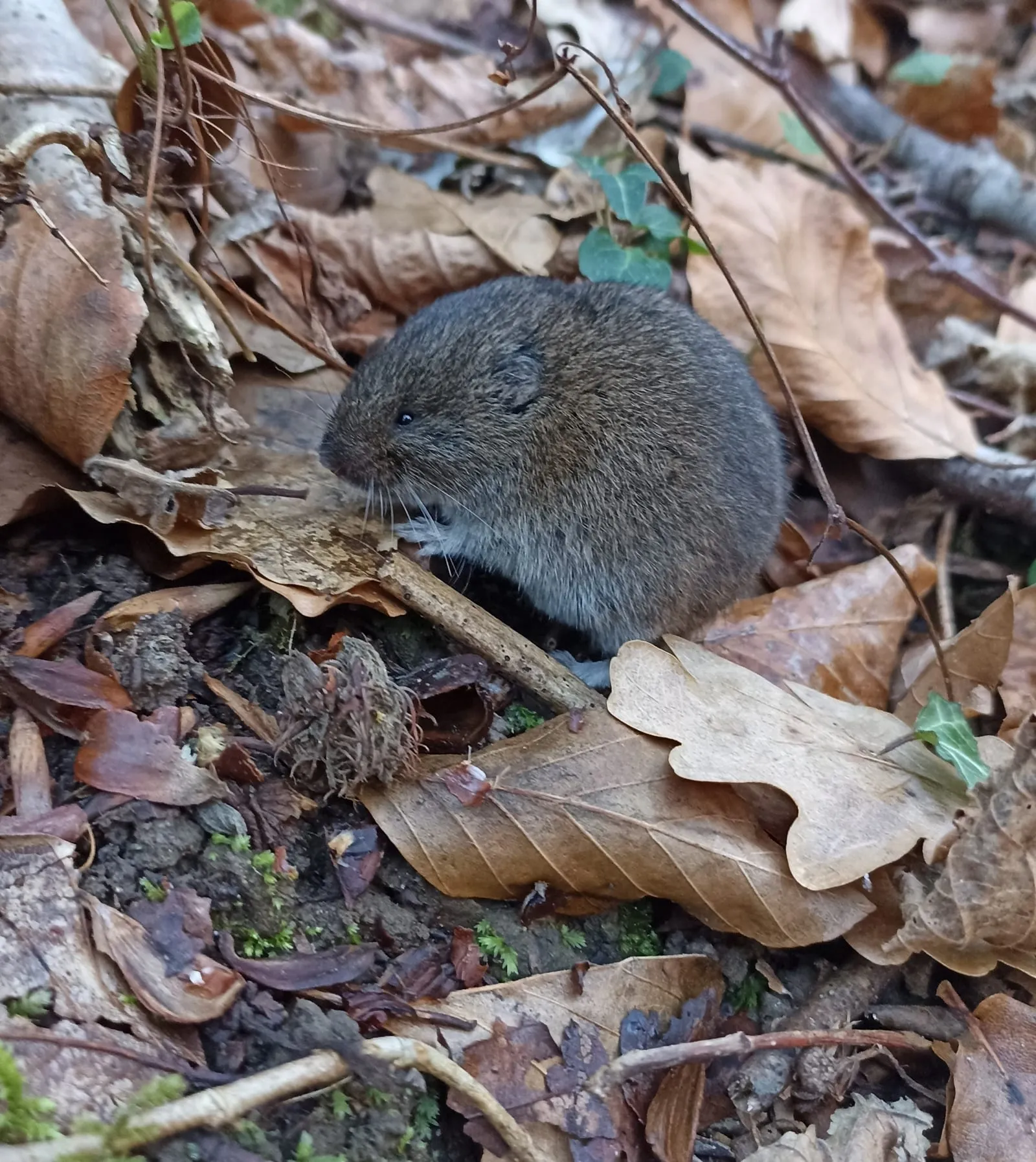
Microtus species
Field voles and meadow voles girdle young fruit-tree trunks under snow cover during winter and chew root crops. The leading cause of mysterious orchard losses.
Top diseases for zone 6b
Ranked by how many crops in your zone they affect. Click through for symptoms, controls, and resistant varieties.
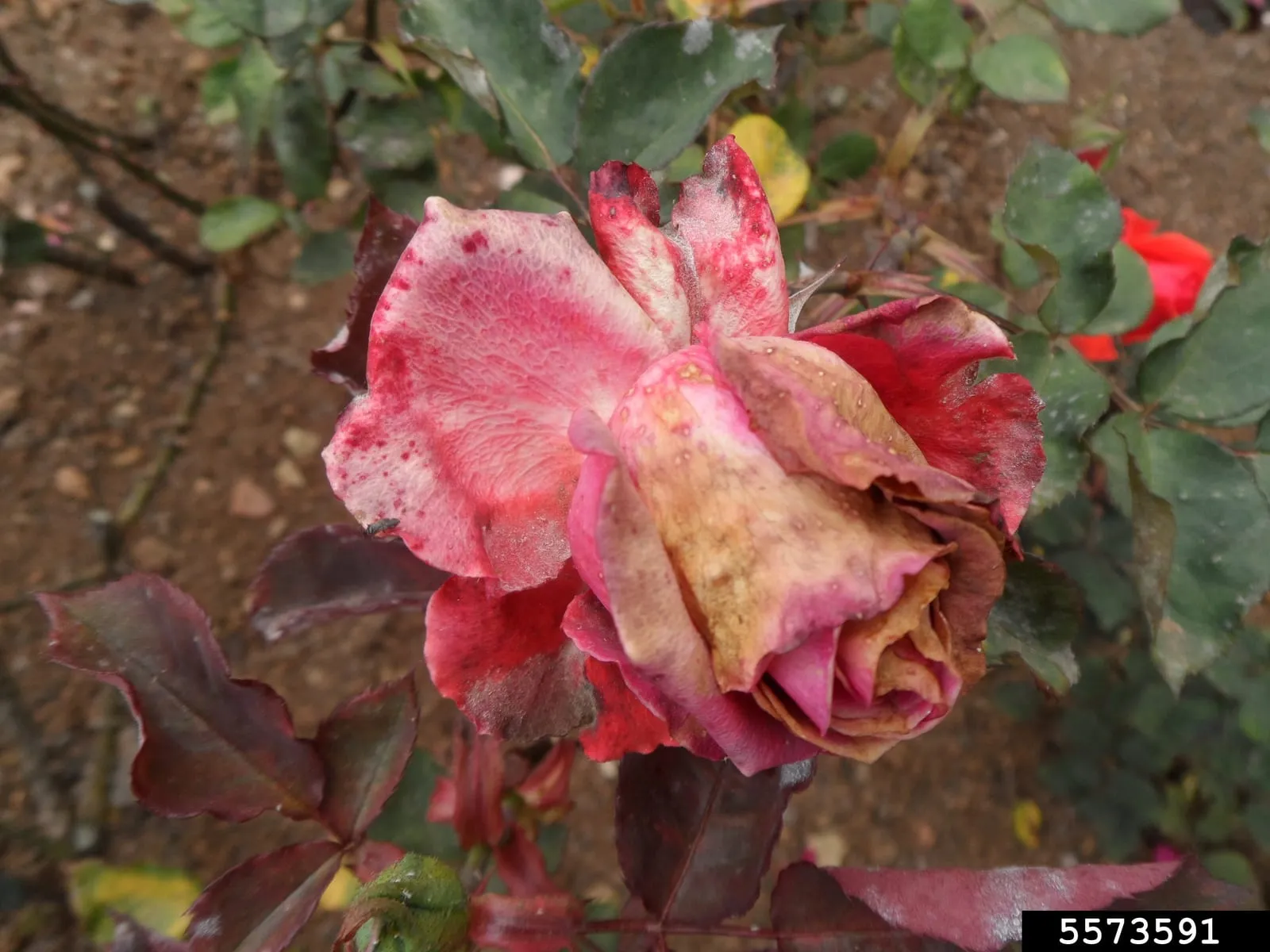
Botrytis cinerea
Ubiquitous fungal disease that causes fruit rot during cool wet weather, often the dominant berry disease in humid regions.
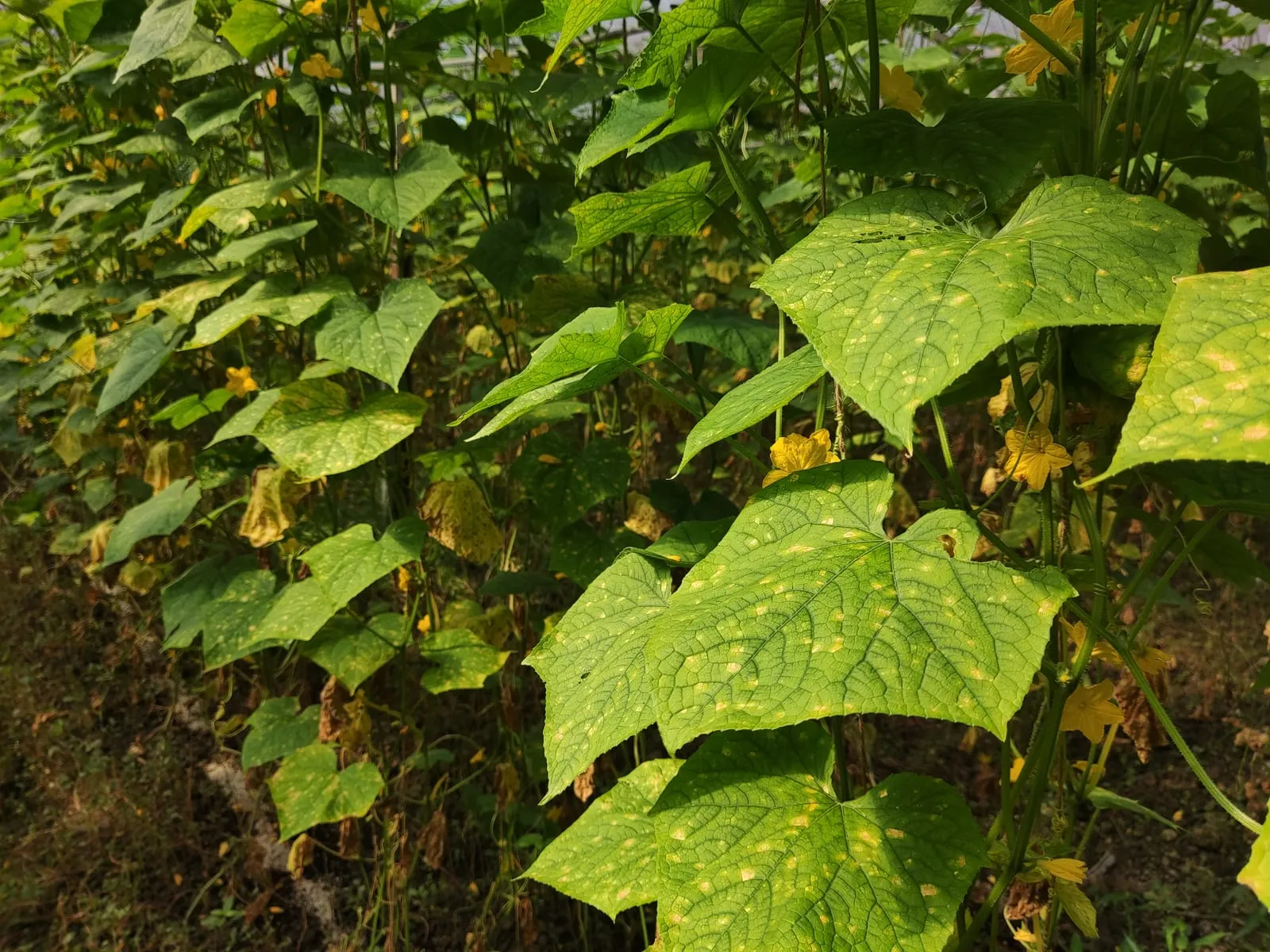
Pseudoperonospora cubensis (cucurbits) and others
Water mold (oomycete, not a true fungus) that thrives in cool damp conditions. Spreads rapidly through cucurbit and brassica plantings on wind-borne spores.
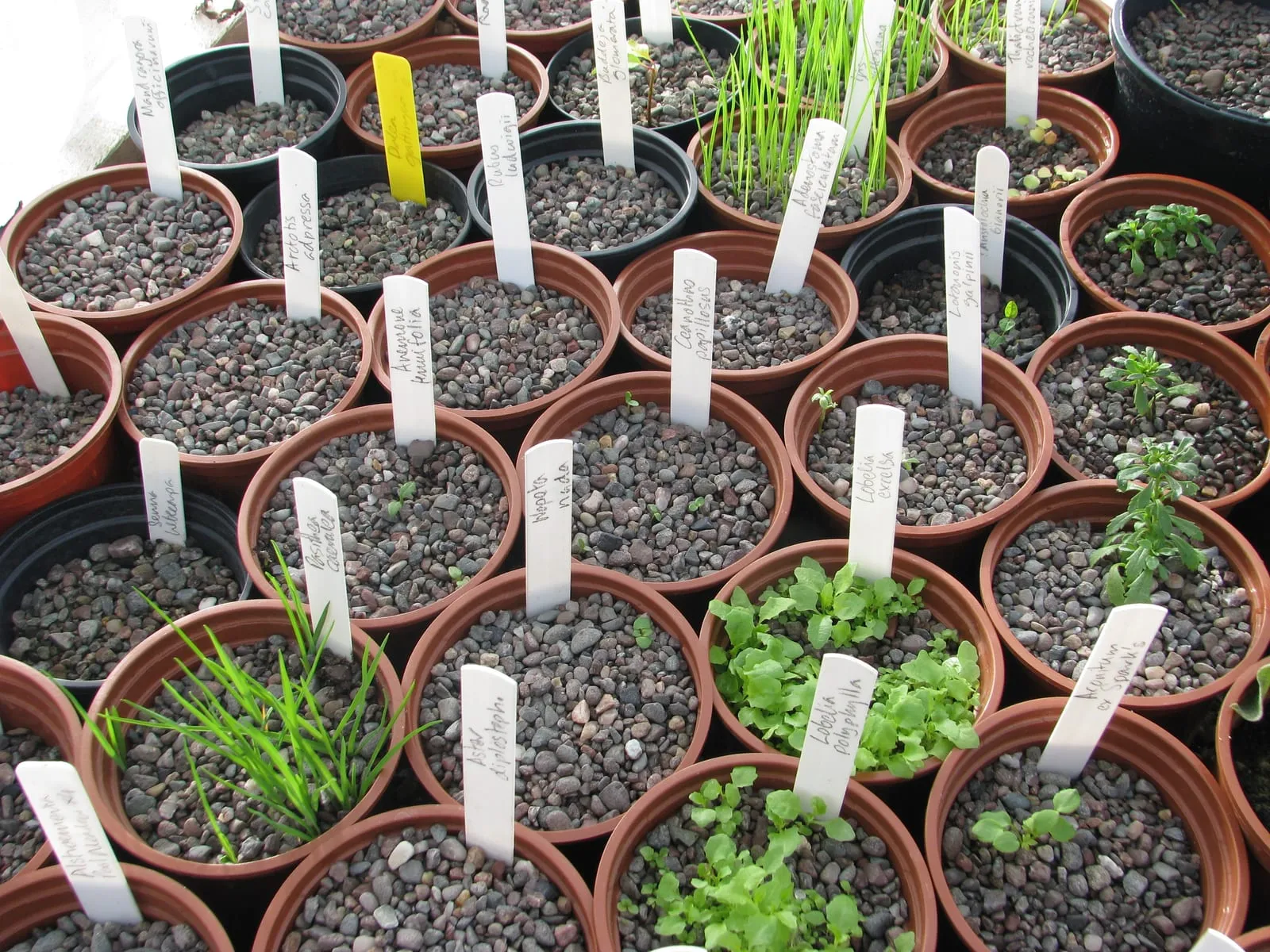
Pythium and Rhizoctonia species
Soil-borne complex of water molds and fungi that kill seedlings before or shortly after emergence. The single most common cause of seed-starting failures.
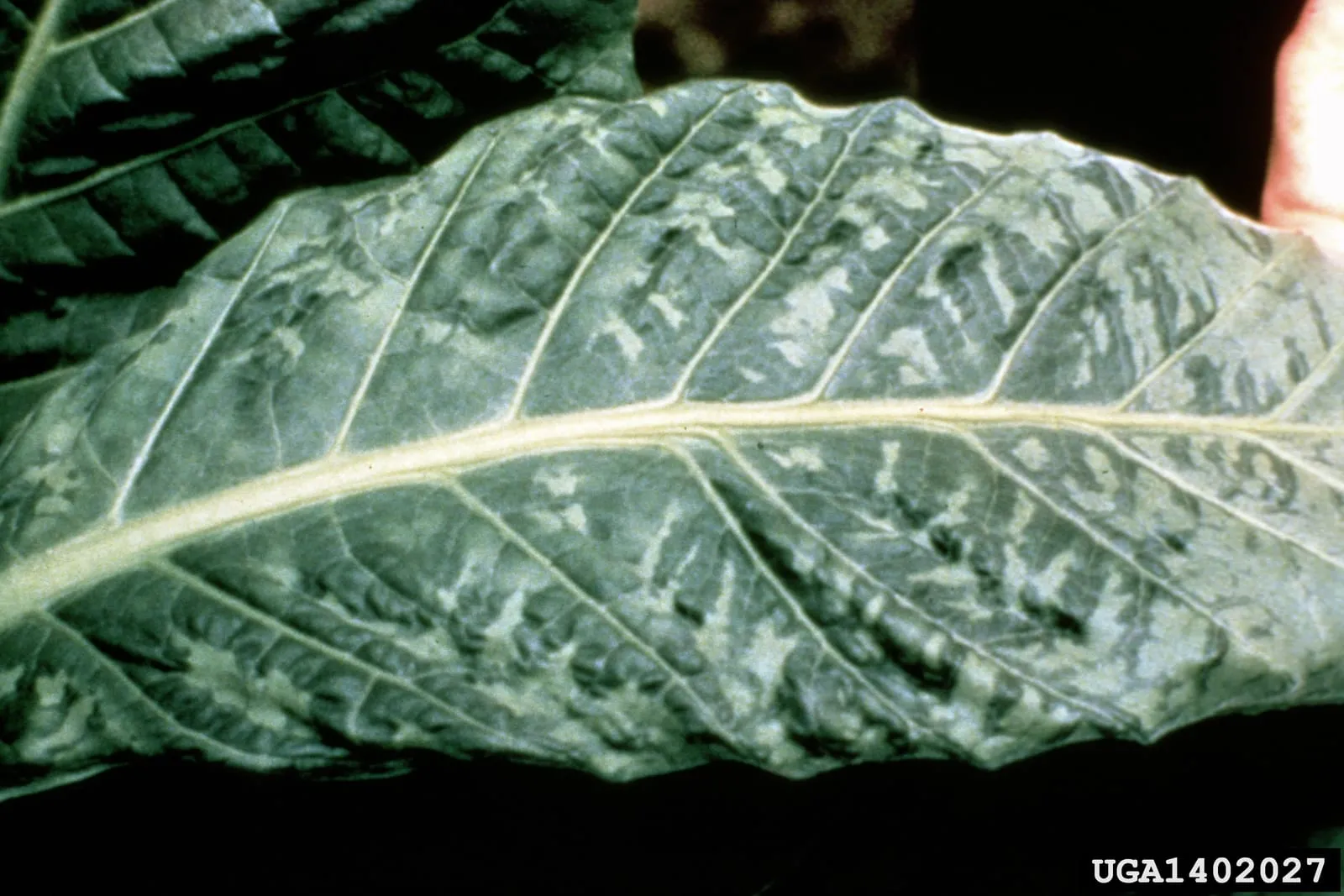
Cucumber mosaic virus, Tobacco mosaic virus, and others
Family of plant viruses producing mottled yellow-and-green leaf patterns. Vectored primarily by aphids; some are seed-transmitted or spread by handling tools and tobacco products.
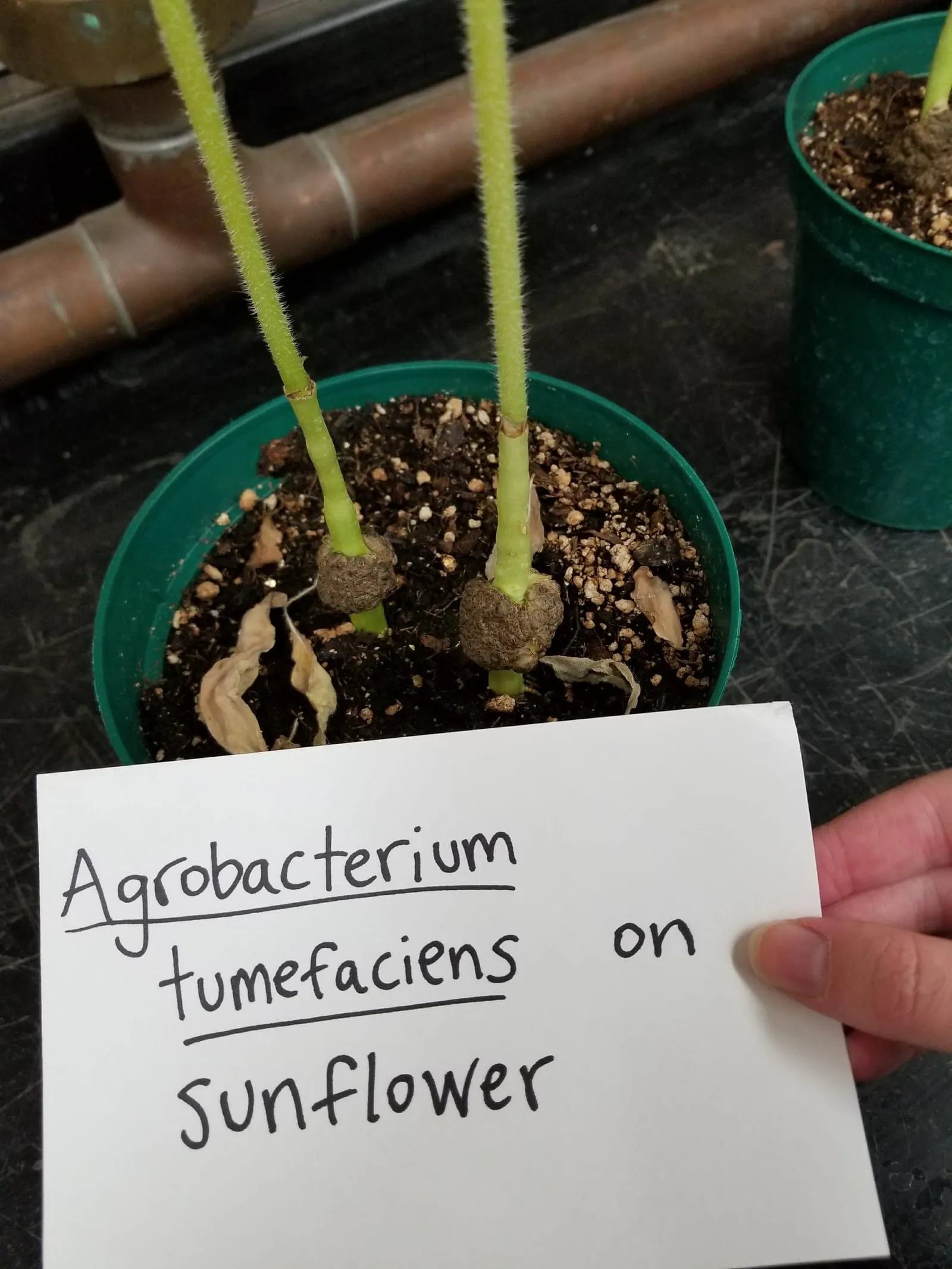
Agrobacterium tumefaciens
Soil-borne bacterium that enters plants through wounds and induces tumor-like galls on roots, crown, and lower stems. Galls reduce vigor and shorten plant lifespan; on Rubus the disease is often fatal.
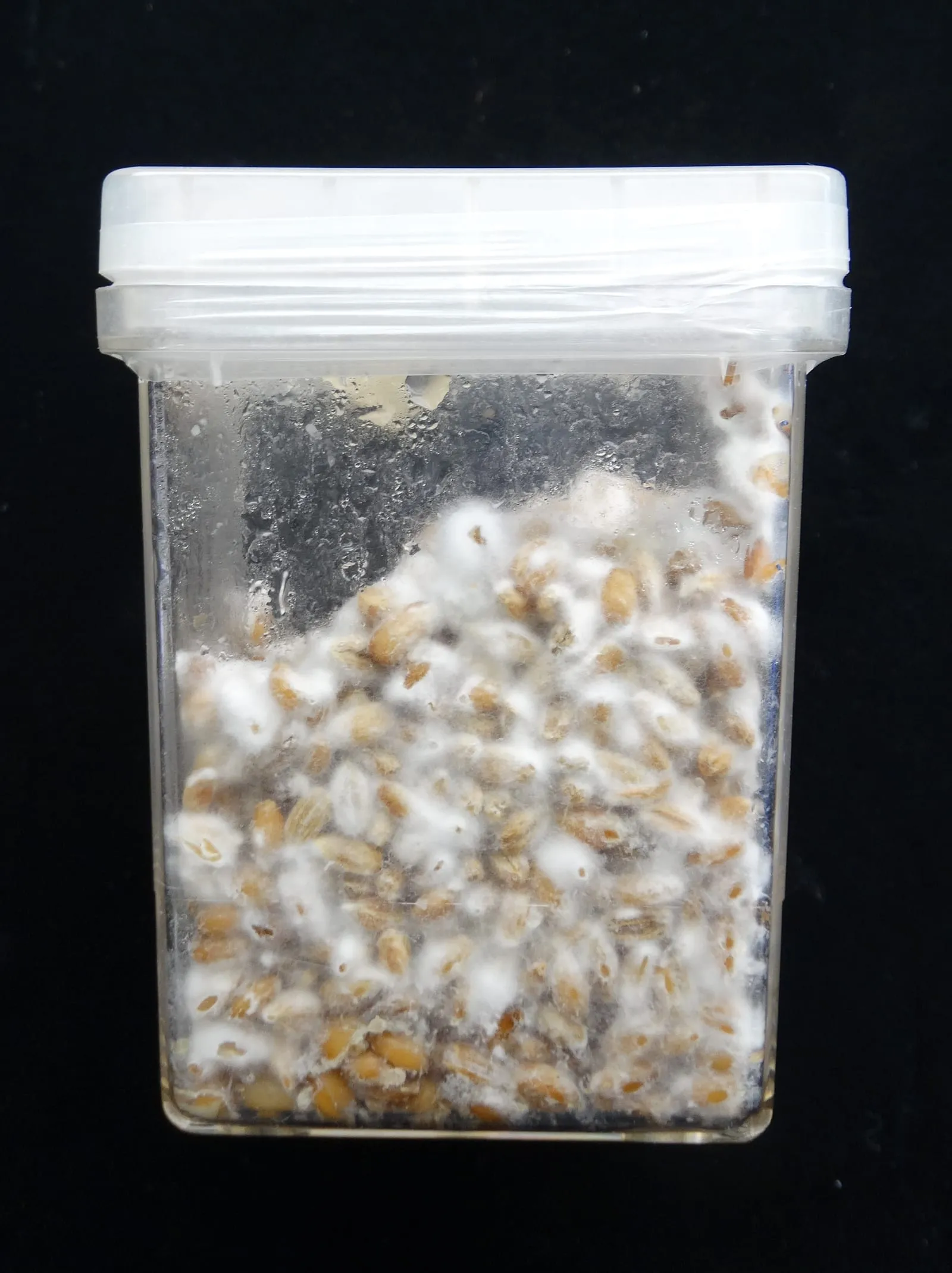
Fusarium oxysporum
Soil-borne fungal disease that plugs vascular tissue and kills affected plants. Persists in soil for many years; impossible to eliminate once established.
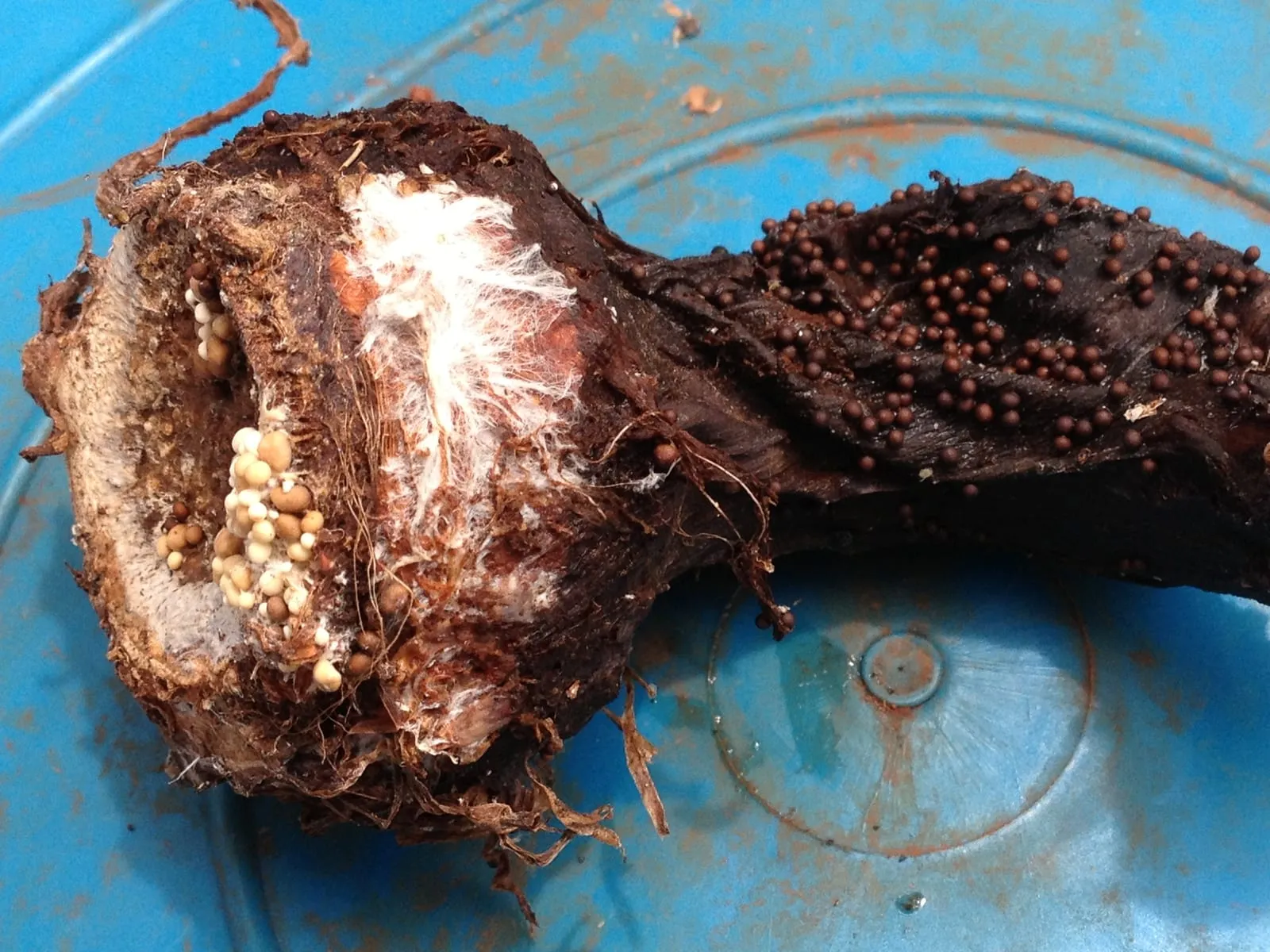
Sclerotium rolfsii
Soil-borne fungal disease most damaging in warm humid Southern conditions. White mycelial fans and small mustard-seed-sized sclerotia at the soil line are diagnostic.
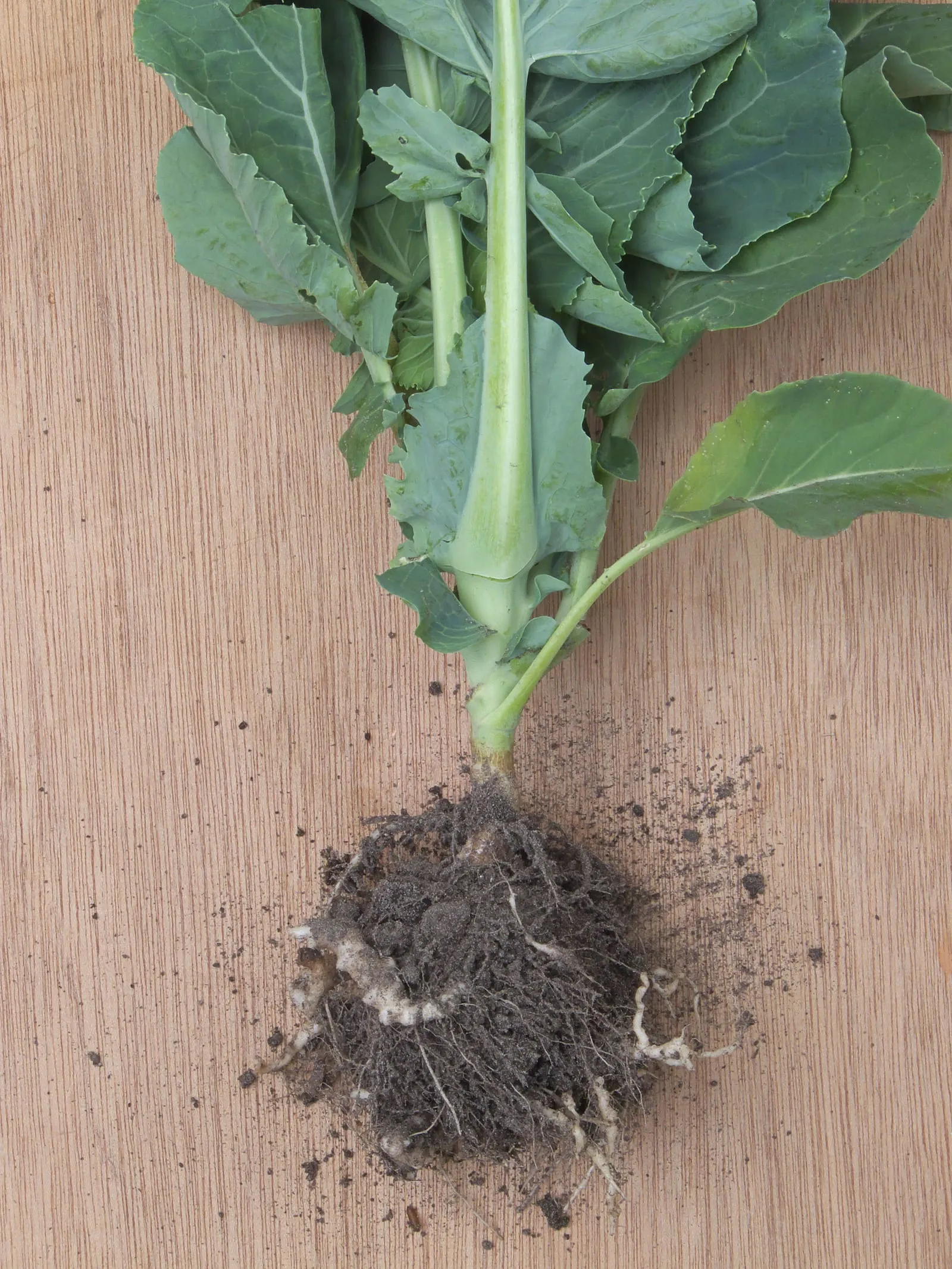
Plasmodiophora brassicae
Soil-borne disease causing characteristic distorted club-shaped roots on brassicas. Persists in soil for 10-20 years; the dominant brassica pathogen in acidic poorly-drained soils.
Companion planting suggestions
Beneficial pairings drawn from companion data, filtered to crops that grow in zone 6b.
- Peach + Garlic
Garlic planted around peach trees suppresses peach borer and provides general fungal-pressure reduction.
- European Plum + Garlic
Garlic discourages plum curculio and provides general antifungal benefit beneath stone fruit.
- American Persimmon + Pawpaw
Both natives thrive in similar soils and contribute to a polyculture that supports native pollinators and fauna.
- Jujube + Thyme
Thyme groundcover suits jujube's low-water profile and deters cabbage moth and aphid populations.
- Apricot + Basil
Basil's volatile oils discourage stone-fruit pests and support pollinator visits.
- Highbush Blueberry + Thyme
Creeping thyme thrives in the acidic mulched conditions blueberries require and attracts pollinators during bloom.
Soil types reference
Soil texture and pH decide what grows easily on your specific lot. Find the closest match below for crop recommendations and amendment guidance.
Practical tips for Cleveland
Site for air drainage. Cold air pools in low-lying yards; late frost damage concentrates in valleys. Position fruit trees on slopes or in open areas where cool air flows away after dawn. This single choice reduces late-frost crop loss and fungal disease equally.
Choose late-budbreak varieties for peaches and Japanese plums. Standard Redhaven peach buds out early; experiment instead with cultivars like Reliance or Contender, which break bud 2 to 3 weeks later and avoid the April 20 frost more often. European plums are naturally later and more reliable.
Start dormant-season pruning in February, before bud break. The window between February and early April is narrow, but pruning then improves air flow through the canopy for the humid summer ahead. Combined with variety choice, improved air circulation cuts fungal disease by 30 to 50 percent over a season. Do not wait until summer to thin dense growth.
Frequently asked questions
- What fruit trees grow best in Cleveland?
Apples, pears, and sour cherries are the most reliable performers. European plums and sweet cherries do well in south-facing sites. Peaches and Japanese plums are possible but demand attention to late-frost protection and fungal disease; late-budbreak varieties like Reliance and Contender improve success. American persimmons, once established, require minimal care.
- When should fruit trees be planted in Cleveland?
Spring planting after April 20 (the last spring frost) is safest; container trees can go in the ground once soil is workable, usually late April. Fall planting (mid-September through October) also works but leaves new trees vulnerable to unexpected early freezes. Bare-root trees are best planted in early spring while still dormant, before bud break.
- Why do peach crops fail so often in Cleveland?
Late spring frosts after bud break (common in April) kill flower buds; choose late-budbreak varieties like Reliance or Contender. Fungal diseases like brown rot and leaf curl thrive in Cleveland's humid summers. Space trees in open sites for air flow, prune to thin dense growth, and consider dormant-oil and sulfur sprays in late winter and spring.
- Is there a fruit tree that needs minimal care in Cleveland?
Sour cherries and American persimmons are the closest to care-free. Sour cherries tolerate poor soil, spread naturally, and rarely need pruning; fungal issues are minimal. American persimmons (native to the region) require no fertilizer or pest management once established. Both thrive in zone 6b without constant attention.
- What's the biggest weather risk for gardeners in Cleveland?
Late spring frost (around April 20) kills crops more often than winter cold. Peaches, plums, and apples in early-budbreak years get caught frequently. Pair this with Lake Erie humidity driving summer fungal diseases, and site selection plus variety choice become the best defenses. A late-April frost plus May rain can be a one-two punch.
- How can air flow around fruit trees be improved?
Thin branches during dormant season (February-March) to open the canopy interior. Space trees at full mature width apart (check cultivar specifications; most apples need 20 feet). Position trees on slopes or high ground to encourage cold-air drainage. Avoid planting in valley pockets or dense shade. Better air flow cuts fungal disease pressure significantly.
+−
+−
+−
+−
+−
+−
Frost data: NOAA Climate Normals 1991-2020, station USW00014820. Local microclimates can shift these dates by a week or more.
Related